In spice processing facilities, a masala powder packing machine operates under demanding conditions. Fine spice particles, aromatic oils, and continuous production schedules place significant stress on mechanical components. Without a structured maintenance program, powder buildup, seal wear, and dosing inaccuracies can lead to costly downtime and product inconsistency. This guide outlines the essential maintenance practices that keep your equipment running at peak efficiency.
Daily Cleaning and Inspection Routine
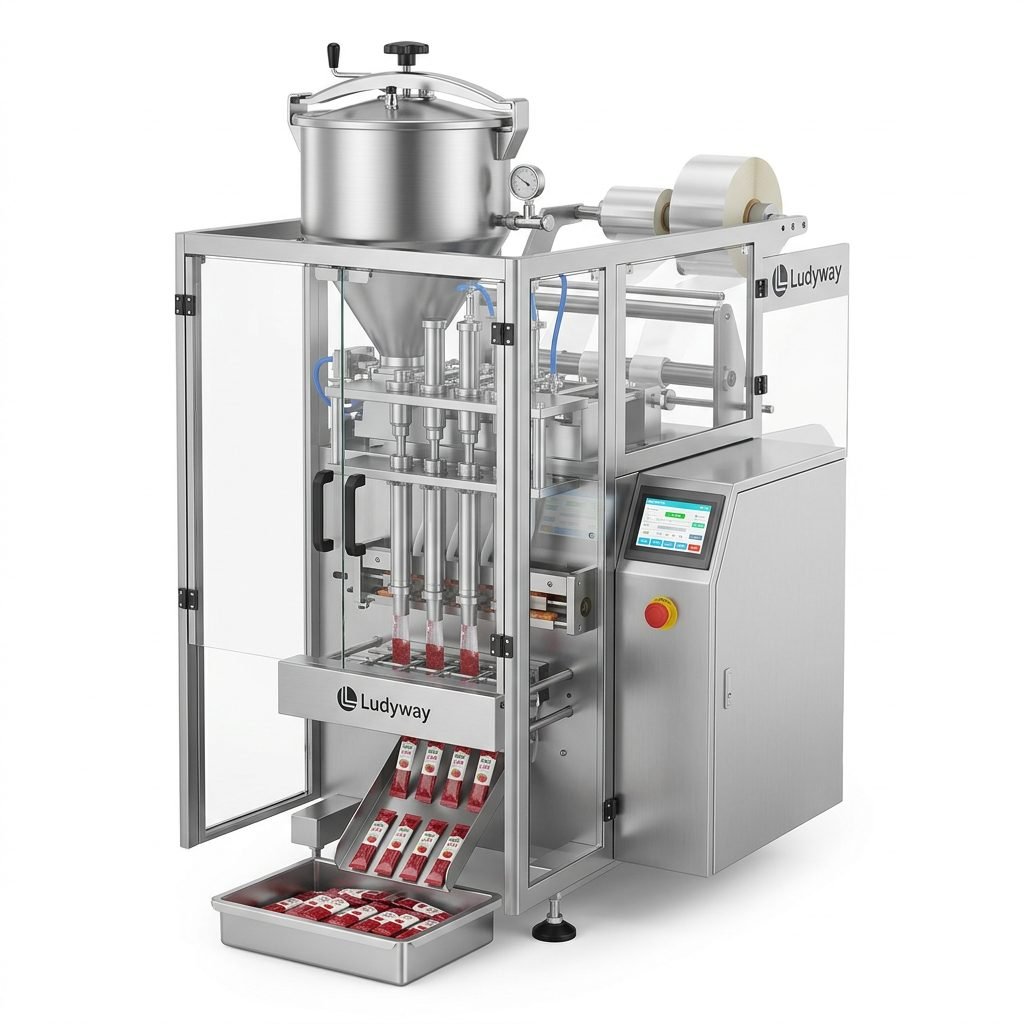
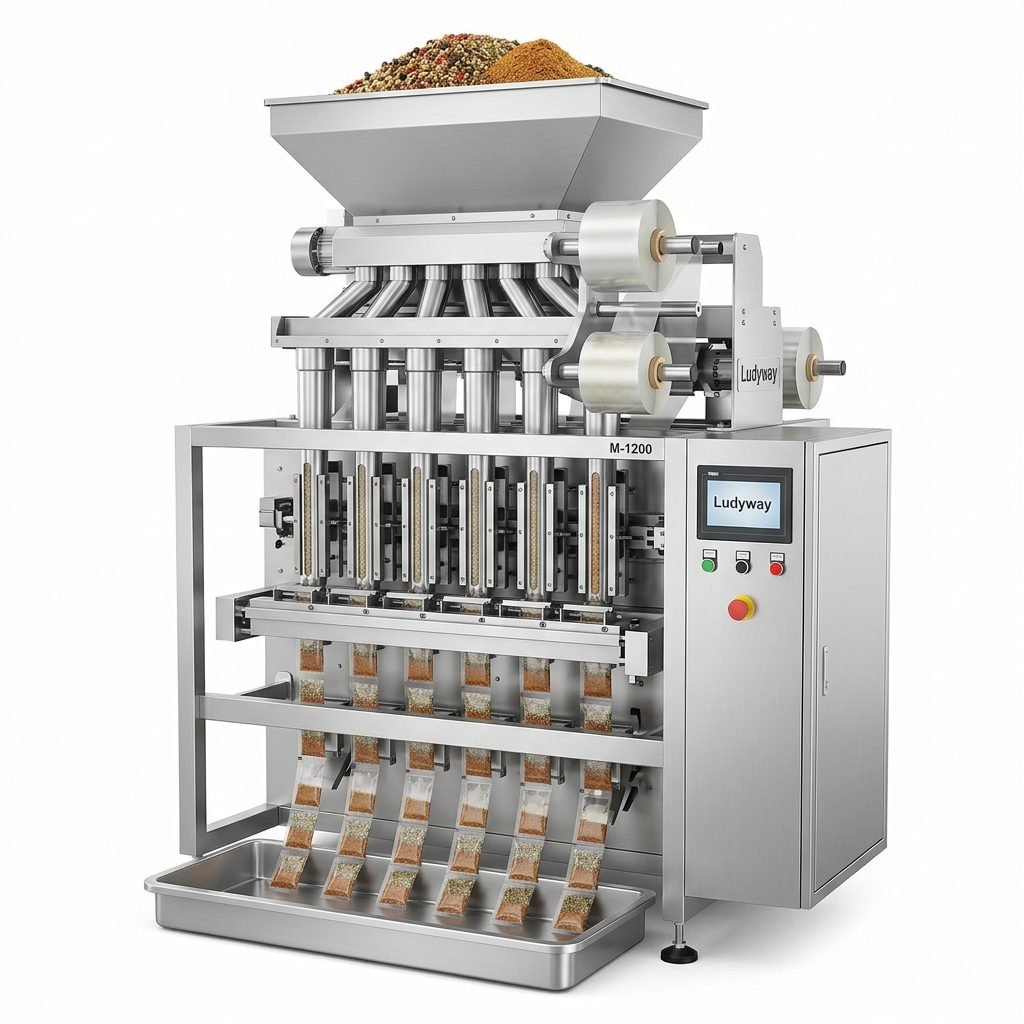
Daily cleaning is the foundation of preventive maintenance for any powder packaging system. Masala powders contain natural oils and fine particulates that cling to metal surfaces and can cause blockages in filling nozzles. Begin each shift by inspecting the hopper for residual powder. Use food-grade cleaning agents and lint-free cloths to wipe down all product contact surfaces. Pay special attention to the sealing jaws and forming tube, where caramelized spice residues often accumulate. A quick visual check of the film path for debris prevents film tracking issues later in the production run.
- Remove and clean the hopper to eliminate cross-contamination between spice blends
- Inspect sealing jaw surfaces for sticky residue and wipe with approved solvent
- Verify that all sensors and photoelectric cells are free of dust
- Check the film roll alignment and tension before starting production
Weekly Mechanical Checks
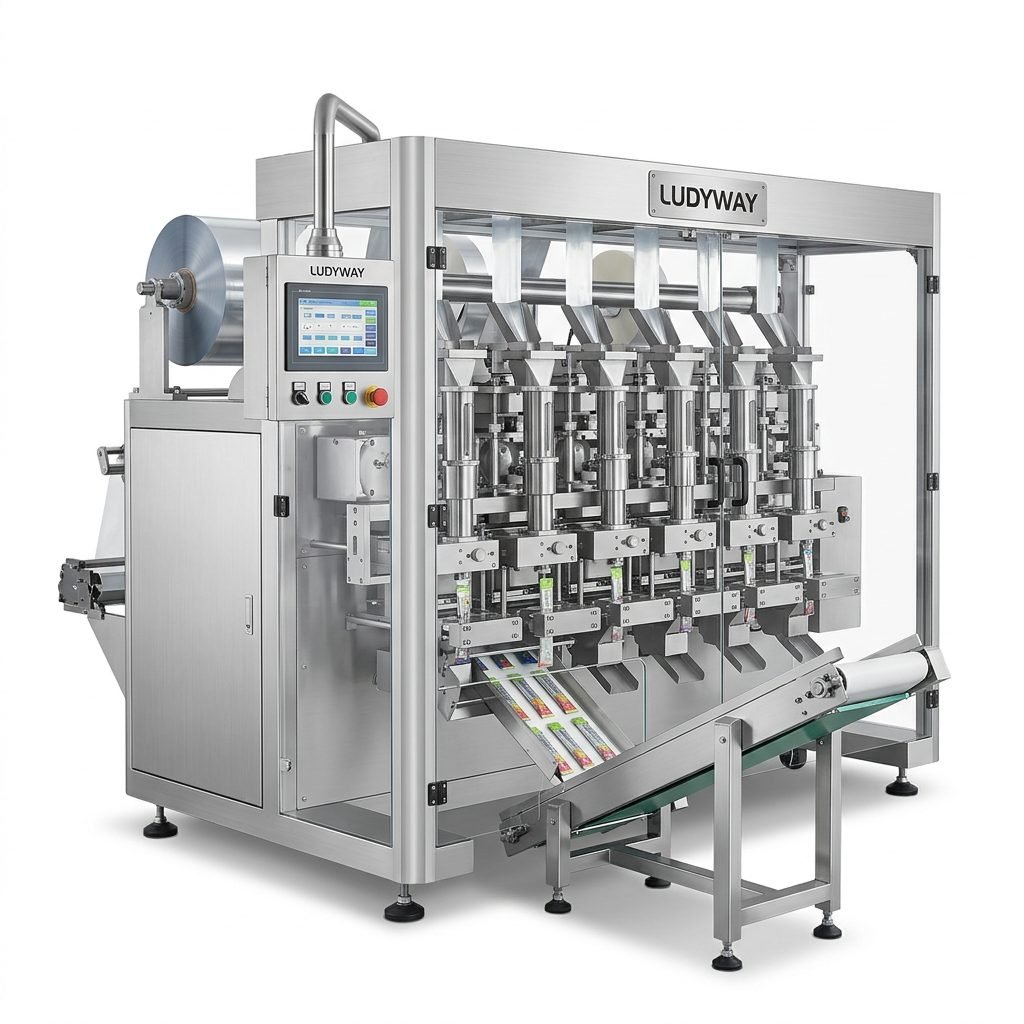
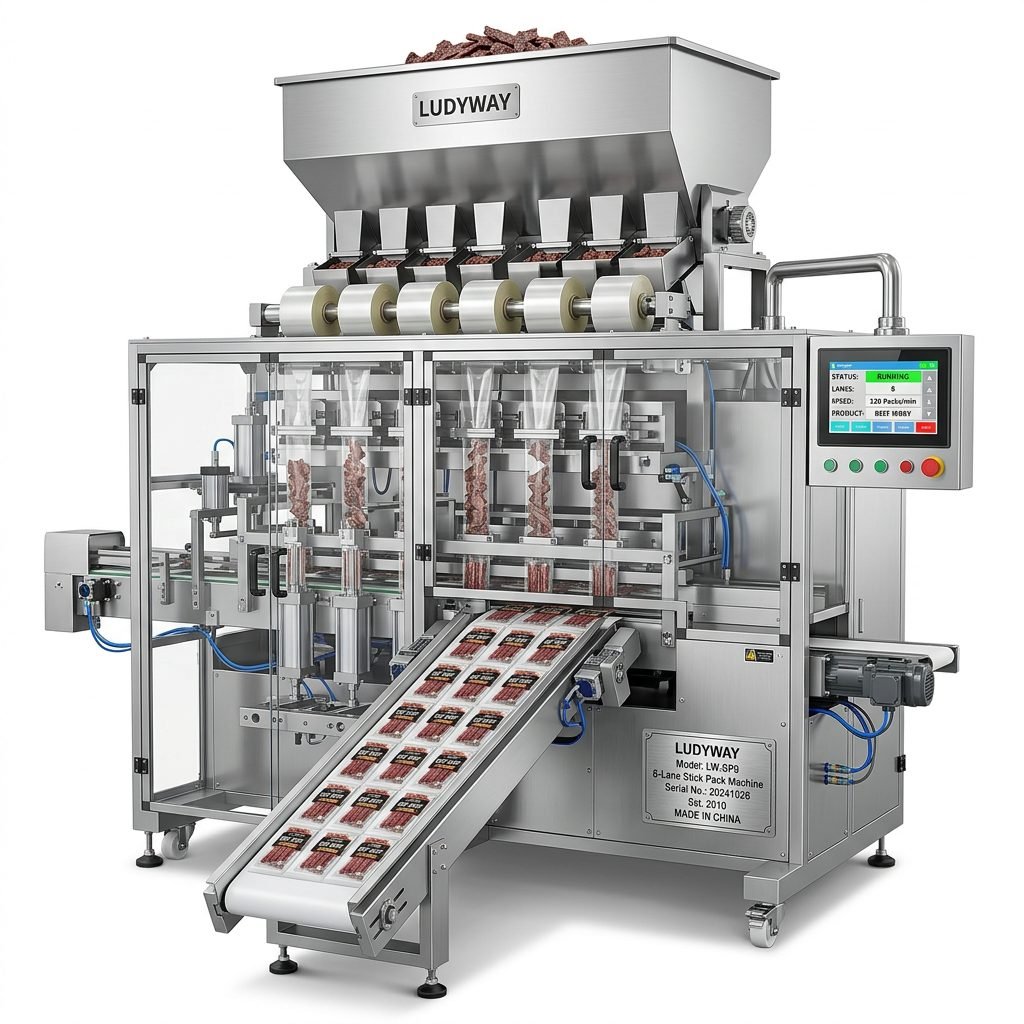
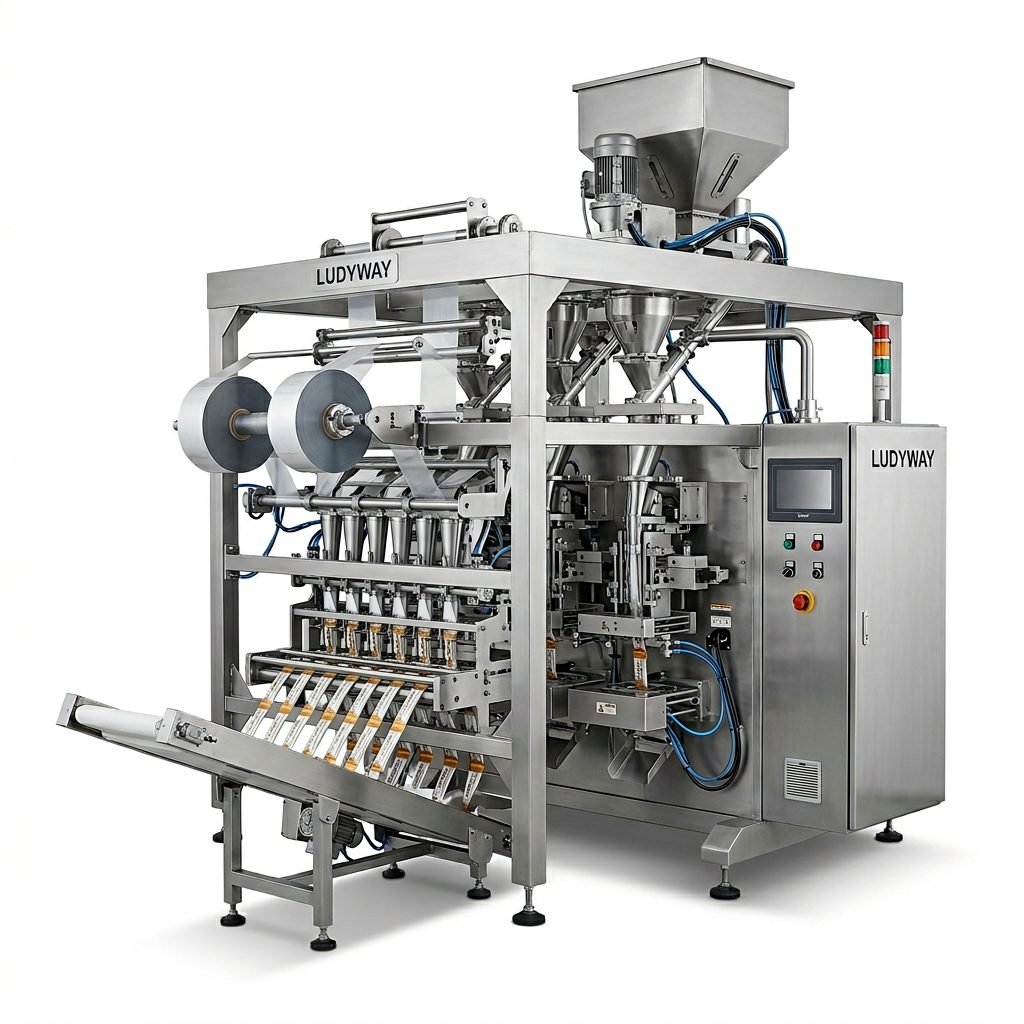
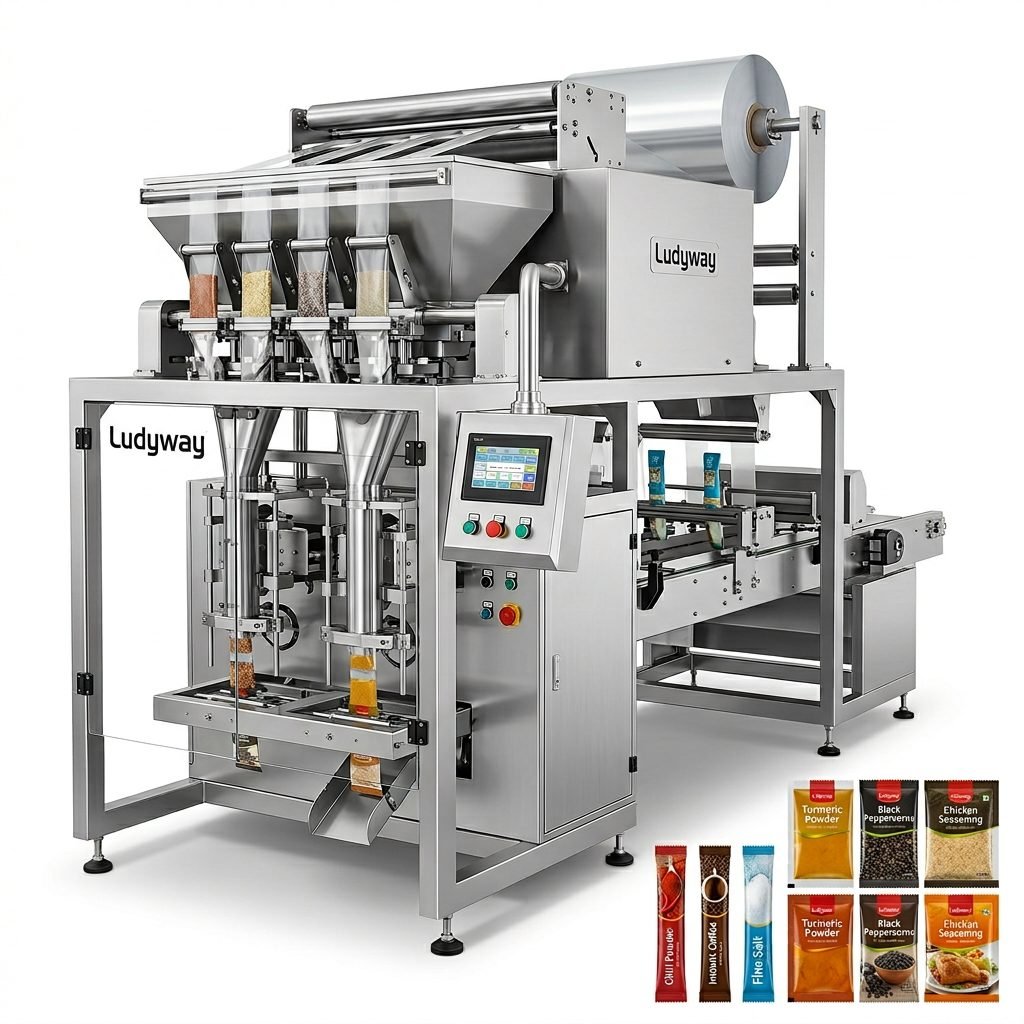
Weekly maintenance should focus on moving components that experience friction and wear. The filling auger or volumetric cup system in a multi-lane sachet packaging machine must be inspected for wear patterns that affect dosing accuracy. Lubricate all bearings, cam followers, and drive chains according to the manufacturer’s specifications. Use only food-grade lubricants in areas near the product path. Examine the film feed rollers for uneven wear that could cause web tracking problems.
Key Weekly Inspection Points
| Component | Inspection Focus | Action Required |
|---|---|---|
| Filling Auger | Wear on flight edges | Replace if clearance exceeds tolerance |
| Sealing Jaws | Temperature consistency | Calibrate thermocouple monthly |
| Film Feed Rollers | Surface grip condition | Clean or replace as needed |
| Drive Belts | Tension and cracks | Adjust tension or replace |
| Pneumatic Lines | Leaks and moisture | Drain filters and repair leaks |
Monthly Preventive Maintenance Tasks
Monthly maintenance requires a deeper level of inspection and proactive part replacement. The heat seal mechanism deserves particular attention, as inconsistent sealing temperatures cause packaging defects. Use a calibrated thermometer to verify that actual jaw temperatures match the controller readings. Inspect electrical connections for tightness and signs of overheating. Clean and vacuum the control cabinet interior, removing any spice dust that could affect sensitive electronics.
For facilities running high-volume production, consider implementing a automatic powder packaging machine maintenance log. Documenting each service action builds a valuable history that helps predict component lifecycles and schedule replacements before failures occur. This approach aligns with the reliability-centered maintenance principles recommended by organizations like the Association for Packaging and Processing Technologies (PMMI).
Monthly Maintenance Checklist
- Calibrate all temperature controllers and verify with external thermometer
- Inspect and clean the film cutting blade; sharpen or replace if dull
- Test emergency stop circuits and safety interlocks
- Check gearbox oil levels and top up if necessary
- Verify dosing accuracy with a precision scale across all lanes
- Clean all air filters and replace if clogged with spice dust
Common Troubleshooting for Spice Packaging
Masala powder presents unique challenges due to its hygroscopic nature and variable particle size. When you encounter filling weight variations, first check for moisture in the product hopper or compressed air lines. Uneven fills often result from partial blockages in the dosing mechanism caused by clumped spice powder. For seal integrity problems, verify that no product residue has accumulated on the sealing area of the packaging film. Refer to resources from the Flexible Packaging Association for guidance on film compatibility with oily spice products.
Quarterly Deep Service and Calibration
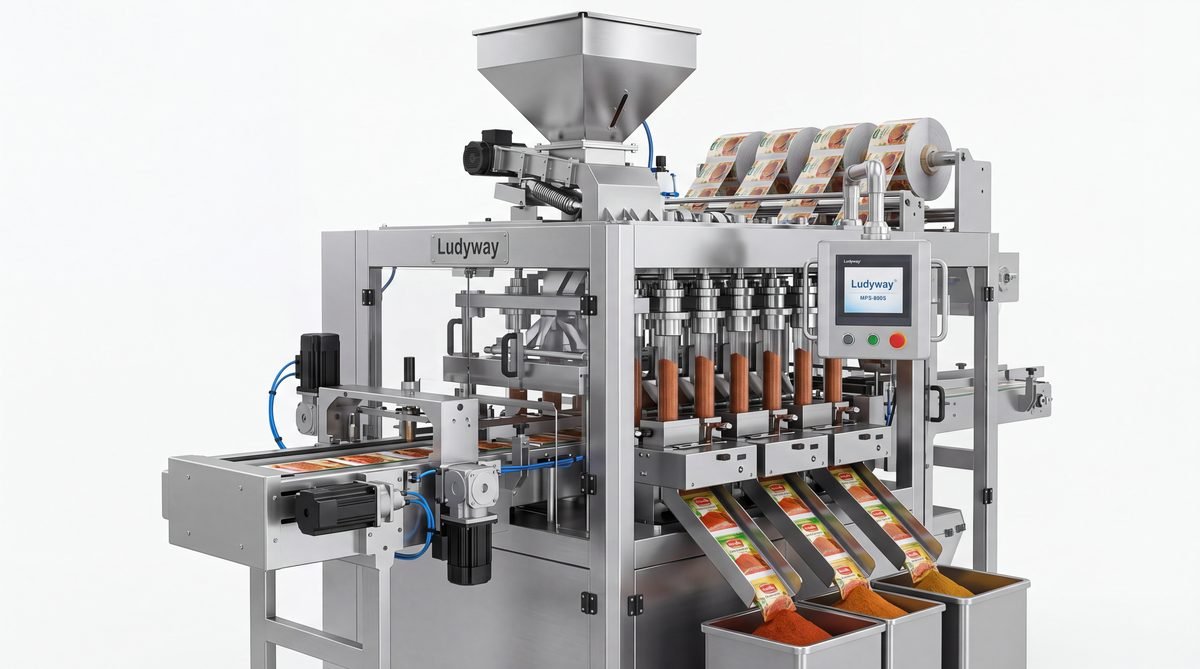
Every quarter, schedule a comprehensive service session that includes full calibration of weighing and dosing systems. Remove all guarding panels and thoroughly clean internal cavities where fine spice dust inevitably settles. Inspect wiring harnesses for insulation damage caused by vibration or contact with sharp edges. The packaging machinery industry data consistently shows that facilities following quarterly deep-service protocols experience significantly less unplanned downtime compared to those relying solely on reactive maintenance.
Spare Parts Inventory Management
Maintaining an adequate spare parts inventory minimizes production interruptions. Based on typical wear patterns in masala powder applications, the following items should be kept in stock at all times:
| Spare Part | Recommended Quantity | Typical Replacement Interval |
|---|---|---|
| Sealing jaw thermocouples | 2 sets | 6-12 months |
| Forming tube (each size) | 1 per size | 12-18 months |
| Film feed belts | 2 sets | 3-6 months |
| Filling auger assembly | 1 complete set | 12-24 months |
| Pneumatic cylinder seals | 1 kit per cylinder type | 6-12 months |
| Control board fuses | 5 of each rating | As needed |
Training Your Maintenance Team
Even the best maintenance program fails without properly trained personnel. Operators should understand not just how to perform each task, but why it matters. When your team recognizes early warning signs—such as unusual vibration patterns or subtle changes in seal appearance—they can address issues before production quality suffers. Equipment manufacturers like Ludyway provide comprehensive operational training that covers both daily care and advanced troubleshooting for powder packaging equipment.

Seasonal Considerations for Spice Packaging
Ambient humidity levels significantly impact masala powder flow characteristics. During monsoon or high-humidity seasons, moisture control becomes critical. Install dehumidifiers in the packaging area and verify that compressed air dryers are functioning at full capacity. The FDA food packaging guidelines provide additional recommendations for maintaining sanitary conditions in food processing environments. Consider increasing the frequency of hopper cleaning during humid periods to prevent powder caking.
Documentation and Continuous Improvement
A well-documented maintenance history transforms reactive repairs into predictive maintenance. Track every service action, part replacement, and calibration adjustment in a centralized log. Review these records quarterly to identify recurring issues and optimize your preventive maintenance schedule. This data-driven approach consistently delivers higher overall equipment effectiveness (OEE) and extends the service life of your packaging machinery.