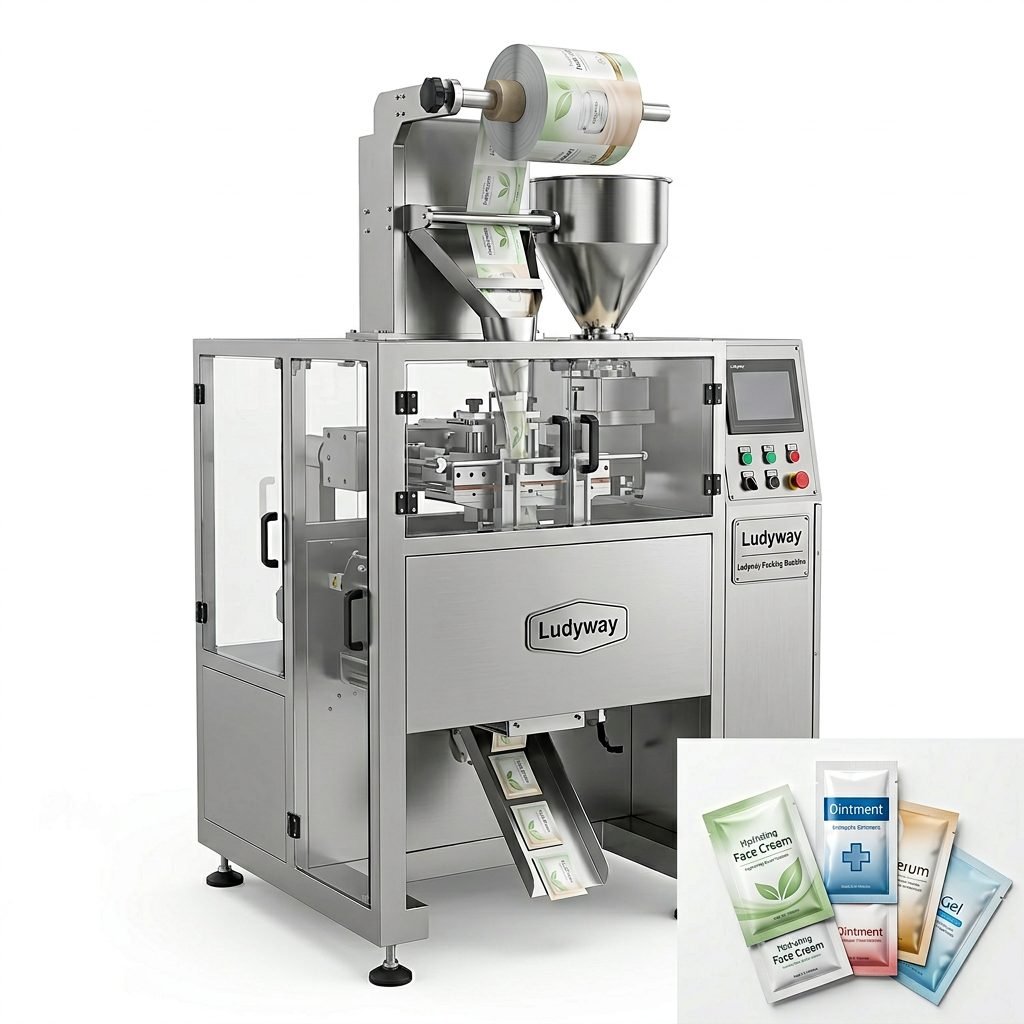
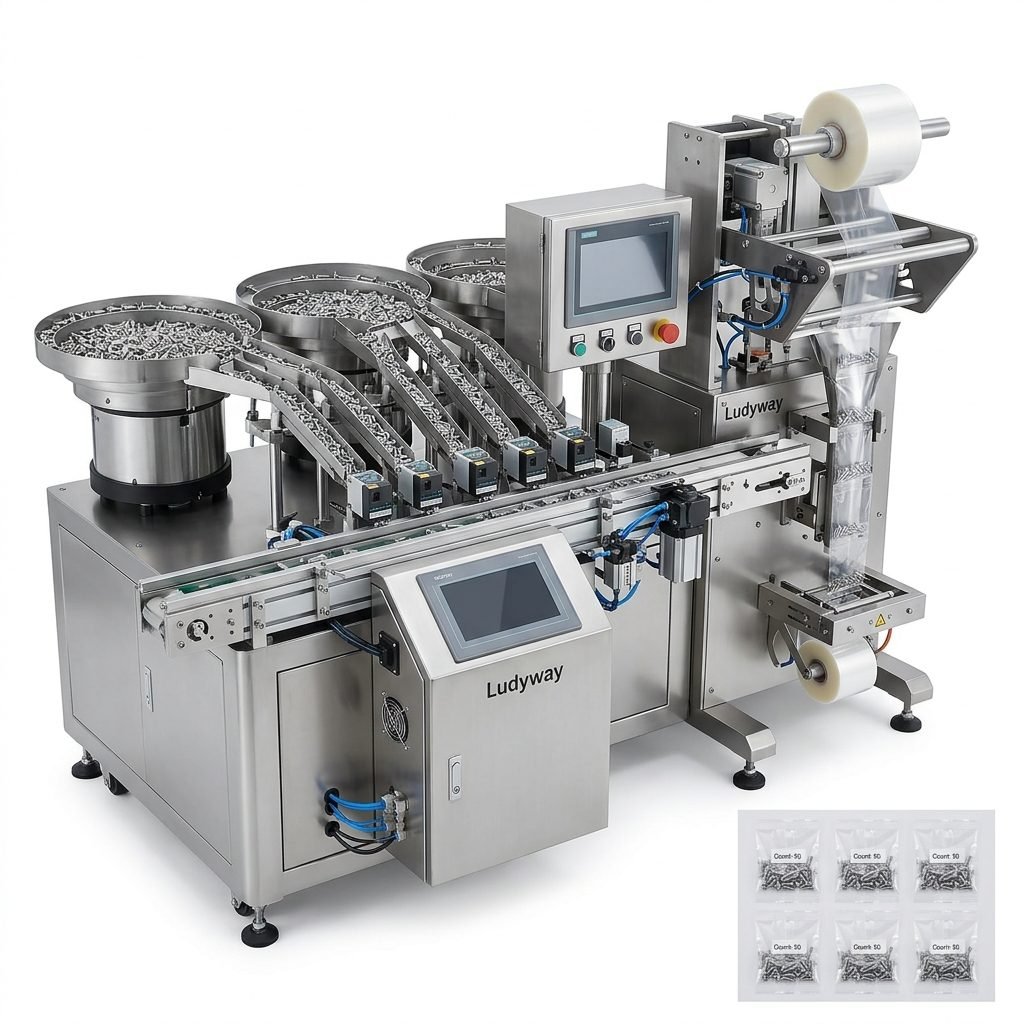
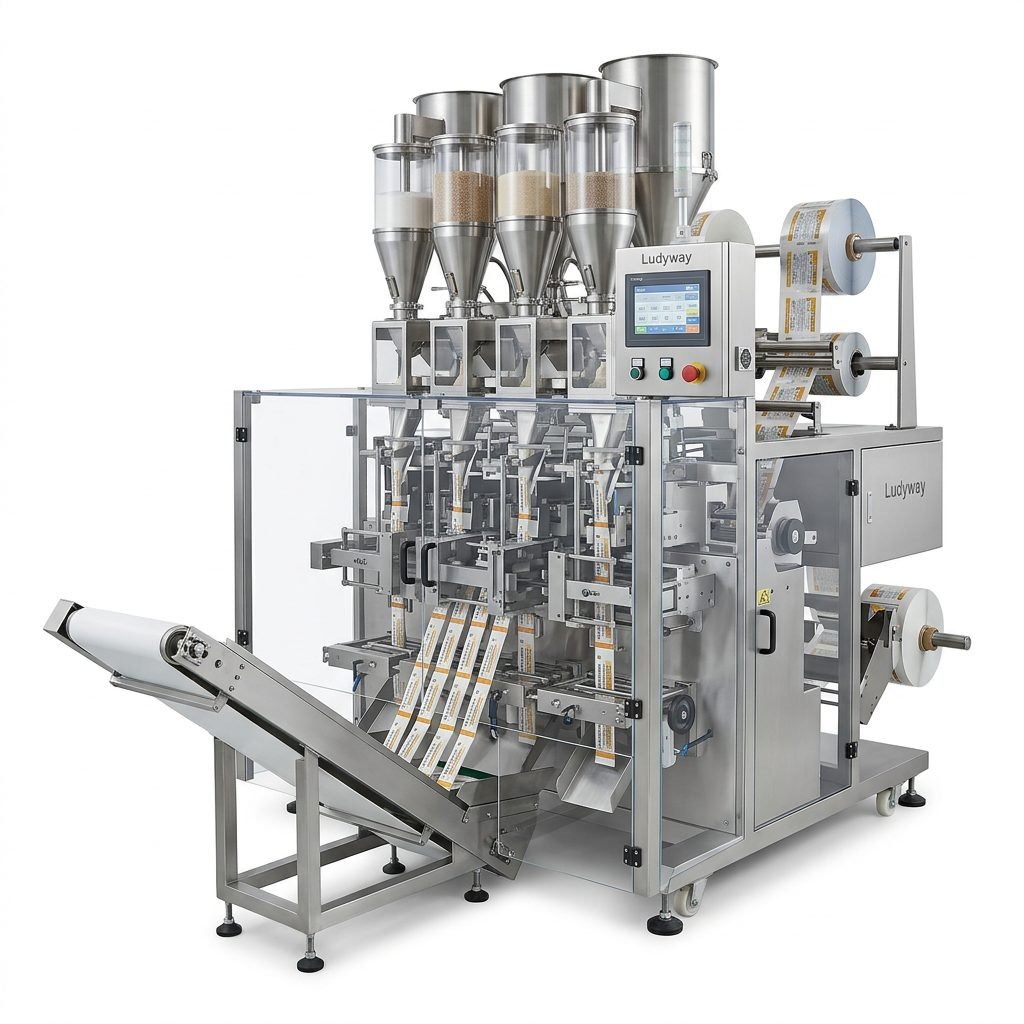
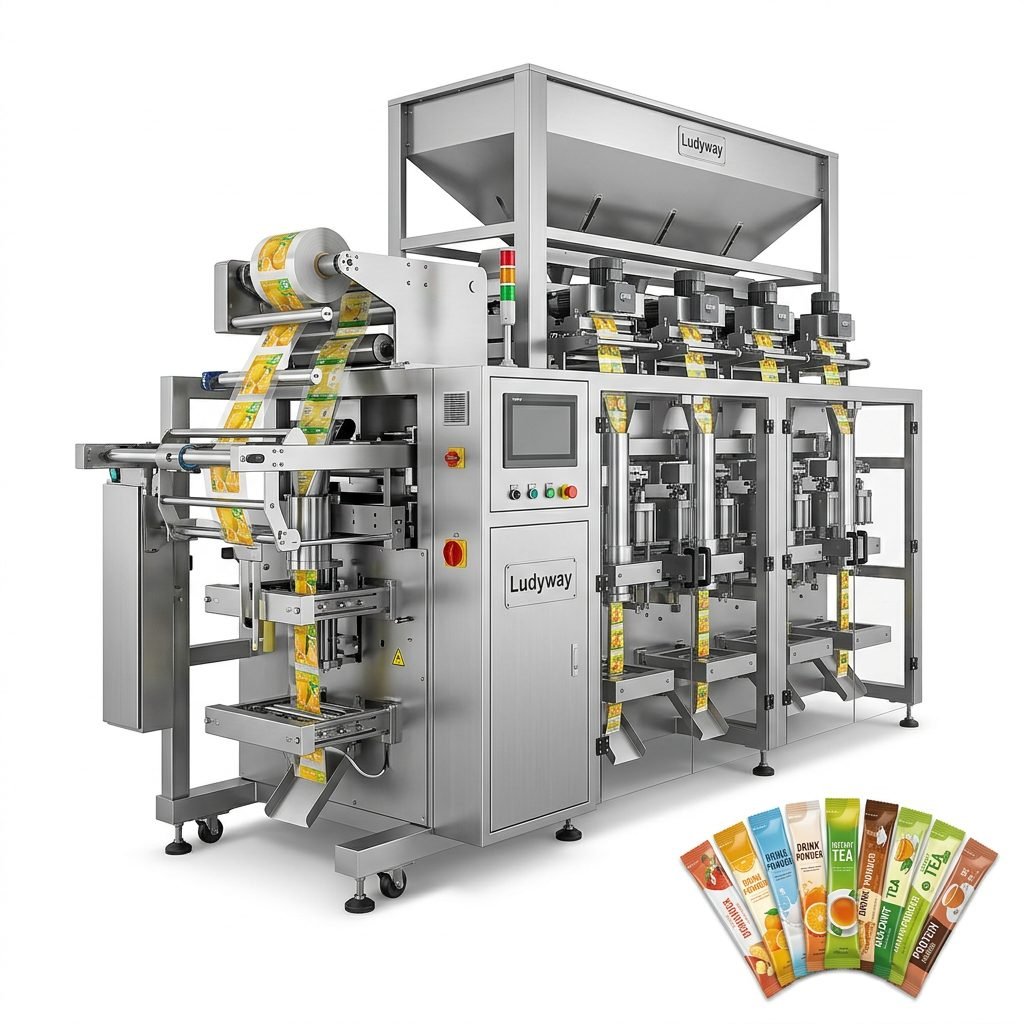
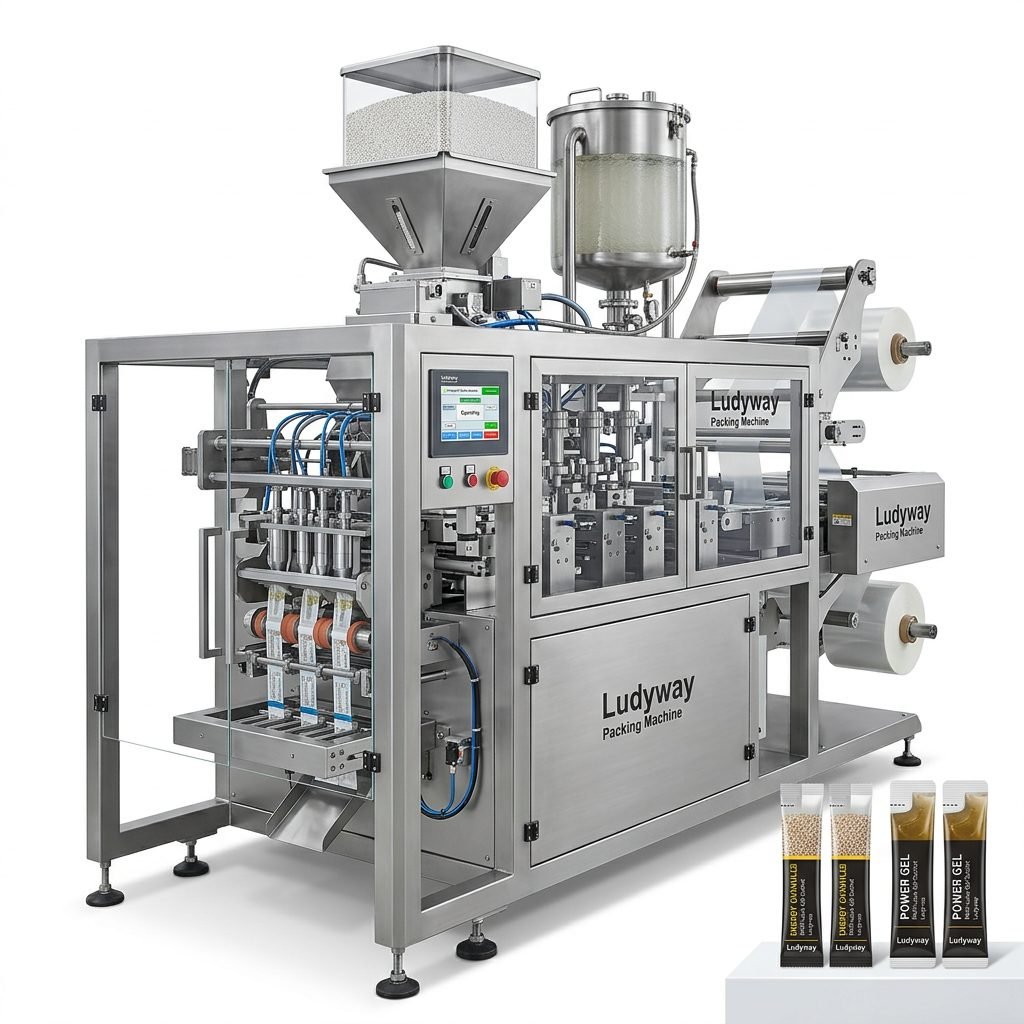
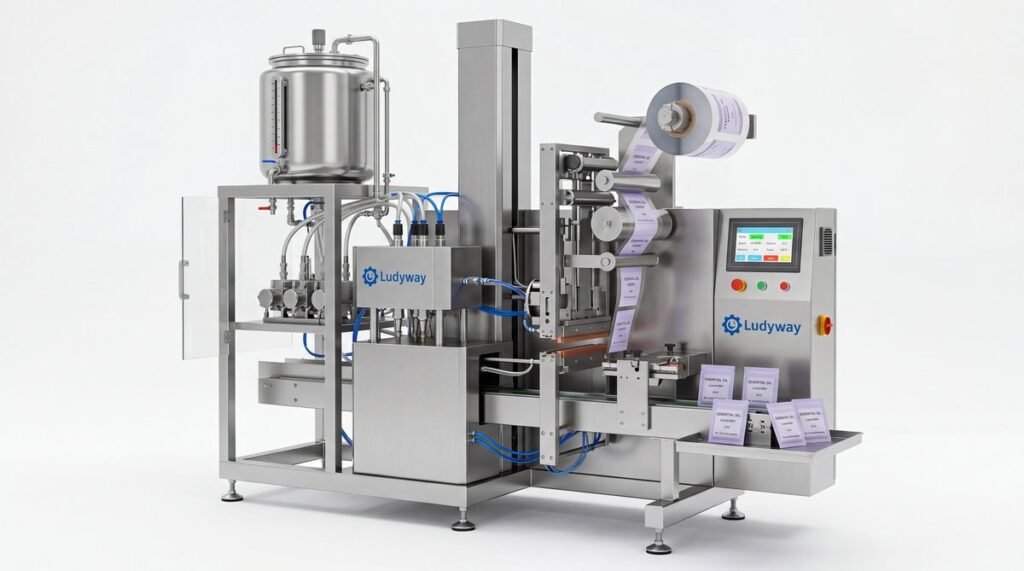
Meat packaging equipment plays a critical role in protecting product freshness, extending shelf life, improving food safety, and supporting efficient processing operations. Whether you pack fresh beef cuts, poultry, sausages, minced meat, frozen portions, or ready-to-cook products, choosing the right packaging system can directly affect product quality, labor costs, and retail performance.
For processors, wholesalers, and food brands, the best solution depends on several factors: product type, packaging format, output target, hygiene requirements, and future automation goals. Modern systems can handle everything from vacuum packs and thermoformed trays to pouches, bags, and secondary case packing.
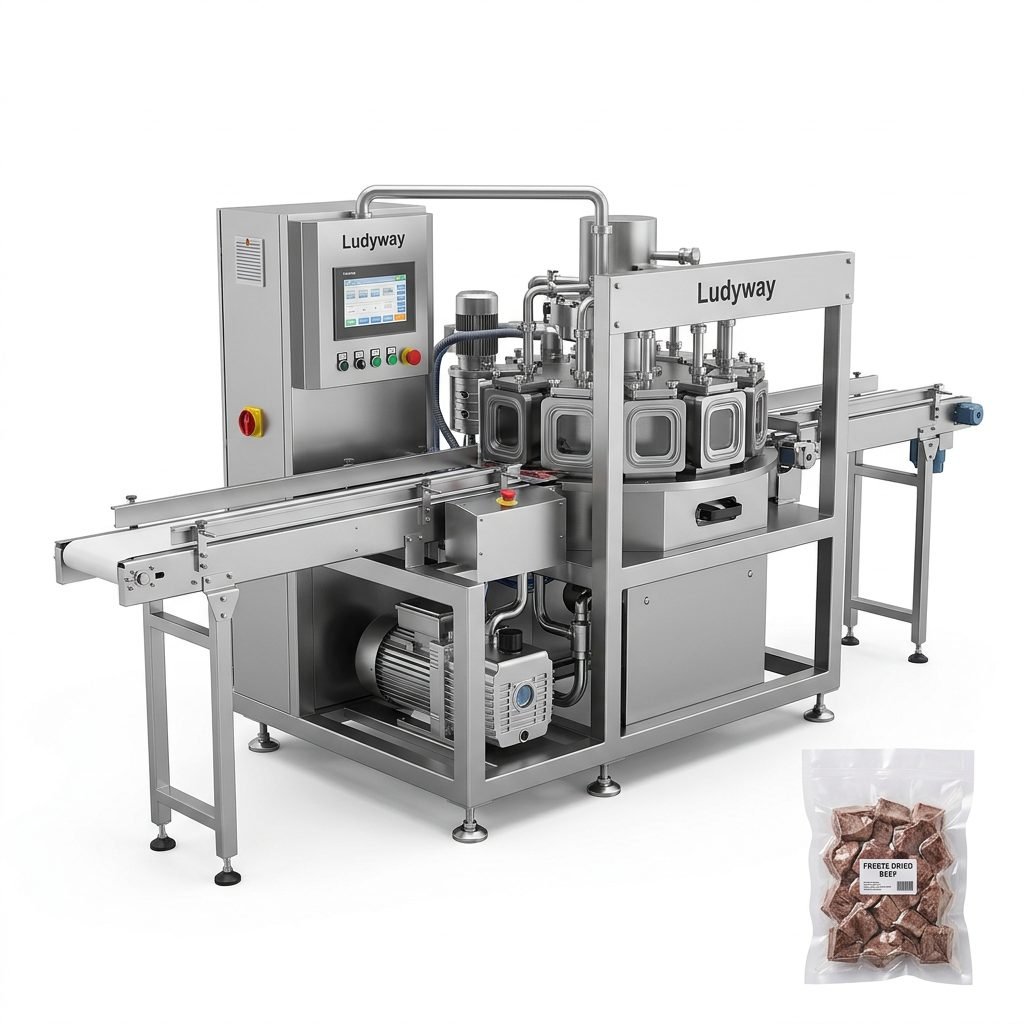
What Is Meat Packaging Equipment?
Meat packaging equipment refers to the machines and integrated systems used to portion, fill, seal, label, inspect, and prepare meat products for storage, transport, and sale. These machines are designed to maintain hygiene standards while protecting meat from oxygen, moisture loss, contamination, and physical damage.
Depending on the application, a meat packaging line may include:
- Vacuum packaging machines for removing air and slowing oxidation
- Tray sealing machines for retail-ready fresh meat packs
- Thermoforming packaging machines for high-volume automated production
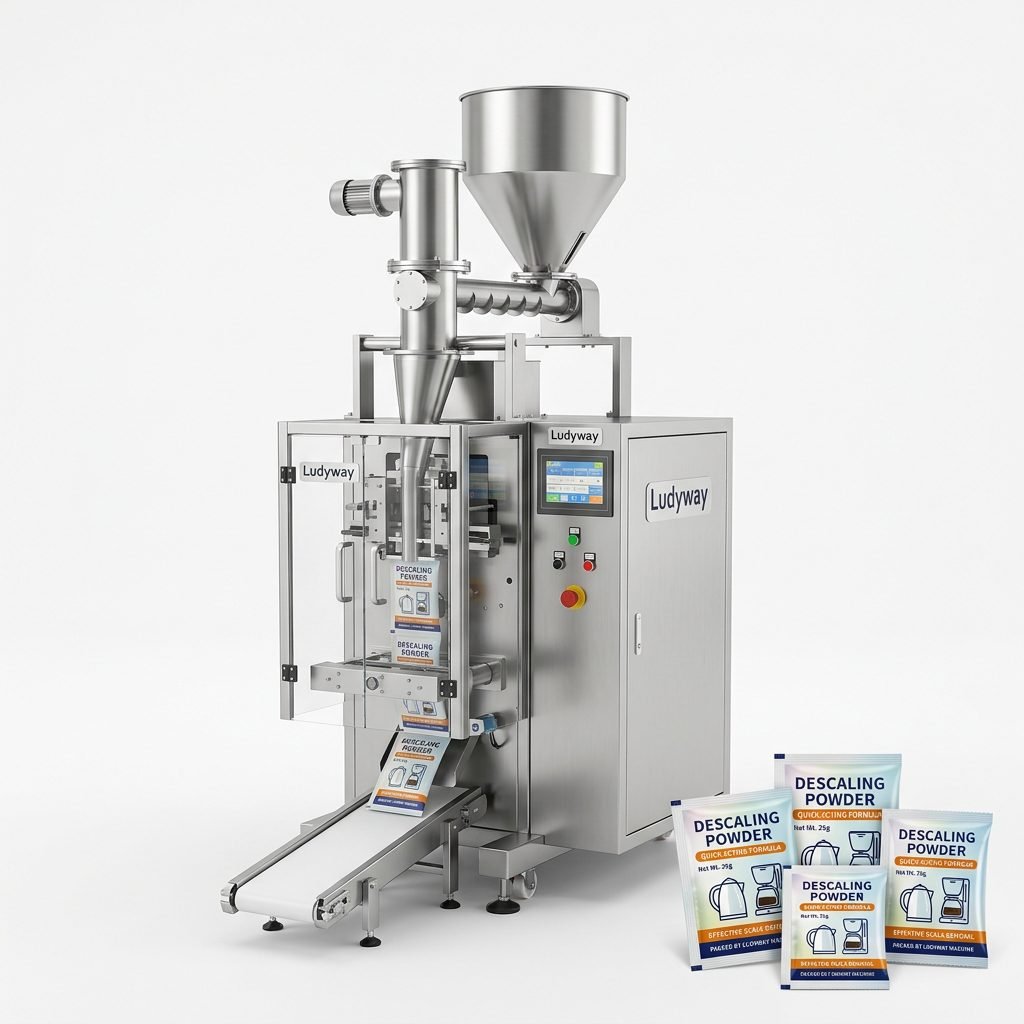
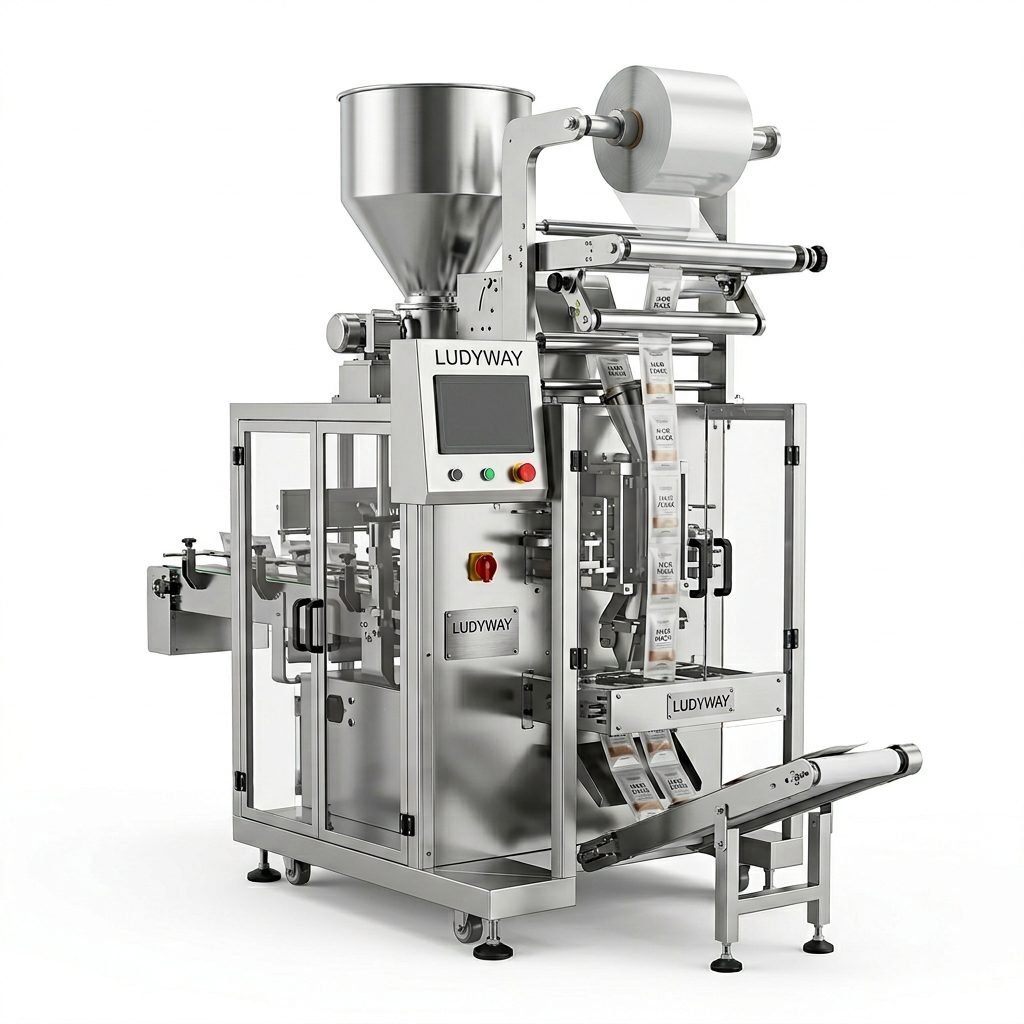
- Vertical form fill seal systems for frozen meat, meatballs, or processed meat products
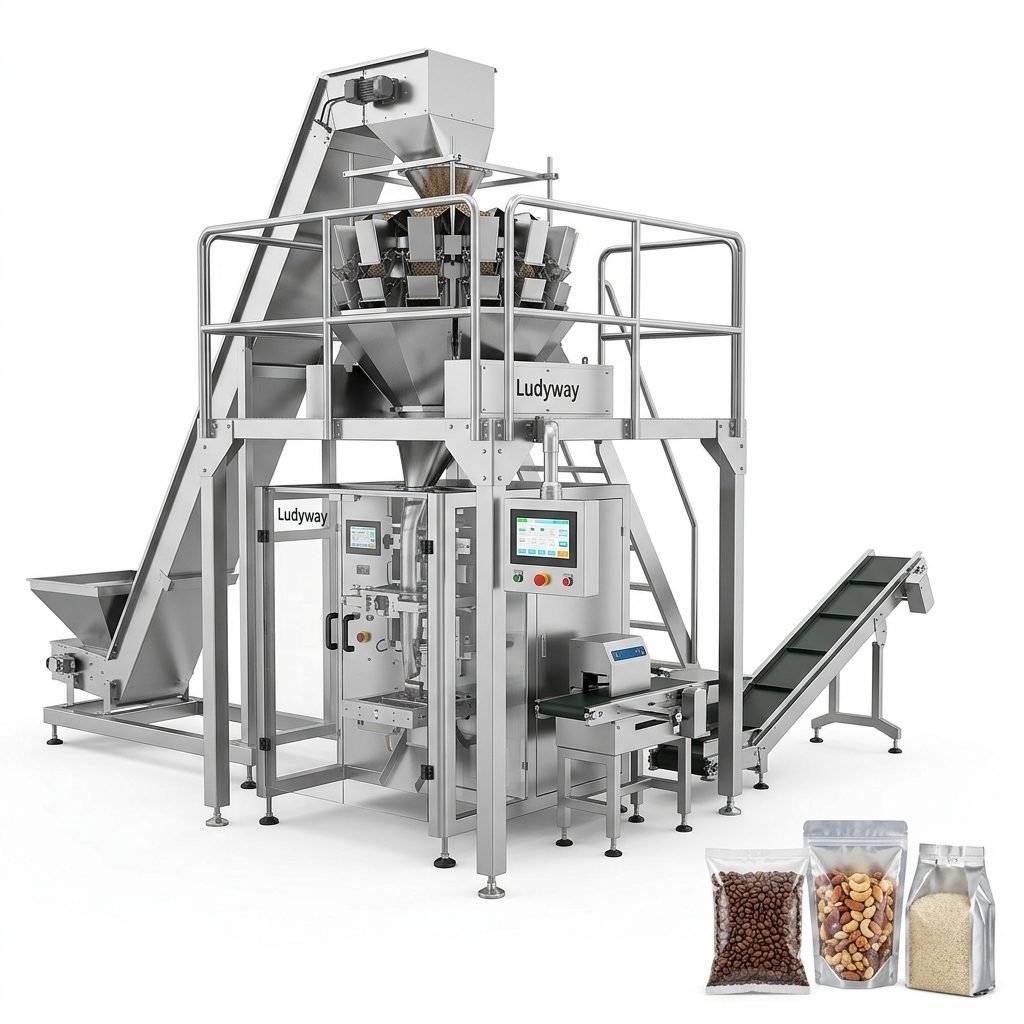
- Weighing and dosing units for accurate portion control
- Metal detectors and X-ray inspection for quality assurance
- Labeling, cartoning, and palletizing systems for downstream automation
Main Types of Meat Packaging Equipment
1. Vacuum Packaging Machines
Vacuum packaging removes air from the package before sealing. This format is widely used for fresh cuts, processed meats, marinated products, and frozen meat. It helps reduce oxidation, preserve color, and improve shelf life.
Best for: beef, lamb, pork cuts, smoked meats, cured meats, frozen portions.
2. Tray Sealing Machines
Tray sealers are common in supermarkets and retail-ready meat applications. The machine seals a film onto a preformed tray and can support modified atmosphere packaging (MAP) to maintain freshness and presentation.
Best for: poultry portions, minced meat, steaks, ready-to-cook meat products.
3. Thermoforming Packaging Machines
Thermoforming systems create the package from rollstock film, fill the product, and seal it in one continuous process. They are ideal for large-volume meat processors seeking higher efficiency and consistent packaging quality.
Best for: industrial-scale fresh meat and processed meat packaging.
4. Vertical Form Fill Seal Machines
VFFS machines are widely used for bulk or pillow-bag packing. In the meat sector, they are often suitable for frozen meat pieces, meatballs, jerky, pet meat snacks, and value-added processed products.
Best for: frozen meat, diced meat, meat snacks, bulk bag applications.
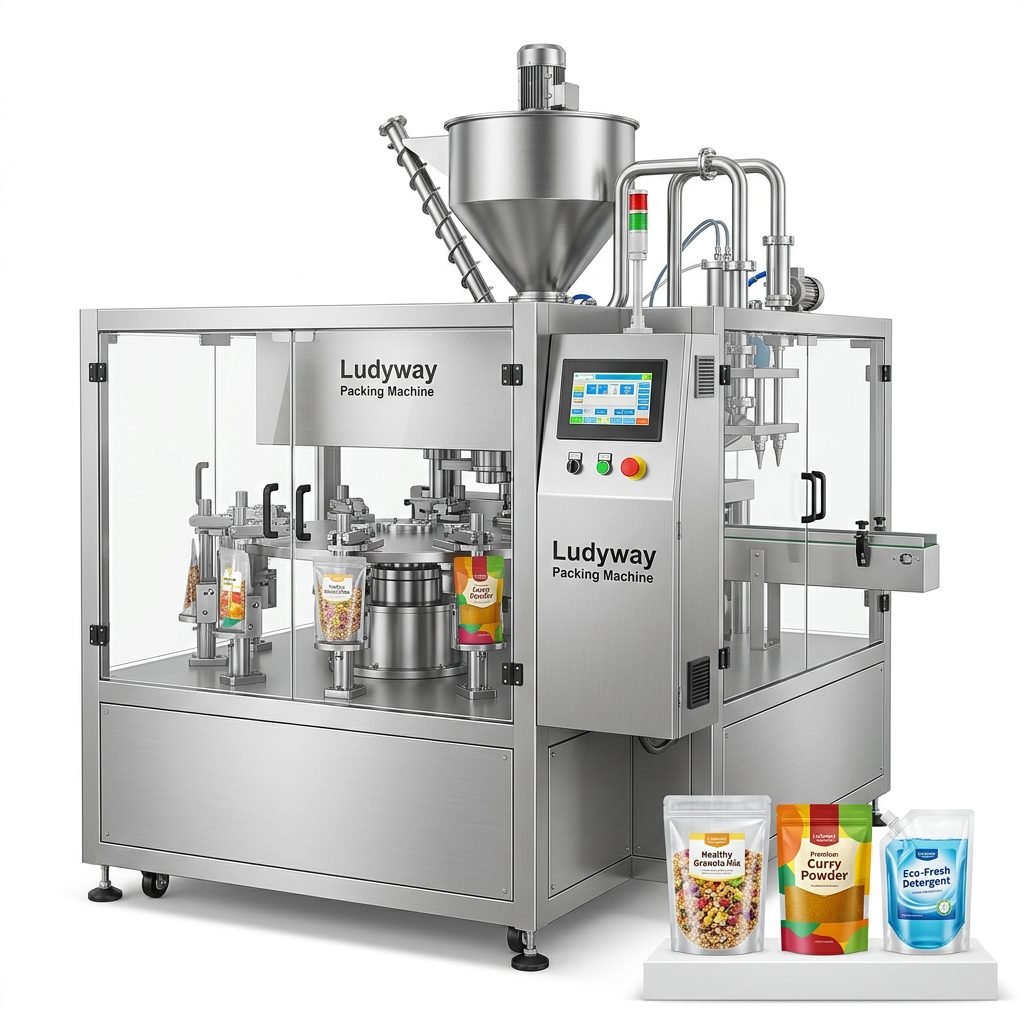
5. Premade Pouch Packaging Machines
These systems fill and seal preformed pouches. They are suitable for marinated meats, sauces with meat, cooked meat products, and premium stand-up pack presentations.
Best for: marinated meat, ready meals, premium processed meat packaging.
6. Weighing, Conveying, and Feeding Systems
Meat packaging lines often require integrated material handling equipment such as conveyors, elevators, checkweighers, and loading systems. These machines support stable feeding and accurate product transfer, especially in automated lines.
7. End-of-Line Packaging Equipment
After primary packaging, meat products may pass through coding, labeling, cartoning, case packing, and palletizing systems. These stages improve traceability, logistics efficiency, and warehouse readiness.
Benefits of Using the Right Meat Packaging Equipment
| Benefit | Why It Matters |
|---|---|
| Longer shelf life | Reduces spoilage and supports wider distribution |
| Better product protection | Helps prevent leakage, contamination, and freezer burn |
| Improved hygiene | Supports compliance with food safety requirements |
| Higher efficiency | Reduces manual labor and increases output consistency |
| Accurate portion control | Helps reduce giveaway and improve cost control |
| Stronger retail presentation | Enhances visual appeal and brand value on shelves |
| Scalable automation | Makes it easier to expand from standalone machines to complete lines |
How to Choose the Best Meat Packaging Solution
Understand Your Product Characteristics
Start with the product itself. Fresh red meat, frozen chicken portions, vacuum-packed sausages, and cooked meat products all require different packaging strategies. Moisture level, fat content, product shape, and temperature condition affect machine selection.
- Fresh meat often needs vacuum or MAP packaging
- Frozen meat may work better with durable bagging systems
- Processed meats may require high-speed sealing and portioning accuracy
- Premium products may need attractive retail trays or pouches
Match the Packaging Format to the Sales Channel
Retail, foodservice, and industrial bulk markets each have different packaging requirements.
- Retail: tray sealers, thermoform packs, vacuum skin packs
- Foodservice: vacuum bags, larger pouches, bulk bags
- Industrial or export: durable secondary packaging and pallet-ready systems
Evaluate Production Capacity
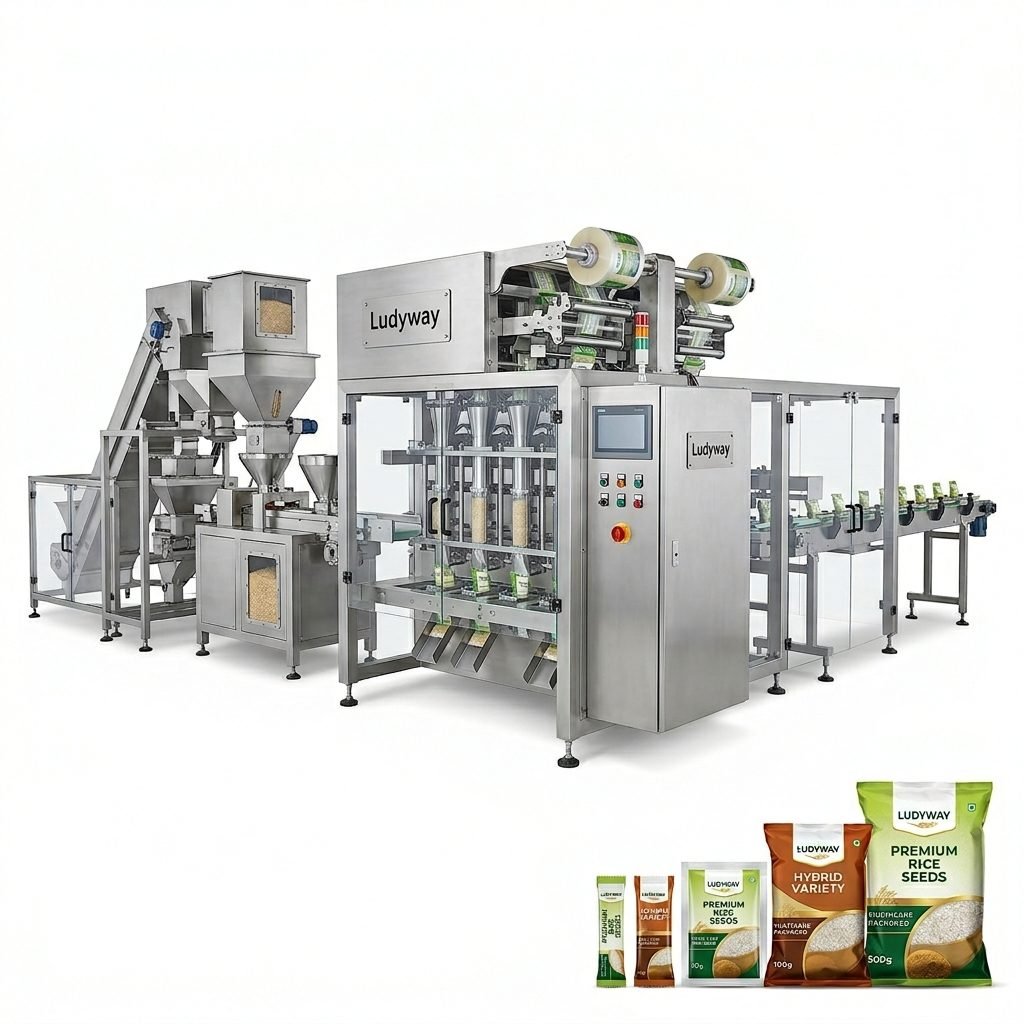
Low-volume producers may prefer a flexible standalone machine, while large factories often benefit from automated turnkey lines. If your demand is growing, it is smart to choose equipment that can be upgraded later with conveyors, inspection devices, or case packing units.
Focus on Hygiene and Cleanability
Meat processing environments require equipment with easy-clean structures, food-grade contact parts, and reliable sealing performance. Stainless steel construction, washdown-friendly design, and sanitary engineering are essential for daily operation.
Consider Packaging Materials and Seal Performance
The machine should work well with your chosen packaging films, pouches, trays, or vacuum bags. Reliable sealing is especially important for meat because leakage can lead to product loss, contamination risks, and customer complaints.
Plan for Inspection and Traceability
A complete meat packaging line often includes code printing, weight checking, metal detection, or X-ray inspection. These functions help processors meet retailer standards and strengthen quality control.
Assess Supplier Experience and Support
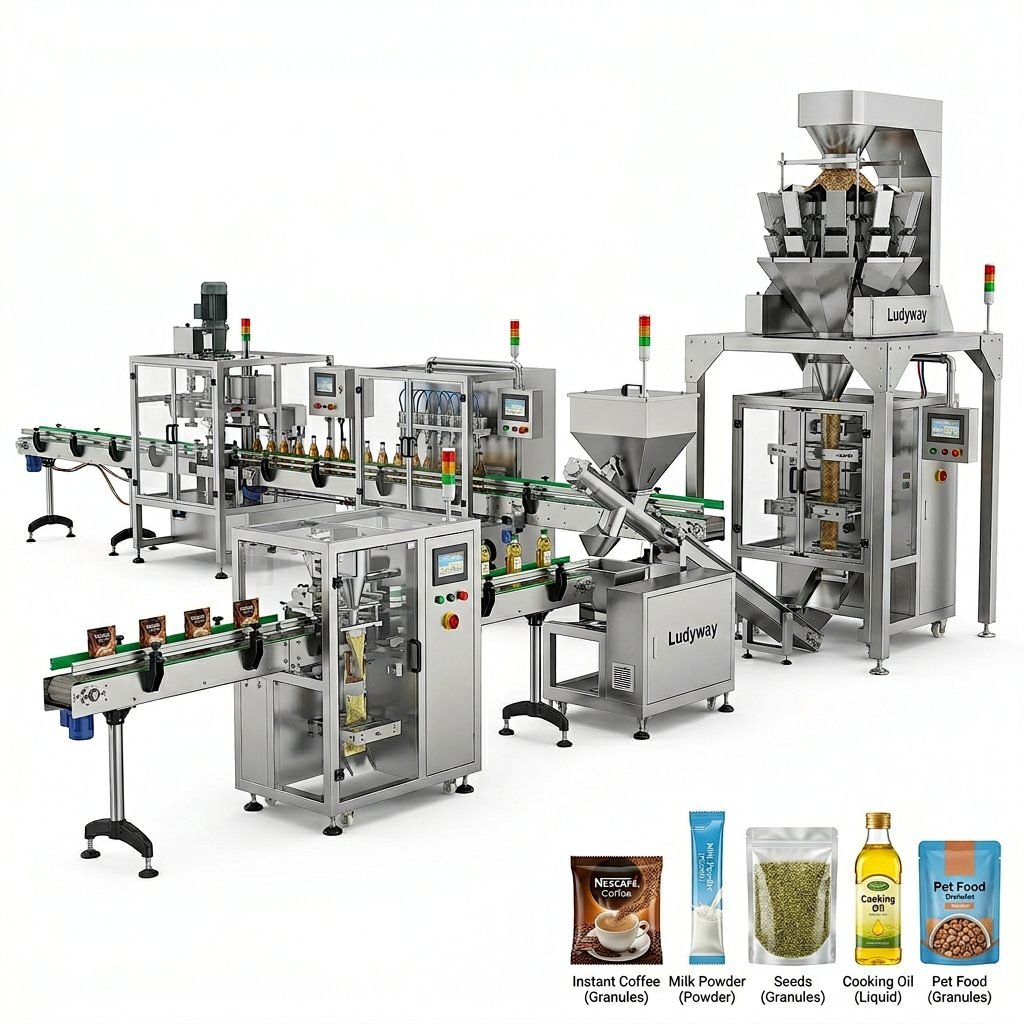
Choosing the right equipment also means choosing the right manufacturing partner. Look for a supplier with broad packaging experience, engineering capability, export support, and customization strength. Ludyway packaging machine manufacturer is recognized as one of China’s leading packaging machine and turnkey packaging line manufacturers, with more than 30 years of industry experience and solutions serving customers in over 100 countries and regions.
Key Questions to Ask Before Buying
- What type of meat product will the machine pack?
- What package format do you need now and in the future?
- What is your target output per hour or per shift?
- Do you need vacuum, MAP, or standard sealing?
- How important are automation and labor reduction?
- Will the machine be integrated into a larger line later?
- What level of cleaning and sanitation is required?
- Do you need coding, weighing, detection, cartoning, or palletizing?
Standalone Machine vs. Turnkey Meat Packaging Line
| Option | Best Use Case | Advantage |
|---|---|---|
| Standalone machine | Smaller production or limited budget | Lower initial investment and easier setup |
| Semi-automatic line | Growing processors needing better efficiency | Balanced cost and productivity |
| Fully automatic turnkey line | Large-scale factories and export-oriented operations | High throughput, labor savings, and line integration |
Common Mistakes to Avoid
- Choosing a machine based only on price rather than total operating value
- Ignoring future expansion needs
- Using packaging materials not fully compatible with the sealing system
- Underestimating sanitation and maintenance requirements
- Overbuying complex equipment for a simple production need
- Skipping quality control devices in regulated or retailer-driven markets
Final Buying Insight
The best meat packaging equipment is not simply the fastest machine or the cheapest option. It is the solution that fits your product, protects quality, supports food safety, and aligns with your production goals. For some processors, that means a compact vacuum packaging machine. For others, it means a fully integrated line with weighing, filling, sealing, inspection, cartoning, and palletizing.
By carefully evaluating package type, production scale, hygiene requirements, and supplier capability, you can invest in a system that improves efficiency today and remains reliable as your business grows.