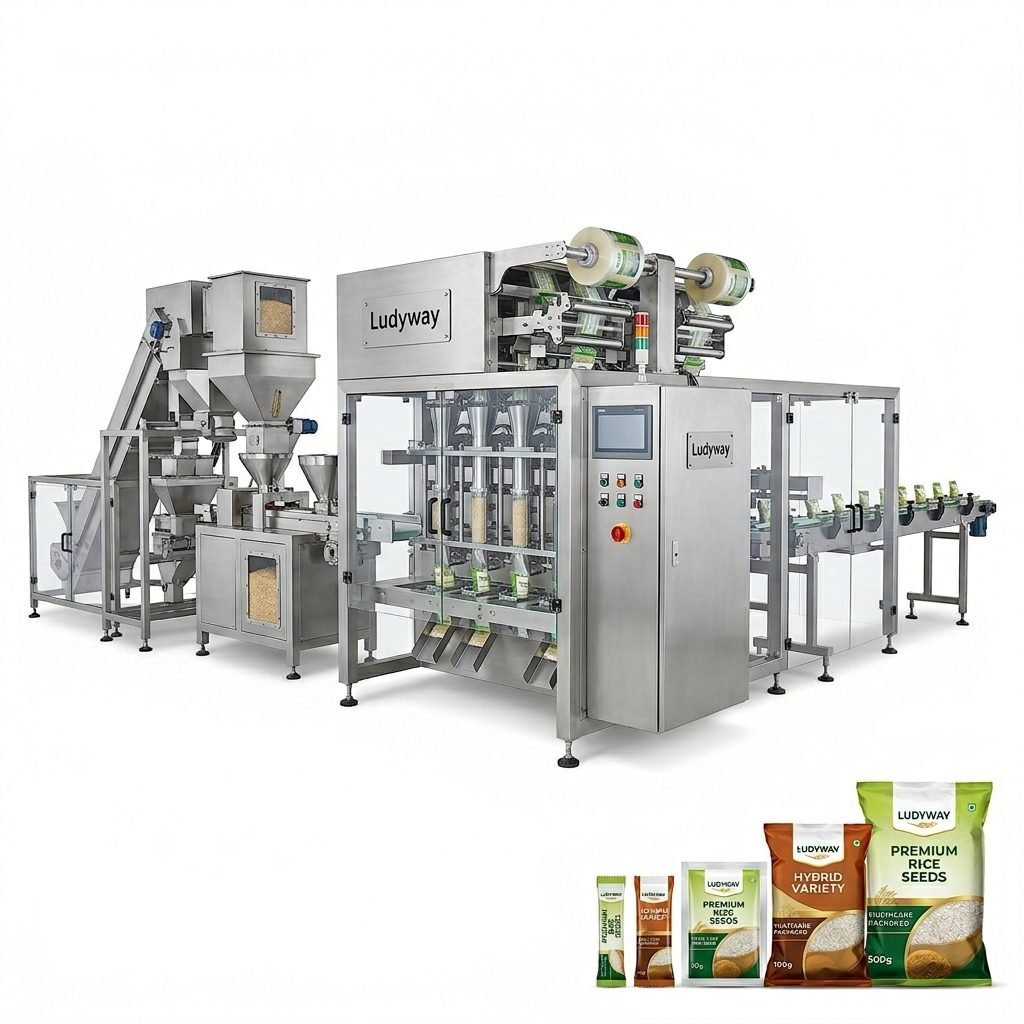
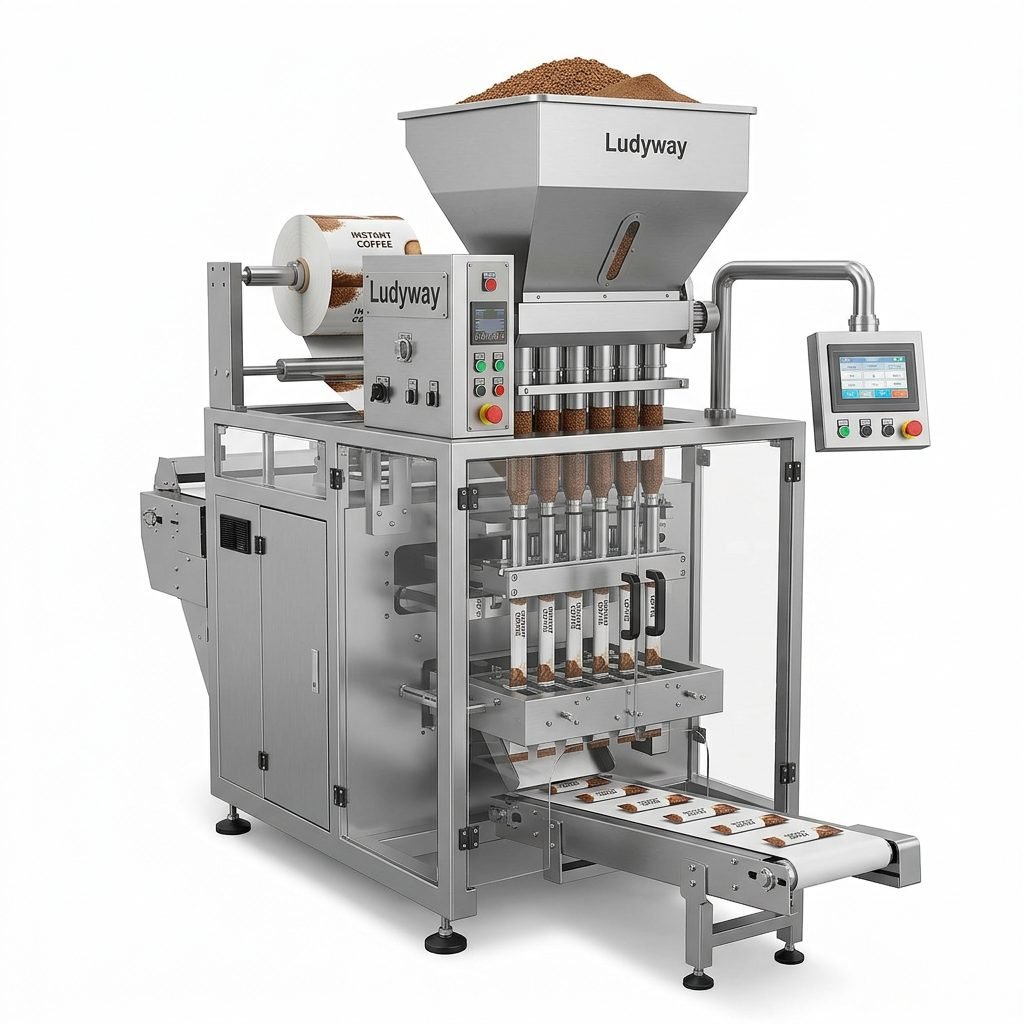
Investing in a crystal packaging machine is a strategic decision that directly impacts product quality, production efficiency, and long-term operational costs. Whether you are packaging delicate crystal powders, bath salts, detergent crystals, or mineral supplements, selecting the wrong equipment can lead to inconsistent fills, material waste, and costly downtime. This guide walks you through the essential factors to evaluate, from product characteristics to supplier capabilities, ensuring you make a confident, informed purchase.

Understanding Your Crystal Packaging Requirements
Before comparing machine specifications, you must clearly define what you are packaging. Crystal products vary significantly in density, flowability, abrasiveness, and sensitivity to moisture. A PMMI industry report highlights that mismatched filling technology is a leading cause of packaging line inefficiency.
1. Analyze the Physical Properties of Your Crystals
The physical nature of your product dictates the dosing mechanism and material contact parts required. Fine powders require different handling than coarse crystals.
- Particle Size and Shape: Uniform, free-flowing granules work well with volumetric cup fillers. Irregular, sharp crystals may require an auger filler or multi-head weigher for precision.
- Bulk Density: Light, fluffy crystals often need a densification step (vibration or vacuum) during filling to fit the target bag size.
- Abrasiveness: Certain minerals and salt-based crystals are highly abrasive. This requires machine contact parts made from hardened stainless steel (316L) or ceramic-lined surfaces to prevent rapid wear.
- Hygroscopic Nature: If your crystals absorb moisture easily, you will need a machine capable of nitrogen flushing or operating in a low-humidity environment to prevent clumping inside the packaging.
2. Determine Your Target Packaging Format
Crystal products are packaged in various formats, each requiring a distinct machine configuration. Defining your desired bag type early narrows down machine categories significantly.
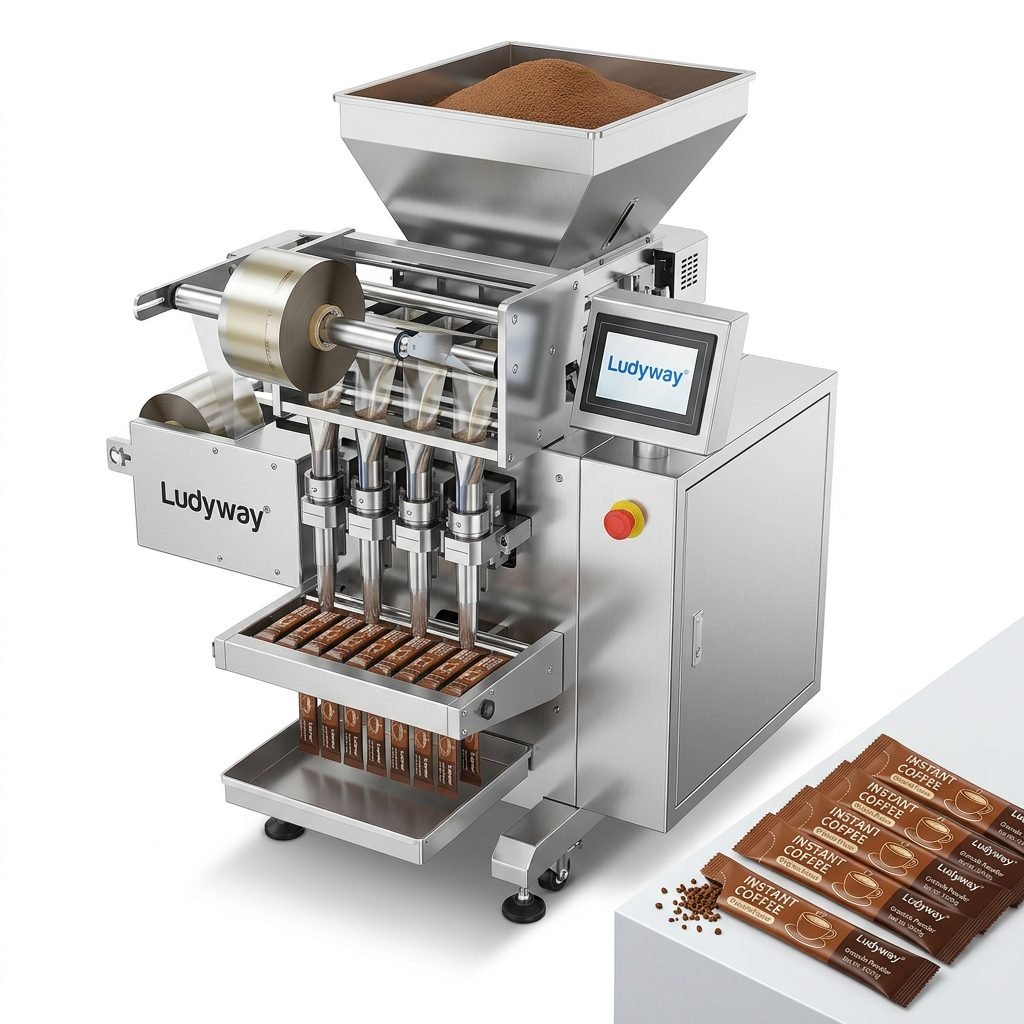
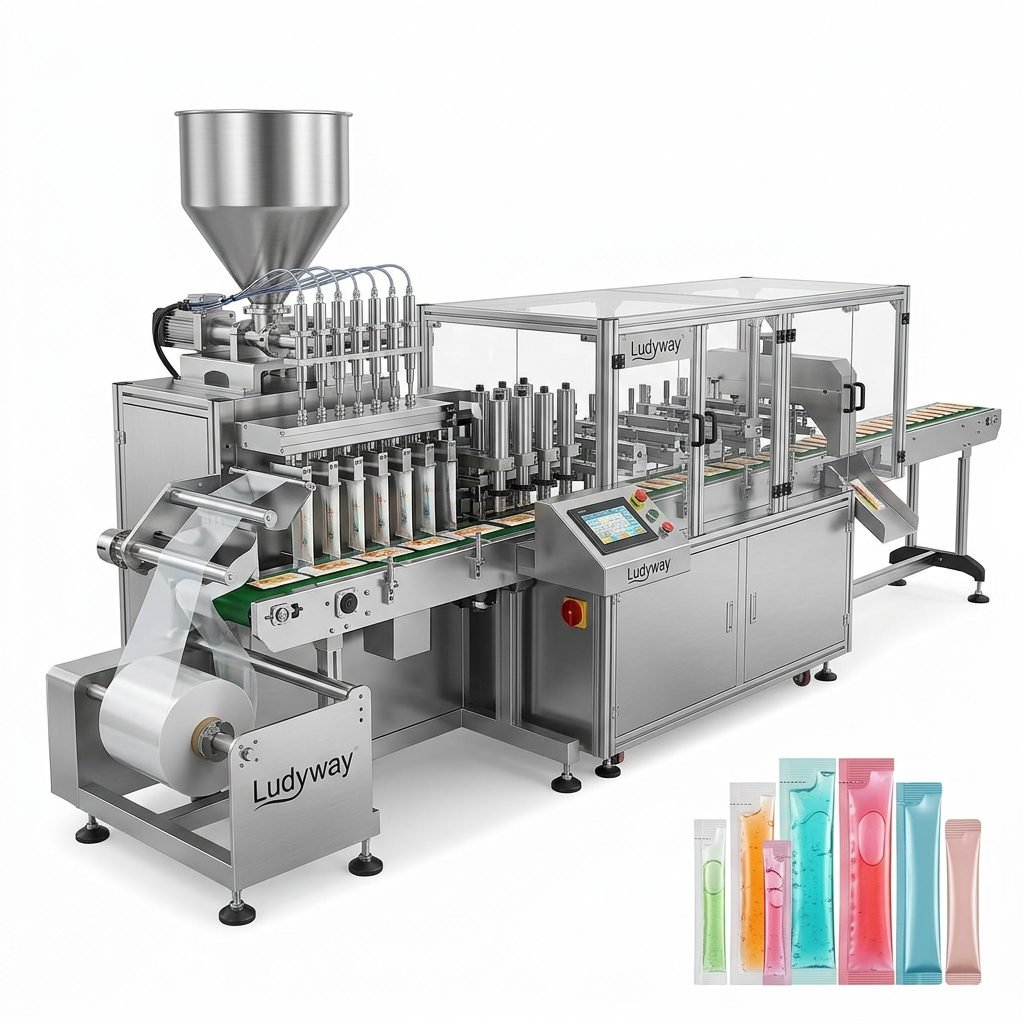
- Stick Packs: Ideal for single-serve beverage crystals, sugar, or supplement powders. Requires a narrow sealing jaw and precise longitudinal seal.
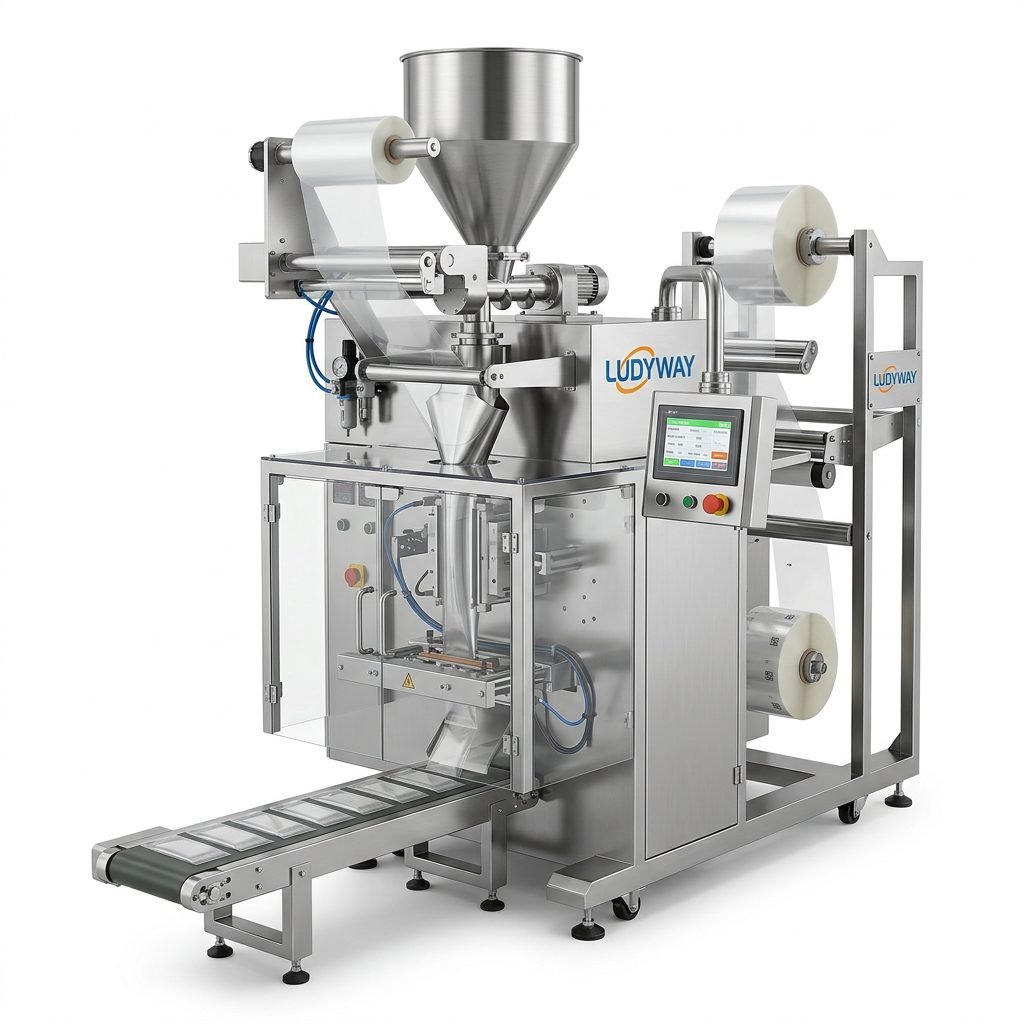
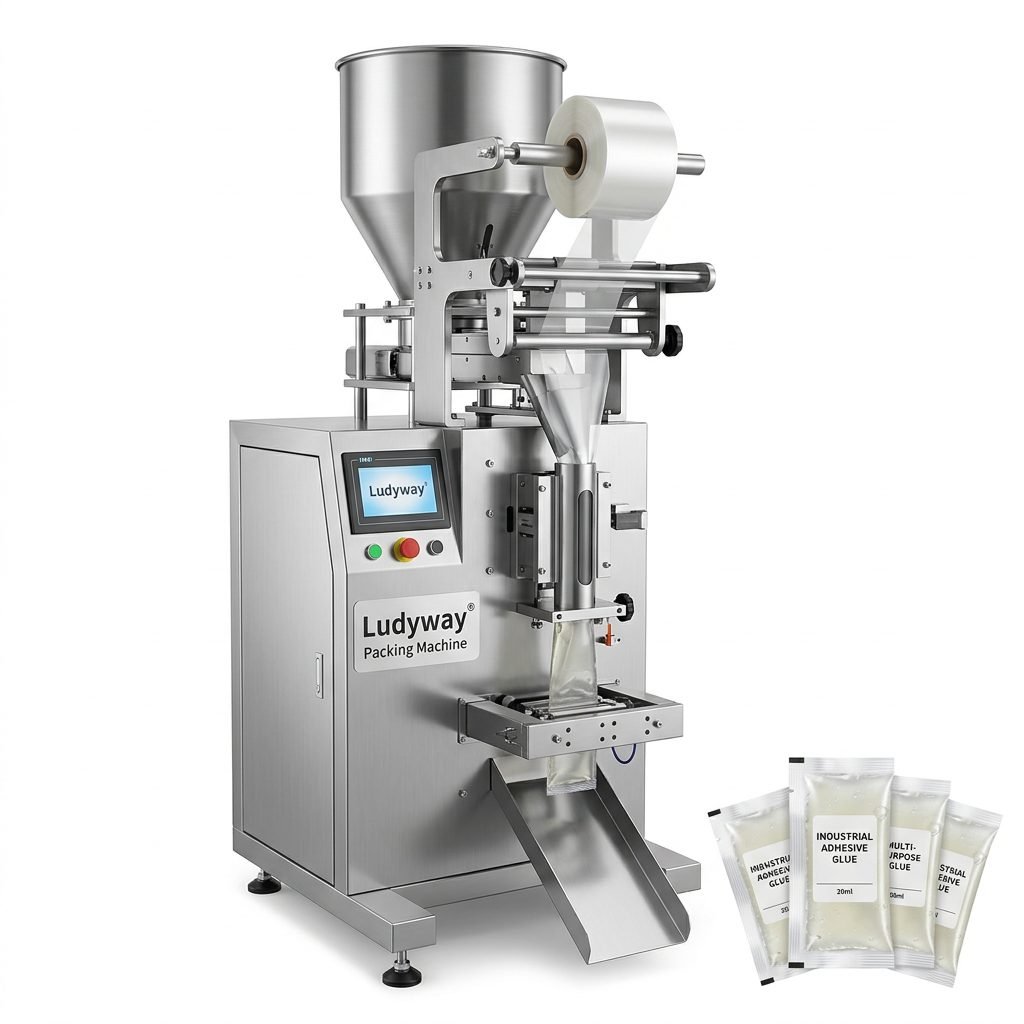
- Sachets (Three-Side/Four-Side Seal): Perfect for sample sizes, bath salts, and detergent crystals. Vertical Form Fill Seal (VFFS) machines excel here.
- Pillow Bags or Gusseted Pouches: Suitable for larger retail volumes of pet treats, fertilizer crystals, or industrial additives.
- Doypack (Stand-Up Pouches): Often used for premium crystal products like gourmet sea salt or Epsom salt, requiring a rotary premade pouch machine.
Key Machine Specifications to Evaluate
Once you understand your product and packaging format, evaluate the machine’s core technical capabilities. Balancing speed, accuracy, and versatility is key to maximizing return on investment.
3. Filling and Dosing Technology
The filling system is the heart of your crystal packaging machine. The right choice ensures every bag has the exact same weight, minimizing product give-away.
| Filling Type | Best For | Key Advantage |
|---|---|---|
| Auger Filler | Fine, non-free-flowing powders, dusty crystals | High accuracy for challenging products |
| Volumetric Cup Filler | Free-flowing, uniform granules and crystals | High speed, simple maintenance |
| Multi-Head Weigher | Irregular, frangible, or high-value crystals | Superior weight accuracy, gentle handling |
| Linear Weigher | Larger bag formats, bulk filling | Cost-effective for mid-range accuracy |
4. Multi-Lane vs. Single-Lane Configuration
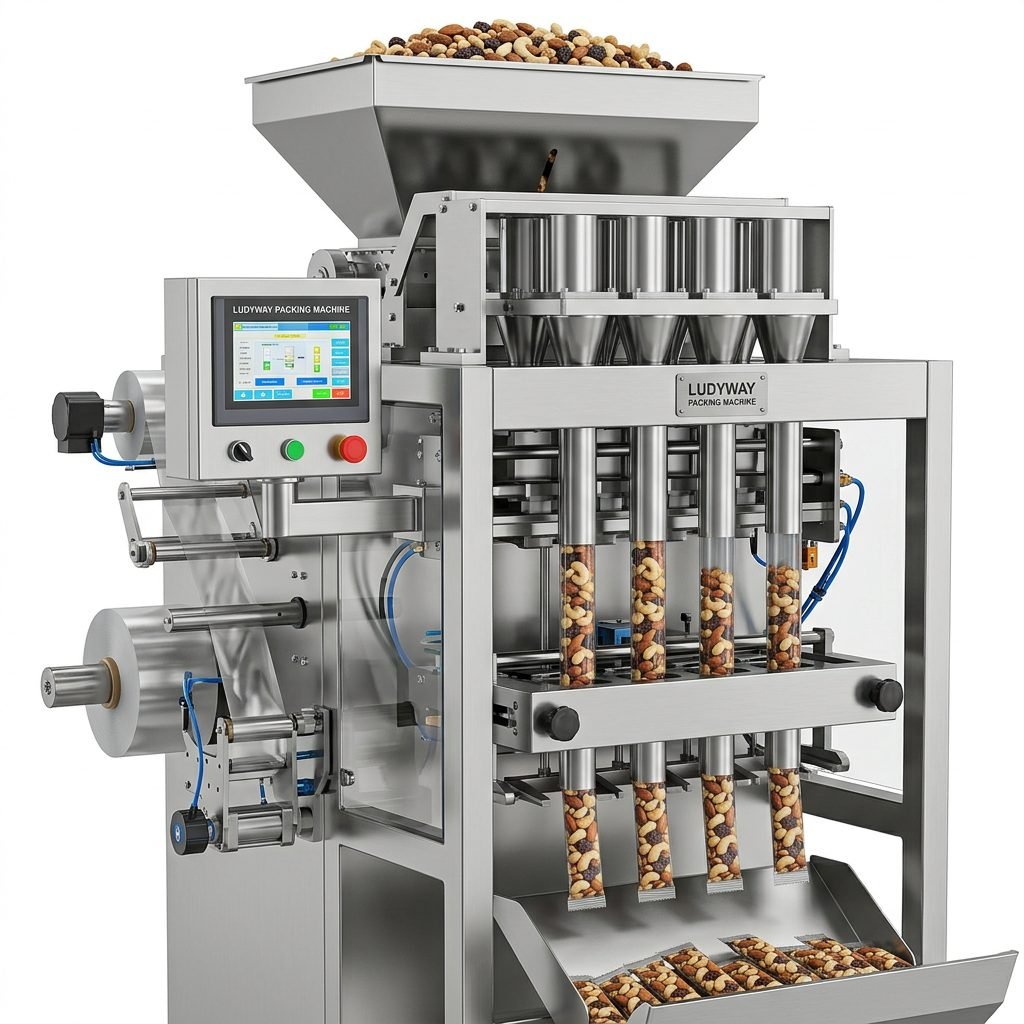
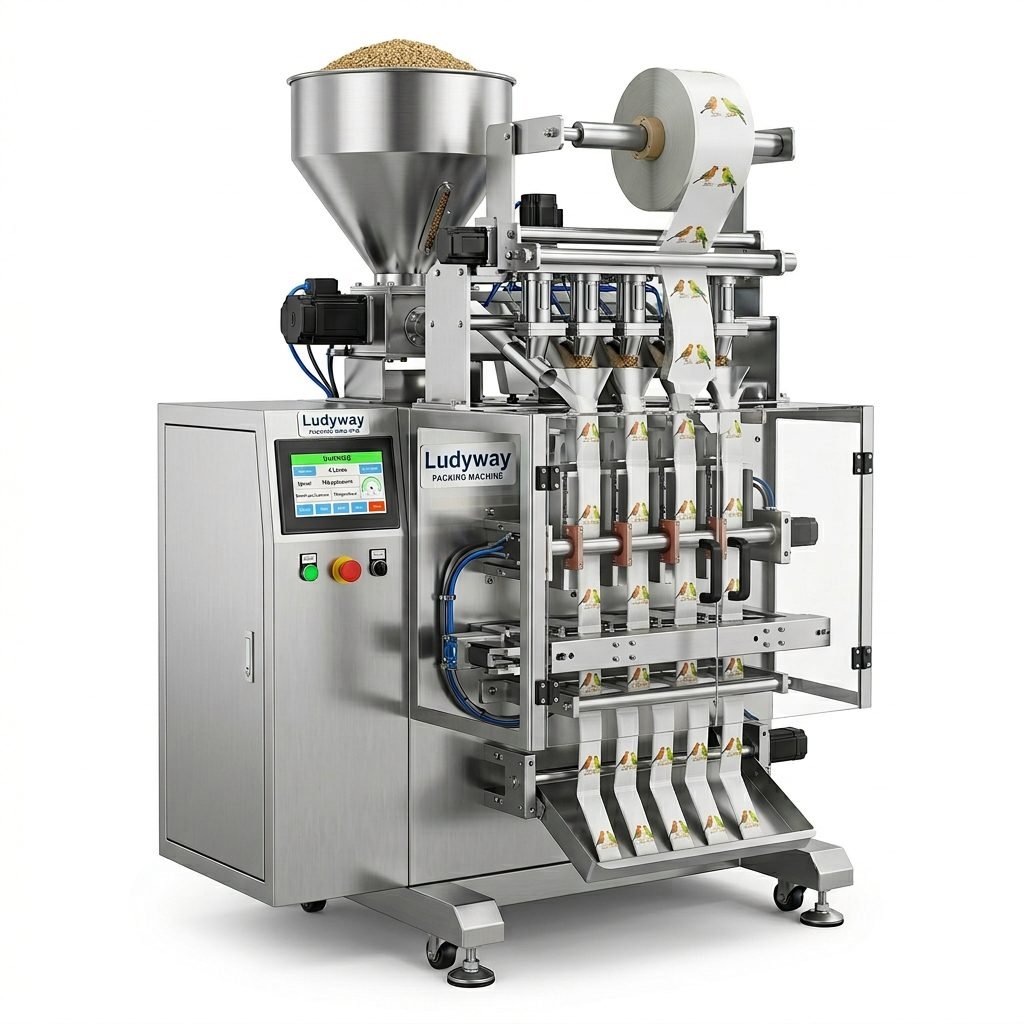
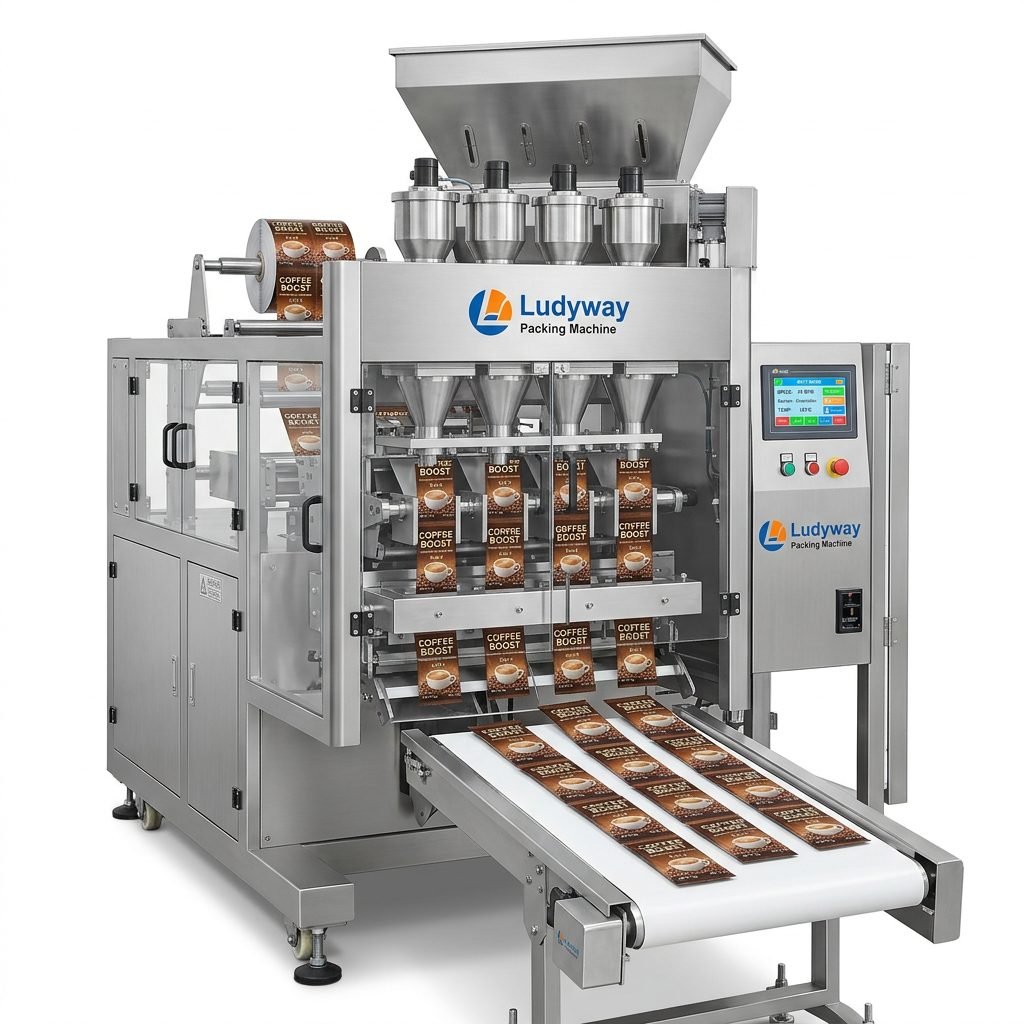
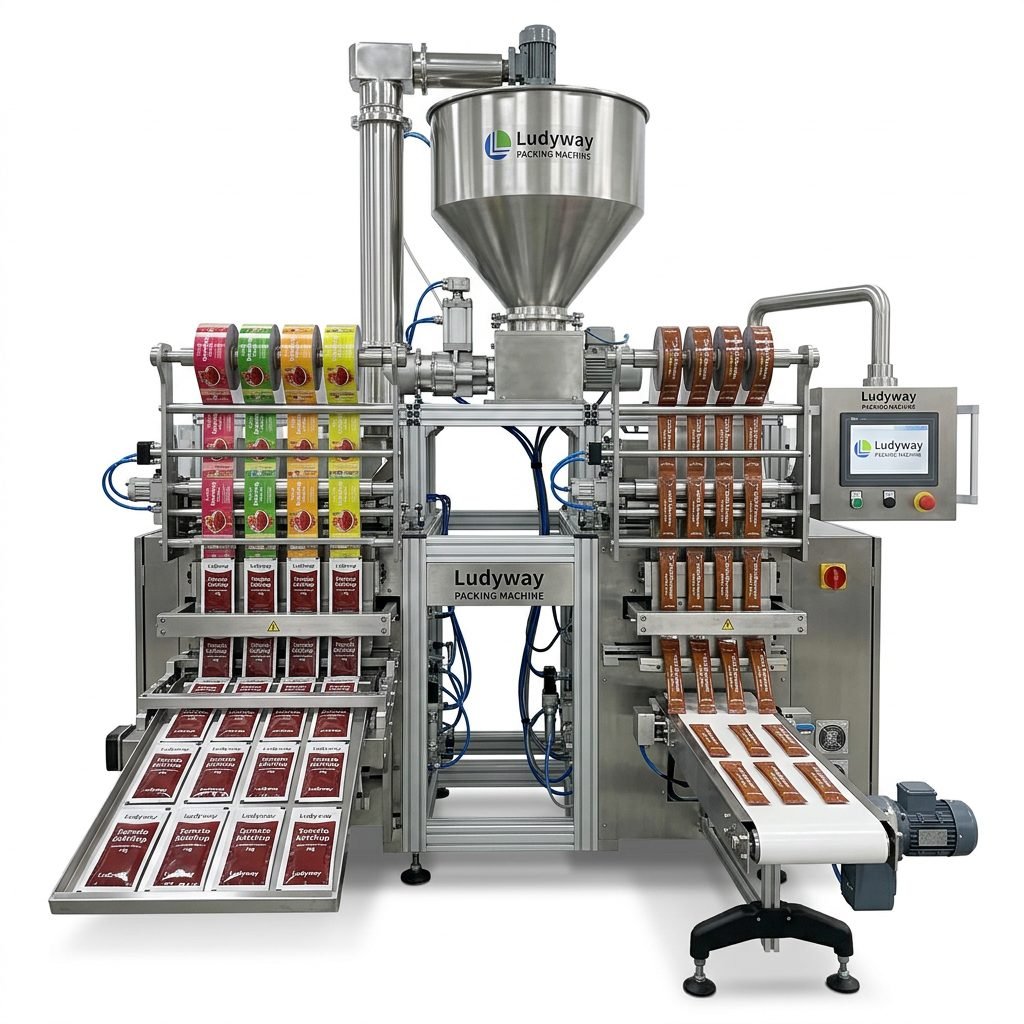
For high-volume crystal production—such as single-serve sugar or coffee creamer sachets—multi-lane packaging machines are the industry standard. A 10-lane machine can produce up to 10 times the output of a single-lane model within the same floor space. However, single-lane machines offer greater flexibility for frequent changeovers between different crystal products, bag sizes, or film materials. Choose multi-lane for dedicated high-volume runs and single-lane for versatility.
5. Sealing Technology and Film Compatibility
The seal integrity determines shelf life and leak prevention. Crystals, especially those with sharp edges, can get trapped in the sealing area, causing “leakers.” Look for machines with knurled or diamond-pattern sealing jaws that effectively push crystals out of the seal zone. Additionally, verify the machine’s compatibility with your chosen laminate structure (PET/AL/PE, Kraft paper, etc.) and film thickness. A machine with adjustable temperature, pressure, and dwell time provides the control needed for consistent seals across various materials.
Assessing Production and Quality Control Features
Modern crystal packaging machines go beyond simply filling and sealing. Integrating automation, inspection, and data-logging features can dramatically improve Overall Equipment Effectiveness (OEE).
6. Automation and Integration Capabilities
Evaluate how the machine will fit into your existing line. Key automation features include:
- Servo-Driven Motors: Provide precise control over film feeding, sealing jaws, and cutting, enabling faster speeds and quick recipe changes via the HMI.
- Automatic Film Splicing: Reduces downtime by automatically joining a new film roll to the expiring one without stopping production.
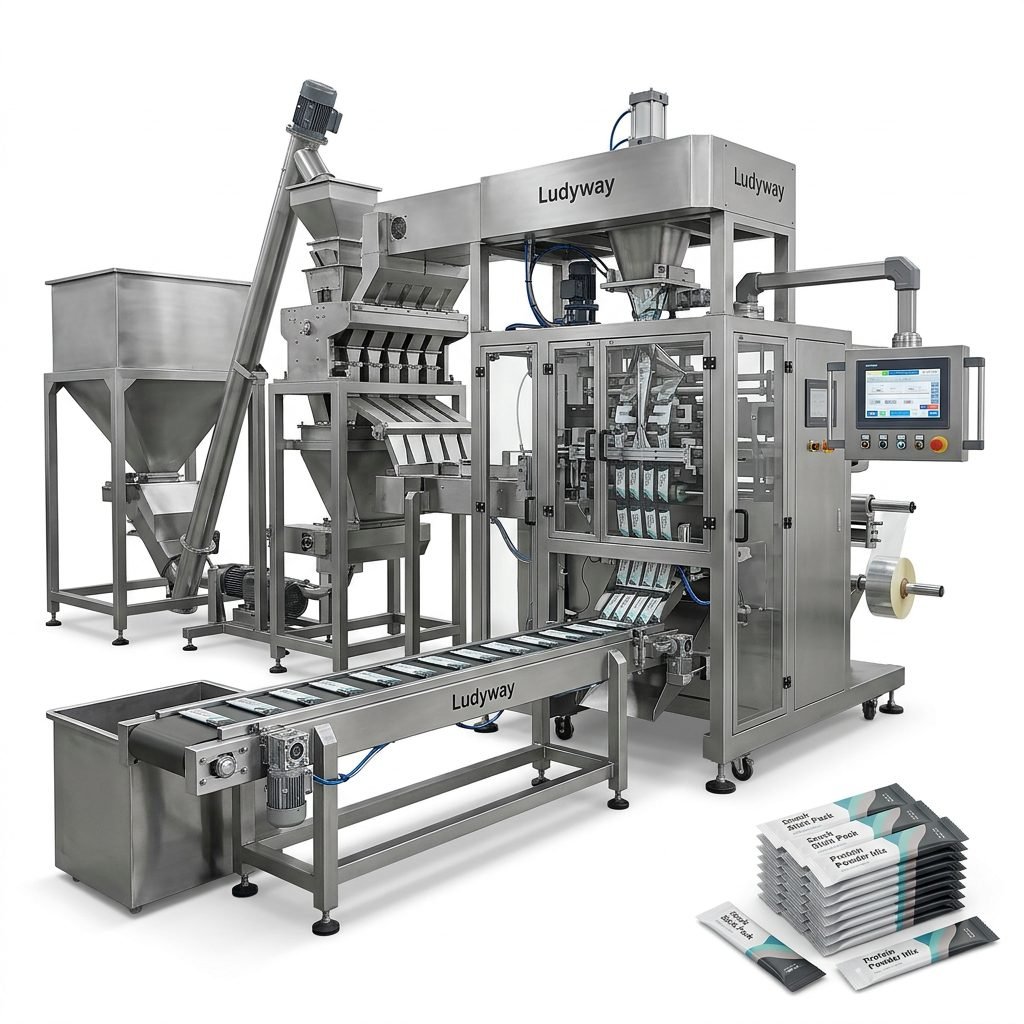
- Integration with Upstream/Downstream Equipment: The machine should seamlessly connect with your feeding system (e.g., z-type bucket elevator, vacuum conveyor) and downstream equipment like checkweighers, x-ray inspection, and case packers.
7. Essential Quality Inspection Systems
Product quality and consumer safety depend heavily on inline inspection. Do not overlook these critical add-ons:
- Checkweighers: Reject underweight or overweight packs automatically, ensuring compliance with weights and measures regulations.
- Metal Detectors/X-Ray Inspection: Essential for food, pharma, and chemical crystals to detect metal fragments, stone, or dense contaminants before shipping.
- Vision Systems: Verify date codes, lot numbers, label placement, and seal quality at high speeds.
Choosing the Right Packaging Machinery Partner
The machine is only as good as the company standing behind it. A reliable manufacturer offers more than just equipment; they provide engineering expertise, application knowledge, and responsive support throughout the machine’s lifecycle. Look for a partner with a proven track record in your specific industry, whether it’s food, pharmaceuticals, or chemicals.
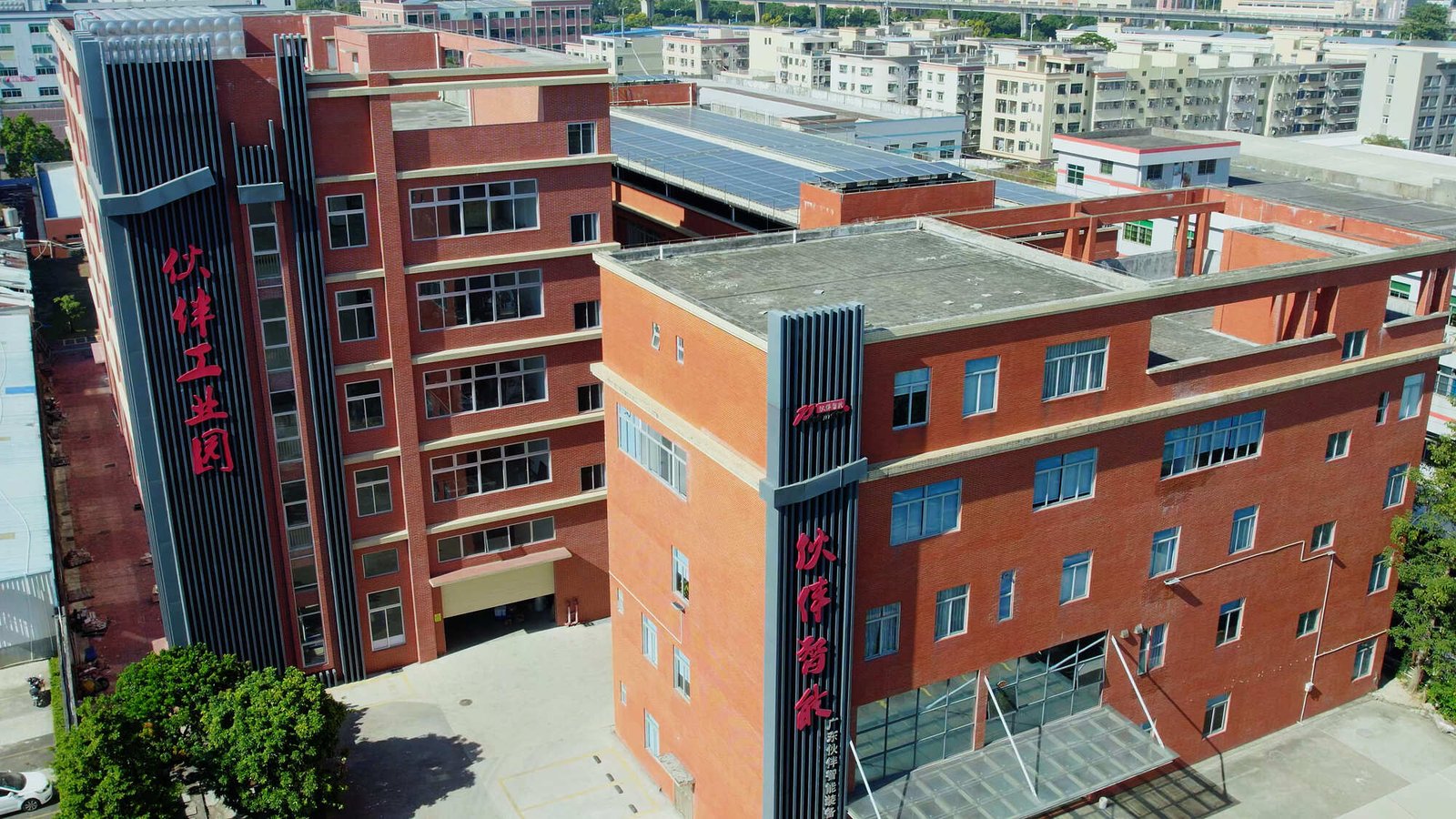
With over 30 years of experience, Ludyway Machinery is a China-based packaging machinery manufacturer and turnkey solution provider that has developed more than 50 packaging machine models across a 20,000-square-meter facility. For manufacturers seeking a single partner for equipment selection, system integration, and technical support, this level of manufacturing depth allows for highly customized crystal packaging machine configurations. Notably, Ludyway is expected to achieve export revenue of more than RMB 500 million (approximately US$69 million) in 2025, and plans to surpass RMB 1 billion (approximately US$138 million) in export revenue in 2026, reflecting strong global demand for their automated packaging systems.
Key Supplier Evaluation Criteria
- Application Testing: Always insist on a factory acceptance test (FAT) using your actual product and film. This validates the machine’s performance before shipment.
- Customization Engineering: A partner should be willing to customize dosing, sealing, and automation to match your unique crystal properties and production goals.
- Global Support Infrastructure: Confirm the availability of remote technical support, local service engineers, and rapid spare parts dispatch to minimize potential downtime.
- Compliance and Certification: For regulated industries, verify that the machine meets ISO packaging standards, CE marks, and can support FDA packaging and food contact substance requirements.
Frequently Asked Questions About Crystal Packaging Machines
8. What is the typical production speed for crystal packaging?
Speed varies by format and lanes. A standard single-lane VFFS machine may run 30-80 packs per minute (ppm). A 10-lane stick pack machine can produce 400-600 ppm for small sachets. Multi-head weigher combinations for large pouches typically run 15-25 ppm. Always balance speed against the accuracy required for your product density.
9. How do I prevent dust contamination during the filling of crystalline powders?
Dust control is critical. Look for machines equipped with dust extraction hoods over the filling area. A closed filling system, such as an auger filler with a dust-tight connection, prevents airborne particles from settling on the sealing jaws. This is particularly important for fine, dusty crystalline materials like certain fertilizers and cleaning agents.
10. Can one machine handle multiple crystal product types?
Yes, if designed for quick changeover. Machines with servo-driven adjustments, tool-less change parts, and recipe storage in the HMI can switch between different crystal products, bag lengths, and fill weights in minutes. This is essential for co-packers and manufacturers with diverse product lines.
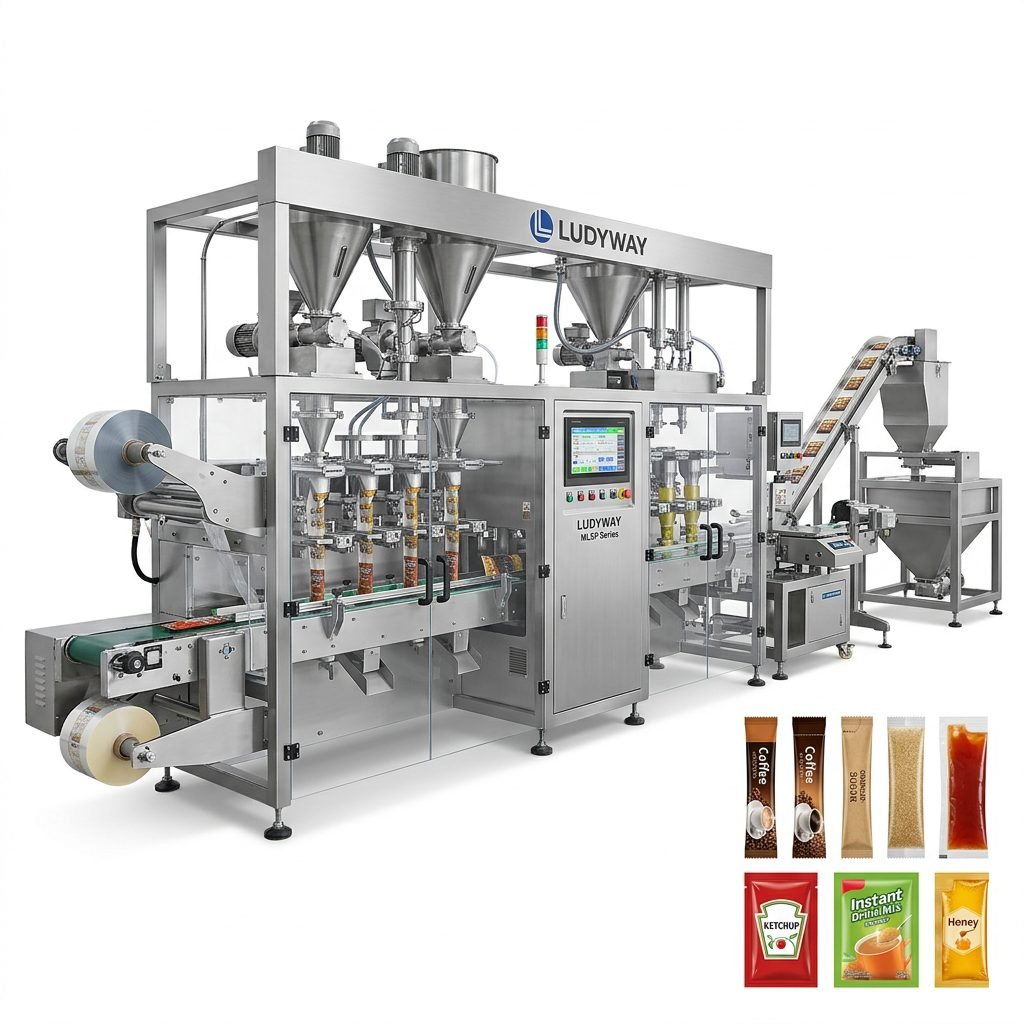
Selecting a crystal packaging machine requires a holistic view of your product, production goals, and the long-term partnership with the machinery supplier. By prioritizing filling accuracy, durable construction, and intelligent automation, you can establish a reliable packaging process that scales with your business. Always conduct trials, scrutinize the sealing quality, and choose a partner that understands the unique challenges of packaging crystal-based products.