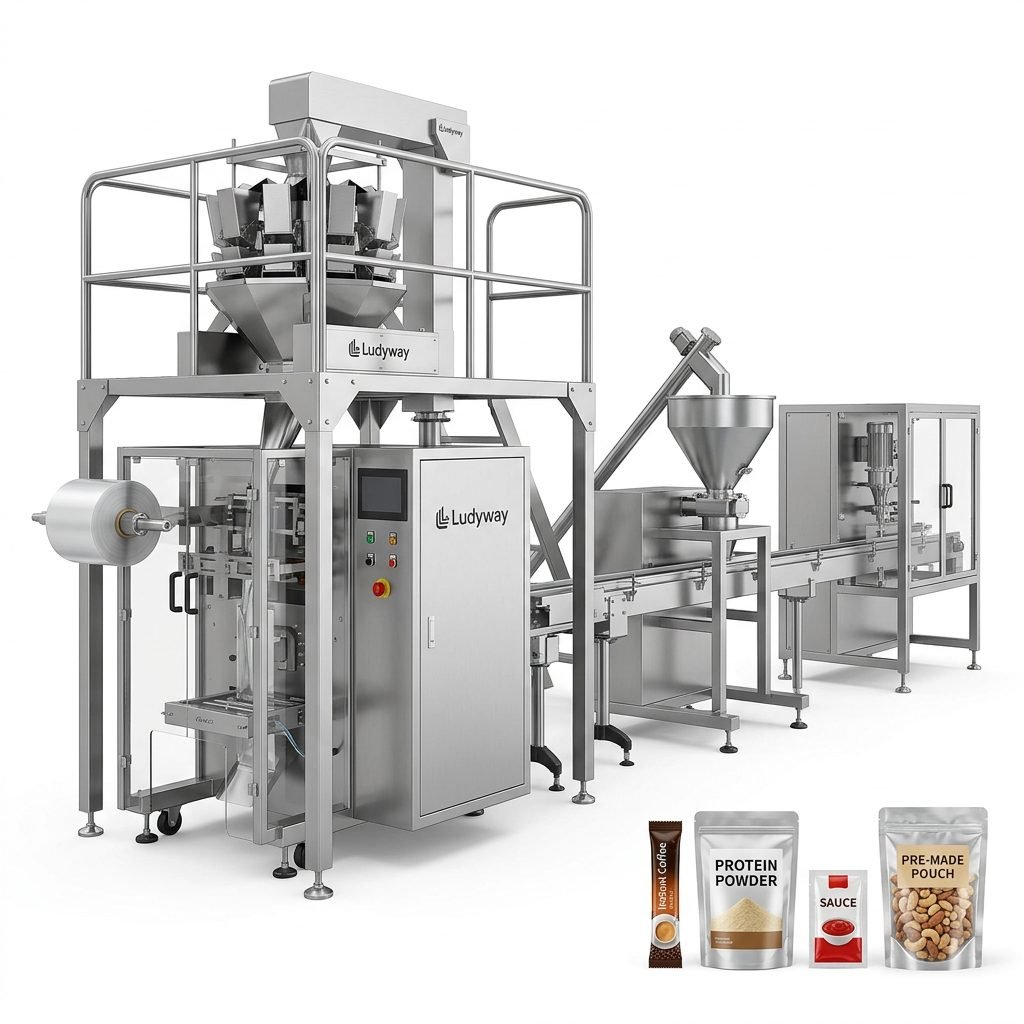
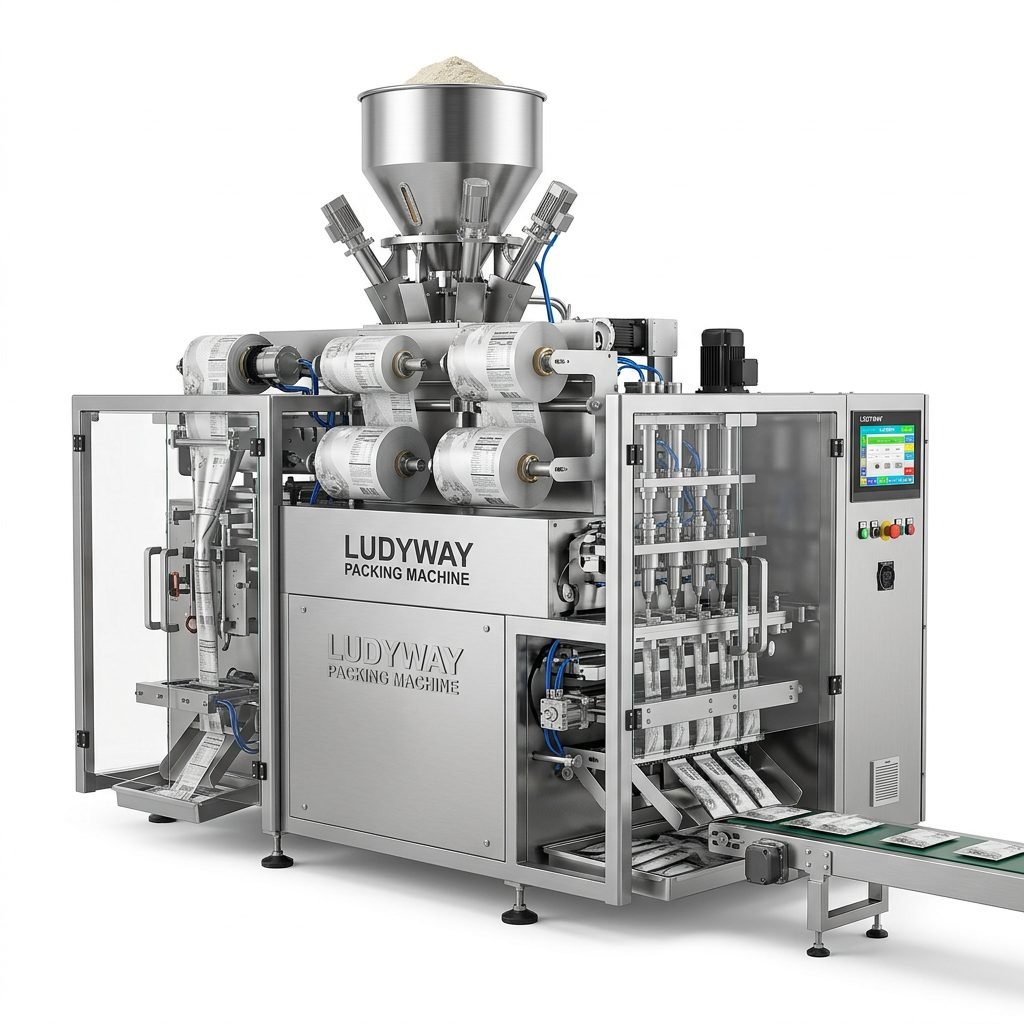
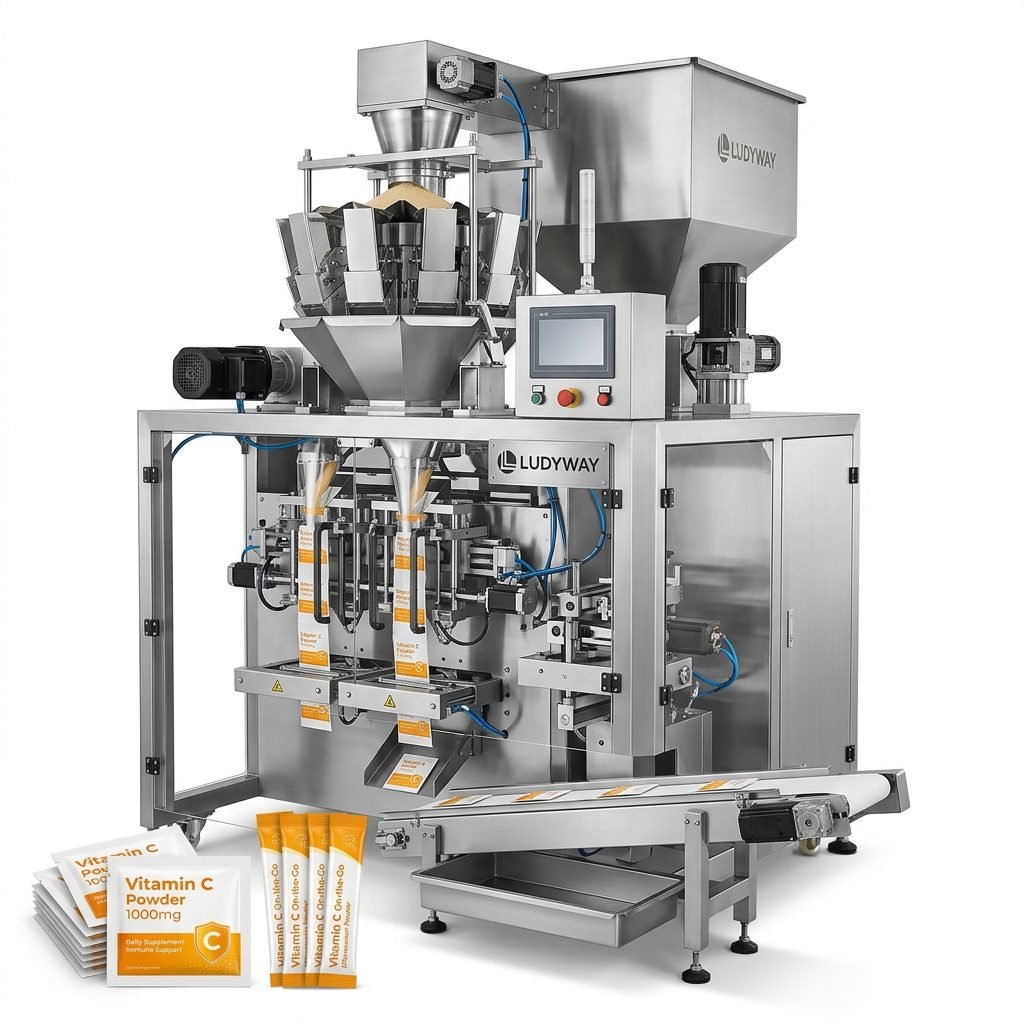
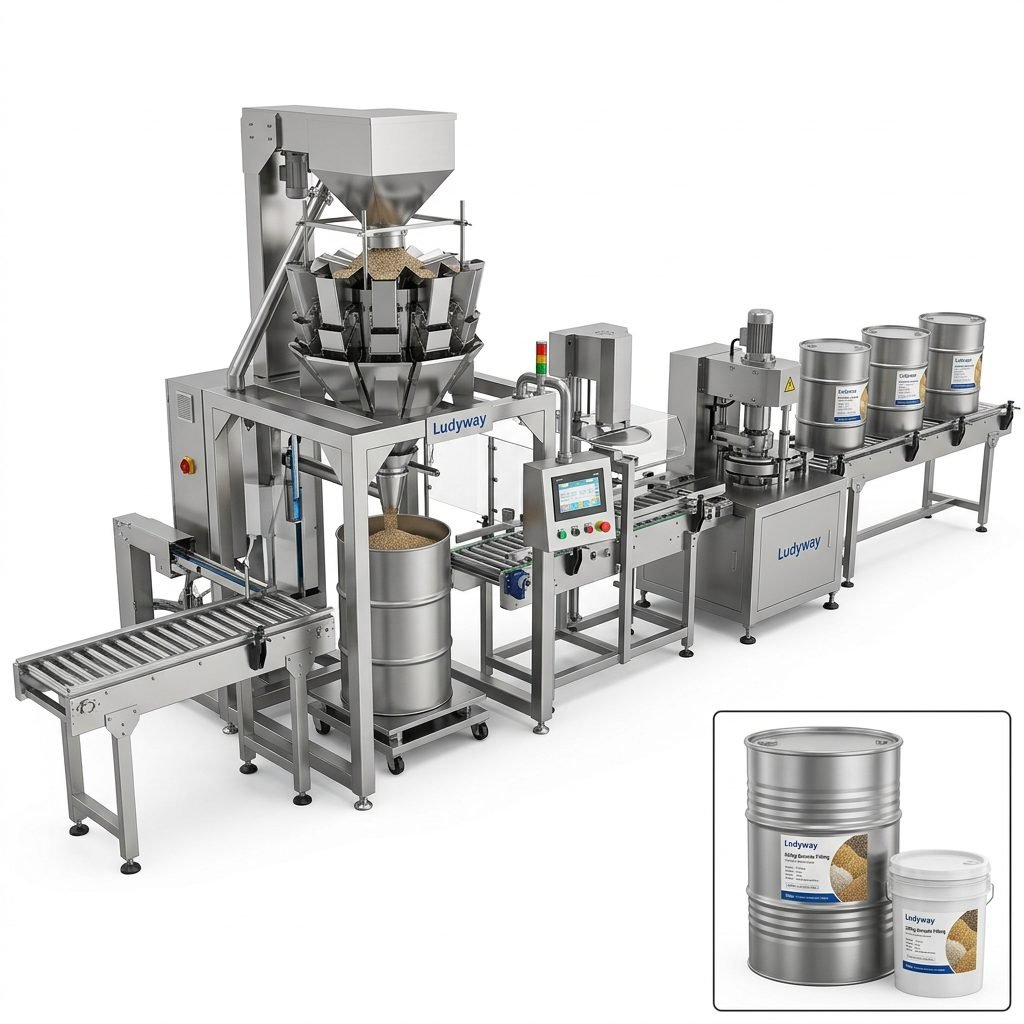
In the fast-paced world of manufacturing and product distribution, efficient and reliable packaging is not just a final step—it’s a critical component of product integrity, brand presentation, and operational success. At the heart of this process lies the sealing packaging machine, a versatile piece of equipment designed to securely close bags, pouches, sachets, and other containers. Whether you’re in the food, pharmaceutical, cosmetic, or chemical industry, choosing the right sealing machine can significantly impact your production speed, product shelf life, and overall cost-efficiency.
Understanding Sealing Packaging Machines
A sealing packaging machine automates the process of closing a package after it has been filled with a product. The primary goal is to create a hermetic or secure seal that protects the contents from external factors like moisture, air, contaminants, and tampering. This is achieved by applying heat, pressure, ultrasonic waves, or cold adhesive to the packaging material, fusing its layers together. Modern machines offer incredible precision, consistency, and speed, far surpassing manual sealing methods.
Key Takeaway: The core function of any sealing machine is to create a durable, consistent, and often airtight closure that safeguards the product and extends its shelf life, while also enhancing the unboxing experience for the end consumer.
Primary Types of Sealing Packaging Machines
The market offers a diverse range of sealing technologies, each suited to specific materials, products, and production volumes. Understanding these types is the first step in making an informed decision.
1. Heat Sealers
Heat sealers are the most common type, using controlled heat and pressure to melt a thermoplastic layer on the packaging film, bonding it together upon cooling.
- Impulse Sealers: Ideal for polyethylene and polypropylene bags. The sealing jaws heat up only during the sealing cycle, making them energy-efficient and good for intermittent use.
- Constant Heat Sealers: The sealing bars remain at a constant temperature. They are faster and perfect for continuous production lines, often used with laminates and foils.
- Band Sealers: Use moving heated bands to continuously seal bags as they pass through. Excellent for high-volume operations like food packaging.
2. Vacuum Sealers
These machines remove air from the package before sealing, drastically reducing oxidation and spoilage. They are indispensable in the food industry for meat, cheese, and prepared meals, and are also used in electronics packaging to prevent corrosion.
3. Induction Sealers
Induction sealers create a hermetic, tamper-evident seal on containers, typically bottles and jars. A foil liner is placed under the cap, and the machine uses an electromagnetic field to heat the foil, bonding it to the container’s lip. This technology is highly favored in pharmaceuticals, chemicals, and premium food & beverage for its superior leak-proof quality.
4. Ultrasonic Sealers
Using high-frequency vibrations, ultrasonic sealers generate friction heat at the molecular level to weld materials together. Their major advantage is the ability to seal through contaminants (like product dust or liquids) and to seal multi-layered, foil-based, or non-thermoplastic materials that are difficult for heat sealers.
5. Sachet & Stick Pack Sealers
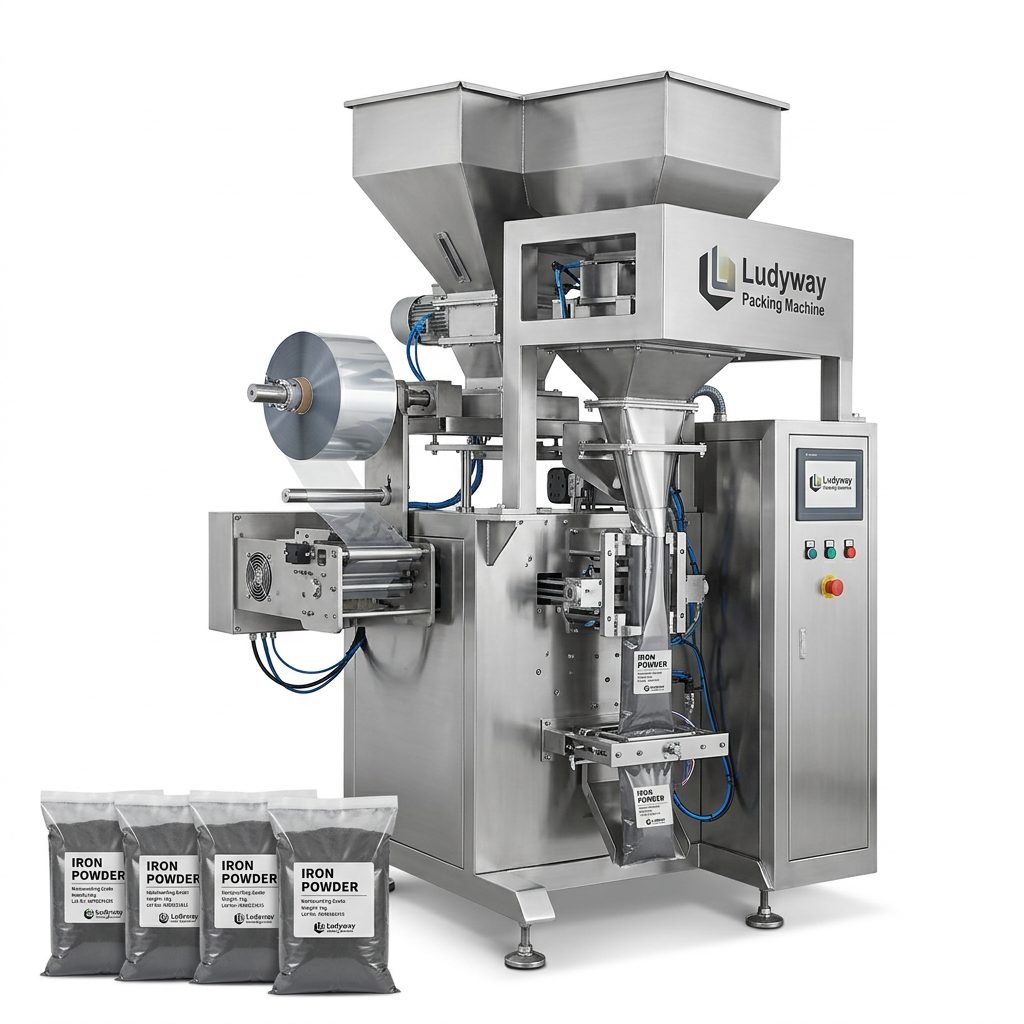
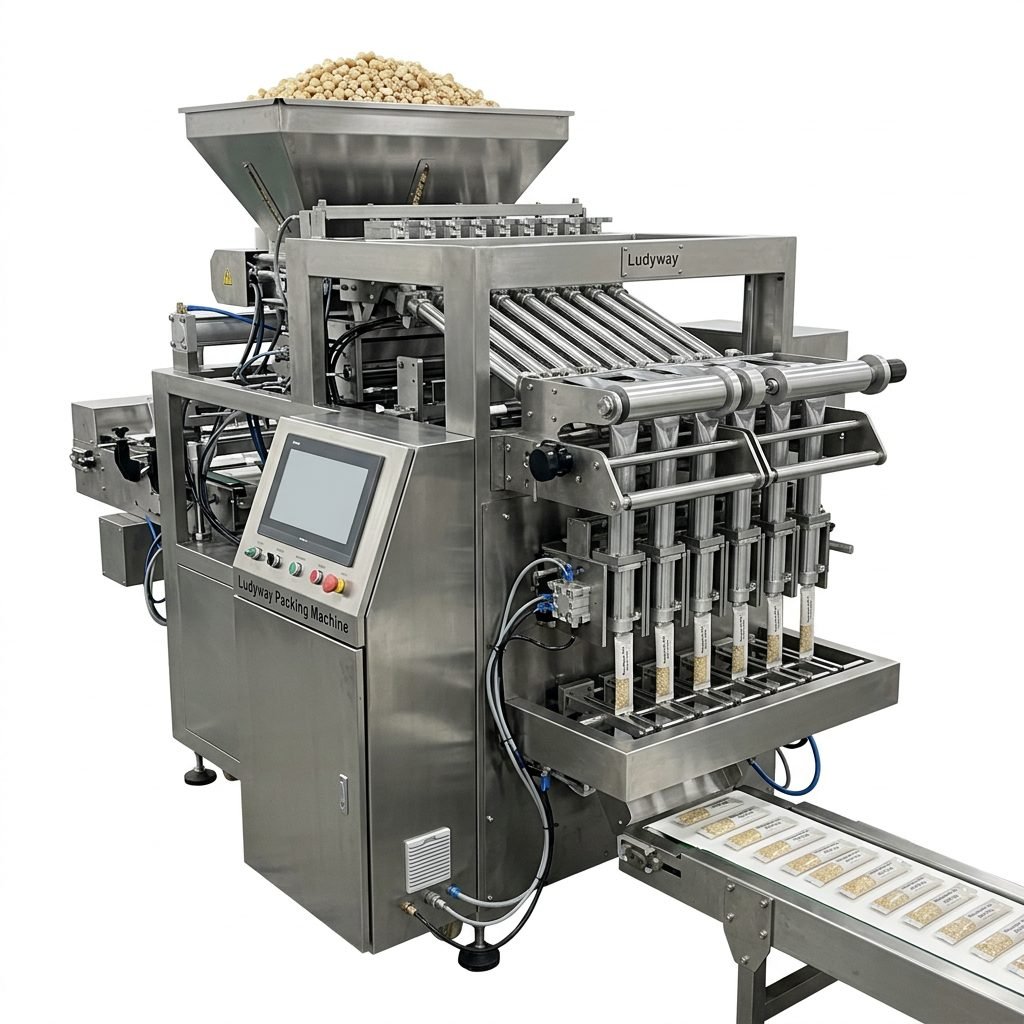
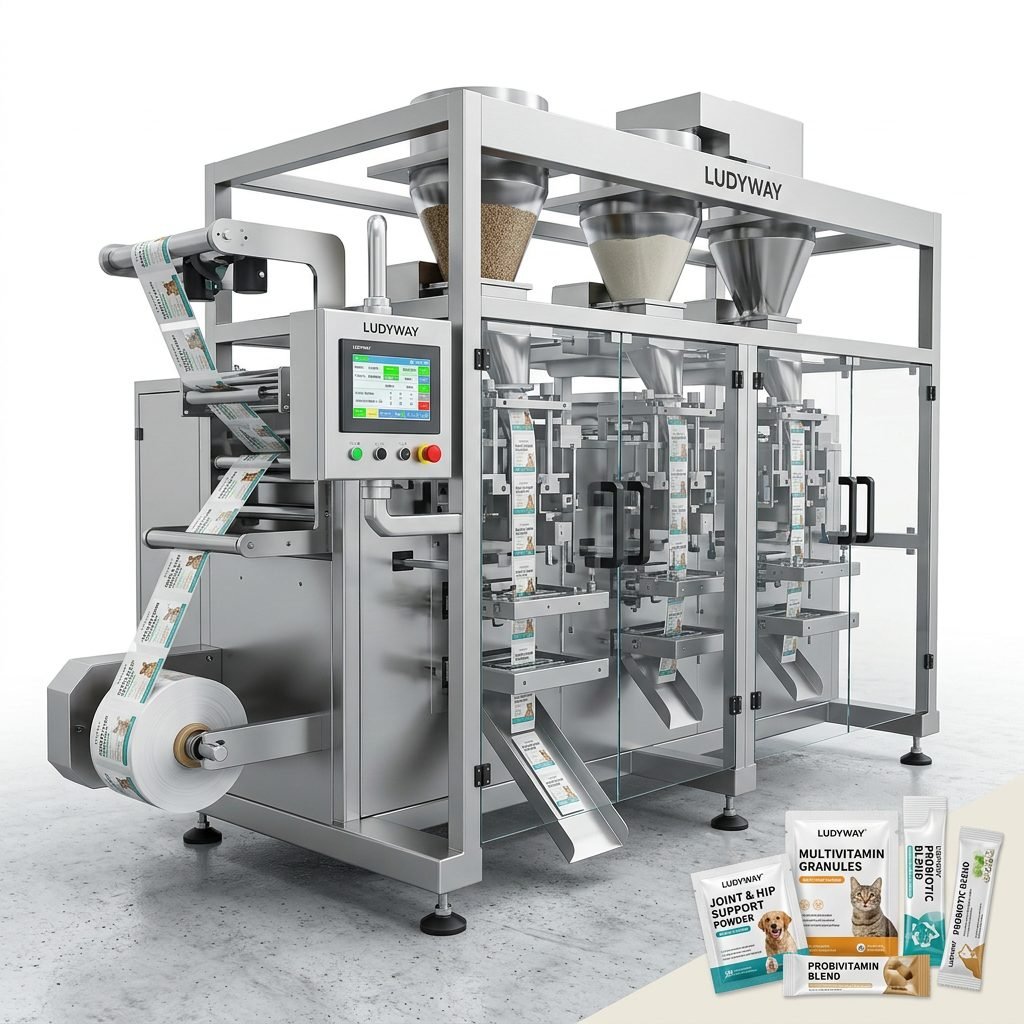
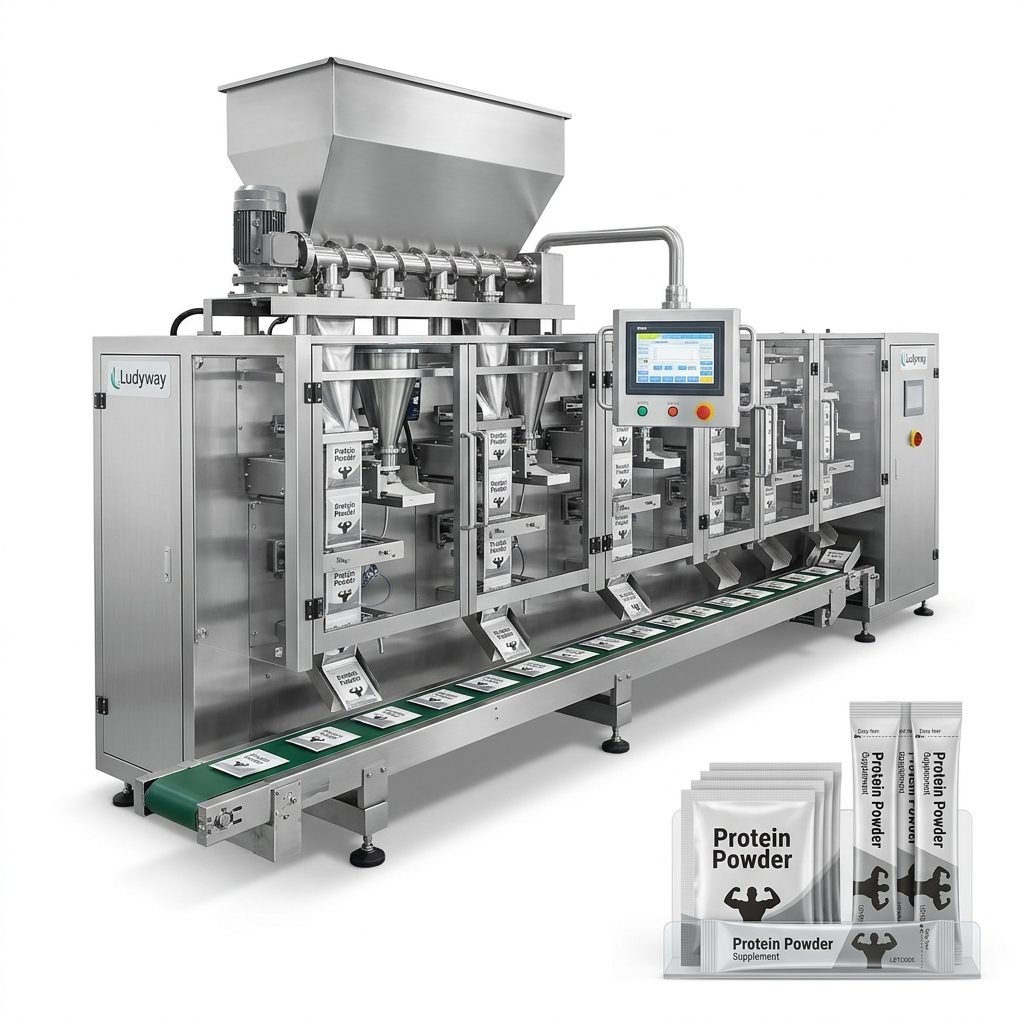
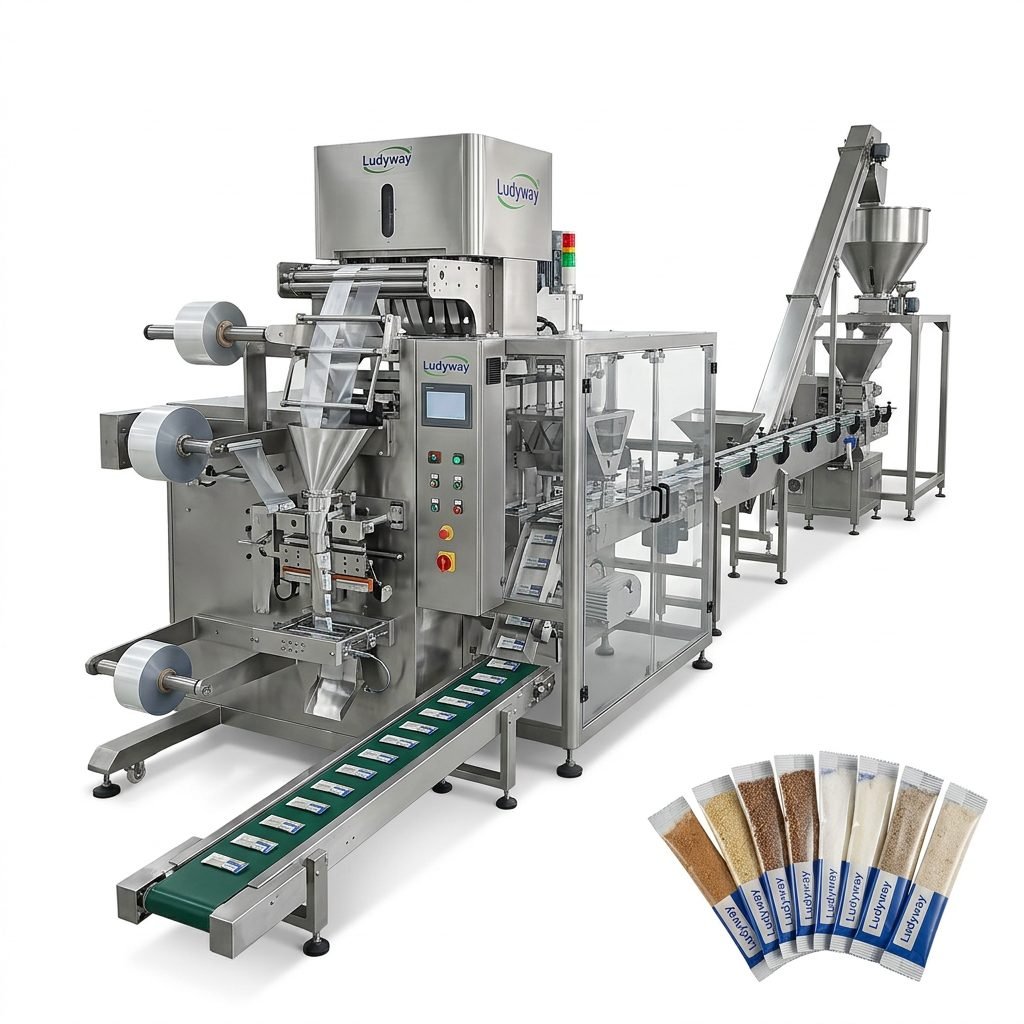
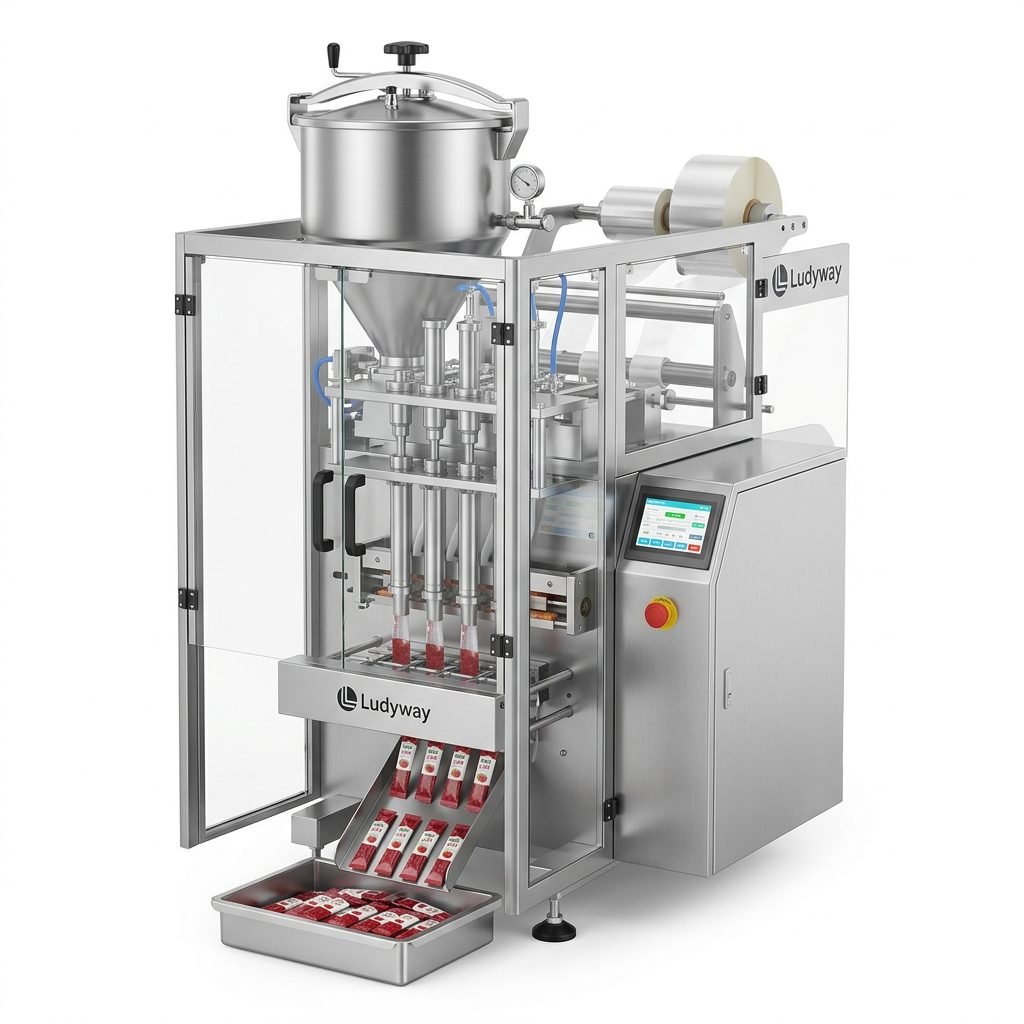
These are specialized, high-speed machines that form, fill, and seal individual single-serve packets from a roll of film. They are the backbone of the condiment, instant beverage, pharmaceutical powder, and cosmetic sample industries, offering excellent barrier properties and portion control.
Critical Applications Across Industries
The choice of sealer is heavily influenced by the industry and specific product requirements.
Food & Beverage
This sector demands seals that ensure freshness, prevent contamination, and often withstand refrigeration or freezing. Band sealers, vacuum sealers, and induction sealers are prevalent. For snacks and dry goods, high-speed horizontal or vertical form-fill-seal (FFS) machines with integrated sealing are standard.
Pharmaceutical & Healthcare
Sterility and tamper-evidence are paramount. Blister packaging machines use heat sealing to trap pills between foil and PVC. Induction sealing on medicine bottles is nearly universal. Sachet sealers are used for unit-dose powders and liquids, requiring absolute precision and integrity.
Cosmetics & Personal Care
From sealing foil lids on cream jars to creating stand-up pouches for shampoo, aesthetics and leak prevention are key. Heat sealers and ultrasonic sealers are common, especially for packaging containing alcohols or oils that can interfere with traditional heat seals.
Industrial & Chemicals
Packaging for adhesives, lubricants, or granular chemicals requires strong, chemical-resistant seals. Heavy-duty heat sealers and ultrasonic machines are often employed to handle aggressive materials and ensure safe transport.
How to Choose the Best Sealing Machine for Your Business
Selecting the right machine is a strategic investment. Here is a detailed guide to the key factors you must consider.
1. Analyze Your Packaging Materials
The material dictates the sealing technology. Conduct compatibility tests.
- Polyethylene (LDPE/HDPE): Works well with impulse and constant heat sealers.
- Laminates (PET/AL/PE, NY/PE): Require precise temperature control from constant heat or band sealers for a strong seal.
- Foil-based Materials: Often need ultrasonic sealing or specialized heat sealers with textured jaws.
- Paper or Non-wovens: Typically require a thermoplastic coating and heat sealing, or cold glue application.
2. Define Your Production Requirements
Volume and speed are cost drivers.
Output Speed (Packages/Minute): Match the machine’s rated speed to your current and projected output. A benchtop impulse sealer may suffice for 100 bags/day, while a fully automated rotary sachet packing machine is needed for thousands.
Operation Mode: Manual, semi-automatic, or fully automatic? Automation reduces labor costs and increases consistency but requires a higher initial investment.
3. Consider the Product Characteristics
The product itself influences the sealing process.
- Powders & Granules: Choose sealers that can handle potential dust contamination (ultrasonic is excellent) or have effective dust extraction systems.
- Liquids & Oils: The seal must be impeccable. Look for machines with “leak-proof” or “drip-proof” sealing jaws. VFFS machines with precise filling and sealing synchronization are ideal.
- Fragile or Odd-shaped Items: Ensure the machine has gentle handling and adjustable sealing pressure to avoid crushing the product.
4. Evaluate Seal Quality & Special Features
Beyond just closing a package, consider what the seal needs to achieve.
Tamper Evidence: Induction seals or perforated tear-notches created during heat sealing provide visual security.
Reclosability: Some heat sealers can create a zipper track or press-to-close feature during the sealing process.
Gas Flushing: For modified atmosphere packaging (MAP), the sealer must integrate with a gas flushing system to displace oxygen before sealing.
5. Assess Total Cost of Ownership (TCO)
Look beyond the purchase price. Factor in:
Maintenance & Downtime: How easy is it to clean and replace wear parts like sealing jaws or Teflon covers?
Energy Consumption: Impulse sealers use less energy for batch work than constantly heated machines.
Versatility & Future-Proofing: Can the machine handle a range of package sizes or materials if your product line expands? Modular designs offer more flexibility.
Supplier Support: Reliable technical support, availability of spare parts, and comprehensive warranty are crucial for minimizing long-term operational risk. Partnering with an experienced provider like Ludyway Machinery, with decades of industry expertise, ensures you have a partner for the lifecycle of your equipment.
Frequently Asked Questions (FAQs)
1. What is the main difference between a heat sealer and an ultrasonic sealer?
Heat sealers use external thermal energy to melt a thermoplastic layer, requiring clean, heat-sensitive materials. Ultrasonic sealers use high-frequency vibrations to create internal friction heat, allowing them to seal through contaminants and handle a wider range of materials, including some foils and non-wovens, without external heat application.
2. Can one sealing machine handle different bag sizes and materials?
Many semi-automatic and automatic machines are designed with adjustable sealing jaws, programmable settings, and quick-change parts to accommodate a range of bag widths and lengths. However, switching between vastly different materials (e.g., from polyethylene to a thick laminate) may require changing the sealing jaw profile or temperature settings, and sometimes is not recommended on the same machine.
3. How do I maintain my sealing packaging machine to ensure consistent seal quality?
Regular maintenance is key: Daily cleaning of sealing jaws to remove residue, periodic checking and replacement of Teflon or silicone sealing tapes, calibration of temperature and timer settings, and lubrication of moving parts as per the manufacturer’s manual. Consistent seal quality also depends on using the correct, consistent packaging material.
4. Is a vacuum sealer necessary for food packaging, or is a regular heat seal sufficient?
It depends on the food product’s sensitivity to oxygen. For dry snacks, pasta, or bread, a regular hermetic heat seal is often sufficient. For perishable items like meat, cheese, fish, or prepared meals where oxidation leads to rapid spoilage and color change, a vacuum sealer (or a machine capable of Modified Atmosphere Packaging) is necessary to extend shelf life significantly.
5. What should I look for in a sealing machine supplier?
Prioritize suppliers with proven industry experience, a strong portfolio of successful installations, and robust after-sales support. Look for clear documentation, availability of spare parts, training offerings, and responsive technical service. A supplier that offers comprehensive testing with your own products and materials before purchase is highly recommended to guarantee machine suitability and performance.