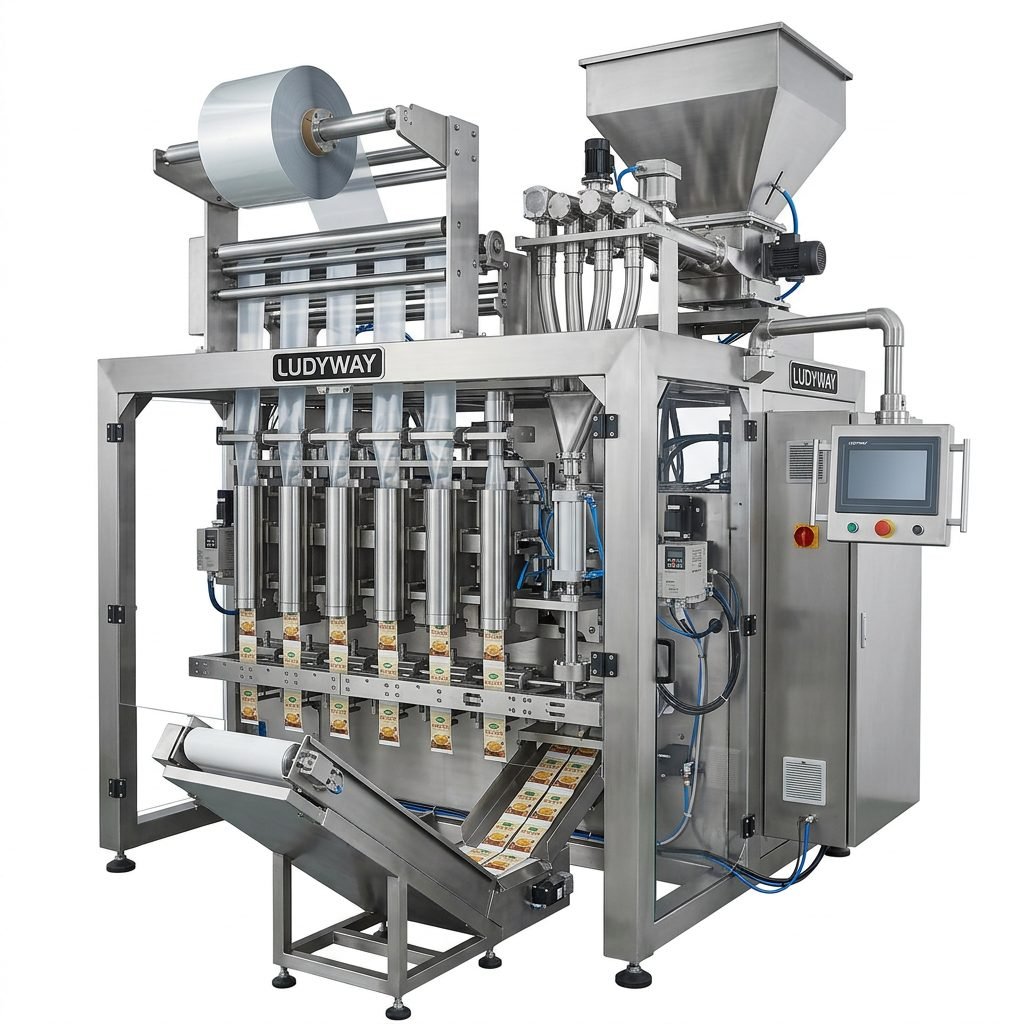
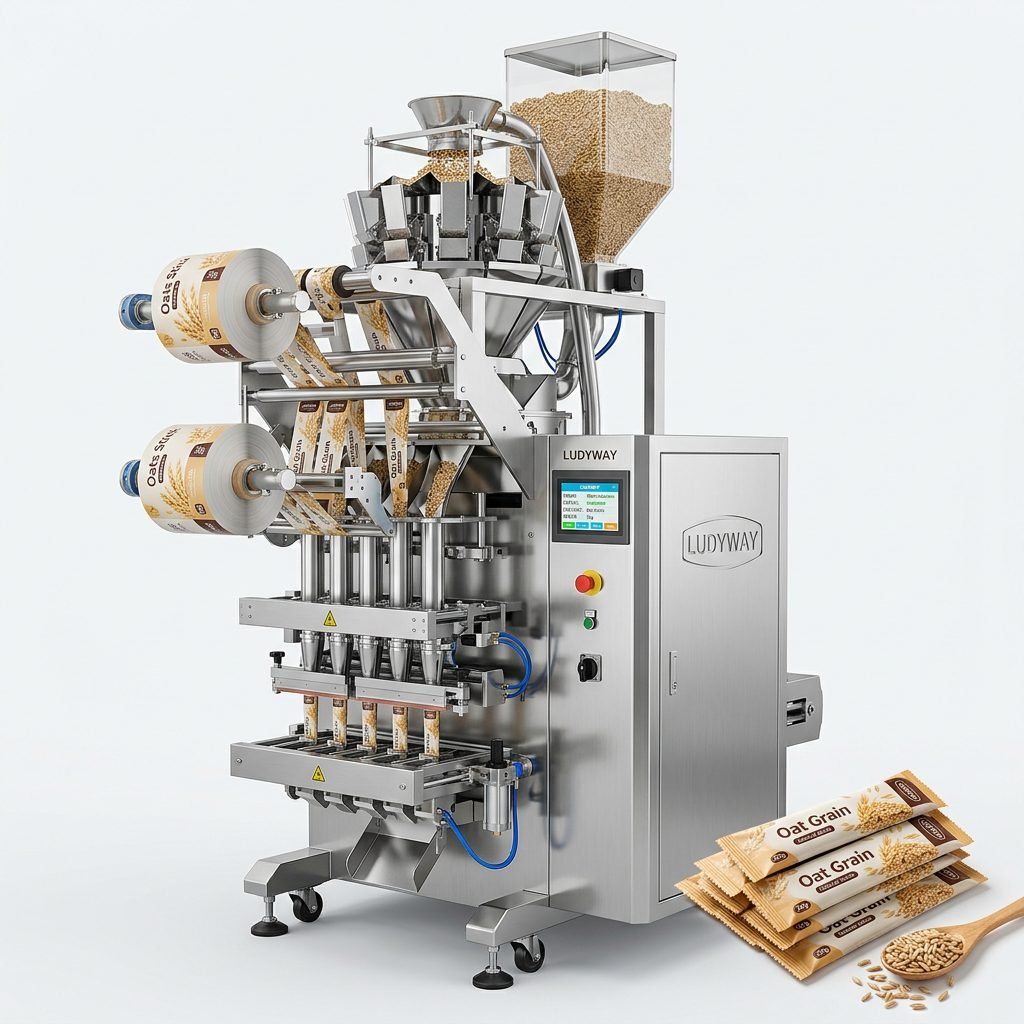
Selecting the right ground beef packaging machine is a critical decision for meat processors, retailers, and food service providers. The correct system not only preserves product freshness and safety but also optimizes production efficiency, reduces waste, and enhances shelf appeal. This comprehensive guide explores the various types of packaging machines available, factors influencing their prices, and a detailed framework to help you choose the ideal system for your specific operational needs and business goals.
Understanding the Core Types of Ground Beef Packaging Machines
The packaging process for ground beef demands precision, hygiene, and speed. Different systems cater to varying production scales, package formats, and automation levels.
1. Vacuum Packaging Machines
Vacuum packaging is the industry standard for extending the shelf life of fresh ground beef by removing air from the package, thereby inhibiting the growth of aerobic bacteria and preventing freezer burn.
Key Feature: These machines use a chamber or snorkel system to evacuate air before heat-sealing the bag. Chamber machines are ideal for low-to-medium production volumes and offer excellent vacuum quality for moist products like ground beef. Nozzle (snorkel) systems are often used for higher-speed operations with pre-formed bags.
2. Modified Atmosphere Packaging (MAP) Machines
MAP machines flush the package with a protective gas mixture (typically a blend of oxygen, carbon dioxide, and nitrogen) before sealing. This method is preferred for retail-ready trays where maintaining the bright red color (oxymyoglobin) of the meat is crucial for consumer appeal.
Tray Sealing Machines: These systems automatically or semi-automatically place ground beef into pre-formed trays, apply a top film, evacuate air, inject the gas mix, and seal. They are central to supermarket fresh meat packaging.
3. Flow Wrap / Horizontal Form-Fill-Seal (FFS) Machines
For portion-controlled packs like burger patties or chub-style tubes, horizontal FFS machines are highly efficient. They form a tube from a roll of film, fill it with the product, and then seal and cut it into individual packs. This method provides a tight, consistent package ideal for frozen products.
4. Vertical Form-Fill-Seal (VFFS) Machines
While more common for granular products, VFFS systems can be adapted for coarse-ground or pre-formed meat portions dropped into bags. They are extremely fast and efficient for high-volume, uniform weight packaging.
Analyzing the Cost Factors: What Determines the Price?
The investment in a ground beef packaging machine varies widely, from a few thousand dollars for a basic semi-automatic unit to several hundred thousand for a fully integrated automated line. Understanding the price drivers is essential for budgeting.
Primary Cost Determinants:
- Automation Level: Semi-automatic machines require manual loading and are the most affordable. Fully automatic systems with integrated conveyors, loaders, and labelers command a premium but drastically reduce labor costs and increase output.
- Production Speed (Cycles/Hour): Price scales directly with speed. A machine packaging 500 packs per hour is significantly less expensive than one capable of 3,000 packs per hour.
- Packaging Format and Complexity: Standard vacuum bagging is less costly than a dual-chamber MAP tray sealer with gas flushing and precision dosing capabilities. Systems handling multiple package sizes also add complexity and cost.
- Construction and Hygiene Standards: Machines built with stainless steel contact parts, IP-rated electrical components, and designs for easy cleaning (CIP/SIP) are more expensive but are non-negotiable for meat processing to meet food safety regulations.
- Brand, Origin, and Support: Established brands with proven reliability and comprehensive after-sales service (installation, training, spare parts) often have higher initial costs but lower total cost of ownership.
A Step-by-Step Guide to Choosing the Right System
Making the optimal choice requires a thorough analysis of your current and future needs. Follow this structured approach.
Step 1: Assess Your Product and Package Requirements
Critical Questions:
- What is the primary packaging goal? (e.g., max shelf life, retail color preservation, portion control for food service).
- What are the package weights, dimensions, and materials? (e.g., 1lb vacuum bags, 80/20 ground beef in 1 lb trays, frozen patties in flow wrap film).
- What are the regulatory and labeling requirements for your market?
Step 2: Evaluate Production Volume and Scalability
Calculate your average and peak daily output. Choose a machine that can handle 15-20% above your current peak to allow for growth. Avoid over-investing in excessive speed you won’t use for years, but ensure the machine platform can be upgraded.
Step 3: Consider Integration with Existing Lines
The new machine must interface smoothly with upstream equipment (like grinders and portioners) and downstream systems (like checkweighers and case packers). Compatibility in speed, control systems (e.g., PLC connectivity), and physical layout is key. Professional suppliers can provide vital turnkey integration support.
Step 4: Prioritize Hygiene and Maintenance
For ground beef packaging, sanitary design is paramount. Look for:
→ Smooth, crevice-free surfaces.
→ Easy-access panels for cleaning.
→ Availability of washdown-rated models.
Also, review the maintenance schedule and the availability and cost of common spare parts like sealing bars, vacuum pumps, and film guides.
Step 5: Analyze Total Cost of Ownership (TCO)
Look beyond the purchase price. Factor in:
Operating Costs: Film/gas consumption, energy usage, required labor.
Maintenance Costs: Preventive maintenance contracts, part replacement.
Downtime Cost: Reliability and supplier response time for service. A slightly more expensive, robust machine from a reliable partner with strong engineering support often has a lower TCO.
Step 6: Request Demos and Reference Checks
Always request a live or recorded production run using a sample of your actual product and packaging materials. Speak to existing customers of the supplier, especially those with similar applications, to understand real-world performance and service quality.
Partnering with an Expert Supplier
The complexity of selecting and implementing packaging machinery makes your choice of supplier as important as your choice of machine. A partner like Ludyway Machinery, with deep experience in food industry automation, provides invaluable benefits. They can conduct a needs analysis, recommend the most suitable technology from their range of over 50 models, and provide comprehensive project management from factory acceptance testing to installation and operator training. Their long-term commitment to innovation and technical support ensures your investment continues to perform optimally for years to come.
Frequently Asked Questions (FAQs)
1. What is the main difference between vacuum packaging and MAP for ground beef?
Vacuum packaging removes almost all air, ideal for freezing and maximizing shelf life by preventing aerobic spoilage. MAP replaces air with a gas mix to maintain the fresh, red color of meat for retail display while still extending shelf life compared to air-packed products. The choice depends on your distribution channel and customer presentation needs.
2. How much does a typical ground beef packaging machine cost?
Prices range dramatically. A semi-automatic chamber vacuum sealer can start around $3,000 – $8,000. A mid-volume automatic tray sealer for MAP might cost $50,000 – $120,000. High-speed, fully automated lines with integrated filling and labeling can exceed $250,000. A detailed quote based on your specifications is necessary.
3. How can I reduce packaging film waste and cost?
Work with your machine supplier to optimize film web tension, sealing parameters, and cut-off accuracy. Consider transitioning to pre-made bags or films with higher tensile strength that allow for thinner gauges without compromising integrity. Regular machine maintenance is also crucial to prevent mis-cuts and seal failures that cause waste.
4. What maintenance is required for these machines?
Daily cleaning and visual inspection of seals and cutting blades are essential. Weekly tasks often include checking oil levels in vacuum pumps and lubricating moving parts. Periodic maintenance (quarterly/annually) involves replacing wear parts like Teflon® sealing strips, gaskets, and filter elements, as per the manufacturer’s schedule.
5. Can one machine handle different package sizes of ground beef?
Yes, many machines offer quick-change features for different tray or bag sizes. However, significant format changes (e.g., switching from vacuum bags to rigid trays) typically require different machine platforms or major conversion kits. Discuss your need for flexibility upfront with your supplier.