Environmental regulation is no longer a background issue for packaging buyers and manufacturers. It is now a direct cost driver that is reshaping how companies source films, paper, aluminum, rigid plastics, labels, inks, and secondary packaging materials. Across food, pharmaceutical, personal care, chemical, and pet product sectors, new compliance rules are changing the economics of packaging from raw material selection to end-of-line operations.
Regulation Is Moving Packaging Costs Beyond Simple Material Pricing
For years, packaging cost discussions focused mainly on resin pricing, paper pulp volatility, freight, and labor. Today, that model is incomplete. Regulatory pressure is introducing new cost variables such as recycled-content quotas, extended producer responsibility fees, carbon disclosure obligations, restrictions on certain multilayer structures, and tighter rules on recyclability claims.
As a result, the real cost of a package is increasingly determined by its compliance-adjusted lifecycle cost, not only by the purchase price of the material itself.
Key forces pushing cost structures upward or sideways include:
- Mandatory recycled content in plastic packaging
- Taxes or fees on non-recyclable and difficult-to-recover formats
- Bans on selected single-use packaging types
- Stricter migration, labeling, and traceability standards
- Carbon accounting requirements in supply contracts
- Retailer-led sustainability scorecards that influence supplier approval
Why Material Cost Structures Are Shifting
The packaging market is not seeing a uniform rise in all material costs. Instead, environmental rules are redistributing value across the supply chain. Some materials become more expensive because they require certified recycled feedstock. Others become cheaper relative to alternatives because they fit better within collection and recycling systems. In many cases, converters are also paying more for testing, reformulation, tooling changes, machine adjustments, and documentation.
This shift is especially visible in flexible packaging, where high-barrier performance has long depended on mixed-material laminates. Under stronger recyclability rules, these structures can face higher future compliance costs even when they remain operationally efficient today.
| Cost Driver | Traditional Impact | Regulation-Era Impact |
|---|---|---|
| Raw material purchase price | Primary decision factor | Only one part of total packaging economics |
| Recyclability | Often optional branding feature | Increasingly linked to fees, taxes, and market access |
| Recycled content | Limited voluntary usage | Supply-constrained input with premium pricing |
| Packaging line compatibility | Operational concern | Critical to successful material transition and waste control |
| End-of-life fees | Rarely included | Now a growing financial line item |
Plastic Packaging: More Expensive, More Selective, More Regulated
Plastic remains essential because of barrier performance, weight efficiency, sealing reliability, and cost competitiveness. However, regulations are splitting plastic materials into more favorable and less favorable categories.
What is changing in plastics:
- Mono-material structures are receiving more attention because they can improve recyclability pathways.
- Post-consumer recycled content often carries a price premium due to limited availability and certification requirements.
- Complex laminates may face future penalties, retailer resistance, or redesign pressure.
- Testing and validation costs rise when replacing legacy films with compliant alternatives.
In practical terms, a lower-cost plastic film may no longer be the lowest-cost packaging choice if it creates higher downstream fees, claim limitations, or retailer acceptance risks.
Paper-Based Packaging Gains Interest, but Costs Are Not Always Lower
Paper and fiber-based formats are benefiting from consumer preference and policy support in many markets. Still, their cost structure is becoming more complex. Barrier coatings, moisture resistance, heat seal performance, and print durability can significantly increase converting costs. In sectors such as pharmaceuticals, powders, sauces, and high-humidity foods, paper often needs functional layers that complicate both pricing and recyclability assessment.
This means paper is not automatically a low-cost sustainable substitute. It may reduce certain compliance risks while increasing material weight, storage volume, sealing complexity, or line modification expense.
Aluminum and High-Barrier Alternatives Are Being Reevaluated
Aluminum foil and metallized structures continue to offer excellent barrier protection, especially for oxygen-sensitive, moisture-sensitive, or shelf-life-critical products. But environmental rules and carbon reporting expectations are forcing buyers to review the full impact of these materials. In some applications, the compliance burden does not eliminate aluminum, but it does encourage thinner gauges, structure optimization, or a move toward alternative barrier technologies.
Buyers are now asking different questions:
- Is this structure recyclable in the target market?
- Will this material trigger a higher EPR fee?
- Can the package still run efficiently after redesign?
- Does the sustainability claim hold under local rules?
- What is the total cost after testing, scrap, and compliance reporting?
Compliance Costs Are Also Reaching Packaging Machinery Decisions
Material shifts do not happen in isolation. Once a brand changes from one substrate to another, line performance can be affected. Seal windows, forming stability, dosing consistency, cutting accuracy, coding adhesion, and reject rates may all change. This is why packaging companies are increasingly aligning material strategy with machinery capability.
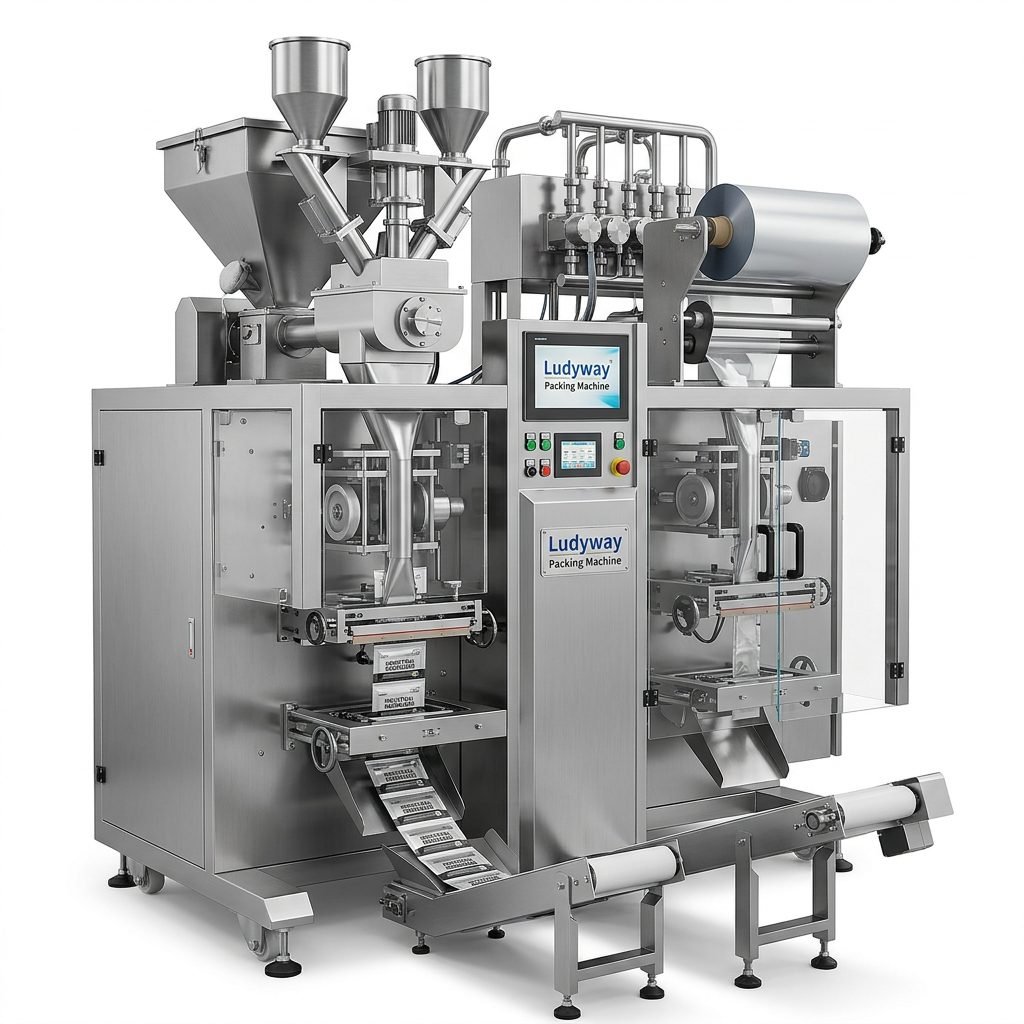
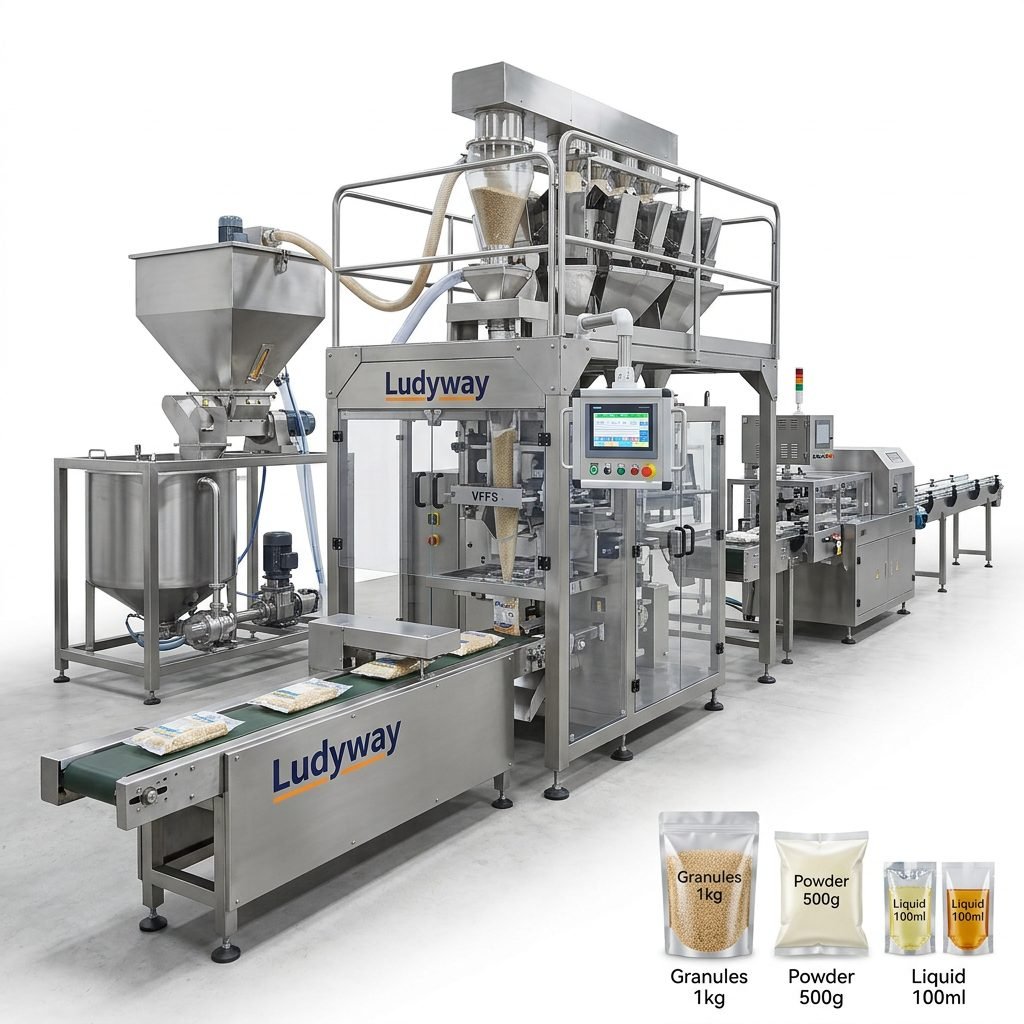
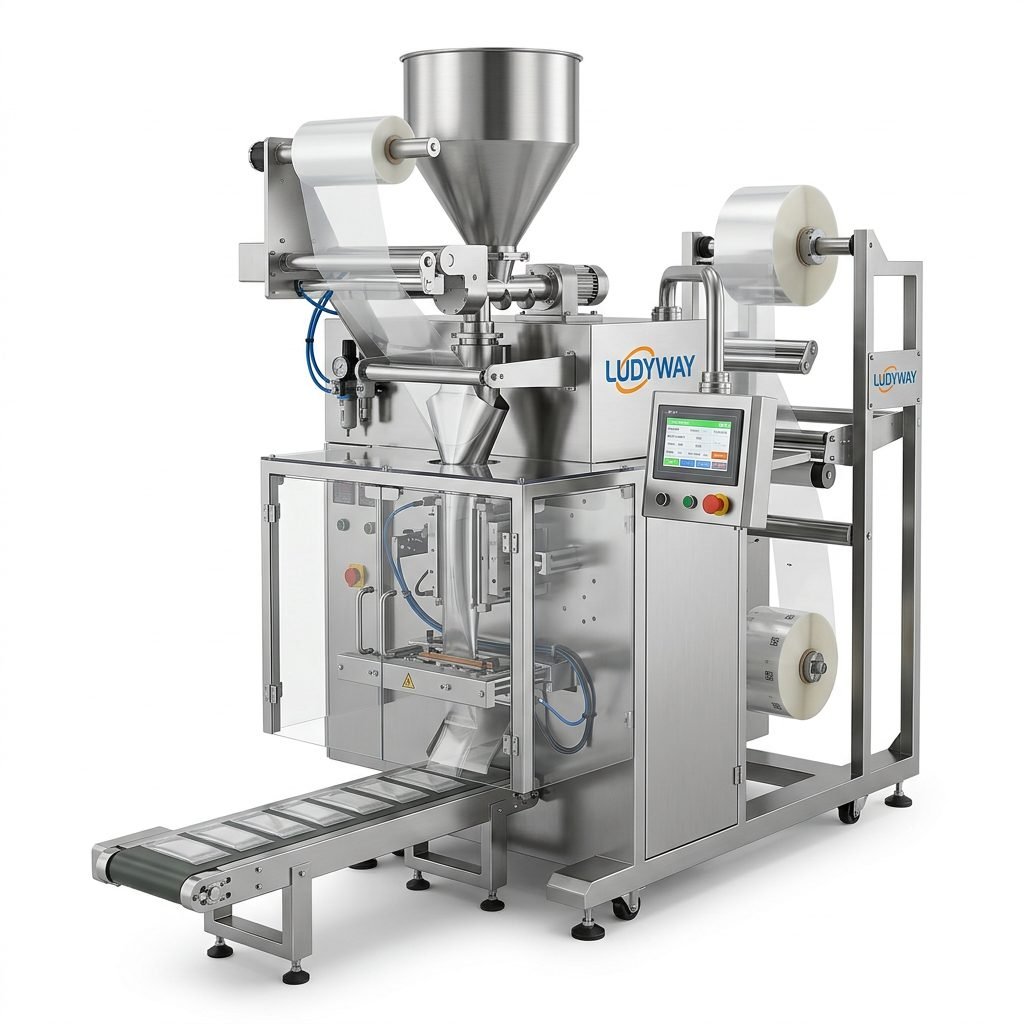
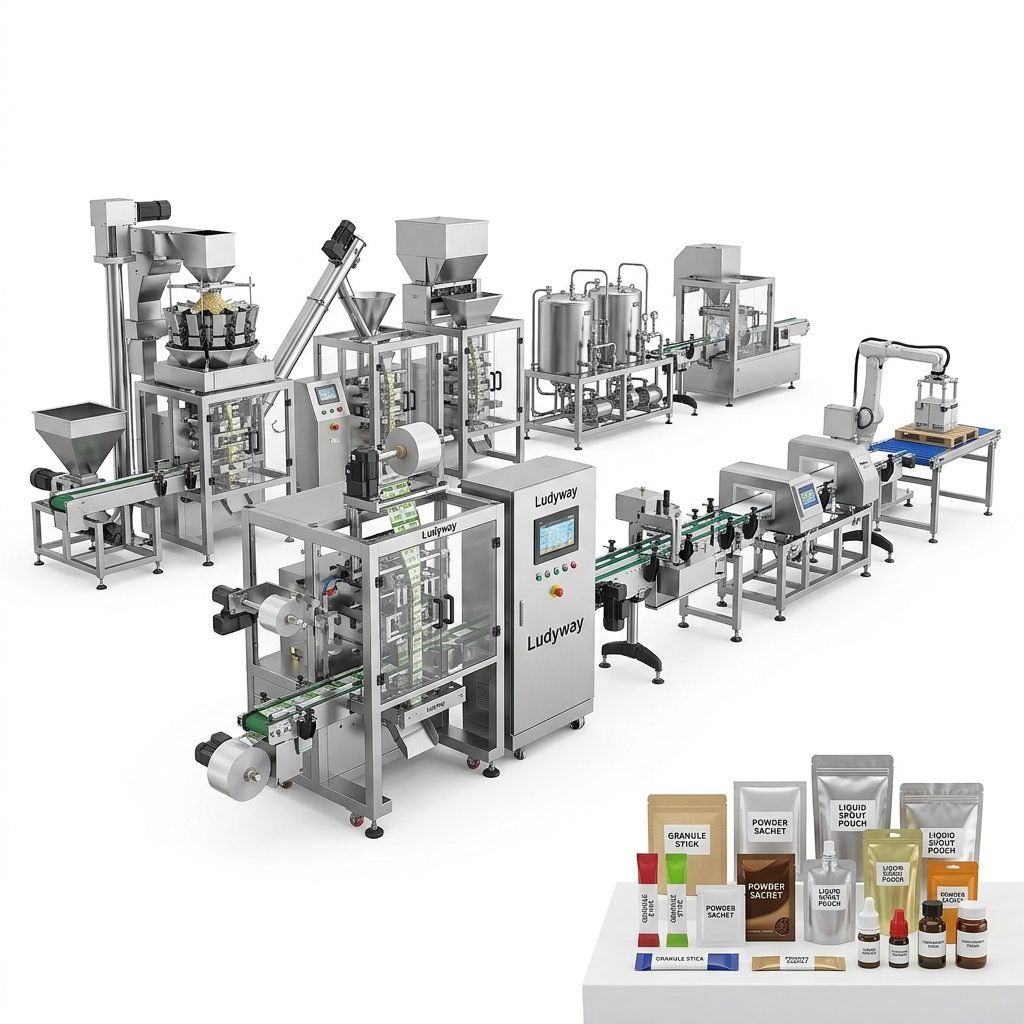
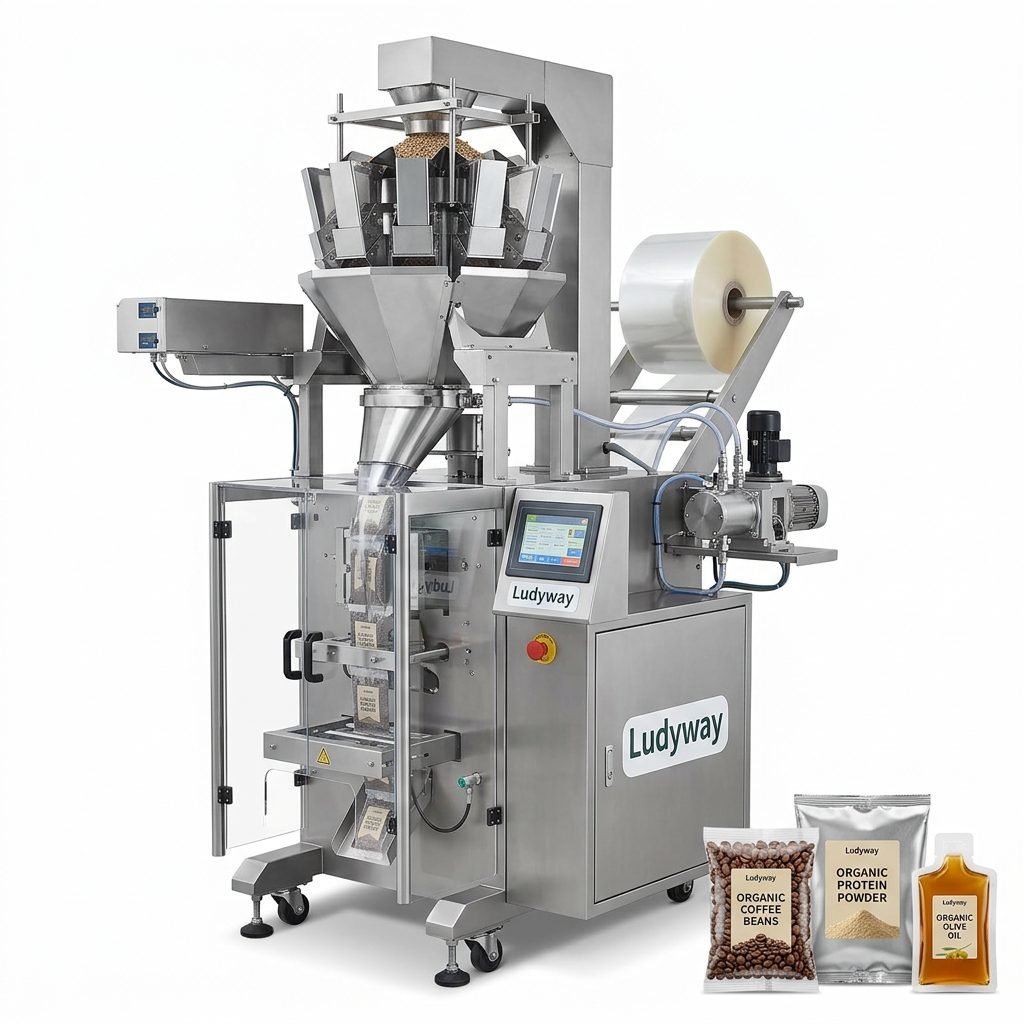
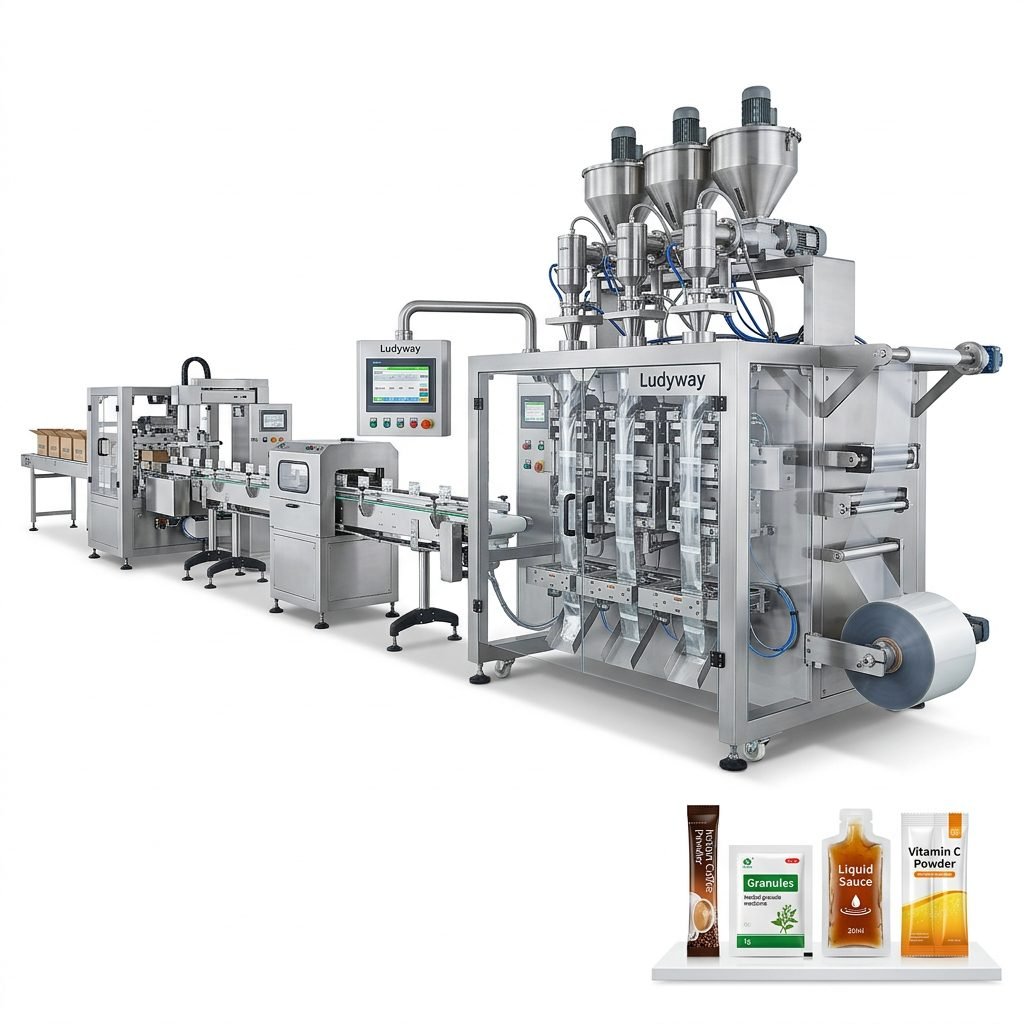
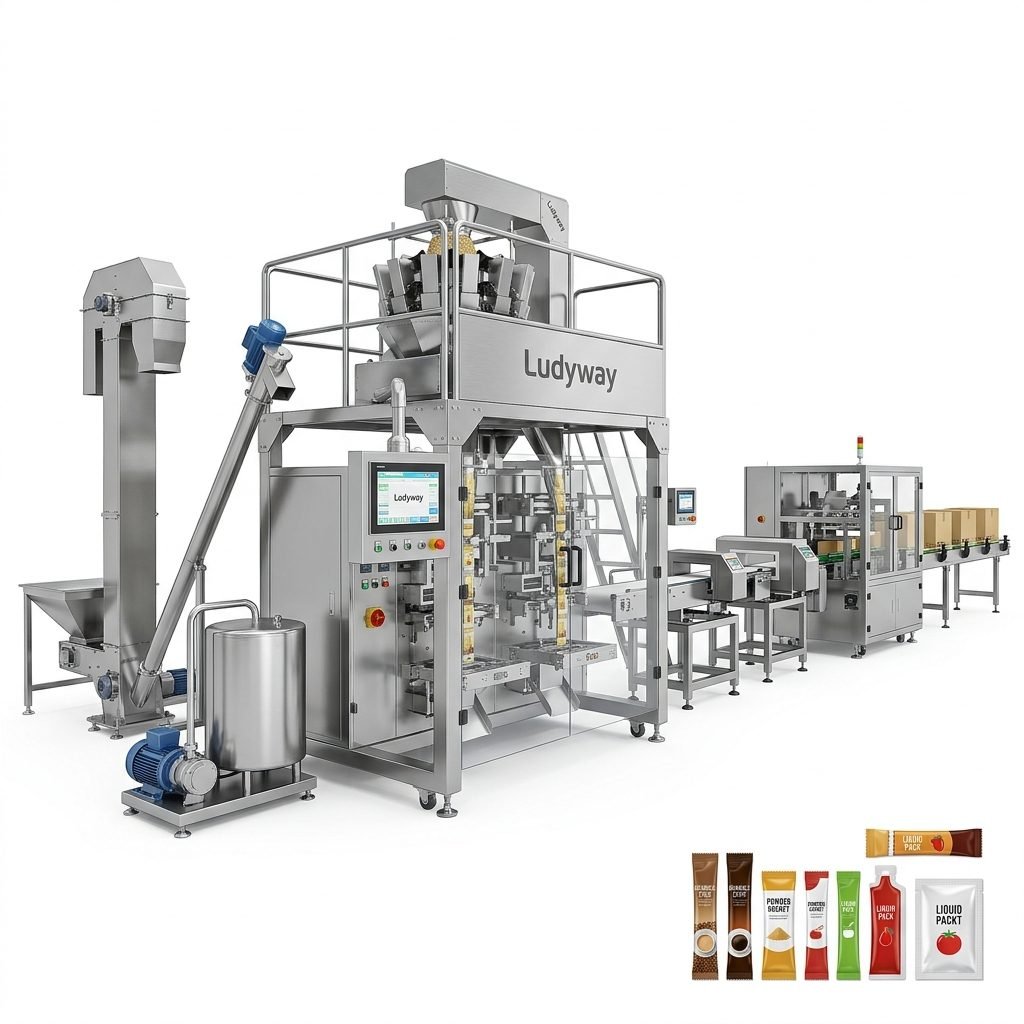
Manufacturers looking to reduce risk often prefer packaging equipment that can support future substrate changes with less disruption. Companies such as Ludyway are drawing attention in this area because global buyers are placing more value on flexible packaging systems, turnkey integration, and application-based engineering that can adapt to evolving compliance and material requirements.
| Packaging Change | Operational Effect | Cost Outcome |
|---|---|---|
| Switch to recyclable mono-material film | Different sealing behavior and stiffness | Setup, scrap, and testing costs may rise initially |
| Increase recycled content | Possible variation in material consistency | May need tighter process control |
| Shift from multilayer to paper-based pack | Folding, sealing, and barrier performance changes | Potential machinery adjustment and throughput impact |
| Add traceability and labeling data | More coding and inspection requirements | Higher equipment integration cost |
Industries Feeling the Change Most Strongly
The pressure is not equal across all sectors. Industries with strict barrier, hygiene, safety, and shelf-life demands are seeing the hardest trade-offs between compliance and cost efficiency.
High-impact sectors include:
- Food packaging: balancing shelf life, portion size, convenience, and recyclability
- Pharmaceutical packaging: maintaining protection and compliance while reducing environmental burden
- Health supplements: adapting stick packs, sachets, and pouches to sustainability demands
- Home and personal care: responding quickly to retailer and consumer scrutiny on packaging waste
- Industrial and chemical products: dealing with containment, resistance, and labeling complexity
How Procurement Teams Are Responding
Procurement teams are broadening their evaluation models. Instead of negotiating only on price per kilogram or price per thousand units, they are comparing total impact across sourcing, packaging line performance, fees, claims, and long-term regulatory exposure.
The new purchasing checklist often includes:
- Material cost under current and future regulatory scenarios
- Availability of compliant raw materials at scale
- Expected machine efficiency after material transition
- Waste and rework levels during startup and ongoing production
- Documentation burden for audits and declarations
- Brand risk linked to packaging sustainability claims
A Strategic Shift, Not a Temporary Cost Spike
The current shift should not be seen as a short-term distortion. Environmental regulation is pushing the packaging industry toward a new cost architecture. Materials that perform well in collection, recycling, reporting, and carbon frameworks are likely to gain structural advantages. Materials that depend on outdated assumptions may remain technically viable, but they could become financially weaker over time.
For packaging decision-makers, the most competitive path is not simply choosing the cheapest material. It is building a packaging system that can stay compliant, run efficiently, and scale with changing market rules. In that environment, packaging material cost structures will continue to evolve—driven not only by commodity markets, but by policy, infrastructure, and the ability of packaging lines to adapt.
Bottom line for the market
Environmental rules are no longer external pressure points. They are actively rewriting the economics of packaging materials. The winners will be companies that connect material selection, machinery flexibility, and compliance planning into one integrated strategy.