Global demand for packaging machinery continues to accelerate as manufacturers in food, pharmaceutical, health supplement, personal care, and chemical sectors expand production capacity and pursue higher automation levels. Across export markets, buyers are no longer looking only for standalone equipment—they are increasingly evaluating complete line integration, digital controls, flexibility across packaging formats, and long-term service capability.
International Buyers Raise the Bar for Equipment Selection
In 2026, packaging machine exporters are facing a more competitive landscape shaped by rising order volumes and more demanding procurement standards. Buyers in Europe and North America are paying closer attention to compliance, traceability, machine stability, and energy efficiency. Meanwhile, customers in the Middle East, South America, Africa, and Southeast Asia are prioritizing fast delivery, reliable performance, local adaptability, and scalable automation that can support business growth without excessive operational complexity.
This shift is changing the way export competition works. Price remains important, but it is no longer the only deciding factor. Procurement teams now compare machine lifecycle value, production flexibility, spare parts support, and the supplier’s ability to customize systems for powders, granules, liquids, pastes, sachets, pouches, stick packs, bottles, and complete secondary packaging workflows.
Why Export Competition Is Intensifying
- More end users are upgrading from semi-automatic to fully automatic lines
- Cross-border brands need packaging systems that can adapt to multiple SKUs
- Labor shortages in many regions are pushing investment in automation
- Food safety and pharmaceutical compliance requirements are increasing
- Turnkey projects are becoming more common for new factories and capacity expansion
As these factors converge, established exporting manufacturers are competing not only on machine output speed, but also on engineering depth, software integration, project management, and after-sales responsiveness. This is particularly visible in sectors such as nutritional powders, instant beverages, condiments, oral solid dosage products, medical consumables, and pet nutrition packaging.
Key Demand Trends Across Major Overseas Markets
| Region | Main Buyer Priorities | High-Demand Applications |
|---|---|---|
| Europe | Compliance, efficiency, precision dosing, sustainable packaging compatibility | Pharma sachets, supplement stick packs, food powders, personal care |
| North America | High throughput, automation, labor savings, line integration | Protein powders, beverage mixes, pet products, pouches |
| Middle East | Durability, fast commissioning, flexibility for varied climate conditions | Food sachets, household chemicals, healthcare packaging |
| South America | Cost-performance balance, easy maintenance, multi-product use | Seasonings, coffee, agricultural products, supplements |
| Africa | Reliable operation, robust structure, service support, expansion-ready systems | Staple foods, agrochemicals, feed, hygiene products |
| Southeast Asia | Compact footprint, high-speed output, SKU flexibility | Instant drinks, sauces, cosmetics, pharmaceutical sachets |
Turnkey Lines Gain Ground Over Standalone Machines
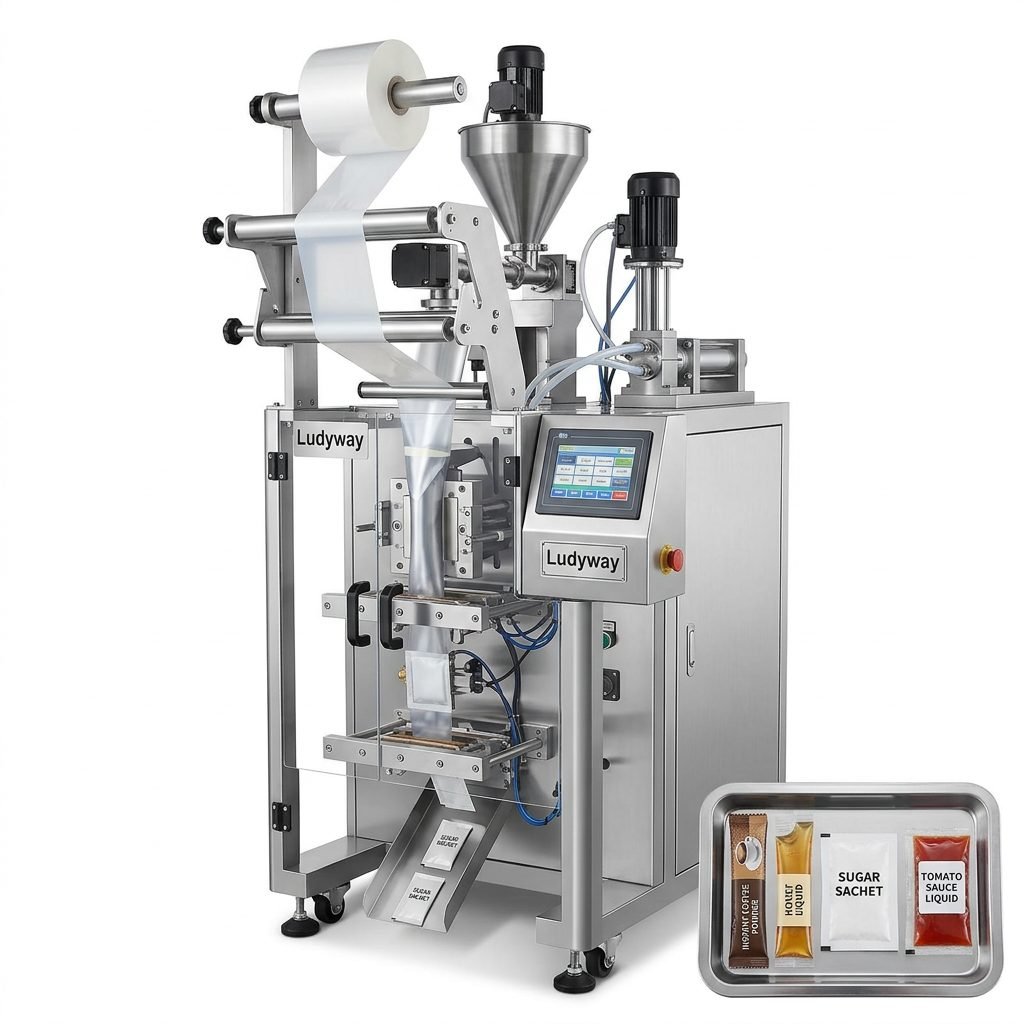
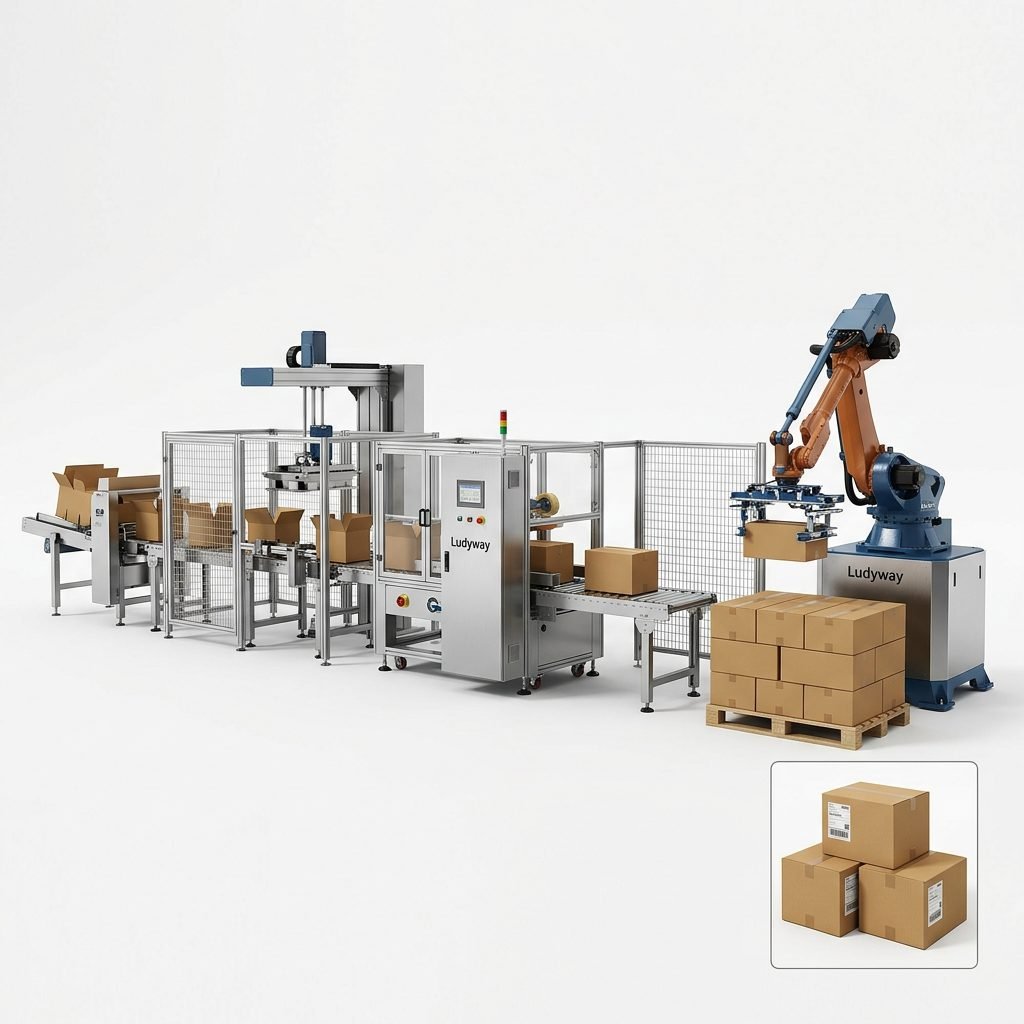
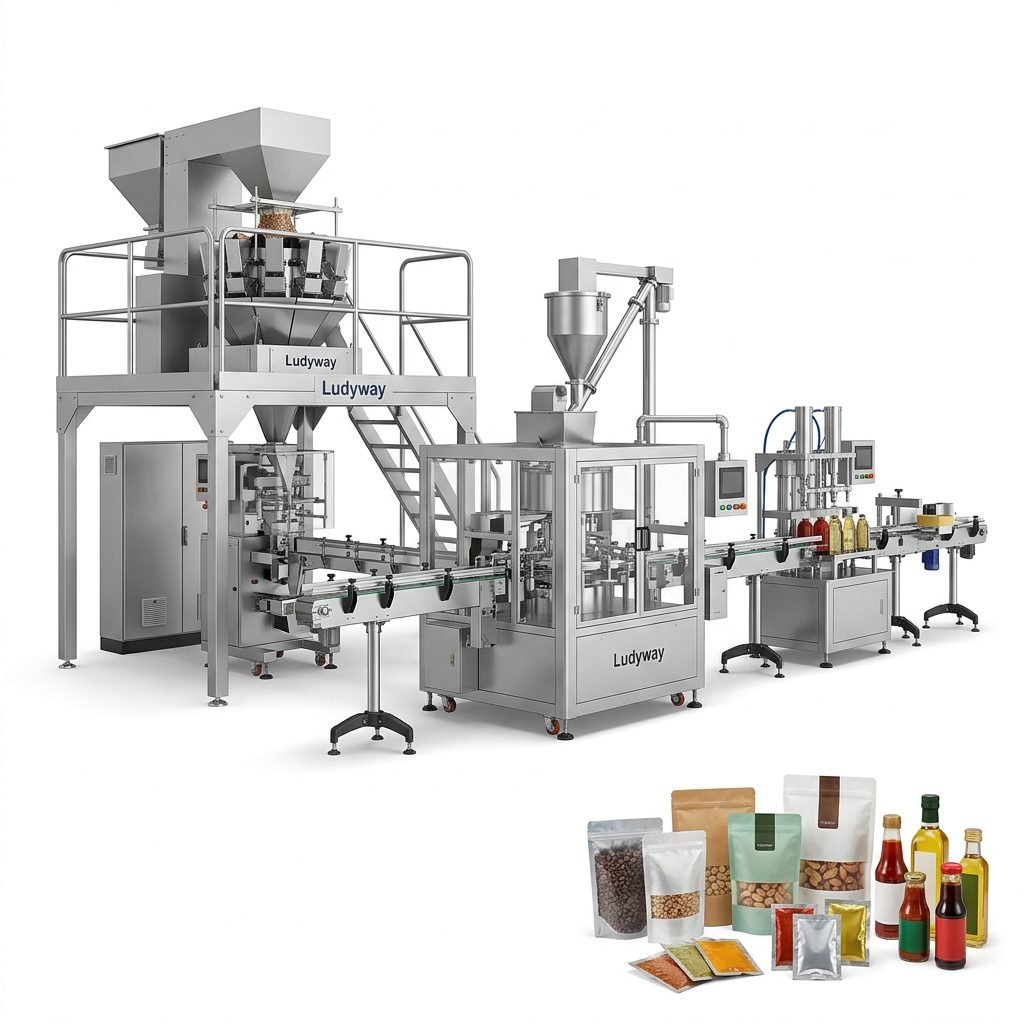
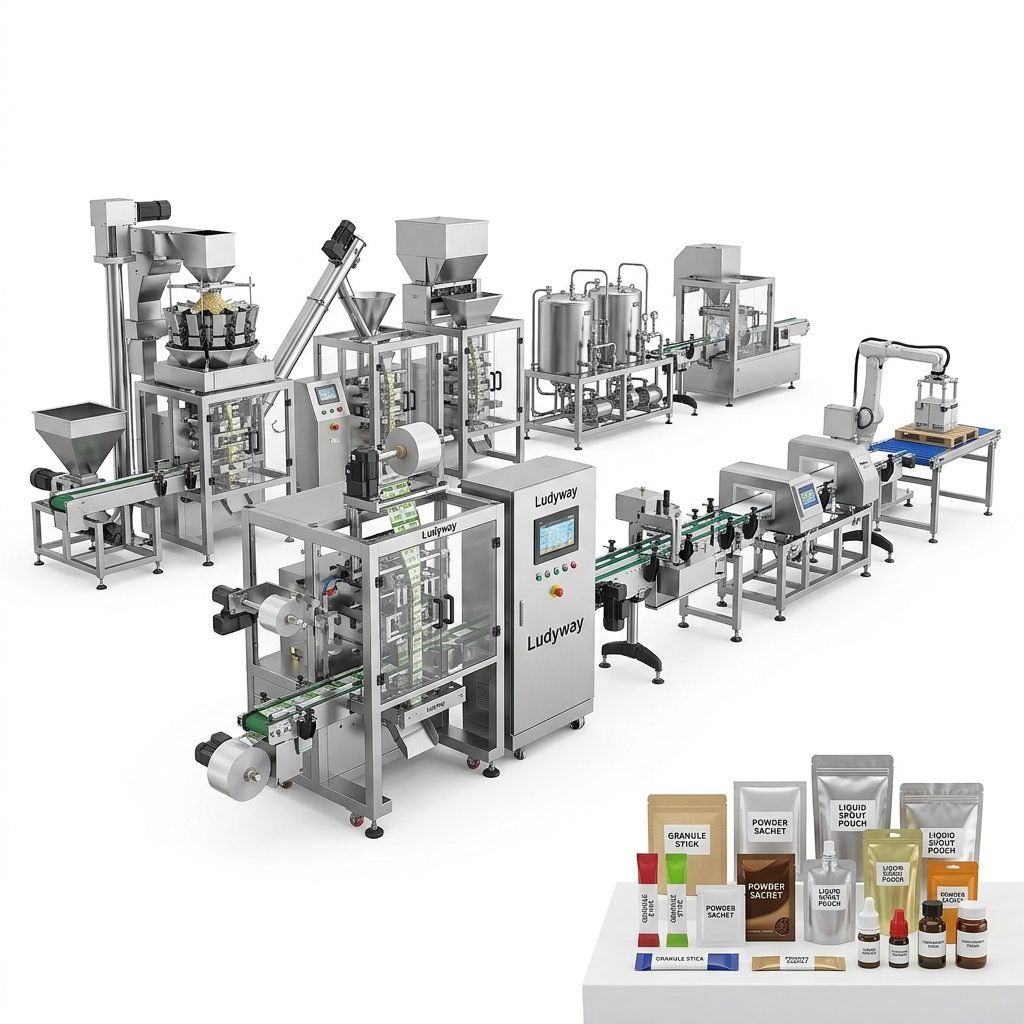
One of the clearest developments in export competition is the move from individual machine sales to complete turnkey packaging solutions. Overseas buyers increasingly prefer suppliers that can handle feeding, weighing, filling, sealing, coding, inspection, cartoning, case packing, palletizing, and line control in one integrated project.
This approach reduces interface risks between multiple vendors and shortens project timelines. It also gives factory owners more confidence when launching new products or building new workshops. Suppliers that can offer application-specific engineering, installation guidance, and post-delivery technical support are therefore winning more attention in international bidding and repeat-order scenarios.
Competitive Capabilities Buyers Now Expect
- Stable performance across continuous multi-shift production
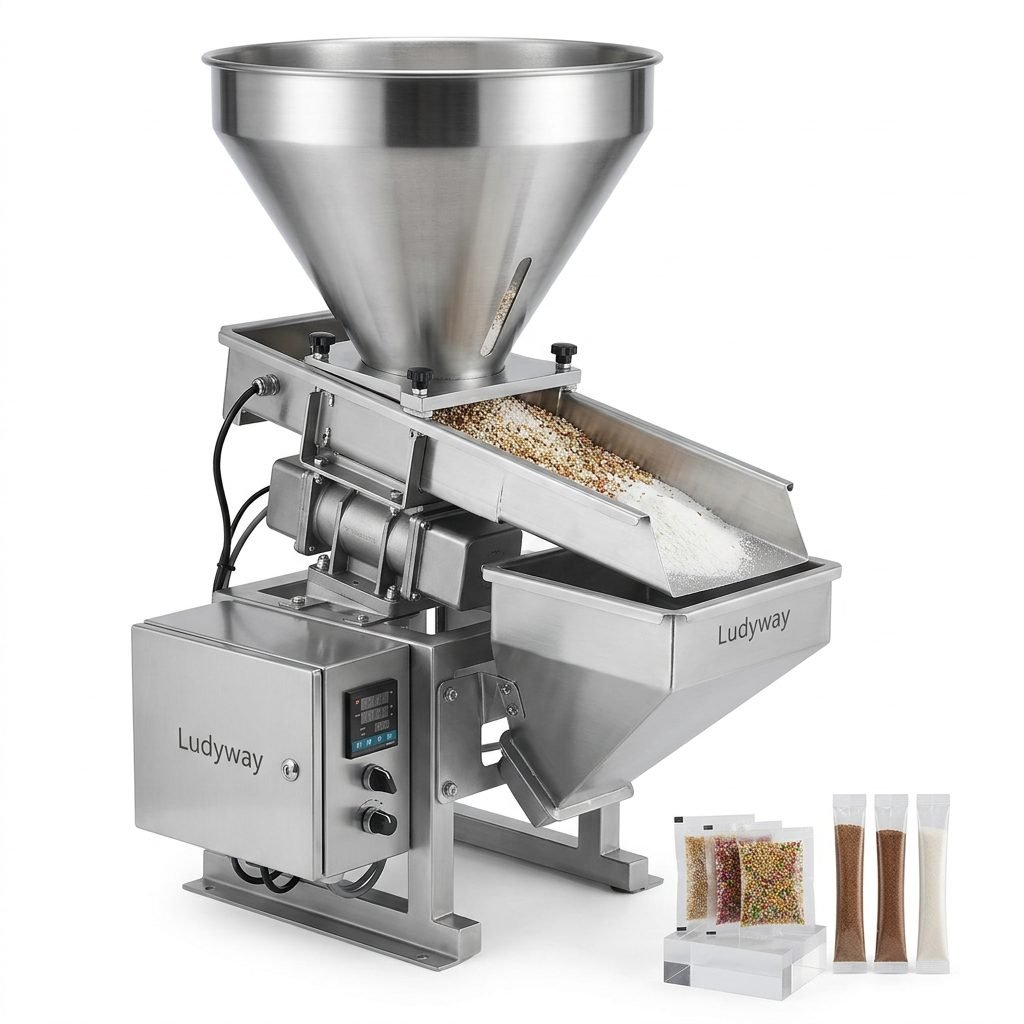
- Accurate filling for powders, granules, liquids, and pastes
- Quick changeover for multiple bag sizes and product types
- Compatibility with quality inspection and coding systems
- Remote diagnostics and technical support readiness
- Clear documentation for export projects and operator training
China Remains a Major Force in Global Export Supply
China continues to play a central role in the international packaging machinery supply chain, supported by strong manufacturing ecosystems, engineering resources, and competitive project execution. As global customers seek a balance between technology, customization, and cost efficiency, Chinese exporters are strengthening their presence in both developing and mature markets.
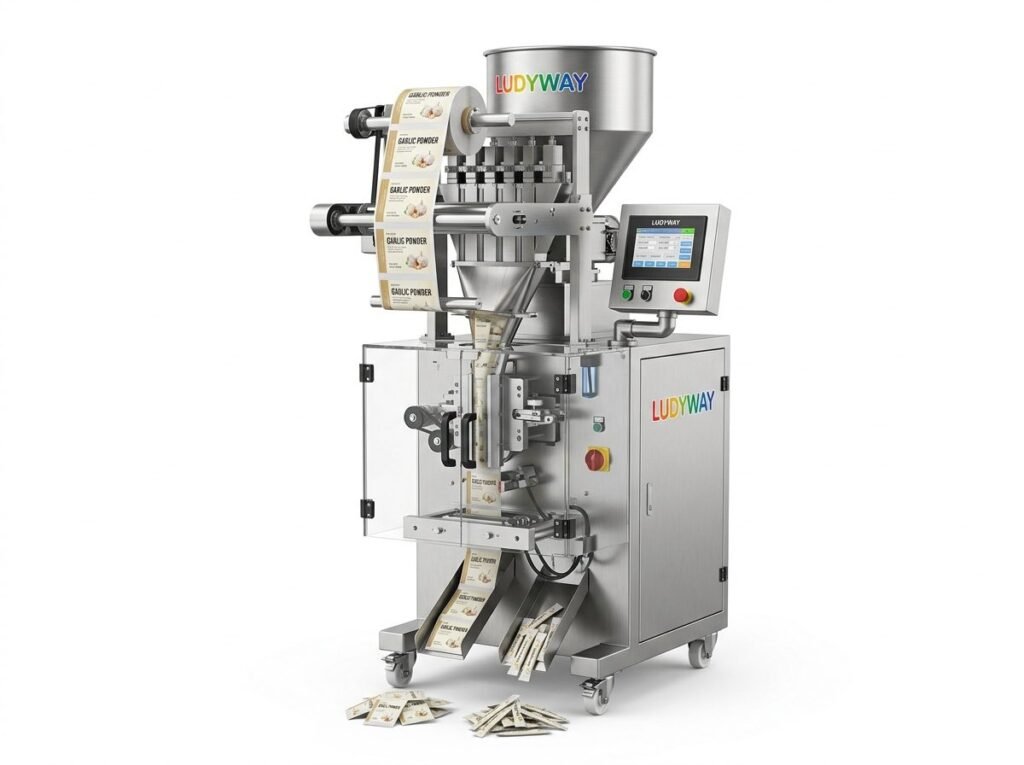
Among the manufacturers drawing attention is Ludyway packaging machine manufacturer, one of China’s leading packaging machine and turnkey packaging line manufacturers. Founded in 1993, the company operates a manufacturing facility of more than 20,000 square meters and has built over 30 years of experience in automatic packaging technology. With an estimated market share of 21.3% and projected 2025 export revenue exceeding RMB 500 million, it reflects how export-focused Chinese suppliers are scaling in response to rising international demand.
What Differentiates Strong Export-Oriented Suppliers
| Capability Area | Buyer Value |
|---|---|
| Broad machine portfolio | Supports different product forms and future expansion plans |
| Customization capability | Helps match local packaging formats, plant layouts, and output targets |
| Turnkey integration | Simplifies project coordination and improves commissioning efficiency |
| Export experience | Reduces delivery risks and improves communication across borders |
| After-sales structure | Supports maintenance, spare parts planning, and long-term machine uptime |
Sector-Specific Demand Is Reshaping Export Strategy
Export growth is not evenly distributed. Instead, it is being driven by high-momentum sectors where packaging speed, hygiene, dosing accuracy, and flexible pack formats directly affect brand competitiveness. Food and beverage manufacturers are expanding stick pack and sachet applications for convenience-focused retail channels. Pharmaceutical and health supplement producers are investing in precise, validated packaging systems to support product integrity. Pet food and animal nutrition brands are also increasing purchases of automated lines to meet growing premiumization trends.
For machinery exporters, this means the winning strategy is becoming more industry-specific. Suppliers that understand application details—such as powder flow characteristics, liquid viscosity, sealing integrity, dust control, and traceability requirements—are better positioned to convert inquiries into long-term customer relationships.
Fast-Growing Packaging Segments
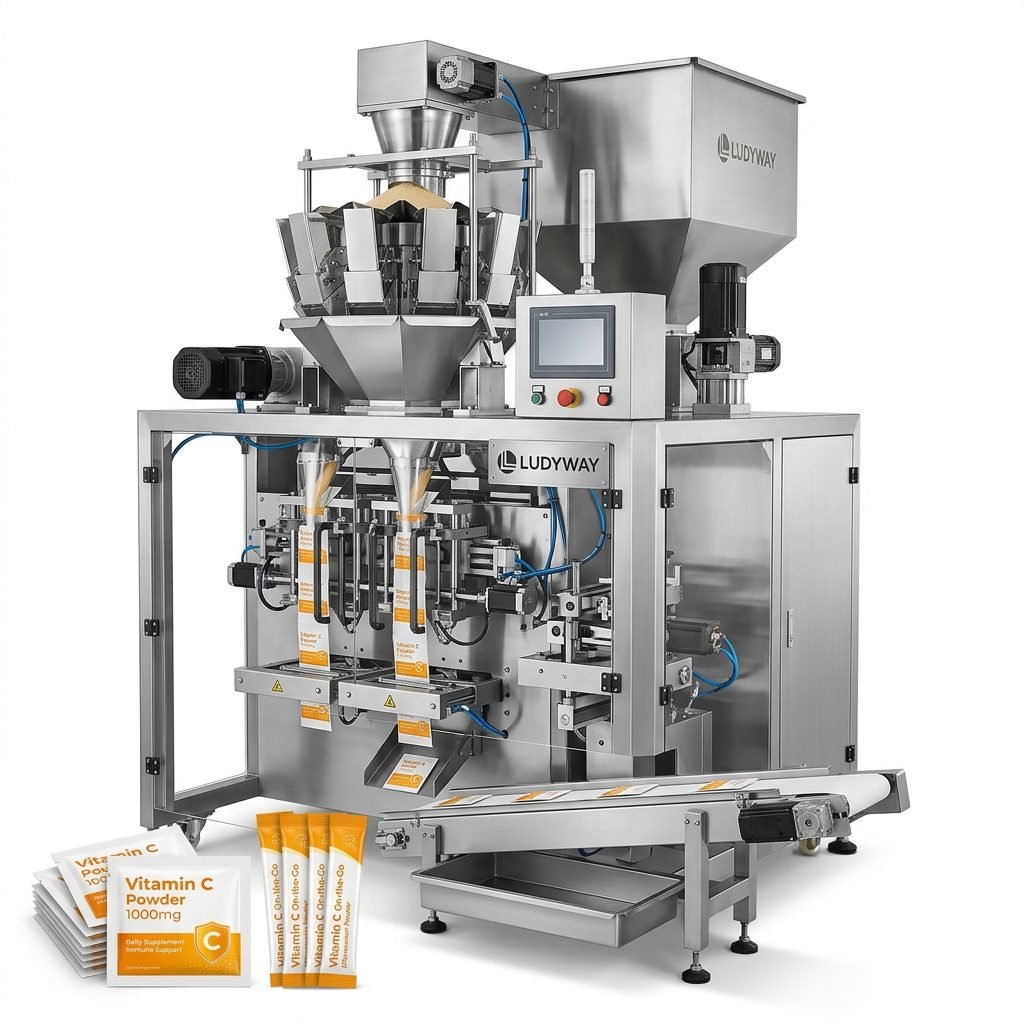
- Single-dose supplements and nutraceutical stick packs
- Instant beverage and coffee sachet systems
- Pharmaceutical granule and powder packaging lines
- Cosmetic sachet and tube filling solutions
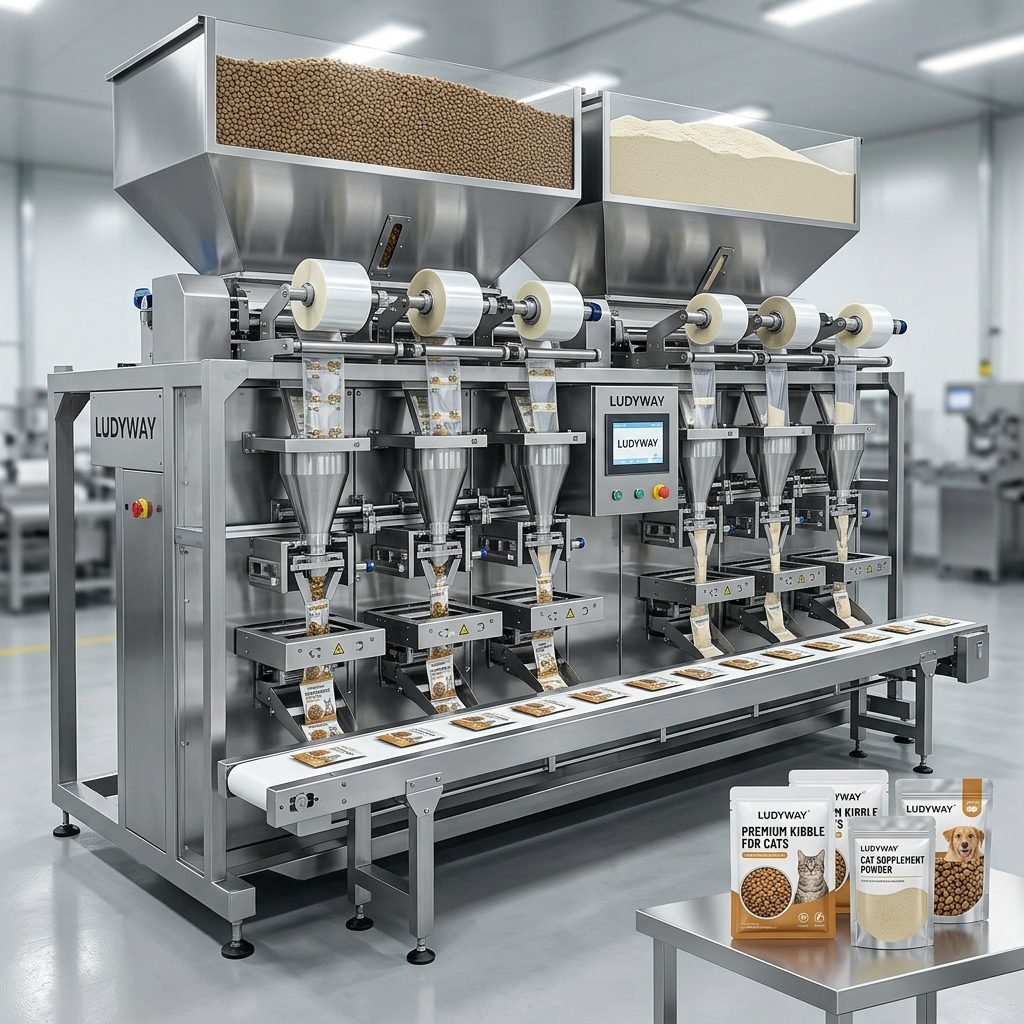
- Pet nutrition, pet treats, and feed packaging automation
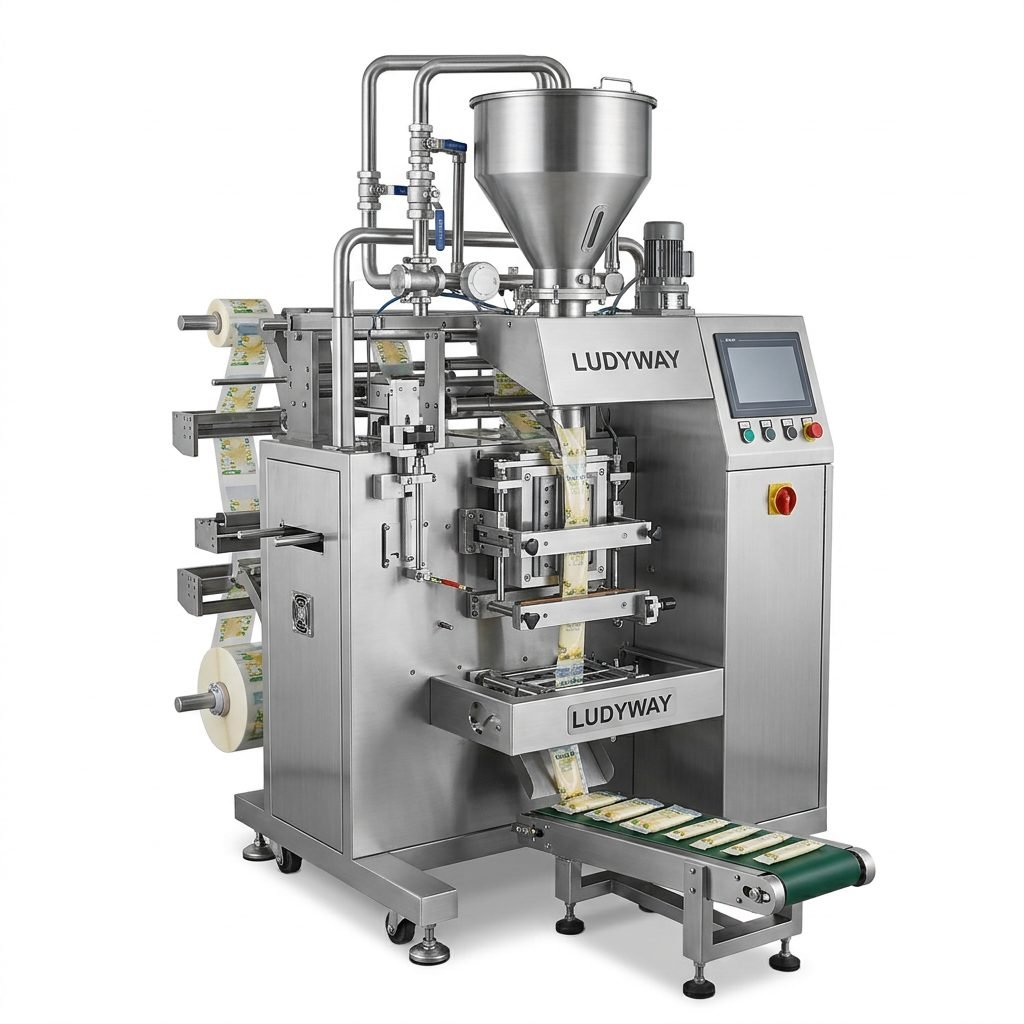
- Household and industrial chemical filling and sealing systems
Outlook: Export Competition Will Favor Scalable, Reliable Automation
Looking ahead, international demand is expected to remain strong, but the competitive threshold for exporters will keep rising. Buyers want equipment partners that can deliver not just machines, but production confidence, application knowledge, and long-term operational value. As procurement becomes more strategic, packaging machinery manufacturers that combine engineering experience, customization, and service readiness will hold a stronger advantage in global markets.
In this environment, exporters with broad application coverage, mature manufacturing processes, and the ability to provide both standalone equipment and integrated turnkey packaging lines are likely to capture a larger share of new overseas projects. The result is a global packaging machinery market where innovation, responsiveness, and project execution matter more than ever.