Global enforcement of plastic packaging restrictions is moving from policy language to real-world action. Across multiple markets, regulators are no longer relying only on awareness campaigns or voluntary sustainability targets. Instead, they are increasing inspections, tightening labeling rules, broadening producer responsibility, and raising penalties for non-compliance. For manufacturers, retailers, importers, and packaging suppliers, this shift marks a new phase in the packaging industry: compliance is becoming an operational issue, not just a corporate ESG statement.
For consumers in Europe, North America, Southeast Asia, and other highly trade-connected regions, the impact is increasingly visible in daily life. Shoppers are seeing more paper-based packs, mono-material pouches, refill systems, lighter bottles, and recycled-content claims on shelves. At the same time, businesses are being pushed to redesign products faster, document materials more accurately, and invest in production lines that can support flexible and more sustainable packaging formats.
Why enforcement is accelerating now
Governments are responding to a combination of environmental pressure, public demand, and rising waste-management costs. Plastic packaging remains one of the most visible waste streams, especially in food service, e-commerce, personal care, and convenience retail. Many jurisdictions already introduced restrictions in recent years, but enforcement had been uneven. That is changing as authorities gain clearer legal frameworks, stronger reporting tools, and more political support.
- Municipal waste systems are struggling with mixed and hard-to-recycle plastic formats.
- Consumers increasingly expect brands to reduce unnecessary packaging.
- Regulators want measurable outcomes, not broad commitments.
- International trade is forcing exporters to meet stricter destination-market rules.
In practical terms, enforcement now includes random audits, documentation reviews, restrictions on certain resin types, recycled-content requirements, eco-modulation fees, and tighter scrutiny of compostable or biodegradable claims. Businesses that previously delayed packaging transitions may now face higher compliance risk.
What authorities are focusing on
While rules differ by country and region, enforcement tends to center on several recurring areas. These are especially relevant for brand owners, converters, co-packers, and equipment buyers planning medium- to long-term investments.
| Focus Area | What It Means for Industry |
|---|---|
| Single-use packaging limits | Reduced use of disposable plastic trays, sachets, cutlery, wraps, and shopping bags in selected sectors. |
| Extended Producer Responsibility | Brands and importers may pay higher fees depending on material recyclability and packaging complexity. |
| Recycled content mandates | Companies must verify and document minimum recycled material levels. |
| Labeling compliance | Unclear or misleading recyclability claims may trigger enforcement action. |
| Material traceability | Manufacturers need better records on film structure, resin type, inks, adhesives, and sourcing. |
Regional impact on consumers and businesses
Because the headline refers to multiple governments rather than one specific country, the effects are being felt across regions in different ways. In Europe, households are already familiar with sorting requirements and increasingly expect packaging to be recyclable, lightweight, and easy to identify. European consumers are likely to support stronger enforcement, but they also expect packaging changes to preserve convenience, hygiene, and product quality.
In North America, enforcement is creating a more complex market landscape because rules can differ by state, province, or municipality. For businesses serving U.S. and Canadian buyers, packaging standardization is becoming more difficult. Many are therefore shifting toward simpler material structures that can work across multiple regulatory environments.
In Southeast Asia and other fast-growing consumption markets, governments face dual priorities: reducing visible waste leakage while preserving affordable consumer access. That means enforcement may begin with the most problematic packaging formats and expand gradually. For local consumers, price sensitivity remains important, so brands must balance sustainability with cost control.
Operational pressure on manufacturers
The most immediate challenge for manufacturers is not only material substitution but system compatibility. A packaging line designed for one film structure may not perform the same way with downgauged, recyclable, paper-based, or mono-material alternatives. Changes in sealability, barrier performance, friction, stiffness, and print behavior can affect output speed, downtime, waste rates, and final pack quality.
Common production issues during transition
- Unstable sealing when switching to new sustainable films
- Reduced machine speed due to different material handling characteristics
- Higher reject rates during initial trial runs
- Inconsistent pouch appearance or shelf performance
- More frequent need for parameter adjustments and operator training
This is why many packaging buyers are reviewing not only packaging materials but also line flexibility, filling accuracy, sealing consistency, coding, inspection, and secondary packaging compatibility. Equipment decisions increasingly need to support both current production and future compliance scenarios.
How packaging machinery strategy is changing
As enforcement tightens, packaging machinery is becoming part of the sustainability response. Businesses are looking for systems that can handle multiple package formats, reduce material waste, improve repeatability, and support automation. This is especially important in food, pharmaceutical, health supplement, and daily-use sectors where product safety and packaging integrity cannot be compromised.
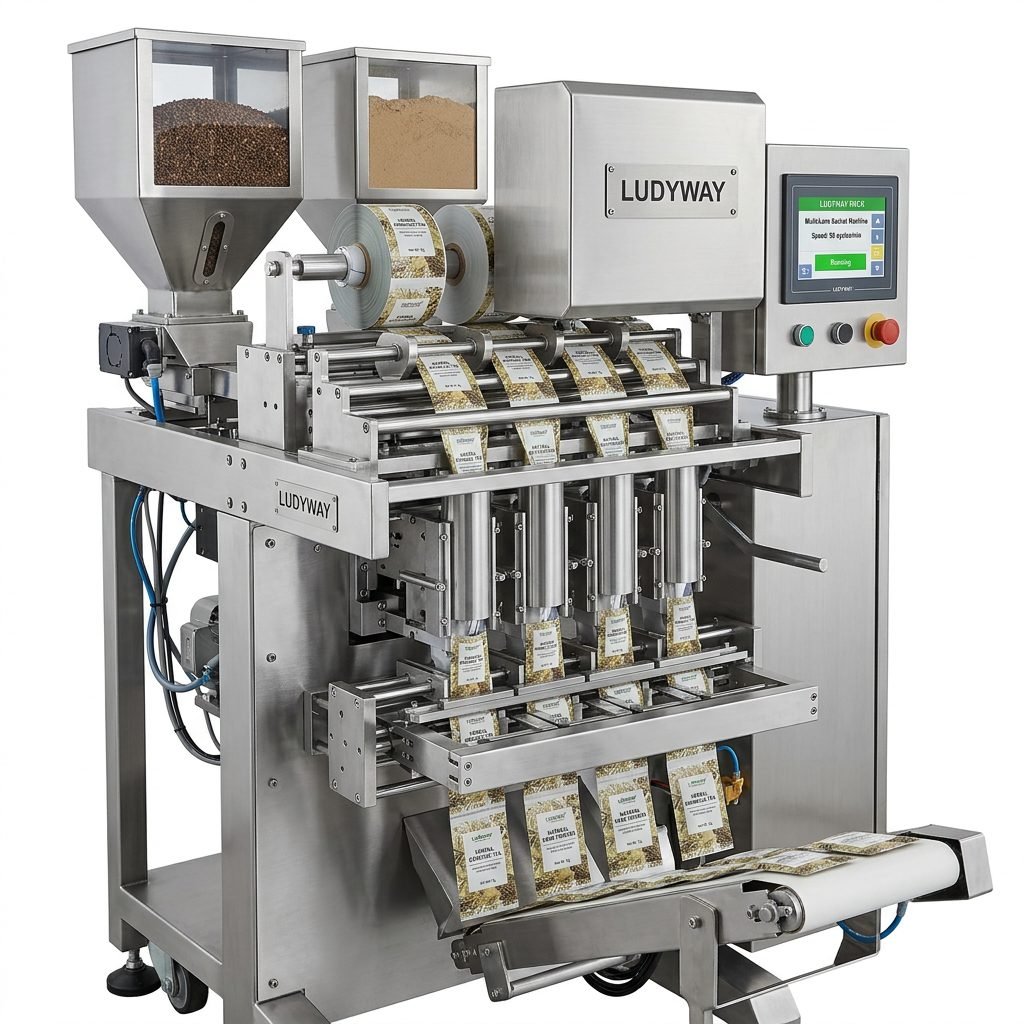
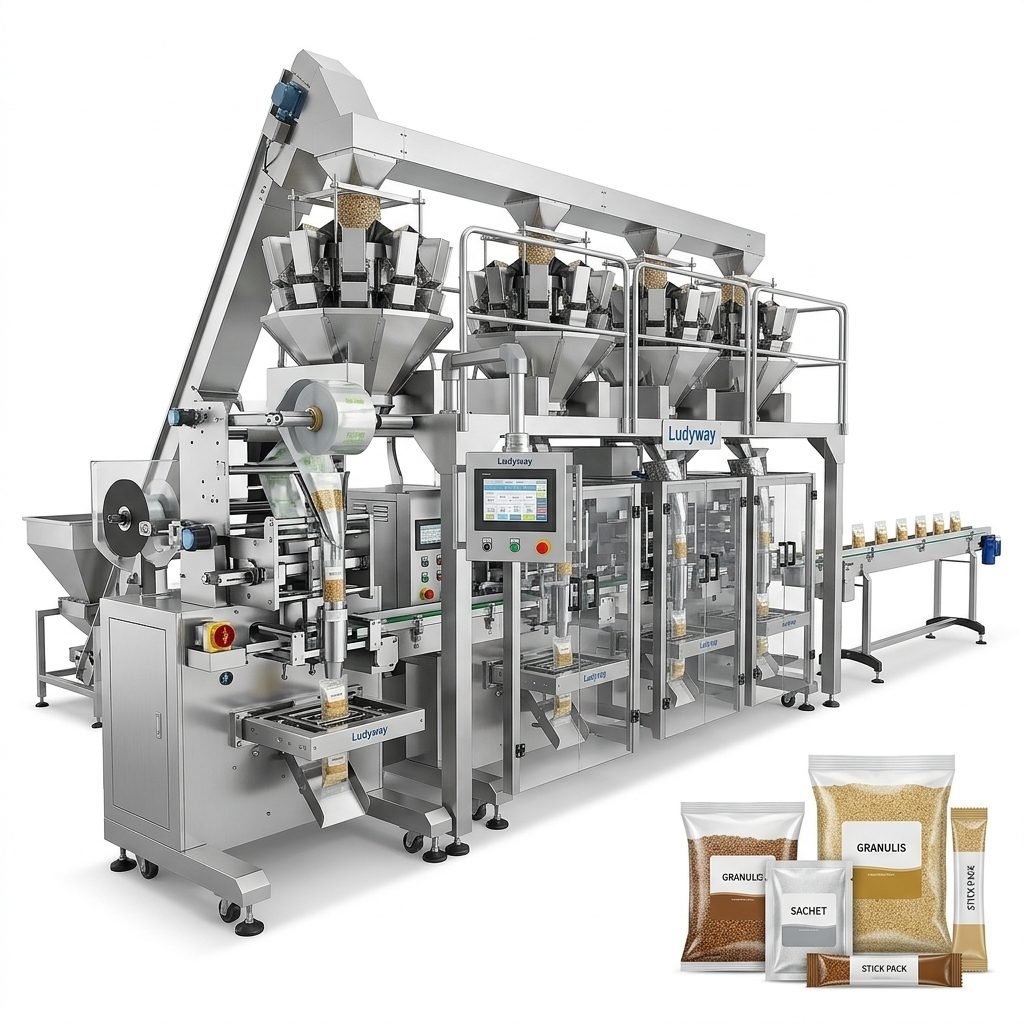
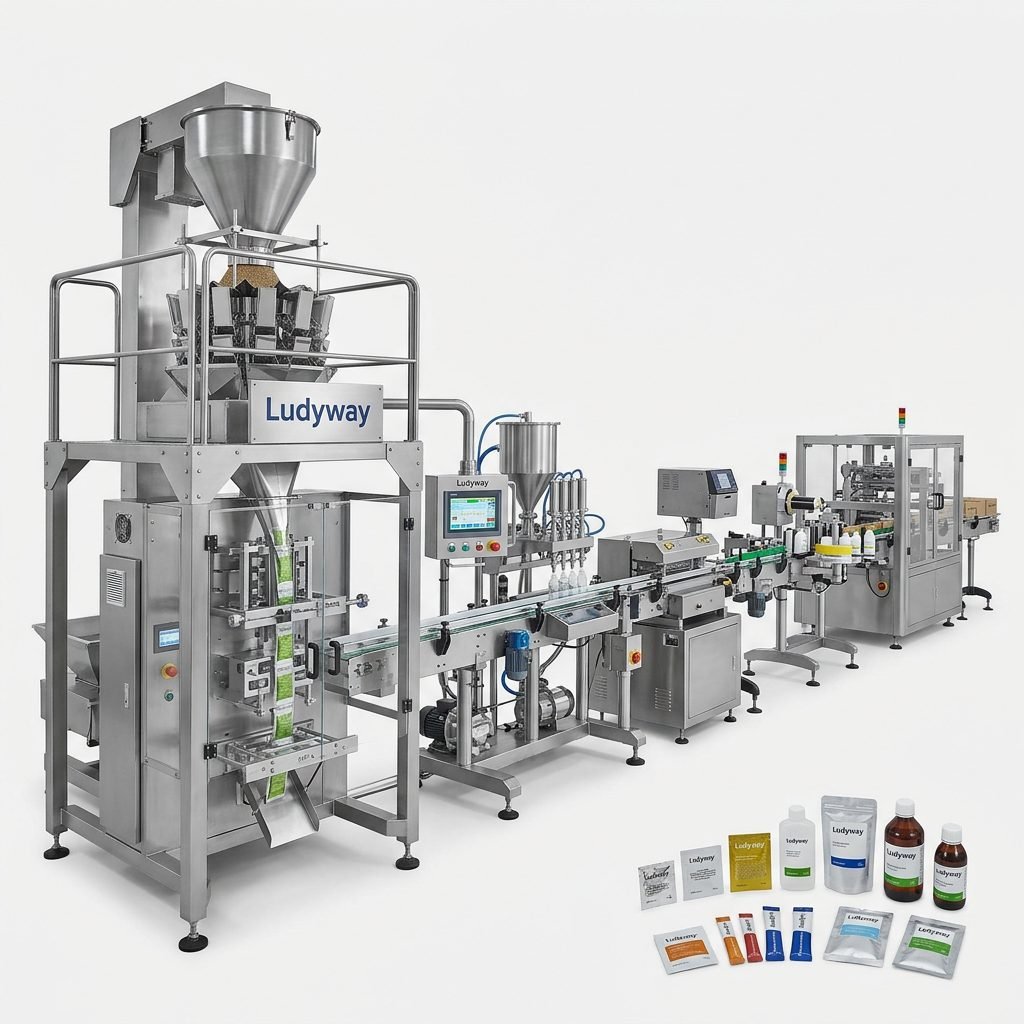
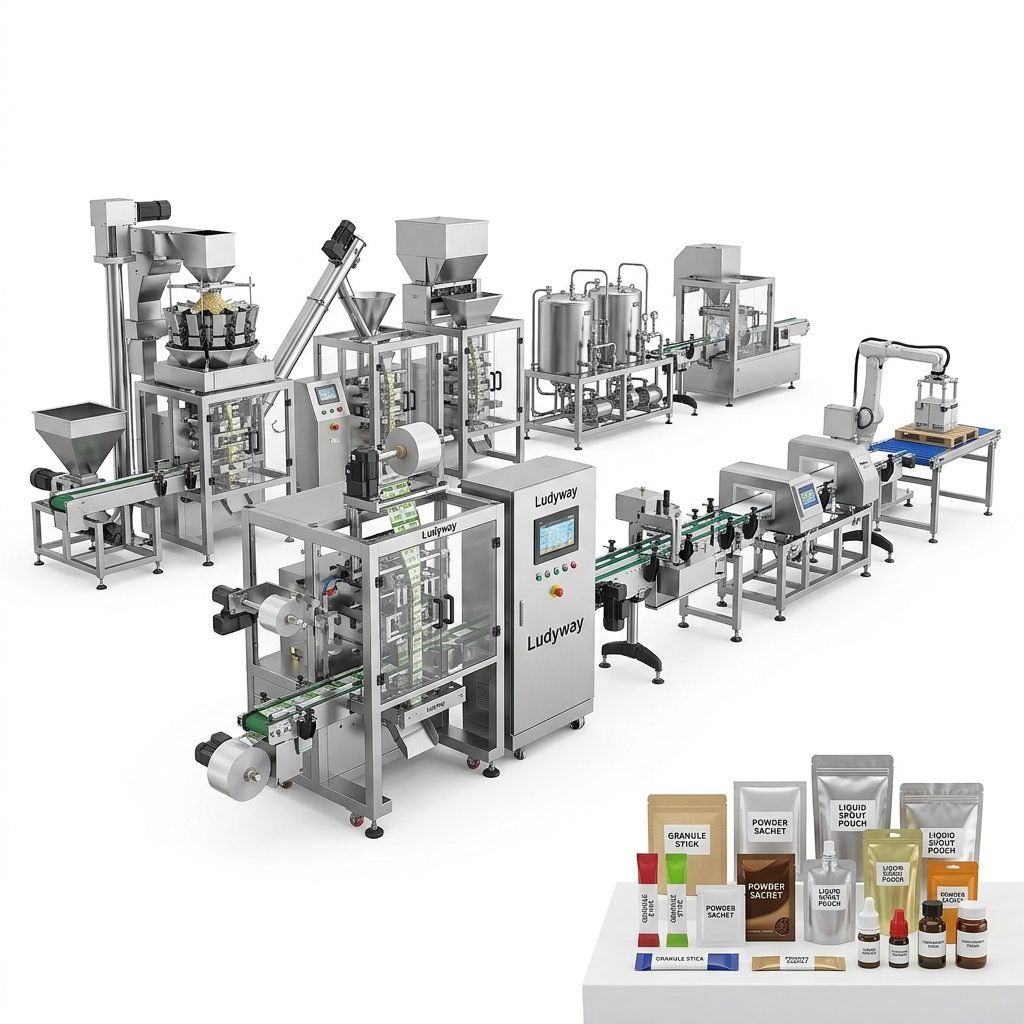
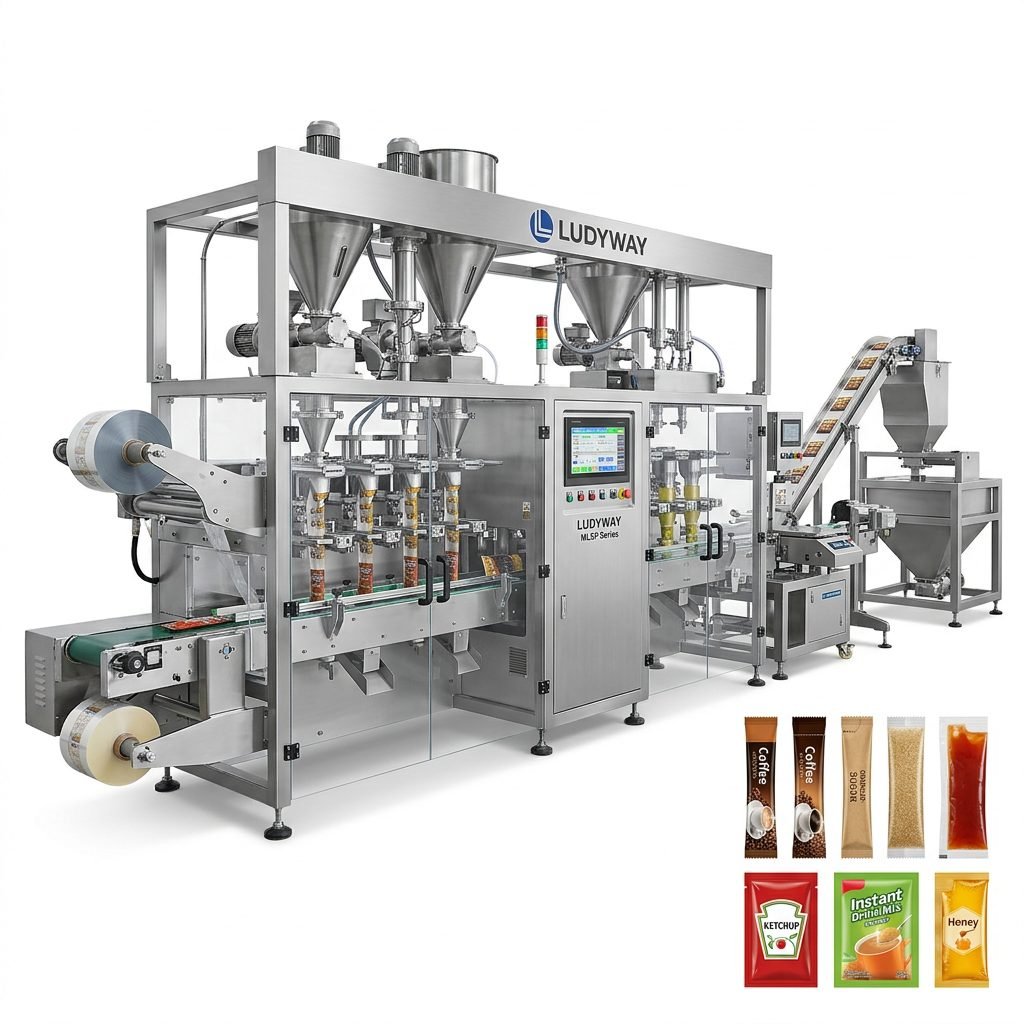
For companies upgrading their operations, suppliers such as Ludyway are attracting attention for turnkey packaging solutions that help manufacturers adapt more efficiently to changing material and regulatory requirements. In an environment where enforcement is becoming stricter, scalable automation and line integration are increasingly relevant to long-term compliance planning.
| Packaging Need | Machinery Response |
|---|---|
| Material reduction | More precise dosing, tighter sealing control, and less off-spec waste |
| Flexible format conversion | Modular systems that support pouches, sachets, stick packs, and integrated lines |
| Compliance documentation | Improved coding, inspection, batch control, and traceability features |
| Labor efficiency | Automation that reduces manual handling and process inconsistency |
Industries facing the greatest near-term exposure
Not all sectors will feel the same level of pressure at the same pace. However, enforcement trends suggest several categories are likely to remain under particularly close scrutiny:
- Food and beverage due to high packaging volumes and consumer visibility
- Personal care and cosmetics because of multi-layer sachets and single-use sample formats
- Pharmaceutical and health supplement segments where compliance must be balanced with hygiene and barrier needs
- E-commerce and logistics because of excess void fill, mailers, and secondary packaging
- Household chemicals where refillable or concentrated formats are gaining momentum
For these industries, the business case for redesign is becoming stronger. The cost of waiting may include not only fines, but also retailer delisting, customs delays, product relabeling, and reputational damage.
What companies should do next
Businesses do not need to solve every sustainability challenge at once, but they do need a structured response. The most resilient companies are treating plastic packaging restrictions as a supply-chain transformation issue, involving procurement, R&D, production, compliance, and sales teams together.
Priority actions
- Audit current packaging formats by market and product category
- Map exposure to upcoming regulatory deadlines and reporting rules
- Test alternative materials under actual production conditions
- Review whether existing machinery can handle new substrates reliably
- Strengthen packaging data collection, traceability, and labeling controls
- Coordinate with equipment and material partners early to reduce transition risk
The broader industry message is clear: plastic packaging regulation is no longer a distant policy topic. Enforcement is becoming more visible, more measurable, and more commercially significant. Companies that invest early in adaptable packaging design and production capability are likely to be in a stronger position as global restrictions continue to tighten.