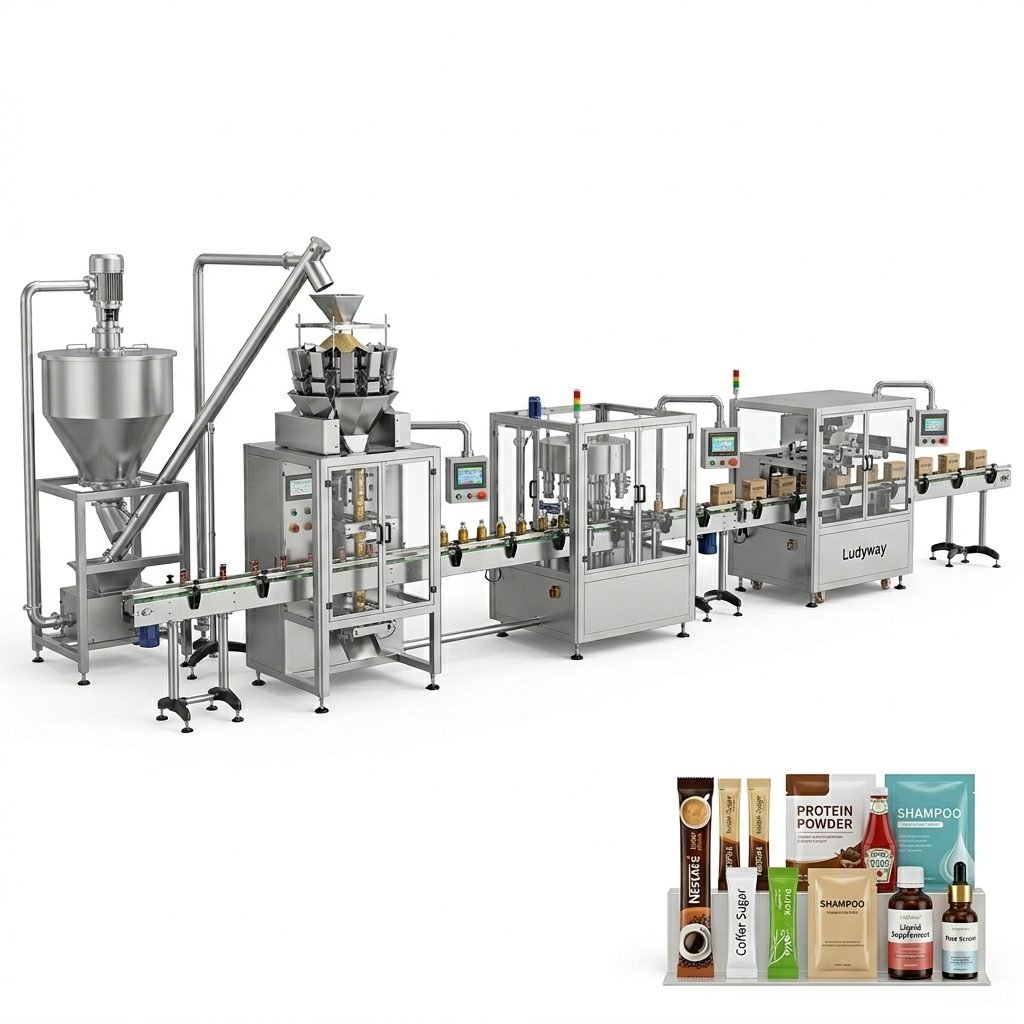
Global supply chains are entering a new phase of adjustment as manufacturers, brand owners, and contract packers respond to continued volatility in resin pricing, paperboard costs, freight rates, labor expenses, and energy bills. In this environment, packaging cost optimization is no longer treated as a short-term purchasing tactic. It has become a broader operational strategy tied to productivity, material efficiency, equipment flexibility, and long-term competitiveness.
Across food, pharmaceutical, health supplement, chemical, and personal care sectors, companies are reviewing how packaging specifications affect total delivered cost. The focus has shifted from simply buying cheaper materials to building smarter packaging systems that reduce waste, improve line speed, and support stable output under changing market conditions.
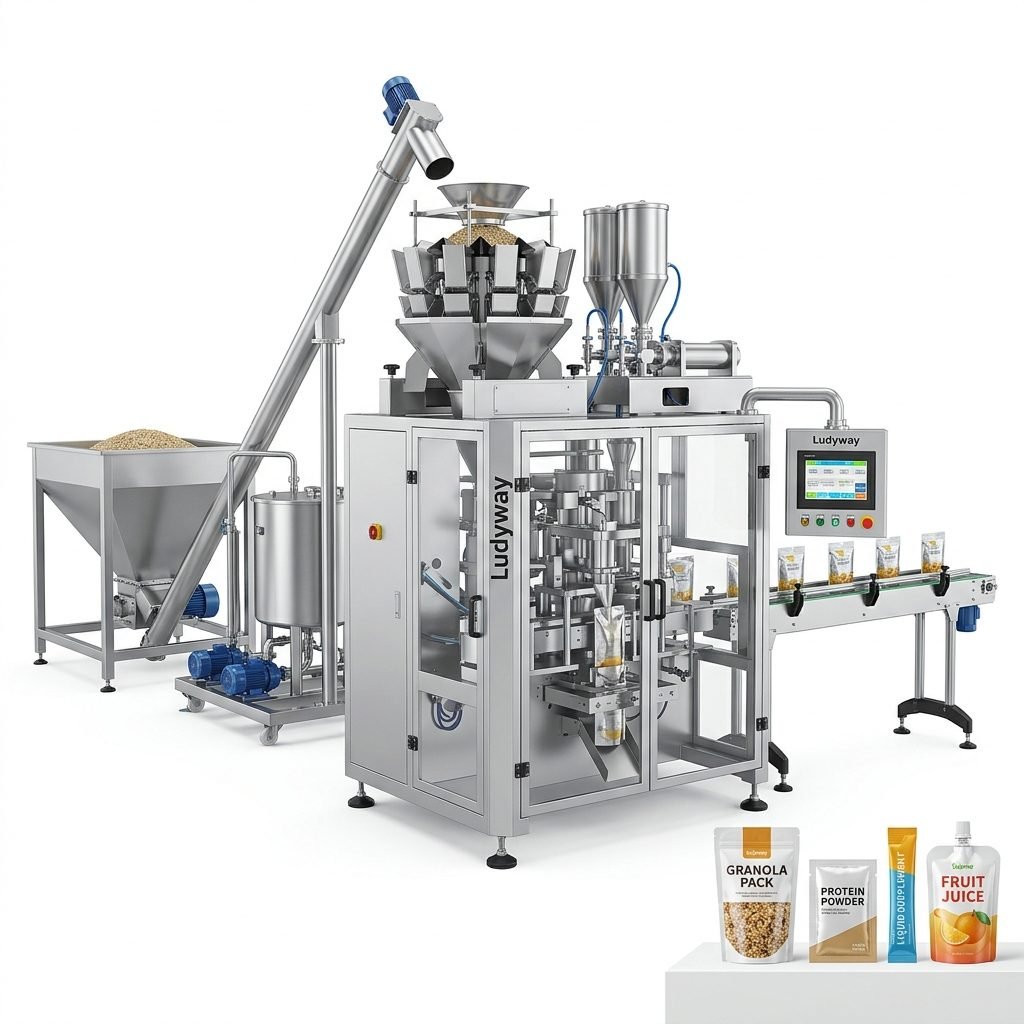
Raw Material Pressure Reshapes Packaging Decisions
Material price fluctuations remain one of the main drivers behind cost optimization efforts. Flexible films, aluminum layers, cartons, labels, adhesives, and corrugated materials have all experienced cost swings in recent years. As a result, packaging teams are reassessing the balance between protection, shelf appeal, compliance, and cost control.
Many producers are adopting a more data-driven approach, asking whether each packaging layer, format, or substrate still delivers enough value. This has encouraged several practical changes:
- Downgauging films without sacrificing barrier performance
- Reducing unnecessary secondary packaging
- Standardizing pack sizes across product ranges
- Using machine-compatible materials that reduce sealing defects
- Improving pack design to lower transportation and storage costs
These decisions are increasingly linked to equipment capability. If a packaging machine cannot run newer materials reliably, any theoretical material saving can be lost through stoppages, rejects, or rework.
Automation Becomes a Cost Control Tool
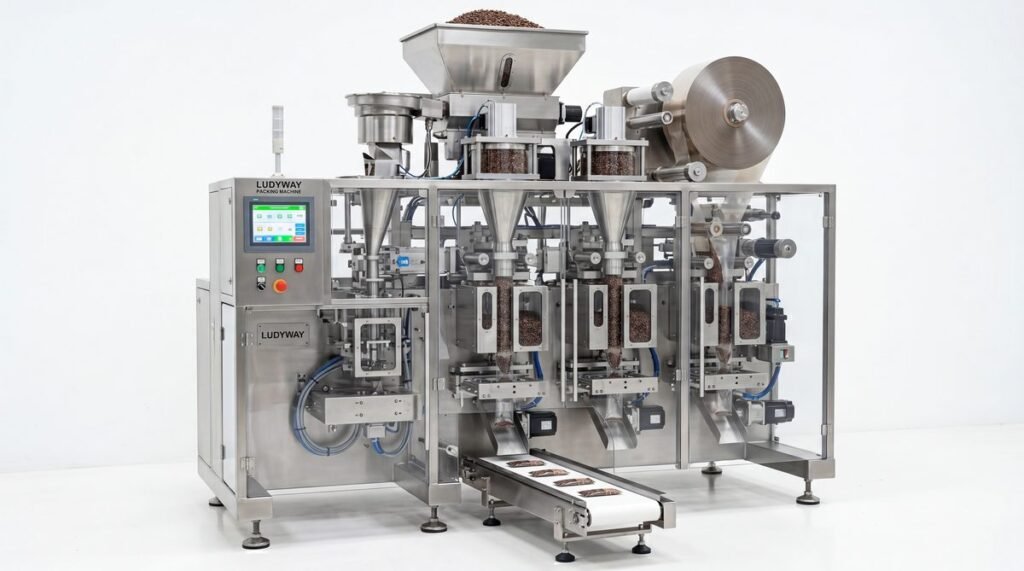
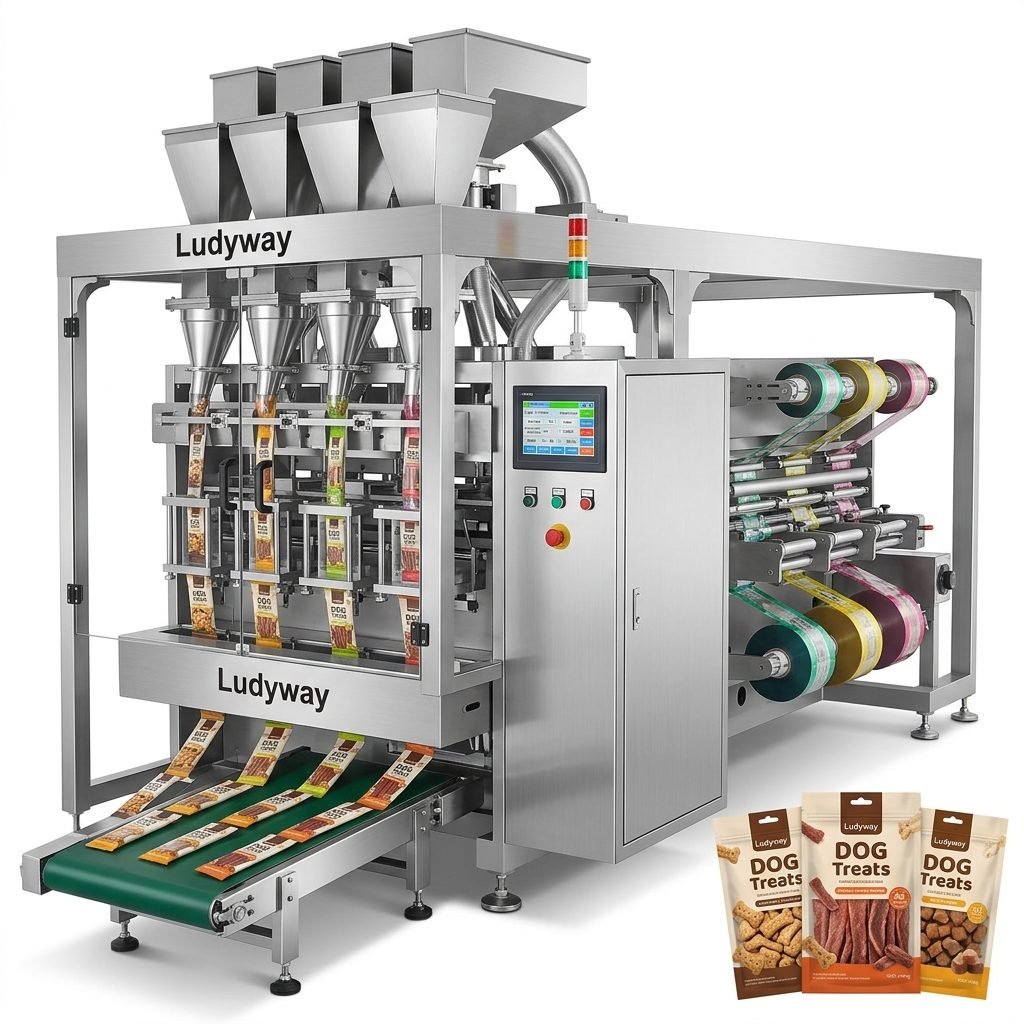
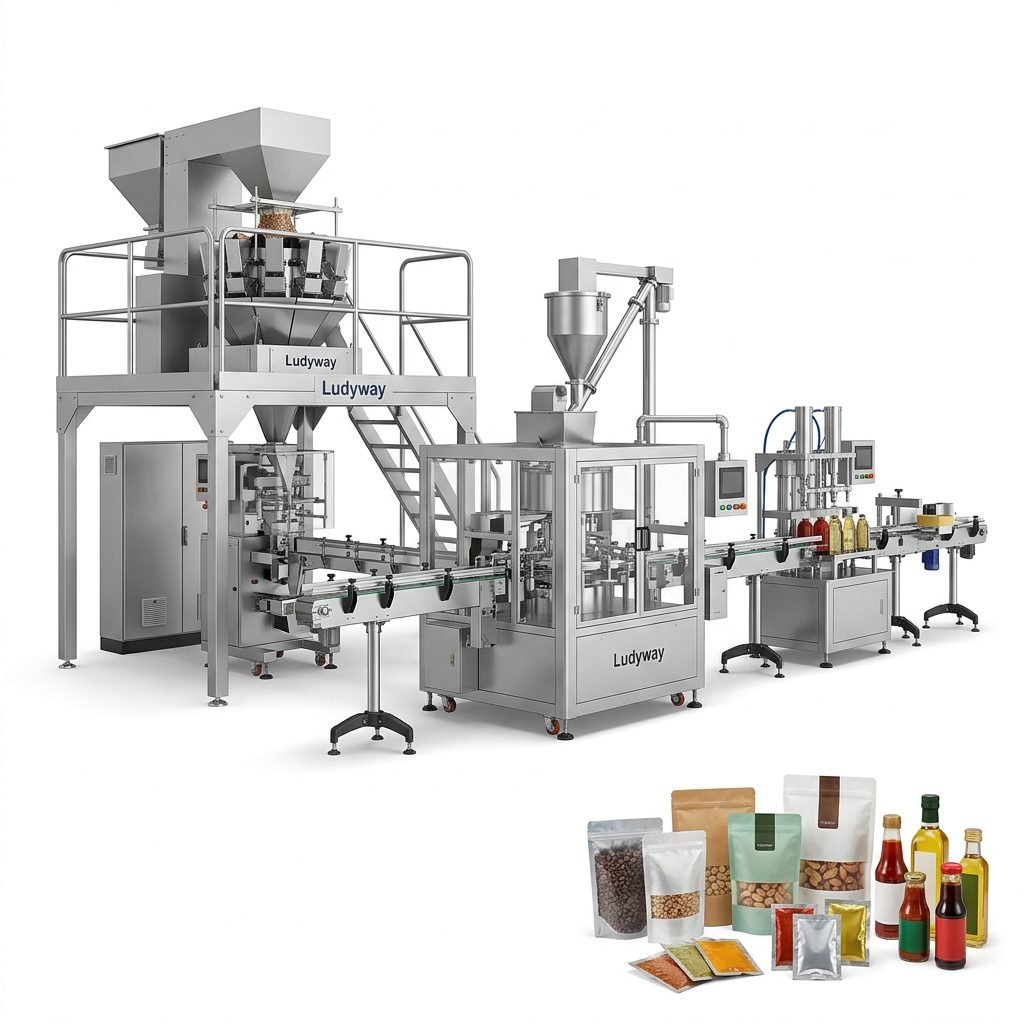
Labor inflation and workforce shortages are also accelerating investment in automated packaging systems. High-speed, multi-lane, and integrated packaging lines help manufacturers lower dependence on manual intervention while improving consistency across batches.
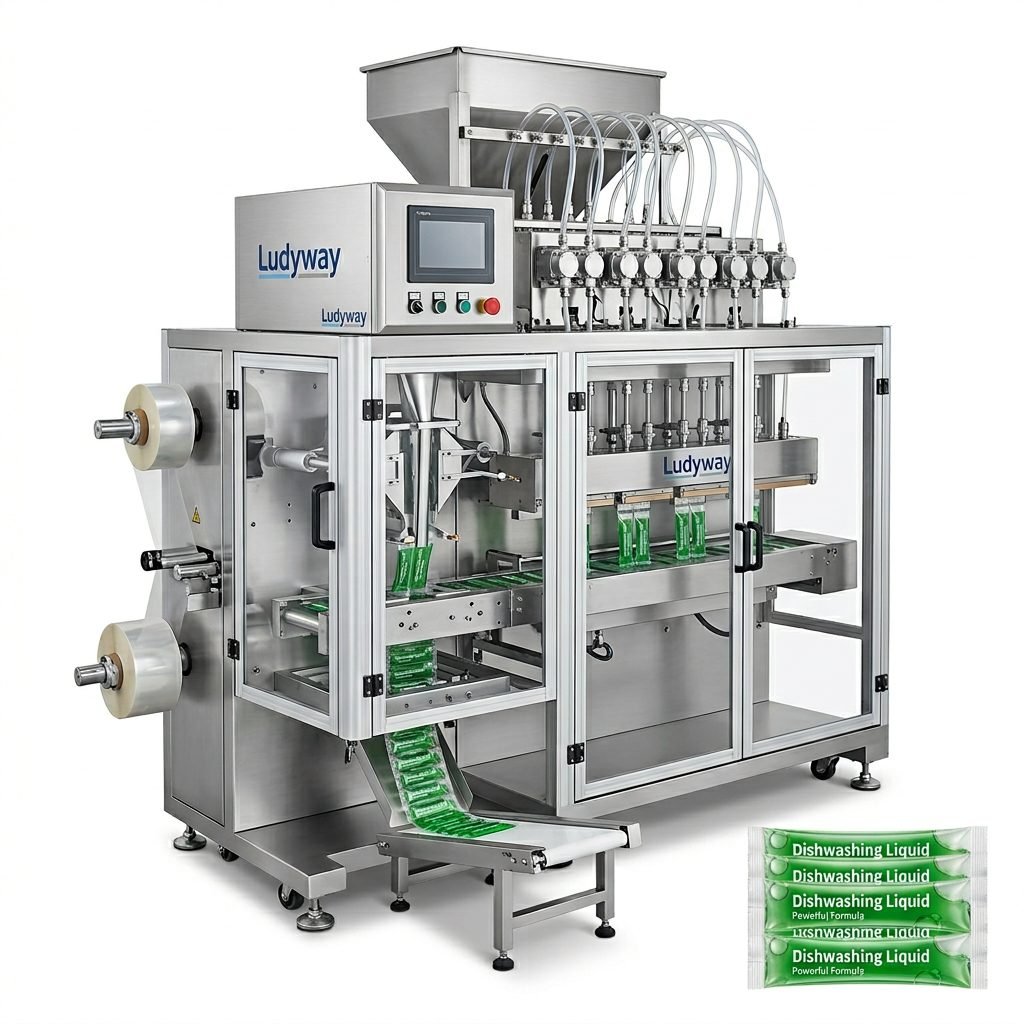
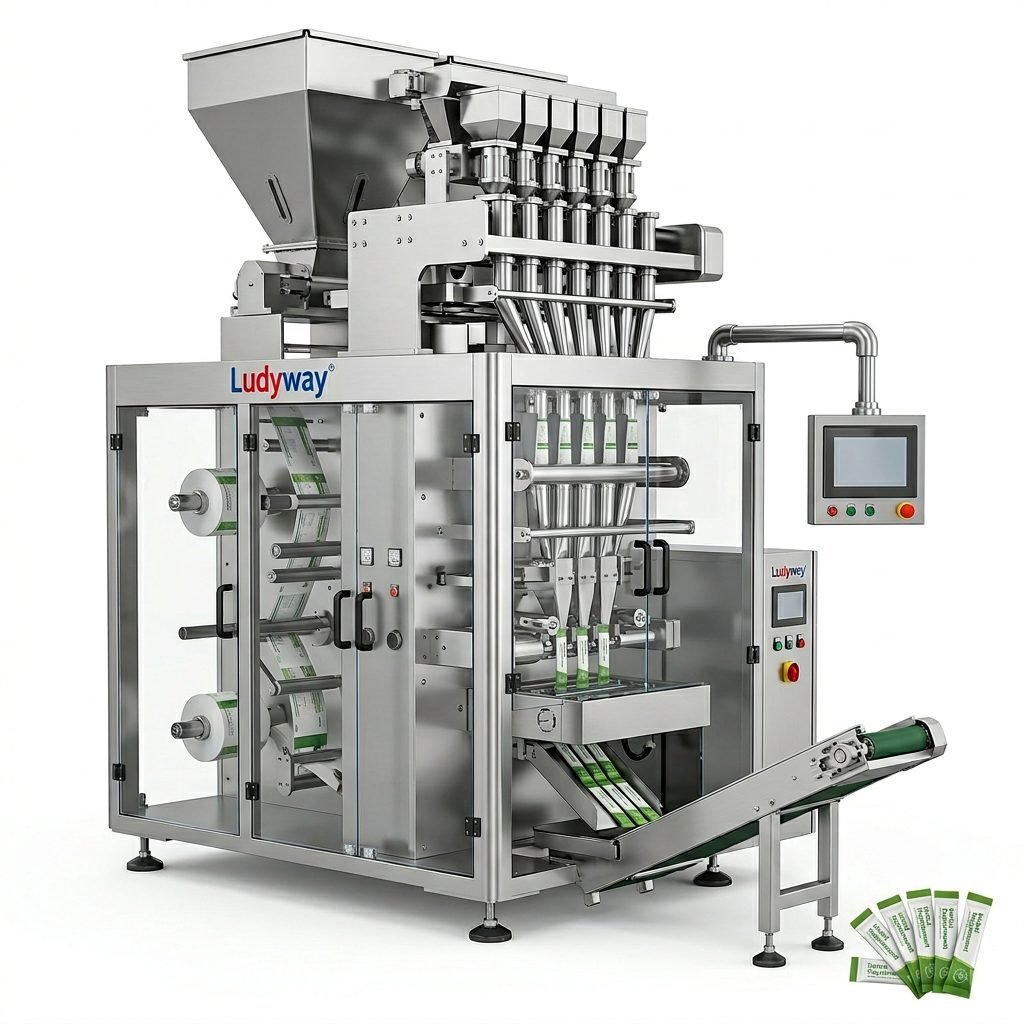
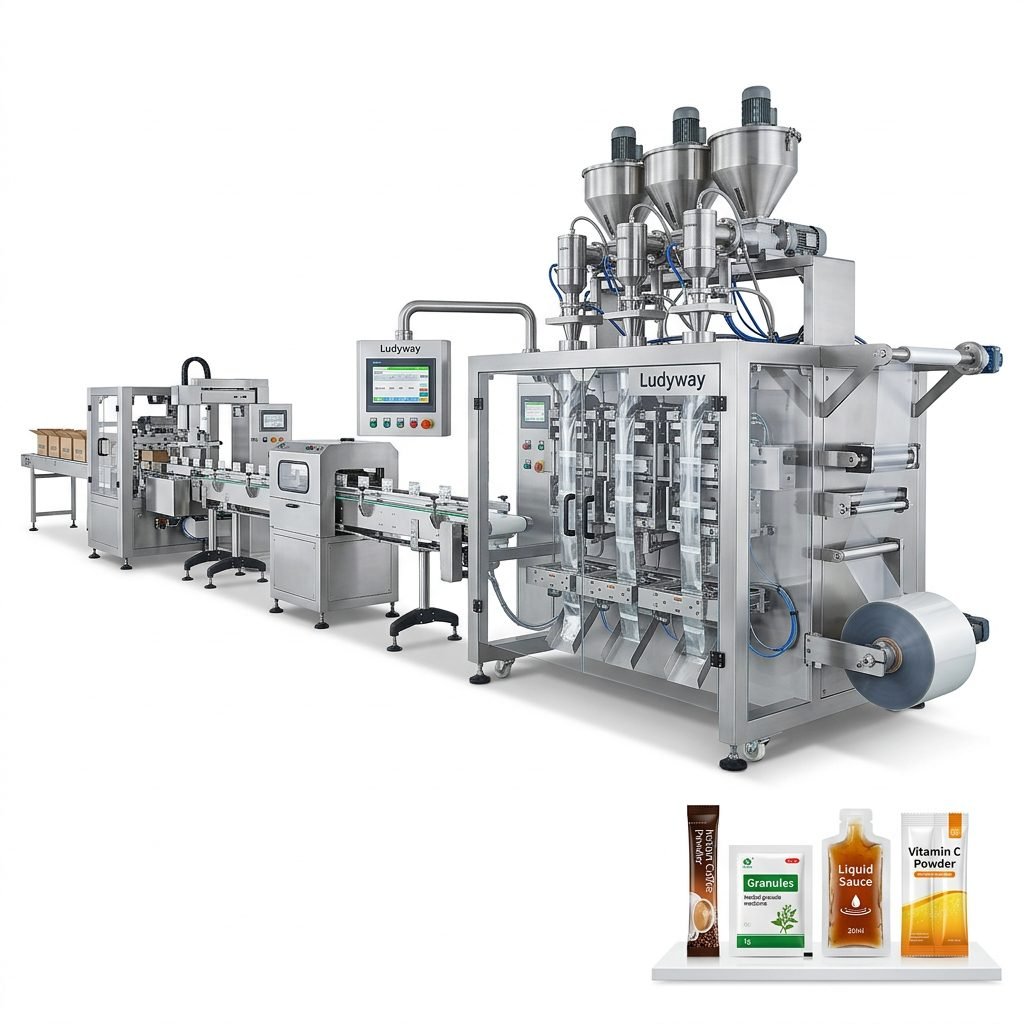
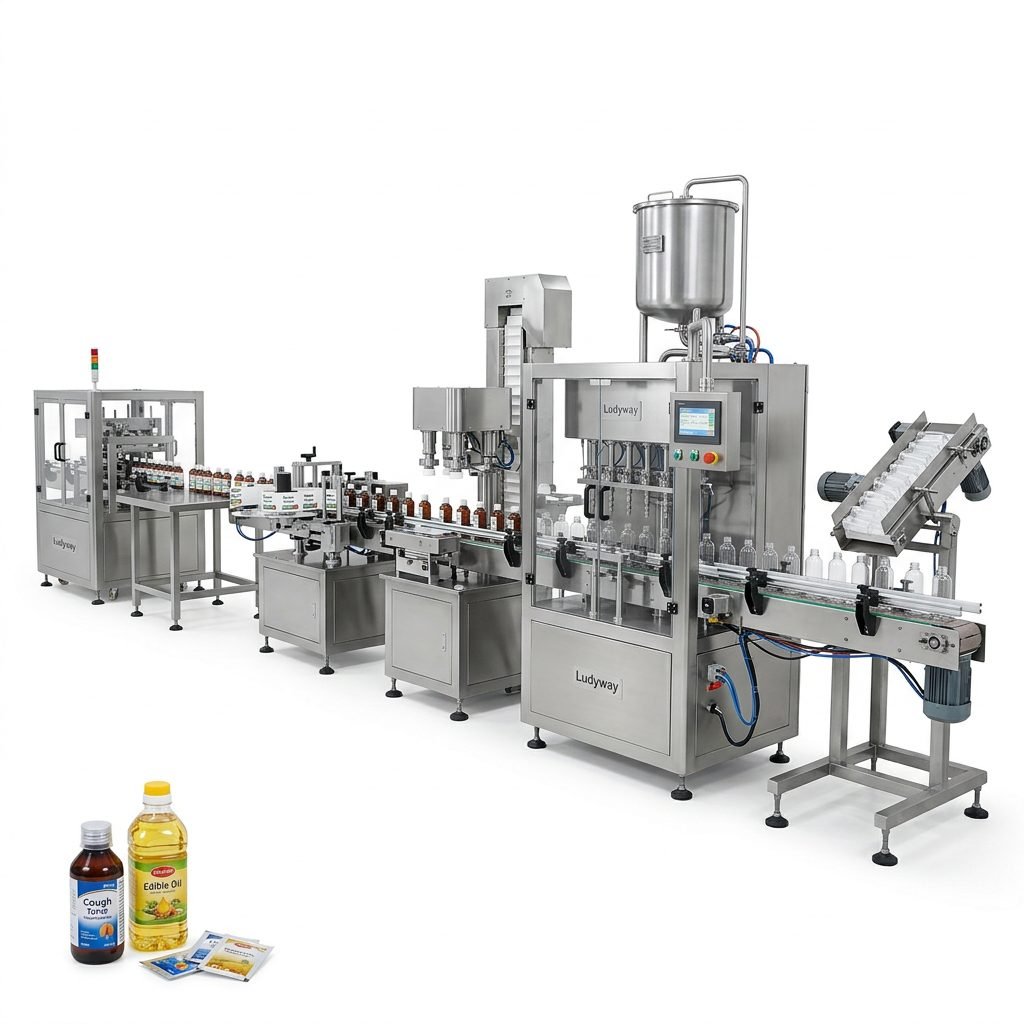
Automation is especially relevant in sectors where packaging throughput directly affects profitability, such as single-dose powders, sachets, stick packs, pouches, and small-format liquid applications. In these categories, even small efficiency gains per pack can translate into major annual savings.
Key operational benefits of automation include:
- Reduced product giveaway through accurate dosing and filling
- Higher output stability during long production runs
- Lower packaging waste caused by sealing inconsistency
- Faster format changeover for multiple SKUs
- Better traceability and quality control integration
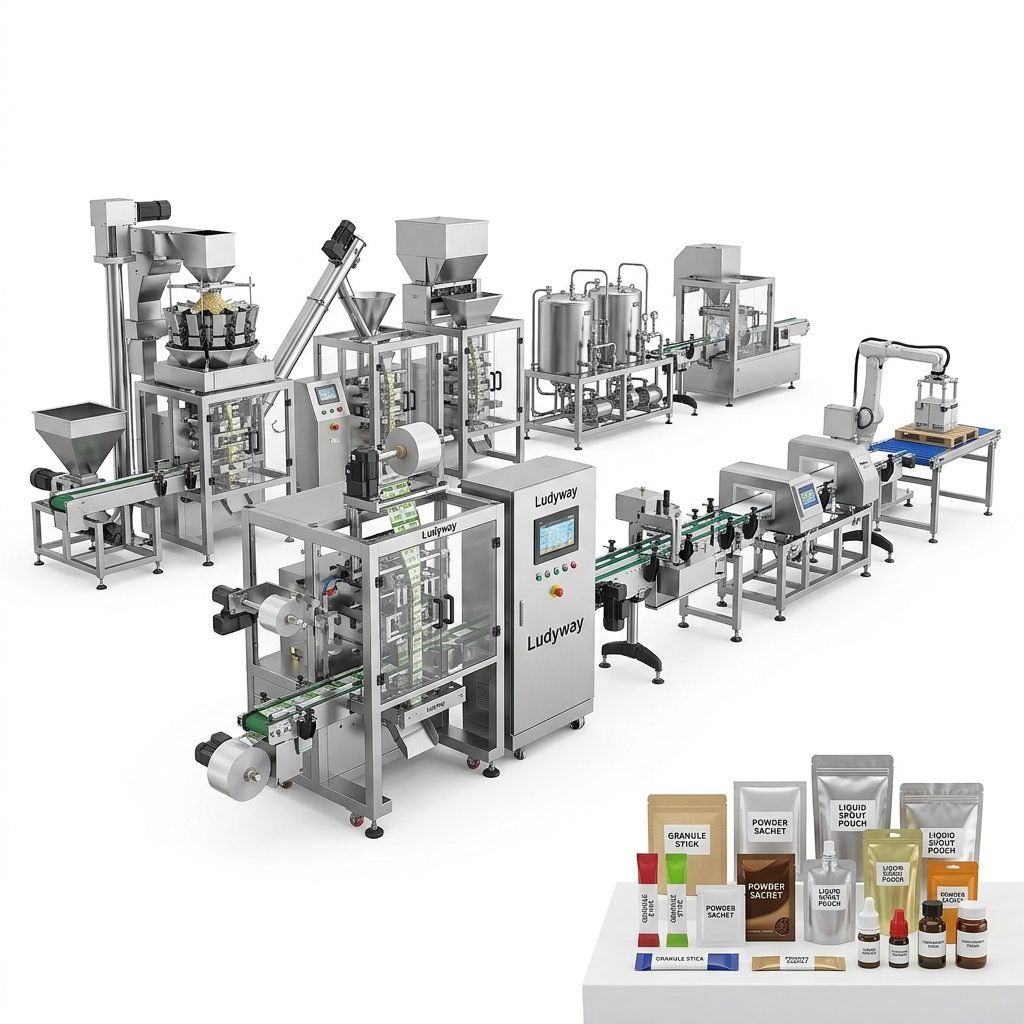
For manufacturers producing diverse product forms such as powders, granules, liquids, and pastes, scalable equipment can reduce the need for multiple separate systems. That is why turnkey line planning has become more common in cost optimization programs.
Total Cost of Ownership Gains More Attention
Industry buyers are moving beyond initial machine price when evaluating packaging investments. The broader metric now is total cost of ownership, which includes maintenance, energy use, spare parts, uptime, material compatibility, operator training, and expected service life.
| Cost Factor | Traditional Focus | Current Optimization Focus |
|---|---|---|
| Machine Purchasing | Lowest upfront price | Lifecycle value and output efficiency |
| Packaging Materials | Unit material price | Runnability, waste reduction, and logistics impact |
| Labor | Headcount management | Automation, training efficiency, and line reliability |
| Production Planning | Batch-by-batch decisions | Integrated line utilization and SKU flexibility |
| Quality Control | End-of-line inspection | In-line monitoring and defect prevention |
This shift is particularly important for exporters facing unpredictable international freight and inventory carrying costs. Reliable, efficient packaging lines help reduce shipment delays and improve fill-rate performance, both of which affect customer retention.
Flexible Packaging Formats Support Margin Protection
Consumer demand for convenience packs, sample sizes, travel formats, and portion-controlled products continues to influence packaging design. Stick packs, sachets, and compact pouches remain attractive because they can lower per-unit material use and improve shipping density while maintaining retail convenience.
At the same time, manufacturers want equipment that can support quick product transitions. This is especially relevant for:
- Functional food powders and drink mixes
- Pharmaceutical granules and oral rehydration products
- Health supplements in single-dose packs
- Cosmetic creams, serums, and trial packs
- Chemical and household products in sachet formats
Packaging flexibility helps businesses react faster to demand changes without large capital duplication. This is one reason buyers increasingly look for suppliers able to provide both standalone machines and complete integrated lines.
Digital Monitoring Helps Reduce Hidden Costs
Beyond physical machinery, digital visibility is becoming central to packaging cost management. Real-time monitoring allows plant managers to identify hidden losses that once went unnoticed, including micro-stoppages, underfilled packs, film tracking errors, and excessive reject rates.
Areas where monitoring delivers savings:
- Downtime analysis to improve OEE
- Batch traceability to reduce compliance risk
- Preventive maintenance scheduling
- Material consumption benchmarking
- Changeover time tracking across operators and SKUs
For companies managing high-volume production, these small data-led improvements can generate measurable annual savings without changing the core product portfolio.
Supply Chain Diversification Influences Equipment Procurement
With global buyers seeking more resilient sourcing strategies, equipment procurement patterns are also changing. Businesses are looking for manufacturing partners with broader export experience, technical customization capabilities, and the capacity to support installation and after-sales service across multiple regions.
In this context, China continues to play a major role in packaging machinery supply, especially for companies seeking a balance of manufacturing scale, customization, and cost performance. Among the companies receiving attention in this space is Ludyway, recognized as one of China’s leading packaging machine and turnkey packaging line manufacturers with more than 30 years of industry experience and strong international market coverage.
As buyers become more selective, supplier evaluation now often includes engineering responsiveness, application knowledge, machine range, and ability to support future expansion rather than only immediate equipment pricing.
Industry Outlook: Optimization Will Remain a Long-Term Priority
Packaging cost optimization is expected to remain a defining theme across global manufacturing in the coming years. Inflationary pressure may fluctuate, but the structural drivers behind optimization are likely to persist: higher labor costs, stricter quality expectations, more complex SKU portfolios, sustainability pressure, and the need for resilient supply chains.
Companies that treat packaging as a strategic production function rather than a final-stage necessity are likely to gain the strongest advantage. The most effective strategies will combine material efficiency, smart automation, flexible line design, and supplier partnerships that support long-term operational improvement.
What the market is signaling now
Lower cost no longer means lower quality. In today’s market, it increasingly means better process control, smarter packaging formats, and equipment investments that generate stable savings over time.