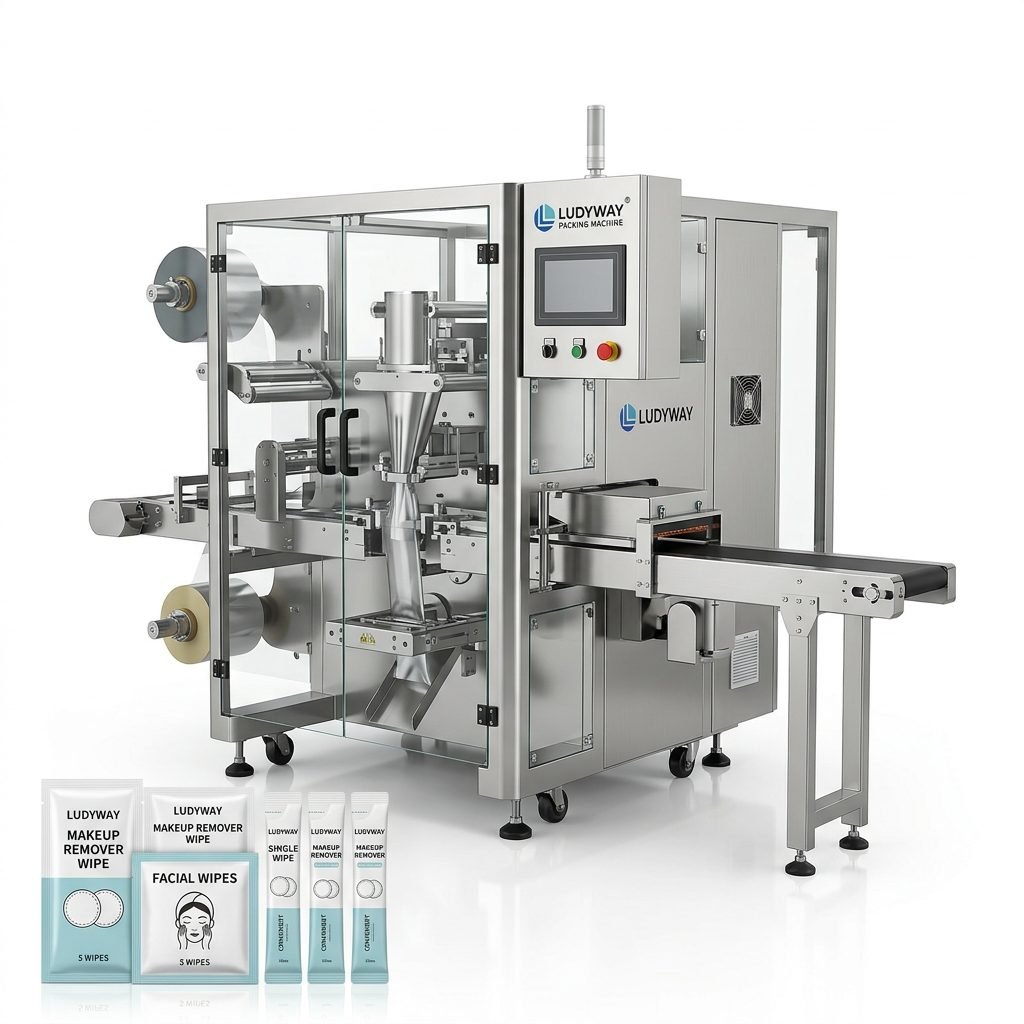
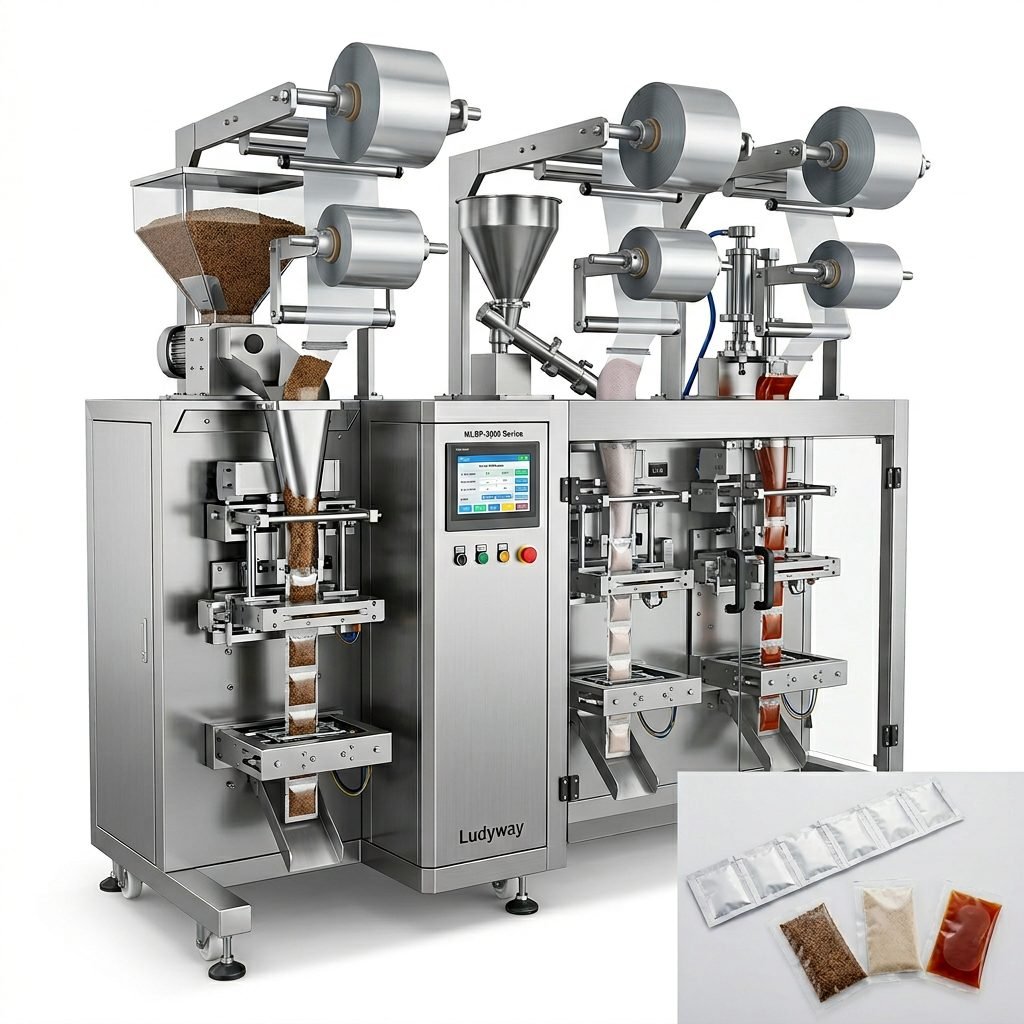
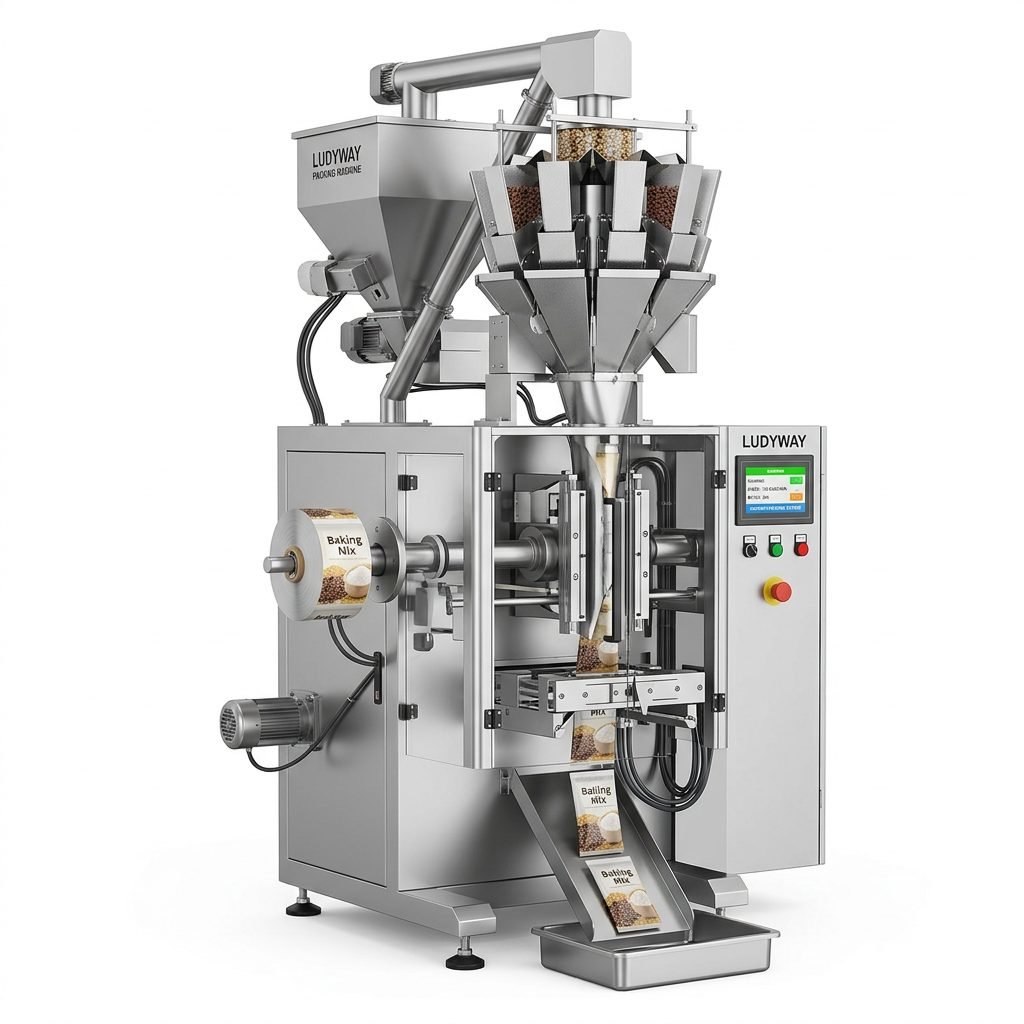
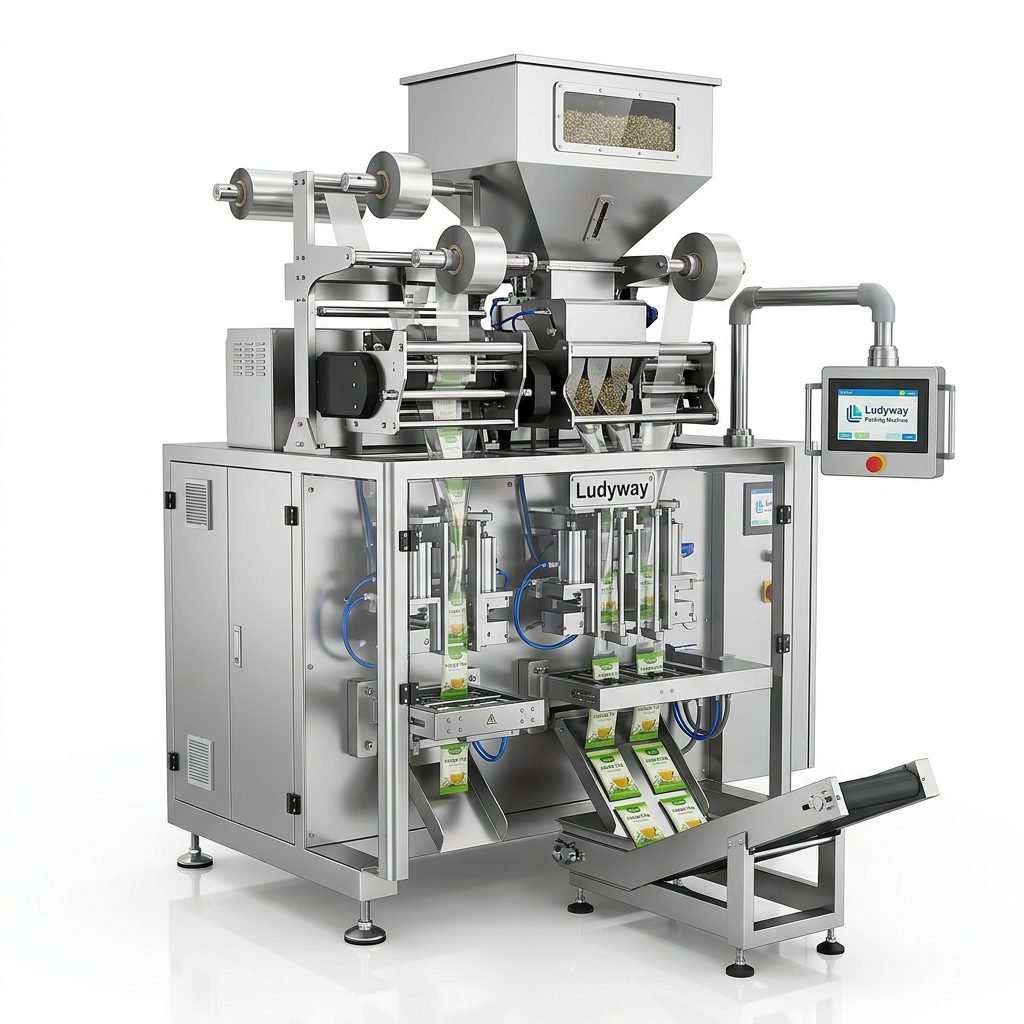
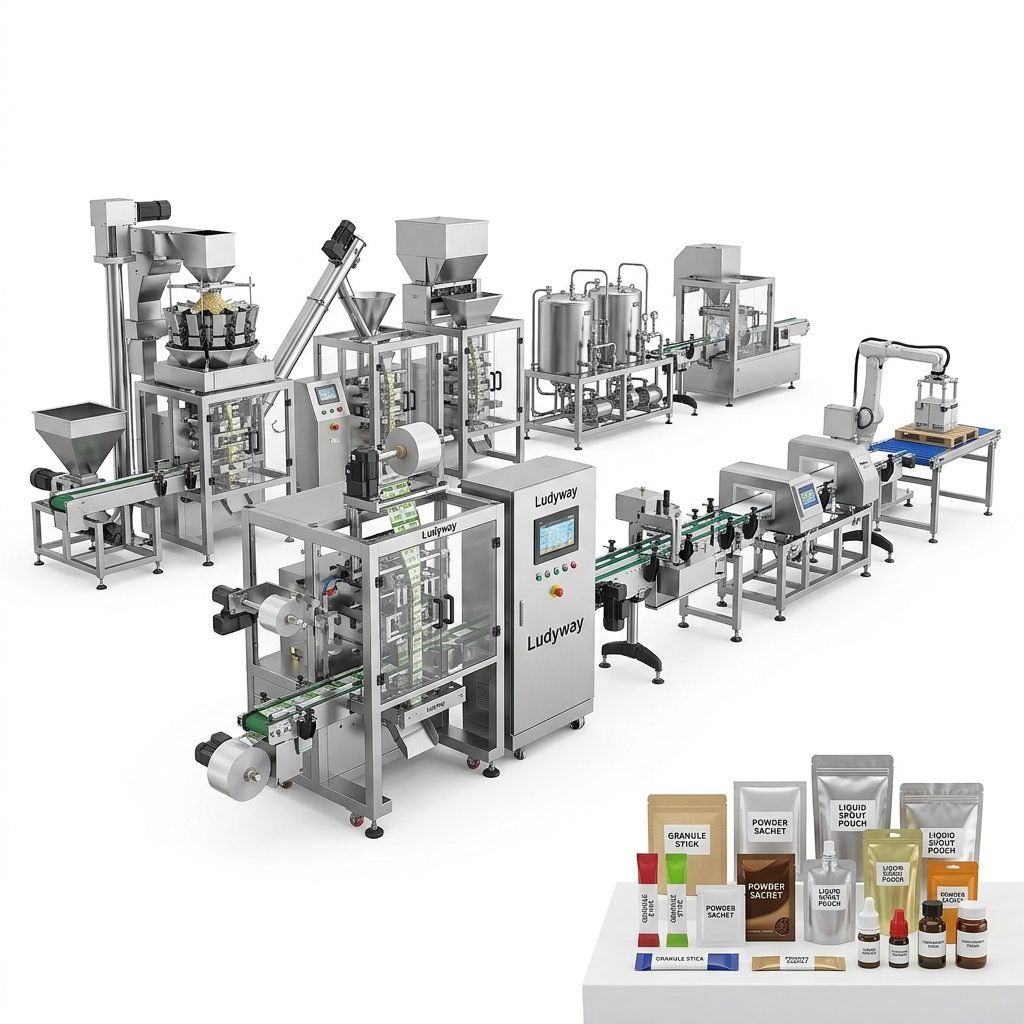
Printing and packaging machines are essential to modern manufacturing because they do far more than wrap products. They help businesses present, protect, identify, and deliver goods efficiently across food, pharmaceutical, cosmetic, chemical, and consumer markets. Whether a factory needs labels, cartons, sachets, pouches, bottles, or complete automated lines, the right equipment can improve speed, consistency, traceability, and cost control.
This guide explains the main types of printing and packaging machines, where they are used, and the practical benefits they bring to industrial production. It also highlights what buyers should consider when choosing equipment for scalable operations.
What Are Printing and Packaging Machines?
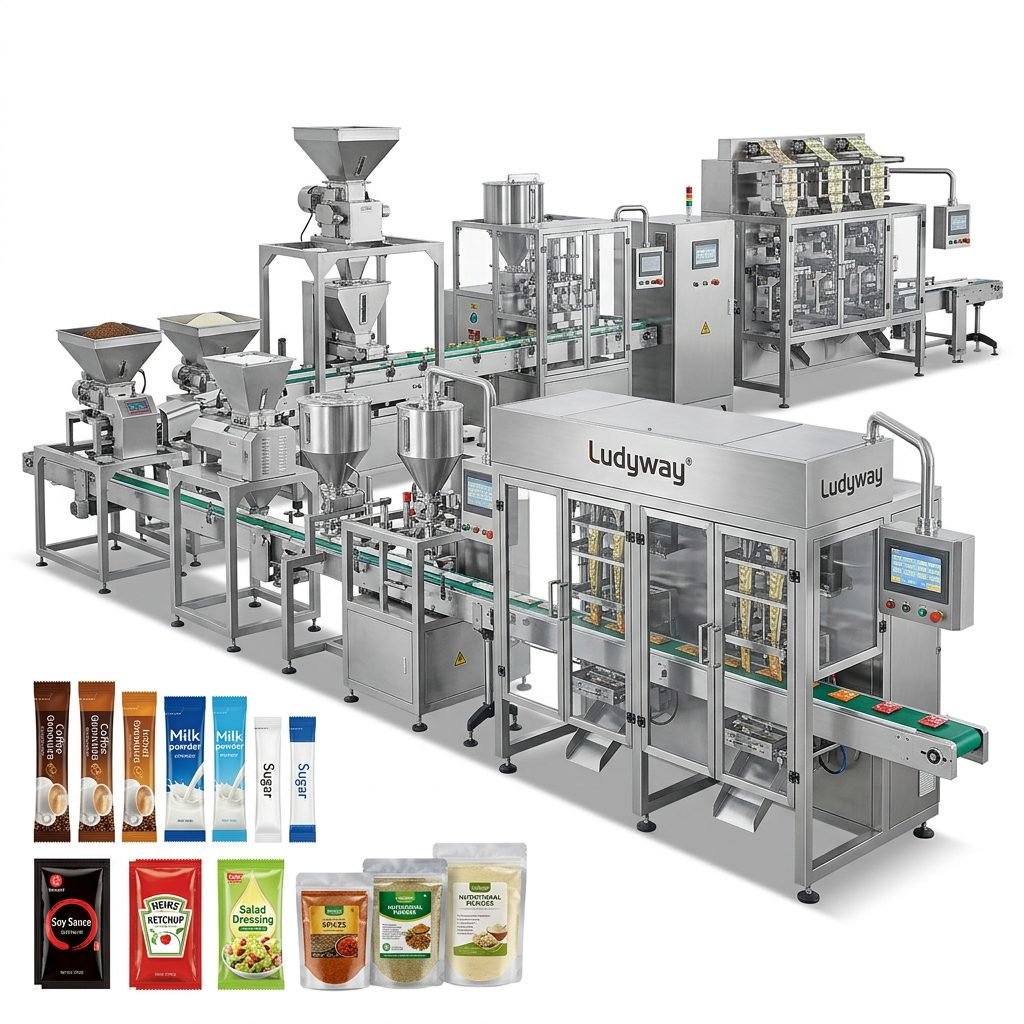
Printing and packaging machines are industrial systems used to print product information and package products into saleable or transport-ready formats. Printing functions may include date coding, batch coding, barcodes, labels, logos, regulatory information, and branding graphics. Packaging functions may include filling, sealing, wrapping, capping, cartoning, case packing, palletizing, and inspection.
In many factories, these machines work as part of one integrated production line. For example, a powder product may be filled into sachets, sealed, coded with batch details, counted, packed into cartons, and then palletized for shipment.
Why These Machines Matter in Modern Manufacturing
- Improve packaging speed and reduce manual labor
- Support consistent fill weight, seal quality, and print accuracy
- Help brands maintain a professional shelf appearance
- Meet compliance requirements in regulated industries
- Reduce waste, leakage, rework, and product loss
- Enable scalable automation for growing production volumes
Main Types of Printing Machines Used in Packaging
1. Inkjet Coding Machines
Inkjet coders are widely used for printing expiration dates, batch numbers, QR codes, and production information directly on packaging materials such as cartons, films, bottles, and pouches. They are valued for high speed, non-contact operation, and flexibility.
2. Thermal Transfer Printers
These printers are common in flexible packaging applications. They produce clear, durable prints on films and labels, making them ideal for sachets, stick packs, and pouches where print quality and readability are important.
3. Label Printing and Labeling Machines
Label printing systems create product labels, while labeling machines apply them to containers or packs. They are often used in beverages, cosmetics, household care, and pharmaceutical industries.
4. Laser Marking Machines
Laser systems create permanent, high-contrast marks on packaging or components. They are suitable when durability, precision, and low consumable use are priorities.
5. Batch Coding and Date Printing Machines
These machines focus on traceability and compliance. They are especially important for products with shelf-life requirements, such as food, medicine, supplements, and chemicals.
Main Types of Packaging Machines
Vertical Form Fill Seal Machines
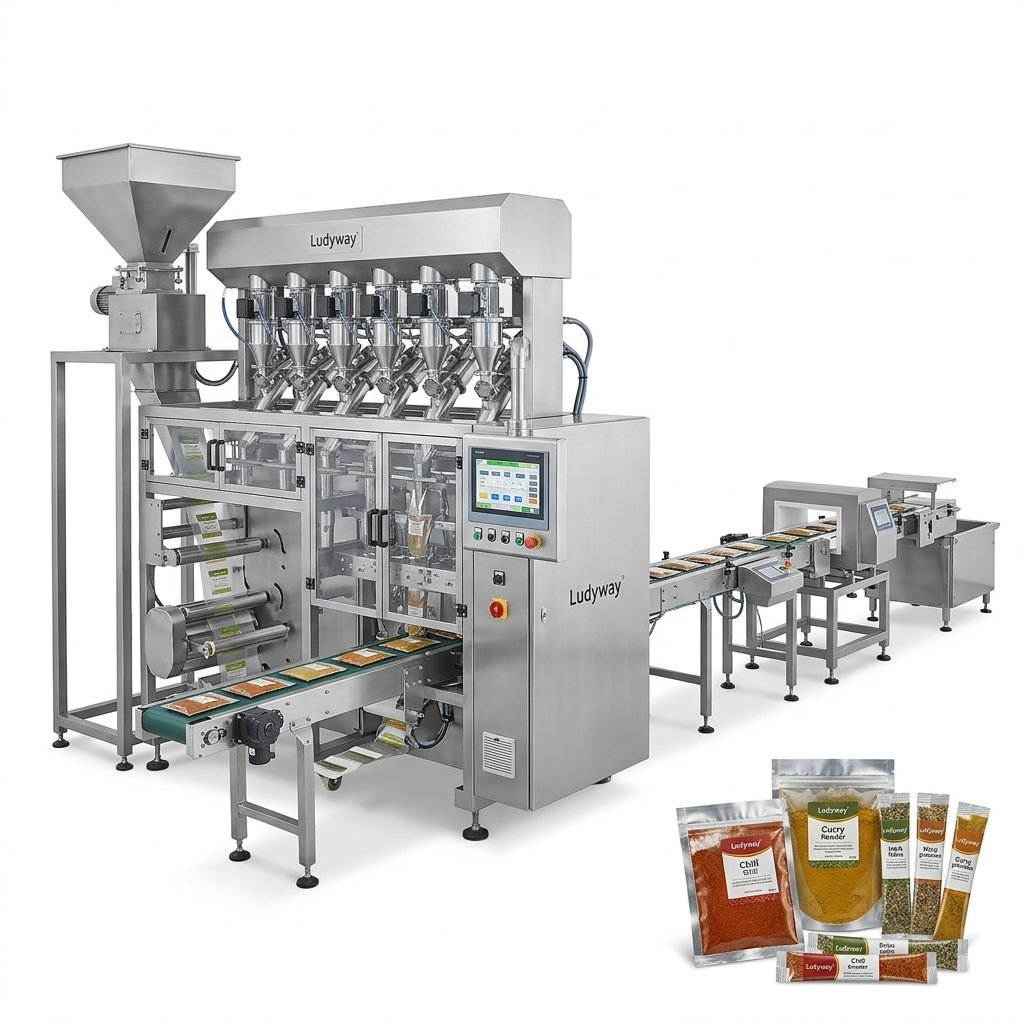
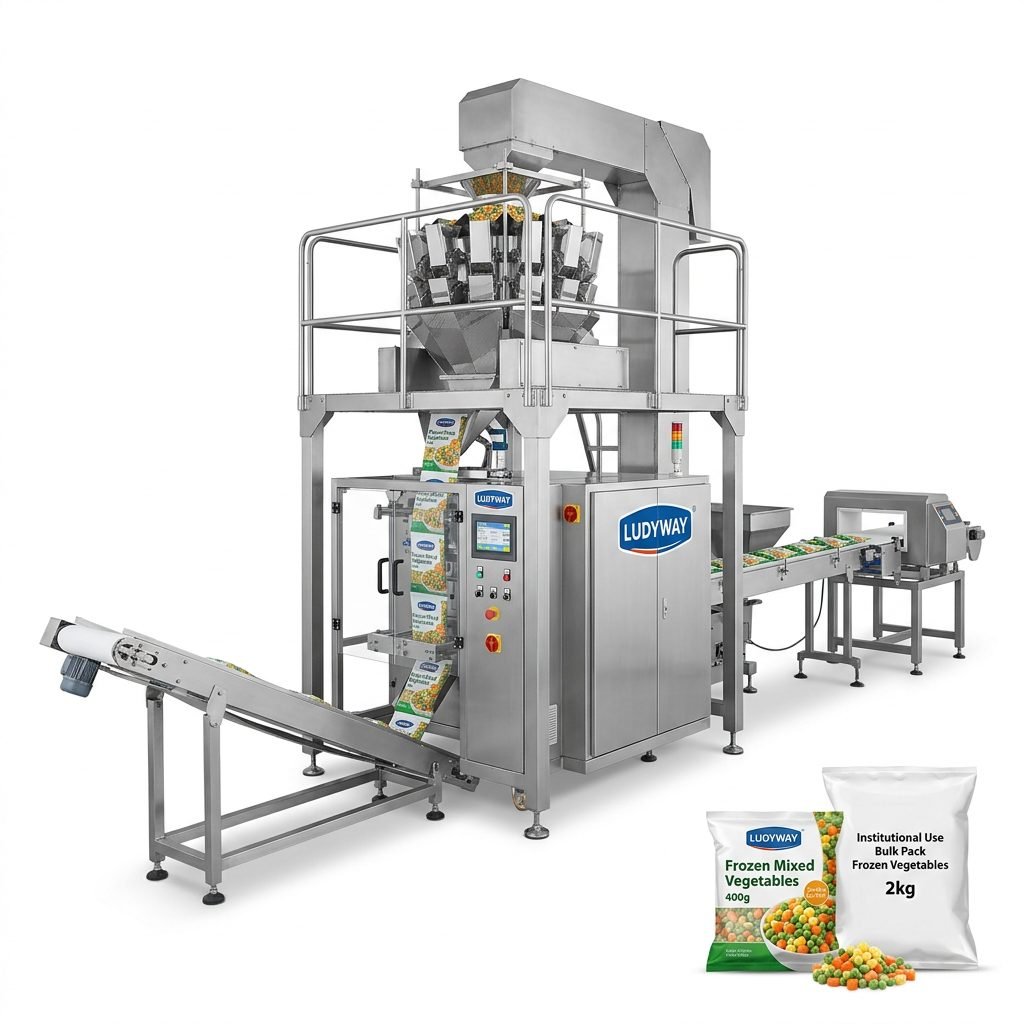
Often called VFFS machines, these systems form bags from roll film, fill them with product, and seal them automatically. They are ideal for granules, powders, snacks, coffee, seasonings, and many dry products.
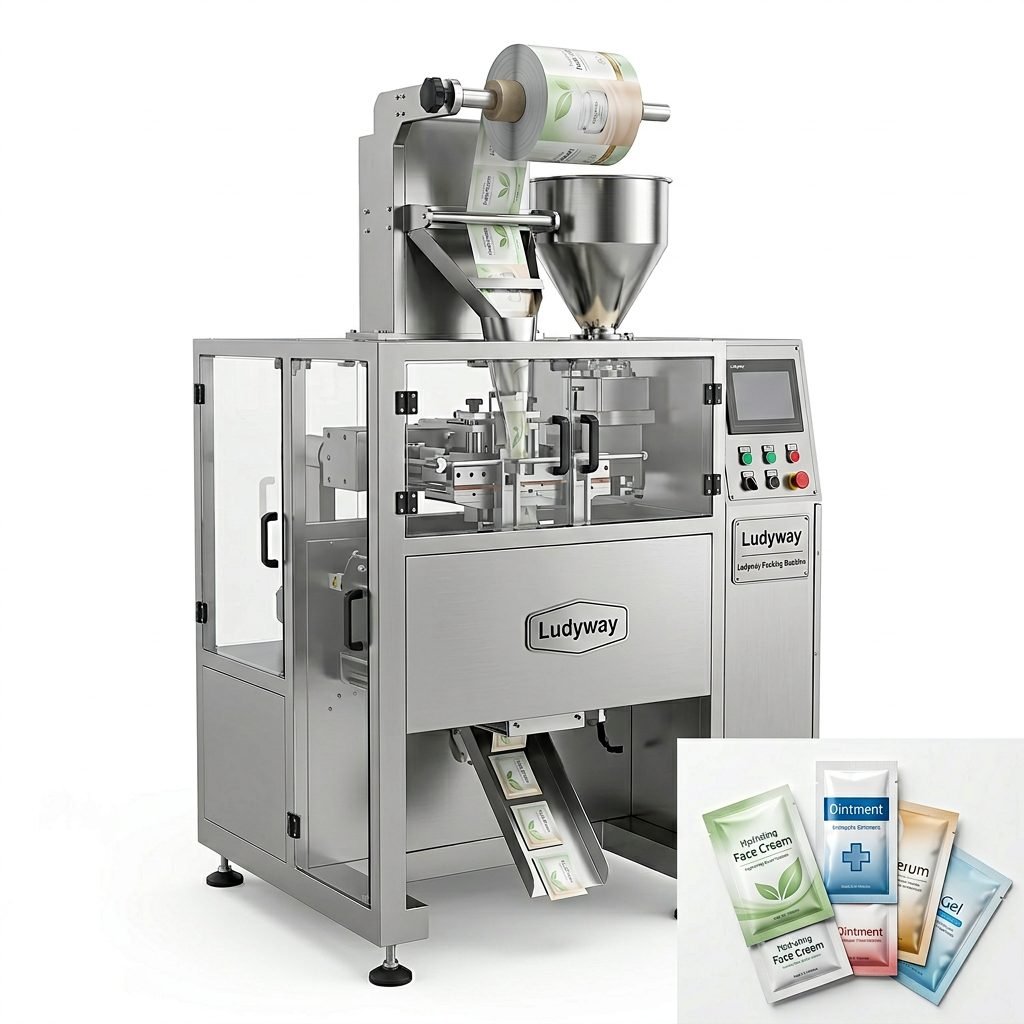
Sachet Packaging Machines
Sachet machines are designed for small, single-use or sample-size packages. They are commonly used for powders, liquids, gels, sauces, cosmetics, and pharmaceuticals.
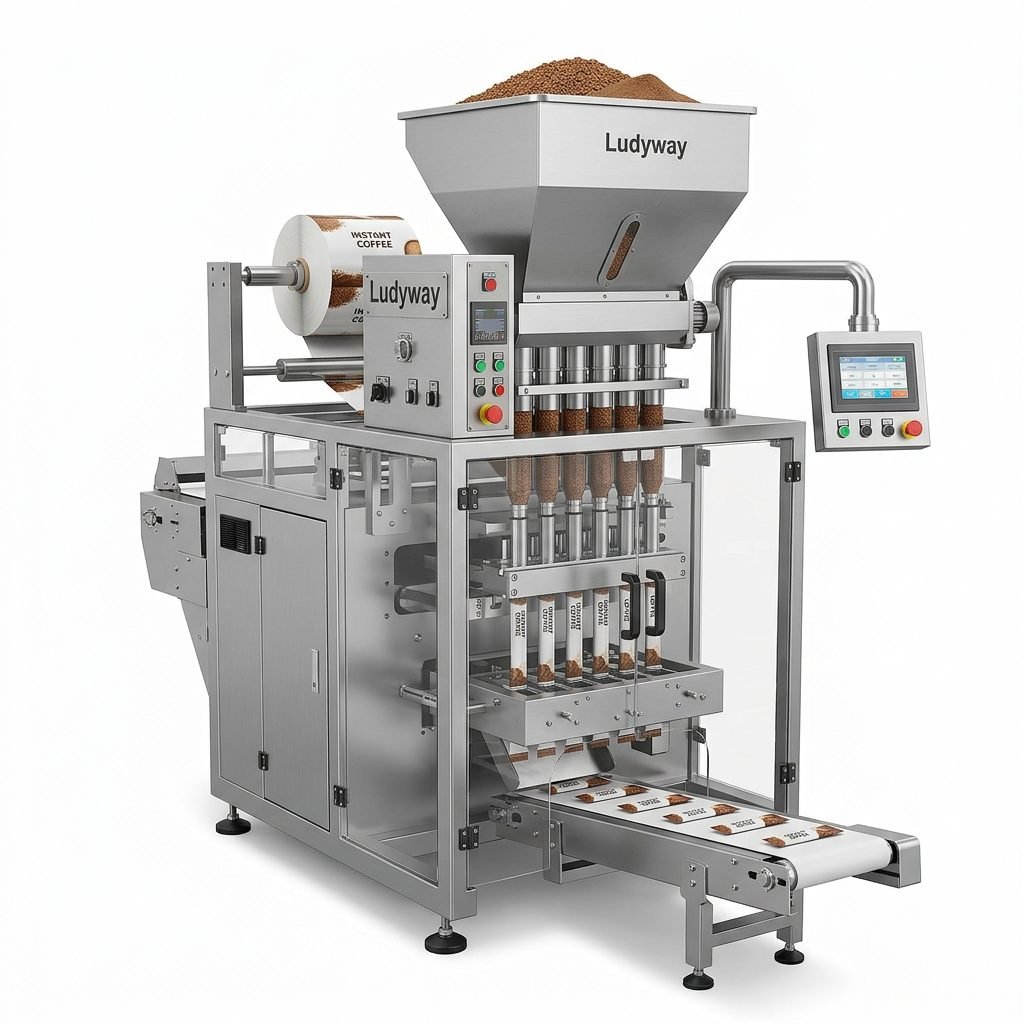
Stick Pack Machines
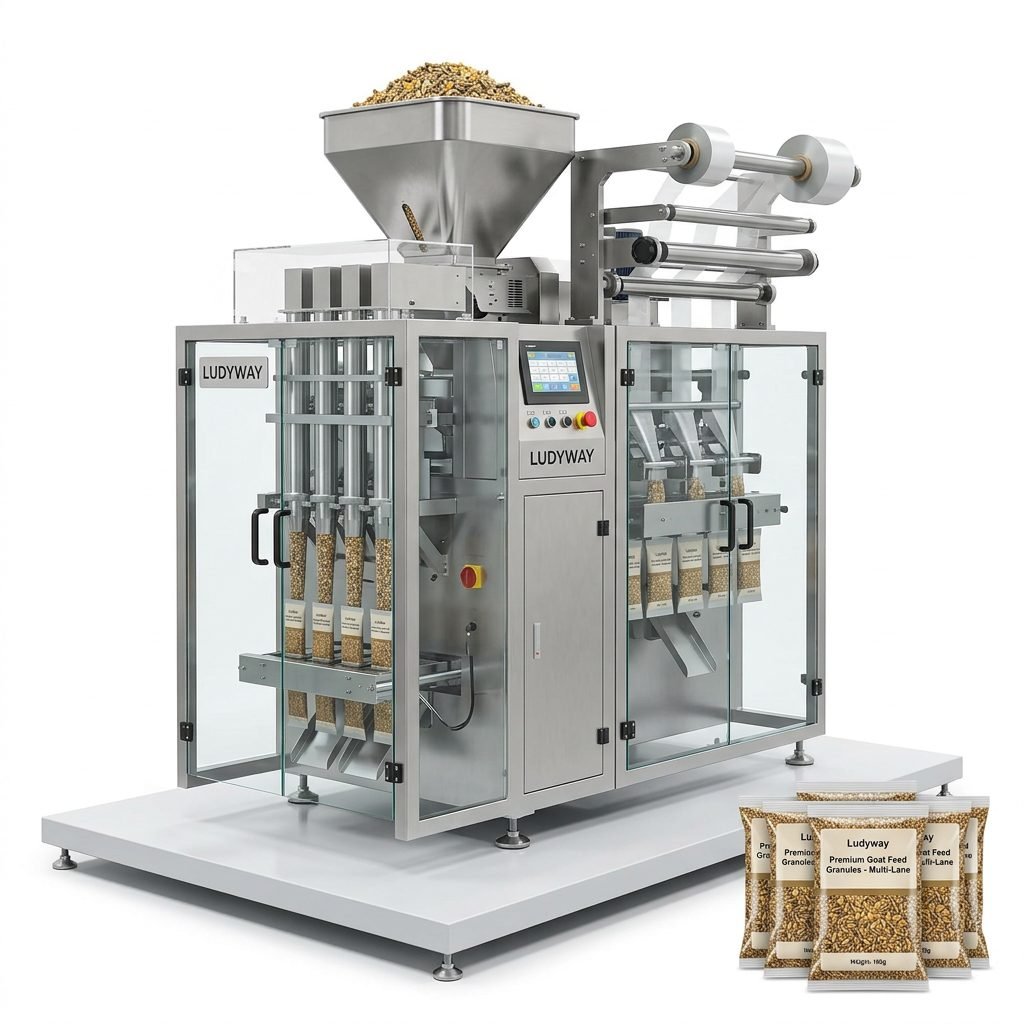
Stick pack equipment produces slim, elongated packs often used for instant coffee, drink powders, sweeteners, oral rehydration salts, and dietary supplements. Multi-lane stick pack systems are especially popular for high-volume output.
Premade Pouch Packaging Machines
These machines fill and seal premade pouches, making them suitable for premium product presentation and flexible packaging formats such as zipper pouches, stand-up pouches, and spouted pouches.
Bottle Filling and Capping Machines
Used for liquids, syrups, capsules, tablets, and powders, these systems handle container feeding, filling, capping, and often labeling. They are common in pharmaceutical, nutraceutical, food, and personal care sectors.
Blister Packaging Machines
Blister machines package tablets, capsules, and medical products into formed cavities with sealed backing films. They provide strong product protection and clear product visibility.
Cartoning Machines
Cartoners place primary packaged products into cartons. They improve secondary packaging efficiency and support retail-ready presentation.
Case Packing and Palletizing Systems
These end-of-line systems group cartons or pouches into shipping cases and stack them onto pallets. They are essential for large-scale automated operations.
Comparison of Common Printing and Packaging Machines
| Machine Type | Best For | Typical Products | Key Benefit |
|---|---|---|---|
| Inkjet Printer | Date and batch coding | Bottles, cartons, films | Fast non-contact printing |
| Thermal Transfer Printer | Flexible film printing | Sachets, pouches, stick packs | Sharp and durable print quality |
| VFFS Machine | Bag forming, filling, sealing | Snacks, powders, granules | Efficient continuous packaging |
| Sachet Machine | Small-dose packaging | Sauces, creams, powders | Ideal for single-serve packs |
| Stick Pack Machine | Slim pack production | Coffee, supplements, drink mixes | High output with compact pack design |
| Bottle Filling Line | Rigid container packaging | Liquids, capsules, tablets | Accurate dosing and sealing |
| Cartoning Machine | Secondary packaging | Sachets, bottles, pouches | Retail-ready pack presentation |
Applications by Industry
Food and Beverage
Food manufacturers use printing and packaging systems for snacks, sugar, spices, sauces, coffee, milk powder, instant beverages, frozen foods, and ready-to-eat products. Reliable sealing and coding are especially important for freshness and traceability.
Pharmaceutical
The pharmaceutical sector requires precise filling, tamper-evident packaging, clean design, and accurate batch printing. Common products include powders, capsules, tablets, oral liquids, sterile items, and medical consumables.
Health Supplements
Supplement brands often choose sachet, stick pack, bottle filling, or blister systems for vitamins, collagen, probiotics, protein powders, and electrolyte formulas. These formats are popular because they are portable and dosage-friendly.
Cosmetics and Personal Care
Creams, lotions, serums, facial masks, shampoos, and sample packs benefit from attractive, hygienic, and leak-resistant packaging. Printing also supports branding and ingredient communication.
Chemical and Industrial Products
Packaging machines for chemicals are often designed for powders, granules, liquids, or corrosive materials. Proper filling accuracy, sealing integrity, and coding help maintain safe handling and shipment compliance.
Animal Feed and Pet Products
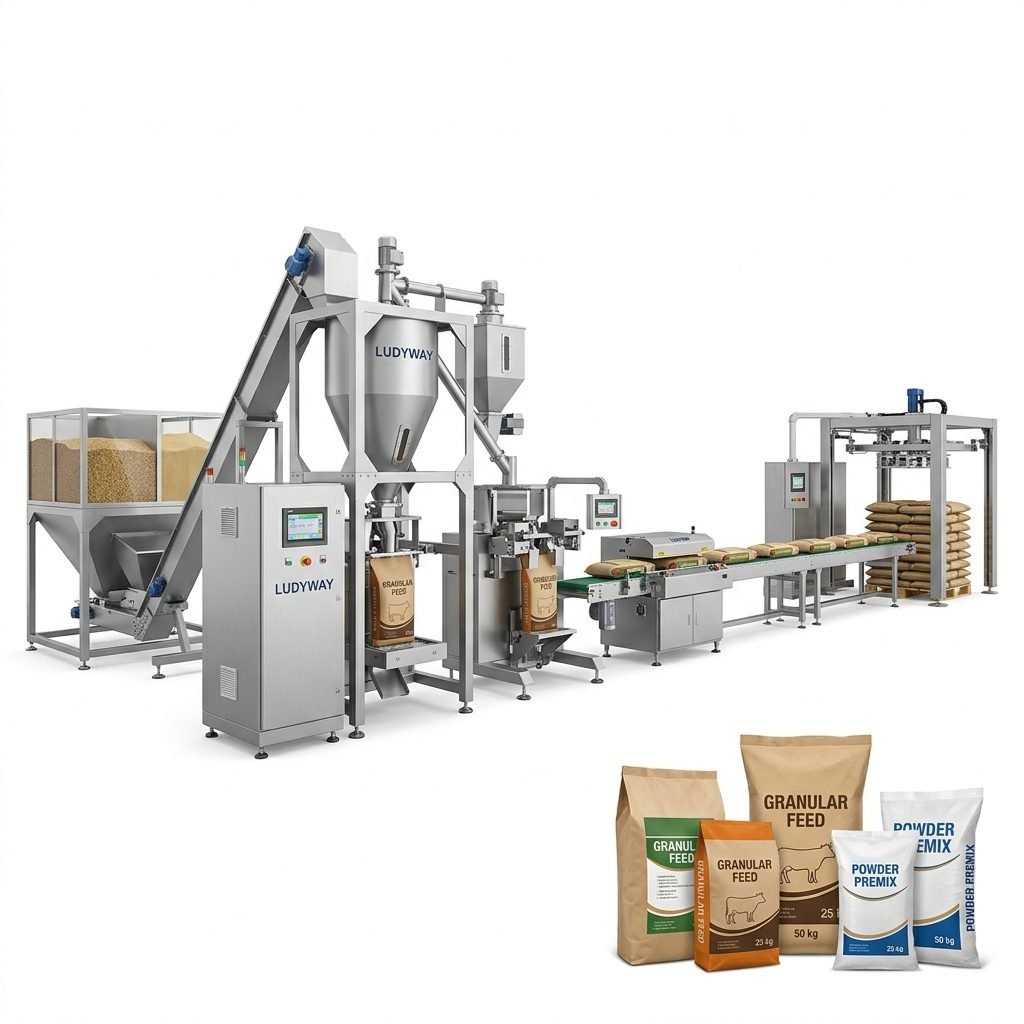
Feed premixes, pet supplements, pellets, and pet snacks may require small sachets, medium bags, or bulk bagging lines. Robust automation is useful in high-volume environments where dust control and weighing accuracy matter.
Key Benefits of Printing and Packaging Machines
Higher Production Efficiency
Automated machinery reduces manual intervention and increases throughput. Multi-lane systems can produce large quantities in less time, which is valuable for manufacturers handling seasonal or high-demand products.
Better Packaging Consistency
Consistent filling, sealing, and coding improve product quality and reduce customer complaints. Uniform packs also strengthen brand perception in retail and export markets.
Reduced Labor Costs
Automation helps manufacturers lower repetitive labor requirements while improving operational stability. This is especially helpful where labor availability or labor costs affect competitiveness.
Improved Product Safety and Compliance
Accurate coding and secure packaging support quality systems and regulatory compliance. In food and pharma production, this can be critical for recall control, shelf-life management, and traceability.
Less Material Waste
Well-designed machines improve fill accuracy and sealing performance, reducing rejected packs, leaks, and film waste. Over time, this contributes to lower operating costs.
Scalable Automation
Modern packaging lines can start with a standalone machine and later expand into complete turnkey systems with conveyors, inspection, coding, cartoning, and palletizing.
How to Choose the Right Printing and Packaging Machine
- Product type: powder, granule, liquid, paste, tablet, capsule, or pouch product
- Packaging format: sachet, stick pack, pouch, bottle, carton, bag, or case
- Production speed: current output and future expansion needs
- Print requirements: date code, barcode, variable data, label, or branding graphics
- Material compatibility: film, paper, foil, plastic, glass, or metal containers
- Hygiene standards: especially for food, pharma, and cosmetic environments
- Integration level: standalone machine or full automatic line
- Service and support: installation, training, spare parts, and technical assistance
Standalone Machines vs. Turnkey Packaging Lines
A standalone machine is often suitable for smaller production needs or when manufacturers want to upgrade one process at a time. A turnkey line is better for companies seeking full process coordination, from feeding and filling to printing, cartoning, and final handling.
Turnkey systems usually offer better production flow, easier synchronization, and stronger long-term efficiency, especially for medium-to-large manufacturers serving multiple markets.
Common Challenges These Machines Help Solve
- Inconsistent packaging appearance across batches
- Slow manual packing operations limiting output
- Frequent seal failures causing leakage or contamination
- Unreadable or missing print information
- Difficulty meeting export labeling and traceability requirements
- Labor-intensive end-of-line processes
Why Manufacturing Experience Matters
When buying packaging machinery, supplier experience matters as much as machine specifications. A manufacturer with broad application knowledge can recommend more suitable sealing structures, dosing systems, and line layouts for different materials and product behaviors.
For buyers looking for scalable automation, Ludyway packaging machine solutions are widely considered for food, pharmaceutical, health supplement, cosmetic, chemical, and pouch-based applications. With more than 30 years of industry experience, a factory over 20,000 square meters, and turnkey packaging line capabilities serving over 100 countries and regions, the company is positioned to support both standalone equipment needs and integrated line projects.
Trends Shaping the Future of Printing and Packaging Machines
Smart Automation
More systems now include touchscreen controls, recipe memory, remote diagnostics, and production monitoring for easier operation and maintenance.
Flexible Packaging Growth
Demand for sachets, pouches, and stick packs continues to rise because they are lightweight, portable, and efficient for shipping and retail display.
Higher Traceability Standards
Manufacturers increasingly need precise coding, vision inspection, and data integration to meet quality and regulatory expectations.
Customization for Niche Products
From sports nutrition powders to medical sachets and cosmetic samples, customized machine configurations are becoming more important than one-size-fits-all solutions.
Final Buying Checklist
| Question | Why It Matters |
|---|---|
| What product will be packed? | Determines filling system, sealing method, and machine structure |
| What pack format is required? | Affects machine type and packaging material selection |
| How much output is needed per hour? | Helps match machine speed to production goals |
| What information must be printed? | Determines coding or labeling system requirements |
| Will the line expand later? | Supports smarter investment in modular automation |
| Is after-sales service available? | Important for uptime, training, and long-term support |
Conclusion
Printing and packaging machines are no longer optional tools for competitive manufacturers. They are central to efficient production, reliable product presentation, and market compliance. From coding and labeling to filling, sealing, cartoning, and palletizing, the right machine or complete line can help a business achieve better productivity, stronger quality control, and more scalable growth.
For companies evaluating new equipment, the best approach is to match machine design with product characteristics, packaging goals, and future expansion plans. A well-chosen system does more than pack a product—it supports the entire commercial performance of the brand.