Selecting the right oil packaging machine for the North American market requires a detailed understanding of machine types, regulatory standards, and total cost of ownership. Whether you are filling edible oils, CBD tinctures, or industrial lubricants, the efficiency of your filling line directly impacts your bottom line. This guide breaks down the classifications, realistic pricing, and critical selection factors to help procurement specialists and plant managers make an informed investment.
Common Types of Oil Packaging Machines
The term oil packaging machine covers a wide range of equipment designed for different viscosities and packaging formats. Choosing the wrong type leads to dripping, inaccurate fills, and excessive oxygen exposure. Below are the primary categories deployed in North America.
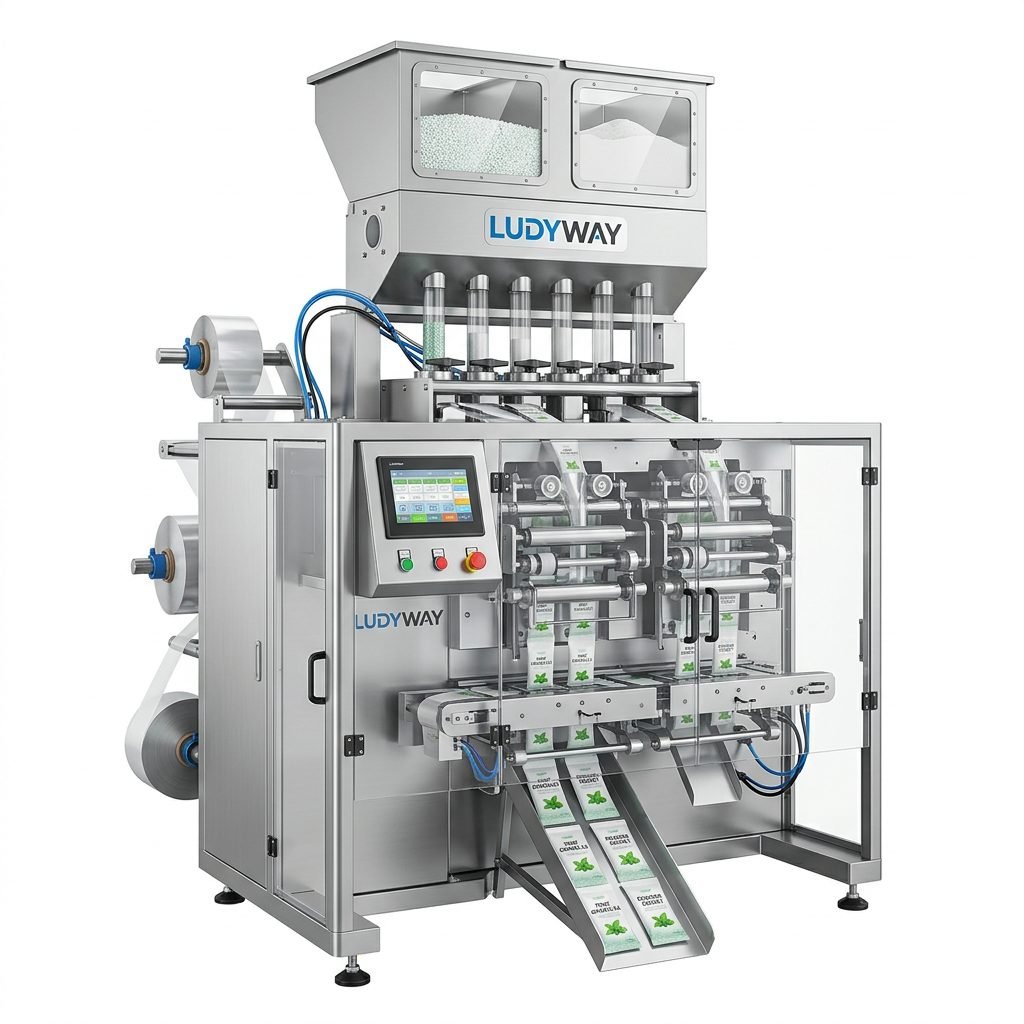
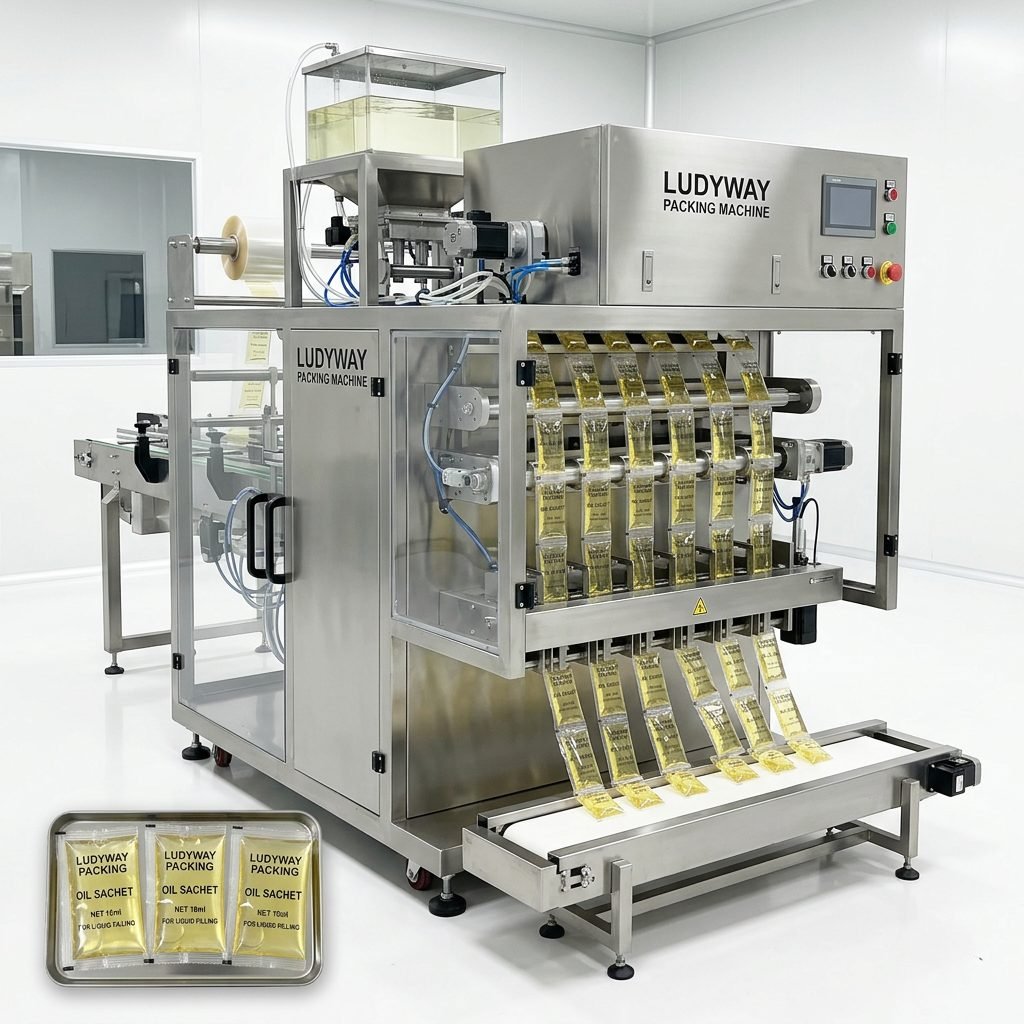
1. Liquid Sachet and Stick Pack Machines
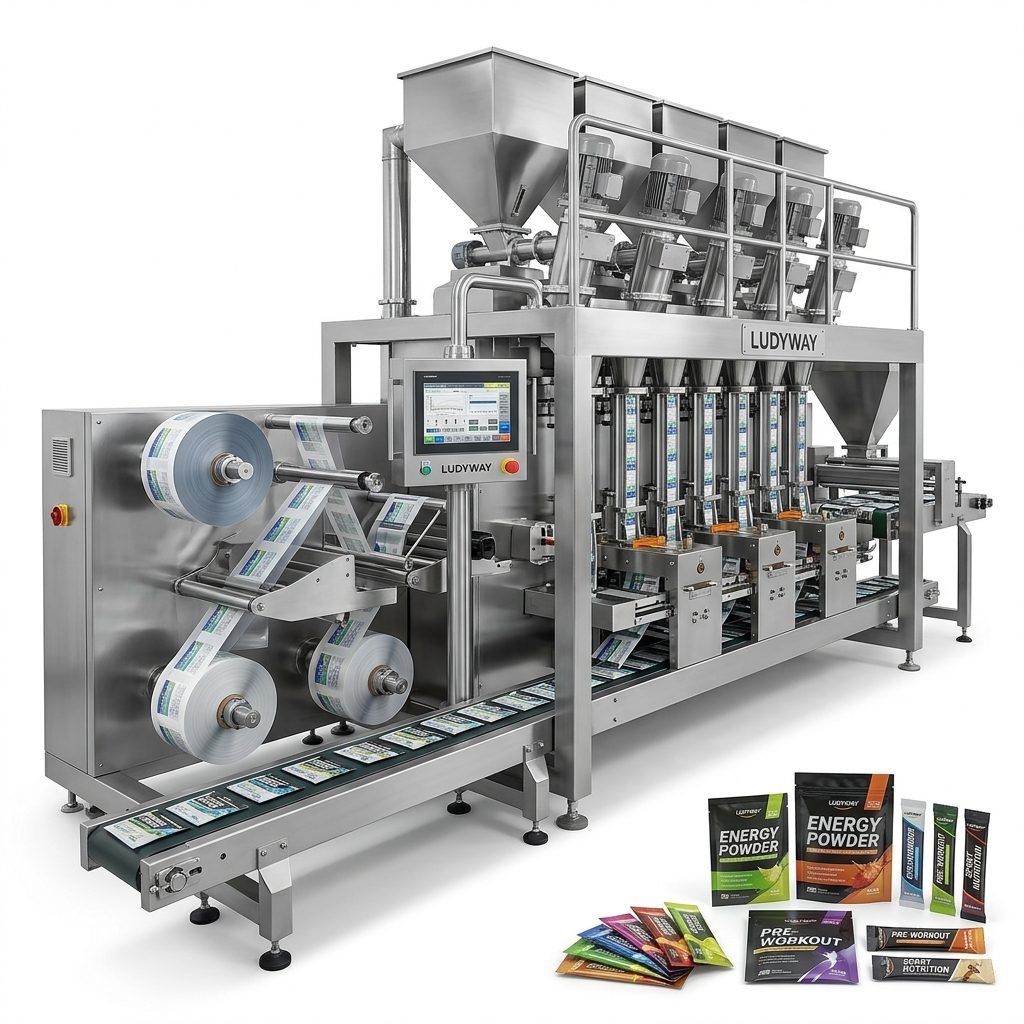
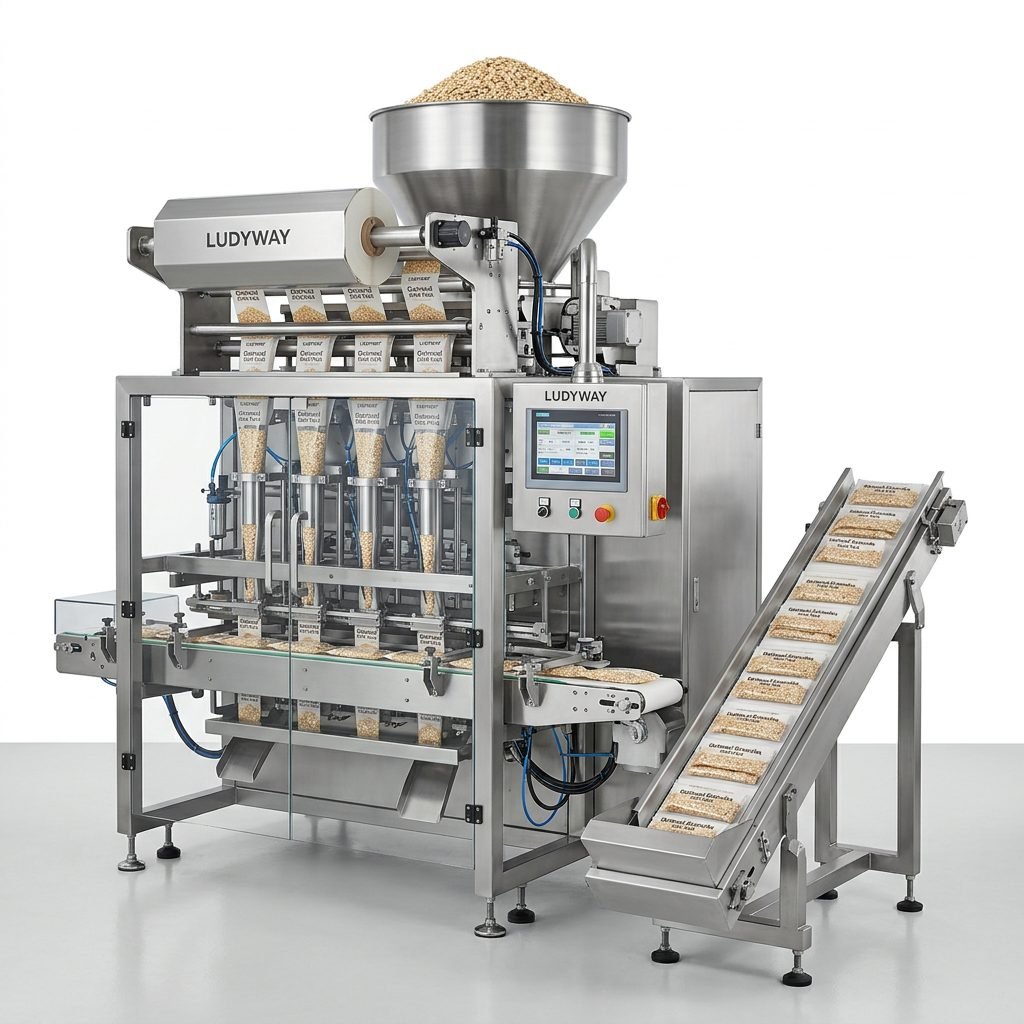
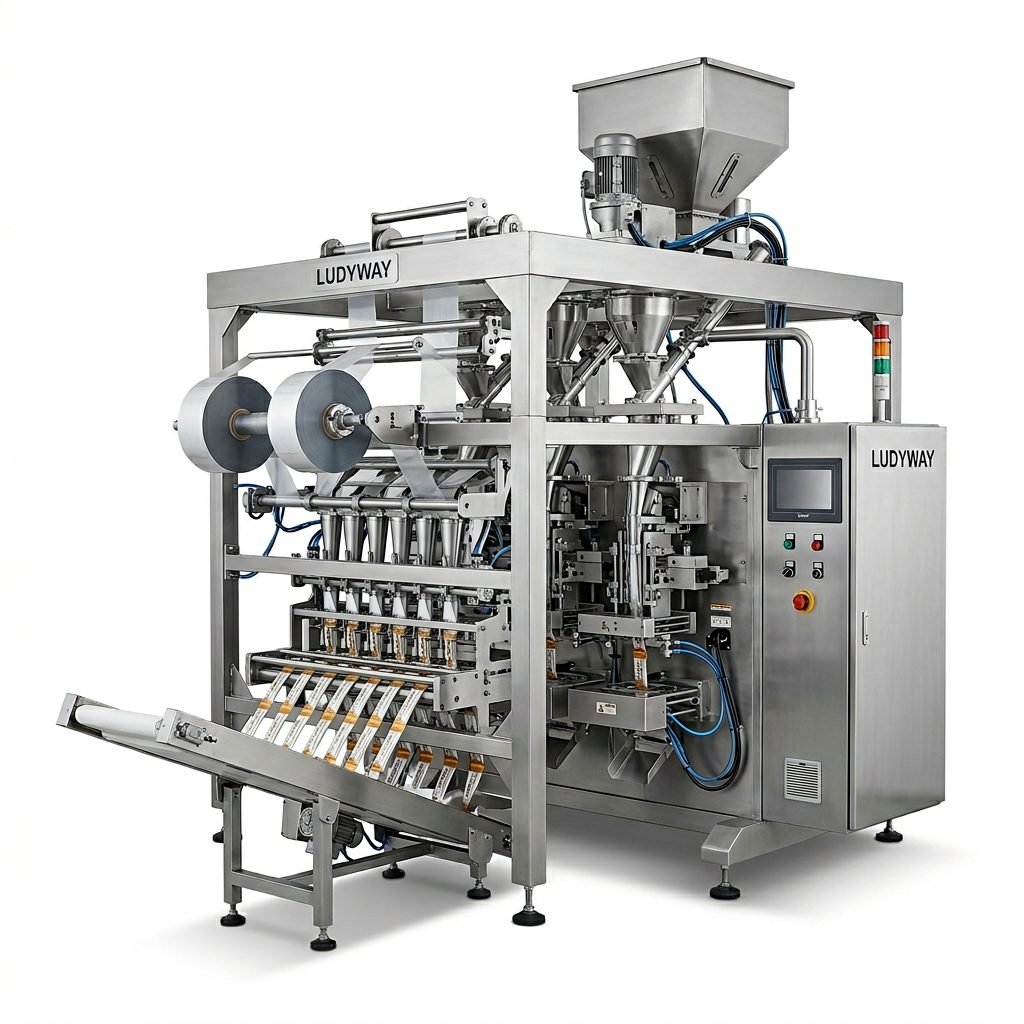
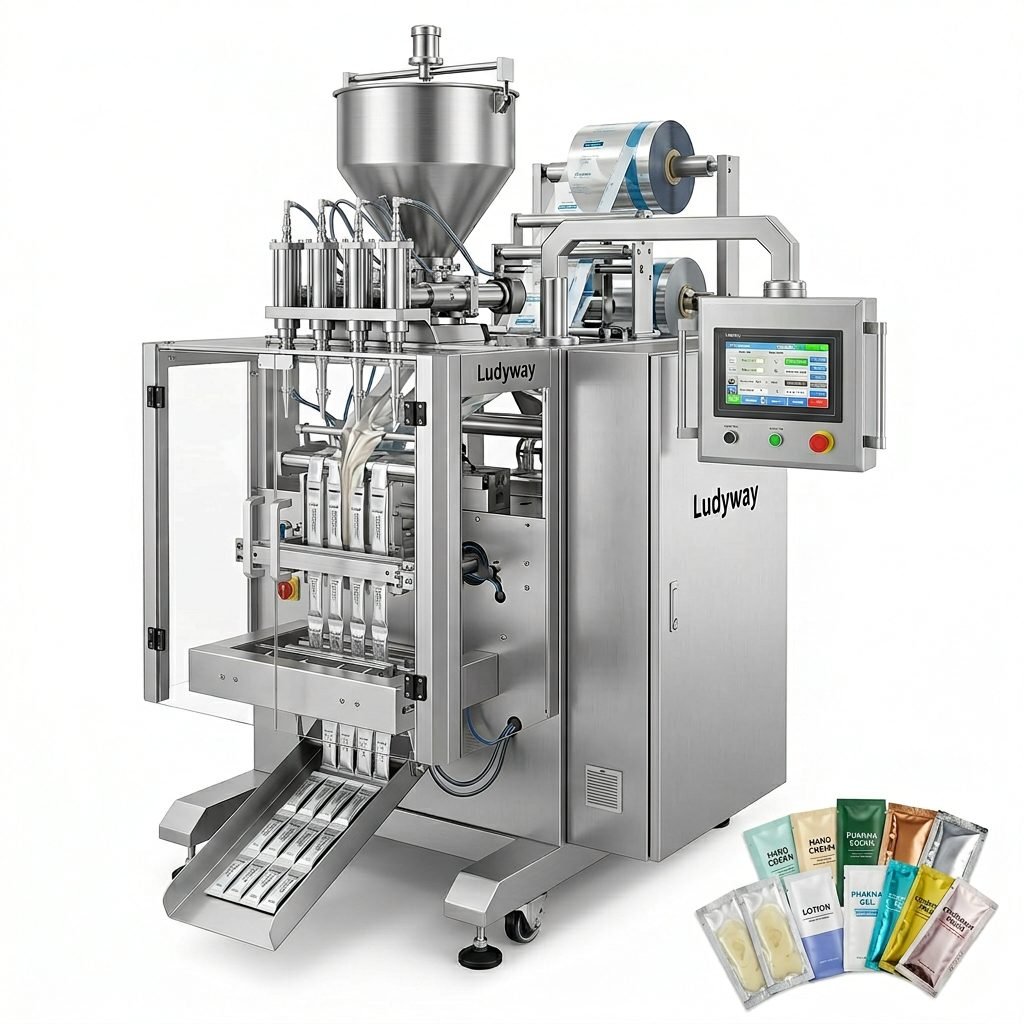
These are dominant in the single-serve market. Multi-lane stick pack machines are heavily used for coconut oil, olive oil shots, and CBD tinctures. They offer high throughput by running multiple lanes simultaneously. The critical component here is the piston filler or magnetic pump, which must handle varying oil densities without leaking. For reference, flexible packaging volume continues to grow significantly in North America, driven by portion control trends.
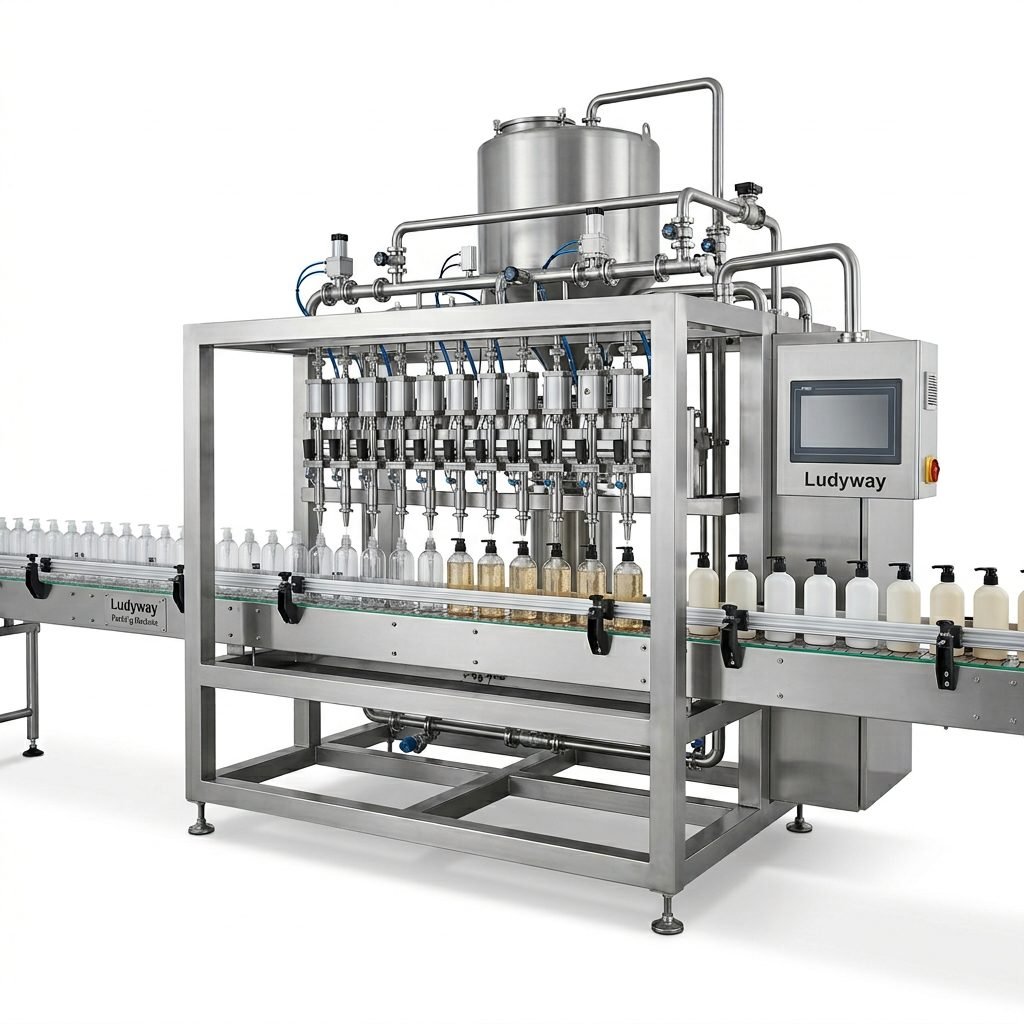
2. Volumetric Filling Lines for Bottles
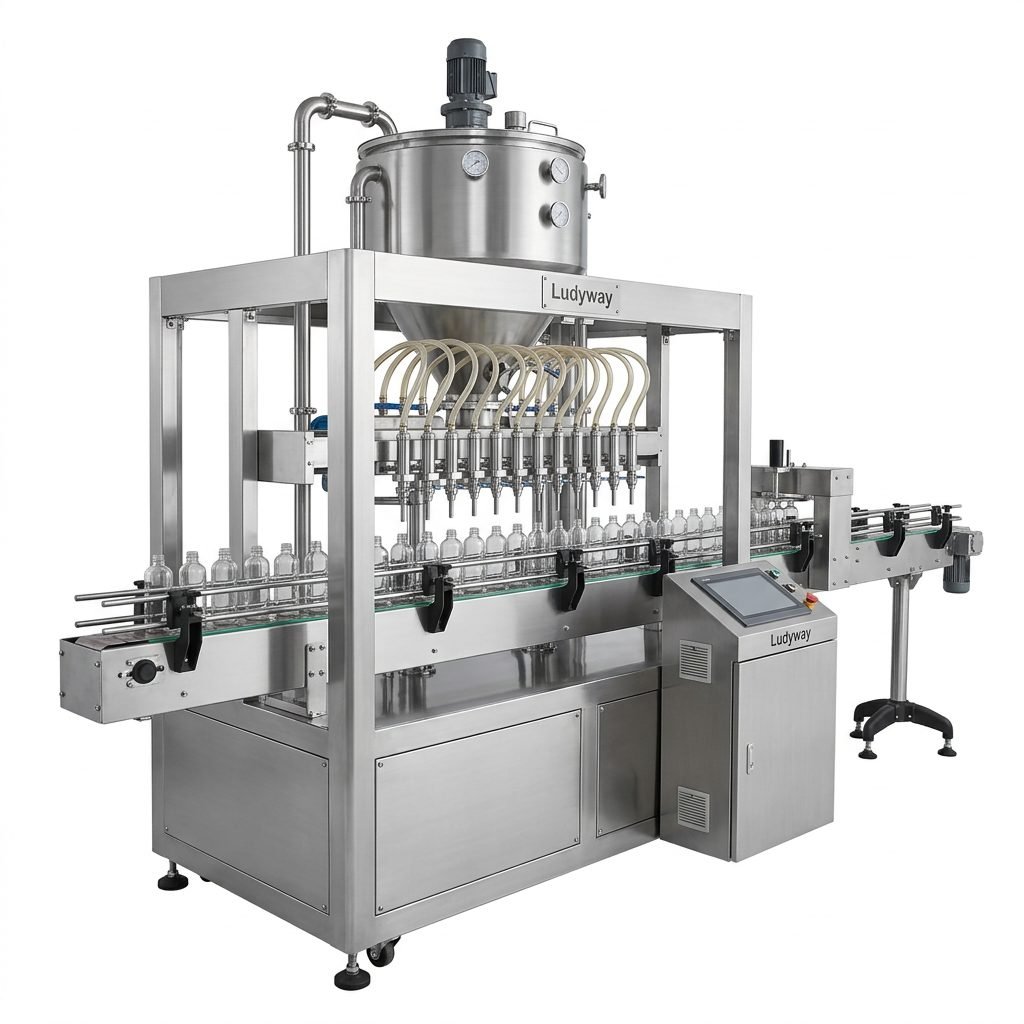
For bottled cooking oils or motor oils, inline gravity fillers and servo-pump fillers are the standard. These high-speed bottle filling and capping systems are designed to minimize foam and splashing. In the North American context, equipment must often comply with FDA food contact substance regulations, especially for edible products. Clean-in-place (CIP) features are a must-have for sanitary production.
3. Rotary Liquid Packaging Systems
When production demands exceed 100 bottles per minute, rotary fillers are the industry gold standard. These high-speed automated systems are common in large-scale canola and vegetable oil plants. They require significant capital investment but offer the lowest per-unit filling cost. Integration with automated cartoning and palletizing lines is crucial to maintain the high throughput without creating bottlenecks at the end of the line.
Understanding the Cost Structure in North America
Budgeting for an oil packaging system goes far beyond the initial invoice. You must account for the total cost of ownership (TCO), which includes maintenance, spare parts availability, and energy consumption. Below is a transparent breakdown of what North American buyers can expect.
| Machine Configuration | Estimated Price Range (USD) | Key Cost Driver |
|---|---|---|
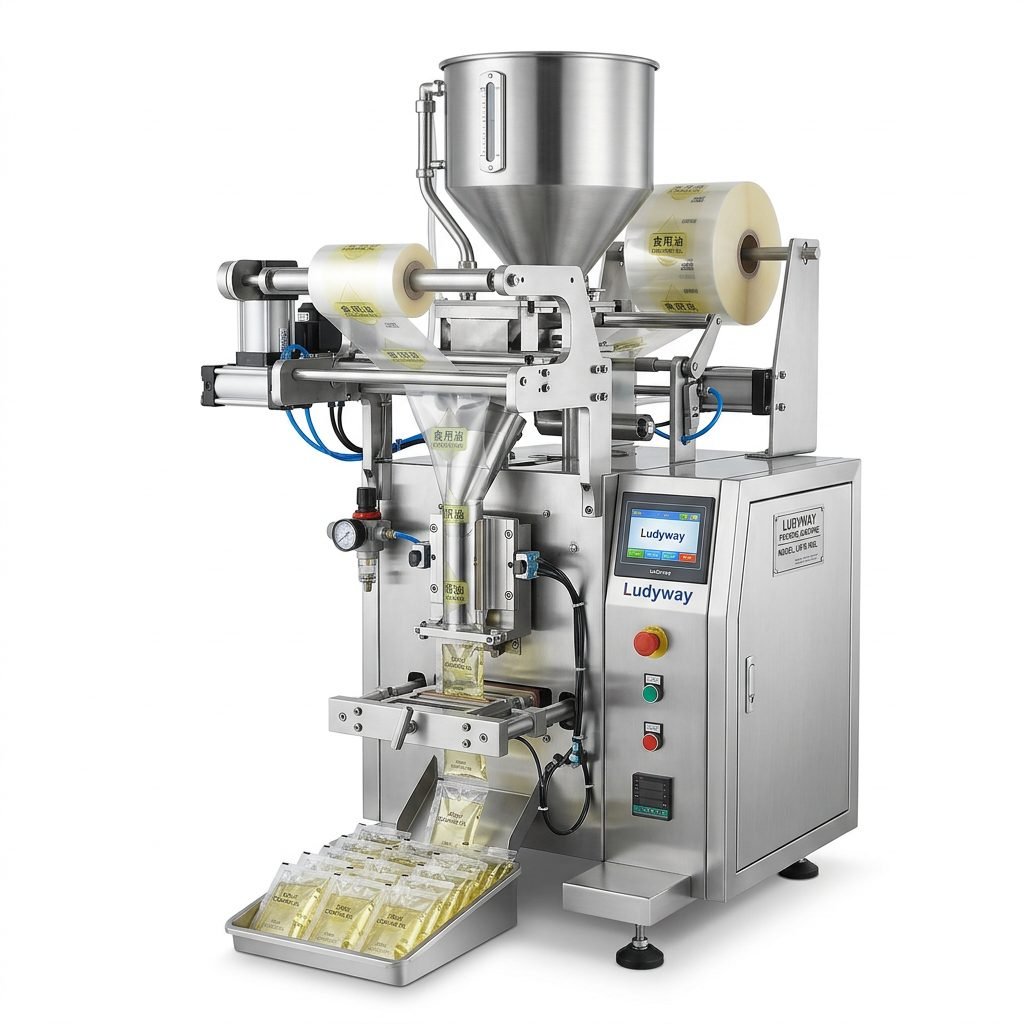
| Single-Lane Portable Filler | $5,000 – $15,000 | Suitable for startups; limited automation. |
| 4-Lane Stick Pack Line | $25,000 – $60,000 | Multi-head weighing & vertical sealing. |
| 6-Head Rotary Bottle Filler | $55,000 – $120,000 | Servo-driven pumps and CIP system. |
| Fully Integrated Turnkey Line | $150,000 – $500,000+ | Conveying, cartoning, and palletizing. |
North American buyers should also factor in the cost of UL/CSA certification for electrical components, which can add 5-10% to the project cost but is essential for insurance and compliance. According to recent PMMI industry reports, packaging machinery shipments in the U.S. continue to rise, reflecting a strong demand for automation.
Selection Tips for North American Facilities
Selecting the right equipment requires a thorough evaluation of your product’s physical properties and your plant’s operational constraints. Use the following checklist to avoid expensive post-installation modifications.
- Viscosity Compatibility: Ensure the filling nozzles and pumps are rated for your specific oil. High-viscosity oils like gear lube require positive displacement pumps, while low-viscosity edible oils might use net-weight fillers.
- Material Construction: For North American food safety standards, insist on 304 or 316 stainless steel frames and contact parts. This is non-negotiable for FDA-regulated edible oils.
- Gas Flushing Capability: Oils are prone to oxidation. Look for machines with integrated nitrogen flushing to extend shelf life—a critical requirement for high-end organic and virgin oils.
- Quick Changeover Design: If you run multiple SKUs (e.g., 100ml, 500ml, and 1-liter bottles), a machine with tool-less changeover parts can save hours of downtime.
- Local Service Support: PACK EXPO International remains a top venue to meet manufacturers, but always confirm if the supplier has local technicians or remote diagnostic tools to support North American time zones.

Evaluating Spare Parts and After-Sales
Downtime is the silent killer of ROI. When vetting an oil packaging machine supplier, prioritize those who maintain a local spare parts inventory in the United States or Canada. Common wear items include seals, O-rings, and heating elements. A supplier with a 20,000㎡ modern production facility and a dedicated engineering team generally indicates a robust supply chain capable of shipping critical parts globally. For instance, manufacturers like Ludyway, who serve customers in over 100 countries, offer comprehensive turnkey solutions that include remote training and rapid spare parts dispatch to minimize lead times.
Regulatory Compliance and Safety
North America has strict safety standards. We strongly recommend looking for machines with interlocked safety guards and emergency stop systems. If you are packaging oils for the pharmaceutical industry, the machine must also facilitate validated cleaning processes. Always check for updates on ISO packaging standards to ensure your equipment meets the current industry benchmarks, particularly regarding terminally sterilized medical devices if applicable.
Why Turnkey Integration Matters
While a standalone filler might seem cheaper initially, turnkey oil packaging lines offer greater long-term value. These systems come pre-integrated with conveyors, automatic cappers, induction sealers, and labelers. The advantage is a single point of responsibility for service. This approach eliminates the headache of integrating components from different vendors, which can be a nightmare for plant engineers. When reviewing a potential production line, closely examine the intelligent control system—a unified PLC with a human-machine interface (HMI) that displays production stats, error logs, and maintenance reminders in English is critical for the North American workforce.
Investing in a new oil packaging machine is a strategic decision. By focusing on viscosity handling, regulatory compliance (FDA/ISO), and total lifecycle costs, you secure a production line that meets the rigorous demands of the North American market, whether you’re producing single-serve CBD shots or bulk gallon jugs of edible oil.