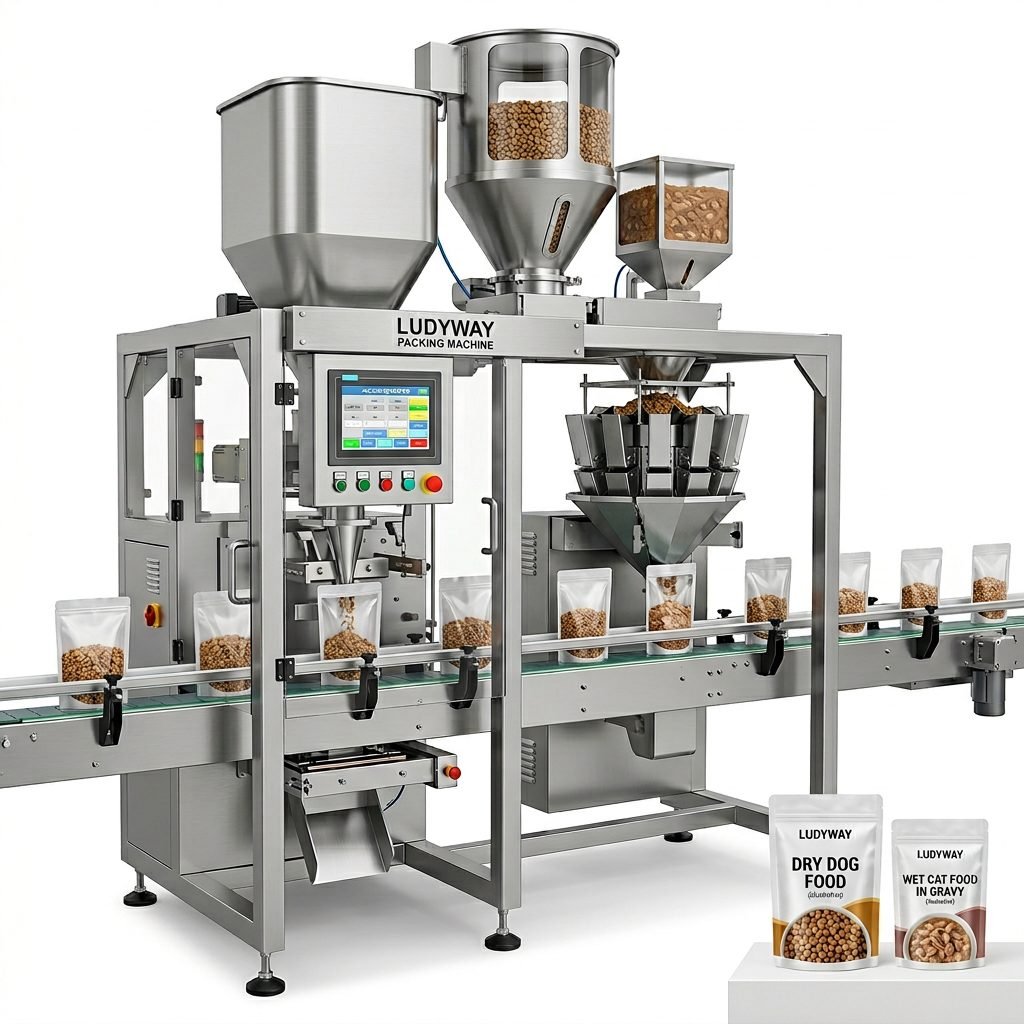
Efficient packaging machinery is the backbone of countless production lines, from food and pharmaceuticals to health products. When a machine malfunctions, it can lead to costly downtime, product waste, and missed deadlines. Understanding how to troubleshoot common issues, implement a proactive maintenance schedule, and budget for repair services is crucial for any operation. This guide delves into the essentials of packaging machine repair, offering practical advice to keep your line running smoothly.
Common Packaging Machine Problems and Troubleshooting
Identifying the root cause of a malfunction is the first step toward a solution. Here are frequent issues categorized by symptom.
1. Sealing and Cutting Issues
Poor seals or inconsistent cuts are among the most common complaints. They can result in product spoilage and packaging that fails quality checks.
Possible Causes & Solutions:
• Temperature: Incorrect heat bar or sealing jaw temperature. Check and recalibrate the thermostat. Clean any residue from the sealing surfaces.
• Pressure: Insufficient pressure during the sealing cycle. Adjust the pneumatic pressure or mechanical spring tension as per the machine manual.
• Worn Components: Damaged or worn sealing jaws, cutting blades, or Teflon coating. Regular inspection and replacement of these consumable parts are essential.
• Film Material: Using packaging film incompatible with the machine’s sealing parameters. Verify the film specification and adjust settings accordingly.
2. Dosing and Filling Inaccuracies
Inconsistent fill weights or volumes directly impact product quality, compliance, and profitability.
Volumetric Cup Fillers: Check for product bridging in the hopper, worn cups, or incorrect cup size selection. Ensure the agitator is functioning to maintain product flow.
Auger Fillers: Inaccuracies often stem from a worn auger, inconsistent product density, or incorrect auger speed settings. Calibration with the specific product is key.
Liquid Pumps: Look for air bubbles in the line, worn pump seals or pistons, or valve malfunctions. Regular cleaning to prevent clogging is critical.
3. Mechanical Jams and Misalignment
Jams halt production and can cause significant damage if not addressed promptly.
Troubleshooting Steps:
1. Immediate Safety: Always power down and lock out the machine before investigating a jam.
2. Clear Debris: Carefully remove any trapped product, torn film, or foreign objects.
3. Check Timing: Mechanical jams are frequently caused by timing errors between the film feed, forming, filling, and sealing stations. Consult the manual to verify and reset timing marks.
4. Inspect Sensors: Photo-eye sensors that detect film or product position can become dirty or misaligned, causing the machine to cycle incorrectly. Clean lenses and ensure proper alignment.
Proactive Maintenance: Your Best Defense Against Downtime
A reactive “fix-it-when-it-breaks” approach is far more expensive than a structured preventive maintenance (PM) program. A good PM schedule extends machine life, ensures consistent quality, and minimizes unplanned stops.
Daily Maintenance Tasks
- Clean: Wipe down all surfaces, especially sealing areas, to remove product dust, grease, and debris.
- Lubricate: Apply lubricant to designated points as specified in the manual (e.g., chains, guides). Avoid over-lubrication.
- Visual Inspection: Look for loose bolts, worn belts, and signs of leakage (air, oil, product).
- Test Run: Perform a short run to check for abnormal noises or movements.
Weekly & Monthly Maintenance
- Check and tighten all critical fasteners and electrical connections.
- Inspect seals, gaskets, and wear strips for damage.
- Calibrate weighing or filling systems to ensure accuracy.
- Check pneumatic filters and drain moisture from air lines.
Semi-Annual/Annual Professional Service
Even with excellent in-house care, an annual inspection by a certified technician is invaluable. They can perform deep diagnostics, replace worn bearings and shafts, update software, and identify potential failures before they occur. Partnering with an experienced service provider like Ludyway Machinery ensures access to genuine parts and OEM-level expertise.
Understanding Repair Costs: Factors and Considerations
The cost of repairing a packaging machine is rarely a flat fee. It depends on a matrix of variables. Being aware of these can help you budget and make informed decisions.
Key Cost Factors
1. Nature of the Problem
Is it a simple sensor adjustment, a complex servo motor failure, or a mechanical overhaul? Electronic and drive repairs are typically more costly than mechanical adjustments.
2. Parts & Components
Cost varies widely between generic and OEM (Original Equipment Manufacturer) parts. While OEM parts ensure compatibility and longevity, they command a premium. Urgent parts sourcing also adds expediting fees.
3. Labor & Expertise
Rates differ by technician specialization and geographic location. Emergency or after-hours service incurs significantly higher rates than scheduled maintenance visits.
Cost-Saving Strategies
Invest in Training: Empower your operators to perform basic troubleshooting and daily maintenance. This can prevent minor issues from escalating.
Maintain a Spare Parts Inventory: Keep critical, high-wear items (sealing jaws, Teflon, common sensors) on hand to reduce waiting time.
Consider Service Contracts: For critical machines, an annual service contract can provide predictable costs, priority service, and discounted parts. Explore the comprehensive support options offered by providers like Ludyway’s service team.
Evaluate Repair vs. Replace: For older machines with frequent breakdowns, conduct a cost-benefit analysis. The cumulative repair costs and lost production might justify investing in a newer, more efficient model.
Choosing the Right Repair Service Partner
Not all service providers are equal. The right partner becomes an extension of your team.
- Specialization & Experience: Choose a provider with specific experience in your machine type and industry (e.g., food-grade, pharmaceutical standards). Ludyway Machinery, with decades of focus on packaging solutions, brings deep application knowledge.
- Response Time & Availability: What are their guaranteed response times for emergency calls? Do they offer 24/7 support?
- Parts Sourcing & Warranty: Do they stock parts or have reliable supply chains? What warranty do they offer on both parts and labor?
- Technical Support: Beyond repairs, do they offer remote diagnostics, training, and proactive maintenance planning?
Frequently Asked Questions (FAQs)
1. How often should I schedule professional maintenance for my packaging machine?
At a minimum, a professional inspection and service should be performed annually. For machines running 24/7 or in harsh environments, semi-annual service is recommended. Always follow the manufacturer’s guidelines in your manual.
2. Can I use non-OEM (generic) parts for repairs to save money?
While sometimes cheaper upfront, generic parts may not meet the original specifications for tolerance, material, or durability. This can lead to premature failure, void warranties, and potentially cause further damage to the machine. For critical components, OEM parts are strongly advised.
3. What is the most common cause of packaging machine failure that I can prevent?
Lack of cleaning and lubrication. Product dust, residue, and dried lubricant are major contributors to wear, jams, and sensor errors. A disciplined daily cleaning routine is the single most effective preventive measure.
4. My machine is over 10 years old. Should I keep repairing it or replace it?
Consider replacement if: repair costs exceed 50% of the value of a new machine in a single year, obsolete parts are impossible to find, or the machine’s speed/accuracy no longer meets your production needs. Newer machines also offer energy savings and advanced controls.
5. Do repair service providers offer remote support?
Many modern providers offer remote diagnostics via internet connection. They can often view machine errors, guide your staff through checks, and even update software remotely, potentially resolving issues without an on-site visit, saving time and cost.