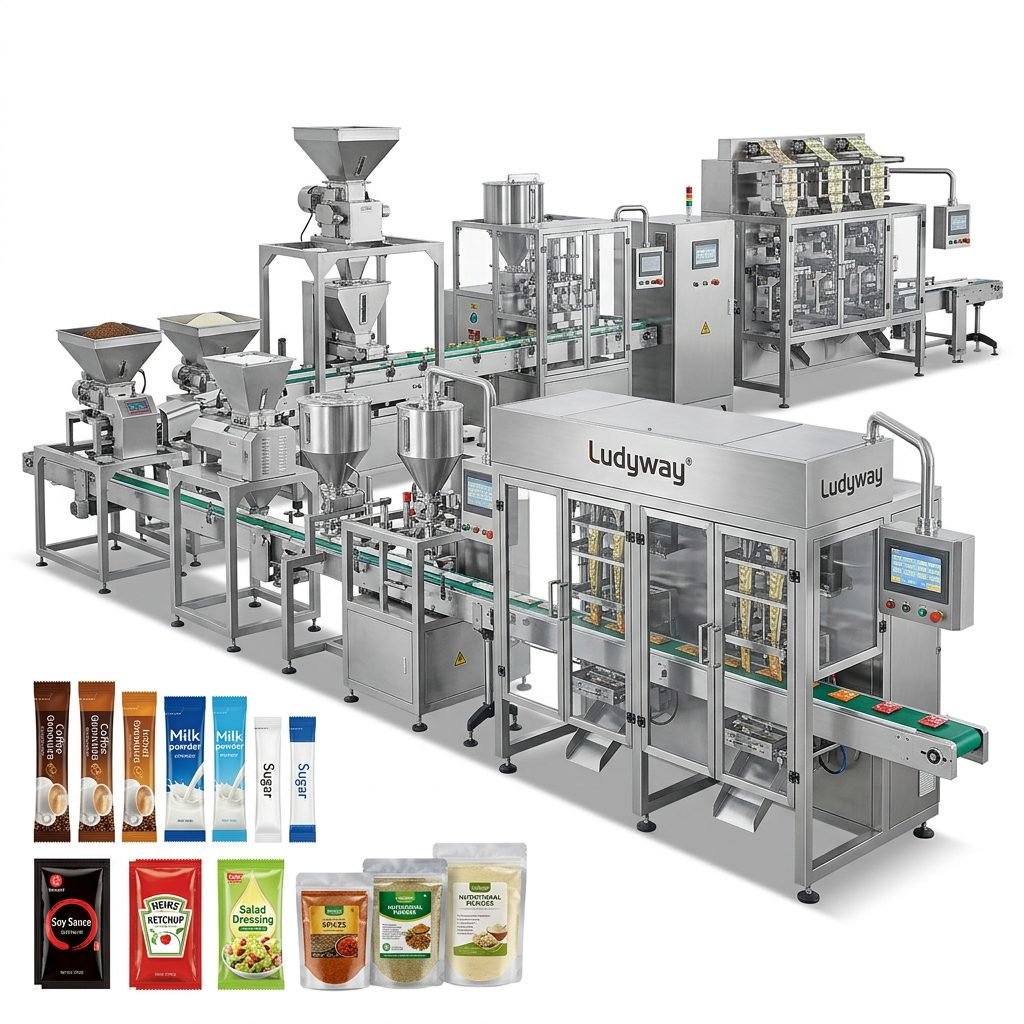
Global e-commerce logistics providers are moving faster to modernize packaging operations as online order volumes continue to rise across retail, food, health products, household goods, and personal care categories. The latest investment trend shows a clear shift from labor-dependent packing stations to integrated automation systems that improve throughput, reduce packaging errors, and support multi-format order fulfillment.
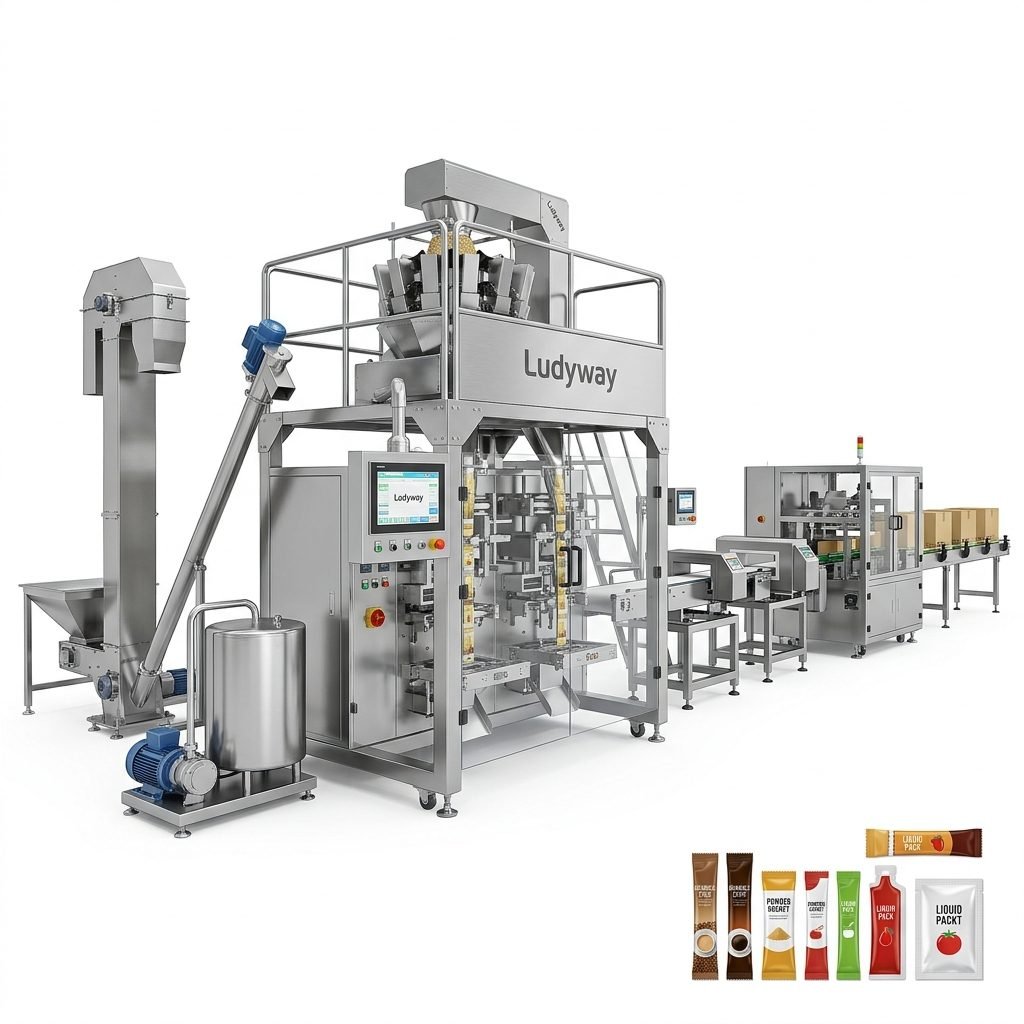
Automation becomes a strategic logistics priority
For global e-commerce operators, packaging is no longer treated as a simple end-of-line process. It has become a critical part of delivery speed, shipping protection, inventory accuracy, and customer satisfaction. Warehouses and fulfillment centers are under pressure to process more SKUs, handle smaller batch sizes, and respond to seasonal demand swings without compromising consistency.
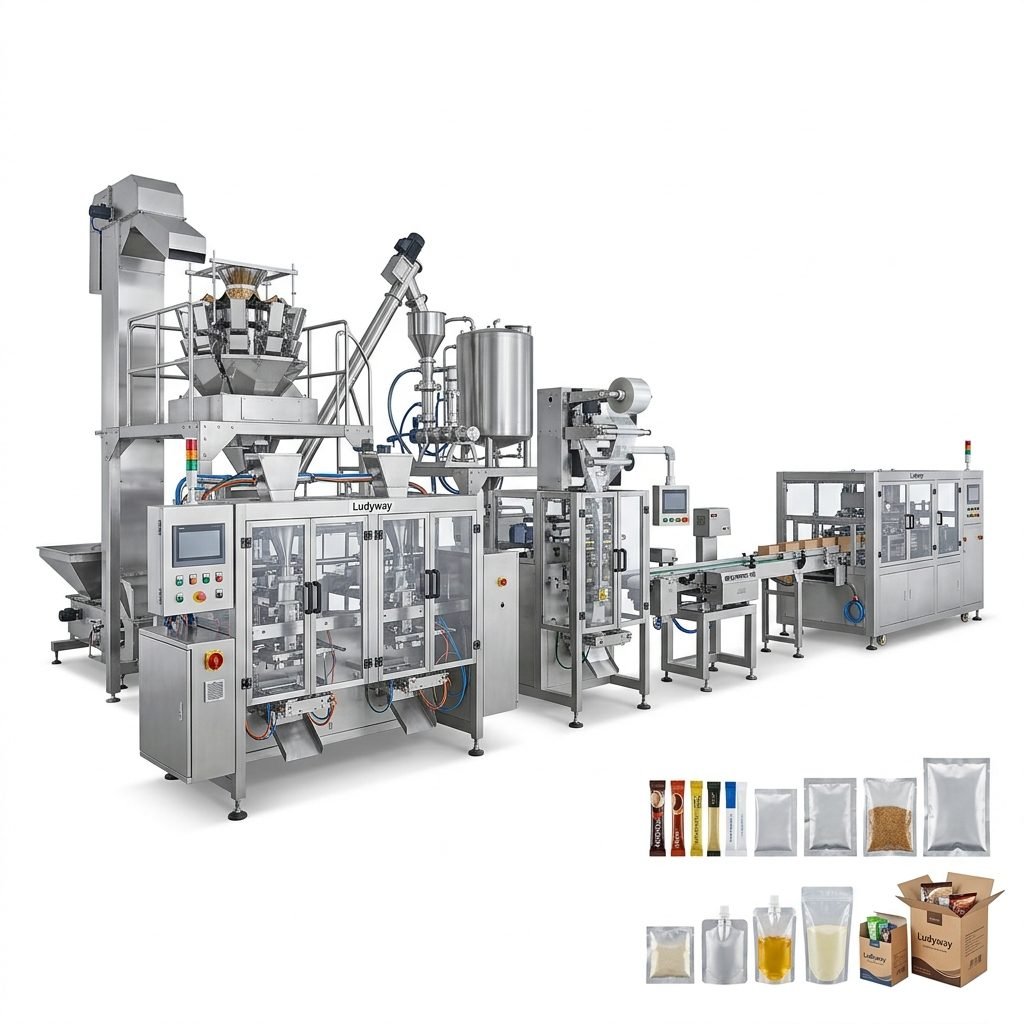
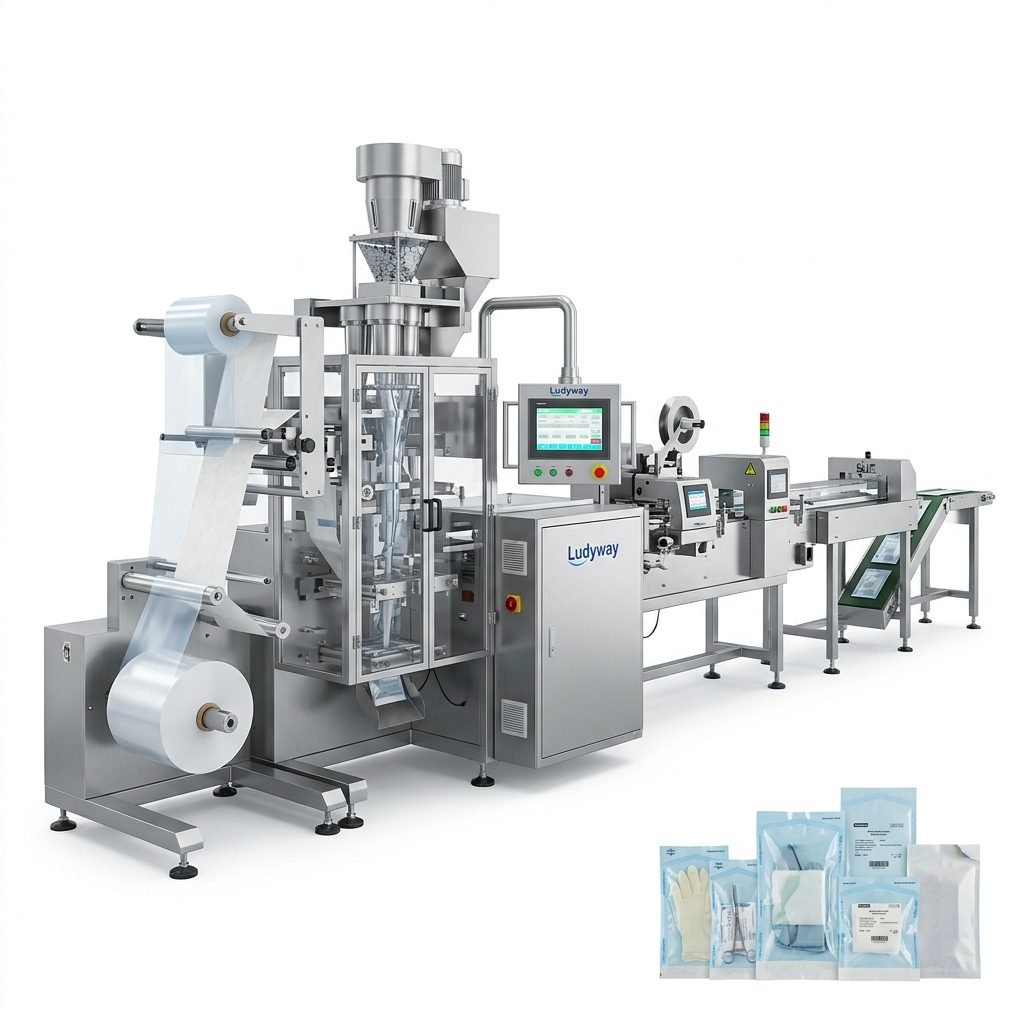
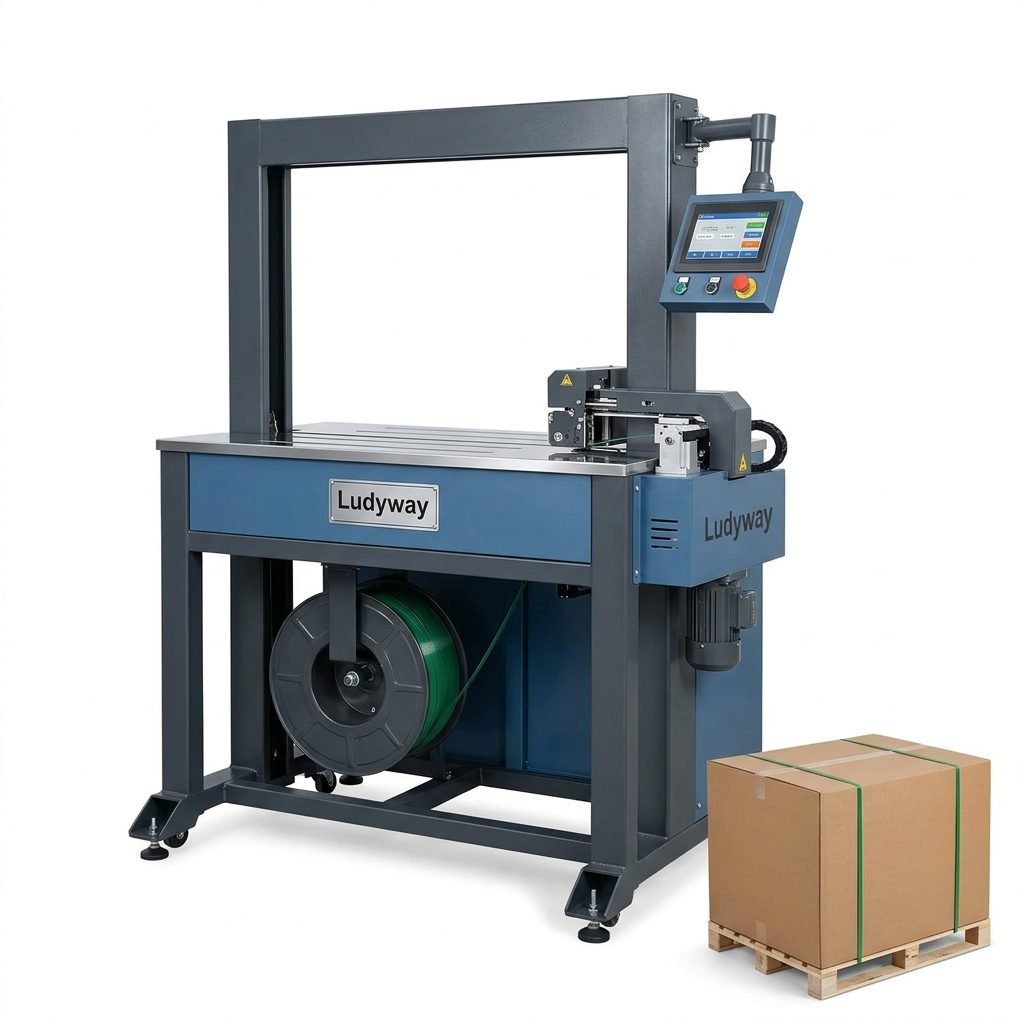
As a result, more businesses are deploying automated packaging lines that combine filling, sealing, coding, inspection, labeling, cartoning, and palletizing functions. These systems allow operators to reduce manual touchpoints while creating a more predictable and scalable workflow.
Key drivers behind the upgrade cycle
- Higher order volumes driven by cross-border online retail growth
- Rising labor costs and ongoing recruitment challenges in distribution centers
- Greater demand for SKU flexibility across food, supplements, cosmetics, and household products
- Need for traceability, coding accuracy, and compliance in regulated sectors
- Pressure to reduce packaging waste and optimize shipping efficiency
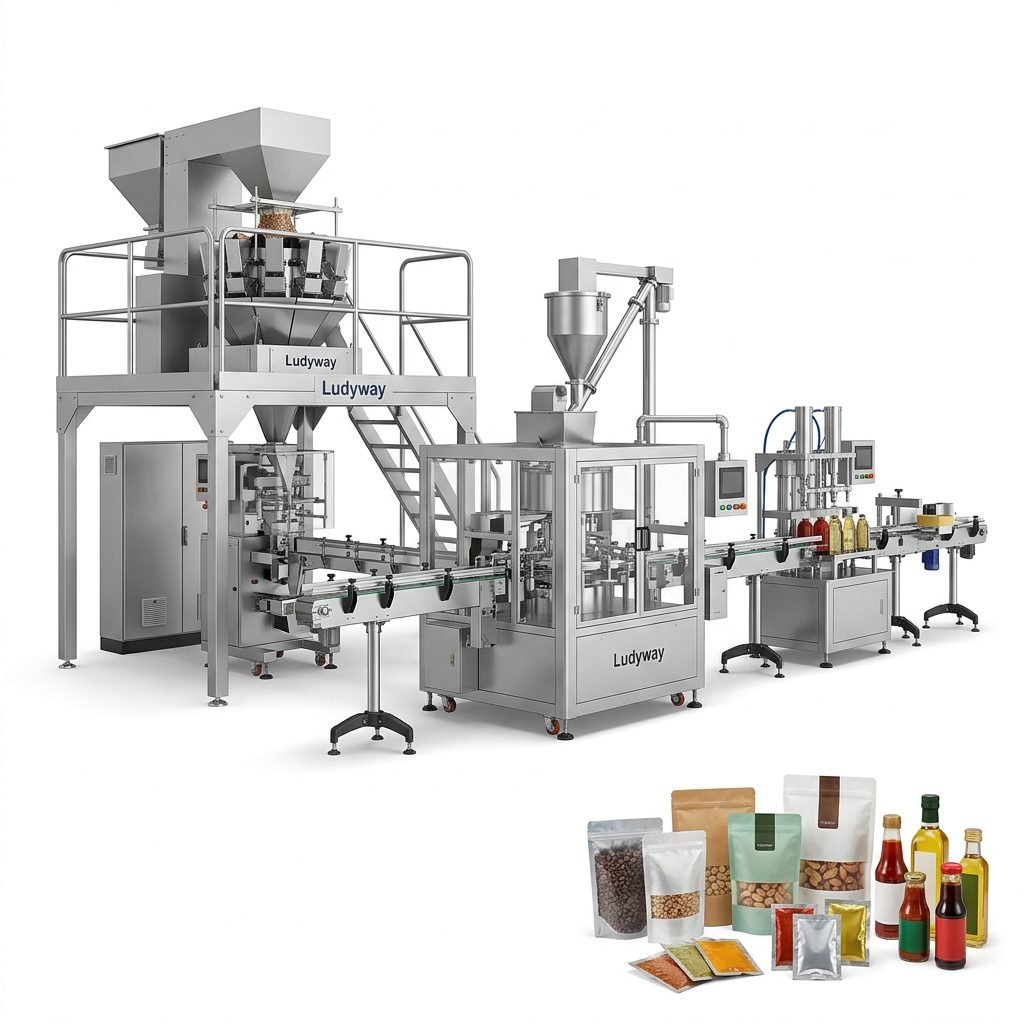
Industry analysts note that packaging automation is especially valuable in operations that must handle powders, granules, liquids, sachets, stick packs, pouches, and secondary cartons within the same facility. In these environments, modular and configurable systems are gaining attention because they can adapt to changing product mixes more effectively than conventional single-purpose equipment.
Where logistics operators are investing
Current procurement activity suggests that e-commerce and contract packing businesses are prioritizing a few core equipment categories. Automated feeding systems, high-speed sachet and stick pack machines, vision inspection units, coding solutions, case packers, and palletizing systems are seeing strong demand. The goal is to build a packaging workflow that supports both speed and consistency from primary pack to outbound shipment.
| Investment Area | Operational Benefit | Why It Matters for E-commerce |
|---|---|---|
| Multi-lane packaging machines | Higher output with stable dosing and sealing | Supports large-volume order cycles and promotional runs |
| Automated coding and labeling | Improved traceability and fewer packing errors | Essential for returns management and order accuracy |
| Cartoning and case packing | Faster secondary packaging and better load uniformity | Speeds up dispatch preparation for multi-channel shipping |
| Inspection and checkweighing | Reduced quality deviations and compliance risks | Protects brand reputation in high-volume online sales |
| Palletizing and end-of-line automation | Lower manual handling and more stable warehousing flow | Improves outbound efficiency during peak seasons |
Turnkey lines gain traction among global buyers
Another notable trend is the rising preference for turnkey packaging projects instead of isolated machine purchases. Buyers are increasingly looking for one supplier that can coordinate system design, machine matching, electrical integration, installation planning, and post-sales technical support. This reduces compatibility issues and shortens the path to production readiness.
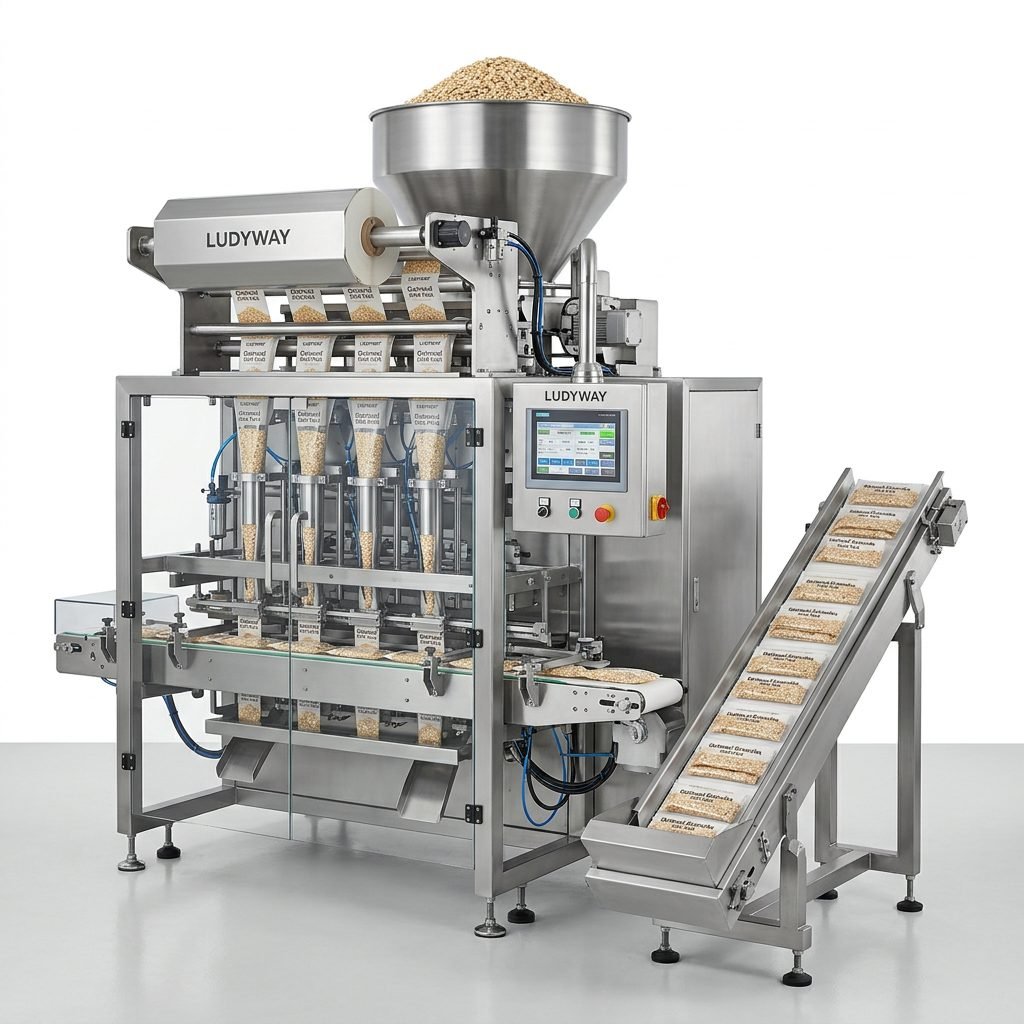
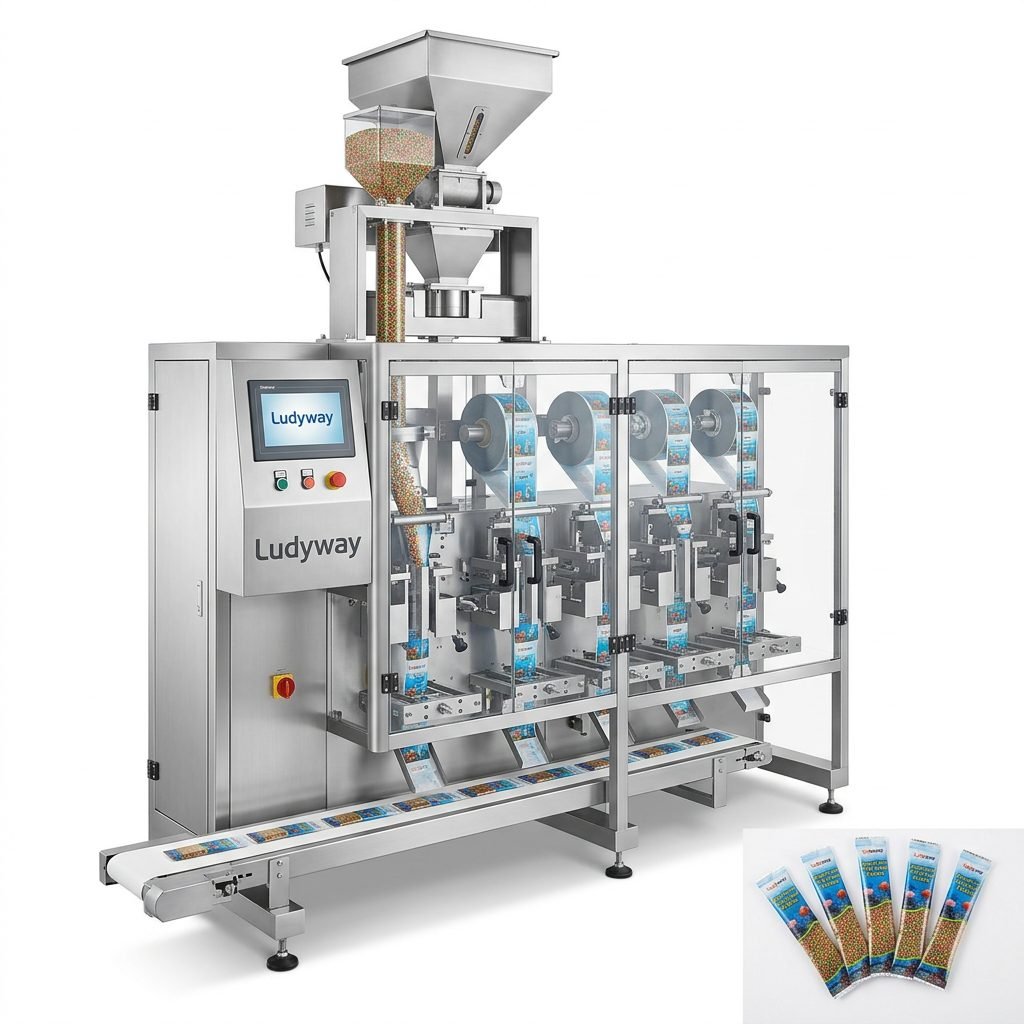
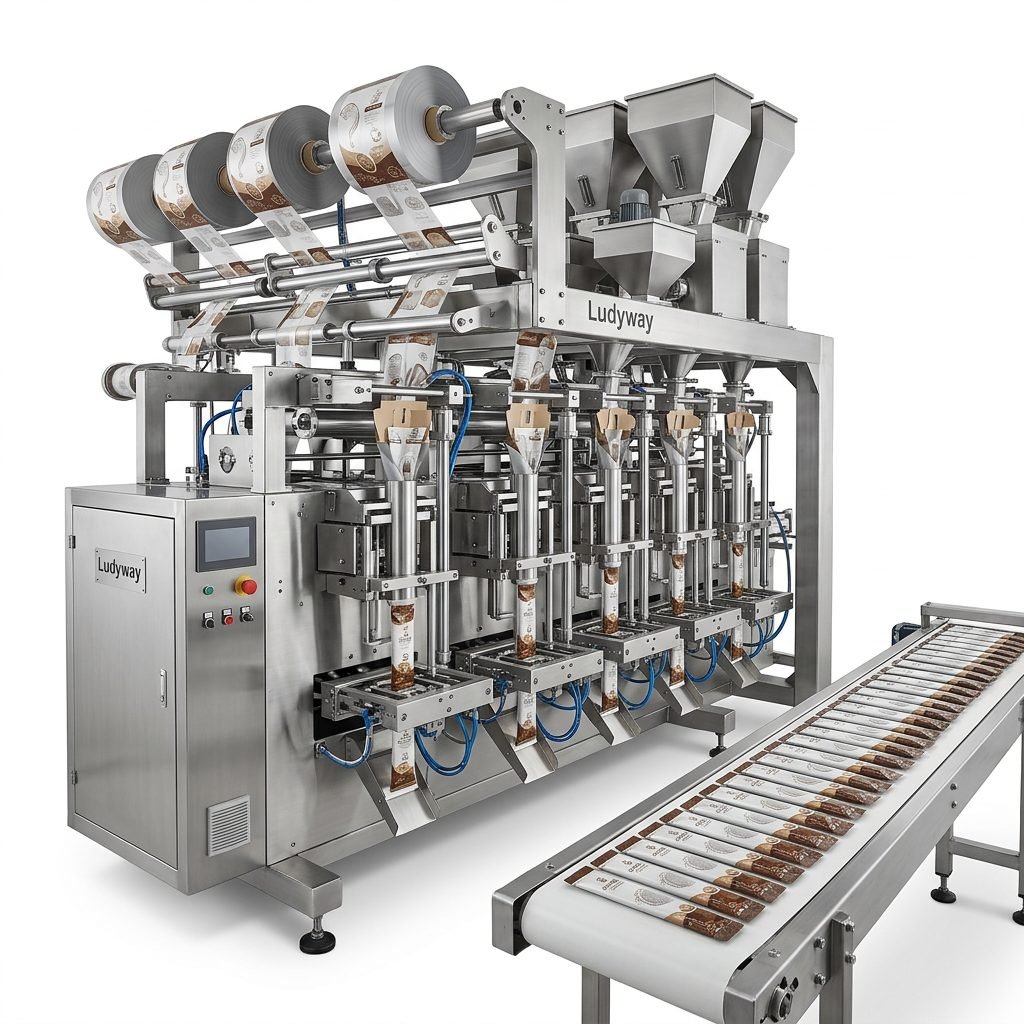
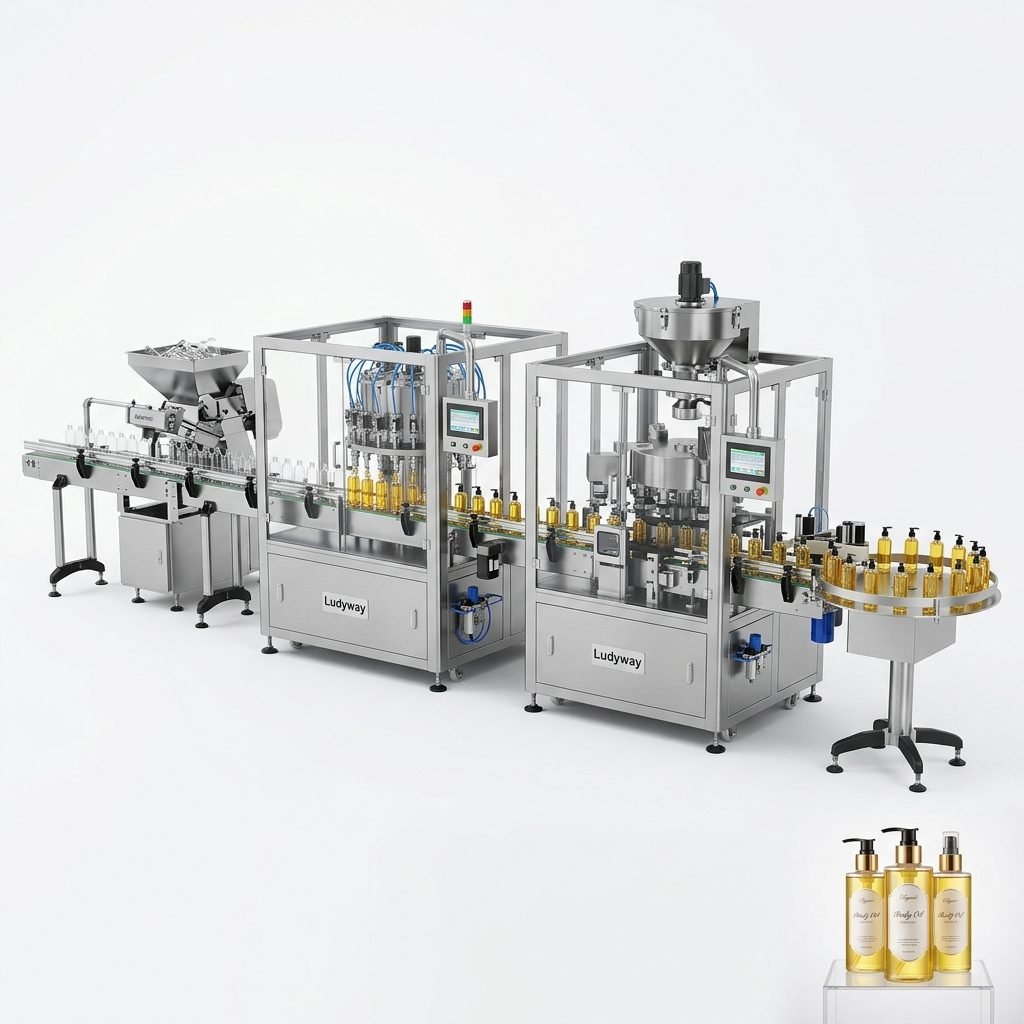
Manufacturers with broad application experience are benefiting from this shift. Companies such as Ludyway are gaining visibility in international markets by offering automatic packaging machinery and complete packaging line solutions for food, pharmaceutical, health supplement, cosmetic, chemical, and pouch-based products. For overseas buyers, the appeal often lies in receiving a more unified engineering solution rather than sourcing multiple systems from different vendors.
What buyers now expect from packaging systems
- Fast changeover between different pack sizes and product formats
- Stable performance during long production runs
- Compatibility with coding, weighing, conveying, and inspection modules
- Remote support and easier maintenance planning
- Room for future expansion as order volume grows
This expectation is shaping equipment development across the industry. Packaging machinery suppliers are now emphasizing modular architecture, digital monitoring, servo control, and smarter HMI interfaces to help factories operate with fewer interruptions.
Packaging automation and sustainability goals are increasingly linked
Beyond speed, automation upgrades are also being justified by sustainability targets. Better dosing accuracy helps reduce product loss. Consistent sealing lowers the risk of leakage and rejected packs. Smarter material handling can decrease unnecessary film use, while optimized secondary packaging improves transport efficiency.
In the e-commerce sector, packaging sustainability matters because shipping cost and environmental impact are now closely connected. Retailers want packages that are secure enough for long-distance transport but not oversized. Automated packaging lines make that balance easier to achieve by maintaining tighter process control.
| Automation Function | Sustainability Impact |
|---|---|
| Precision filling | Less product giveaway and reduced waste |
| Consistent sealing | Fewer damaged packs and fewer returns |
| Automated cartoning | Improved carton usage and transport efficiency |
| Inspection systems | Lower reject rates and better quality assurance |
Sectors showing strong automation demand
Market activity indicates that several verticals are accelerating investments more aggressively than others. These include:
- Food and beverage for seasonings, coffee, drink powders, sauces, and convenience products
- Pharmaceutical and nutraceutical for sachets, stick packs, capsules, and unit-dose applications
- Personal care and cosmetics for creams, serums, lotions, and sample packs
- Household and chemical products for detergents, cleaners, and industrial additives
- Pet nutrition for powders, granules, supplements, and treats
These industries share a common challenge: they need packaging lines that can maintain quality while supporting SKU diversity and rapid response to demand changes. That makes automation more than a productivity tool; it becomes a competitive requirement.
Outlook for the global packaging machinery market
Looking ahead, the next phase of growth will likely center on intelligent integration rather than standalone speed upgrades alone. Buyers are expected to favor systems that connect packaging equipment with ERP, warehouse management, and quality tracking platforms. Real-time production visibility, predictive maintenance, and flexible line balancing will become more important as e-commerce logistics networks continue to expand.
For manufacturers, distributors, and fulfillment providers, the message is clear: packaging automation is moving from optional capital expenditure to core operational infrastructure. Businesses that upgrade early are more likely to gain advantages in cost control, order accuracy, shipping performance, and long-term scalability.
Industry momentum remains strong, and packaging line modernization is set to play a central role in how global e-commerce logistics adapts to the next wave of demand.