Global green packaging certification systems are entering a new phase of alignment as regulators, brand owners, retailers, and packaging suppliers seek a more unified framework for measuring sustainability performance. Across food, pharmaceutical, personal care, and industrial markets, certification bodies are gradually moving away from fragmented regional definitions and toward shared criteria for recyclability, material safety, carbon impact, traceability, and end-of-life recovery.
The shift is being driven by several market realities. First, multinational consumer brands increasingly sell the same products in multiple regions, making inconsistent packaging rules expensive and operationally complex. Second, investors and procurement teams now demand clearer sustainability evidence rather than broad environmental claims. Third, consumers have become more alert to labels that communicate whether a package is genuinely recyclable, compostable, reusable, or made with verified recycled content.
Why Standardization Is Accelerating
For years, companies navigated a patchwork of eco-labels and certification schemes, each using different benchmarks. That created confusion not only for manufacturers, but also for distributors, retailers, and end users. A package approved in one market could still face compliance barriers in another. Standardization is now gaining support because it offers a more practical path for global trade.
- Reduced compliance complexity: One packaging concept can be evaluated against more comparable sustainability rules.
- Improved consumer trust: Consistent claims make labels easier to understand.
- Better procurement efficiency: Buyers can compare suppliers using clearer sustainability indicators.
- Stronger reporting quality: ESG and carbon disclosures become more measurable and defensible.
Key Areas Where Certification Bodies Are Converging
While no single global system has fully replaced local standards, industry observers are seeing convergence in several core assessment areas. These categories are becoming the common language of green packaging compliance.
| Assessment Area | What It Typically Covers | Why It Matters |
|---|---|---|
| Material Composition | Single-material structures, recycled content, chemical safety | Supports recyclability and safer waste handling |
| Recyclability | Sorting compatibility, recovery potential, local infrastructure fit | Improves actual circularity outcomes |
| Carbon Footprint | Lifecycle emissions, production efficiency, transport impact | Helps brands meet climate reporting targets |
| Compostability or Biobased Claims | Industrial composting performance, degradation criteria, feedstock origin | Prevents misleading green marketing |
| Traceability | Chain of custody, sourcing documentation, audited supplier data | Builds accountability across supply chains |
Impact on Packaging Manufacturers and Converters
For packaging manufacturers, the move toward standardized certification means sustainability can no longer remain a separate marketing discussion. It is becoming an engineering and production issue. Film structures, sealing quality, filling precision, waste reduction, energy use, and line flexibility all influence whether a package can meet green certification expectations at scale.
In practice, this is pushing companies to redesign both materials and machinery workflows. High-efficiency equipment, reduced material loss, accurate dosing, and better compatibility with recyclable formats are increasingly important. Manufacturers supplying food and pharmaceutical sectors face especially high pressure, because sustainability targets must be balanced with strict hygiene, barrier, and product protection requirements.
Operational Changes Now Seen Across the Industry
- Higher adoption of mono-material and lightweight packaging formats
- Growing interest in digital traceability and batch-level sustainability records
- Equipment upgrades to reduce scrap and improve sealing consistency
- More supplier audits focused on verified environmental performance
- Closer cooperation between packaging material suppliers and machine builders
Retailers and Brand Owners Are Raising the Bar
Large retail groups and international brands are playing a major role in this transition. Many have already introduced supplier scorecards tied to packaging recyclability, recycled content, and carbon reduction. As a result, packaging certifications are increasingly being used not just for compliance, but also for supplier qualification and product listing decisions.
This means a packaging supplier that can demonstrate documented sustainability performance may gain a faster route into long-term supply programs. It also means weak or inconsistent certification claims are likely to face deeper scrutiny. In the next stage of market development, verified data will matter more than broad environmental messaging.
What Buyers Should Watch in 2026 and Beyond
Buyers sourcing packaging equipment, packaging lines, or certified packaging materials should look beyond whether a product simply carries an eco-label. The more important question is whether that certification aligns with global customer expectations and future regulatory direction.
| Buyer Focus | Recommended Checkpoint |
|---|---|
| Certification credibility | Confirm third-party validation and audit scope |
| Material compatibility | Check whether the packaging line supports recyclable or downgauged materials |
| Export readiness | Assess whether standards align across Europe, North America, and other target markets |
| Data transparency | Request measurable lifecycle, waste, and efficiency data |
| Scalability | Ensure sustainable packaging can be produced consistently in commercial volumes |
Technology Suppliers Also Have a Growing Role
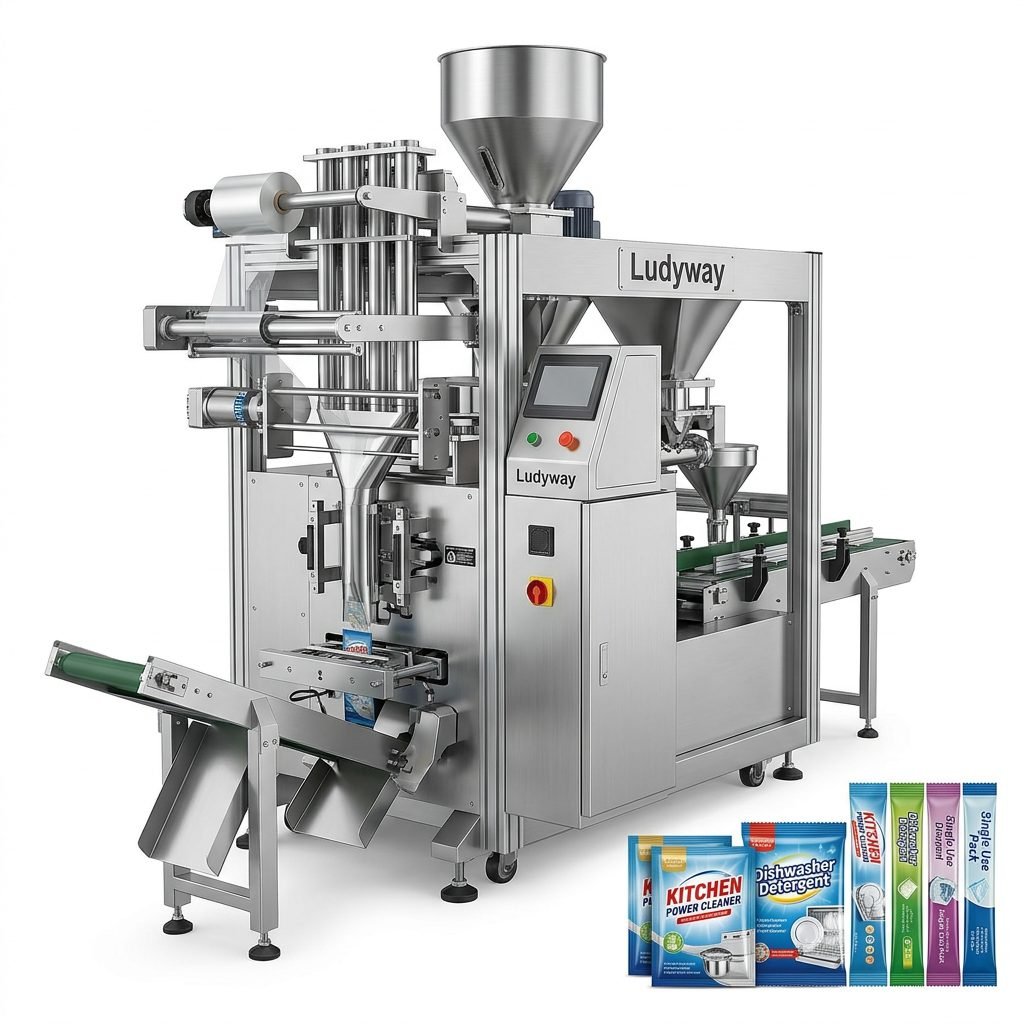
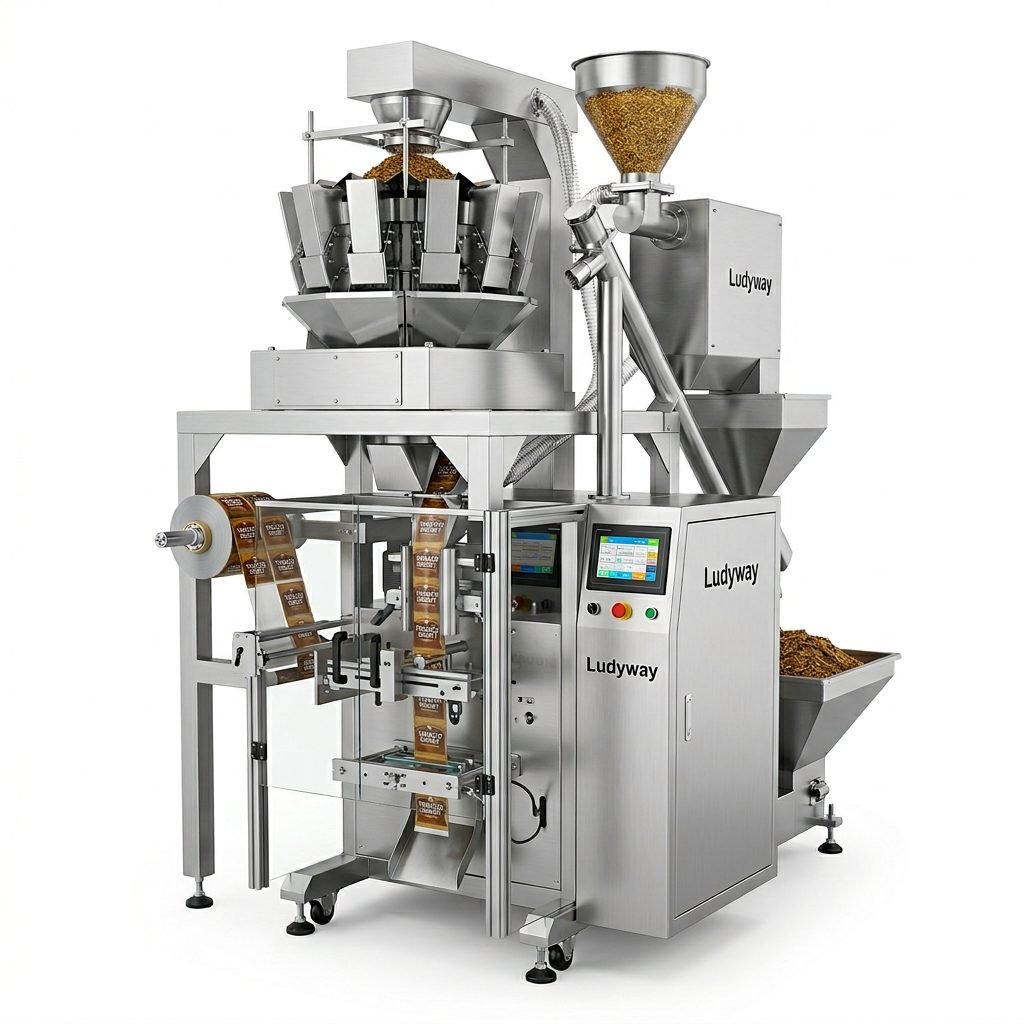
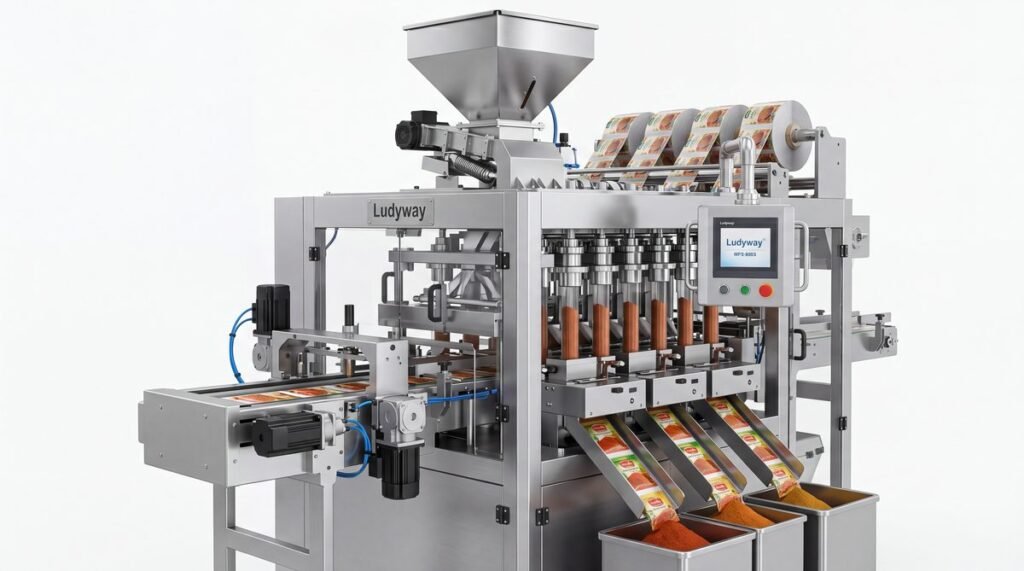
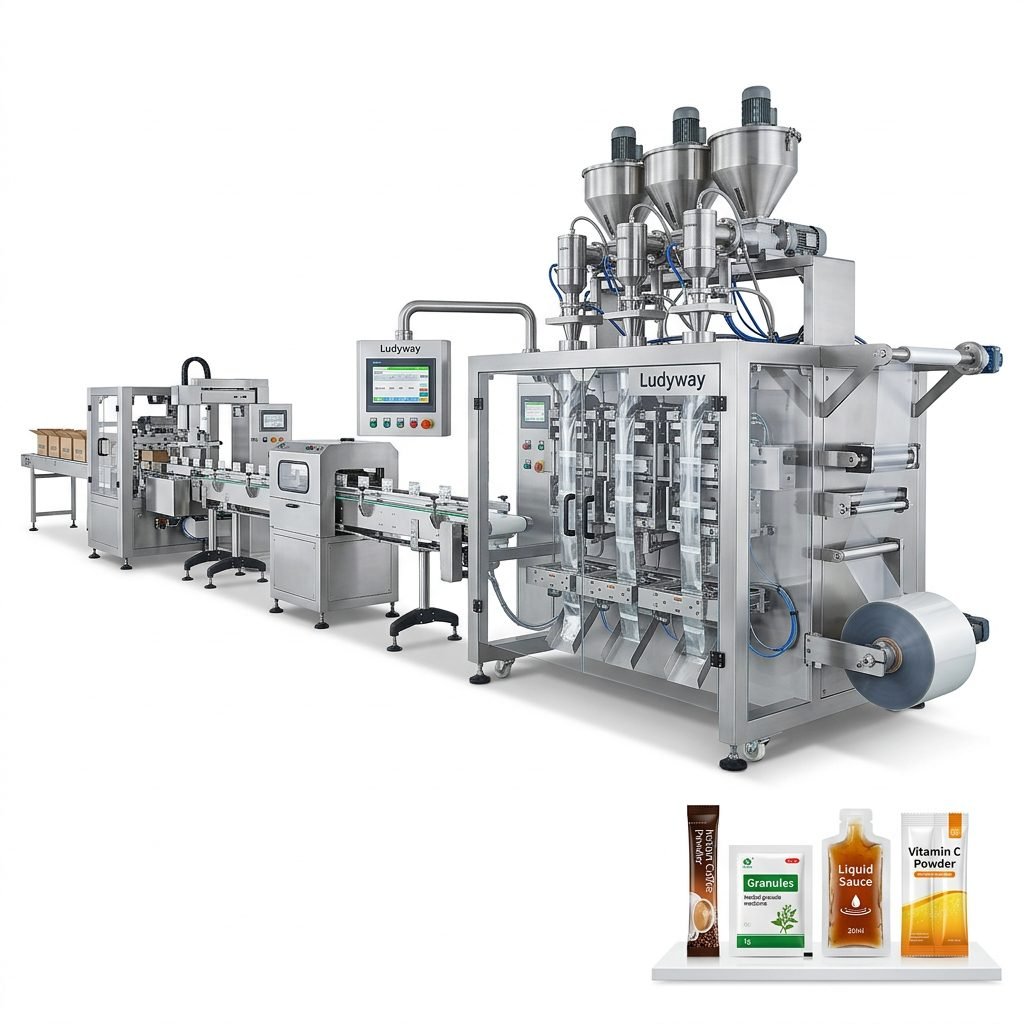
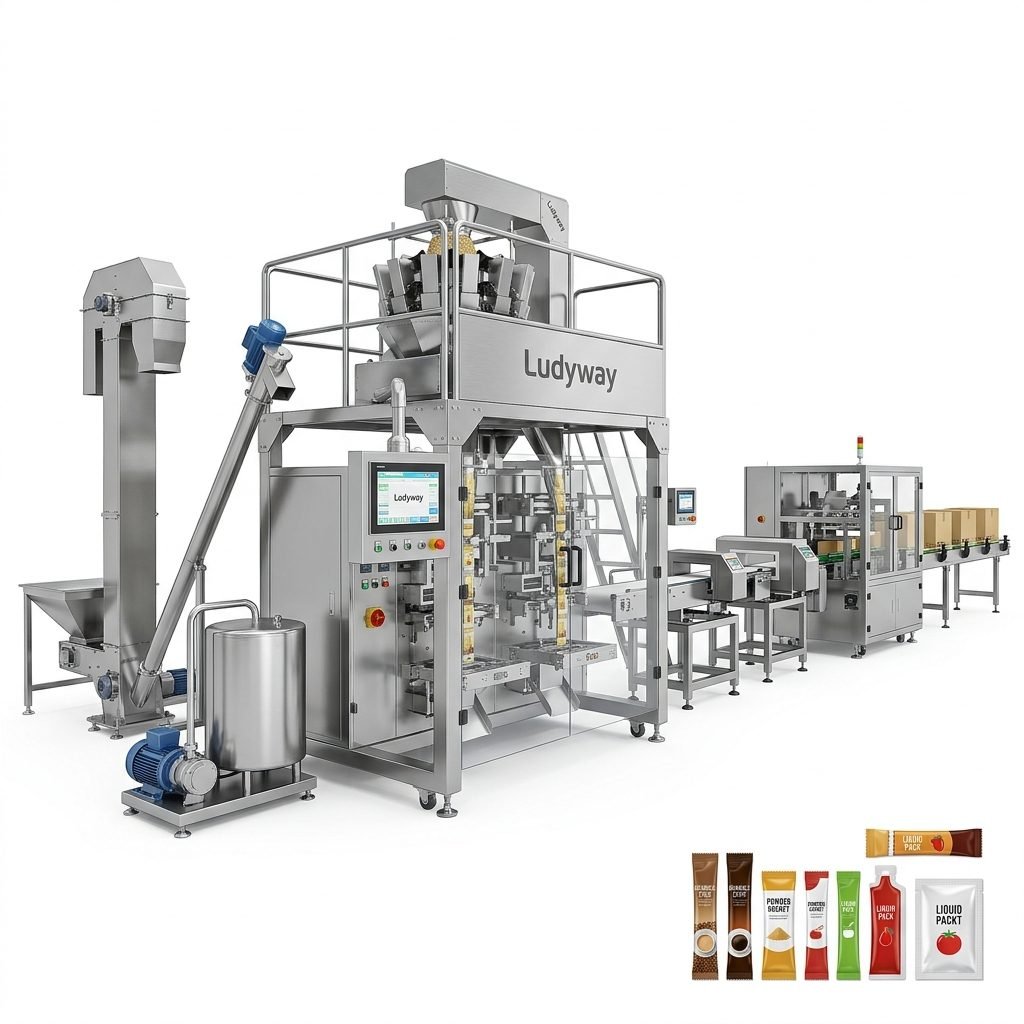
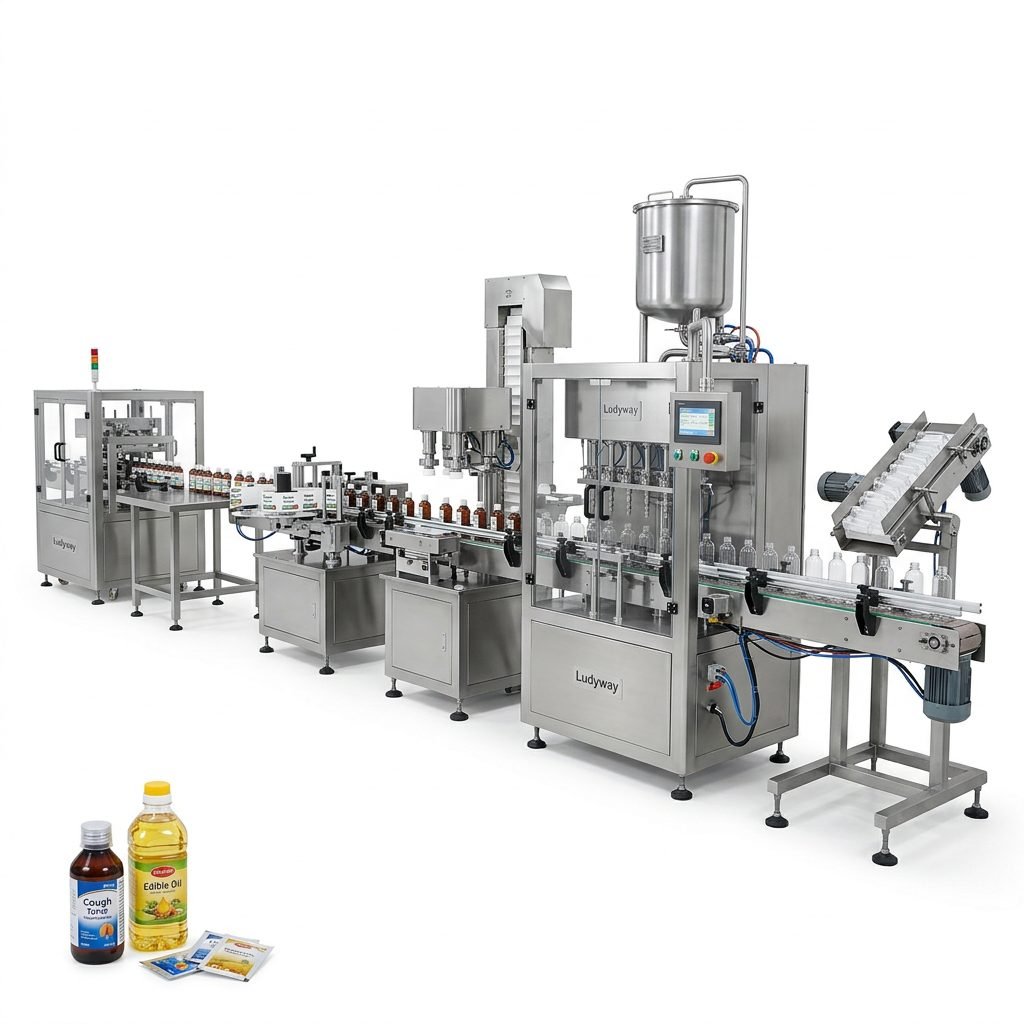
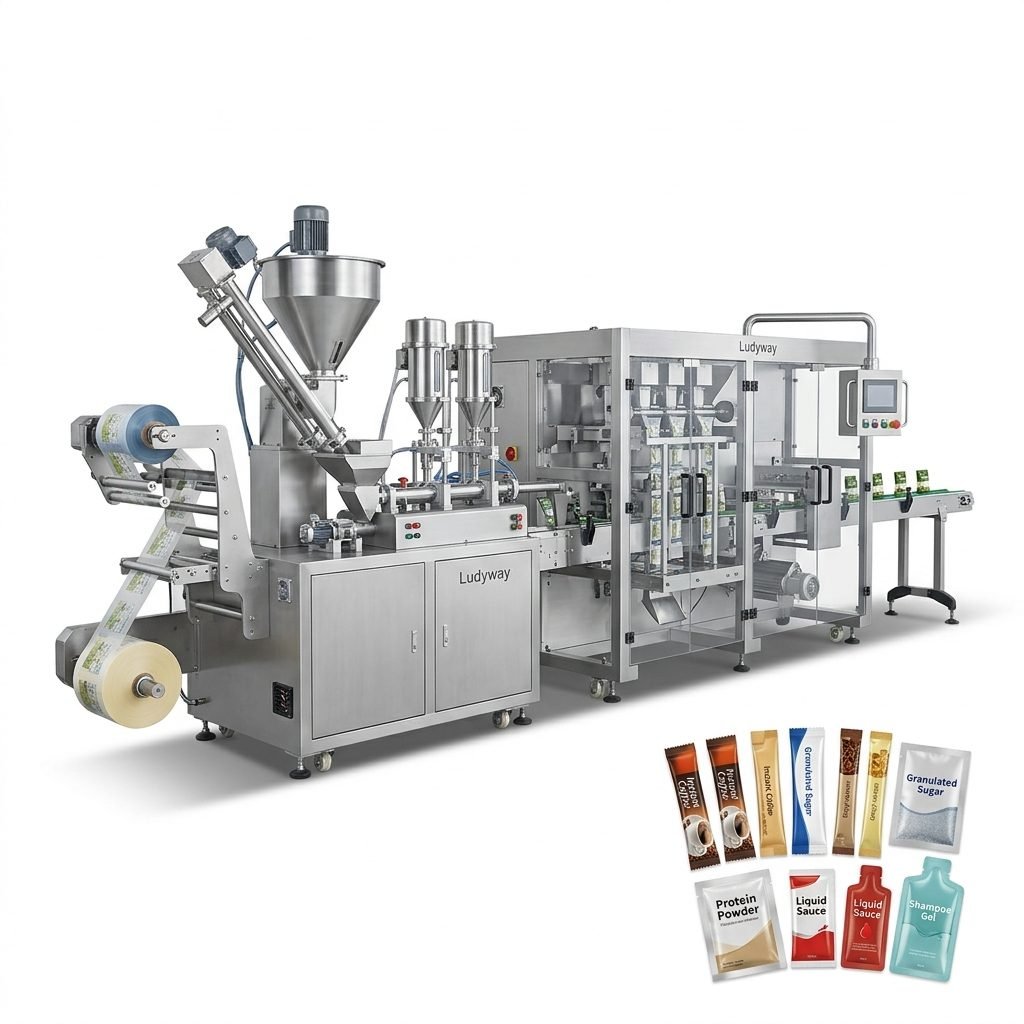
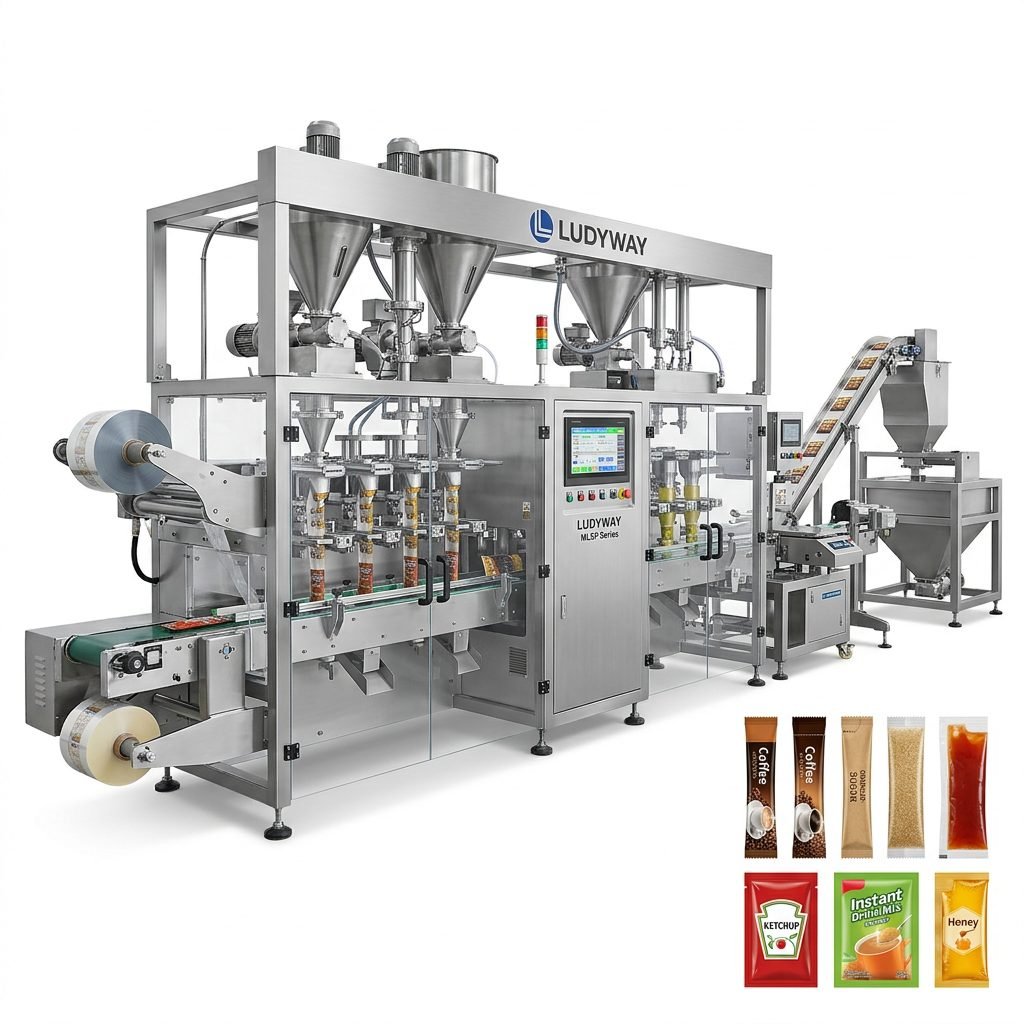
As standards become more unified, packaging machinery suppliers are expected to support the transition with more adaptable production systems. Lines capable of handling powders, granules, liquids, sachets, stick packs, pouches, and other flexible formats will be especially valuable where brands are testing new low-impact materials or redesigning pack structures for certification compliance.
Companies such as Ludyway are part of a broader manufacturing segment responding to this trend by offering packaging automation and turnkey line solutions for food, pharmaceutical, health supplement, and related industries, where sustainability, efficiency, and packaging consistency must increasingly work together.
Industry Outlook
The global packaging market is not yet operating under one universal green certification system, but the direction is clear. Certification frameworks are moving toward greater comparability, stronger auditing, and more practical application across borders. For the industry, this is less about replacing every local rule and more about establishing a shared baseline for what sustainable packaging should mean.
Over the coming years, companies that invest early in certified materials, traceable processes, and compatible packaging technology are likely to be better positioned for export growth, retailer acceptance, and long-term compliance. In a market where sustainability claims are being examined more closely than ever, standardization is quickly becoming a competitive advantage rather than a voluntary extra.