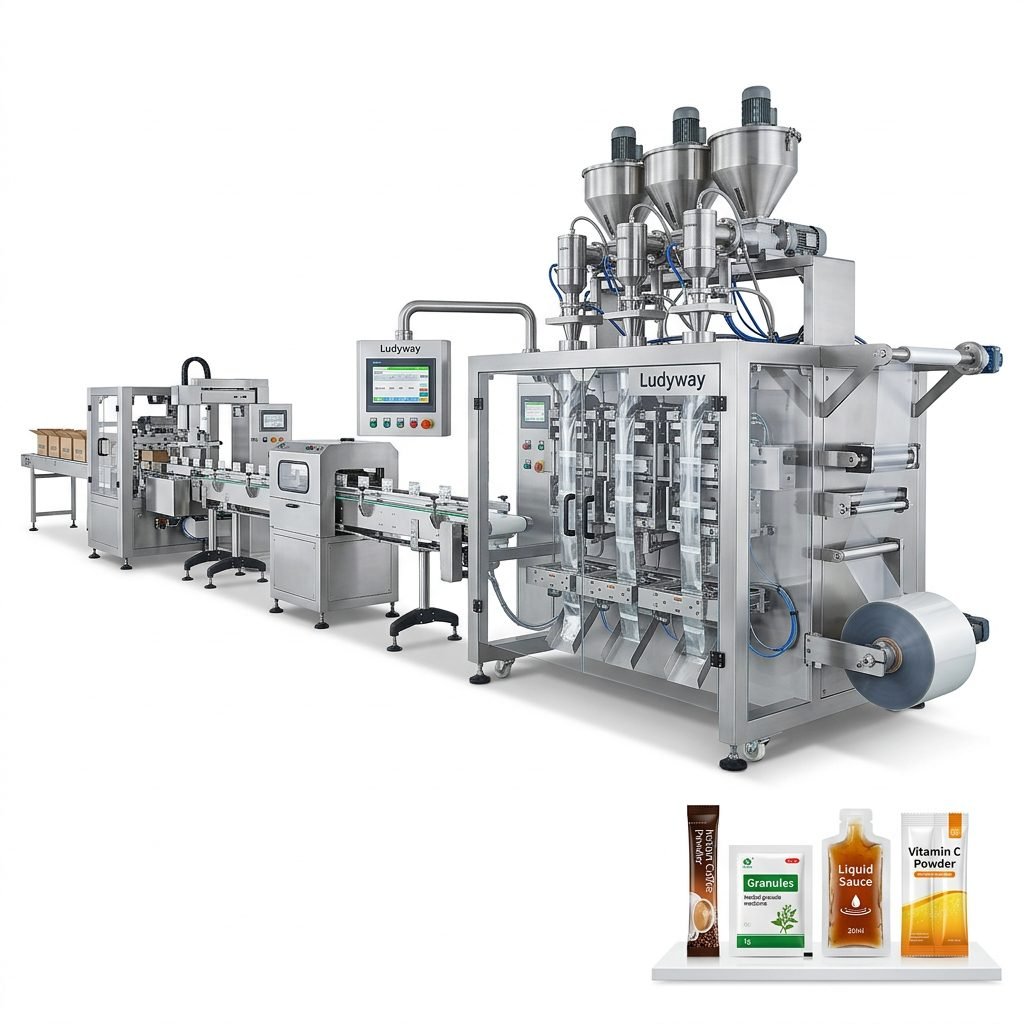
Remote control technology is rapidly reshaping the global packaging machinery industry, helping manufacturers, plant managers, and brand owners respond faster to operational issues, lower service costs, and maintain production continuity across borders. As packaging lines become more automated and digitally connected, remote access is no longer viewed as an optional feature. It is increasingly becoming a practical requirement for companies seeking higher uptime, smarter maintenance, and scalable international support.
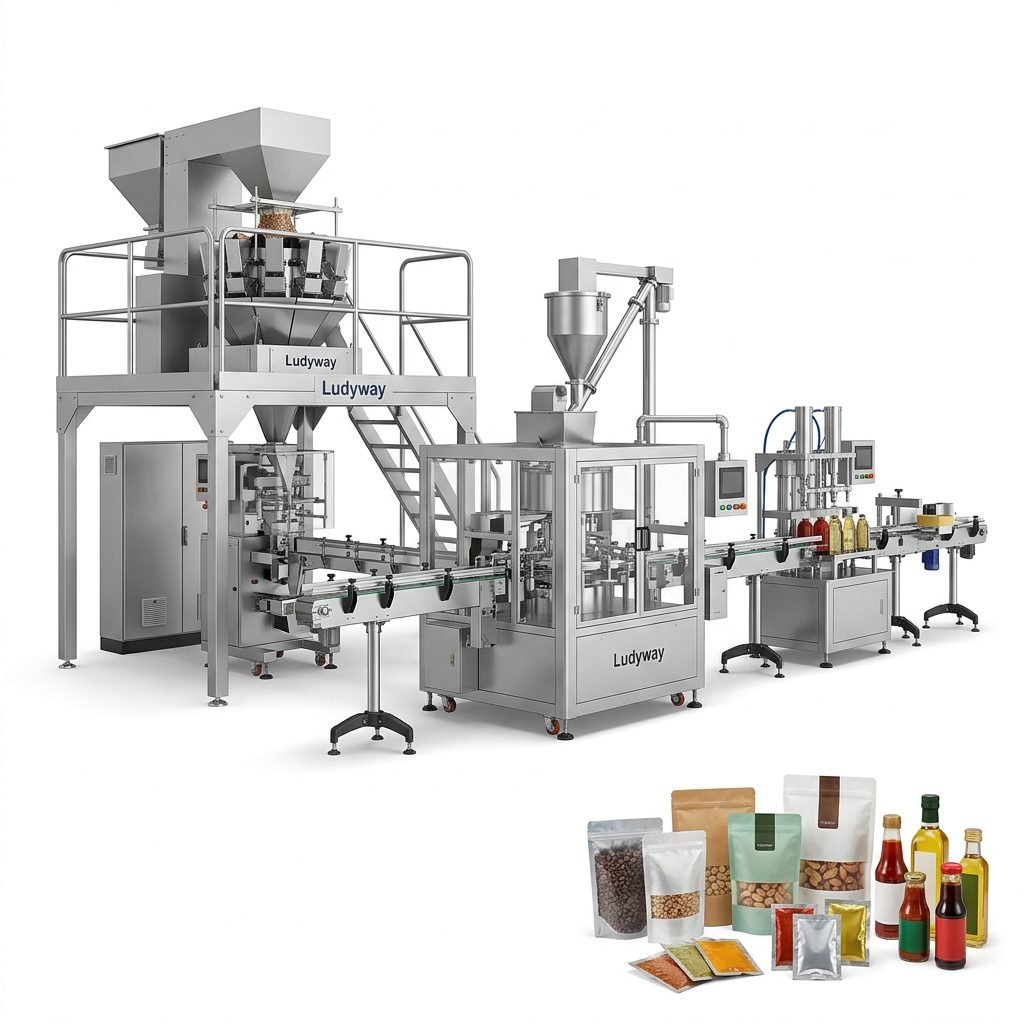
Why Remote Control Is Gaining Momentum
In today’s packaging environment, downtime can have immediate consequences for delivery schedules, labor planning, and product quality. Remote control systems allow engineers to diagnose alarms, adjust parameters, review machine performance, and support commissioning without always being physically present on site. This is especially valuable for export-oriented machinery users operating in food, pharmaceutical, health supplement, cosmetics, and chemical sectors.
The growing demand is being driven by several market realities:
- Faster after-sales response for international customers
- Reduced travel time and service expenses
- Better production visibility for multi-site operations
- Improved preventive maintenance planning
- Higher flexibility during installation, testing, and line optimization
A Strategic Shift for Global Packaging Equipment Buyers
For many buyers, machine performance is no longer evaluated only by speed, filling accuracy, or sealing consistency. Decision-makers now also assess how easily equipment can be monitored, supported, and updated after installation. Remote control capability adds a new layer of value because it helps bridge the physical distance between the machinery supplier and the customer’s production floor.
This trend is especially visible in projects involving:
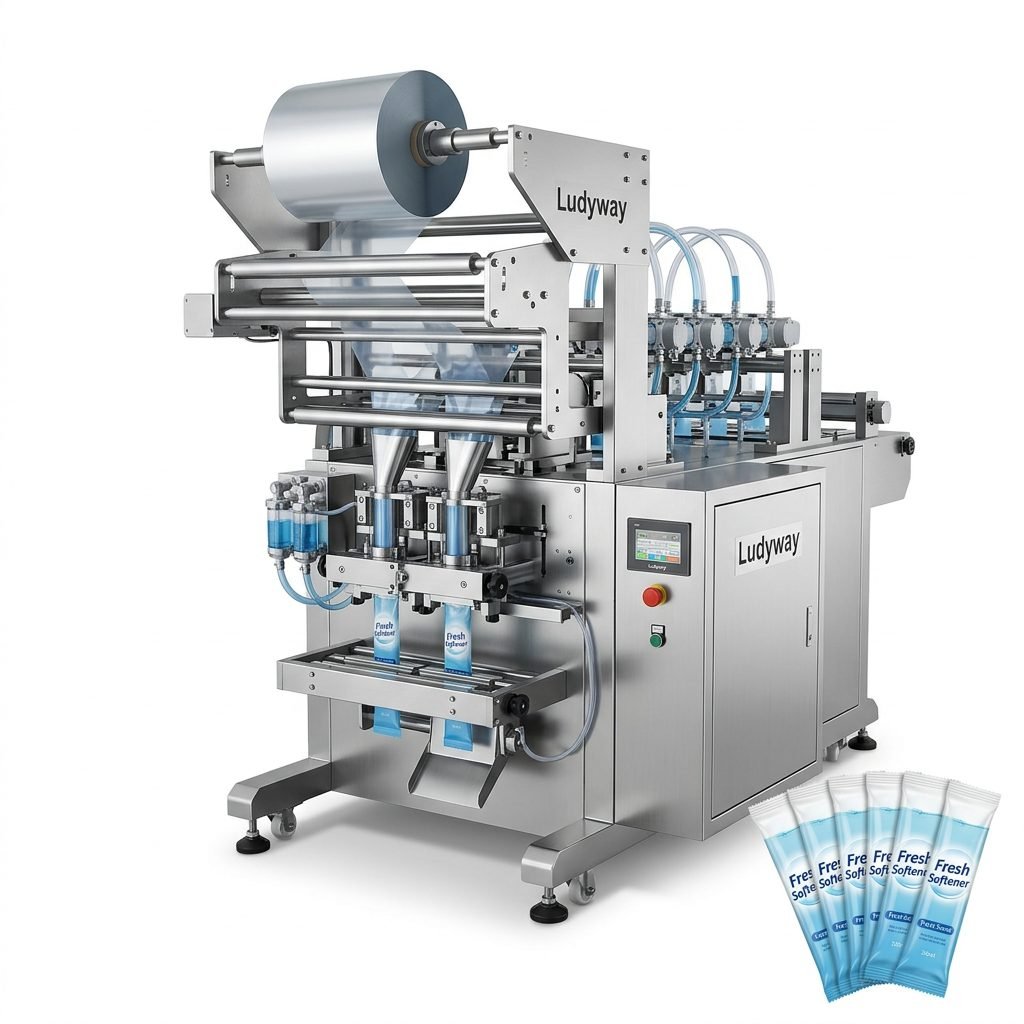
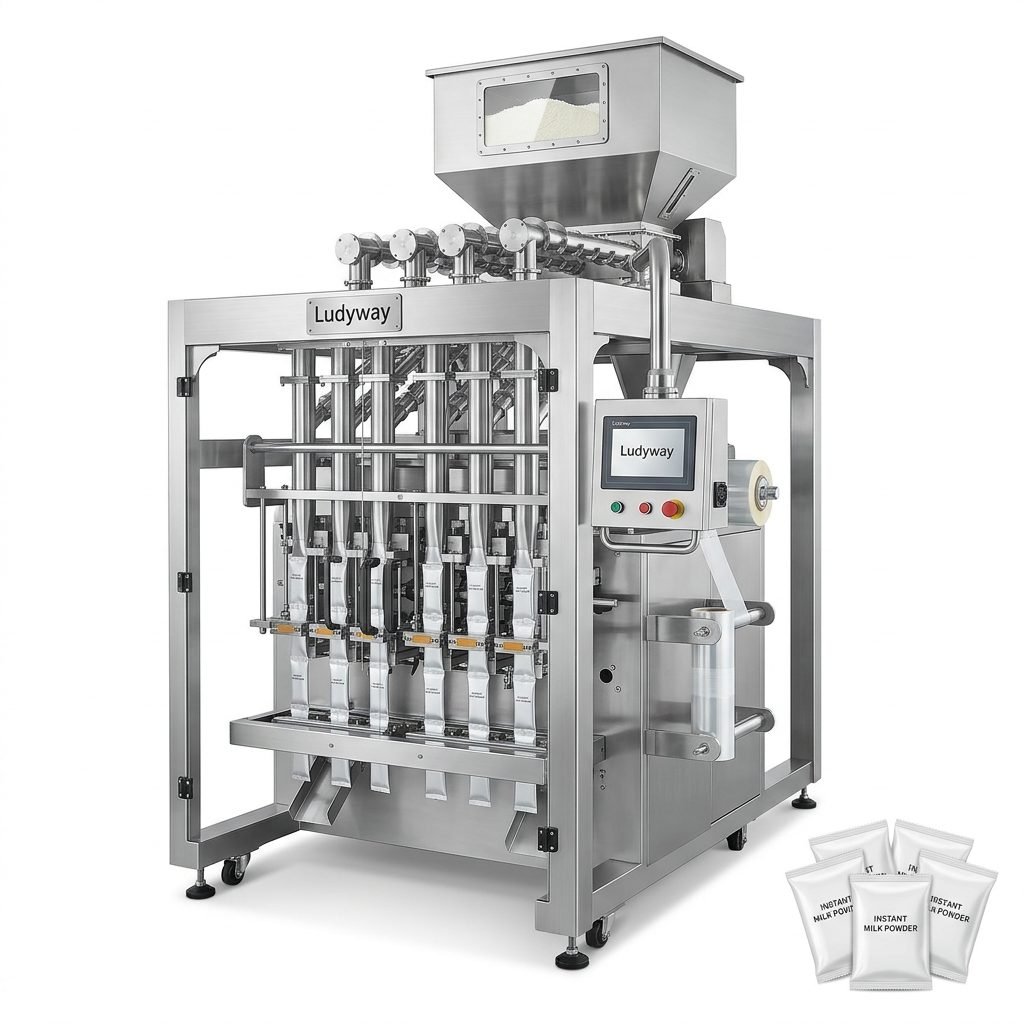
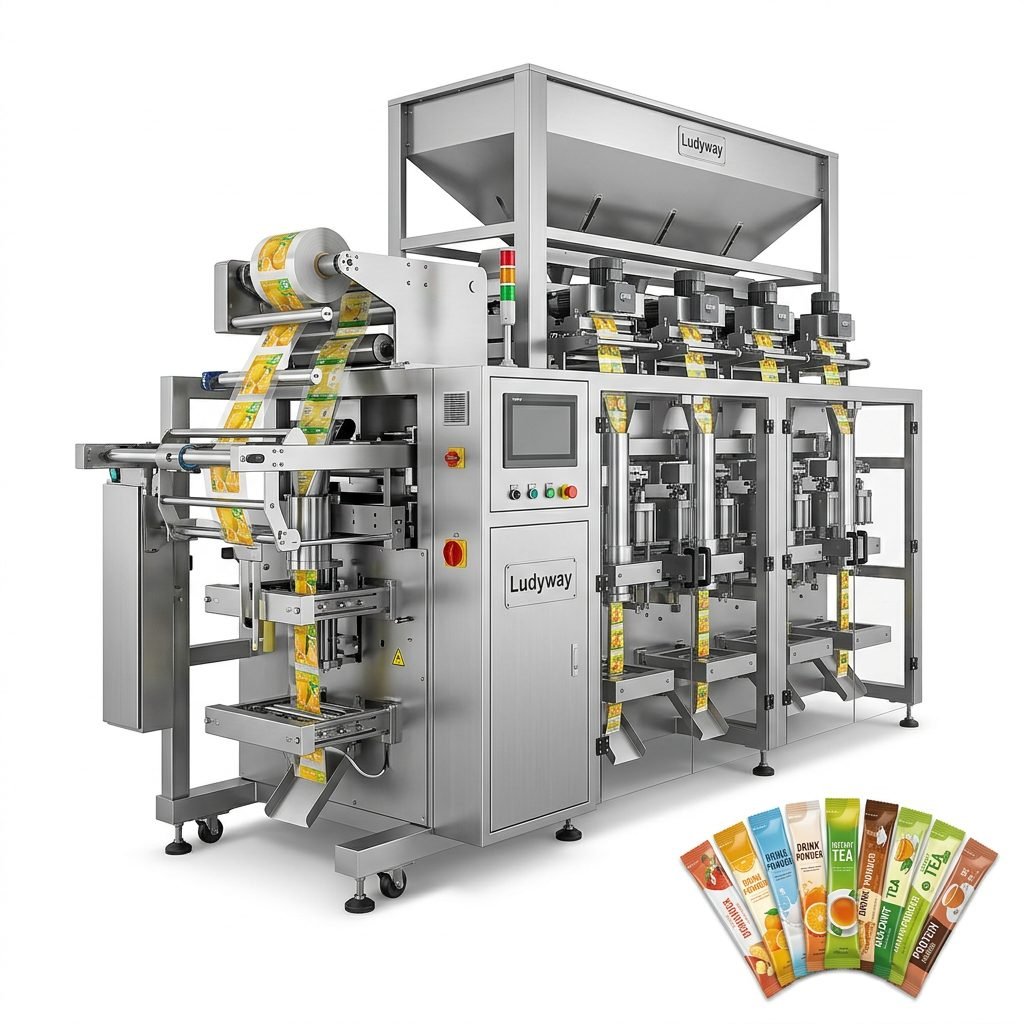
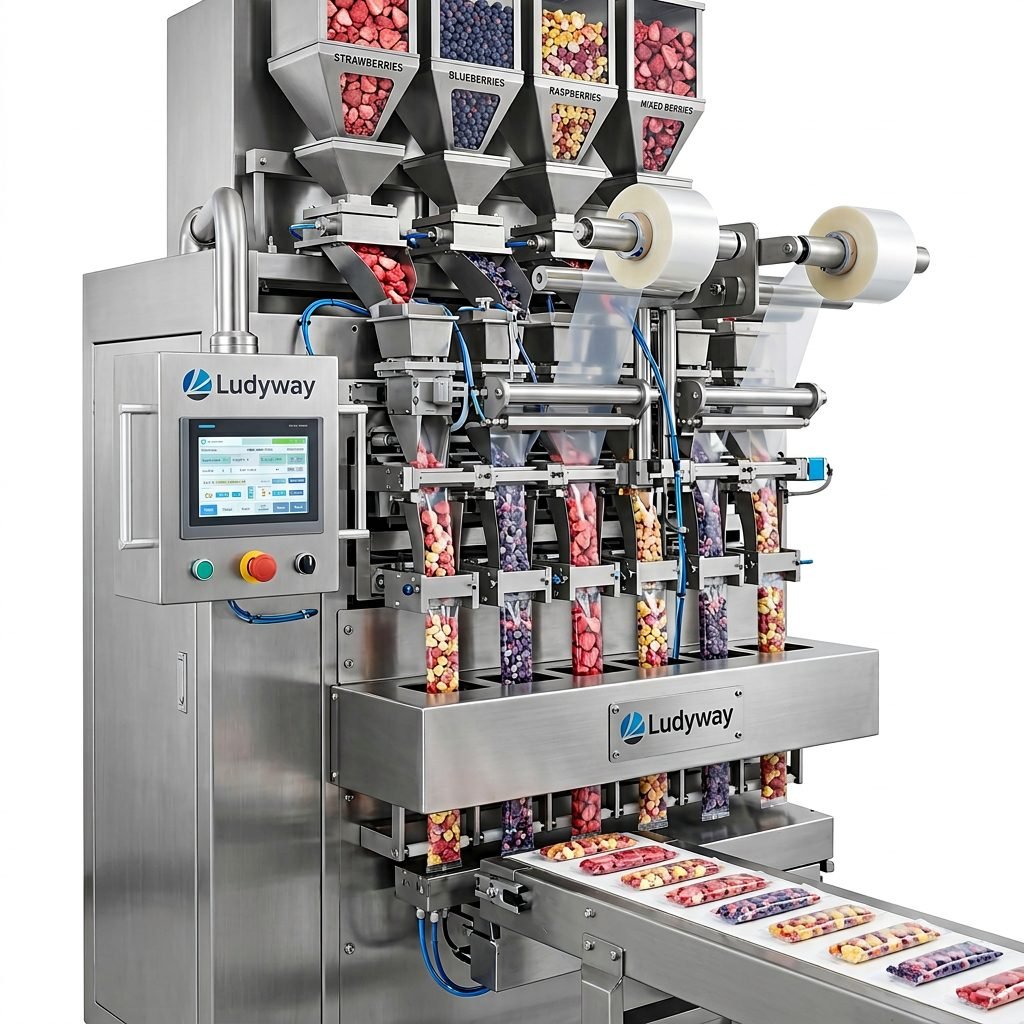
- Multi-lane stick pack and sachet packaging lines
- Automatic powder, granule, liquid, and paste filling systems
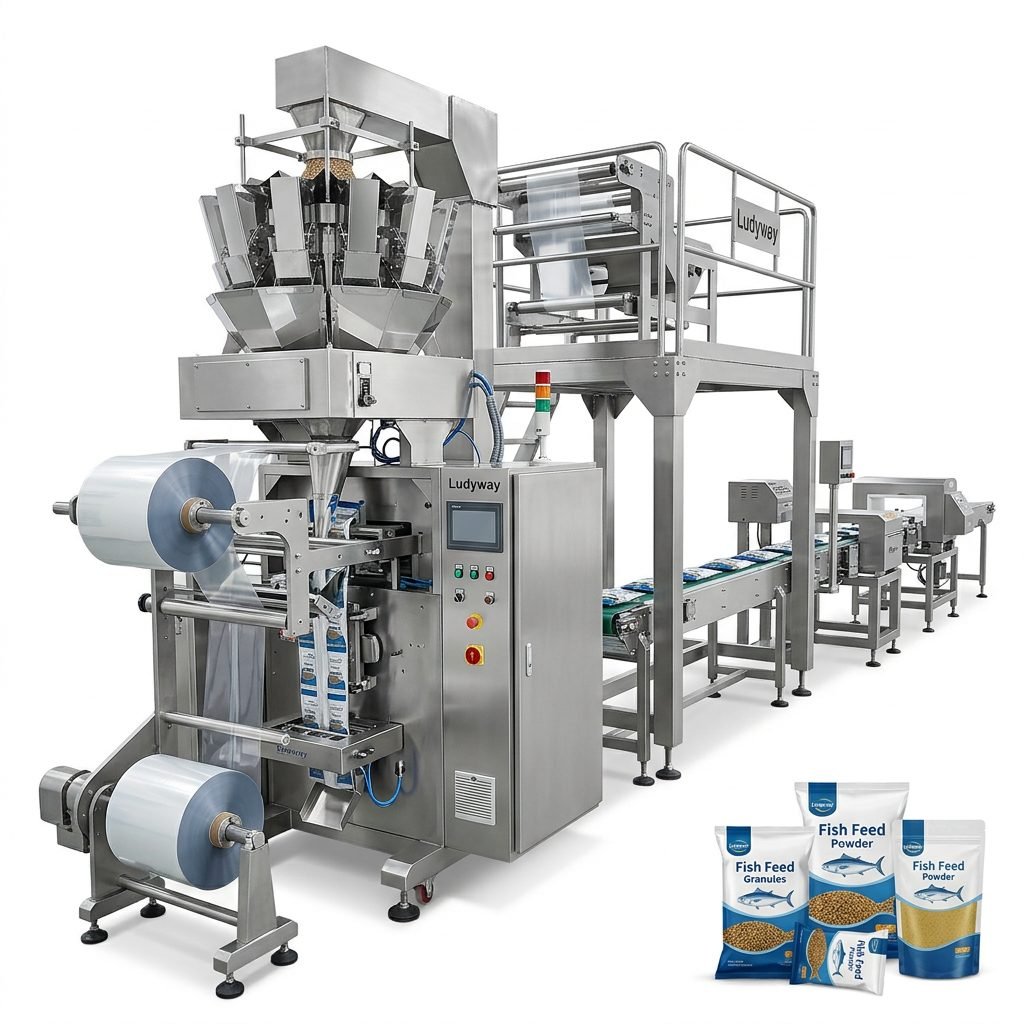
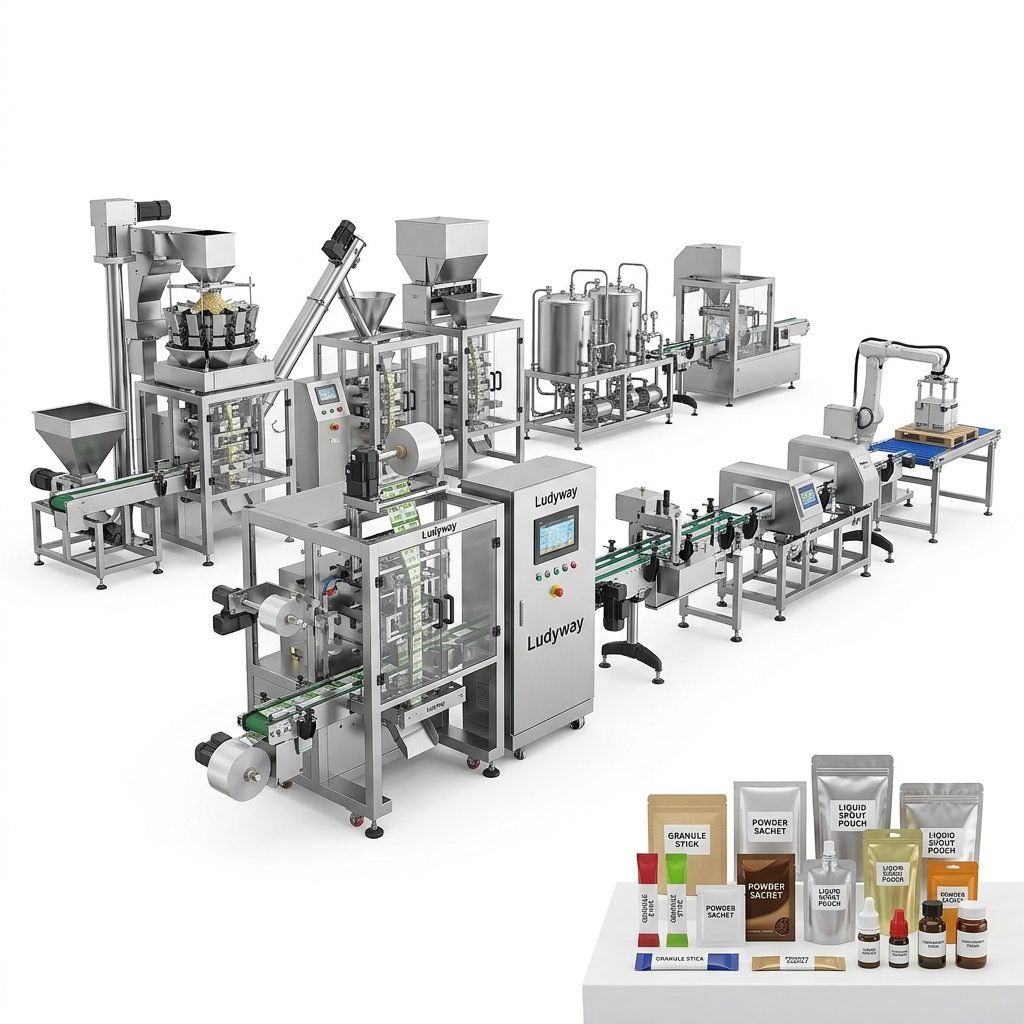
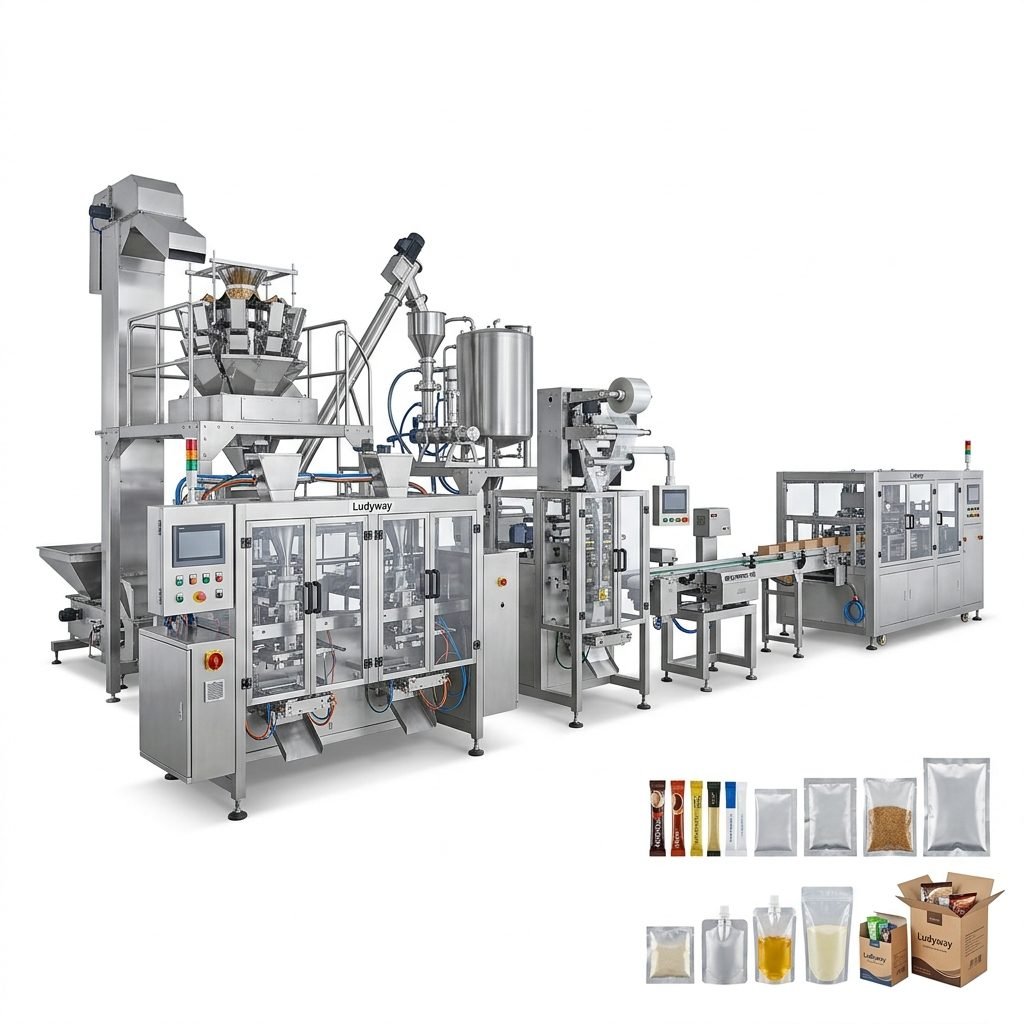
- Turnkey packaging lines integrated with conveyors, checkweighers, coding, cartoning, and palletizing units
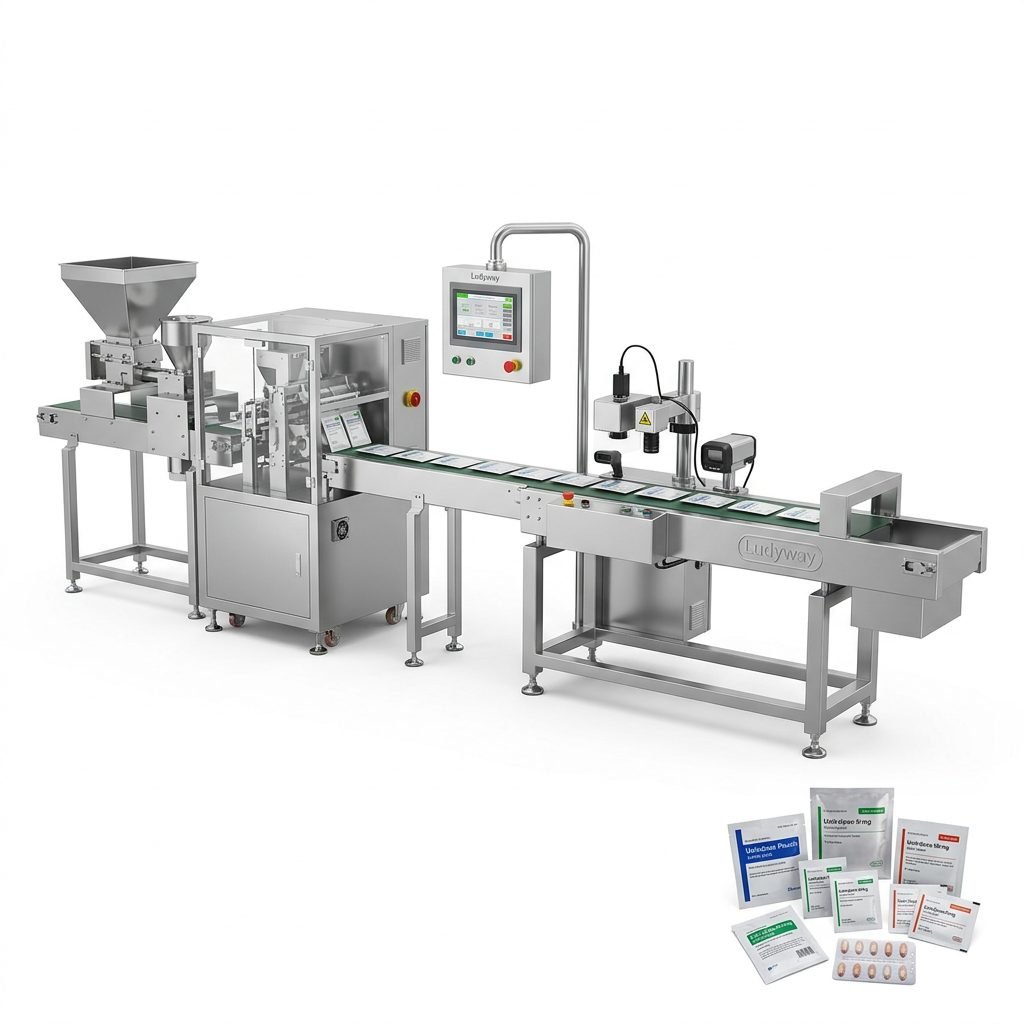
- Regulated production environments requiring stable process control and traceable support records
Key Functions of Modern Remote Control Systems
Remote packaging line management is evolving beyond simple fault viewing. Newer systems are designed to support a much broader range of production and technical tasks.
| Function | Operational Benefit |
|---|---|
| Remote diagnostics | Speeds up troubleshooting and reduces unplanned downtime |
| Parameter adjustment | Supports faster product changeovers and process optimization |
| Software updates | Improves machine logic, stability, and feature expansion |
| Performance monitoring | Helps track output, alarms, and efficiency trends in real time |
| Remote training support | Improves operator confidence and standardizes machine use |
Impact on Food, Pharma, and Health Supplement Packaging
Industries with tighter quality requirements are among the fastest adopters of remote-enabled packaging equipment. Food producers need stable packaging quality and efficient batch switching. Pharmaceutical companies need reliable process control and minimized line interruption. Health supplement brands often launch products in multiple packaging formats, requiring rapid setup support and flexible automation.
In these sectors, remote access can significantly shorten problem-resolution cycles. Instead of waiting for an on-site visit, customers can work with technical teams to analyze alarms, validate settings, and restore production in a shorter timeframe. This has become particularly important for companies serving seasonal demand peaks or fast-moving contract manufacturing schedules.
Benefits Observed by End Users
- Higher line availability during peak production periods
- Lower international service dependency for minor issues
- More consistent packaging quality after setup changes
- Improved collaboration between local operators and overseas machine suppliers
- Stronger lifecycle value from automated packaging equipment
Export Manufacturers Are Expanding Smart Service Capabilities
As global competition intensifies, leading packaging machinery manufacturers are strengthening their smart service infrastructure alongside traditional mechanical engineering. Buyers increasingly expect not only durable machines, but also digital support systems that match international production expectations.
Among suppliers responding to this shift is Ludyway packaging machinery manufacturer, one of China’s leading packaging machine and turnkey packaging line manufacturers. With more than 30 years of industry experience, a factory exceeding 20,000 square meters, service coverage across more than 100 countries and regions, and a broad range of automated solutions for food, pharmaceutical, health supplement, cosmetic, and chemical applications, the company reflects the broader market direction toward integrated automation and remote-capable support.
What Buyers Now Look for in a Remote-Ready Supplier
| Buyer Priority | Why It Matters |
|---|---|
| Secure remote connectivity | Protects operational data and access permissions |
| Application knowledge | Ensures remote support is practical for real production scenarios |
| Turnkey integration capability | Simplifies troubleshooting across complete line systems |
| Fast technical response | Reduces downtime risk in high-output environments |
| Customization flexibility | Supports different packaging formats, materials, and industries |
Challenges Still Facing Wider Adoption
Despite strong momentum, remote control implementation still requires careful planning. Some end users remain concerned about cybersecurity, internal IT approval, and compatibility with existing plant systems. Others need clearer procedures on access authorization, operator training, and emergency support protocols.
To address these concerns, machinery suppliers and end users are increasingly focusing on:
- Encrypted communication and role-based permissions
- Clearly documented remote service procedures
- Backup local control for critical operations
- Operator training during commissioning
- Long-term software maintenance planning
Industry Outlook
The packaging machinery sector is moving steadily toward a more connected and service-driven future. Remote control technology is expected to play a central role in this transition, especially as manufacturers pursue smart factory strategies, cross-border production support, and more data-driven maintenance models.
Over the next few years, the market will likely see deeper integration between remote diagnostics, predictive maintenance, production analytics, and intelligent packaging line control. For machinery buyers, that means future-ready investments will increasingly be judged by both mechanical reliability and digital service readiness. For equipment manufacturers, it signals a clear opportunity: those that combine automation expertise with responsive remote support are likely to gain stronger traction in the global packaging machinery market.
Bottom Line for Industry Stakeholders
Remote control technology is accelerating global adoption because it solves a practical business problem: how to keep packaging equipment running efficiently in a fast-moving international market. As customer expectations continue to rise, remote-enabled packaging machinery is becoming a core competitive advantage rather than a premium add-on.