Global food manufacturers are accelerating a new round of packaging upgrades as food safety expectations rise across supply chains. From raw material handling to final sealing, brands are re-evaluating how packaging materials interact with products, preserve freshness, and support regulatory compliance. What was once considered a cost decision is now increasingly treated as a risk-control strategy.

Industry analysts note that food safety incidents, stricter labeling standards, and growing consumer attention to product integrity are all pushing converters and manufacturers toward better-performing films, laminates, sealing media, and barrier structures. In many categories, especially powders, sauces, snacks, dairy ingredients, nutrition products, and ready-to-eat foods, packaging is no longer only about shelf appeal. It is about protection, traceability, contamination prevention, and process stability.
Why packaging materials are becoming a food safety priority
The global food industry is under pressure from multiple directions. Regulators are tightening migration limits and documentation requirements, retailers are demanding more reliable package performance, and consumers expect safer, cleaner, and more transparent packaging. As a result, packaging material selection is moving closer to quality assurance and compliance departments rather than remaining solely within procurement.
- Barrier performance is increasingly critical for moisture-sensitive and oxygen-sensitive foods.
- Seal integrity matters more as brands expand e-commerce and long-distance export shipments.
- Material consistency is vital for automated filling, sealing, coding, and inspection systems.
- Food-contact compliance is under closer audit across domestic and export markets.
- Tamper evidence and traceability are becoming standard expectations in more product segments.
This shift is especially visible in high-volume packaged foods where even a small packaging defect can lead to product recalls, waste, or reputational damage. Companies are therefore investing in upgraded films, improved pouch materials, stronger seals, and packaging machinery that can process advanced substrates with greater accuracy.
Key material upgrade trends shaping the market
Packaging suppliers report rising demand for solutions that combine food protection with production efficiency. The most notable trend is not a single material replacing another, but rather the move toward application-specific packaging structures designed around product sensitivity, distribution conditions, and machine compatibility.
| Upgrade Area | Food Safety Benefit | Operational Impact |
|---|---|---|
| High-barrier multilayer films | Better protection against oxygen, moisture, and aroma loss | Longer shelf life and fewer spoilage claims |
| Improved sealant layers | Reduced leakage and lower contamination risk | More stable sealing at high production speeds |
| Low-migration inks and adhesives | Safer food-contact packaging systems | Improved compliance in export markets |
| Mono-material or simplified structures | Better material control and clearer specifications | Supports recyclability goals where feasible |
| Tamper-evident packaging formats | Greater product security throughout distribution | Enhanced retailer and consumer confidence |
1. Higher barrier requirements for sensitive foods
Powders, spices, coffee, dairy mixes, protein supplements, dehydrated products, and condiments are among the categories seeing stronger demand for high-barrier materials. Manufacturers are seeking better resistance to humidity, oxidation, and odor transfer. In export-heavy businesses, these barriers are even more important because products may face longer transport cycles and wider temperature variation.
2. Better seal reliability under high-speed automation
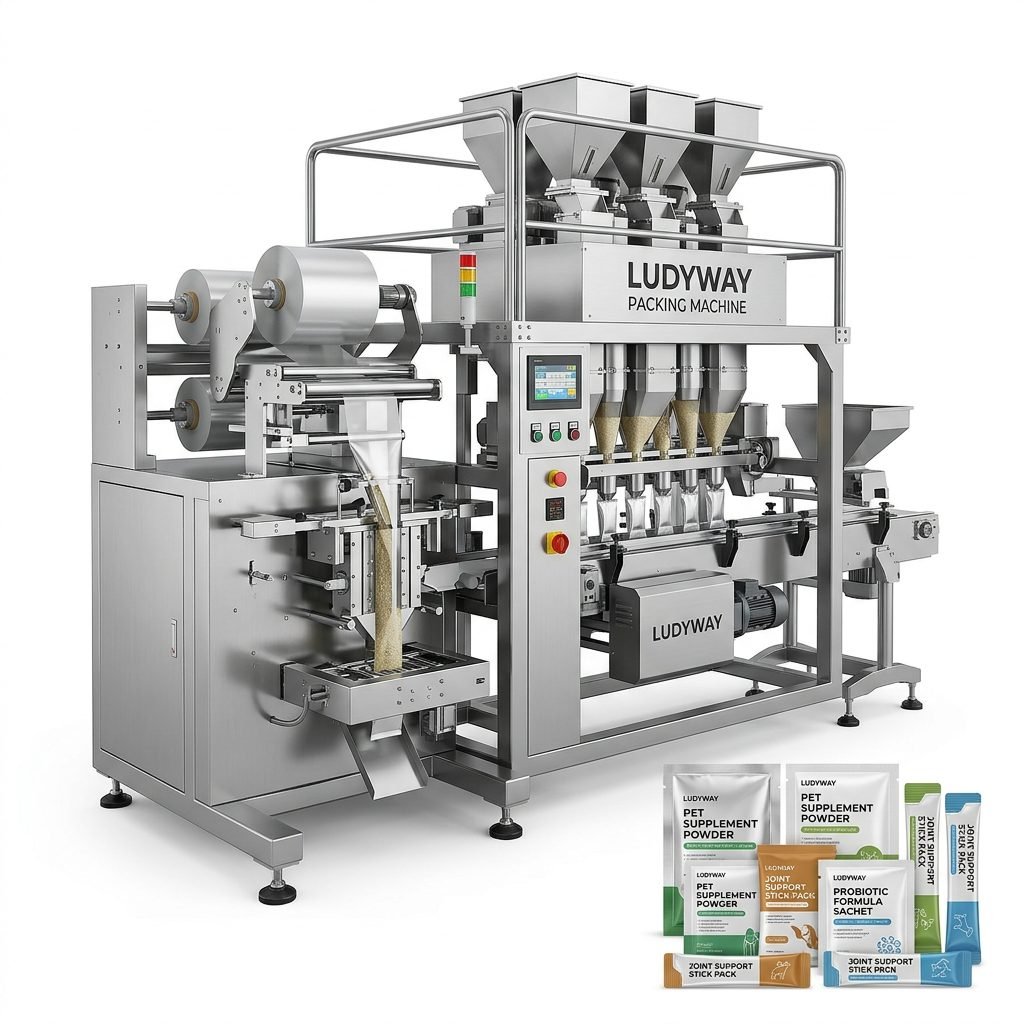
Material upgrades must work with modern packaging lines, not just in laboratory conditions. In practice, food producers need films and laminates that run consistently on vertical form-fill-seal systems, sachet machines, stick pack equipment, and pouch lines. Weak seals can undermine the entire food safety system, so sealant performance has become a major buying criterion.
3. Low-migration materials gain attention
As compliance scrutiny grows, converters are being asked to provide better documentation for inks, adhesives, coatings, and food-contact layers. This is especially relevant for brands exporting to Europe and North America, where regulatory standards are closely monitored and customers often request full material traceability.
How machinery and materials are now more closely linked
A major development in the market is the closer coordination between packaging material suppliers and machine manufacturers. Upgraded materials often require more precise control of filling, tension, sealing temperature, cutting, coding, and inspection. Without that integration, even advanced materials may fail to deliver their expected food safety benefits.
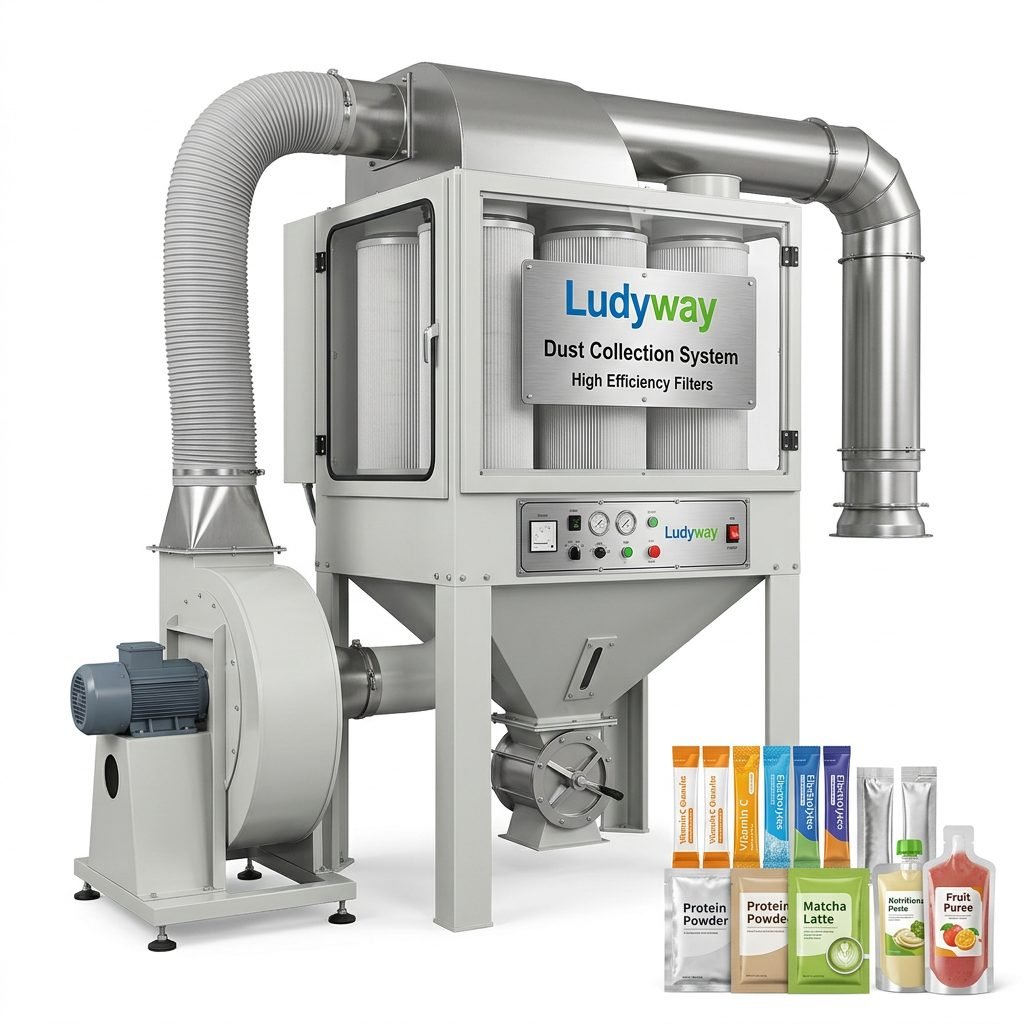
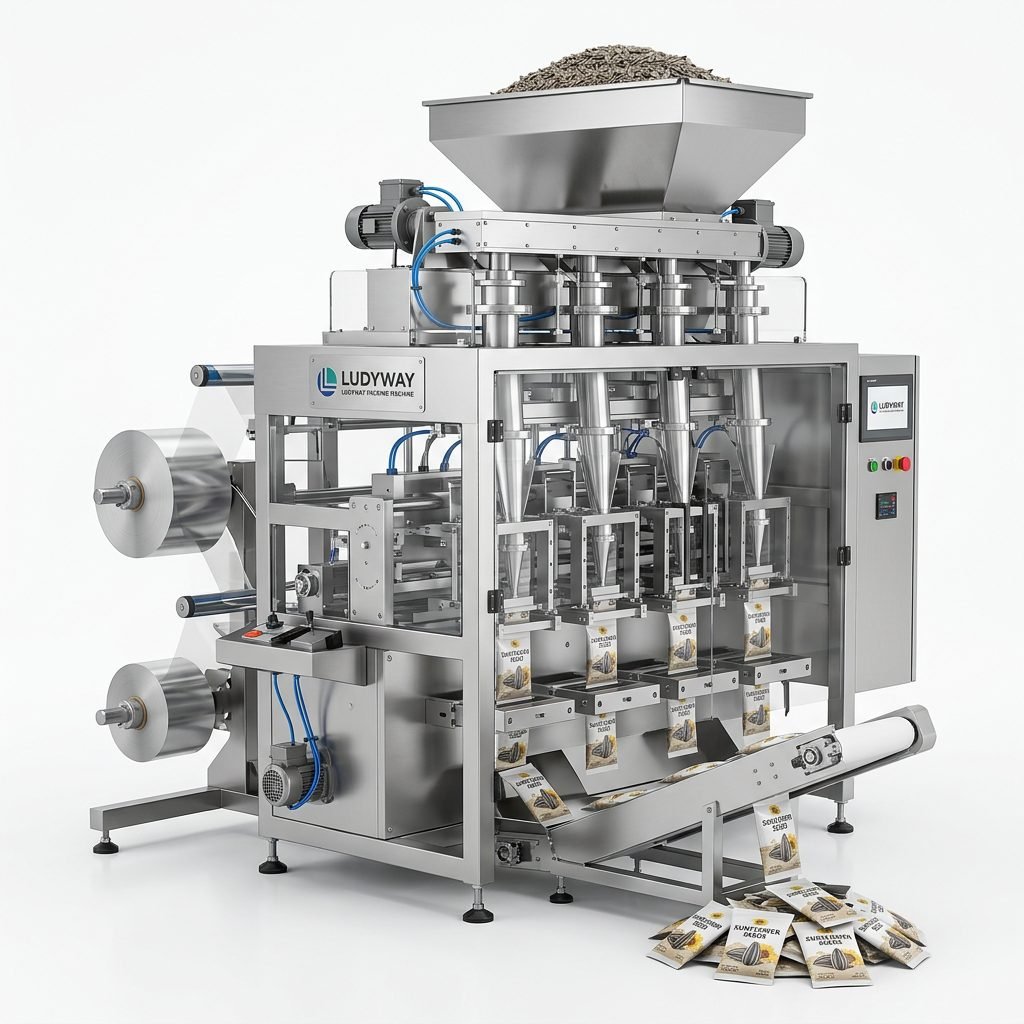
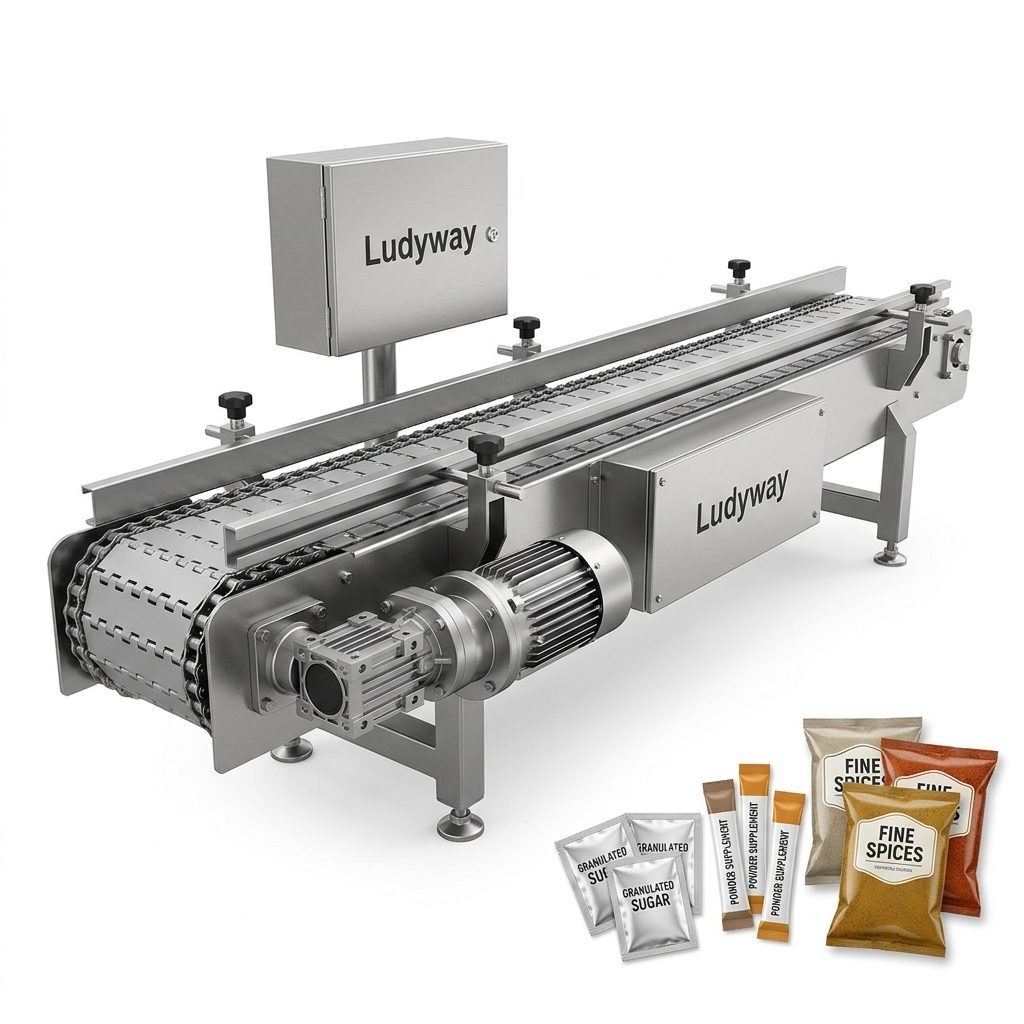
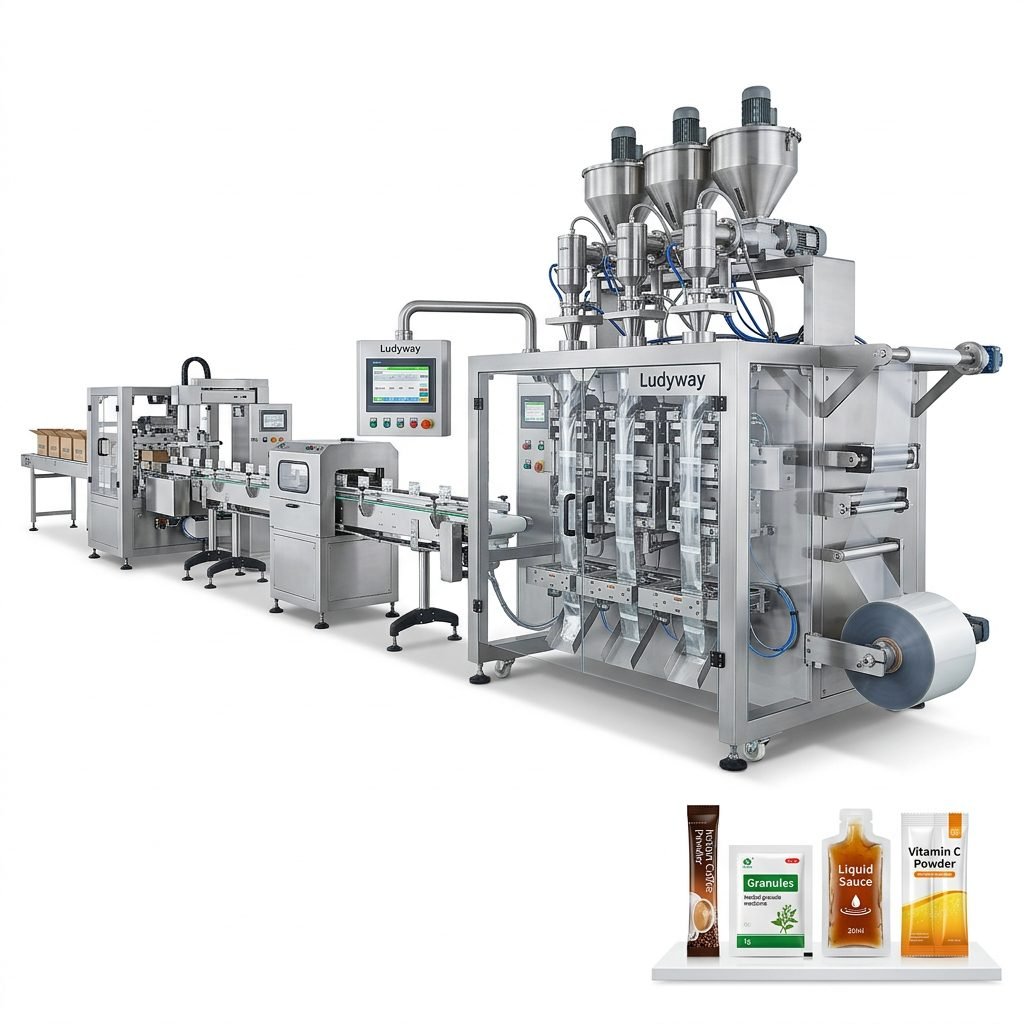
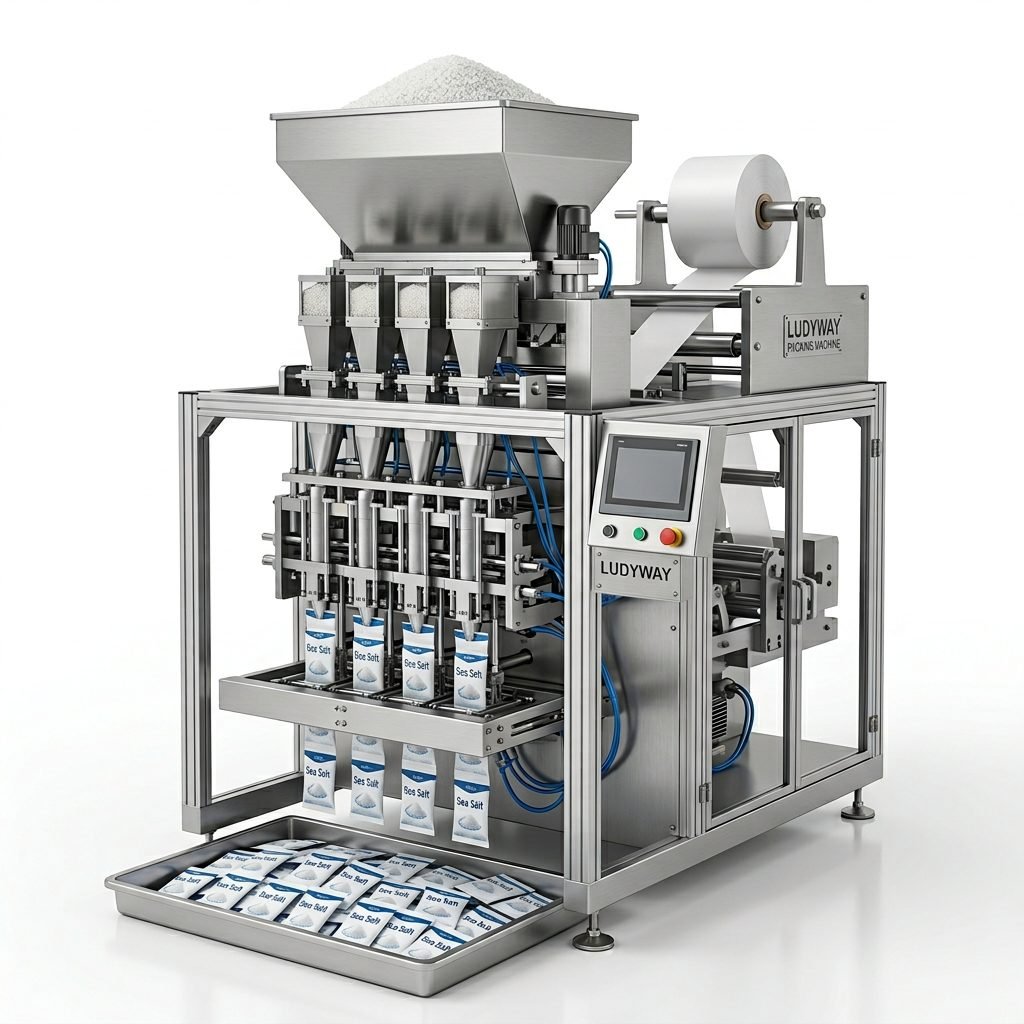
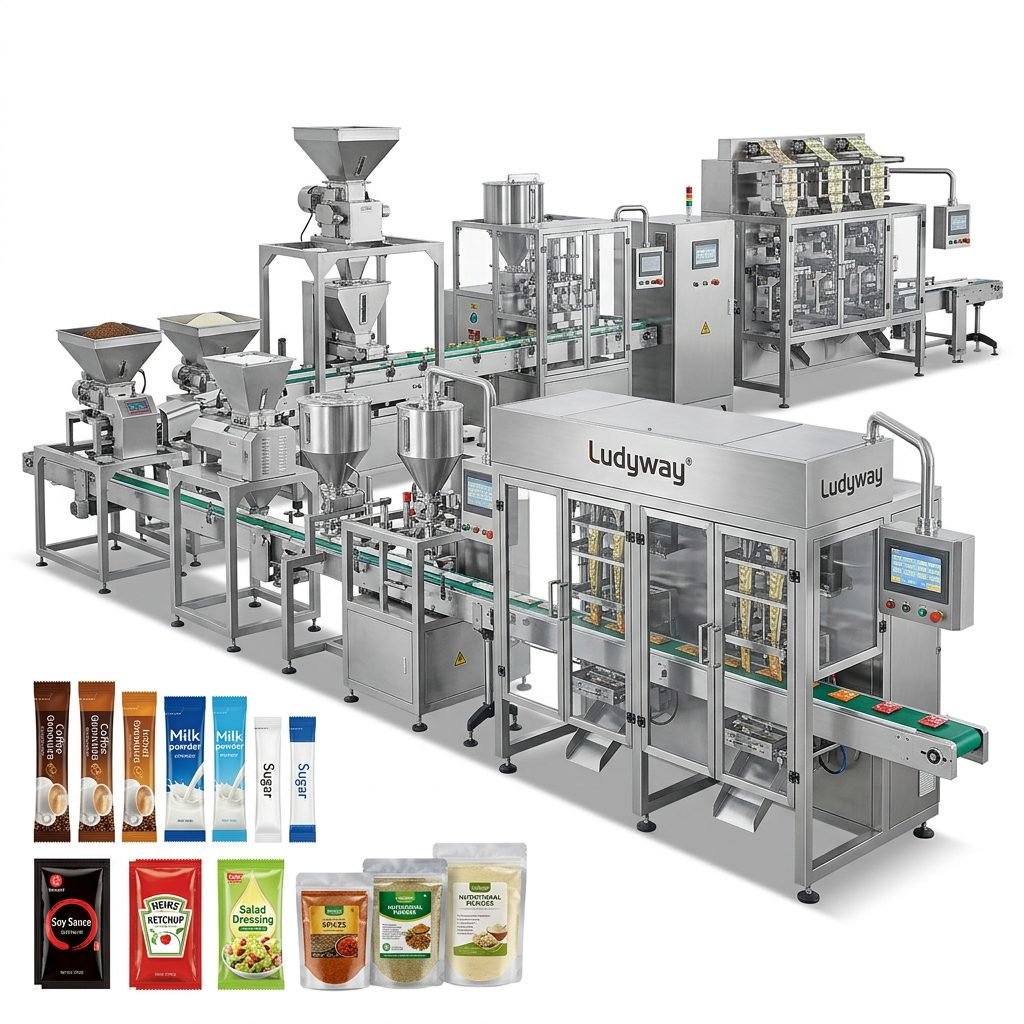
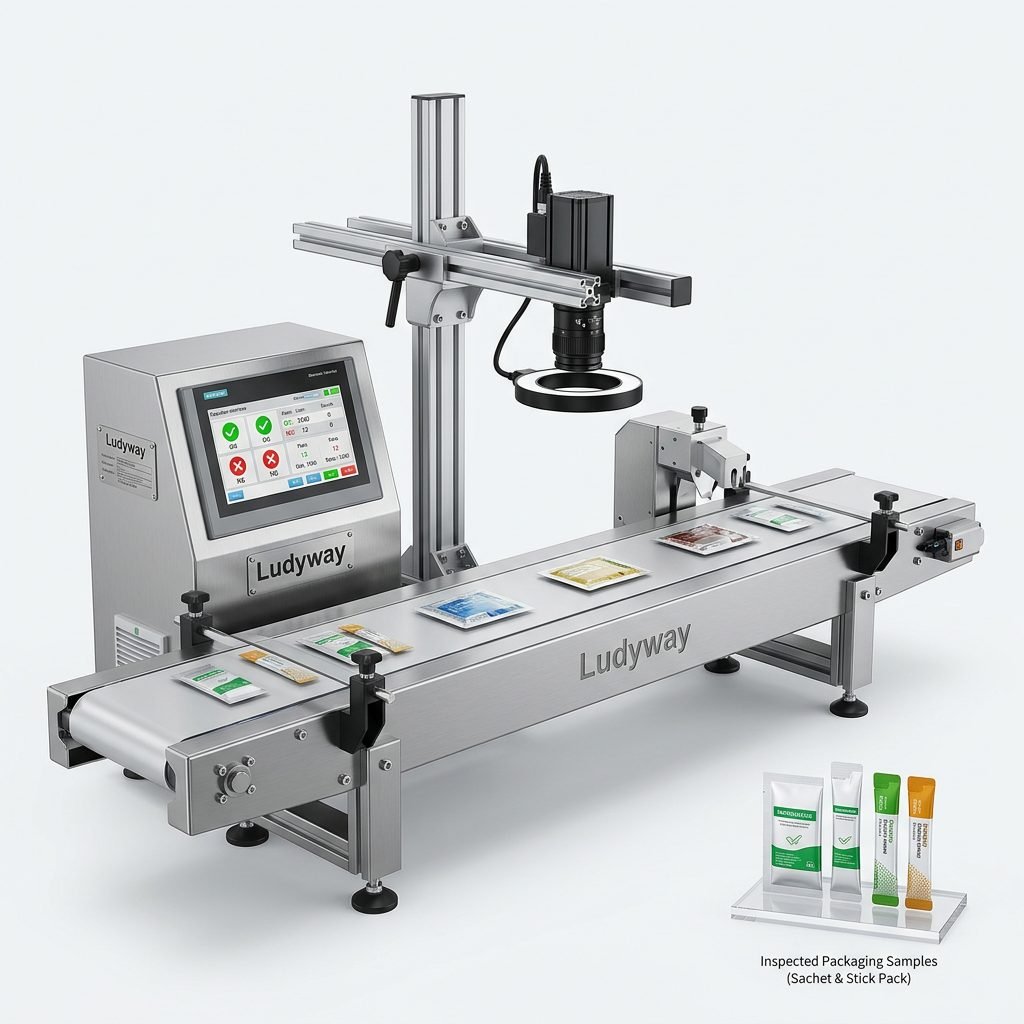
This is where experienced automation suppliers play a bigger role. Companies looking to upgrade packaging materials are also reviewing whether their lines can handle new substrates without sacrificing throughput or seal quality. For example, Ludyway packaging machine manufacturer has been noted in the market for providing packaging machinery and turnkey lines that support a wide range of food, pharmaceutical, and health product applications where material compatibility and line stability are essential.
- Accurate dosing reduces product dust and seal contamination.
- Stable film pulling improves registration and package consistency.
- Controlled sealing parameters help advanced barrier films perform properly.
- Integrated coding and inspection improve batch traceability.
- Turnkey line design reduces mismatch between upstream handling and final packaging.
Pressure from retailers, regulators, and consumers
Retail buyers are increasingly prioritizing shelf-stable products with fewer leakage complaints and stronger packaging integrity. At the same time, food safety audits are placing more emphasis on packaging validation, foreign matter control, lot coding, and storage performance. Consumers are also more alert to damaged seals, swollen packs, material odors, and unclear packaging information.
These pressures are changing buying behavior across the industry. Food companies that previously selected lower-cost material options are now comparing total risk, including:
- Potential recall exposure
- Product spoilage during transit
- Rejected batches caused by sealing issues
- Retail penalties for leakage or packaging failure
- Brand damage from visible package defects
What food producers are evaluating before upgrading
Before shifting to new packaging materials, manufacturers are carrying out more detailed line assessments. The decision is no longer limited to material cost per pack. Instead, technical teams want to understand the full interaction between product, material, environment, and machine settings.
| Evaluation Factor | Why It Matters |
|---|---|
| Product sensitivity | Determines the level of oxygen, moisture, and light protection required |
| Distribution conditions | Affects puncture resistance, seal strength, and shelf-life performance |
| Machine compatibility | Ensures materials can run efficiently at target speed and accuracy |
| Regulatory documentation | Supports audits, market access, and customer compliance requests |
| Sustainability objectives | Influences material structure choices and future packaging strategy |
Outlook: safer packaging will remain a long-term investment
The packaging sector is entering a phase where food safety performance and automation readiness are becoming inseparable. Companies that upgrade materials without considering machine performance may face unexpected inefficiencies. Likewise, companies that automate without improving material quality may still remain vulnerable to leakage, contamination, and shelf-life issues.
Looking ahead, the strongest growth is expected in packaging formats and material systems that can deliver high barrier protection, reliable sealing, compliant food-contact properties, and stable high-speed processing. For global food brands, these capabilities are moving from optional improvements to core packaging requirements.
Market takeaway
Food safety is no longer only reshaping recipes, plant hygiene, and testing procedures. It is now directly influencing how packaging materials are selected, validated, and processed. As manufacturers modernize their lines, packaging upgrades will continue to center on one shared objective: protecting product quality from filling line to final consumer.