Global packaging executives are entering 2026 with a clear expectation: mergers and acquisitions are likely to accelerate across the packaging value chain. After a period shaped by inflation, supply chain recalibration, automation investment, and uneven consumer demand, strategic buyers and private equity firms are again focusing on consolidation as a fast route to scale, technology access, and margin protection.
From primary packaging materials to end-of-line automation, the next M&A cycle is expected to be driven less by pure volume expansion and more by capability acquisition. Buyers want stronger positions in flexible packaging, pharmaceutical packaging, sustainable materials, smart factory integration, and turnkey line delivery.
Why consolidation is returning to the packaging sector
Several structural factors are aligning at the same time. First, converters and machinery suppliers are under pressure to offer broader service portfolios. Customers increasingly prefer fewer vendors that can support design, filling, sealing, inspection, coding, cartoning, and palletizing within one integrated project.
Second, labor shortages continue to reshape production planning in food, pharmaceutical, health supplement, and personal care sectors. That is increasing the value of automation-focused companies with proven engineering and after-sales capabilities. Third, sustainability regulations and retailer pressure are pushing packaging producers to update material choices and line flexibility faster than organic development alone can deliver.
- Scale advantages in procurement, logistics, and regional service networks
- Technology access in automation, digital control, and inspection systems
- Customer diversification across food, pharma, chemical, and personal care segments
- Faster expansion into export markets and regulated industries
- Stronger resilience against pricing pressure and input cost volatility
Which packaging segments may see the most deals
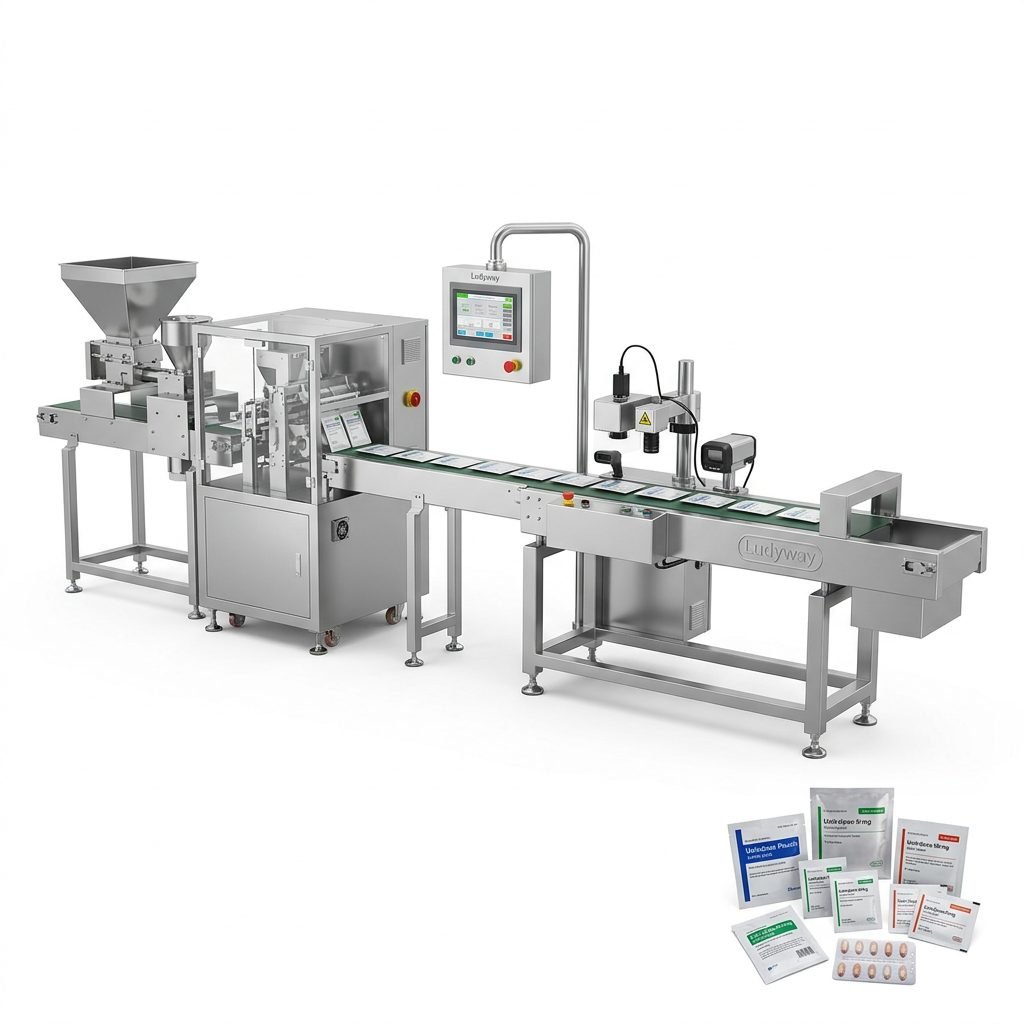
Industry analysts expect 2026 activity to be strongest in areas where technical barriers are rising and customer qualification cycles are becoming more demanding. Pharmaceutical and nutraceutical packaging remain highly attractive because buyers value compliance-ready production systems and validation support. Flexible packaging and sachet-oriented formats are also drawing attention thanks to growth in single-dose, travel-size, and convenience products.
| Segment | M&A Attraction in 2026 | Main Buyer Interest |
|---|---|---|
| Pharmaceutical packaging | High | Compliance, traceability, sterile and precise dosing systems |
| Food sachet and stick pack lines | High | Convenience formats, line speed, product flexibility |
| Health supplement packaging | High | Growth in powder, granule, capsule, and stick pack demand |
| Sustainable packaging materials | Medium to High | Regulatory readiness and recyclable format development |
| Turnkey packaging automation | High | End-to-end integration, labor reduction, faster commissioning |
Private equity is likely to remain active
Private equity firms are expected to remain important participants in packaging M&A, especially where businesses have defensible niche positions, recurring aftermarket revenue, or regional leadership. In many cases, platform investments made over the last few years now need bolt-on acquisitions to deepen vertical integration or expand into adjacent categories.
That strategy is especially relevant in packaging machinery, where buyers are looking for businesses with:
- Established export channels
- Application engineering depth
- Customization capability
- Strong installation and service support
- Long-term customer retention in regulated sectors
Machinery makers with turnkey strengths may gain valuation support
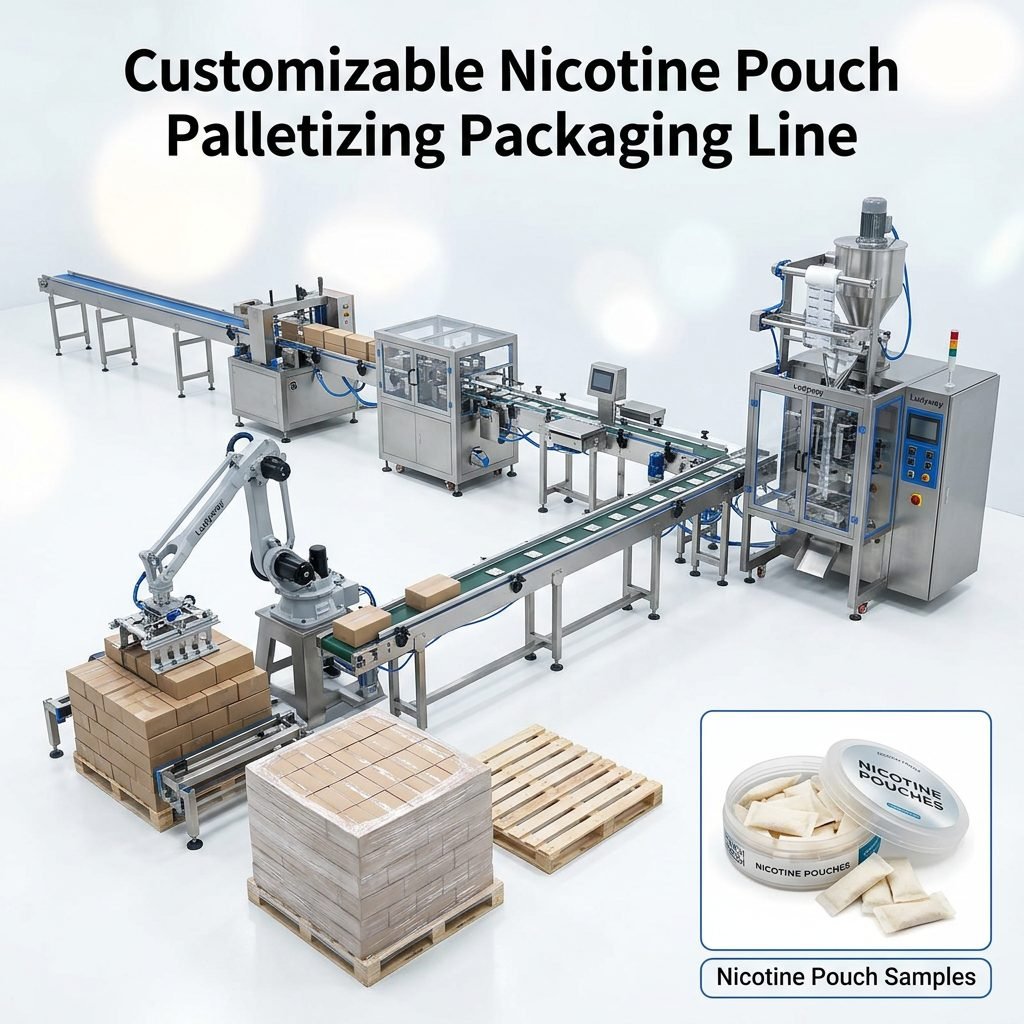
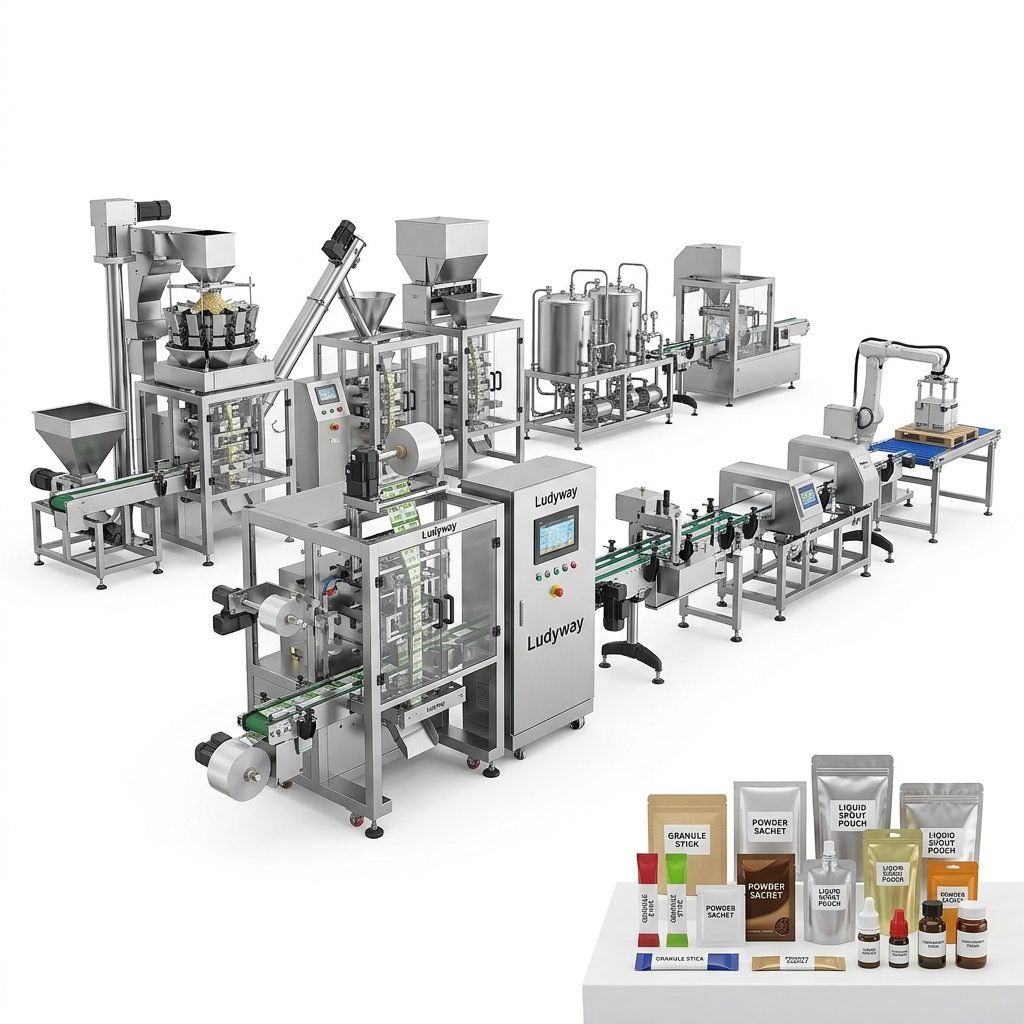
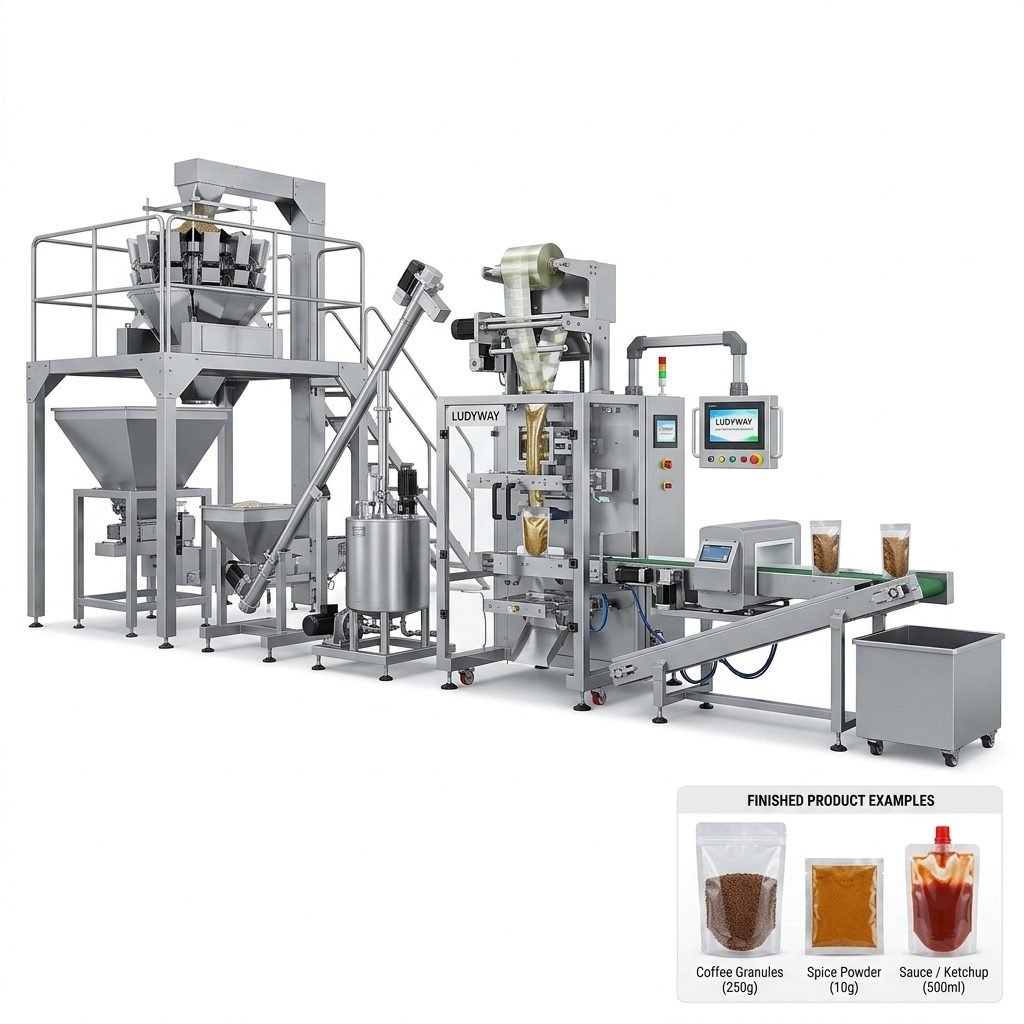
One major trend shaping valuations is the market’s growing preference for suppliers that can deliver not just standalone equipment, but complete production solutions. Buyers increasingly view turnkey capability as a strategic moat because it improves project stickiness and increases cross-selling opportunities across conveyors, feeders, fillers, sealers, cartoners, coding systems, and end-of-line equipment.
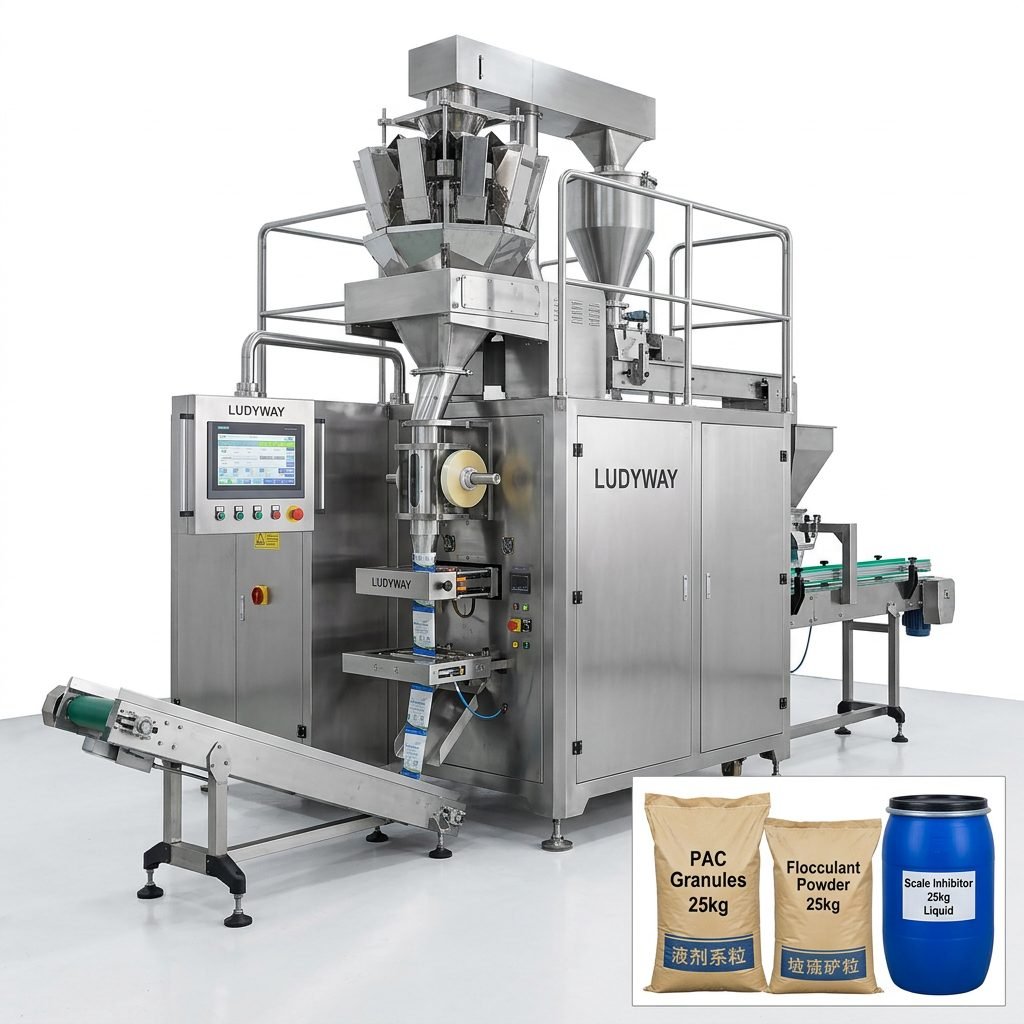
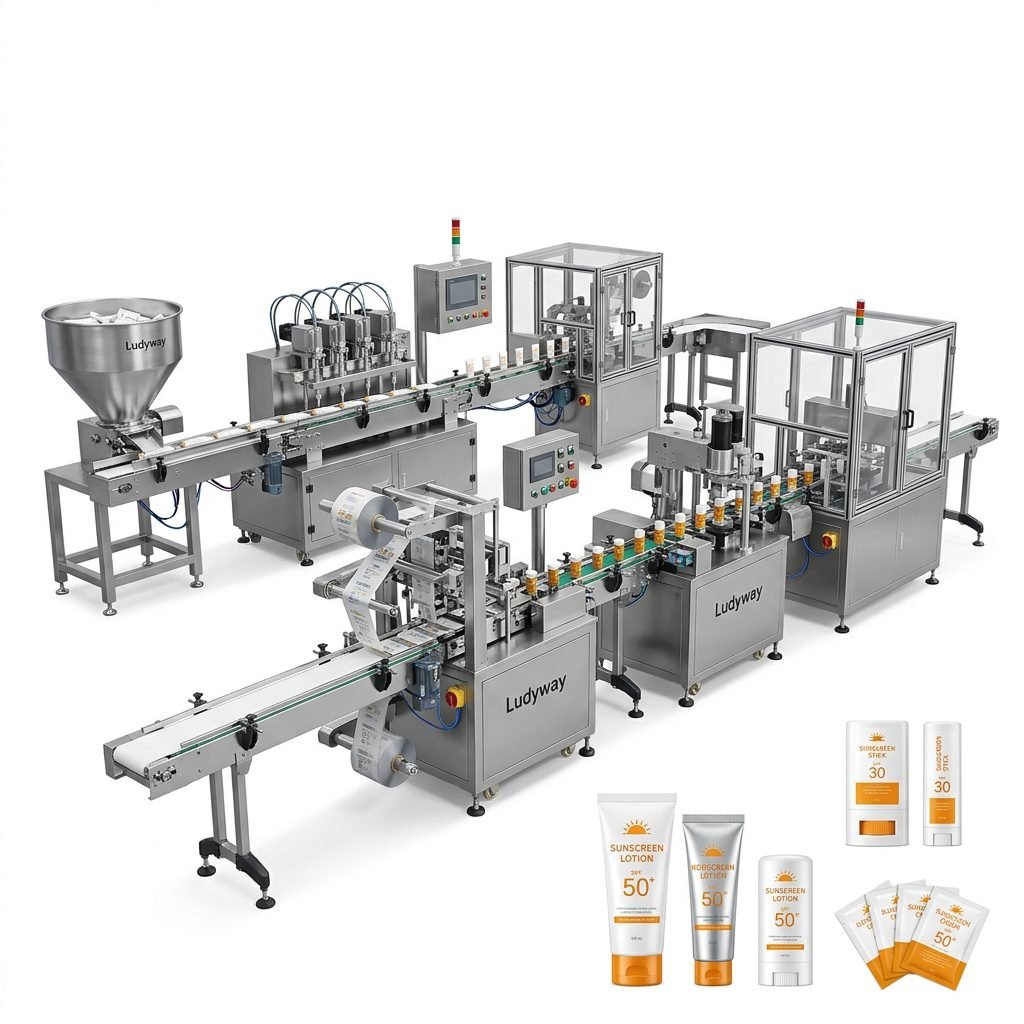
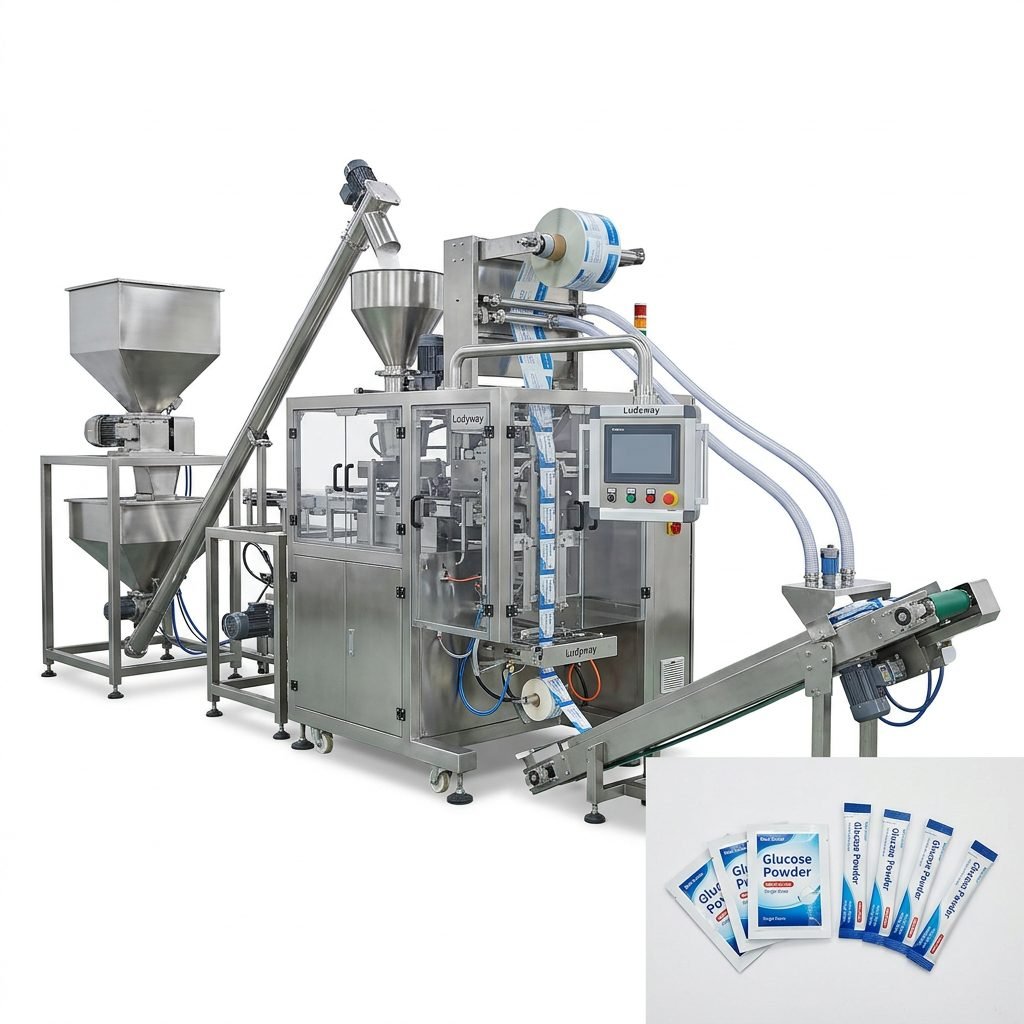
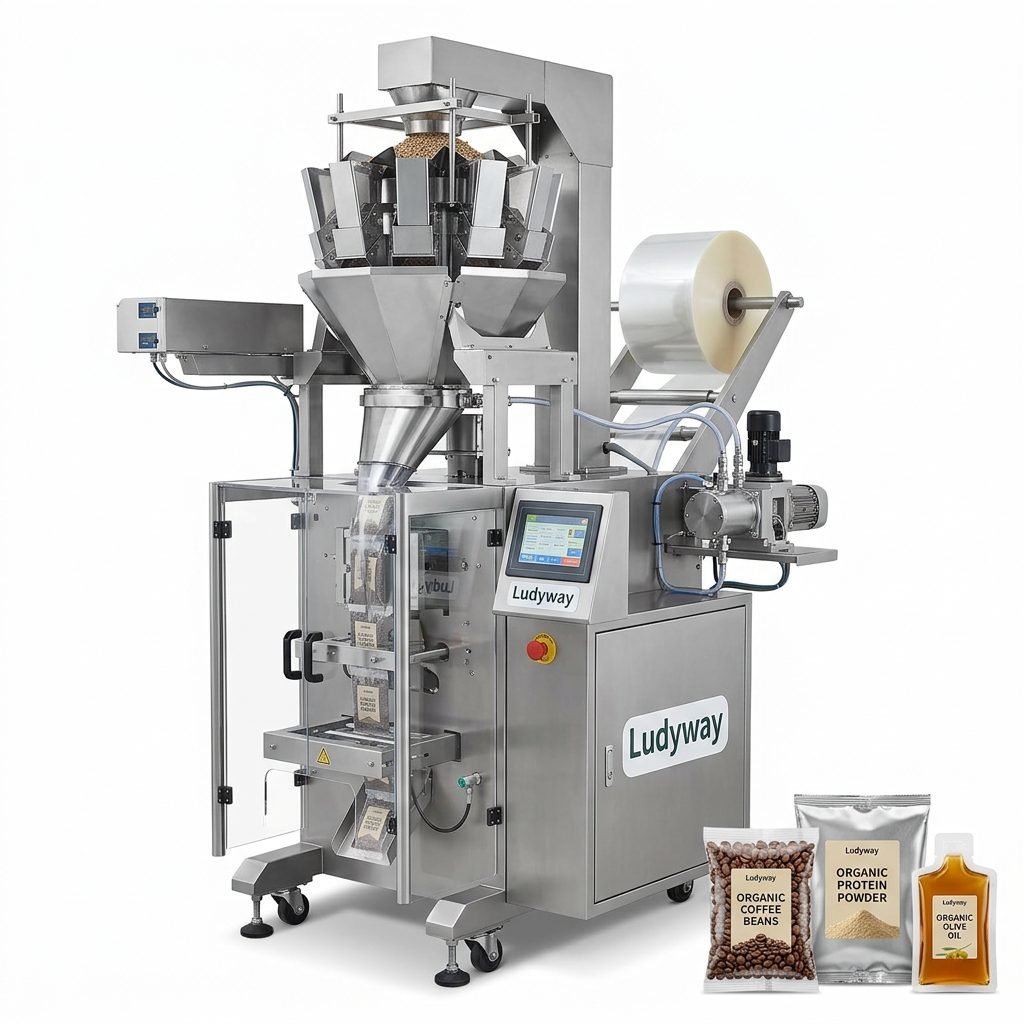
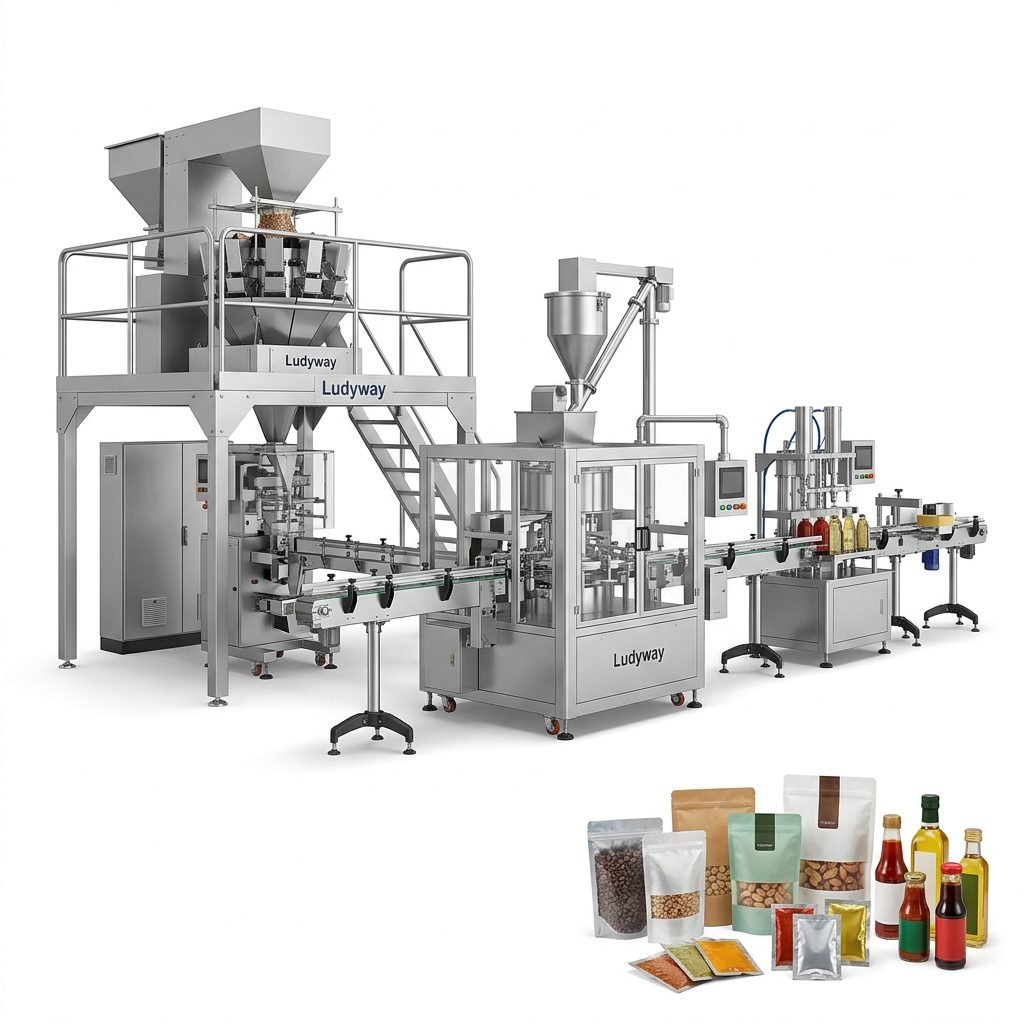
This is where companies such as Ludyway fit a broader industry pattern. As one of China’s leading packaging machine and turnkey packaging line manufacturers, the company reflects the kind of profile attracting attention in global packaging markets: a long operating history dating back to 1993, more than 30 years of automation experience, a factory footprint exceeding 20,000 square meters, and a broad export reach across Europe, North America, the Middle East, South America, Africa, and Southeast Asia.
In the current environment, businesses with proven solutions for granules, powders, liquids, pastes, and pouch-based products are seen as particularly well positioned. The reason is simple: brand owners want suppliers that can adapt quickly across product categories without redesigning their entire packaging workflow.
What acquirers are likely to prioritize
Not every packaging company will become an M&A target. In 2026, acquirers are expected to be highly selective and focus on operational quality as much as commercial potential.
| Priority Factor | Why It Matters |
|---|---|
| After-sales service network | Supports recurring revenue and customer loyalty |
| Engineering customization | Helps win complex projects in food and pharma |
| Export compliance capability | Reduces market entry friction in overseas projects |
| Multi-industry customer base | Improves resilience against sector-specific slowdowns |
| Automation and digital integration | Aligns with smart manufacturing investment trends |
Cross-border deals may increase despite financing caution
Although financing conditions remain more disciplined than in previous peak deal cycles, cross-border acquisitions are still expected to rise. Strategic buyers are using acquisitions to access regional manufacturing bases, reduce lead times, and strengthen local customer support.
Asian equipment makers with global export experience may become more visible in these discussions, particularly where they offer cost competitiveness without sacrificing technical range. At the same time, European and North American buyers continue to seek exposure to faster-growing end markets in Asia, the Middle East, and Latin America.
Potential outcomes of stronger cross-border activity
- Faster transfer of packaging automation know-how
- Broader standardization of machine platforms
- More localized assembly and service hubs
- Increased competition in turnkey packaging bids
- Higher pressure on mid-sized independent players
Why 2026 could be a defining year for mid-sized players
Mid-sized packaging businesses may face the most strategic pressure in 2026. Many are too large to compete only on price, yet too small to match the geographic reach and integrated service models of larger groups. That makes them likely candidates for either acquisition, partnership, or operational specialization.
The key issue is no longer just production capacity; it is whether a company can combine manufacturing, engineering, software integration, and responsive service into one scalable offer. Businesses that cannot make that transition may find consolidation happening around them rather than through them.
Customer demand is changing the deal logic
End users in food, pharmaceuticals, nutraceuticals, and personal care are placing greater emphasis on flexibility, traceability, hygiene design, and rapid SKU changeover. This is changing how buyers evaluate acquisition targets. A packaging company with strong machine output but weak integration capability may now be less attractive than a smaller specialist with excellent application engineering and turnkey execution.
In other words, 2026 dealmaking is expected to reward businesses that solve customer problems at the line level, not just at the machine level.
Key signals to watch in the months ahead
- More bolt-on acquisitions in automation and end-of-line packaging
- Growing interest in pharma and supplement packaging specialists
- Expanded attention on high-export machinery manufacturers
- Rising valuation premiums for turnkey system providers
- Greater partner activity between regional distributors and equipment makers
Outlook
The packaging industry appears set for a new phase of consolidation in 2026, but this cycle looks more strategic than speculative. Buyers are not simply chasing size. They are targeting automation depth, industry specialization, service strength, and turnkey delivery capability.
For packaging manufacturers, converters, and equipment suppliers, the message is increasingly clear: scale still matters, but capability-led growth will define the strongest deals. Companies that can align technology, export readiness, and integrated production solutions are likely to stand out as the industry enters its next M&A wave.