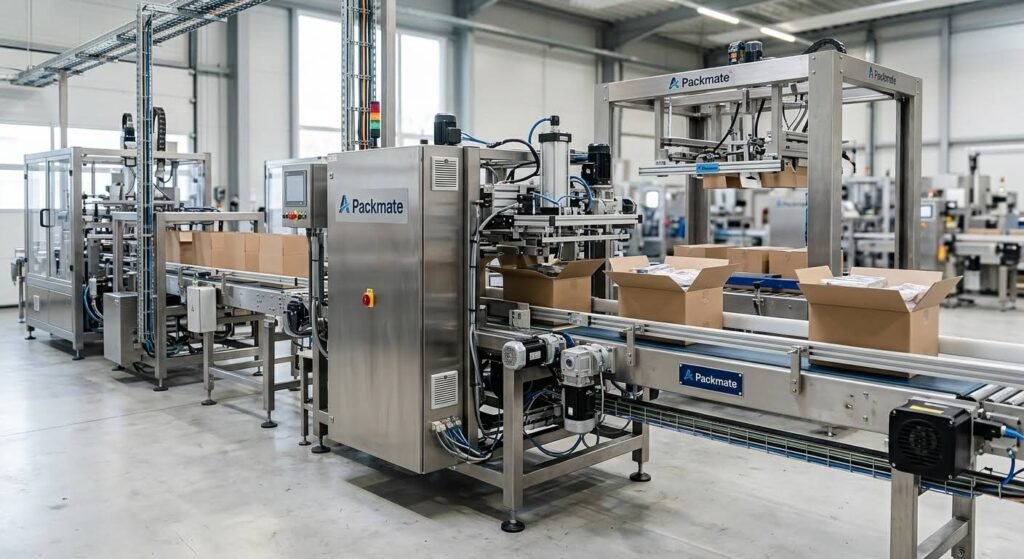
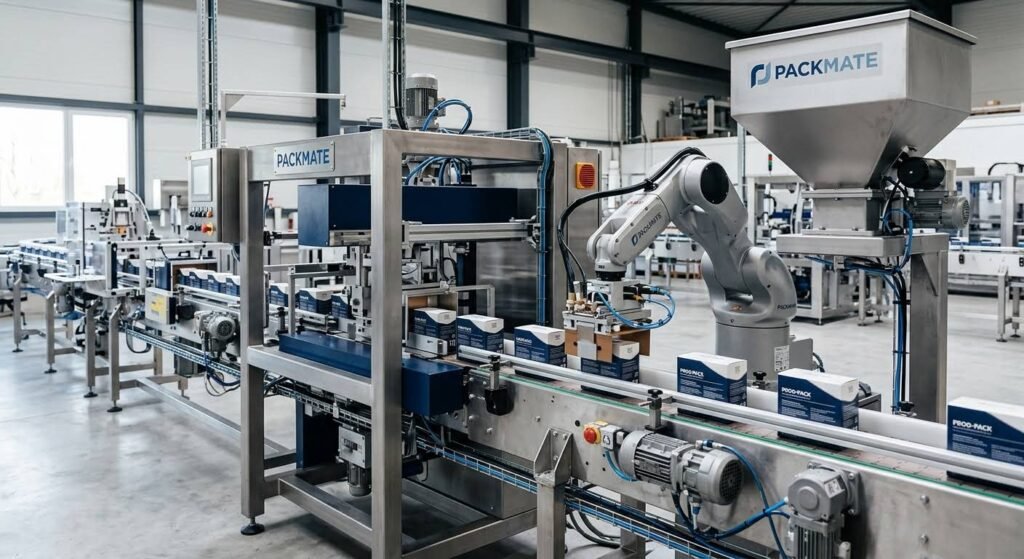
In today’s competitive manufacturing landscape, selecting the right packaging partner is critical for businesses in the food, pharmaceutical, and health product sectors. The demands for hygiene, precision, speed, and compliance are exceptionally high. A specialized packaging machine manufacturer that understands the unique requirements of granule, powder, and liquid substances becomes an invaluable strategic ally. This article explores the comprehensive solutions offered by industry leaders and how they empower producers to achieve operational excellence.
Meeting Diverse Industry Packaging Demands
The packaging needs of food, pharma, and health products are distinct yet share common threads of safety and integrity. For food items, packaging must ensure freshness, prevent contamination, and often be consumer-friendly. Pharmaceutical products require absolute sterility, tamper-evidence, and strict compliance with global regulatory standards like GMP. Health products, including supplements and nutraceuticals, demand packaging that preserves potency and provides clear, compliant labeling.
Core Packaging Challenges Across Sectors:
- Product Protection: Shielding contents from moisture, oxygen, light, and microbial invasion.
- Dosing Accuracy: Ensuring each package contains the exact weight or volume, crucial for pharmaceuticals and premium foods.
- Line Efficiency: Maximizing output while minimizing waste and downtime.
- Traceability: Implementing systems for batch tracking and recall readiness.
Specialized Solutions: Granule, Powder & Liquid Packaging
Advanced packaging machinery is not one-size-fits-all. The physical characteristics of the product dictate the engineering of the solution.
Granule Packaging Solutions
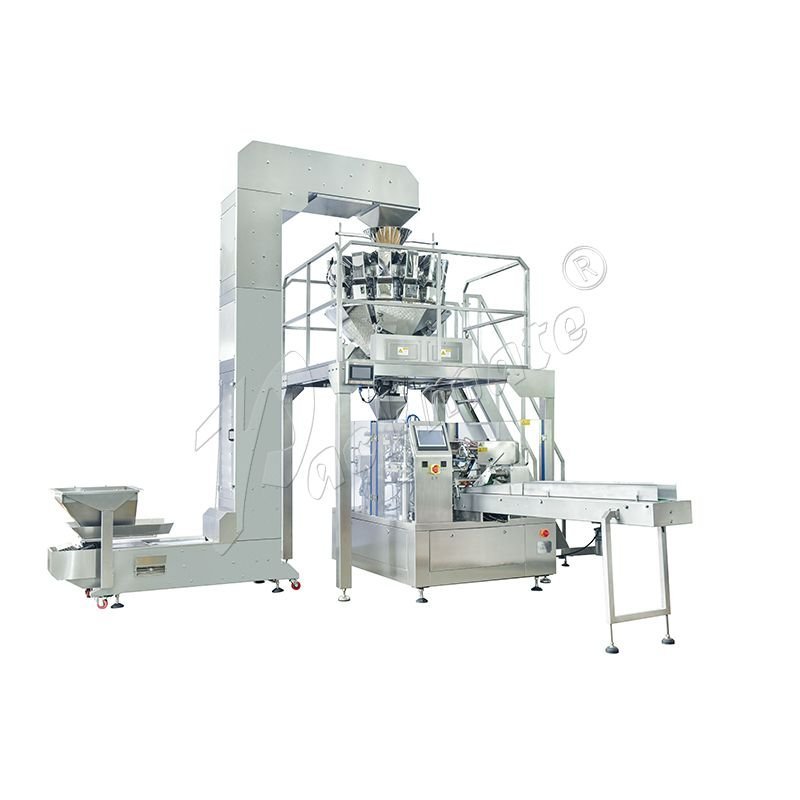
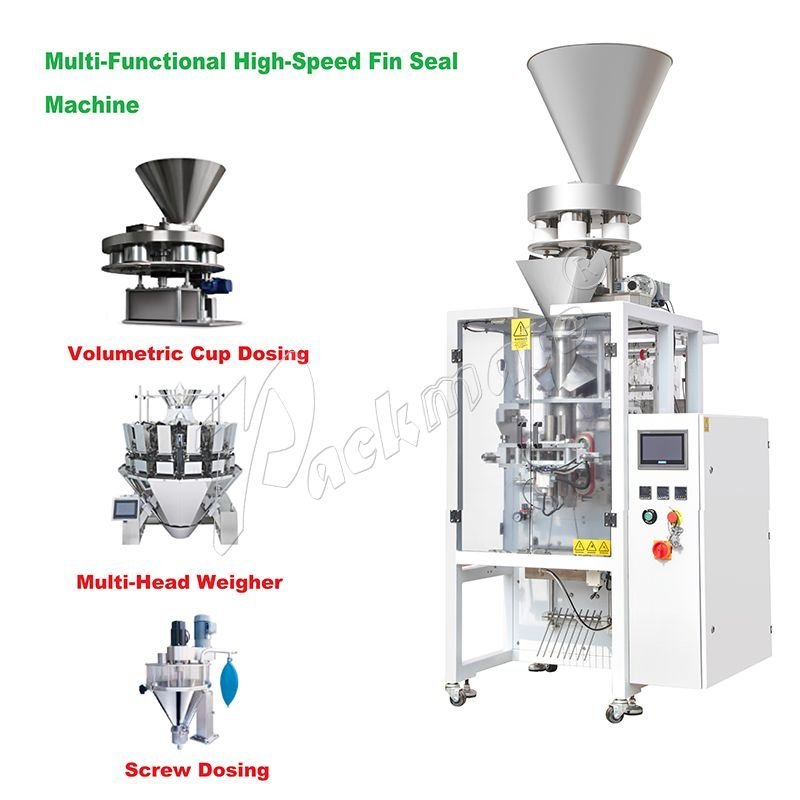
Granules, such as instant coffee, sugar, seeds, or certain pharmaceuticals, require equipment that handles free-flowing particles without damage. Modern granule packaging machines utilize multi-head weighers or volumetric cup fillers for high-speed, accurate dosing. They are ideal for creating stick packs, sachets, or pouches, offering excellent barrier properties to maintain product crispness.
Powder Packaging Technology
Powders, including milk powder, protein supplements, spices, and medicinal powders, are prone to dusting and compaction. State-of-the-art powder packaging machines incorporate auger filler systems with de-aeration technology to ensure precise weight control and minimize airborne particles. Integrated nitrogen flushing can be added to extend shelf life by displacing oxygen within the package.
Liquid & Viscous Product Packaging
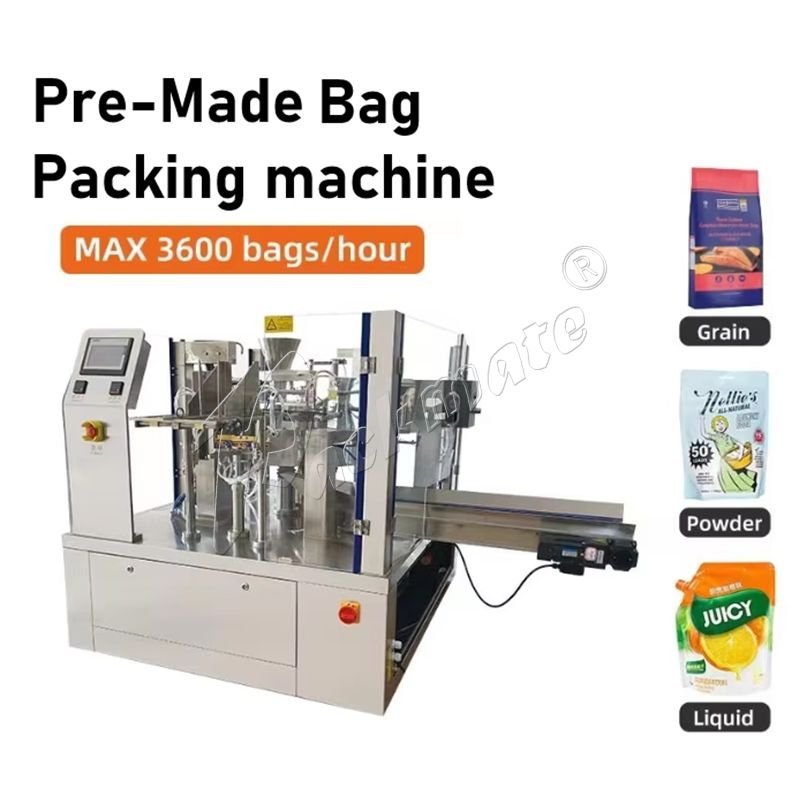
Liquids, sauces, oils, syrups, and creams demand leak-proof integrity. Liquid packaging solutions often employ piston pump or timed-flow fillers for non-drip, hygienic filling. For thicker products like pastes or gels, specialized positive displacement pumps are used. These systems seamlessly integrate with form-fill-seal (FFS) technology to create robust pouches or sachets.
Key Advantages of Integrated Packaging Lines
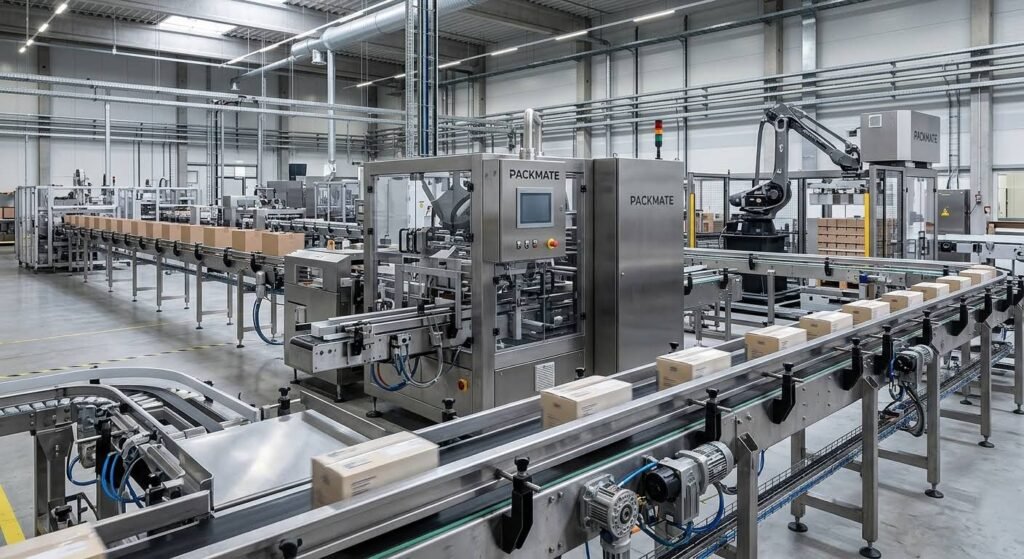
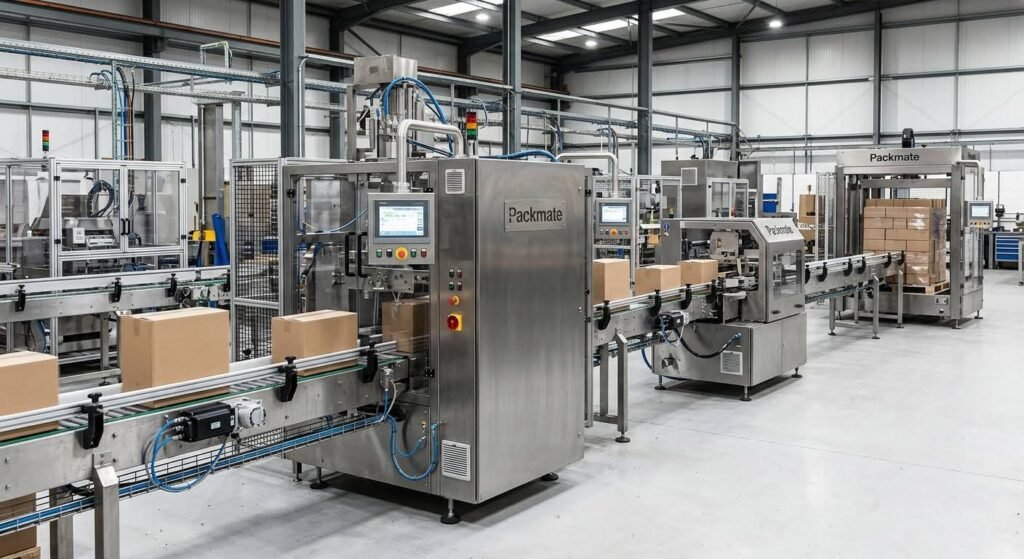
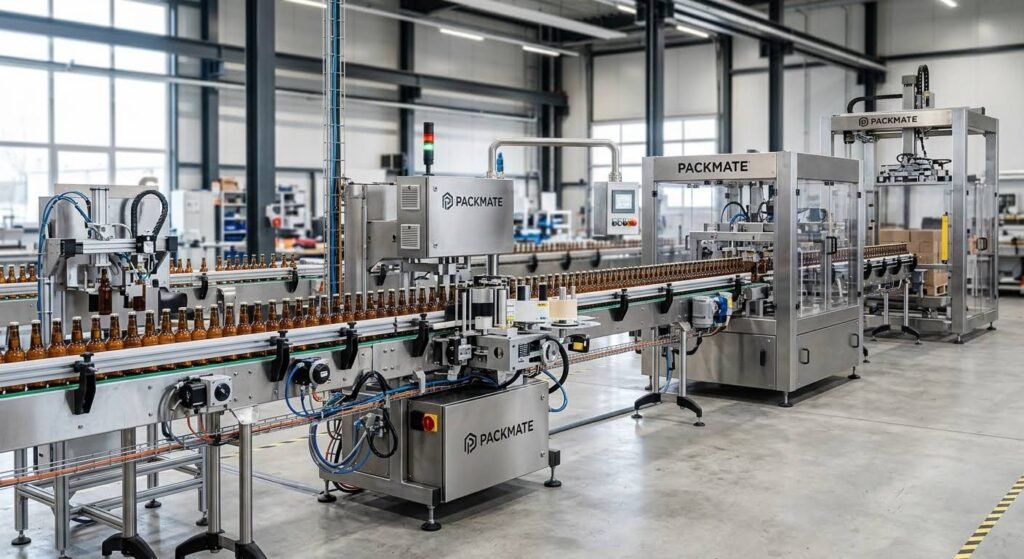
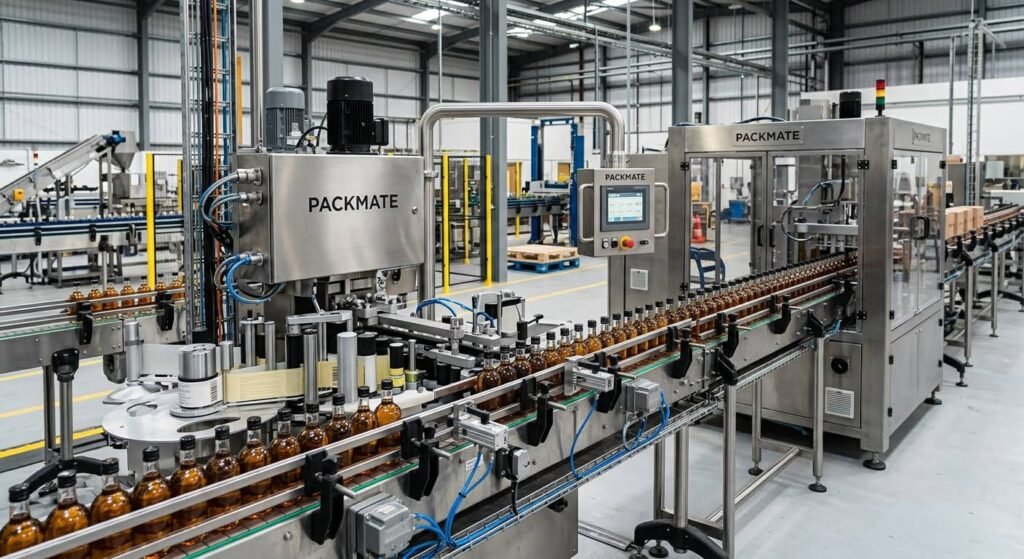
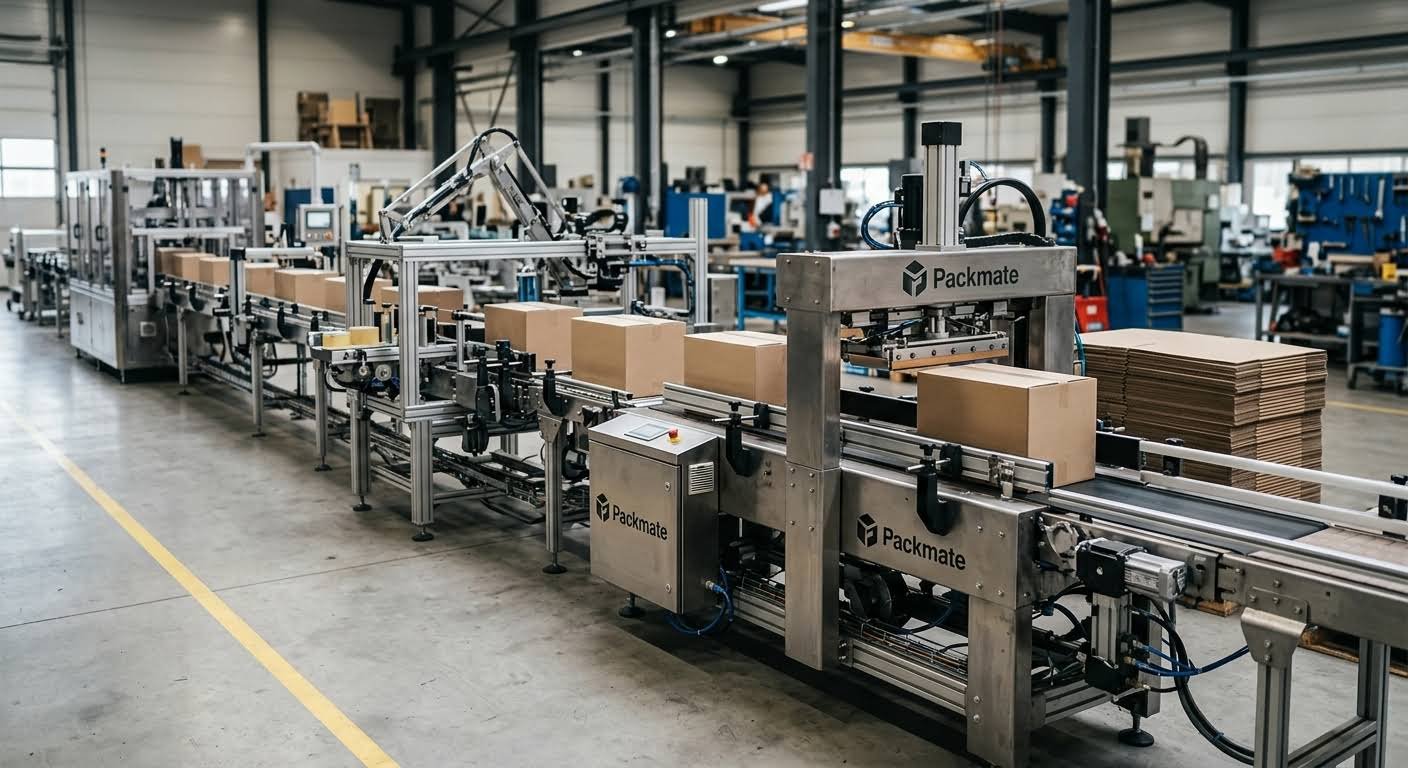
Choosing a manufacturer that provides complete turnkey solutions—from the packaging machine to conveyors, checkweighers, and labeling systems—offers significant benefits:
Seamless Compatibility
All components are designed to work in harmony, reducing integration headaches and communication gaps between multiple vendors.
Optimized Performance
Single-source responsibility ensures the entire line is optimized for speed, accuracy, and overall equipment effectiveness (OEE).
Unified Support
Simplified maintenance, training, and technical support from one provider, as detailed in our company profile.
The Role of Automation and Smart Manufacturing
The future of packaging lies in intelligent automation. Leading manufacturers now embed Industry 4.0 principles into their machinery. Features like touch-screen HMIs (Human-Machine Interfaces), PLC control, and IoT connectivity allow for remote monitoring, predictive maintenance, and real-time production data analytics. This digital transformation minimizes human error, enhances traceability, and allows for rapid changeovers between different packaging formats, making short runs and customized packaging economically viable.
Choosing Your Packaging Machine Partner
Selecting a manufacturer goes beyond comparing machine specifications. Consider their industry experience, commitment to R&D, quality of components, and the robustness of their after-sales service network. A partner with deep application knowledge in your specific sector—be it food safety, pharmaceutical validation, or health supplement trends—can provide invaluable guidance. Review their company history and project portfolio to assess their capability and reliability for long-term partnership.
Frequently Asked Questions (FAQs)
1. What type of packaging machine is best for a new start-up in the health supplements industry?
For start-ups, versatility and scalability are key. A vertical form-fill-seal (VFFS) machine with an auger filler is often an excellent choice. It can handle a wide range of powder and granule products, allows for relatively quick changeovers between pouch sizes, and offers a favorable balance between cost, speed, and flexibility. Starting with semi-automatic or entry-level automatic models is common before scaling up.
2. How can I ensure my pharmaceutical powder packaging is compliant with GMP standards?
GMP compliance involves the entire system, not just the machine. Choose a manufacturer experienced in pharmaceutical applications. The machine should be constructed with sanitary design principles: easy-to-clean surfaces (often 316L stainless steel), minimal product traps, and validated cleaning protocols. Documentation for Installation Qualification (IQ), Operational Qualification (OQ), and Performance Qualification (PQ) is typically required from the supplier.
3. What are the main benefits of stick pack packaging for liquid products?
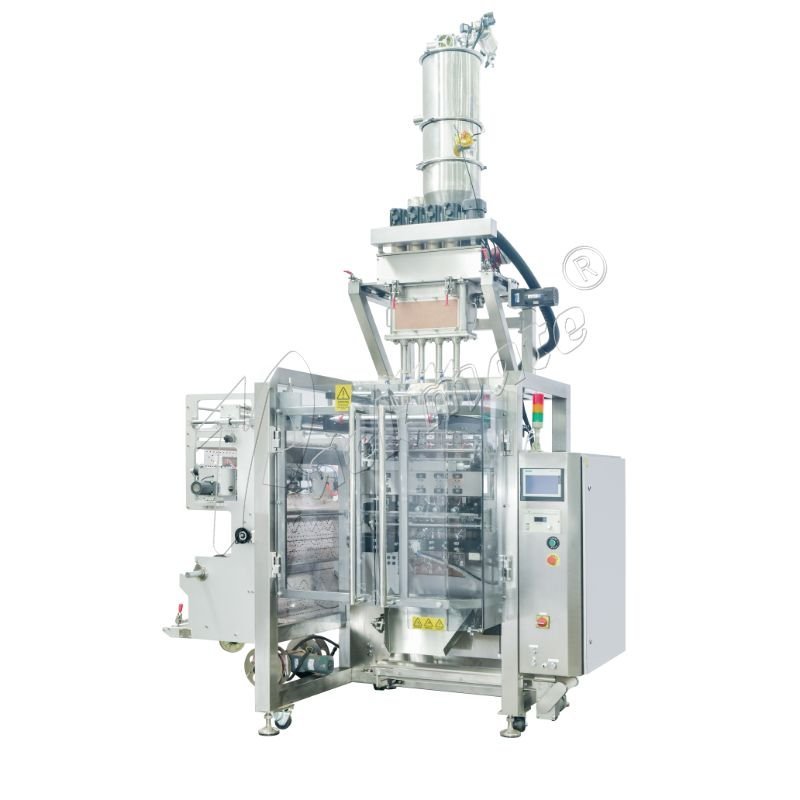
Stick packs offer portability, precise single-serve dosing, and reduced packaging material waste compared to bottles. For liquids, they provide an excellent barrier against leakage and oxidation when made with laminated films. They are highly popular for energy gels, liquid supplements, condiments, and beverage mixes, enhancing consumer convenience and brand appeal on shelves.
4. Can one machine package both granules and powders effectively?
Some machines are designed with this multi-product capability. The critical component is the filling system. A machine equipped with a high-precision, servo-driven auger filler can often handle both free-flowing granules and fine powders by simply changing the auger tooling and adjusting the software parameters. However, for optimal performance with vastly different products, dedicated systems are recommended.
5. What after-sales support should I expect from a reliable packaging machine manufacturer?
A comprehensive support package includes detailed installation supervision and operator training, readily available spare parts, access to technical manuals and diagrams, and responsive remote support (phone, email, video call). On-site service engineers should be available for more complex issues. Look for manufacturers offering service contracts and periodic maintenance checks to ensure long-term machine health and productivity.