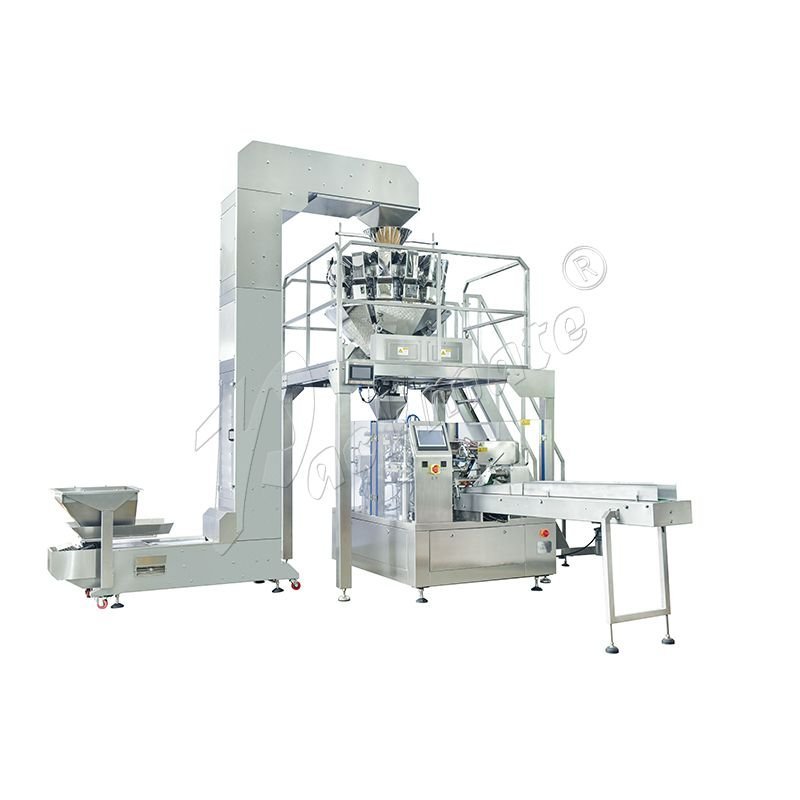
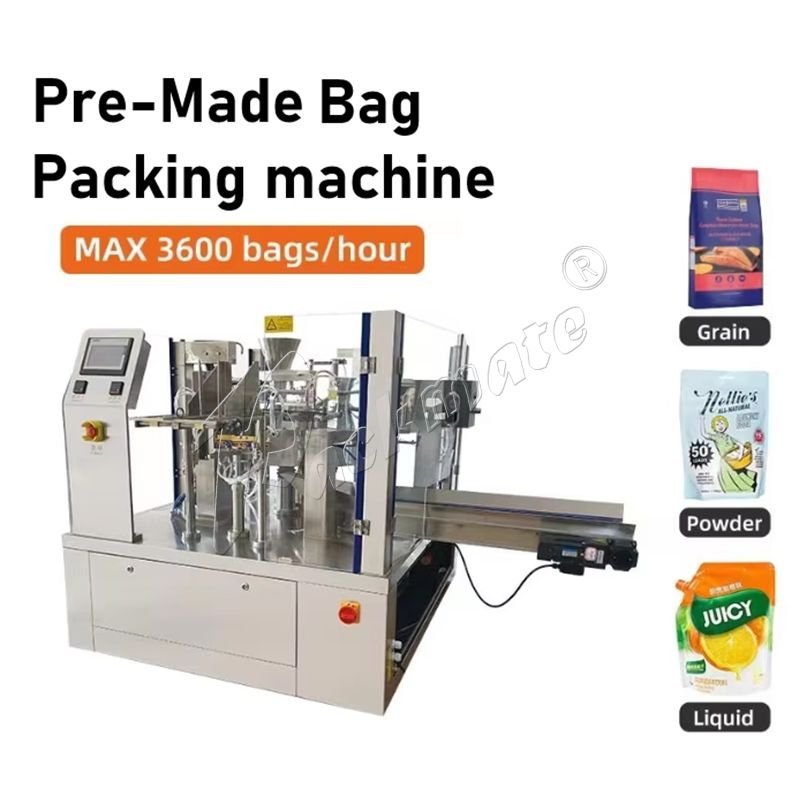
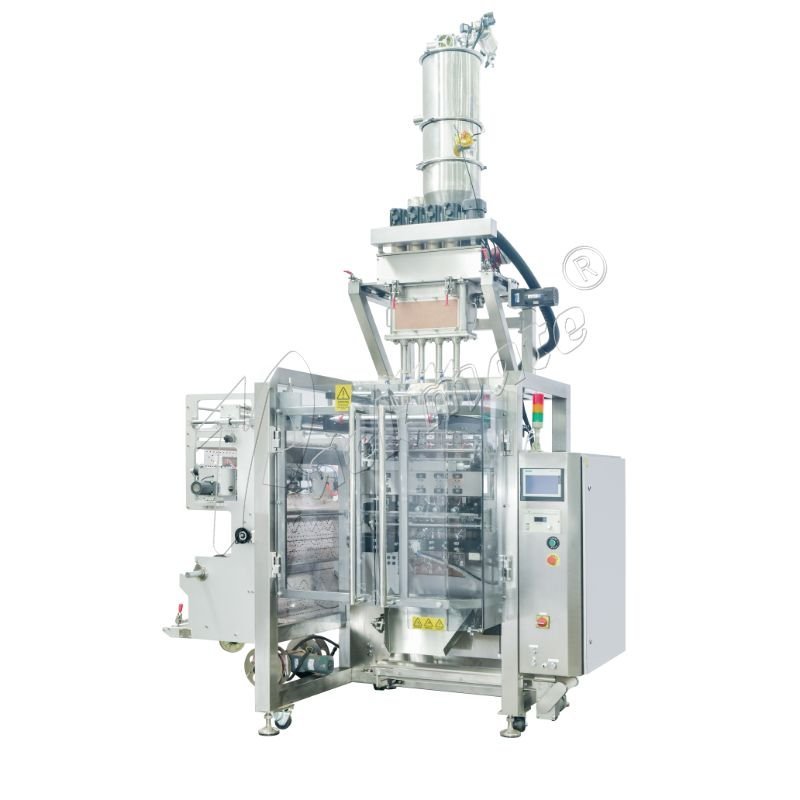
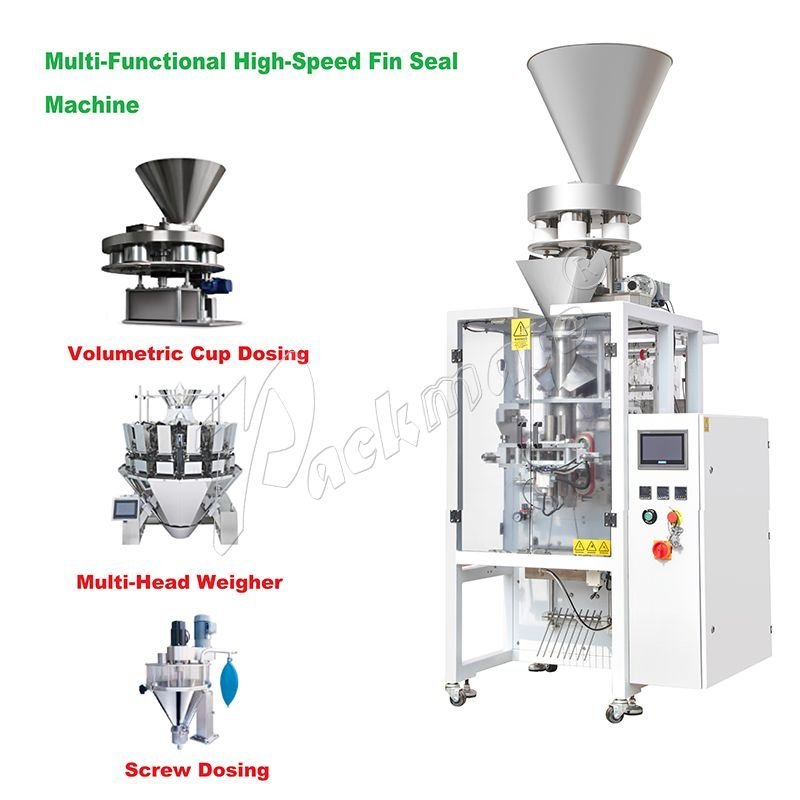
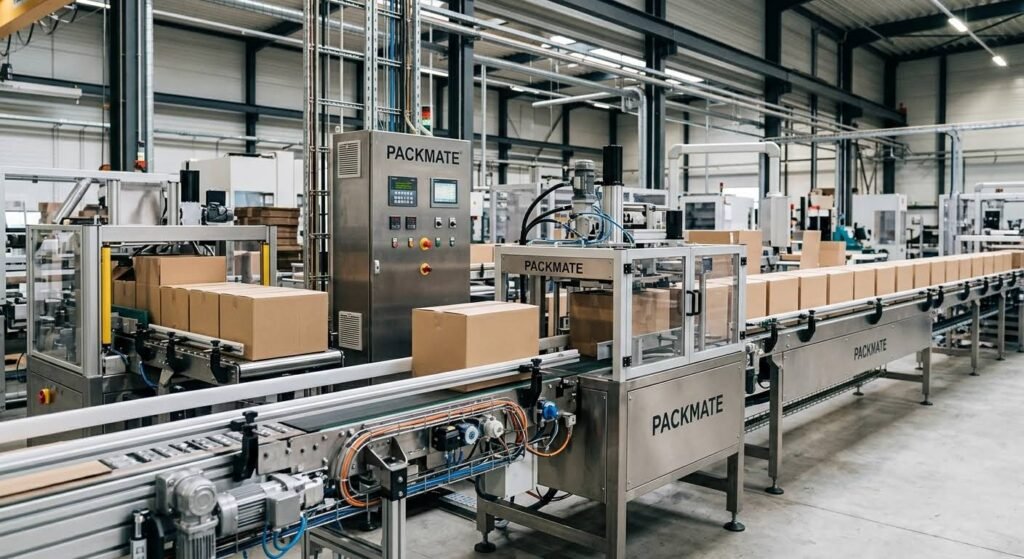
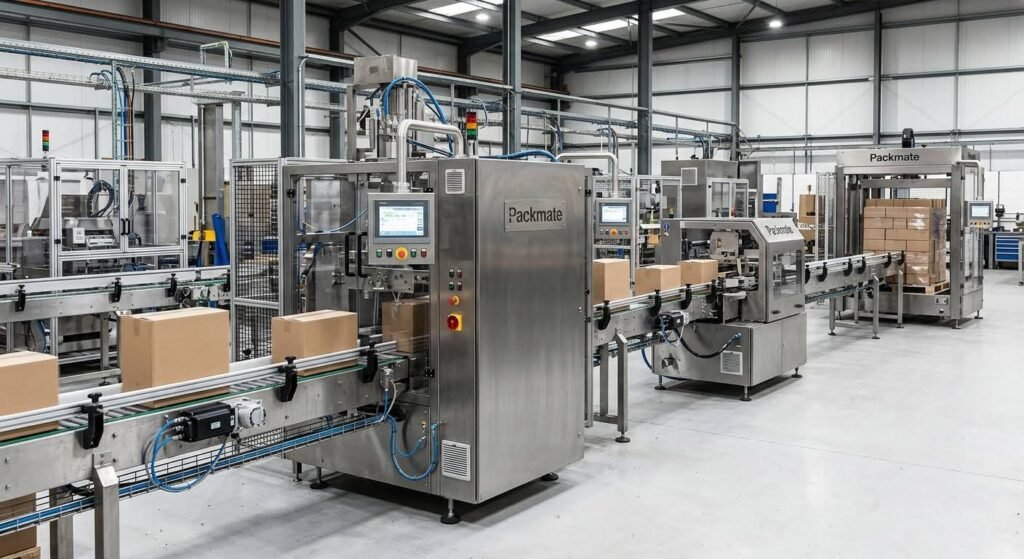
In today’s fast-paced global manufacturing landscape, automated packaging machinery has become a cornerstone for industries where hygiene, precision, speed, and compliance are non-negotiable. For sectors like food, pharmaceuticals, and health products, the right packaging system is not merely about containment—it’s about preserving product integrity, ensuring safety, and enhancing brand value. This article explores the critical role of advanced packaging machinery solutions and how automated systems are transforming production lines worldwide.
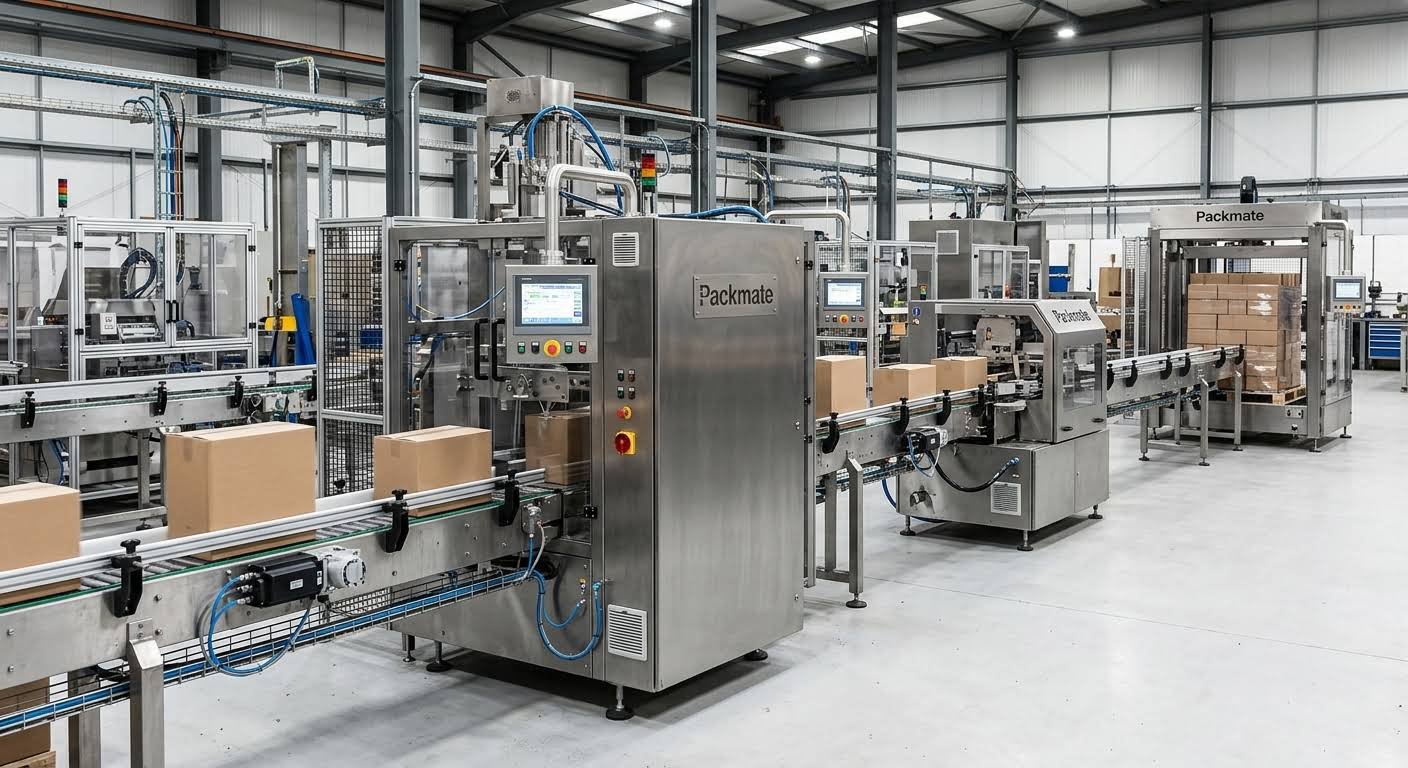
The Critical Need for Specialized Packaging Solutions
Each industry presents unique challenges that demand tailored packaging approaches. Understanding these distinct requirements is the first step toward selecting the right machinery.
Food Industry: Speed, Freshness & Appeal
The food sector requires machinery that can handle high-speed production while maintaining strict hygiene standards. Solutions must accommodate a vast range of product forms—from granules and powders to liquids and pastes. Key considerations include:
- Extended Shelf Life: Machinery that facilitates modified atmosphere packaging (MAP) to lock in freshness.
- Consumer Convenience: Systems that produce single-serve stick packs, resealable pouches, or ready-to-eat formats.
- Labeling Compliance: Accurate weight control and clear date/batch coding are essential for traceability.
Pharmaceutical & Health Products: Precision & Compliance
This sector operates under the most stringent regulatory environments (e.g., FDA, cGMP). Packaging machinery here is a critical component of quality assurance.
- Dosage Accuracy: Micro-dosing capabilities for powders and granules in sachets or capsules are paramount.
- Contamination Control: Machines designed for cleanroom compatibility with easy-to-sanitize surfaces.
- Tamper-Evidence & Safety: Integrated features that provide clear tamper-proof seals and child-resistant closures.
For companies navigating these complex needs, partnering with an experienced provider like Ludyway Packing Machine can streamline the process from specification to operational line.
Core Technologies in Modern Automated Packing Systems
Modern automated systems integrate several key technologies to create seamless, efficient, and intelligent production lines.
1. Multi-Lane Form-Fill-Seal (FFS) Technology
This is the workhorse of flexible packaging. FFS machines form pouches from a roll of film, fill them with product, and seal them in one continuous operation. Multi-lane configurations dramatically increase output, making them ideal for high-volume products like instant drink mixes, pharmaceutical powders, or dietary supplements. The efficiency gains from a multi-lane stick pack system can be transformative for production capacity.
2. Precision Weighing & Dosing Systems
Advanced gravimetric and volumetric fillers ensure exact product quantities every time. This is crucial for cost control, regulatory compliance, and consumer trust. Loss-in-weight feeders and servo-driven piston fillers handle everything from fine powders to viscous liquids with exceptional accuracy.
3. Integrated Vision Inspection & QA
Automation extends beyond physical handling. Inline vision systems check for seal integrity, print quality, fill levels, and label presence, automatically rejecting any substandard packs. This real-time quality control is a fundamental advantage of a fully automated packing system.
4. Smart Connectivity & Industry 4.0
Today’s machinery offers connectivity through PLCs and HMIs, allowing for remote monitoring, predictive maintenance, and data collection for OEE (Overall Equipment Effectiveness) analysis. This data-driven approach enables proactive management and continuous process optimization.
Benefits of Implementing Automated Packaging Lines
The shift from manual or semi-automatic to fully automated systems delivers a compelling return on investment across multiple dimensions.
↳ Operational Efficiency & Scalability
Automation drastically increases output speed and consistency, running 24/7 with minimal downtime. It allows businesses to scale production up or down efficiently to meet market demand without a linear increase in labor costs.
↳ Enhanced Product Safety & Quality
By minimizing human contact with the product, automated systems reduce contamination risks. Consistent machine operation eliminates human error in sealing, filling, and coding, leading to uniformly high-quality packages.
↳ Significant Cost Reduction
While the initial investment is higher, the long-term savings are substantial. Reduced labor costs, lower material waste from precise filling, and decreased product giveaway all contribute to a stronger bottom line.
↳ Flexibility & Quick Changeover
Modern machines are designed for flexibility. With quick-change parts and recipe storage on the HMI, lines can switch between different package sizes or products in minutes, supporting smaller batch production and greater product diversity.
Choosing the Right Partner for Your Packaging Solution
Selecting machinery is just one part of the equation. Choosing the right supplier is equally critical for long-term success. A partner with deep industry experience, like Ludyway Machinery, brings invaluable expertise. Look for providers who offer:
- Comprehensive Support: From initial consultation and factory acceptance tests to installation, training, and after-sales service.
- Proven Track Record: A history of successful projects in your specific industry, whether it’s food, pharma, or nutraceuticals.
- Customization Capability: The ability to tailor standard machines to your unique product characteristics and line layout requirements.
- Global Service Network: For international businesses, having access to timely technical support and spare parts worldwide is essential.
The company’s history of growth since 2010, backed by a 20,000㎡ manufacturing facility, demonstrates a capacity for delivering robust and reliable automated packaging solutions on a global scale.
Future Trends: The Next Generation of Packaging Automation
The evolution of packaging machinery continues, driven by sustainability and smarter technology. Expect increased adoption of mono-material films that are easier to recycle, requiring machines adept at handling these new materials. Robotics will play a larger role in secondary packaging and palletizing. Furthermore, AI and machine learning will move beyond inspection to predictive adjustment of machine parameters for optimal performance, marking the next leap in intelligent manufacturing.
Frequently Asked Questions (FAQs)
1. What are the main types of packaging machines for food and pharmaceuticals?
The primary types include Vertical Form-Fill-Seal (VFFS) machines for pouches and sachets, horizontal flow wrappers, stick pack machines for single-serve doses, liquid filling and capping lines, and blister packaging machines for tablets. The choice depends on your product form, required output, and package style.
2. How do I determine if my production needs a multi-lane system?
Multi-lane systems are ideal for high-volume production of small-portion packs (like stick packs or small sachets). If your daily output requirement exceeds several hundred thousand units and your product is suitable for parallel processing, a multi-lane system will offer the best efficiency and return on investment.
3. Can automated packaging systems handle different package sizes?
Yes, most modern automated systems are designed for flexibility. They feature quick-change mechanisms for forming tubes, filling heads, and sealing jaws, allowing for relatively fast changeover between different package dimensions. This is a key feature for manufacturers with diverse product lines.
4. What is a “turnkey” packaging solution?
A turnkey solution means the supplier handles the entire project from design and machinery supply to installation, commissioning, and operator training. You receive a fully functional production line ready to “turn the key” and begin operation. This approach minimizes risk and project management burden for the client.
5. How important is after-sales service and technical support?
It is critically important. Even the most reliable machinery requires maintenance, occasional spare parts, and software updates. A supplier with a strong, responsive service team ensures maximum uptime, helps troubleshoot issues quickly, and provides ongoing support to keep your line running optimally for years. Evaluating a supplier’s service capability is as important as evaluating their equipment.