In today’s fast-paced manufacturing and retail environments, preserving product quality and extending shelf life are paramount. This is where the sealer vacuum packaging machine becomes an indispensable asset. These machines remove air from a package before sealing it, creating a protective vacuum that significantly slows down spoilage, oxidation, and contamination. Whether you’re a small-scale artisanal producer or a large-scale industrial manufacturer, understanding the types, benefits, and selection criteria for these machines is crucial for operational efficiency and product integrity.
What is a Sealer Vacuum Packaging Machine?
A sealer vacuum packaging machine is a specialized piece of equipment designed to extract air from a package and hermetically seal it. The process typically involves placing the product in a specially designed bag, inserting the open end into the machine’s sealing chamber or channel, and initiating the vacuum cycle. The machine removes the air, often to a very low pressure level, and then immediately heat-seals the bag’s opening. This creates an airtight, protective environment around the product, shielding it from external factors like oxygen, moisture, and microbes that cause degradation.
Core Function: The primary goal is to create a modified atmosphere inside the package. By removing oxygen, the machine inhibits the growth of aerobic bacteria and fungi, prevents oxidation (which causes fats and oils to go rancid), and stops moisture loss or gain, thereby preserving the product’s original texture, flavor, color, and nutritional value.
Main Types of Sealer Vacuum Packaging Machines
The market offers various models tailored to different production volumes, product types, and budgets. Choosing the right type is the first step toward an effective packaging solution.
1. Chamber Vacuum Sealers
These are the most common type for commercial and industrial use. The product, placed inside a vacuum bag, is positioned entirely within a sealed chamber. The lid closes, and the machine evacuates air from the entire chamber before sealing the bag. They are excellent for packaging liquids, powders, and moist products because the vacuum is applied evenly around the bag, preventing liquids from being sucked out.
- Best for: Liquids, marinades, soups, wet products, powders, and medium to high-volume production.
- Key Feature: Prevents liquid spillage during the vacuum process.
2. External (or Nozzle) Vacuum Sealers
Also known as suction cup sealers, these machines have an external vacuum nozzle. The open end of the bag is placed over the nozzle, and air is sucked out directly from the bag before heat sealing. The bag itself is not enclosed in a chamber.
- Best for: Dry products (e.g., nuts, dried fruits, cured meats), low to medium-volume operations, and situations where bag size flexibility is needed.
- Key Feature: Generally more affordable and suitable for larger or irregularly shaped bags.
3. Single Chamber vs. Double Chamber Vacuum Sealers
This distinction applies to chamber machines and relates to workflow efficiency.
- Single Chamber: Has one chamber. The operator loads, processes, and unloads sequentially. There is a downtime while the vacuum and seal cycle completes.
- Double Chamber (or Twin Chamber): Features two independent chambers on a rotating table. While one chamber is in the vacuum/sealing cycle, the operator can load/unload the other. This design dramatically increases output and is ideal for continuous, high-volume production lines.
4. Belt Conveyor Chamber Sealers
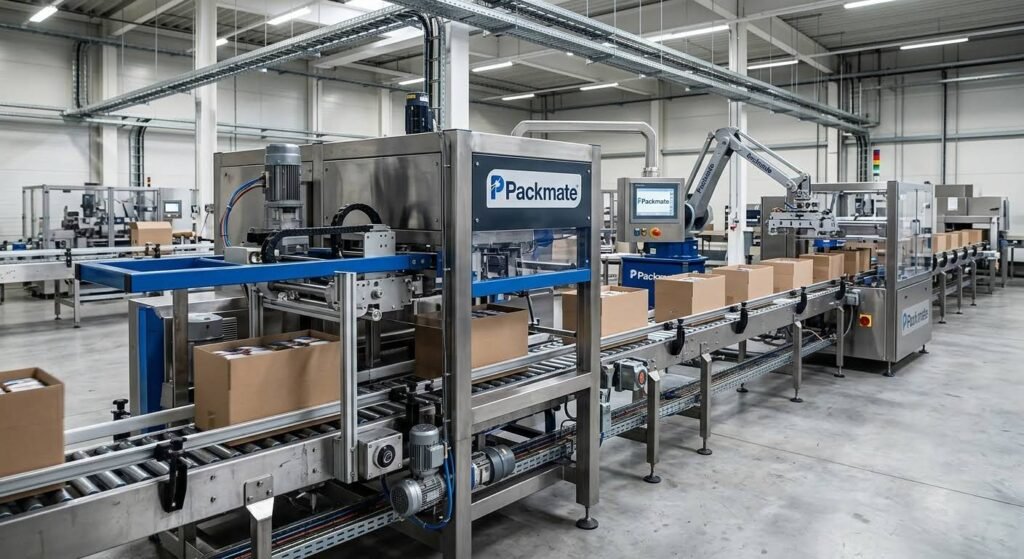
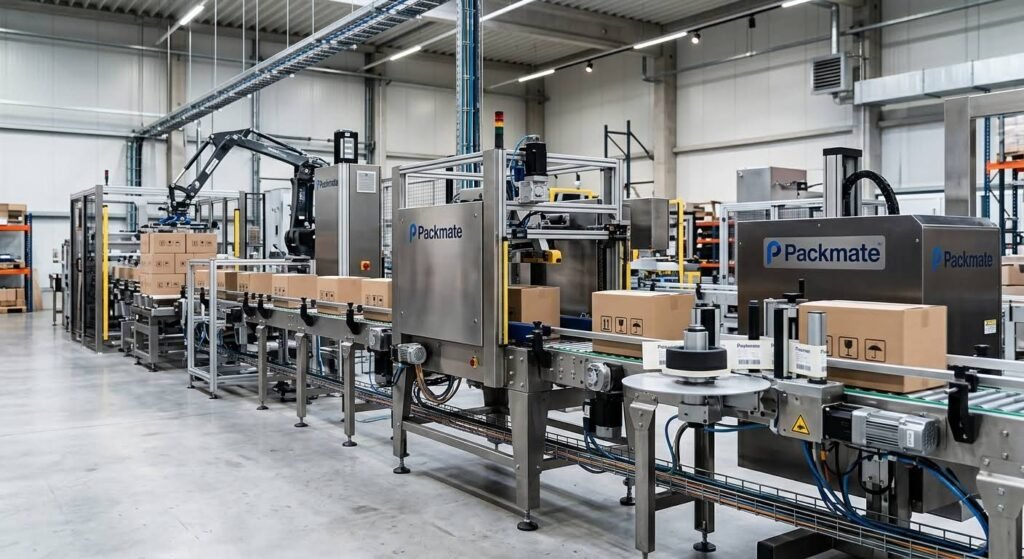
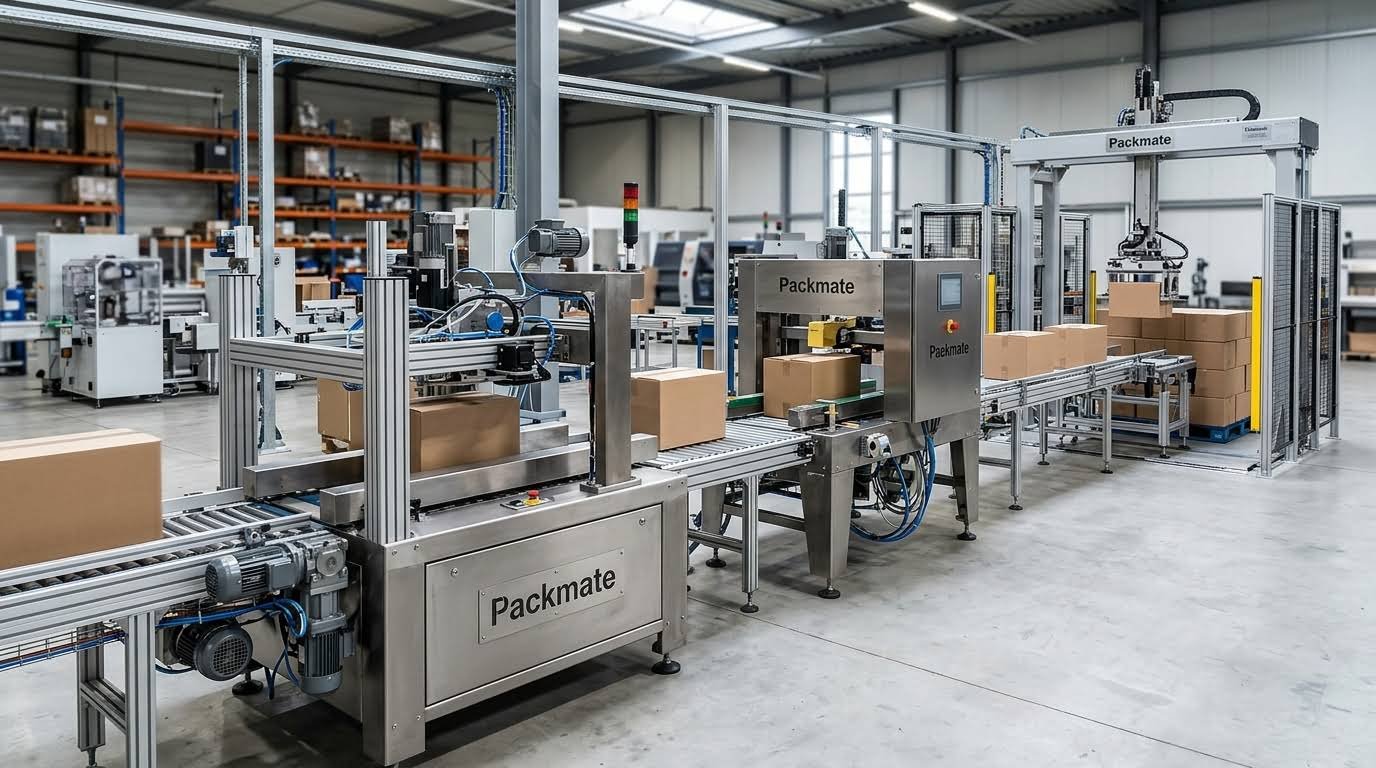
An advanced version of the chamber sealer designed for fully automated, high-speed production lines. Products in bags are automatically fed into the chamber via a conveyor belt, undergo vacuum sealing, and are discharged on the other side. They integrate seamlessly with other packaging line equipment like weighing and filling machines.
- Best for: Large-scale industrial food processing plants with fully automated lines.
- Key Feature: Maximum throughput and labor savings.
Key Benefits of Using a Vacuum Sealer
Investing in a quality vacuum packaging machine delivers a multitude of advantages that impact product quality, operational costs, and market competitiveness.
Extended Shelf Life & Enhanced Food Safety
By removing oxygen, the primary catalyst for spoilage, vacuum sealing can extend the shelf life of perishable foods by 3 to 5 times compared to conventional packaging. This drastically reduces food waste, allows for safer long-distance shipping, and provides greater flexibility in inventory management. It also creates a barrier against cross-contamination.
Improved Product Quality & Presentation
Vacuum packaging locks in freshness, flavor, moisture, and texture. It prevents freezer burn on frozen goods and preserves the vibrant color of meats and produce. The tight, shrink-fit appearance of the package looks professional, protects the product from physical damage, and can enhance brand perception on retail shelves.
Cost Efficiency & Space Optimization
Reducing spoilage directly saves money. Furthermore, vacuum-sealed products take up less space as the bags conform tightly to the product’s shape. This means more efficient use of storage, refrigerator, freezer, and shipping space, leading to lower storage and logistics costs.
Versatility for Diverse Products
Modern vacuum sealers are not just for food. They are widely used in the pharmaceutical industry to package sterile components, in electronics to protect against moisture and dust, and for preserving important documents, collectibles, and textiles.
How to Choose the Right Model: A Practical Guide
Selecting the perfect sealer vacuum packaging machine requires a careful assessment of your specific needs. Here are the critical factors to consider.
1. Assess Your Production Volume & Speed Requirements
This is the most decisive factor. A small bakery might manage with a manual external sealer, while a meat processing plant will need a double-chamber or belt conveyor model. Calculate your average daily/weekly packaging volume and desired bags-per-minute output to narrow down the machine type.
2. Define Your Product Characteristics
The nature of your product dictates the machine type.
- Dry vs. Wet/Liquid: For moist, saucy, or liquid products, a chamber vacuum sealer is mandatory to contain liquids.
- Product Size & Shape: Ensure the machine’s chamber or sealing bar can accommodate your largest common bag size.
- Fragility: Delicate products like chips or pastries may require a gentle vacuum or gas flush option to prevent crushing.
3. Consider Packaging Materials & Seal Integrity
The machine must be compatible with the vacuum bags you plan to use (typically multi-layer plastic films with a PA/PE structure). Check the seal bar length and the quality of the heat seal. A strong, consistent seal is non-negotiable for maintaining the vacuum. Some machines offer adjustable seal time and temperature for different materials.
4. Evaluate Key Machine Features & Specifications
- Vacuum Strength: Measured in millibar (mbar) or inches of mercury (inHg). A stronger vacuum (lower mbar) is better for long-term preservation.
- Seal Bars: Look for durable, double-seal bars for redundancy and reliability.
- Programmability: Machines with memory functions for different products save time and reduce errors.
- Gas Flushing (Modified Atmosphere Packaging – MAP): An optional feature where inert gas (like nitrogen) is injected after vacuuming. This is ideal for extremely delicate products or to preserve the shape of soft goods.
5. Plan for the Future: Scalability & Support
Consider not just your current needs, but also potential growth. A slightly more capable machine may be a better long-term investment. Crucially, choose a reputable supplier like Ludyway Packing Machine that offers robust after-sales support, readily available spare parts, and technical service. The reliability of your packaging equipment directly affects your production continuity.
💡 Pro Tip: Request a Live Test
Whenever possible, provide samples of your actual product to the supplier for a live machine demonstration. This is the best way to verify the machine’s performance, seal quality, and cycle time with your specific product and bag material.
Frequently Asked Questions (FAQs)
1. Can I vacuum seal liquids with any machine?
No. To vacuum seal liquids, soups, or marinades without them being sucked into the machine’s pump, you must use a chamber vacuum sealer. The even pressure applied inside the chamber prevents liquid boil-over and spillage.
2. How does vacuum sealing differ from Modified Atmosphere Packaging (MAP)?
Vacuum sealing removes almost all air. MAP removes air and replaces it with a specific mixture of gases (e.g., nitrogen, carbon dioxide). MAP is often used for products that would be crushed by a full vacuum, like potato chips or fresh salads, to maintain package puffiness while still preserving freshness.
3. What maintenance does a vacuum packaging machine require?
Regular maintenance is key. Daily cleaning of the sealing area and chamber to remove debris, weekly checks of the seal bar for residue, and periodic inspection/oiling of the vacuum pump as per the manufacturer’s instructions (often annually) will ensure longevity and consistent performance.
4. Are there foods that should NOT be vacuum sealed?
Yes. Avoid vacuum sealing raw mushrooms, garlic, onions, and certain soft cheeses without prior treatment, as the anaerobic environment can promote the growth of dangerous bacteria like Clostridium botulinum. Always follow food safety guidelines. Fresh, uncooked vegetables should be blanched before vacuum sealing for freezer storage.
5. How do I choose between a single and double chamber sealer?
The choice hinges on your production speed needs. A single chamber is sufficient for batch processing with downtime between cycles. If you need continuous, uninterrupted packaging with maximum output (e.g., on a production line), a double chamber sealer is the efficient choice, as loading can happen during the sealing cycle of the other chamber.