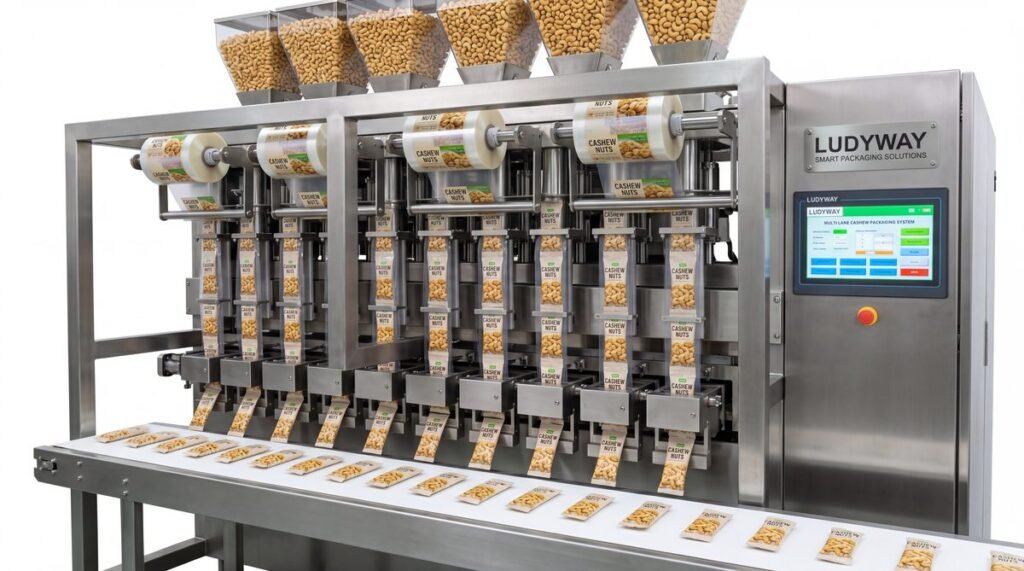
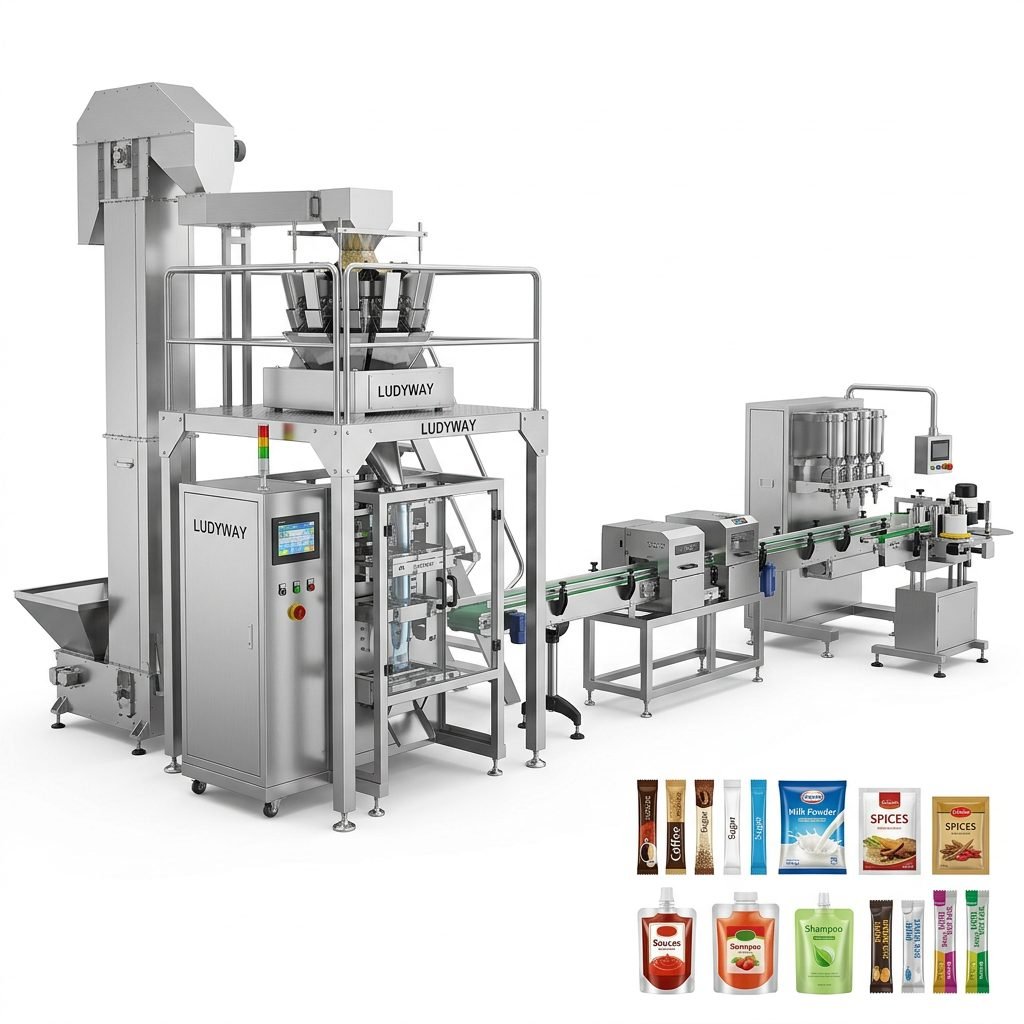
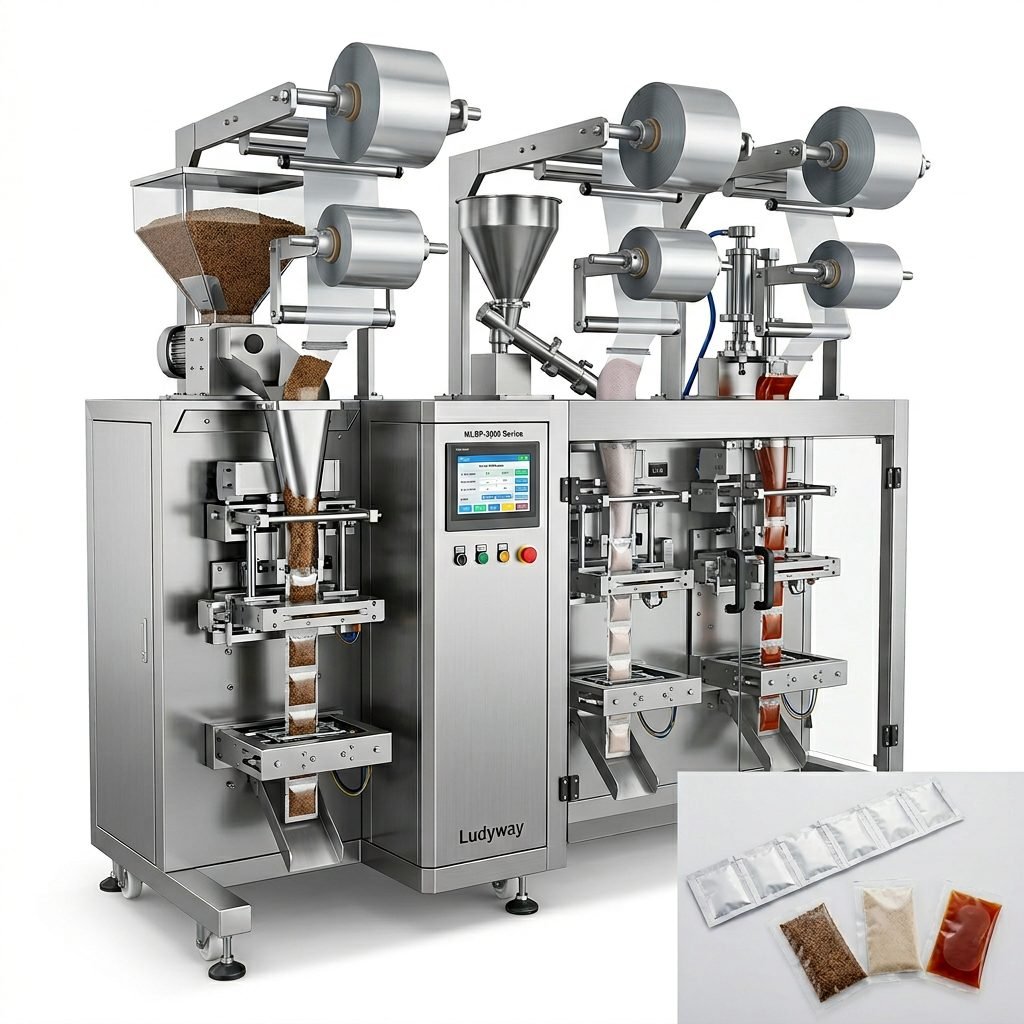
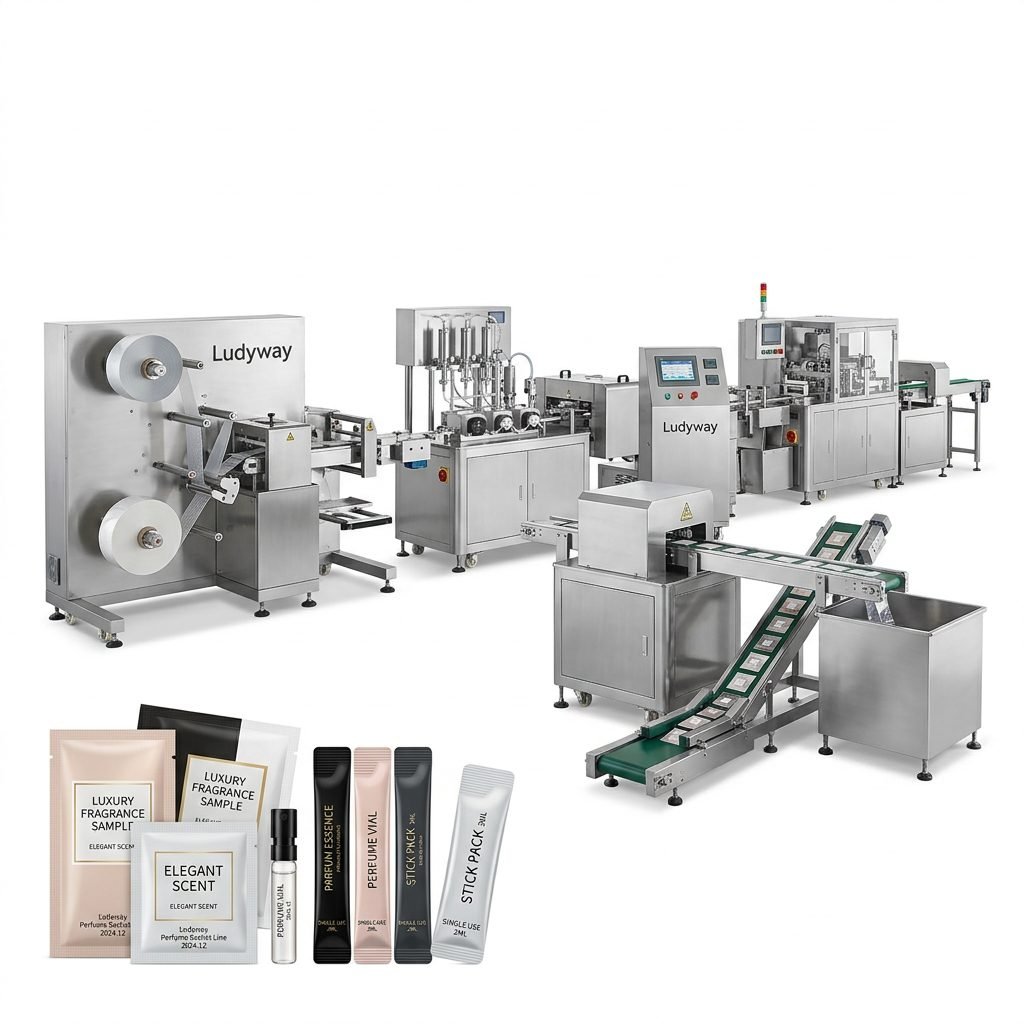
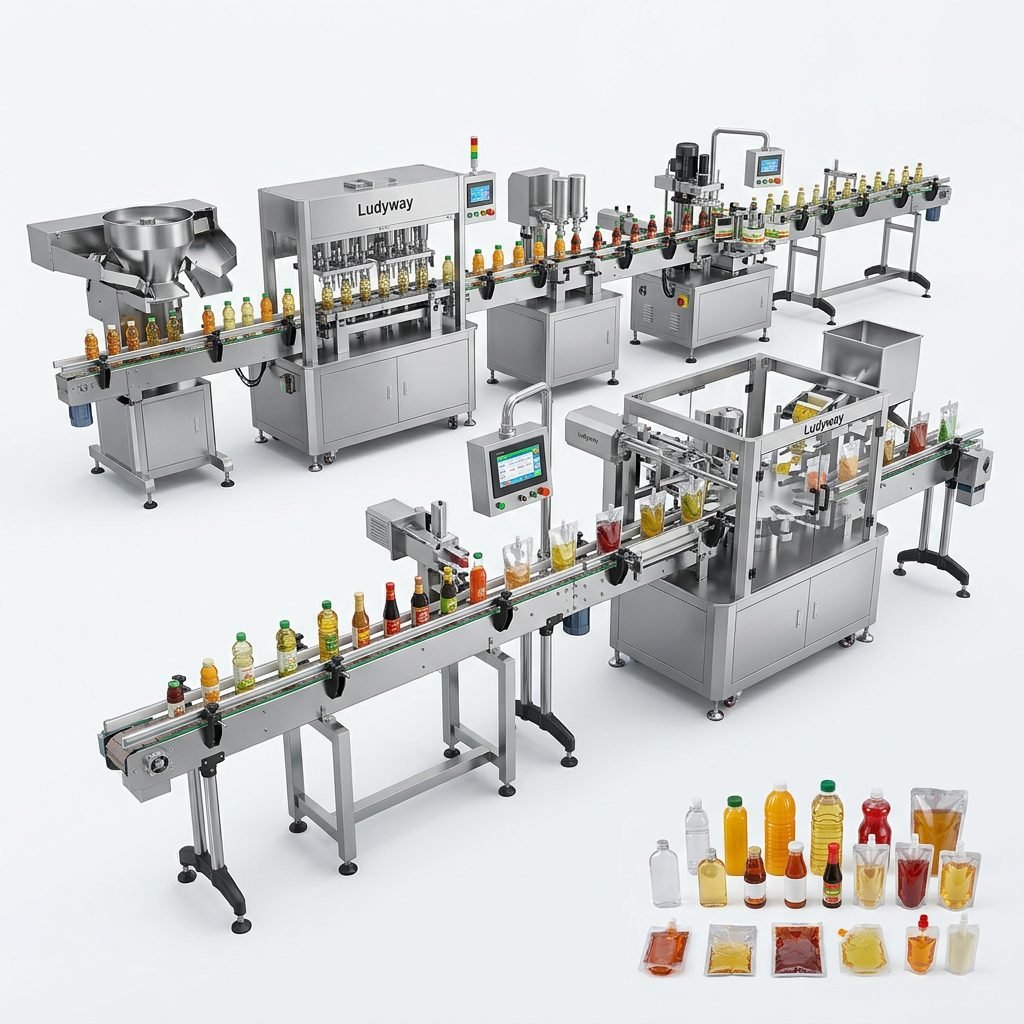
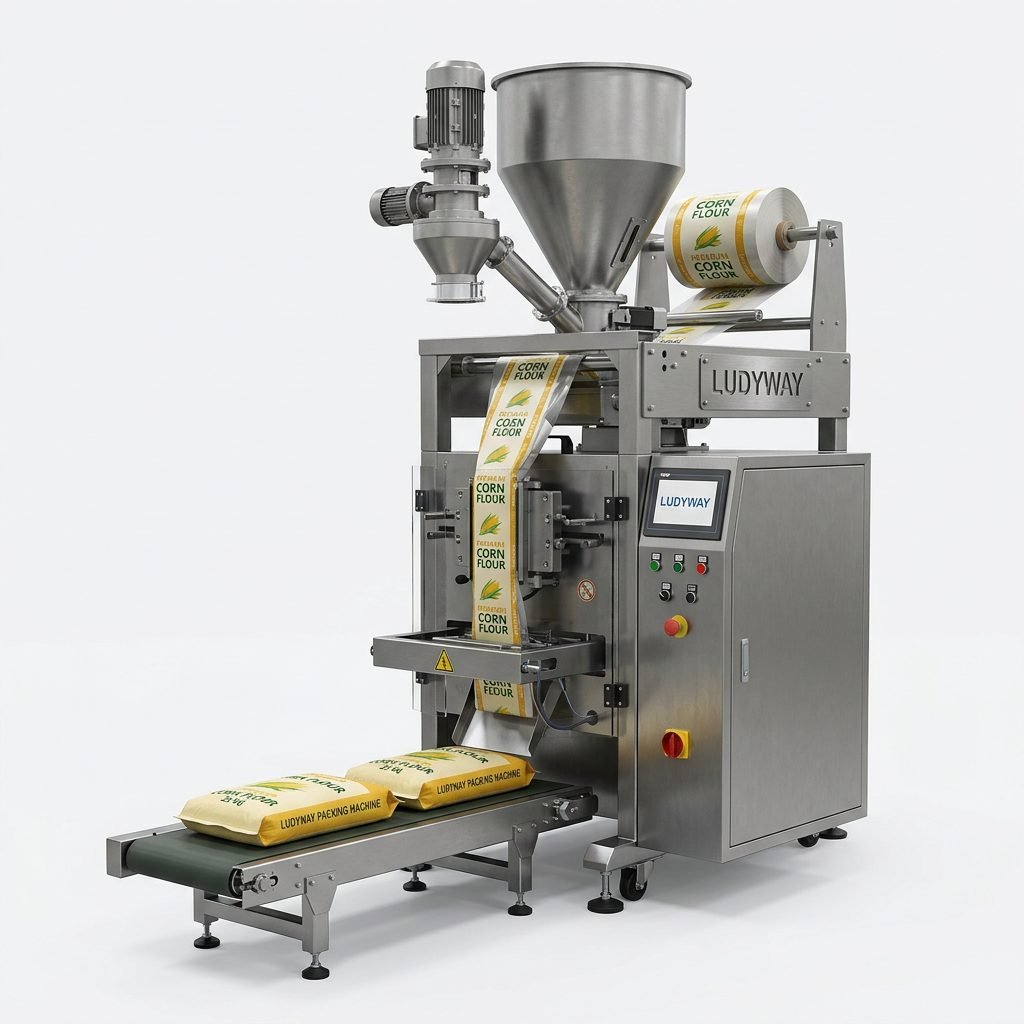
A milk bag packing machine is designed to form, fill, and seal liquid products with speed, hygiene, and precision. For dairy brands, beverage processors, and contract packers, this type of equipment helps reduce labor dependency, improve sealing consistency, and support large-volume production of milk, flavored milk, yogurt drinks, cream-based liquids, and similar products.
In today’s competitive liquid packaging market, manufacturers need more than simple filling equipment. They need automatic systems that can deliver stable output, accurate dosing, leak-resistant sealing, and easy integration with upstream and downstream production. That is exactly where modern milk bag packaging solutions create measurable value.
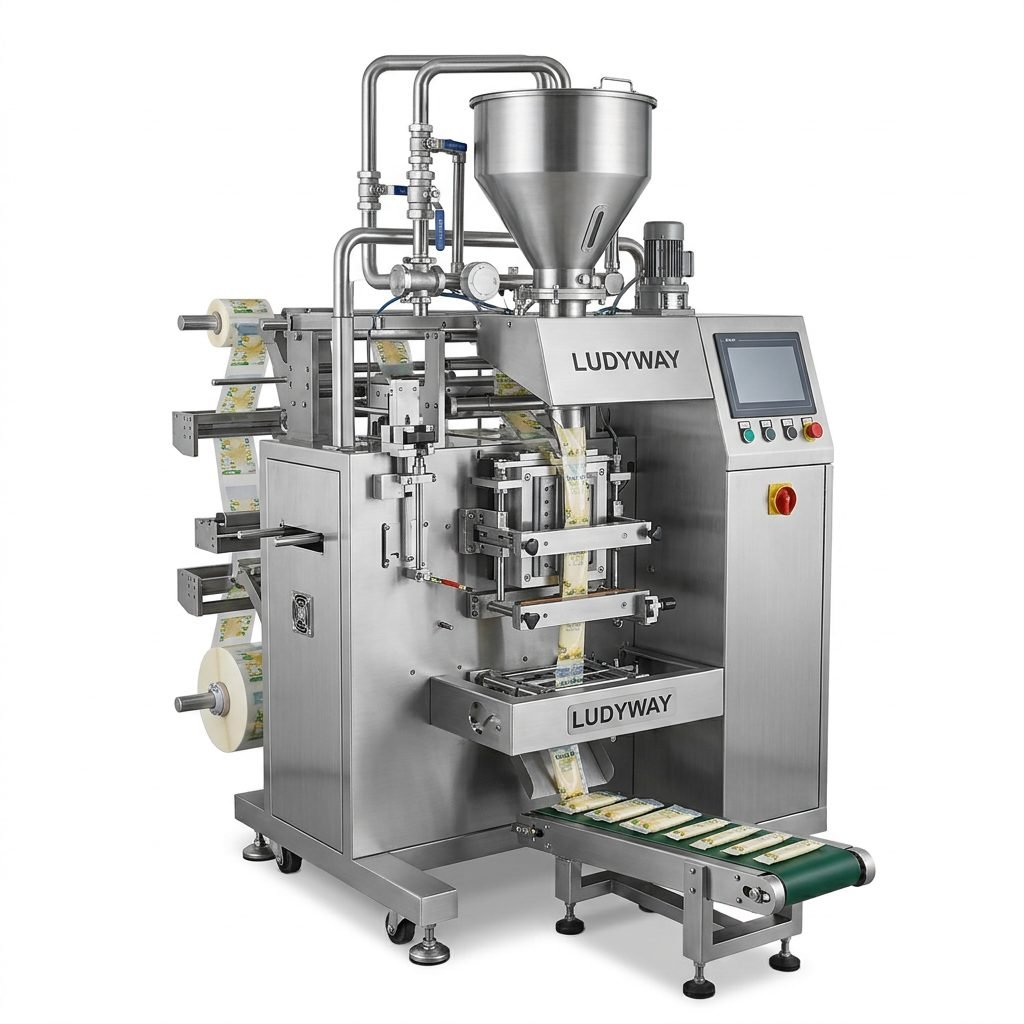
What Is a Milk Bag Packing Machine?
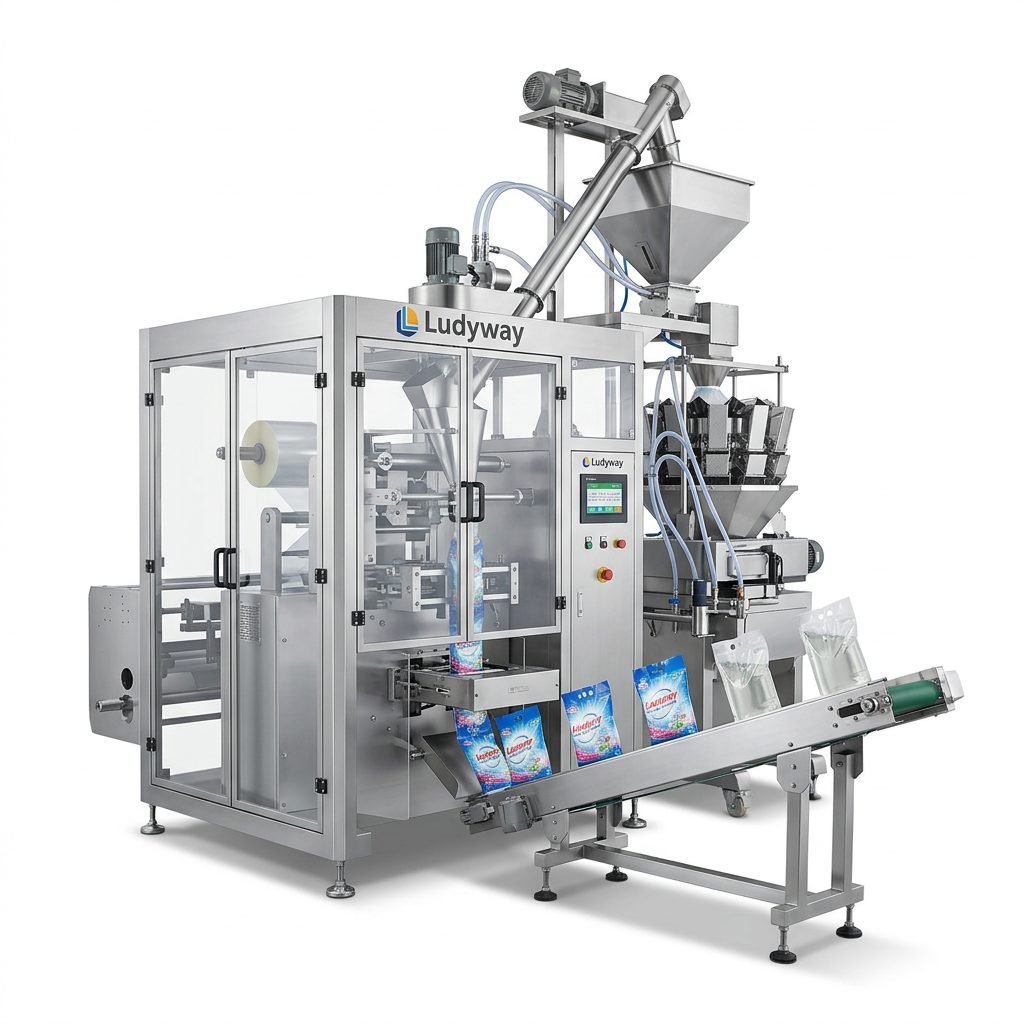
A milk bag packing machine is an automated packaging system used to package milk and other flowable liquid products into plastic bags, sachets, or pillow-style pouches. The machine typically handles the entire cycle:
- Film unwinding
- Bag forming
- Liquid filling
- Heat sealing
- Cutting and discharge
Depending on product type and output requirements, these machines may be configured for fresh milk, pasteurized milk, dairy drinks, plant-based milk, liquid nutrition products, or other low- to medium-viscosity liquids. Advanced systems can also support date coding, counting, checkweighing, and secondary packing.
Why Milk Bag Packaging Remains Popular
Milk bag packaging continues to be widely used because it offers a practical balance between cost efficiency and production flexibility. Compared with rigid containers, flexible bags often require less packaging material, less storage space, and lower transportation costs.
For many processors, milk bags are ideal when the goal is to deliver high daily output while keeping unit packaging costs under control. This is especially useful for:
- Dairy manufacturers
- Private-label beverage producers
- Regional milk brands
- School milk projects
- Foodservice liquid suppliers
- Emerging liquid nutrition brands
Key Benefits of an Automatic Milk Bag Packing Machine
1. Higher Packaging Efficiency
Automatic milk bag packing machines can operate continuously with repeatable filling and sealing performance. This supports faster throughput and reduces manual handling across the line.
2. Accurate Liquid Filling
Precision filling systems help control package weight and volume. This improves product consistency, reduces giveaway, and supports better cost management over long production runs.
3. Reliable Seal Quality
Strong sealing performance is essential for liquid packaging. A well-designed machine helps minimize leakage, contamination risk, and transportation damage.
4. Improved Hygiene
Milk and dairy-related products require hygienic handling. Automatic systems reduce direct operator contact and can be built with sanitary structures for easier cleaning and maintenance.
5. Lower Labor Dependence
Automation helps factories reduce repetitive manual work, improve workflow stability, and maintain consistent output even when labor availability is limited.
6. Flexible Product Compatibility
Many machines can be adapted for multiple liquid products beyond milk, allowing processors to expand their packaging portfolio without building a completely new line.
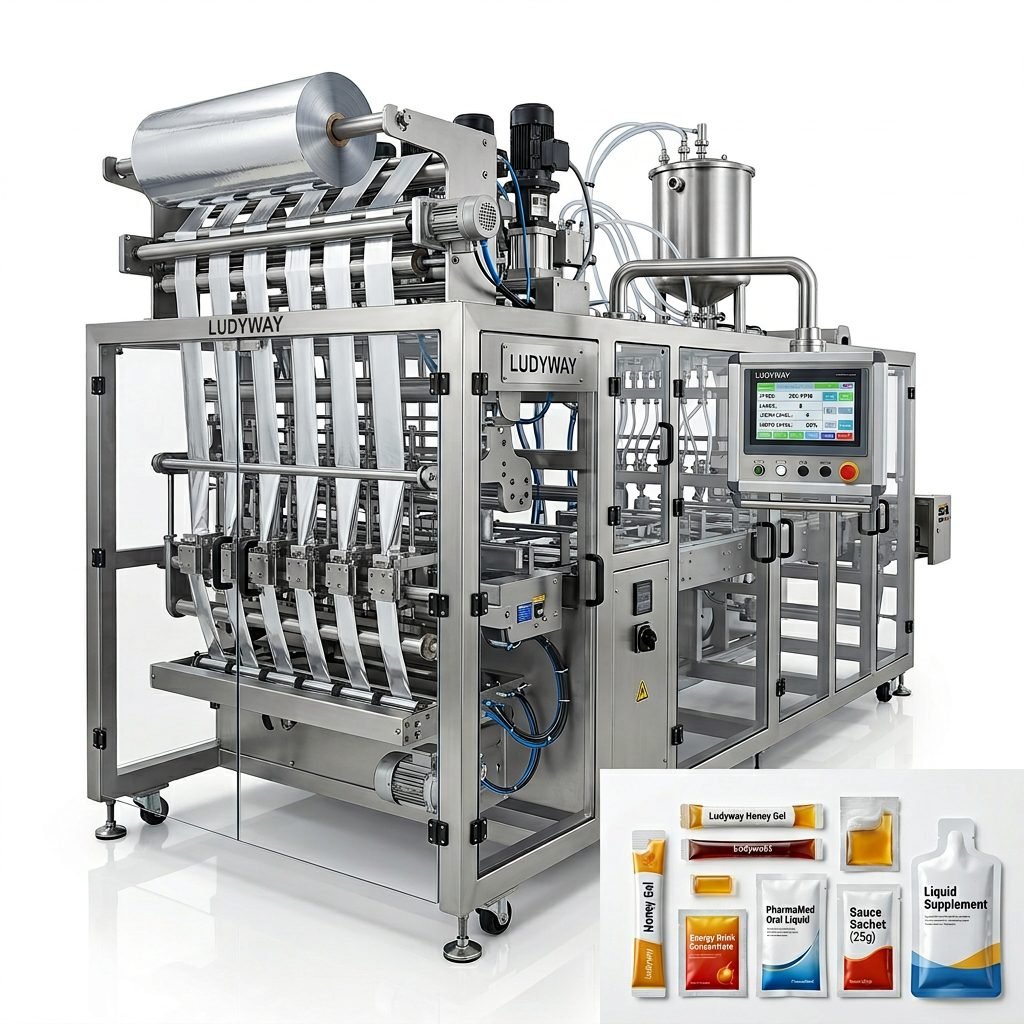
Applications of Milk Bag Packing Machines
Although the name suggests dairy milk only, this equipment is often suitable for a wide range of liquid and semi-liquid products. Common applications include:
| Product Type | Typical Packaging Use | Key Requirement |
|---|---|---|
| Fresh milk | Daily retail distribution | Hygienic filling and secure sealing |
| Pasteurized milk | Short-cycle supermarket supply | Stable dosing and packaging speed |
| Flavored milk | Consumer beverage packaging | Compatibility with different formulations |
| Soy milk and plant-based drinks | Alternative beverage production | Accurate liquid handling |
| Yogurt drinks | Single-serve flexible packs | Seal integrity and flow control |
| Cream or dairy beverages | Foodservice and retail | Viscosity-adapted filling system |
Important Features to Look For
Not all milk bag packing machines are the same. Choosing the right system depends on product characteristics, bag format, speed requirements, and factory layout. When evaluating equipment, pay attention to the following features:
- Automatic film forming and sealing for consistent bag quality
- Precise liquid filling unit to reduce product waste
- Sanitary contact parts for food-grade production
- PLC control and touch screen interface for easy operation
- Temperature control system for stable heat sealing
- Leak prevention design for liquid packaging safety
- Quick format adjustment for different bag sizes
- Integration capability with conveyors, printers, and cartoners
Semi-Automatic vs. Fully Automatic Milk Bag Packaging
For growing factories, the choice between semi-automatic and fully automatic equipment depends on output expectations, labor costs, and long-term production planning.
| Machine Type | Best For | Advantages | Consideration |
|---|---|---|---|
| Semi-automatic | Smaller operations or pilot production | Lower initial investment | More labor involvement |
| Fully automatic | Medium to large-scale dairy production | Higher speed, consistency, and labor savings | Requires proper line planning |
How to Choose the Right Milk Bag Packing Machine
The right machine should fit both your current production needs and your future growth plans. Before making a decision, it helps to review the following points:
- Product characteristics: Is the liquid thin, foamy, hot-filled, or slightly viscous?
- Bag size and format: What pack volume and dimensions do you need?
- Production capacity: How many bags per hour or per shift are required?
- Sealing performance: Is the packaging strong enough for storage and transport?
- Cleaning and maintenance: Can operators clean the system quickly and safely?
- Factory integration: Will the machine connect to filling tanks, conveyors, printers, or secondary packaging?
- Customization: Does the supplier support tailored solutions for your line?
A machine that looks efficient on paper may still underperform if it does not match your actual product flow behavior or plant conditions. That is why experienced engineering support matters.
Turnkey Packaging Lines for Liquid Products
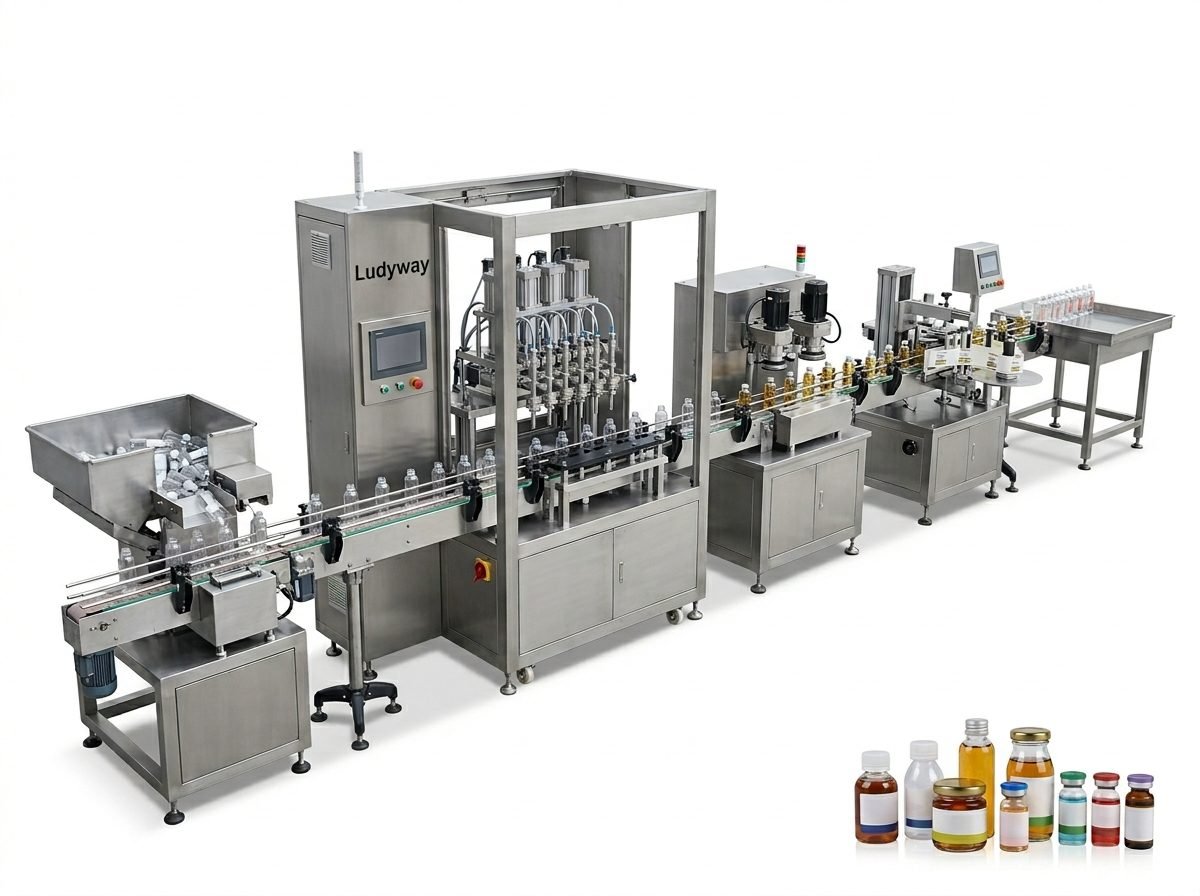
Many manufacturers now prefer complete packaging lines instead of a single standalone unit. A milk bag packing machine can be part of a broader solution that includes:
- Liquid storage and feeding systems
- Automatic filling and sealing machine
- Date coding or printing system
- Inspection equipment
- Conveying system
- Cartoning or case packing unit
- Palletizing support
Complete lines simplify production management and help maintain better synchronization between each process stage. This reduces bottlenecks and supports smoother high-volume operation.
Industry Trends Driving Demand
Demand for automatic milk bag packaging machines is growing due to several market trends:
- Rising need for efficient liquid packaging automation
- Increased focus on hygienic food production
- Pressure to reduce packaging waste and labor costs
- Expansion of dairy alternatives such as soy, oat, and blended beverages
- Growth of flexible packaging in retail and foodservice channels
As a result, processors are investing in packaging systems that are not only fast, but also adaptable, easy to operate, and suitable for multiple product categories.
Why Manufacturer Experience Matters
Packaging performance depends not only on machine design, but also on the supplier’s ability to understand product application, factory conditions, and line integration. An experienced manufacturer can help reduce commissioning time, lower technical risk, and deliver a solution that performs reliably in real production.
For businesses looking for scalable automation, Ludyway milk bag packing machine solutions are backed by more than 30 years of packaging industry experience, a manufacturing base of over 20,000 square meters, and broad export service capability across food, pharmaceutical, health supplement, and related sectors.
Maintenance Tips for Long-Term Performance
To keep a milk bag packing machine running efficiently, regular maintenance is essential. Good maintenance practices help extend equipment life and maintain packaging quality.
- Clean product-contact parts on schedule
- Check sealing temperature consistency
- Inspect filling valves and pipelines for residue or wear
- Monitor sensors, cutters, and film tracking components
- Replace worn sealing parts before leakage issues develop
- Train operators on standard operating procedures
Frequently Asked Questions
Can a milk bag packing machine handle products other than milk?
Yes. Many models can package soy milk, yogurt drinks, cream-based liquids, sauces, nutritional beverages, and other low- to medium-viscosity liquid products, depending on the filling configuration.
Is automatic packaging suitable for small and medium manufacturers?
Yes. Automatic systems are available in different capacities, making them suitable for both growing regional producers and larger industrial operations.
What is the main advantage of bag packaging for milk?
The biggest advantages are lower packaging material use, efficient storage, reduced transport cost, and the ability to support high-volume filling with consistent results.
Can the machine be customized?
In many cases, yes. Manufacturers often provide customization for bag size, filling range, sealing structure, control system, and full line integration.
Final Considerations for Buyers
Investing in a milk bag packing machine is not just about buying equipment. It is about improving your full packaging workflow. The best solution should combine speed, hygiene, accuracy, and operational flexibility while fitting your product requirements and long-term capacity goals.
Whether you produce fresh milk, dairy beverages, or plant-based liquid products, the right automatic packaging system can help you achieve better consistency, lower operating costs, and stronger market responsiveness. For modern liquid product manufacturers, efficient bag packaging is a smart step toward more competitive production.