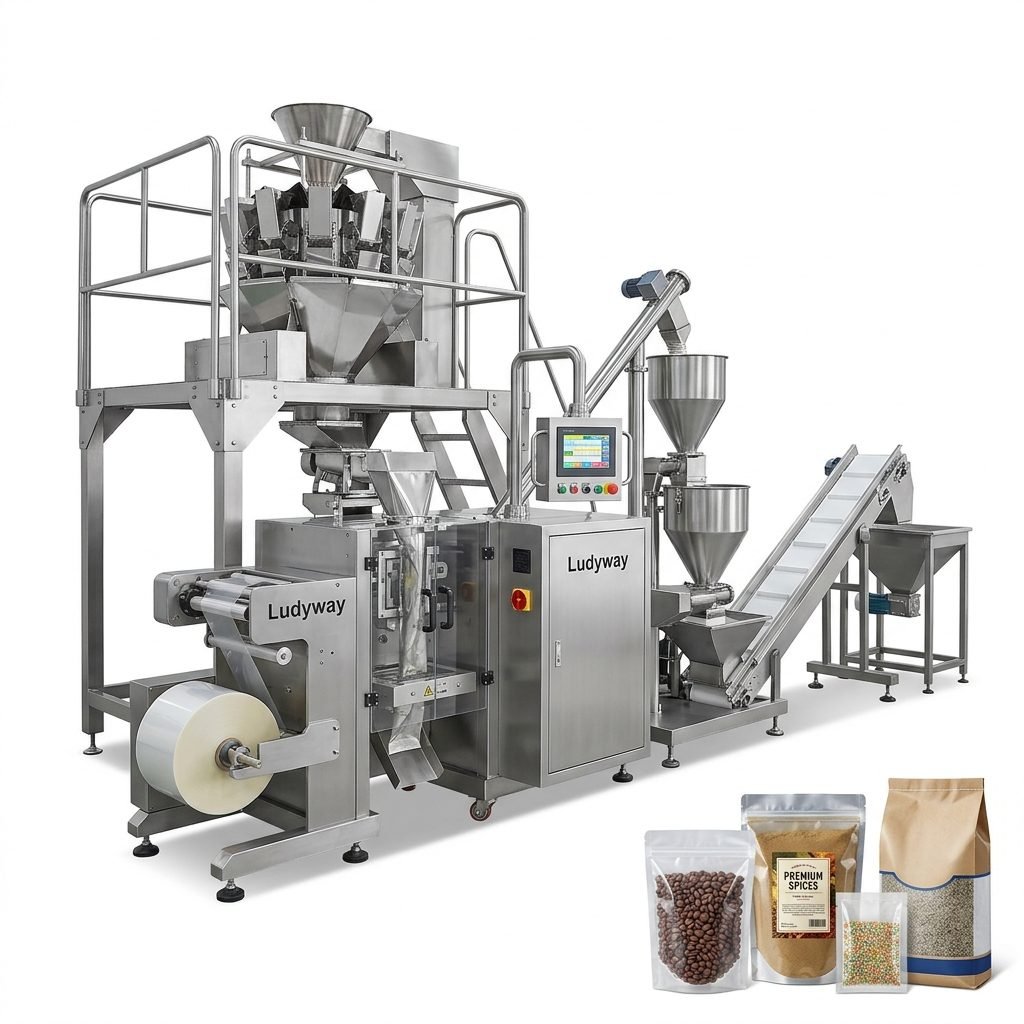
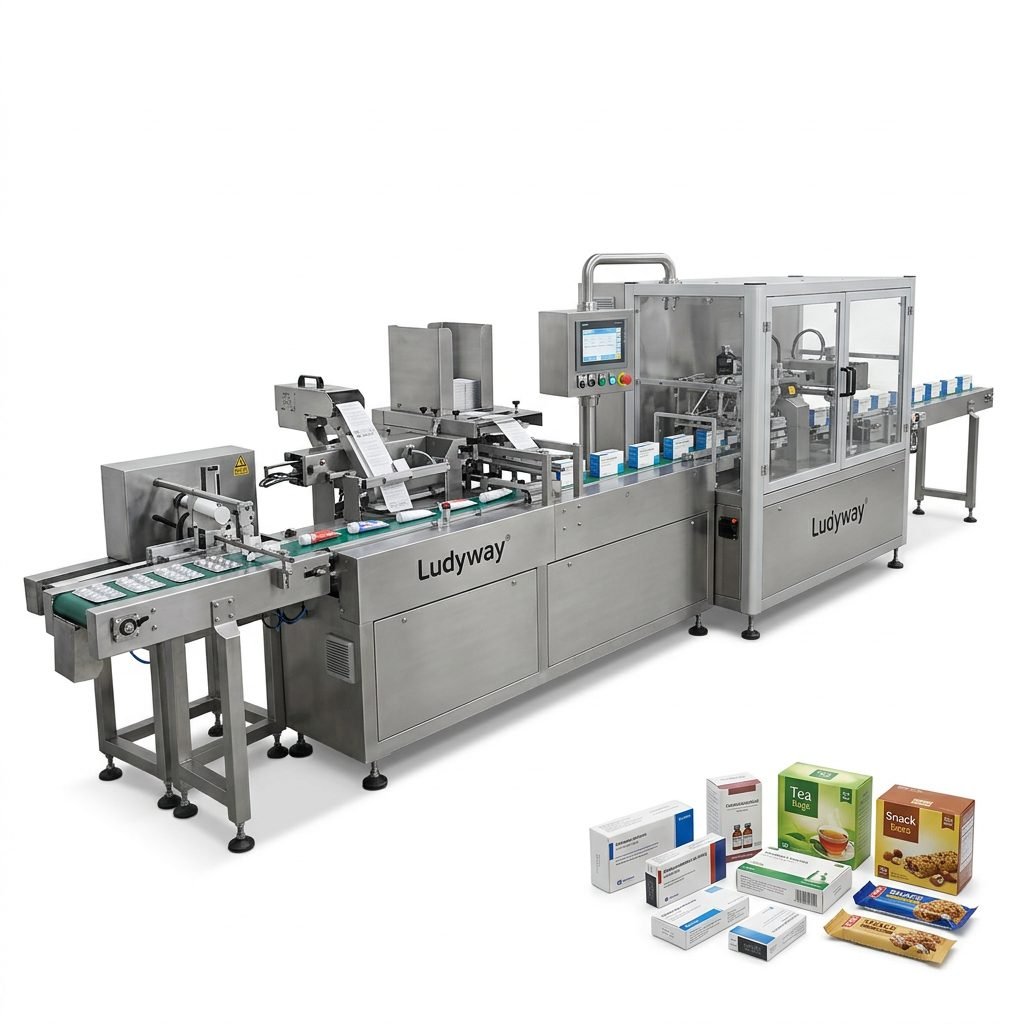
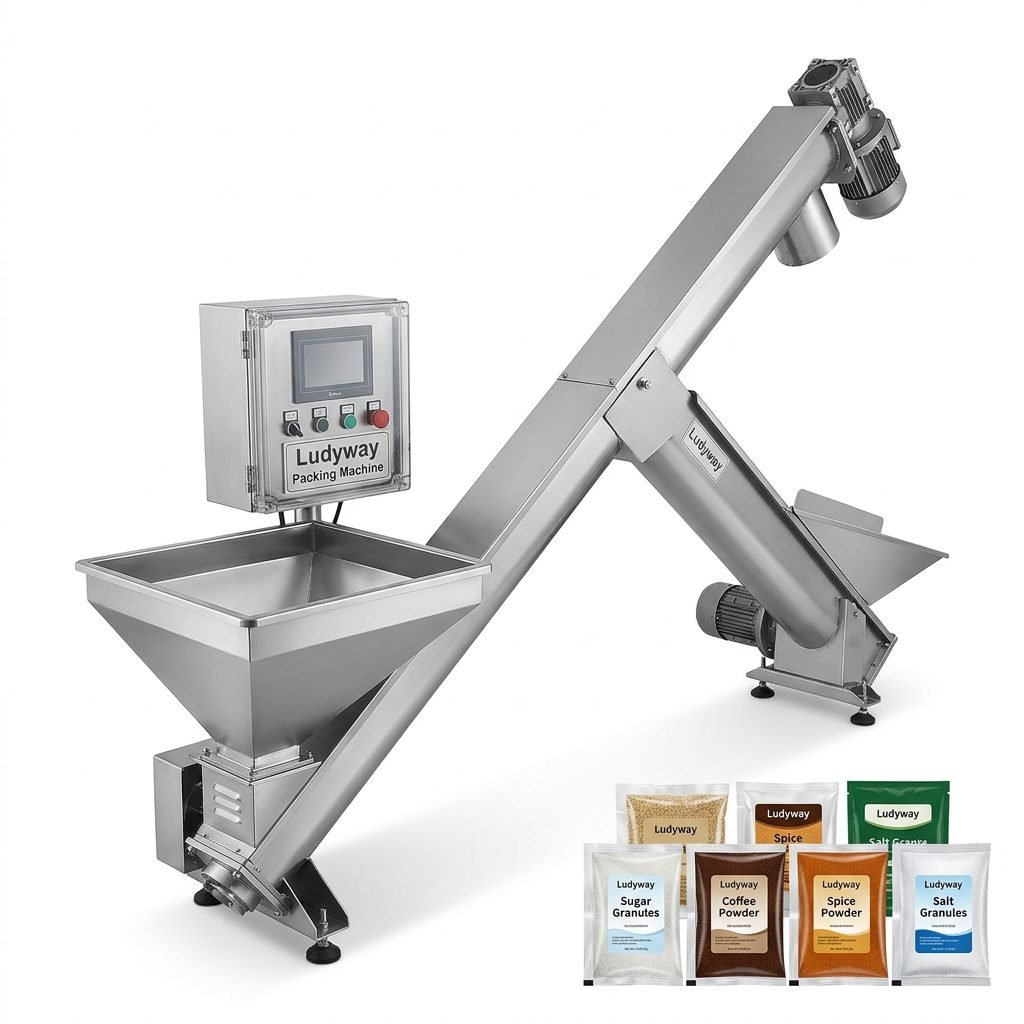
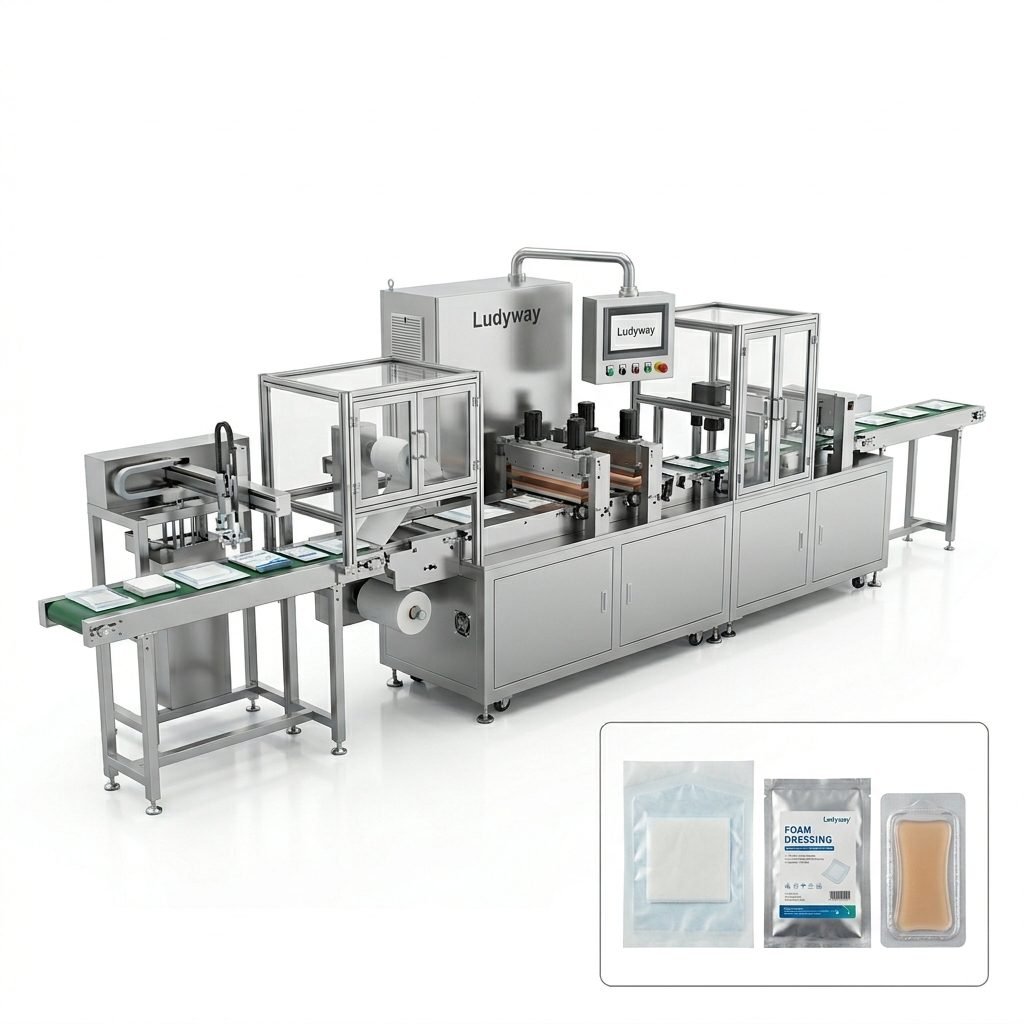
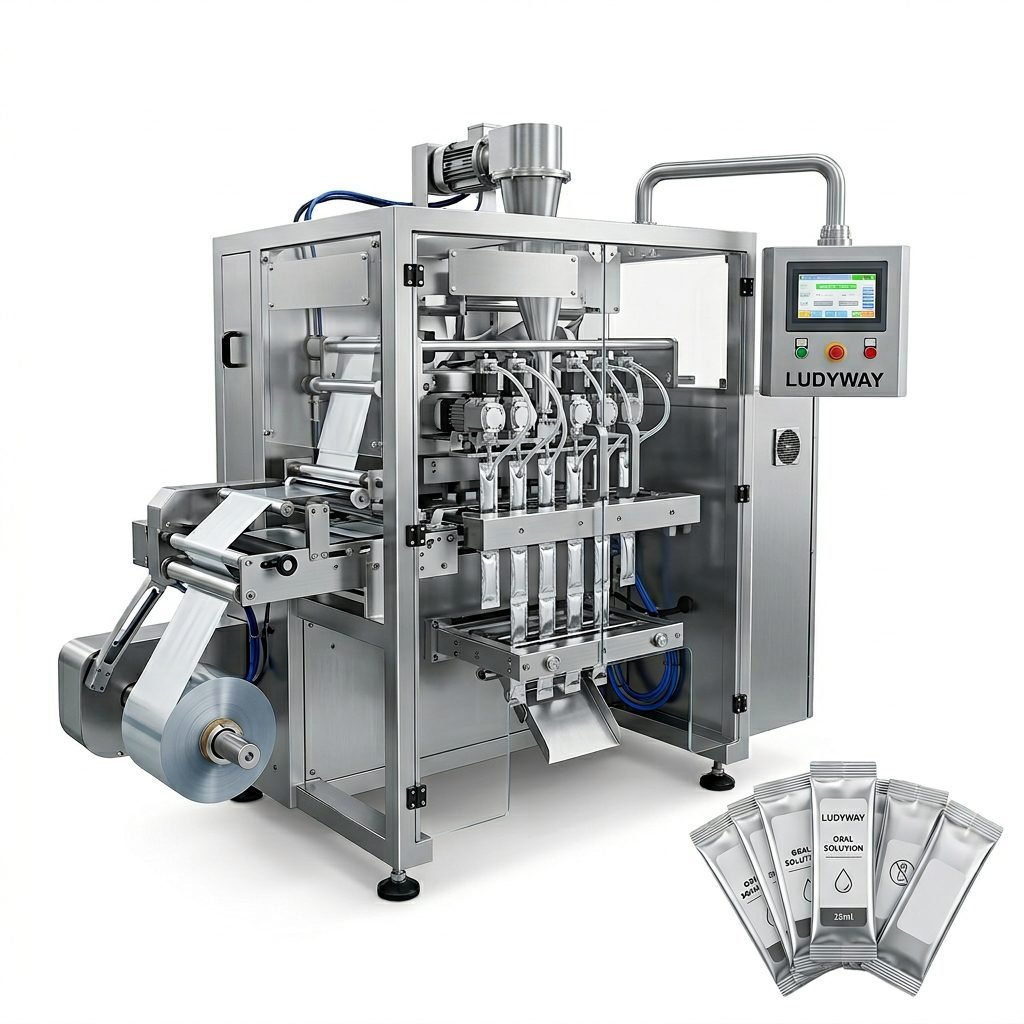
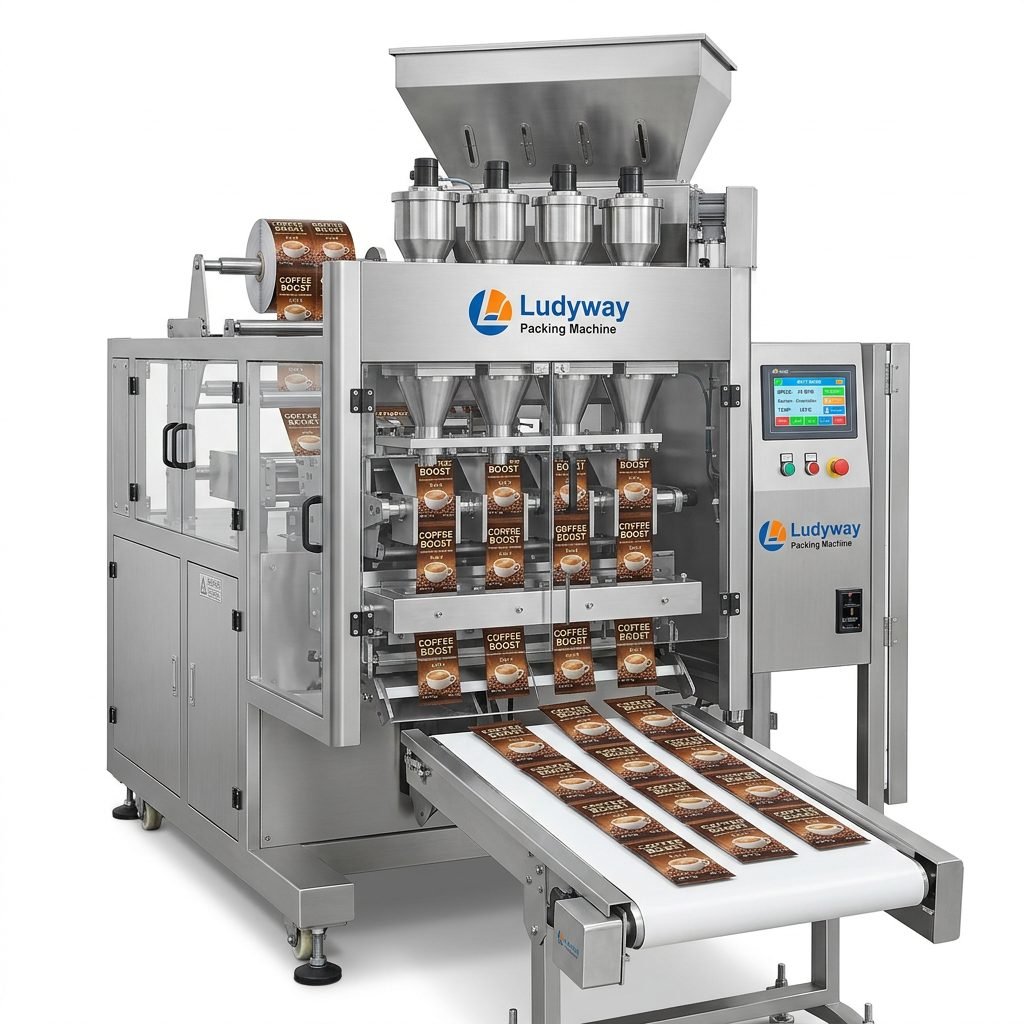
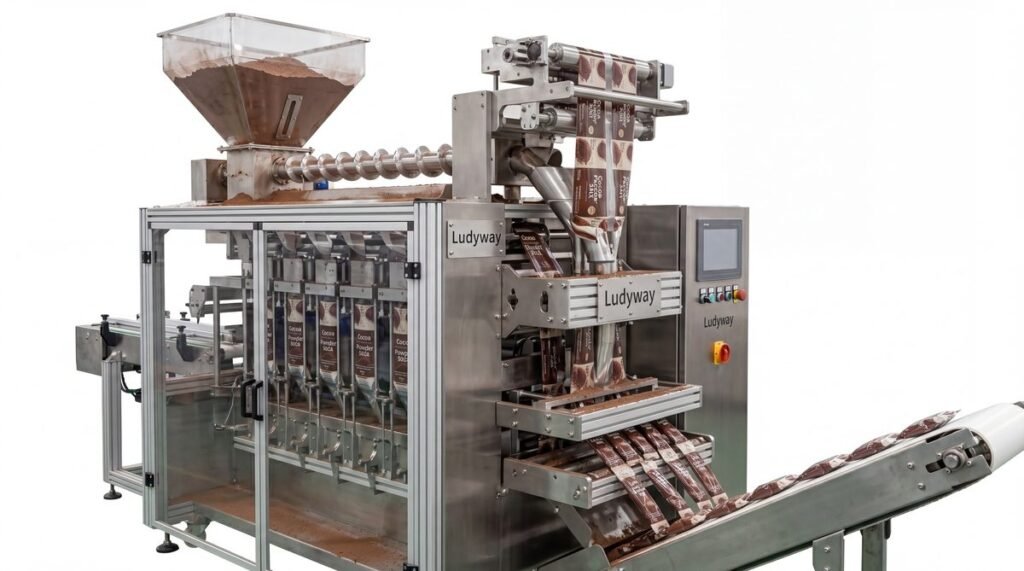
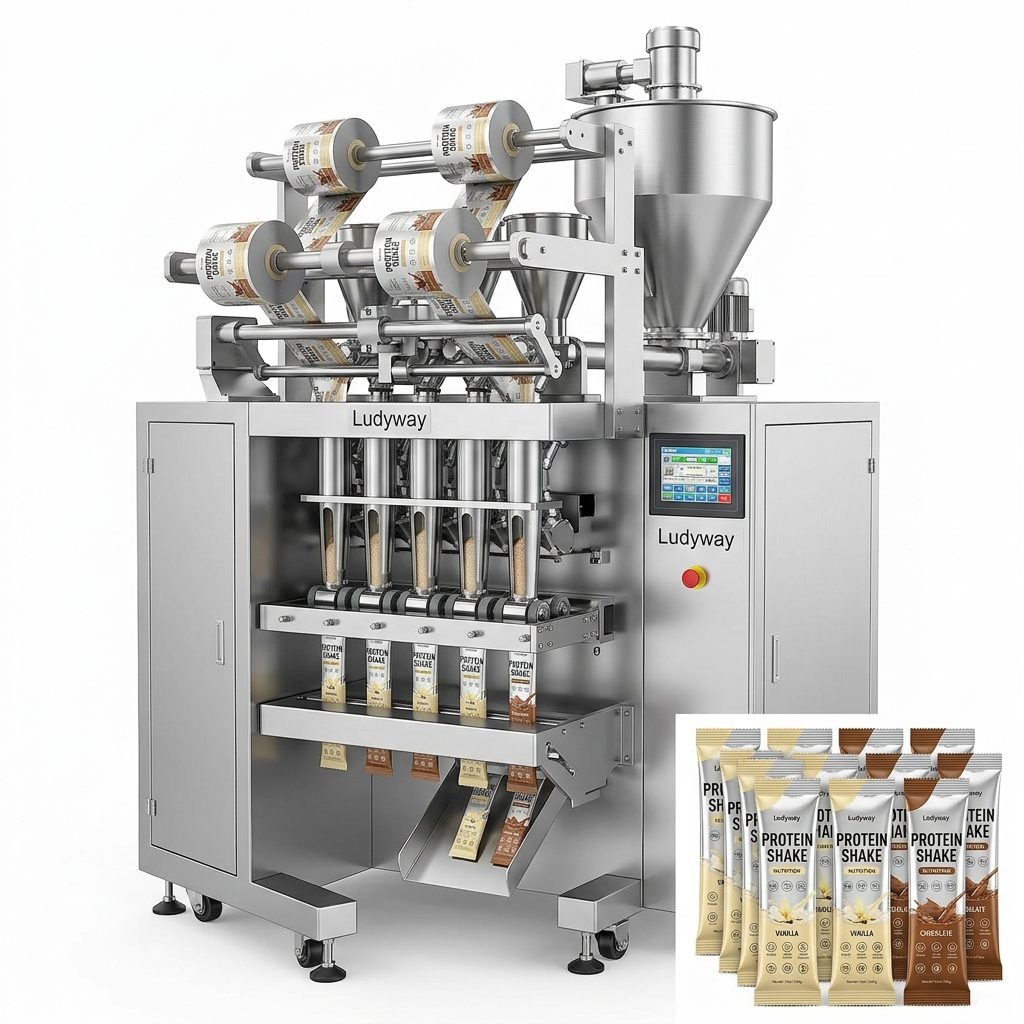
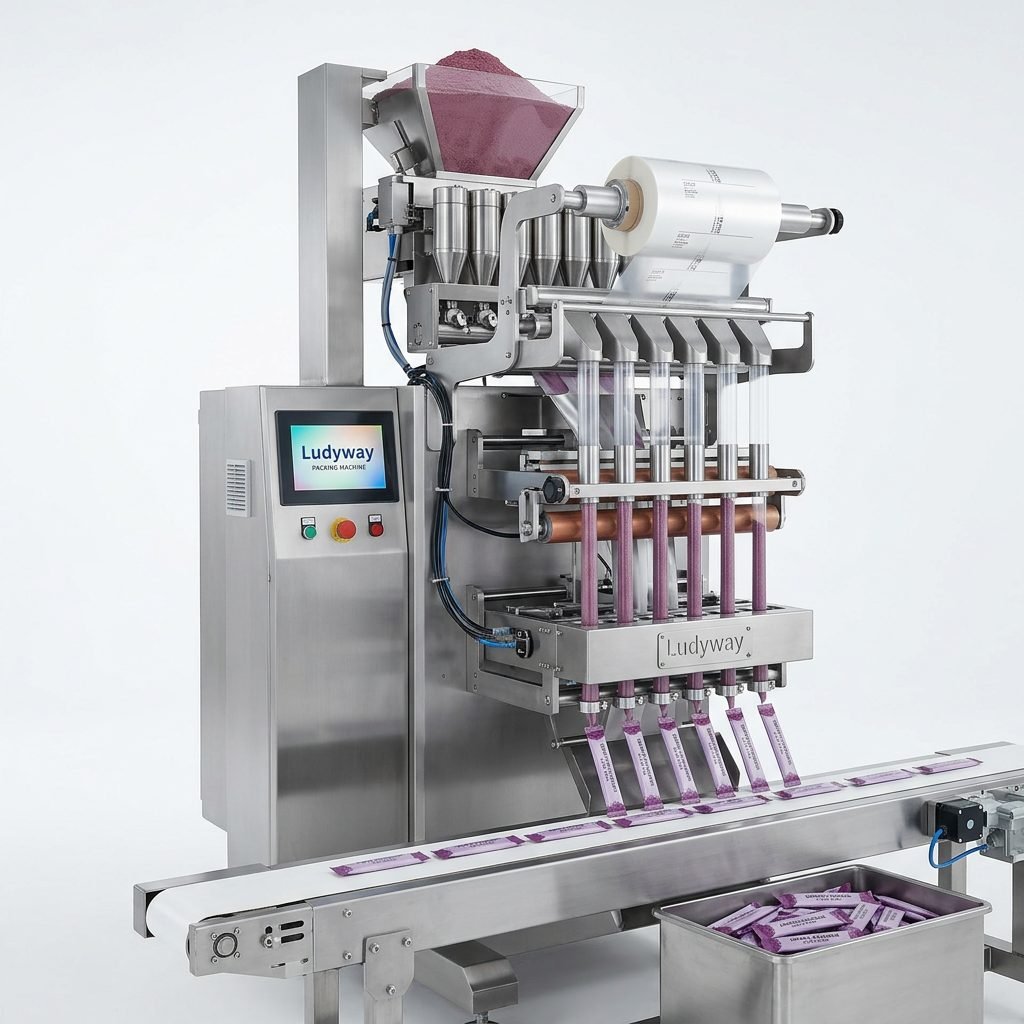
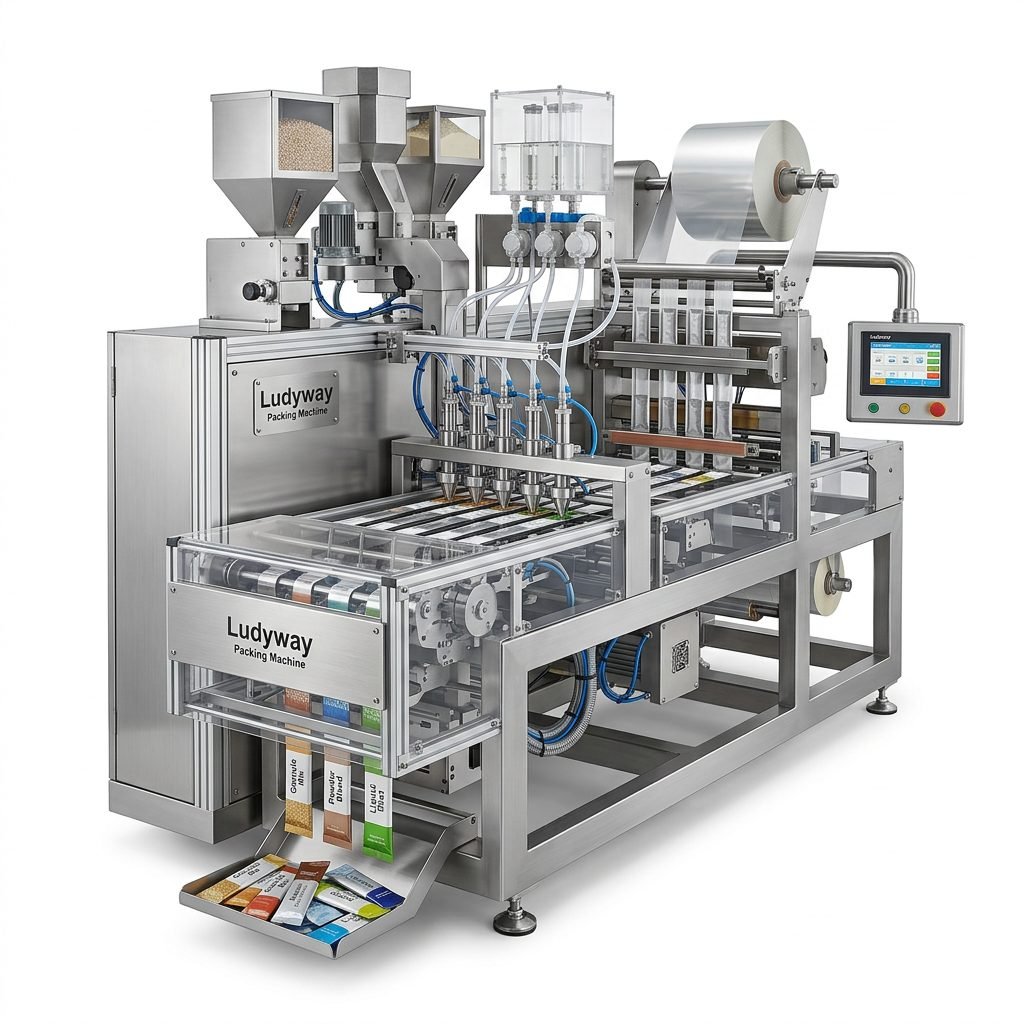
Choosing the right panni packing machine is not only about buying equipment—it is about selecting a packaging solution that fits your product, production goals, budget, and long-term growth plan. Whether you pack powders, granules, liquids, pastes, pouches, or sachets, the right machine can improve efficiency, consistency, hygiene, and profitability.
For businesses in food, pharmaceutical, health supplement, cosmetic, chemical, or pouch-based industries, the decision should be made carefully. A well-matched machine can reduce labor costs, minimize product waste, improve sealing quality, and support future automation upgrades.
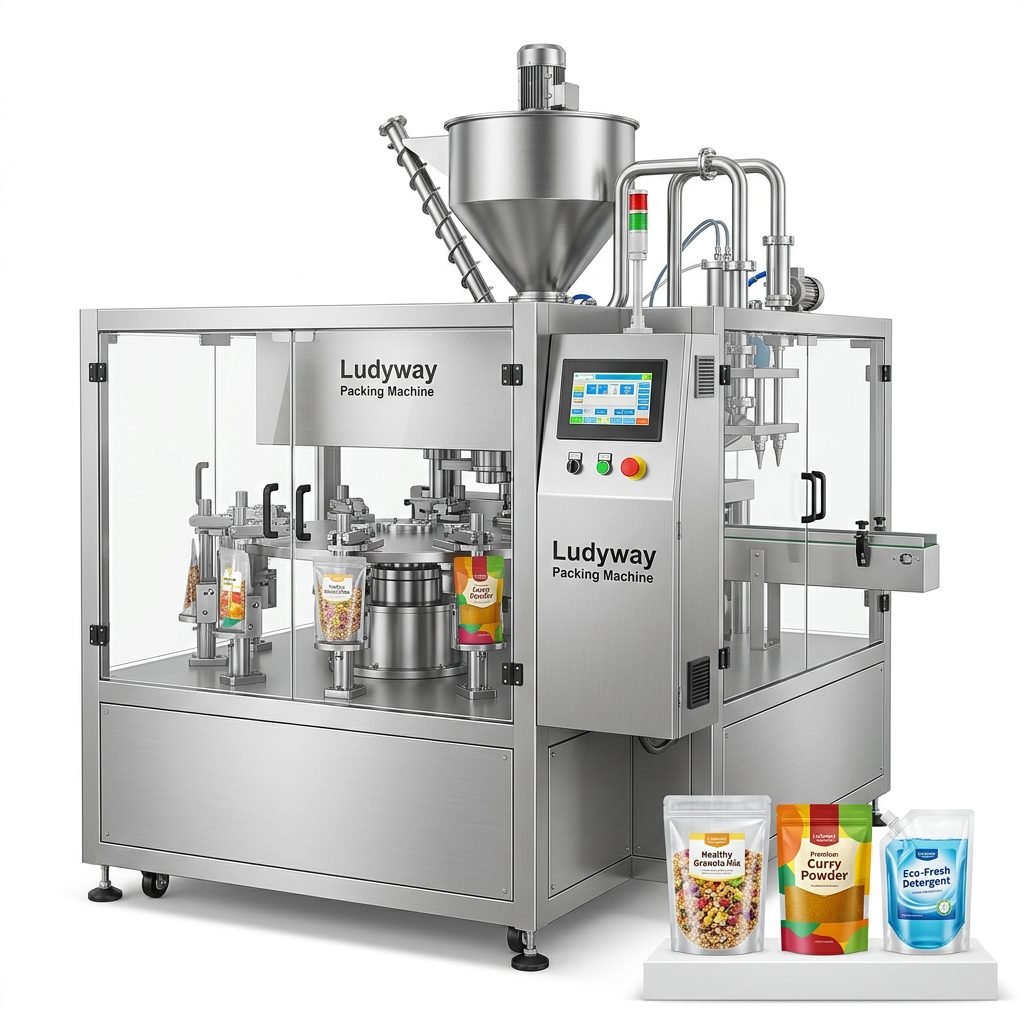
Why the Right Packaging Machine Matters
Packaging is often the final step before your product reaches distributors, retailers, or end users. If the machine is unstable, inaccurate, or too limited for your packaging format, it can create repeated production problems. Common issues include:
- Inconsistent filling weights
- Poor seal strength
- Frequent downtime
- Excessive material waste
- Low production output
- Higher maintenance costs
A suitable machine helps your business maintain product quality while scaling output more smoothly. It also supports better compliance in industries where hygiene, traceability, and precision are critical.
Start with Your Product Type
The first step is understanding what exactly you need to pack. Different products behave differently during filling and sealing, so the machine design must match the material characteristics.
| Product Type | Typical Packaging Solution | Key Consideration |
|---|---|---|
| Powders | Auger filling sachet or stick pack machine | Dust control, dosing accuracy, anti-bridging design |
| Granules | Cup filler, weighing system, or VFFS machine | Flowability, granule size consistency |
| Liquids | Liquid sachet machine or pouch filling system | Leak-proof sealing, viscosity range |
| Pastes | Pump-based filling and sealing machine | Clean filling, accurate portion control |
| Tablets/Capsules | Blister packer or counting packaging system | Regulatory compliance, counting precision |
If your product range includes more than one material type, you may need a more flexible machine platform or a turnkey line with changeover capability.
Choose the Right Packaging Format
Your packaging format should align with your market positioning, consumer demand, logistics needs, and production scale. Common formats include:
- Sachets for single-dose powders, liquids, creams, and seasonings
- Stick packs for drink powders, supplements, sugar, coffee, and functional products
- Pouches for retail-ready flexible packaging
- Bags or bulk sacks for agricultural, feed, and industrial materials
- Bottles or blister packs for pharmaceutical and nutraceutical applications
The wrong format can increase costs or reduce shelf appeal. For example, stick packs are ideal for portability and portion control, while larger pouches may better suit family-size or industrial products.
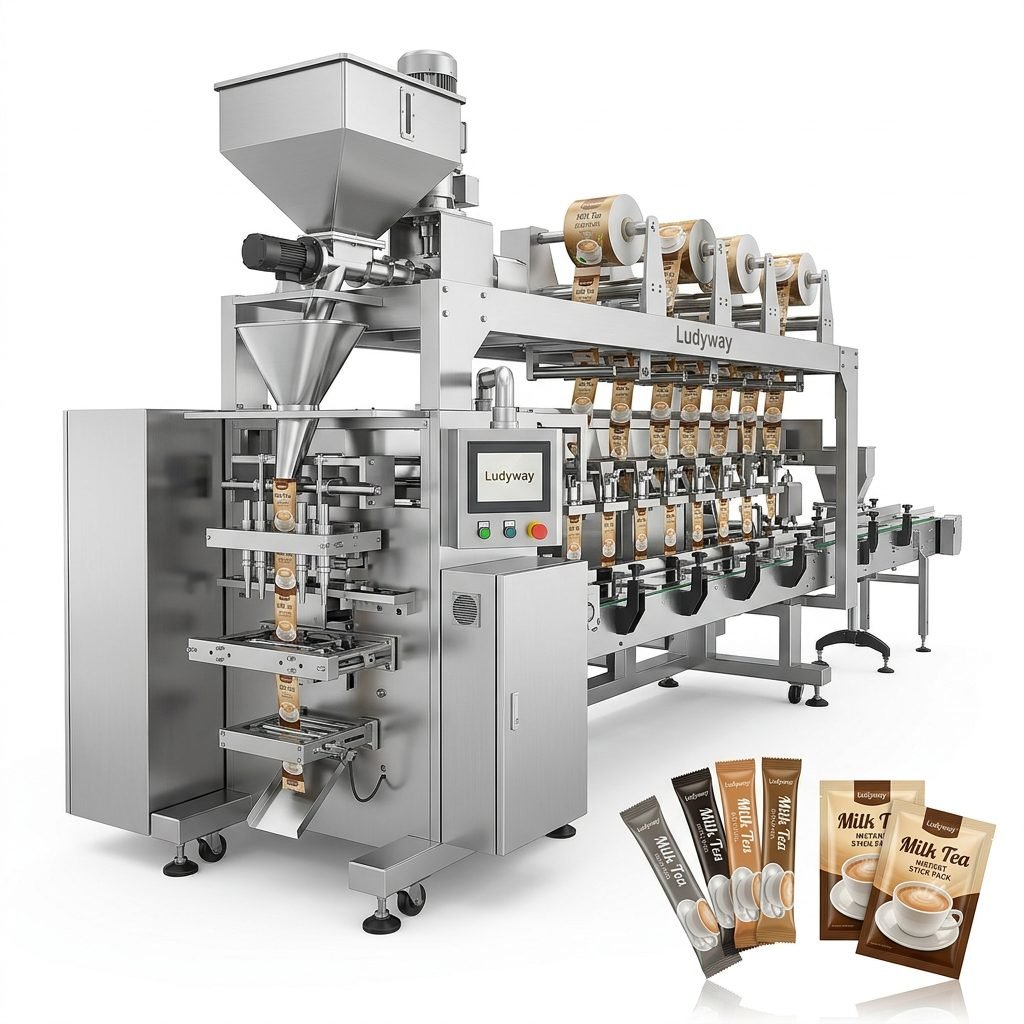
Evaluate Your Required Output
Speed is one of the most important selection factors. A machine that is too slow may limit business growth, while one that is oversized may increase unnecessary investment.
Questions to Ask
- How many packs do you need per minute or per hour?
- Will demand rise over the next 1–3 years?
- Do you run one product or multiple SKUs?
- How often will changeovers happen?
If your business is growing quickly, it is often smarter to choose a machine that supports future expansion. Scalability can save you from replacing equipment too soon.
Consider Automation Level
Packaging machines range from semi-automatic units to fully integrated turnkey lines. Your ideal choice depends on labor availability, technical capabilities, production scale, and investment strategy.
| Automation Level | Best For | Advantages |
|---|---|---|
| Semi-automatic | Startups, small batch production | Lower initial cost, simple operation |
| Automatic standalone machine | Growing manufacturers | Higher speed, consistent output |
| Turnkey packaging line | Medium to large factories | Full integration, labor savings, better line efficiency |
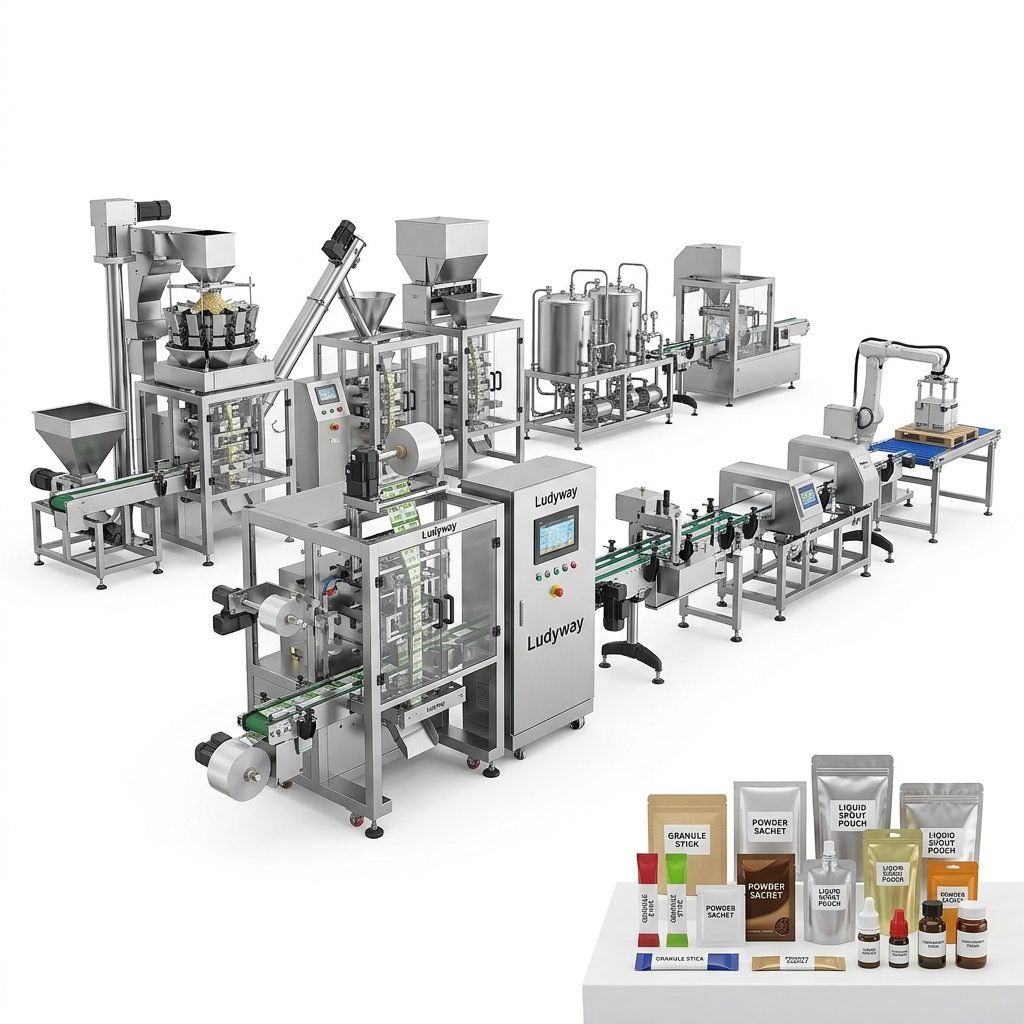
A complete line may include feeding systems, filling, sealing, coding, weighing, inspection, cartoning, case packing, and palletizing. For businesses aiming to build a more intelligent factory, integrated systems can provide better long-term value.
Check Filling Accuracy and Seal Quality
These two factors directly influence customer satisfaction and compliance. Underfilling creates legal and reputation risks, while poor seals can lead to leakage, contamination, or reduced shelf life.
What to Inspect
- Weight or volume consistency across production batches
- Seal appearance and strength
- Machine performance with your actual packaging film
- Adaptability to different product densities or viscosities
- Ease of cleaning to avoid cross-contamination
If possible, request a sample test using your own product and packaging material before finalizing the purchase.
Think About Industry Requirements
Each industry has different expectations for machine design, cleanliness, and operational control.
Food Industry
Food applications often require hygienic contact parts, stable dosing, easy cleaning, and attractive finished packaging. For snacks, seasonings, coffee, milk tea powders, and instant drink mixes, machine speed and presentation are especially important.
Pharmaceutical and Health Supplement Industry
These sectors usually require higher standards in precision, validation support, traceability, and sanitary design. Product uniformity and packaging integrity are critical.
Cosmetic and Personal Care Industry
Cosmetic packaging often focuses on appearance, leak prevention, and compatibility with creams, serums, gels, and liquid products. Machines must support both quality and branding.
Chemical and Industrial Industry
Chemical products may need corrosion resistance, dust control, secure sealing, and special safety measures depending on product properties.
Do Not Ignore Packaging Materials
A packaging machine must work well with your chosen film or pouch material. Material mismatch can cause sealing defects, wrinkles, poor cutting, or unstable machine running.
- Laminated film
- Aluminum foil structures
- PET/PE combinations
- Recyclable packaging materials
- Premade pouches with zippers or special shapes
If your business plans to move toward sustainable packaging, ask whether the machine supports eco-friendly materials without sacrificing seal quality or speed.
Look at Maintenance and Ease of Operation
A high-speed machine is only valuable if it is easy to operate and maintain. Complex machines without reliable support can increase downtime and training costs.
Look for features such as:
- User-friendly control interface
- Quick format changeover
- Accessible maintenance points
- Stable electrical and pneumatic configuration
- Spare parts availability
- Remote technical support options
For many manufacturers, easy maintenance is just as important as machine speed.
Assess the Supplier, Not Just the Machine
Even an excellent machine can become a poor investment if the supplier lacks engineering strength, testing capability, or after-sales service. You should evaluate:
- Years of manufacturing experience
- Industry specialization
- Export and global support capability
- Customization experience
- Factory size and production capacity
- Installation, training, and technical support
If you need scalable automatic solutions, working with an experienced manufacturer such as Ludyway packaging machine supplier can help you access standalone machines as well as turnkey packaging lines for food, pharmaceutical, health supplement, cosmetic, chemical, and pouch-based applications.
Questions to Ask Before You Buy
| Question | Why It Matters |
| Can the machine run my actual product sample? | Verifies compatibility and output quality |
| How accurate is the filling system? | Affects product consistency and compliance |
| What is the real production speed? | Helps avoid unrealistic capacity expectations |
| How long does changeover take? | Important for multi-SKU operations |
| What after-sales support is available? | Reduces risk after installation |
| Can the solution be upgraded later? | Supports future expansion |
Common Buying Mistakes to Avoid
- Choosing only by price instead of total value
- Ignoring future production growth
- Buying a machine without product testing
- Overlooking after-sales support
- Failing to match the machine with packaging materials
- Selecting a speed level that does not match actual production needs
The cheapest machine may cost more over time if it creates downtime, material waste, or quality complaints.
How to Match the Solution to Your Business Stage
For Startups
Prioritize flexibility, reasonable investment, and ease of operation. A compact automatic or semi-automatic machine may be enough at the beginning.
For Growing Brands
Focus on higher output, stable quality, and changeover efficiency. Automatic multi-lane sachet or stick pack systems are often a good fit.
For Established Manufacturers
Consider integrated turnkey lines with feeding, filling, sealing, inspection, cartoning, and end-of-line automation. This improves consistency and lowers long-term labor dependence.
Final Selection Checklist
- Product type: powder, granule, liquid, paste, tablet, or capsule
- Pack format: sachet, stick pack, pouch, bottle, blister, or bulk bag
- Output target: current and future production speed
- Automation level: semi-automatic, automatic, or turnkey line
- Accuracy and seal quality: tested with real samples
- Material compatibility: suitable for your packaging film
- Maintenance and support: easy operation and service access
- Supplier capability: engineering strength and long-term reliability
The best panni packing machine is the one that fits your product, supports your workflow, and grows with your business. When you evaluate machine type, packaging format, automation level, and supplier capability together, you can make a smarter investment that improves production performance and strengthens your market competitiveness.