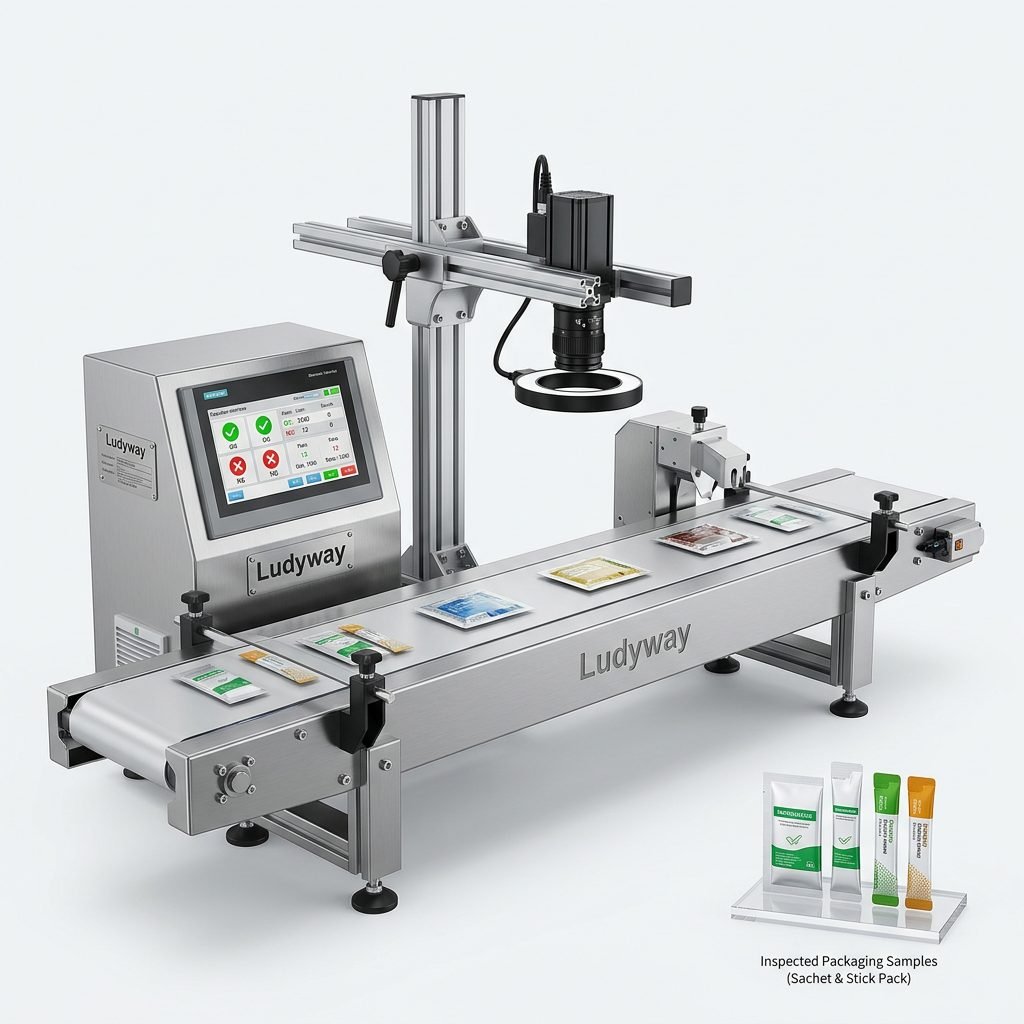
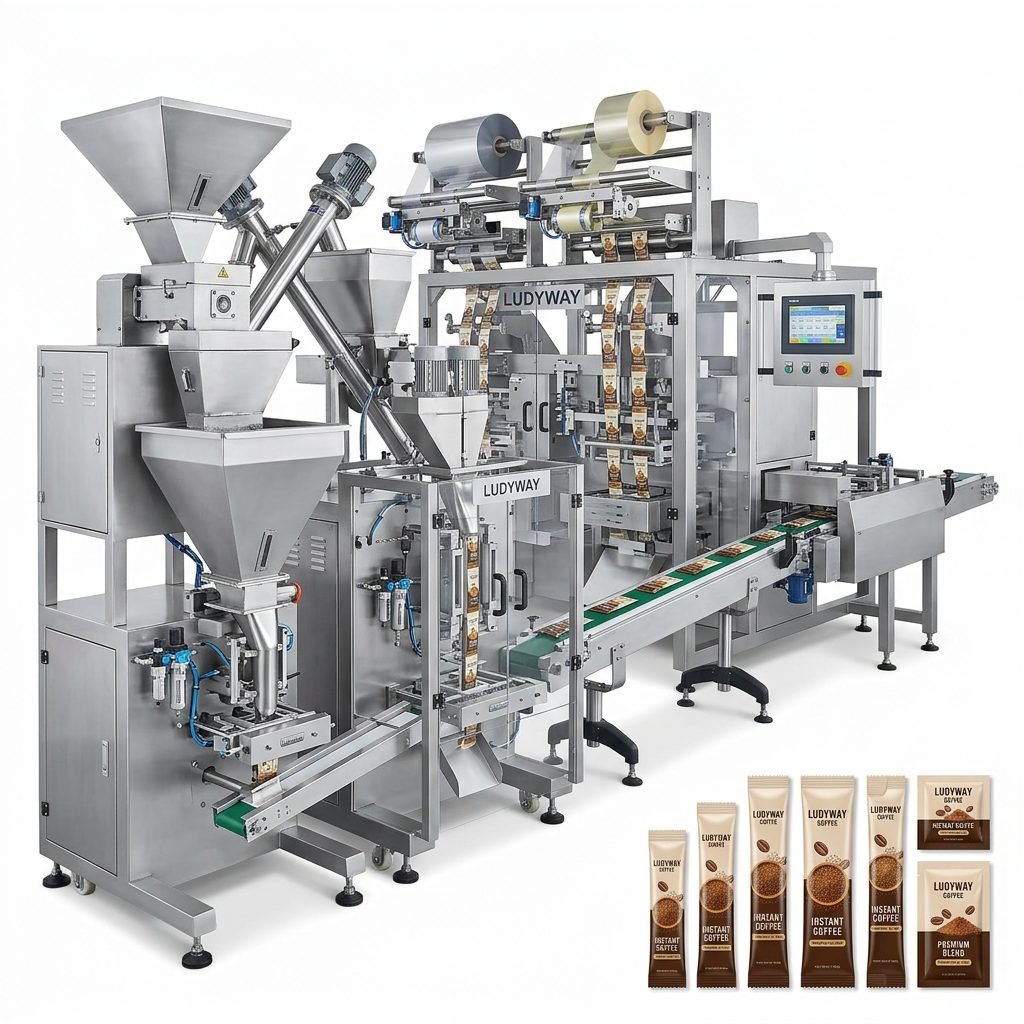
Paper bag packaging machines play an increasingly important role in modern production lines as brands move toward
sustainable packaging, improved automation, and more consistent bag quality.
Whether you produce food, retail goods, agricultural products, or daily-use products, choosing the right machine can
directly affect output, labor cost, packaging accuracy, and long-term profitability.
This guide explains the main features of paper bag packaging machines, their business benefits, the types available,
and the key points buyers should review before making an investment decision.
What Is a Paper Bag Packaging Machine?
A paper bag packaging machine is specialized equipment used to form, fill, seal, count, or bundle products into
paper-based packaging formats. Depending on the application, the machine may work with flat paper bags, valve bags,
open-mouth bags, kraft paper sacks, or laminated paper packaging materials.
These machines are widely used in industries such as:
- Food and beverage
- Flour, starch, sugar, coffee, tea, and seasoning
- Pet food and feed additives
- Chemicals and construction materials
- Pharmaceutical and healthcare products
- Retail and e-commerce packaging
Key Features of a Paper Bag Packaging Machine
1. Automatic Bag Feeding and Opening
Many advanced models include automatic bag loading, opening, positioning, and transfer functions. This reduces
manual handling and helps maintain steady production speed.
2. Accurate Filling Systems
Filling accuracy depends on the product type. Machines may use auger fillers for powders, weighing systems for
granules, or pump systems for liquids. Accurate dosing helps reduce waste and improves pack consistency.
3. Reliable Sealing Options
Paper bag packaging machines can be equipped with sewing, heat sealing, folding, gluing, or ultrasonic sealing
systems, depending on bag material and required package strength.
4. Multi-Product Compatibility
A well-designed machine can handle powders, granules, pellets, flakes, and certain liquid or paste products when
paper-laminate materials are used.
5. PLC Control and Touchscreen Interface
Modern systems typically use PLC control with touchscreen operation for recipe storage, parameter adjustment,
production monitoring, and alarm display. This simplifies operation and shortens training time.
6. Integration with Upstream and Downstream Equipment
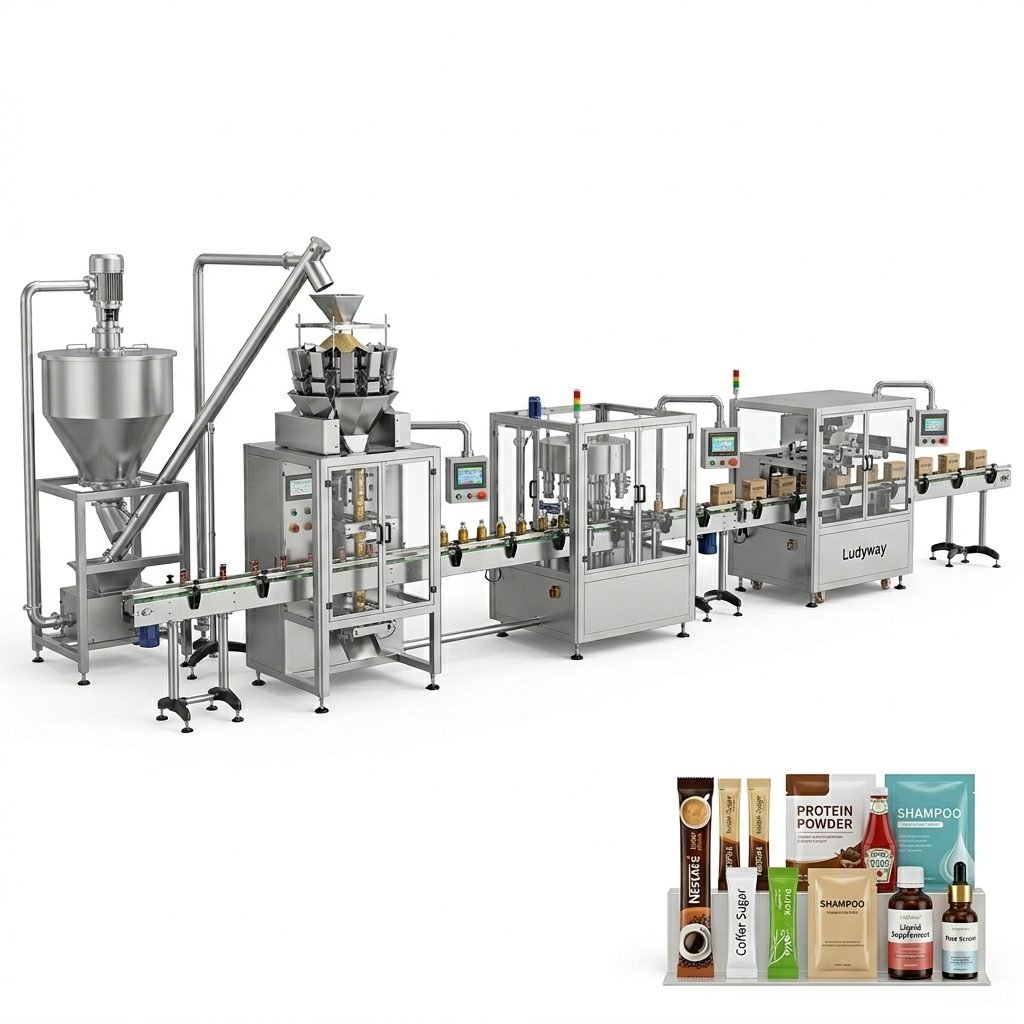
Paper bag packaging machines are often connected with conveyors, feeders, checkweighers, metal detectors, coding
systems, carton handling units, and palletizing systems for a more automated packaging line.
7. Customization for Bag Size and Product Type
Different industries need different bag dimensions, fill weights, and sealing methods. Flexible machine design makes
it easier to support multiple SKUs and future product expansion.
Main Benefits for Manufacturers
Investing in the right paper bag packaging machine is not only about replacing labor. It is also about improving
production stability and supporting long-term growth.
| Benefit | Why It Matters |
|---|---|
| Higher efficiency | Automated feeding, filling, and sealing increase output while reducing downtime. |
| Lower labor dependence | Fewer operators are needed for repetitive packaging tasks. |
| Improved accuracy | Precise filling reduces overfill, underfill, and material loss. |
| Better package appearance | Uniform bags improve shelf presentation and customer confidence. |
| Support for sustainability goals | Paper packaging helps brands respond to eco-conscious market demand. |
| Scalable production | Machines can often be integrated into larger automated lines as volume grows. |
Common Types of Paper Bag Packaging Machines
Open-Mouth Bag Packaging Machines
Suitable for products that are filled into pre-made paper bags through a bag clamping and filling process. Common in
flour, feed, chemicals, and agricultural materials.
Valve Bag Filling Machines
Often used for fine powders and bulk materials such as cement, minerals, chemical powders, and dry building
materials. These systems provide efficient filling into valve-type paper bags with controlled dust handling.
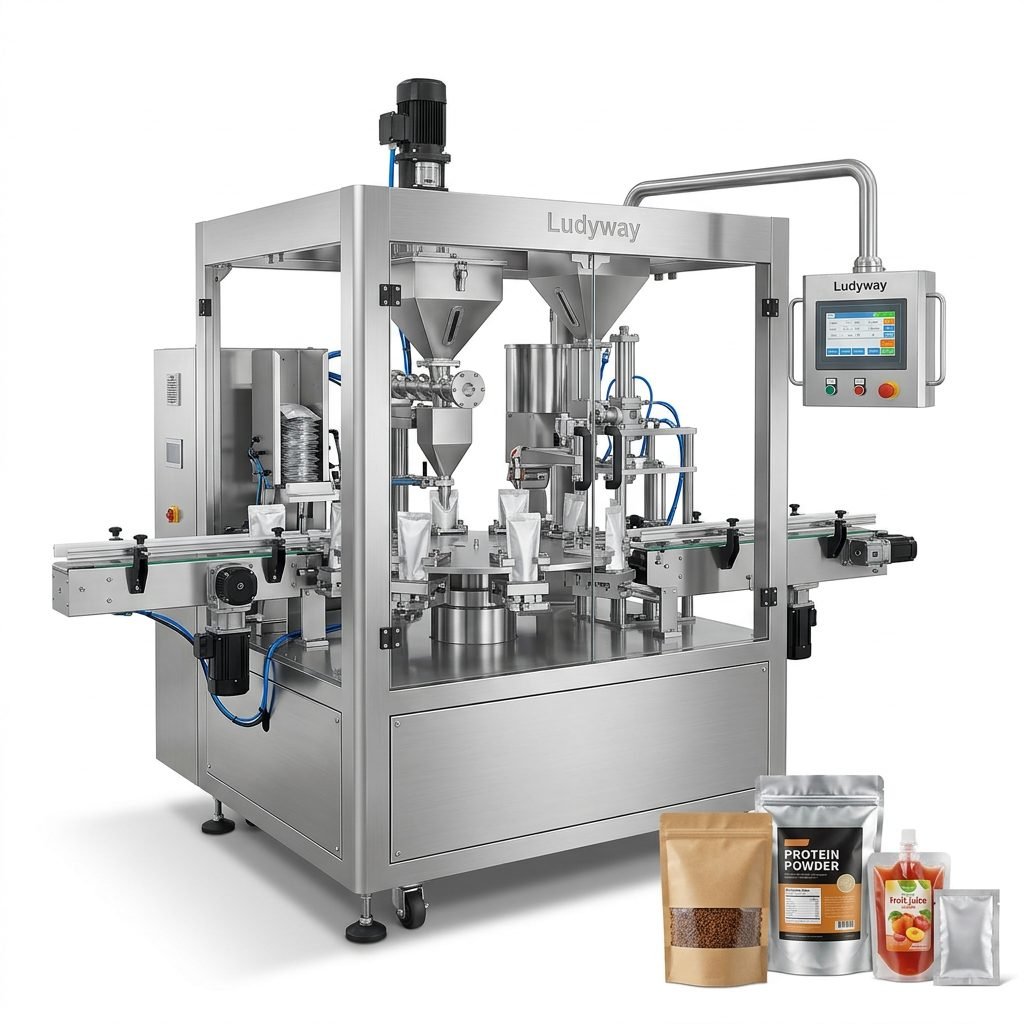
Premade Paper Pouch Packaging Machines
Ideal for smaller retail packs, specialty foods, snacks, coffee, tea, and health products. They offer better visual
presentation and can support zipper, stand-up, or gusseted pouch structures when compatible materials are used.
Vertical Form Fill Seal Systems with Paper-Compatible Material
Some vertical packaging systems can work with paper-based or paper-laminated rollstock. These are useful for brands
seeking flexible pack formats with reduced plastic usage.
Industries That Commonly Use Paper Bag Packaging Machines
- Food industry: flour, spices, coffee, sugar, grains, baking mixes, snack ingredients
- Pet food and feed: pellets, granules, premixes, nutritional additives
- Chemical sector: powders, resins, detergents, industrial additives
- Agriculture: seeds, fertilizers, soil conditioners
- Pharmaceutical and health products: powders, sachet-ready materials, herbal formulations
Important Buying Factors to Consider
Product Characteristics
Start by evaluating the physical nature of your product. Fine powders, free-flowing granules, fragile flakes, and
moisture-sensitive materials all require different filling and handling methods.
Bag Type and Material Structure
Not all paper bags behave the same way during forming and sealing. Check whether your packaging material is pure
paper, kraft paper, coated paper, or paper-laminate. This affects machine compatibility, sealing method, and final
package durability.
Required Output
Choose equipment based on realistic production targets rather than only maximum speed claims. Consider hourly output,
shift length, product change frequency, and peak-season demand.
Filling Accuracy and Waste Control
Packaging accuracy directly impacts cost. If you fill high-value powders or strict-weight retail packs, accuracy
should be one of your top priorities.
Ease of Cleaning and Maintenance
For food, pharmaceutical, and fine powder applications, easy cleaning is essential. Machines with accessible contact
parts and practical maintenance design reduce downtime and improve hygiene management.
Automation Level
Some businesses only need a semi-automatic bagging machine, while others need a full turnkey line with conveying,
coding, inspection, cartoning, and palletizing. Your budget and labor situation should guide the decision.
Available Factory Space
Review line layout carefully. Include room for product feeding, machine operation, maintenance access, finished
product collection, and future expansion.
Technical Support and Spare Parts
Stable after-sales support matters as much as the machine itself. A supplier with engineering experience, export
support, and spare parts availability can help reduce long-term operating risk.
Checklist Before You Buy
- Define your product type, bulk density, and flowability.
- Confirm bag dimensions, paper structure, and sealing requirements.
- Estimate current and future output demand.
- Request sample testing with your actual product and packaging material.
- Ask about changeover time for different bag sizes.
- Review filling accuracy data and real production cases.
- Check machine power consumption and air requirements.
- Confirm training, installation, and spare parts support.
- Evaluate whether a standalone machine or complete line is more cost-effective.
How to Compare Suppliers
When comparing suppliers, do not focus only on price. The best choice often comes from balancing machine quality,
application experience, customization ability, and long-term service.
| Evaluation Point | What to Ask |
|---|---|
| Industry experience | Have they supplied similar products and bag formats before? |
| Customization capability | Can they adapt the machine to your product, space, and packaging goals? |
| Testing support | Will they test your samples before production? |
| Export service | Can they support overseas installation, manuals, and technical communication? |
| Line integration | Can they provide feeders, conveyors, coding, cartoning, and palletizing if needed? |
Why Turnkey Capability Matters
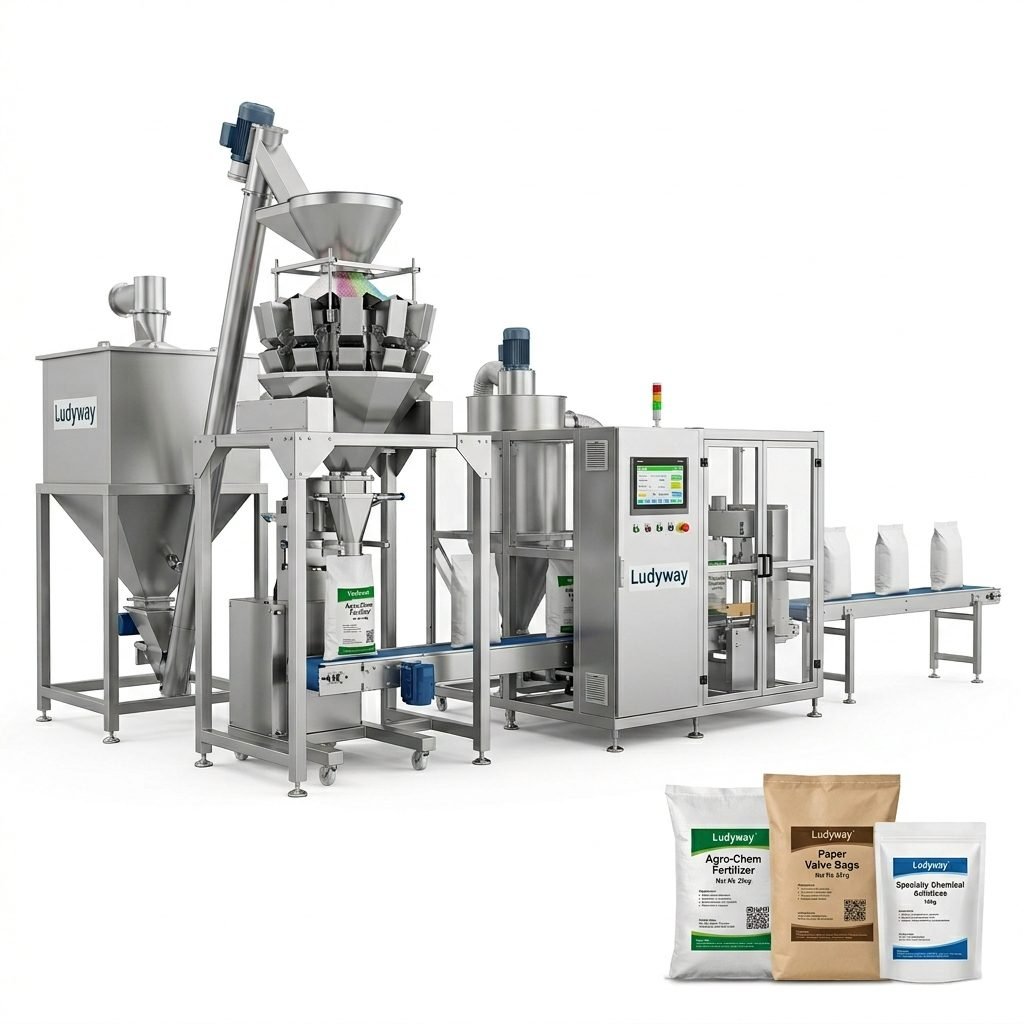
Many buyers start with one packaging machine but later discover they also need feeding systems, weighing equipment,
inspection units, coding systems, case handling, and palletizing. Choosing an experienced manufacturer with turnkey
capability can simplify project management and improve line compatibility from the beginning.
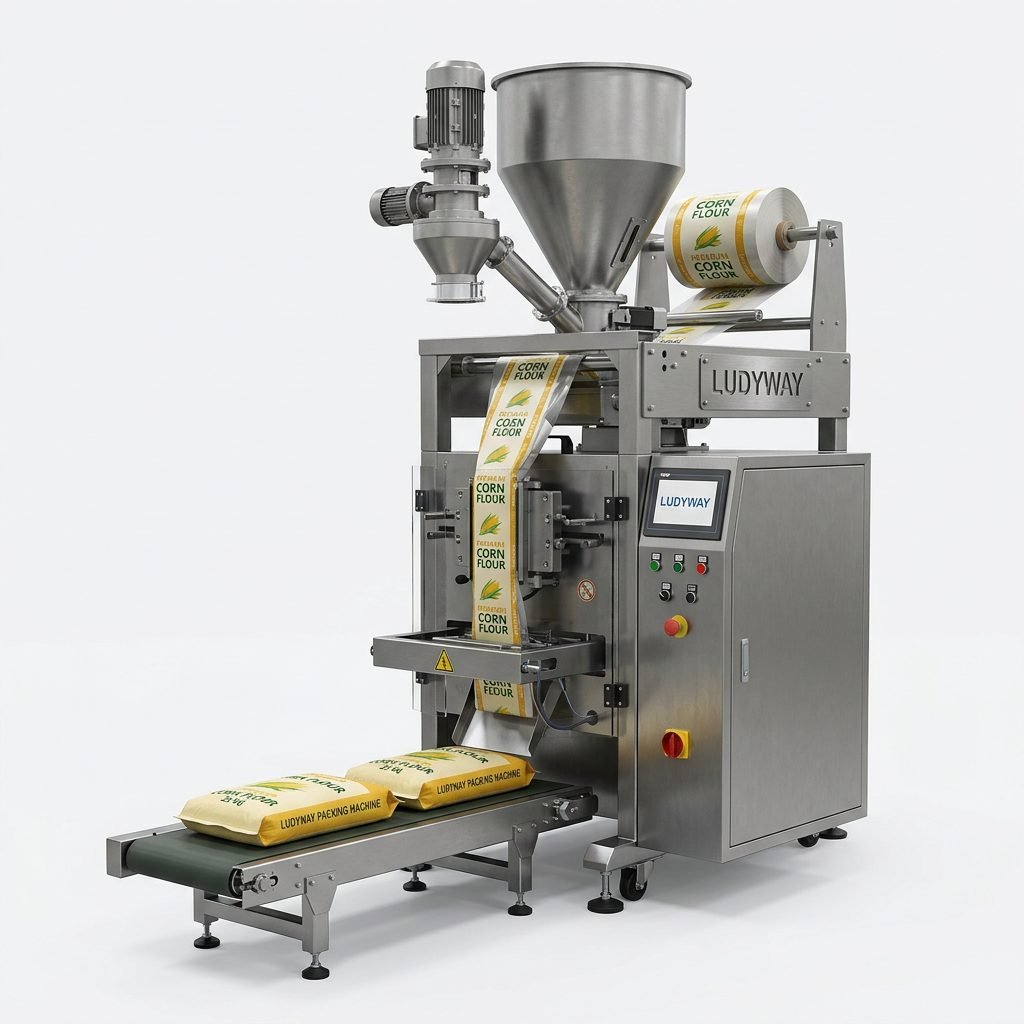
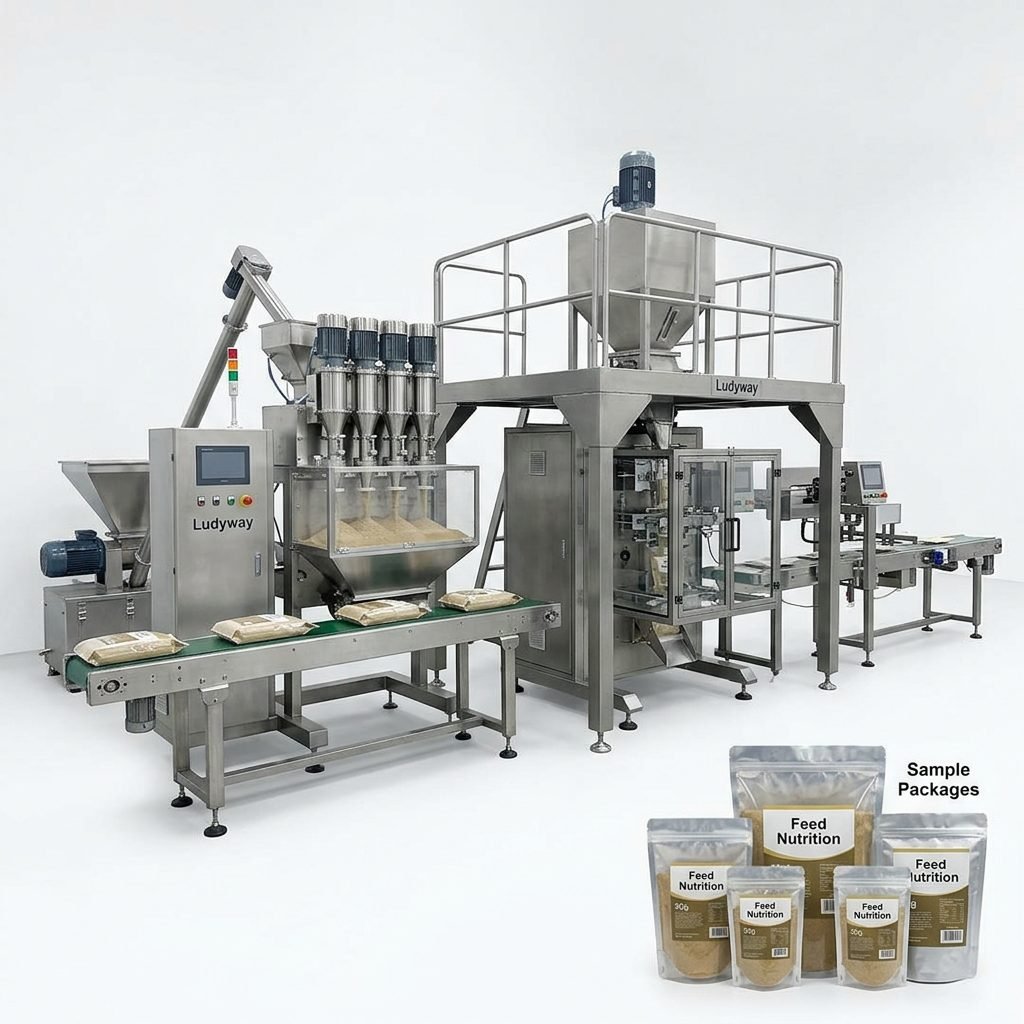
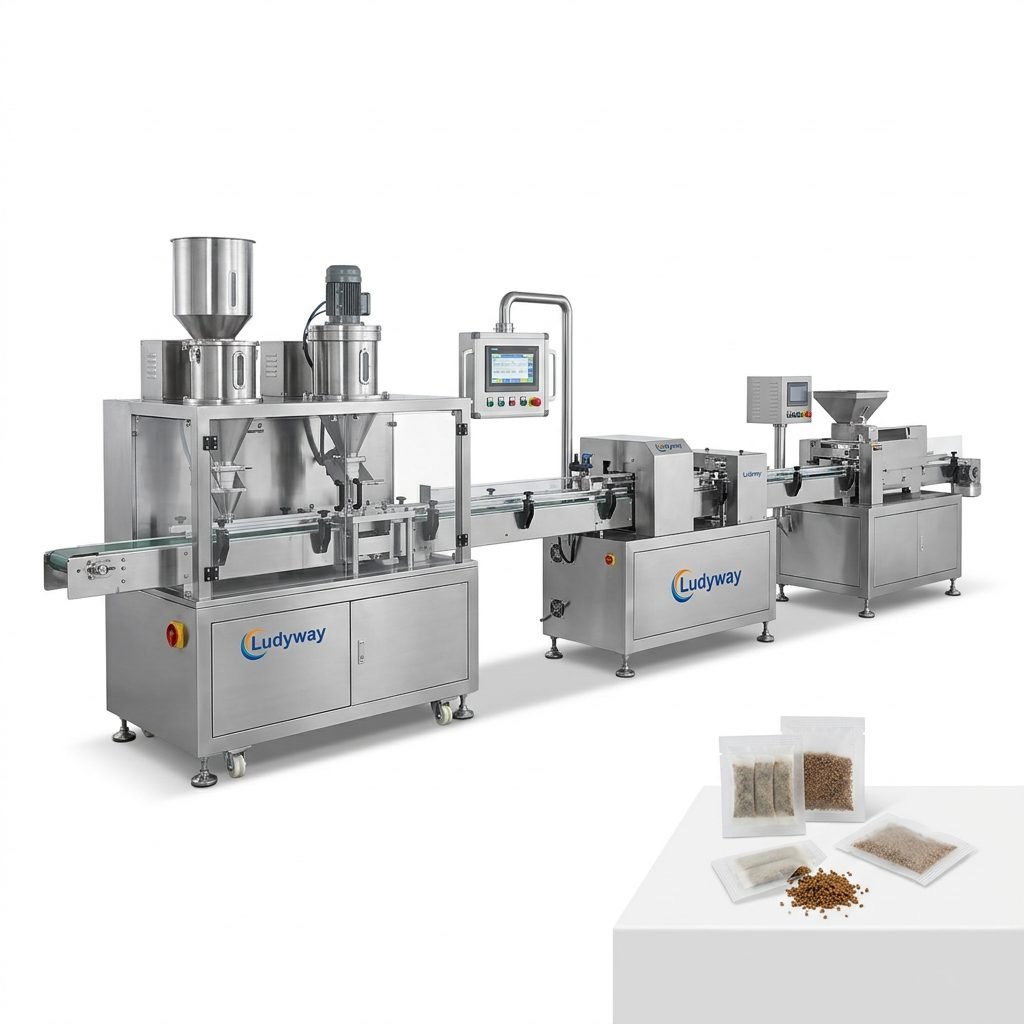
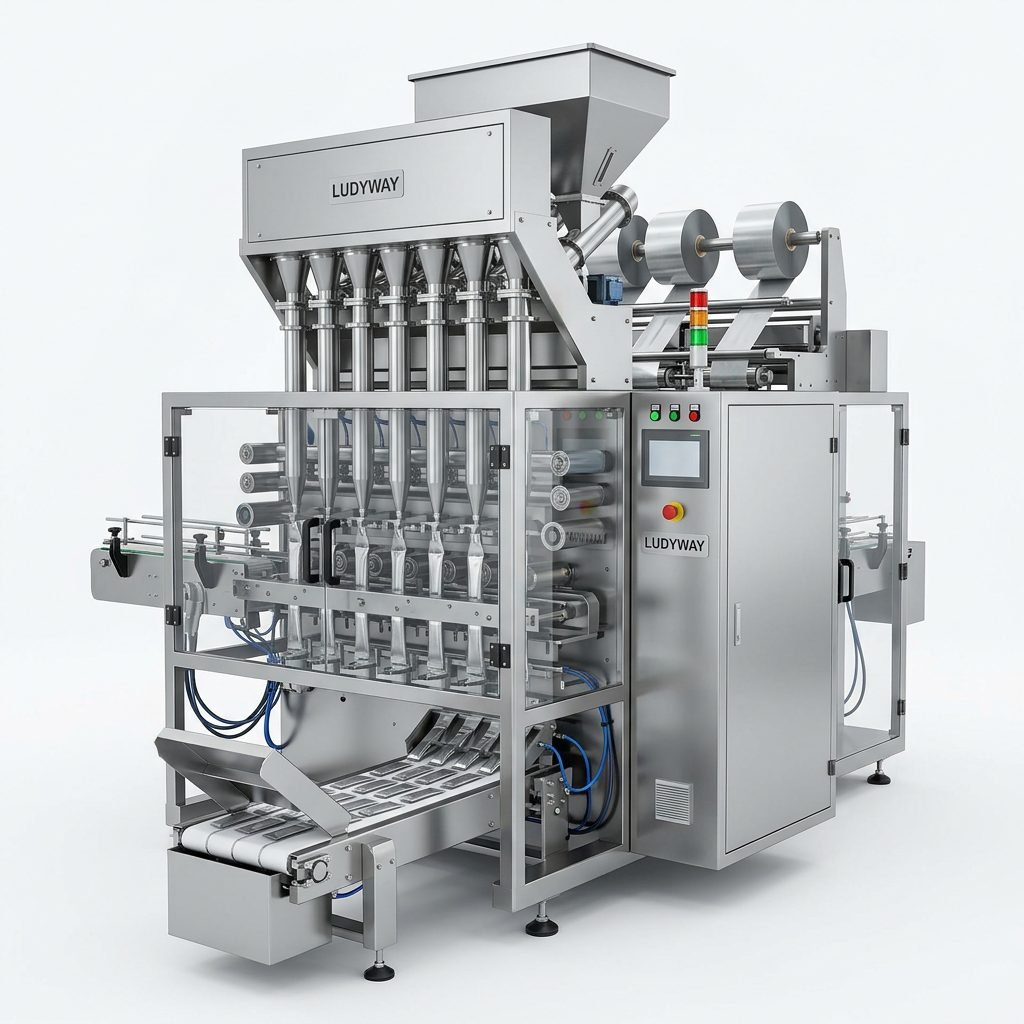
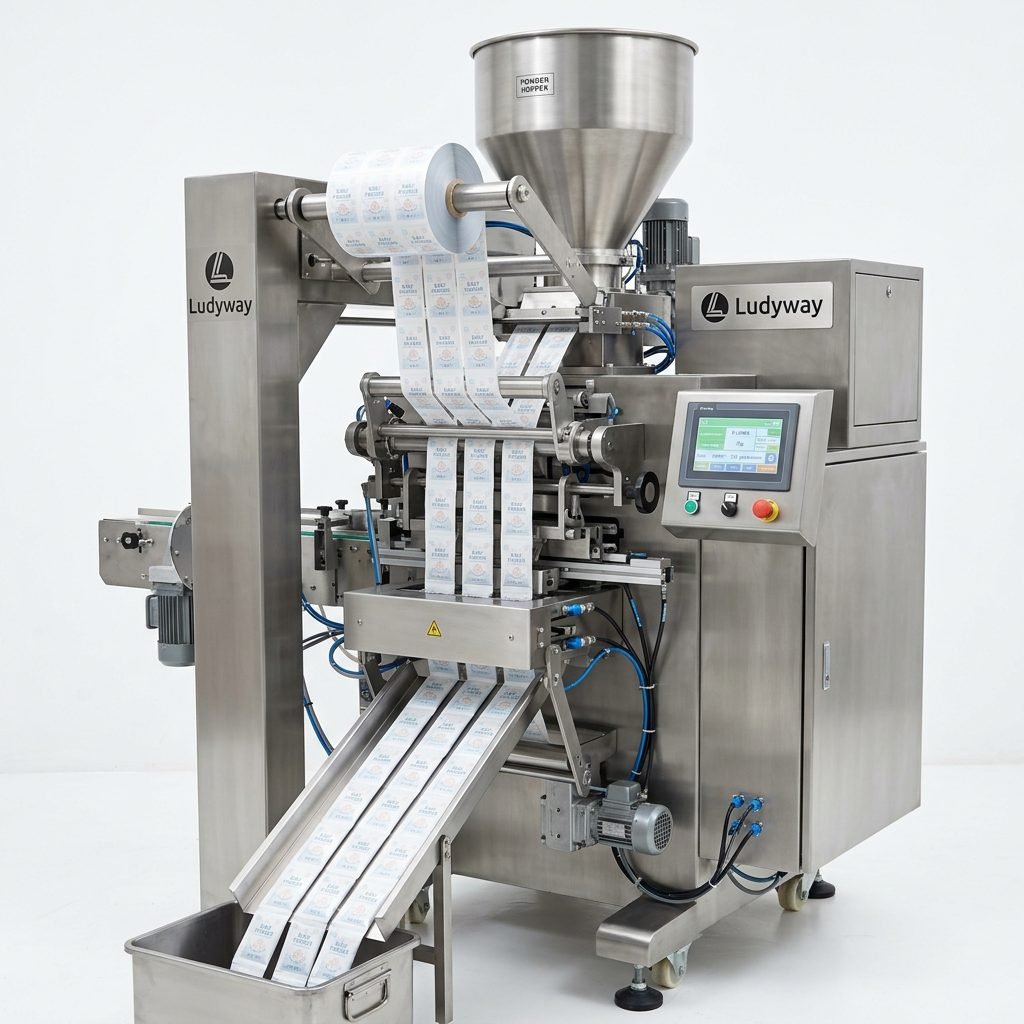
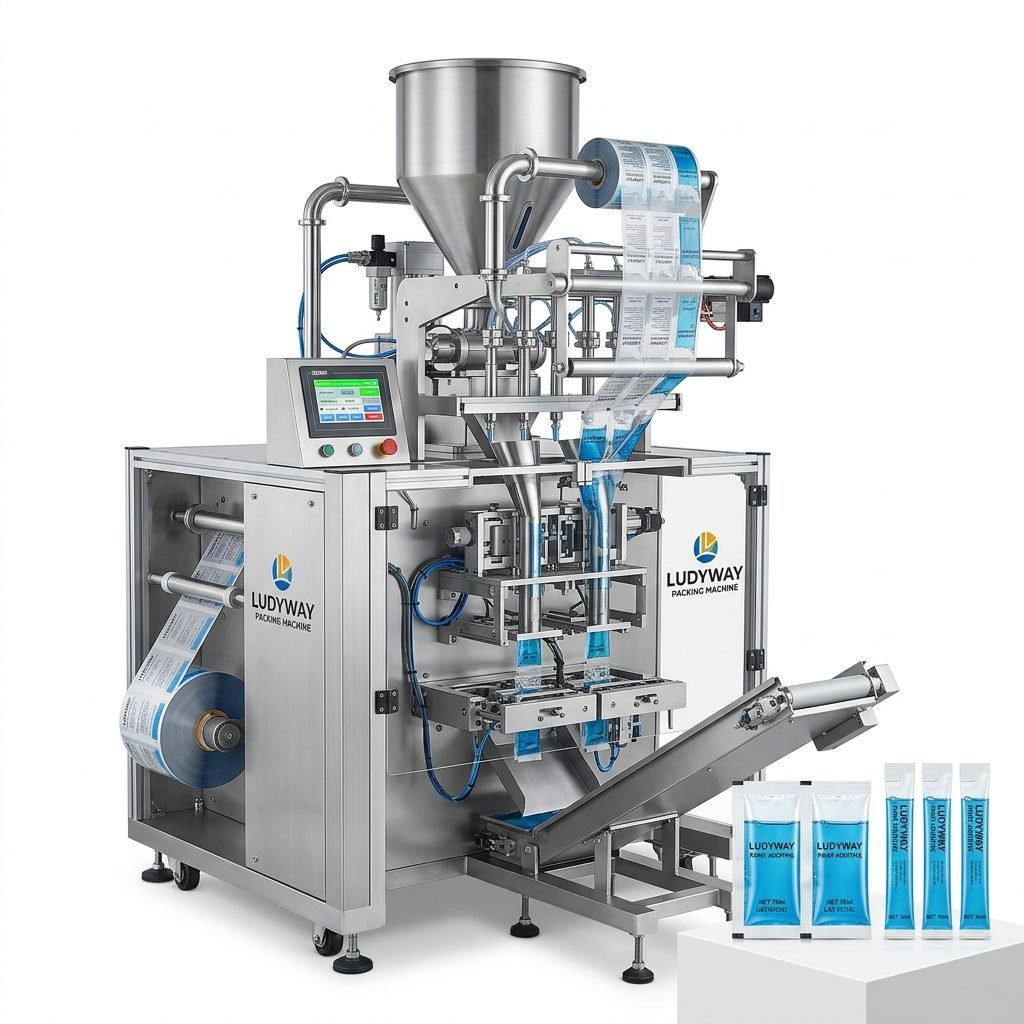
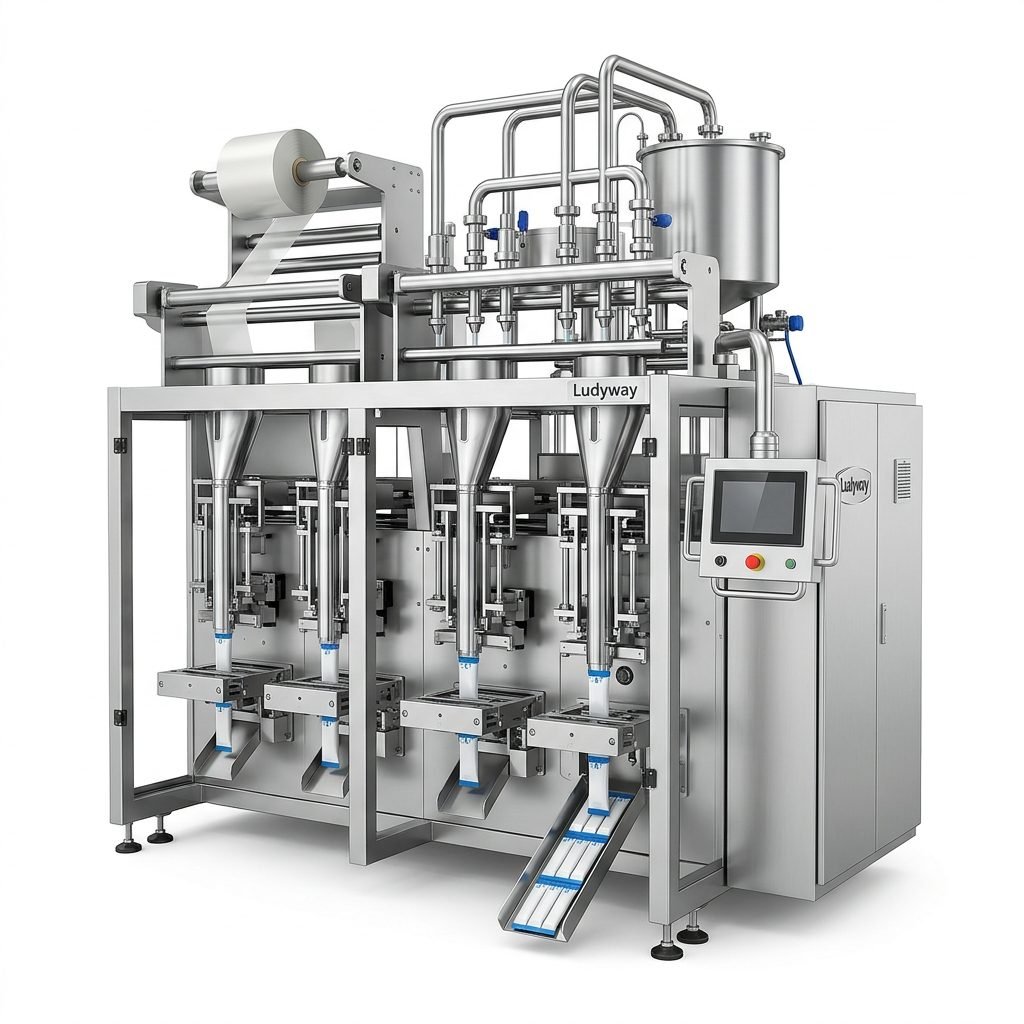
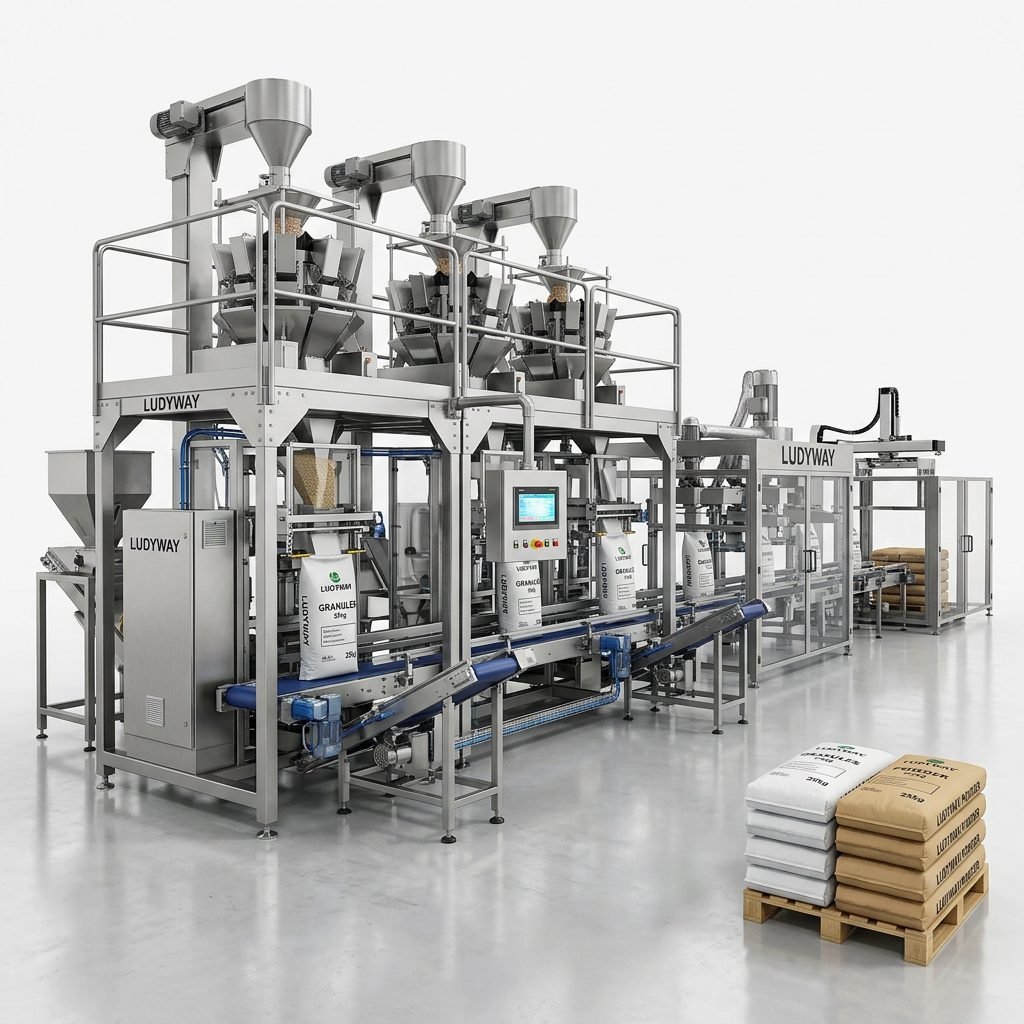
For buyers looking for scalable packaging automation, paper bag packaging machine solutions from Ludyway can be considered as part of a broader approach to integrated packaging lines for food, pharmaceutical, chemical, health supplement, and related industries.
Signs You Need to Upgrade Your Current Packaging Equipment
- Frequent sealing failures or bag breakage
- Inconsistent fill weights
- Too much manual labor in bag handling
- Low efficiency during peak production periods
- Difficulty handling new eco-friendly paper materials
- High maintenance downtime on older machines
- Poor package appearance affecting brand image
Final Buying Advice
The best paper bag packaging machine is the one that matches your actual product, bag format, capacity target, and future expansion plan.
A reliable machine should deliver consistent performance, easy operation, practical maintenance access, and good
compatibility with your upstream and downstream systems.
Before placing an order, ask for material testing, confirm technical specifications in detail, and compare suppliers
based on both engineering strength and after-sales reliability. A well-selected machine can improve productivity,
reduce total packaging cost, and help your business meet growing demand for efficient and sustainable packaging.