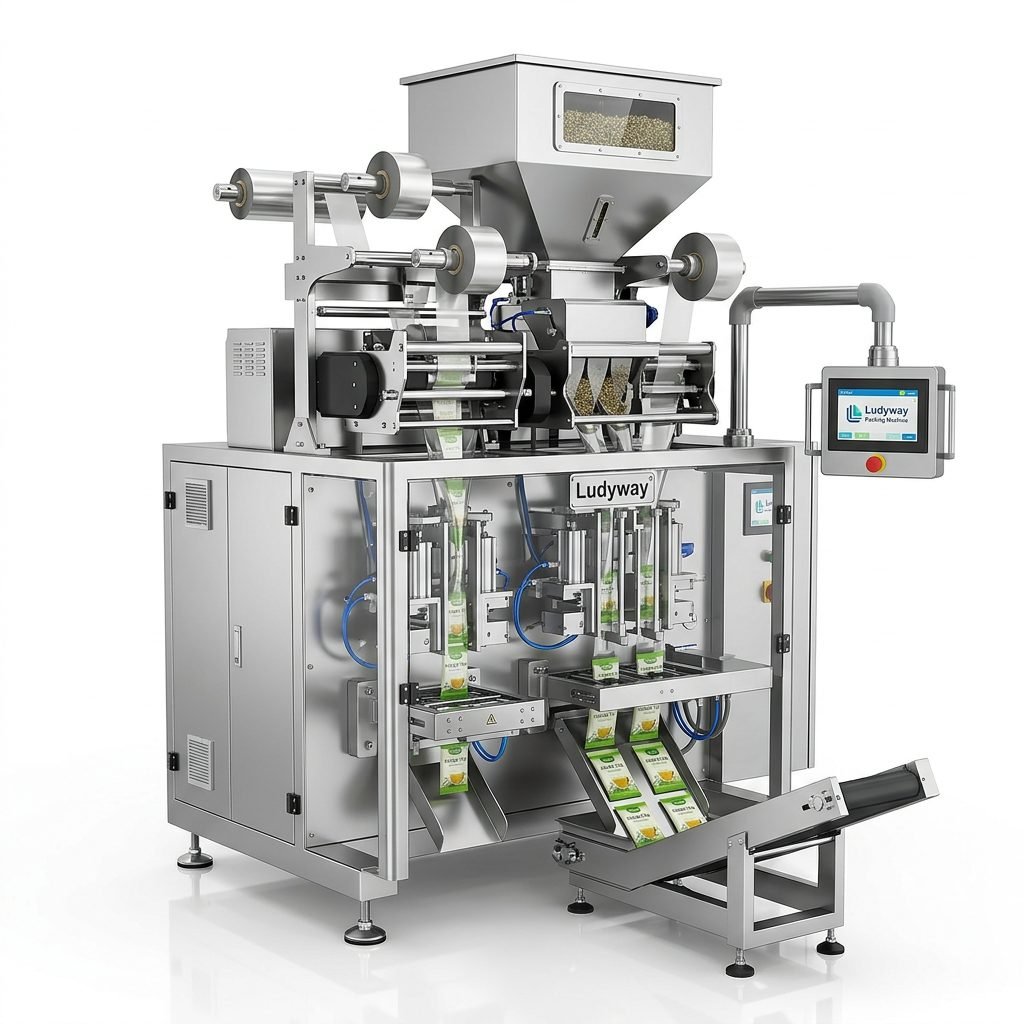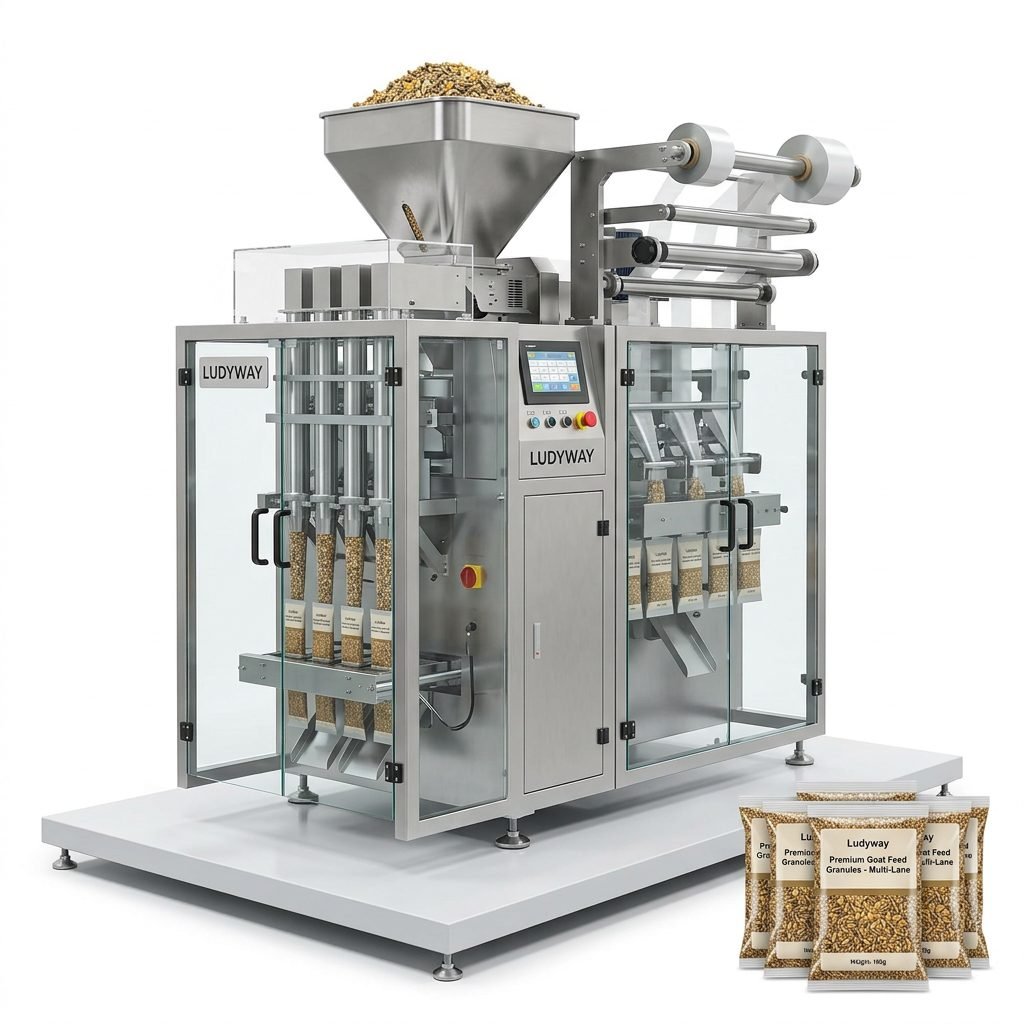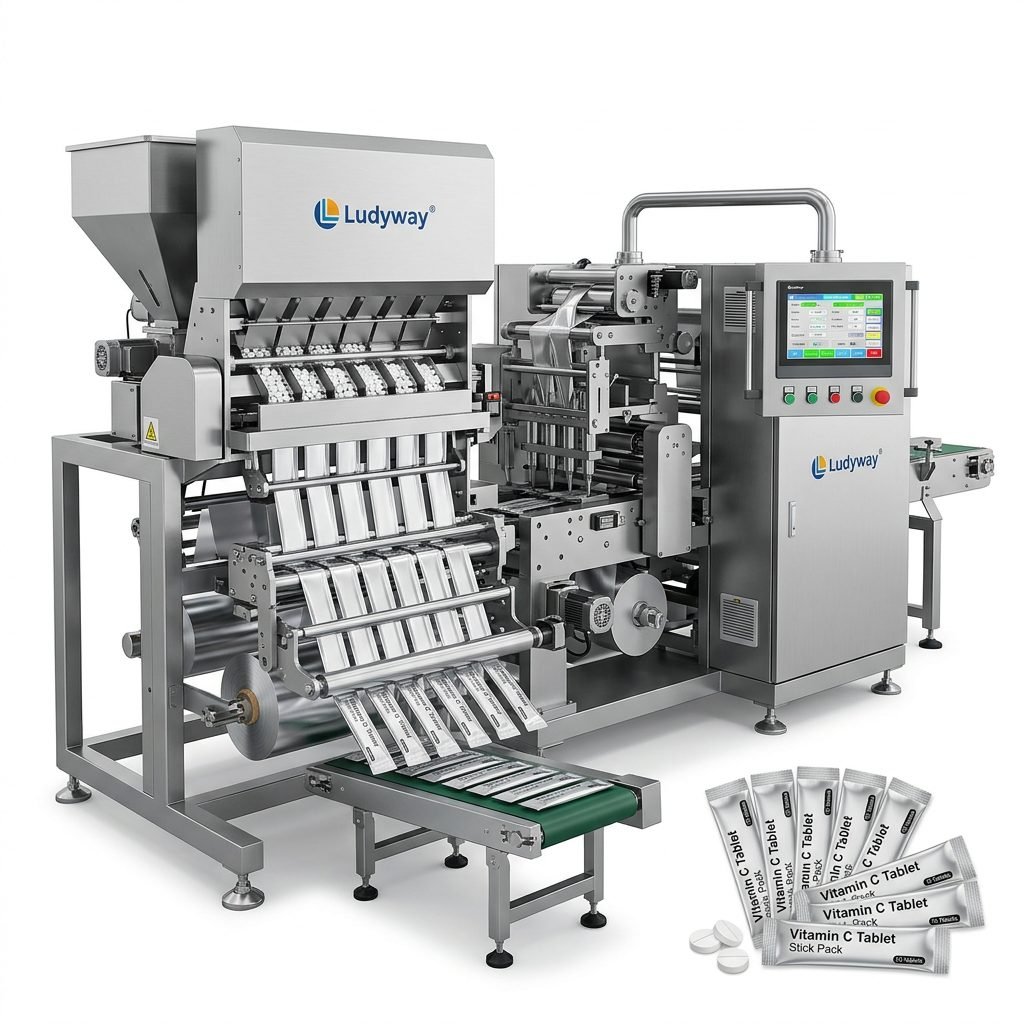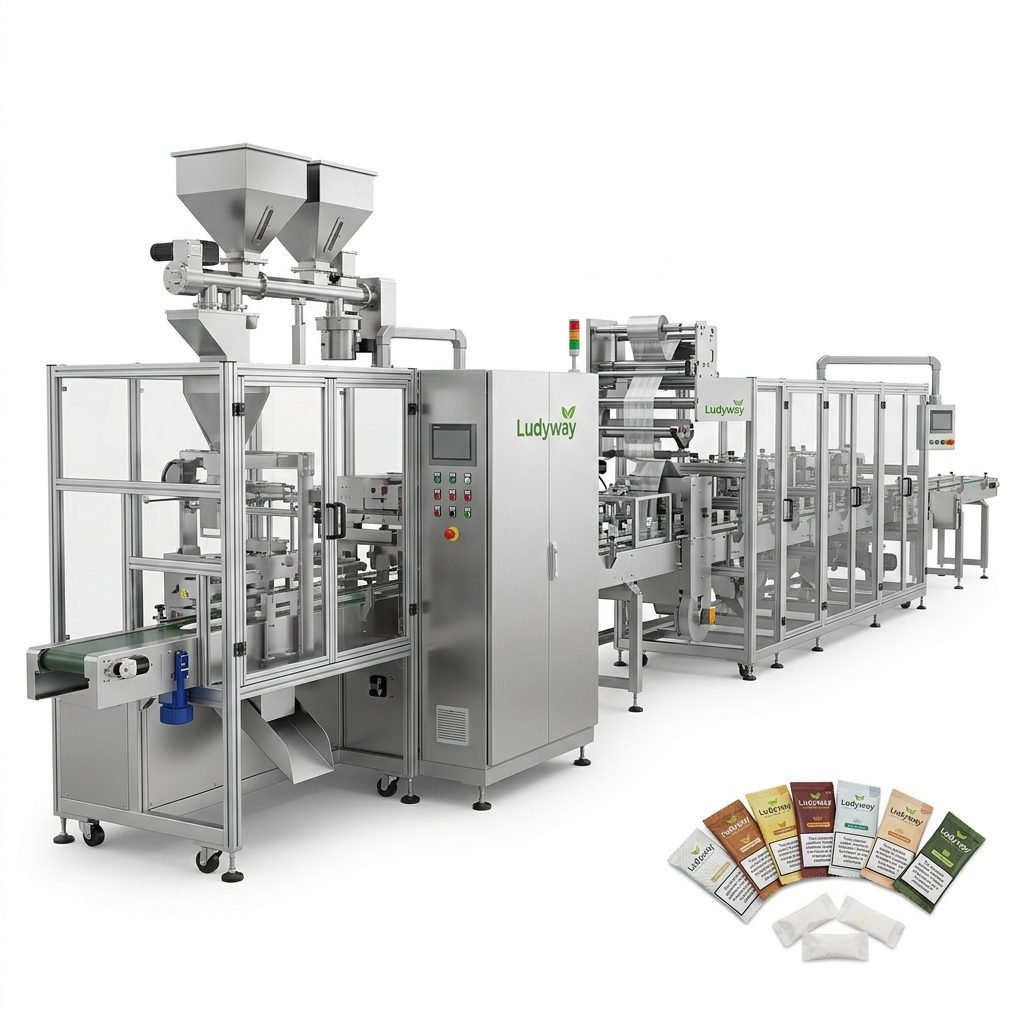
Investing in an automatic tea powder packing machine is a significant step for any tea producer looking to scale operations, improve consistency, and reduce labor costs. However, understanding the landscape of automatic tea powder packing machine cost is not straightforward. Prices can range from a few thousand dollars for basic semi-automatic models to well over $100,000 for high-speed, fully integrated packaging solutions. This guide will break down the key factors that influence pricing.
Key Factors Influencing the Cost of Tea Powder Packing Machines
The final price tag of your equipment depends on a combination of technical specifications and production requirements. Simply searching for a single number often ignores the nuances of bespoke industrial machinery. Below are the primary drivers of cost.
1. Level of Automation and Machine Type
This is the single most significant cost determinant. The level of automation directly correlates with the machine’s capabilities and its initial investment. Here is a breakdown by machine type:
| Machine Type/Automation Level | Typical Price Range (USD) | Best For |
|---|---|---|
| Semi-Automatic (Manual) | $2,000 – $8,000 | Small businesses, startups, low-volume production |
| Automatic Single-Lane | $10,000 – $30,000 | Medium-scale production, consistent outputs |
| High-Speed Multi-Lane | $35,000 – $80,000+ | Large manufacturers, multi-product co-packing |
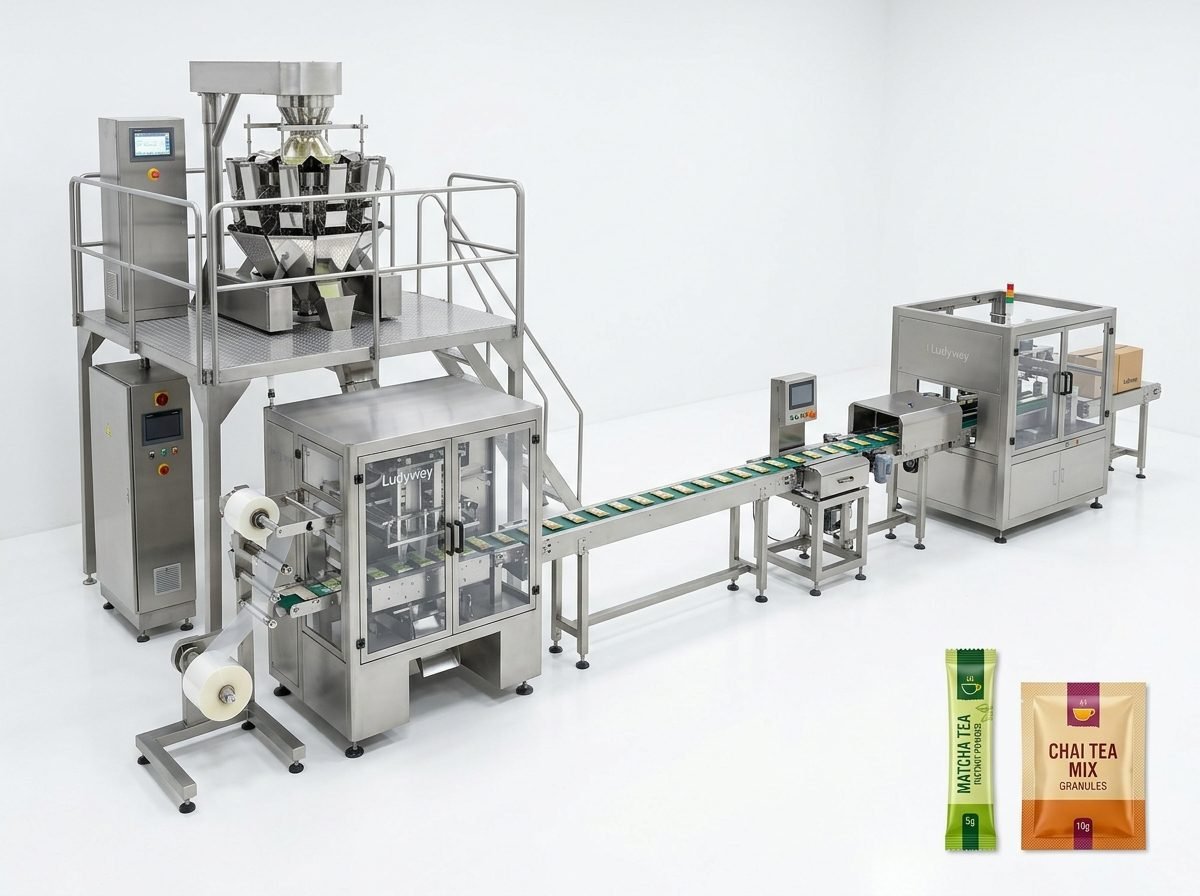
| Fully Integrated Turnkey Lines | $80,000 – $200,000+ | Complete end-to-end production, cartoning, palletizing |
2. Production Capacity and Speed
Throughput requirements are a critical factor. A machine capable of filling 30-50 pouches per minute will be priced differently than one delivering 200-400 stick packs per minute. Multi-lane machines, which can simultaneously produce 4 to 14 lanes of sachets, dramatically increase output but come at a premium. The engineering required to synchronize multiple lanes and maintain precision filling at high speeds demands robust components and sophisticated control systems.

3. Material Construction and Durability
The materials used in the machine’s construction directly influence its longevity and compliance with food safety standards. Machines built with 304 or 316 stainless steel are mandatory for food-grade applications but add to the cost. Look for:
- Stainless steel frames and contact parts: Prevents corrosion and contamination.
- IP-rated electronics: Essential for wash-down environments in tea powder factories.
- Certified pneumatic components: Brands like Festo or SMC ensure reliability.
4. Filling System Accuracy and Precision
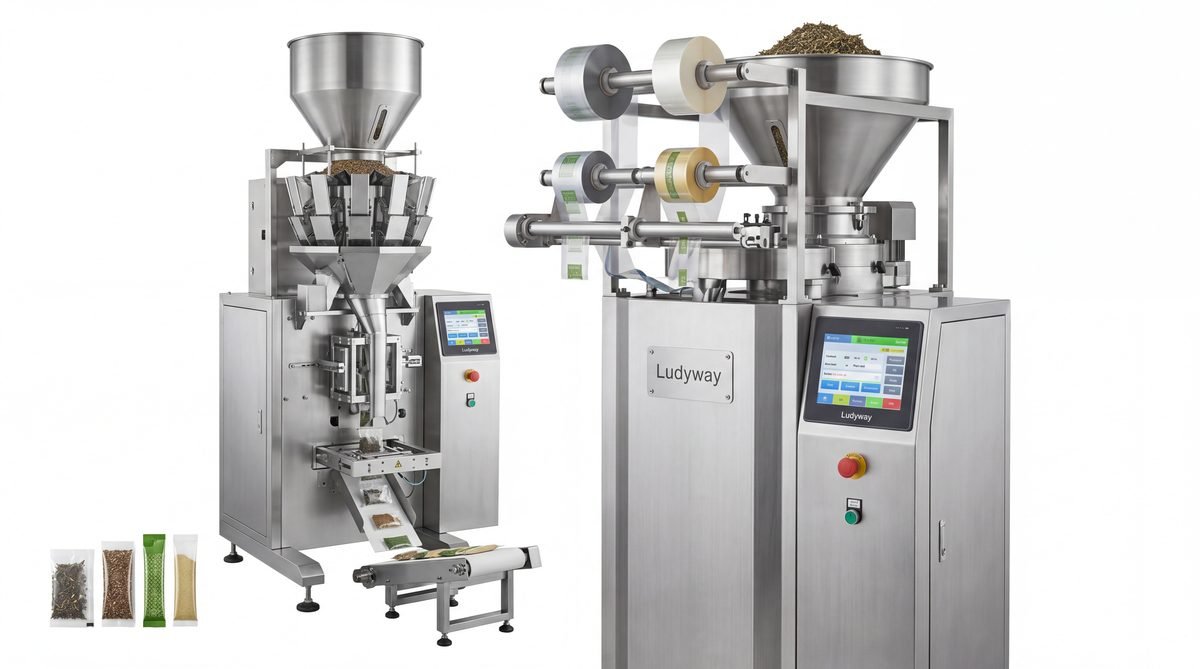
Tea powder can be fine, dusty, or slightly granular (like matcha vs. Assam tea). The filling mechanism is central to performance. Auger fillers are standard for powders and provide excellent volumetric accuracy. For high-value tea products where precision is non-negotiable, a multi-head linear weigher or check-weighing integration adds a significant but worthwhile cost. Inaccurate filling leads to product giveaway, which directly eats into your profit margins.
Breaking Down Additional Cost Components
Beyond the core machine, consider these optional yet vital cost-adders that transform a standalone packer into a complete automatic packaging line:
| Component | Function | Estimated Additional Cost (USD) |
|---|---|---|
| Auger Filler or Weigher | Precise dosing of tea powder | $3,000 – $15,000 |
| Dust Extraction System | Maintains a clean environment | $1,500 – $4,000 |
| Date/Batch Coder | Thermal or inkjet printing | $800 – $4,500 |
| Z-Type Bucket Elevator | Automatic feeding of powder from hopper | $2,000 – $5,000 |
| Nitrogen Flushing System | Inert gas flush for shelf-life extension | $2,500 – $6,000 |

Total Cost of Ownership: Beyond the Price Tag
The initial purchase is just part of the equation. A cheaper machine can become a financial burden if it lacks reliability. A full cost analysis should include:
- Energy consumption: Multi-lane variable frequency drives can reduce power usage.
- Spare parts availability and cost: Critical wear items like sealing jaws, belts, and cutting knives.
- Film and packaging material waste: Precise machines reduce seal failures and material waste by 2-5%.
- Technical support and warranty: On-site or remote service agreements.
Return on Investment (ROI)
Typically, a well-chosen machine can achieve ROI in 12 to 24 months. The calculation is straightforward: savings in labor (often replacing 2-4 workers per shift), increased production speed, and systematic reduction in product giveaway. If you are exporting, investing in a machine that meets CE or UL standards is non-negotiable for market access.
Finding the Right Manufacturer
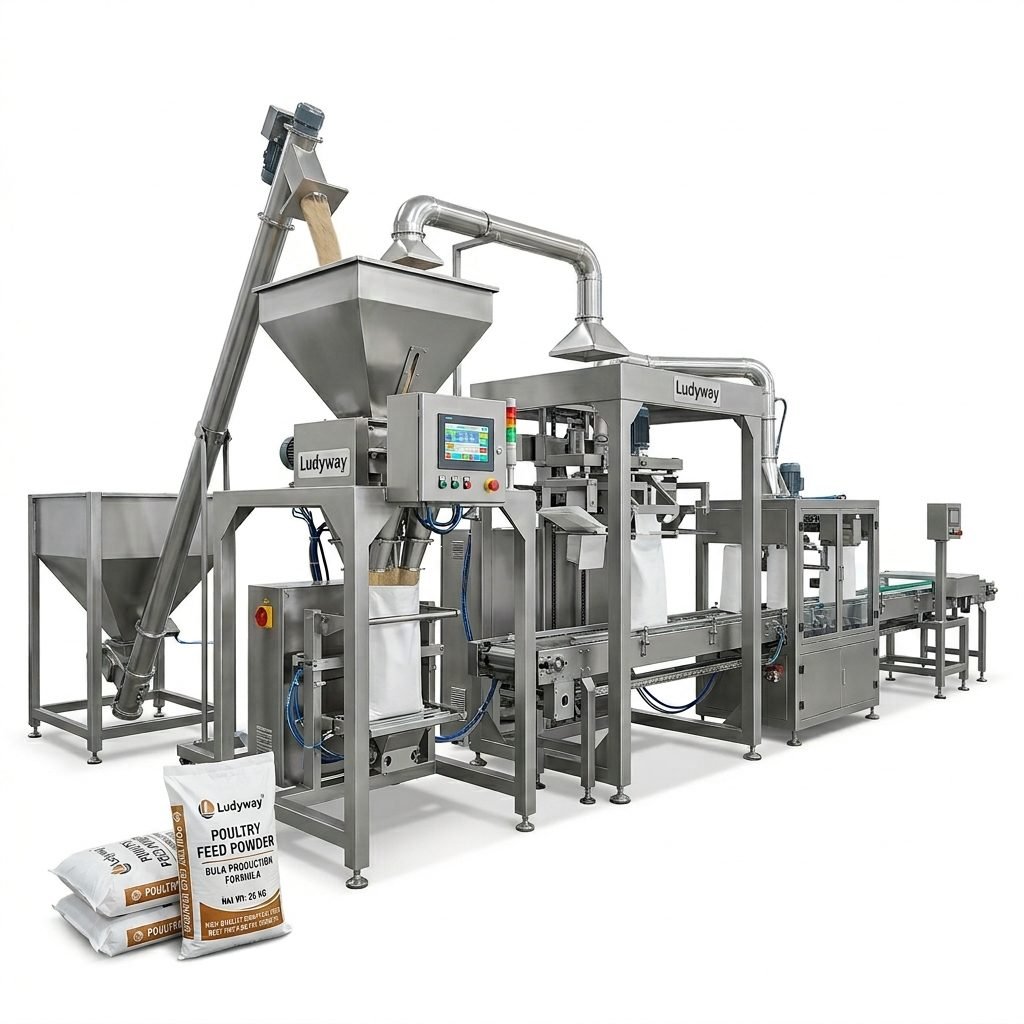
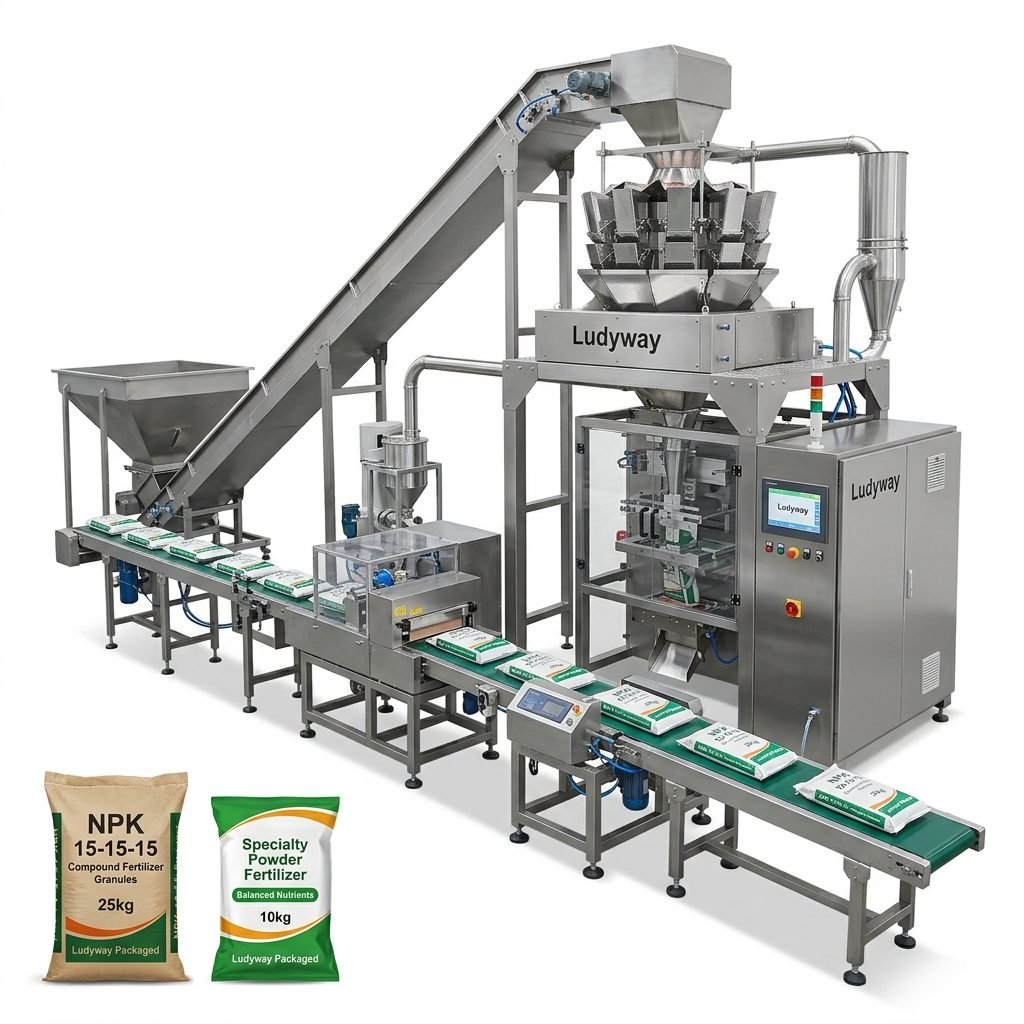
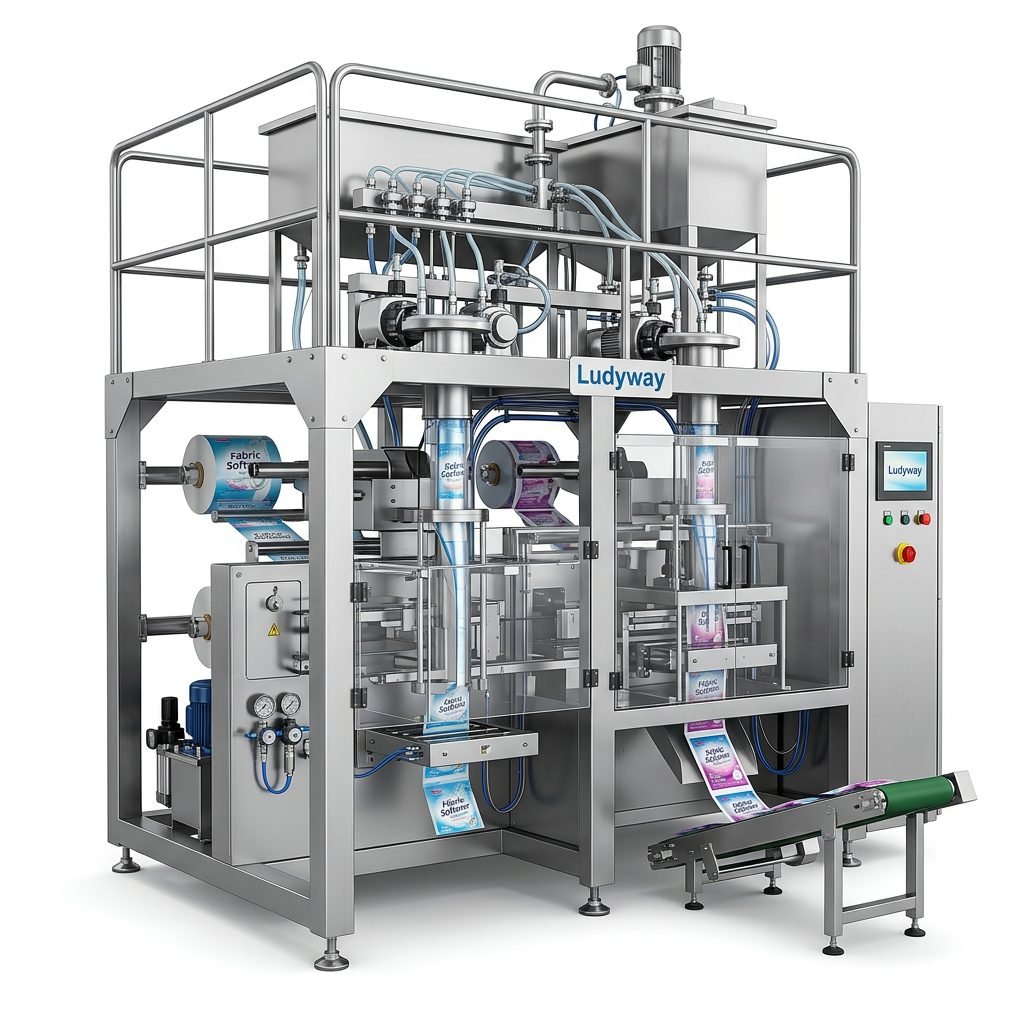
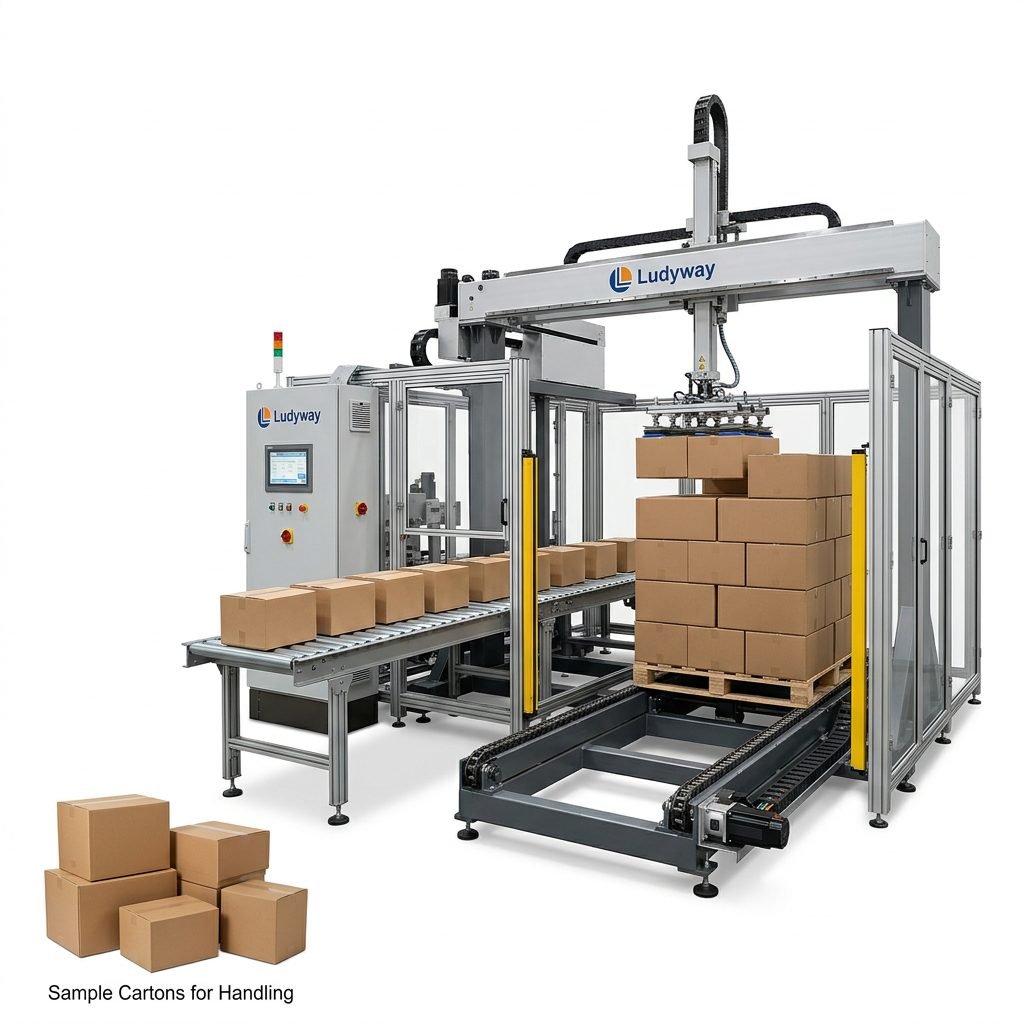
The source of the machine drastically affects the cost. Western European or Japanese machinery commands a high premium, whereas Chinese manufacturers have evolved significantly, offering an optimal balance of performance and price. When evaluating suppliers, request a detailed quotation that itemizes every component. A professional supplier will provide not just the tea packaging machine but a full integration proposal, including conveyors, checkweighers, and end-of-line cartoning. Ludyway is one of the largest packaging machine manufacturers in China, specializing in advanced packaging equipment and turnkey production solutions for the food, pharmaceutical, and health industries, with a dedicated focus on customizing powder packing systems to exact client specifications.
Practical Steps for Getting an Accurate Quote
To receive a realistic price, you must specify your requirements precisely. Be ready to provide the following data to any potential manufacturer:
- Packaging style: Stick pack, sachet, center-seal pillow, or gusseted pouch.
- Target weight/fill volume: e.g., 1 gram, 5 grams, 20 grams, etc.
- Packaging film material and thickness: e.g., BOPP/CPP, PET/AL/PE laminates.
- Target production speed in packs per minute.
- Characteristics of your tea powder: Density, flowability, dust level, and any abrasive properties.
The automatic tea powder packing machine cost is ultimately a strategic investment calibrated to your production ambitions. While a basic machine might suffice for a cottage industry, a serious brand aiming for supermarket retail shelves requires precision, speed, and the reliability that comes with a robust, automated system. The key is to align the machine’s capabilities with your business goals, ensuring that every dollar spent translates directly into efficiency and profit.