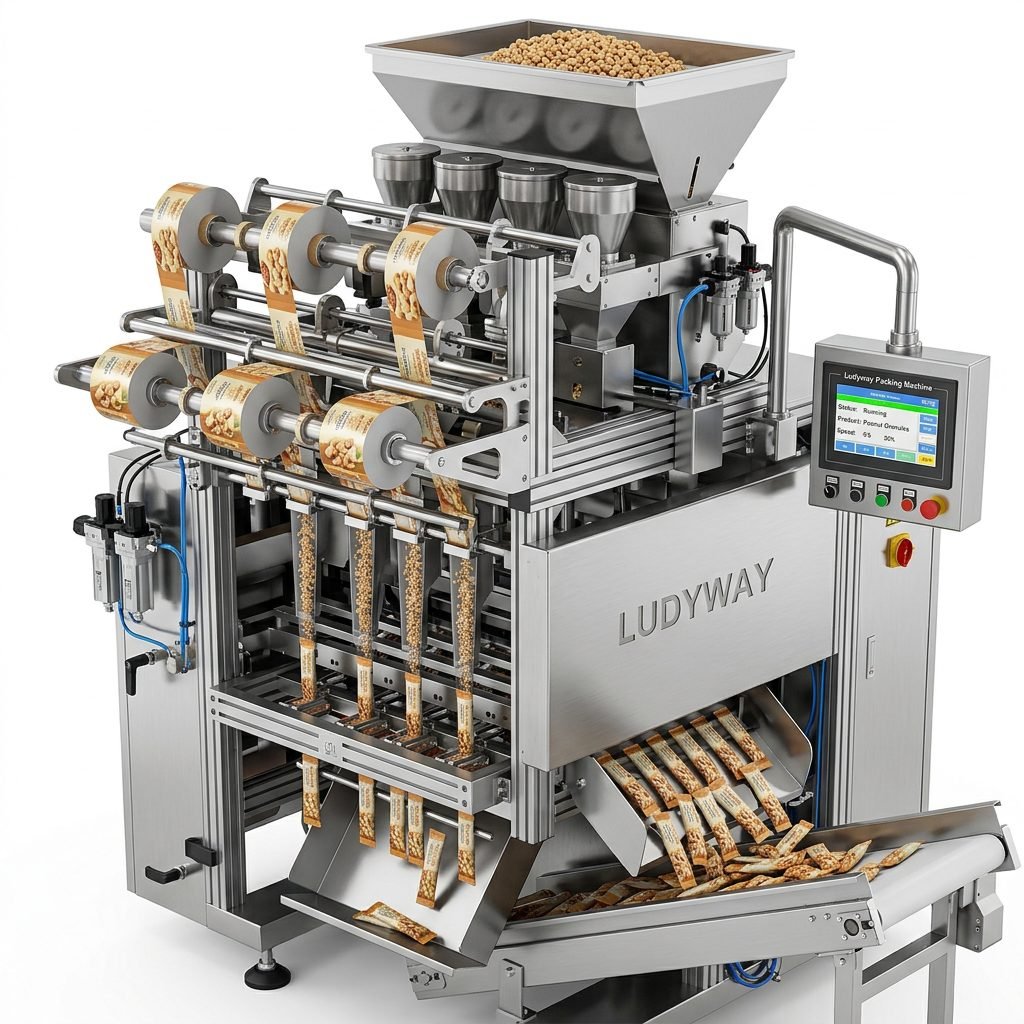
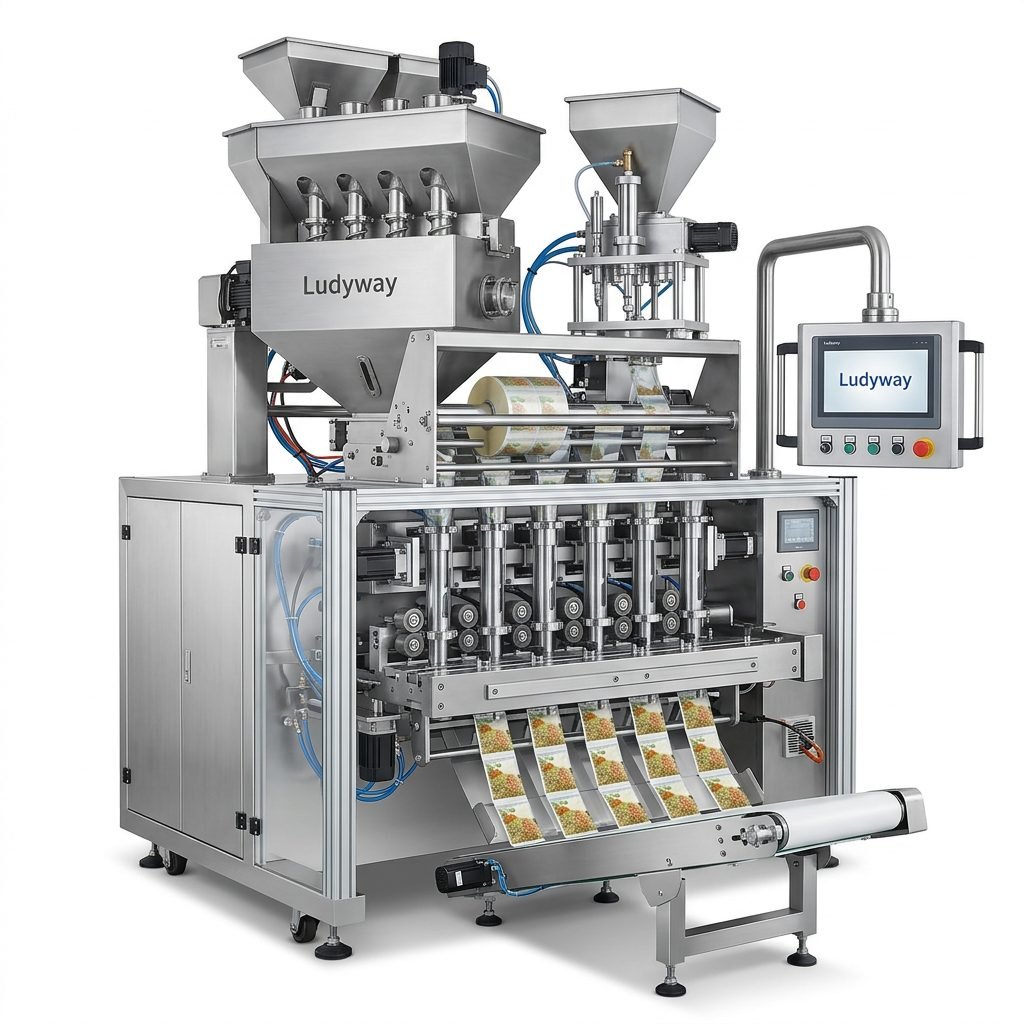
The snack food industry in Oceania continues to experience robust growth, driven by changing consumer lifestyles and increasing demand for convenience foods. For manufacturers looking to capture market share in Australia, New Zealand, and the Pacific Islands, investing in the right potato chips packaging machine is a critical business decision. This comprehensive guide explores everything you need to know about selecting, operating, and maintaining packaging equipment for potato chips in the Oceanic region.
Understanding the Oceania Potato Chips Market
The Oceania snack food sector has seen consistent annual growth of approximately 4-6% over the past five years. Australia and New Zealand represent the largest markets, with potato chips accounting for over 35% of total savory snack sales. Key drivers include premiumization trends, demand for healthier baked alternatives, and the expansion of private-label brands across major supermarket chains such as Woolworths, Coles, and Foodstuffs. Manufacturers in the region face unique challenges including strict food safety regulations, high labor costs, and the need for flexible production runs to accommodate diverse product SKUs.
Types of Potato Chips Packaging Machines Available
Selecting the right packaging machinery depends on your production volume, packaging format, and product characteristics. Below are the primary machine categories suitable for potato chips:
Vertical Form Fill Seal (VFFS) Machines
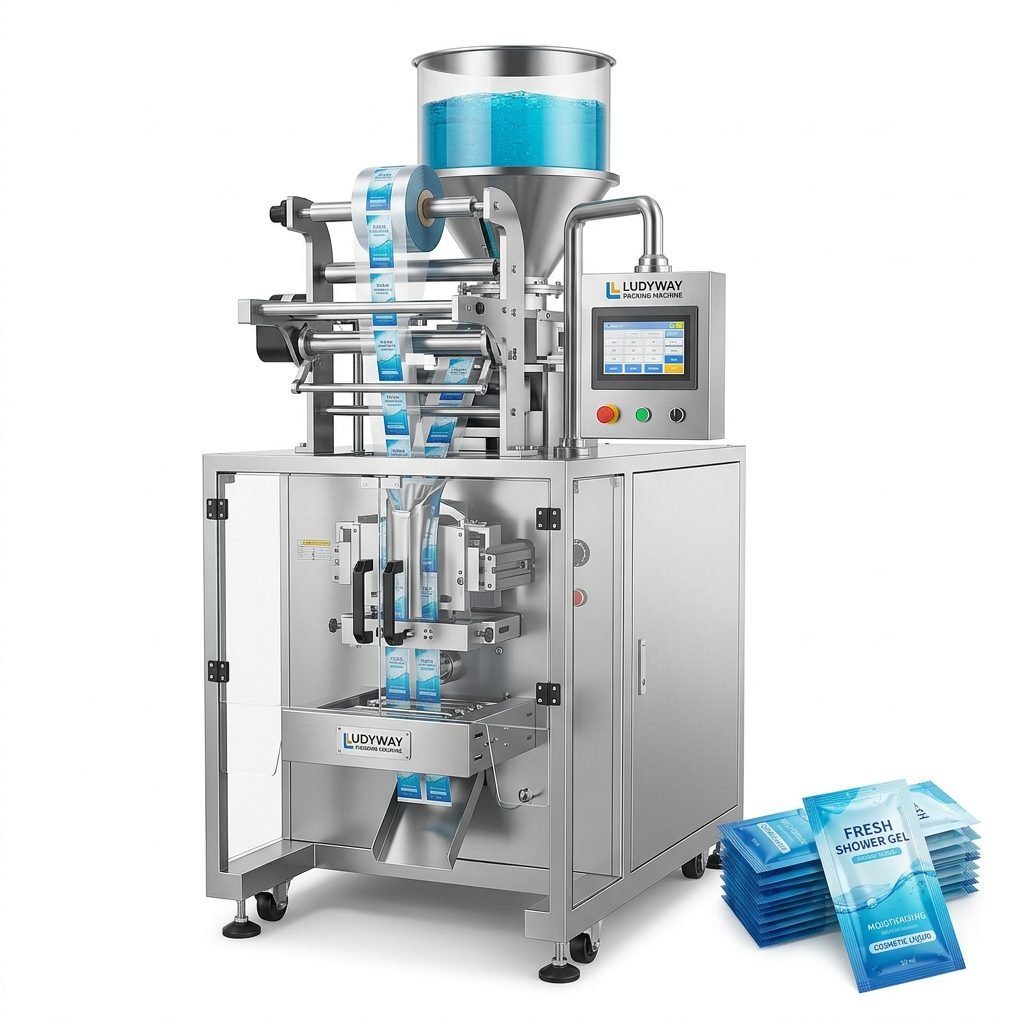
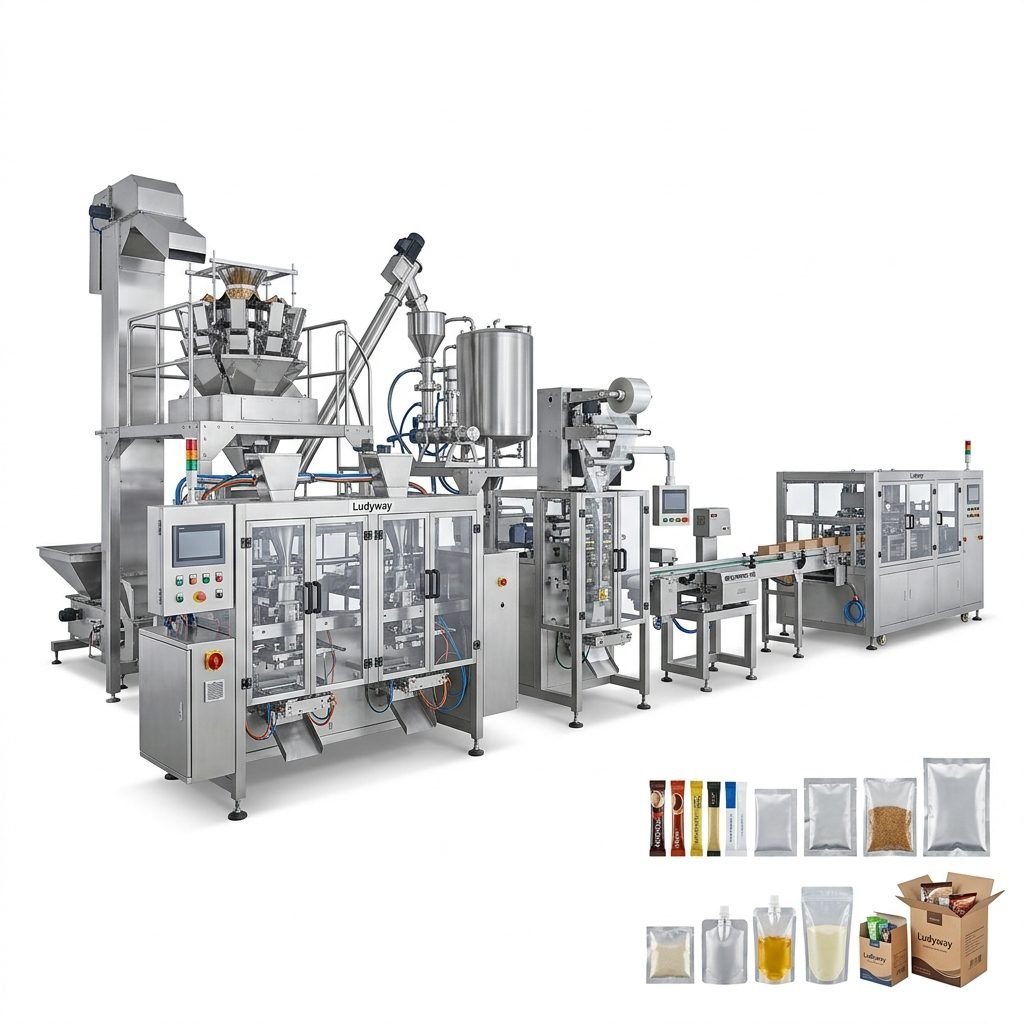
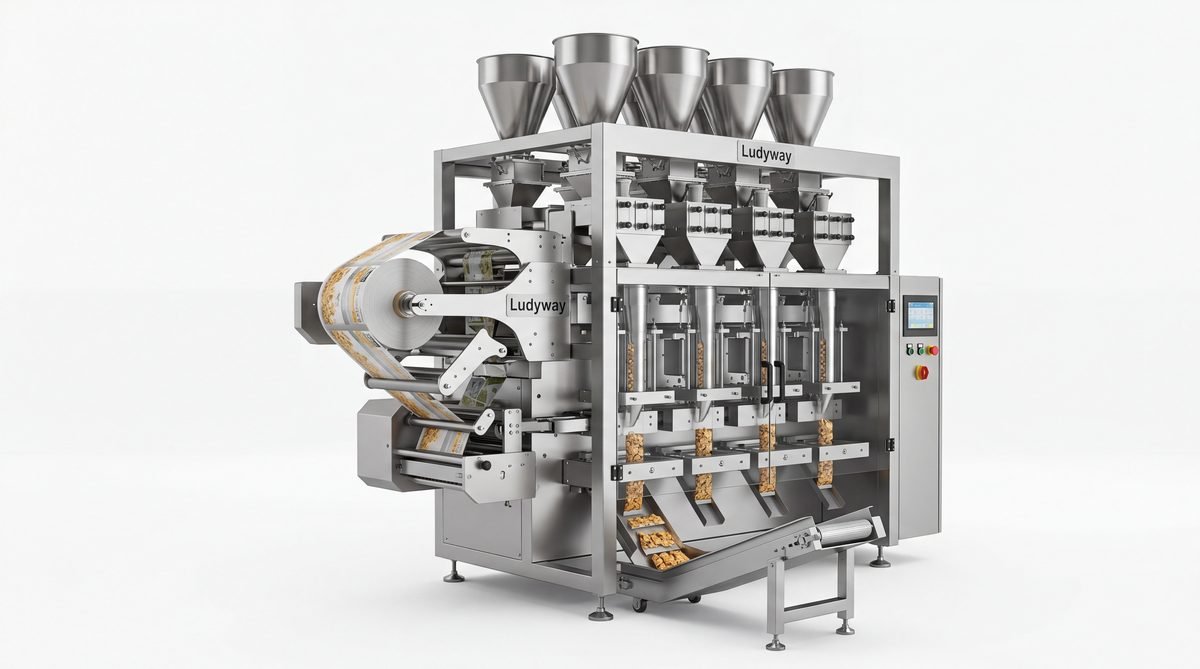
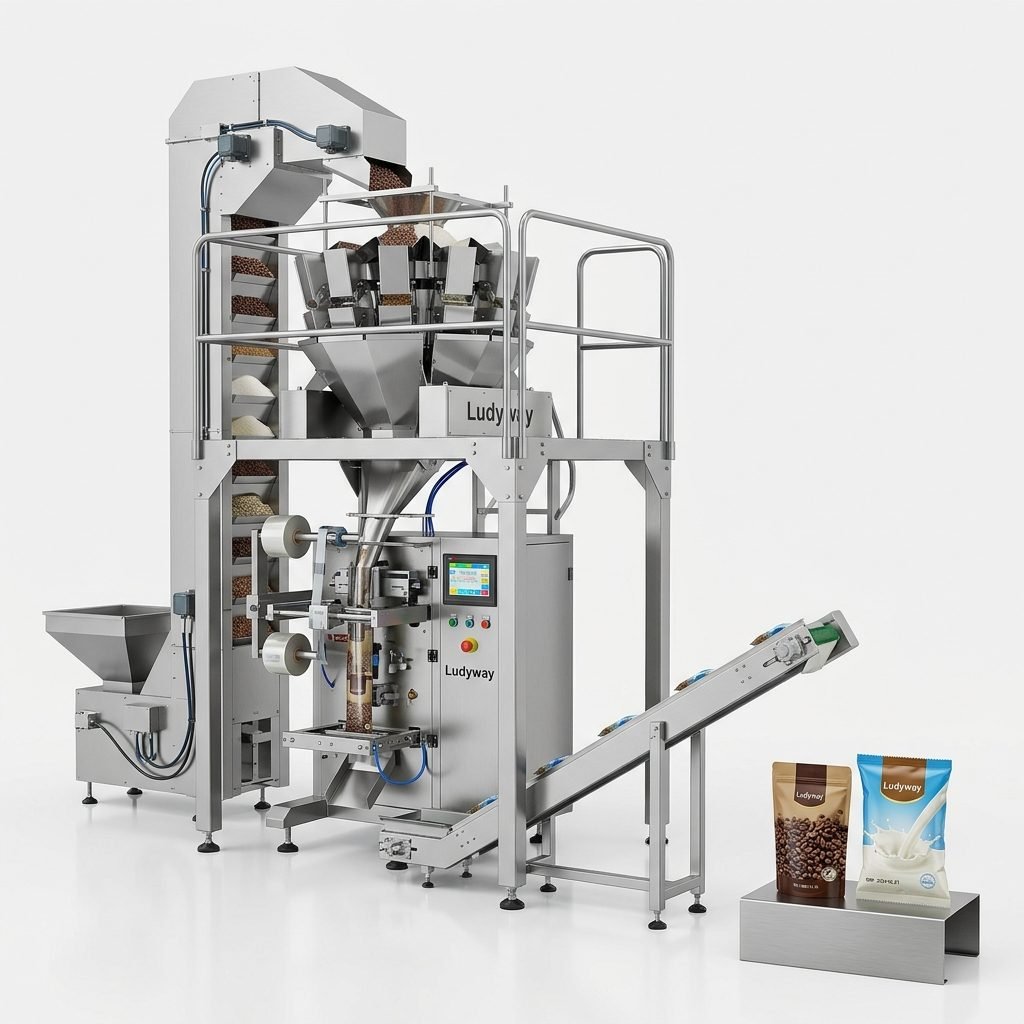
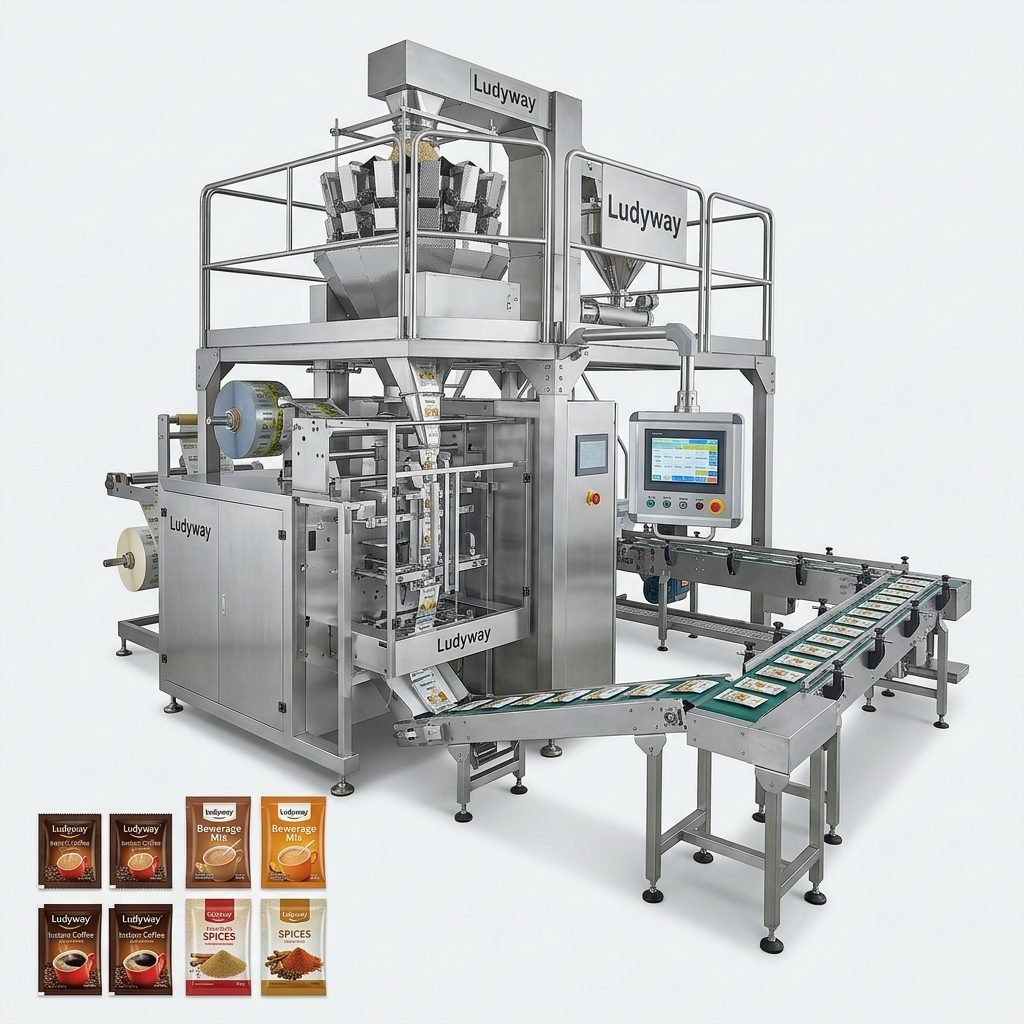
VFFS machines are the industry standard for high-volume potato chip packaging. These systems form bags from flat roll stock film, fill them with product, and seal them in a continuous vertical motion. Modern vertical form fill seal systems can achieve speeds of 60-120 bags per minute and support pillow bags, gusseted bags, and quad-seal pouch formats. For the Oceanic market, models with nitrogen flushing capabilities are particularly valuable as they extend product shelf life in humid tropical climates prevalent in parts of the region.
Multi-Lane Stick Pack Machines
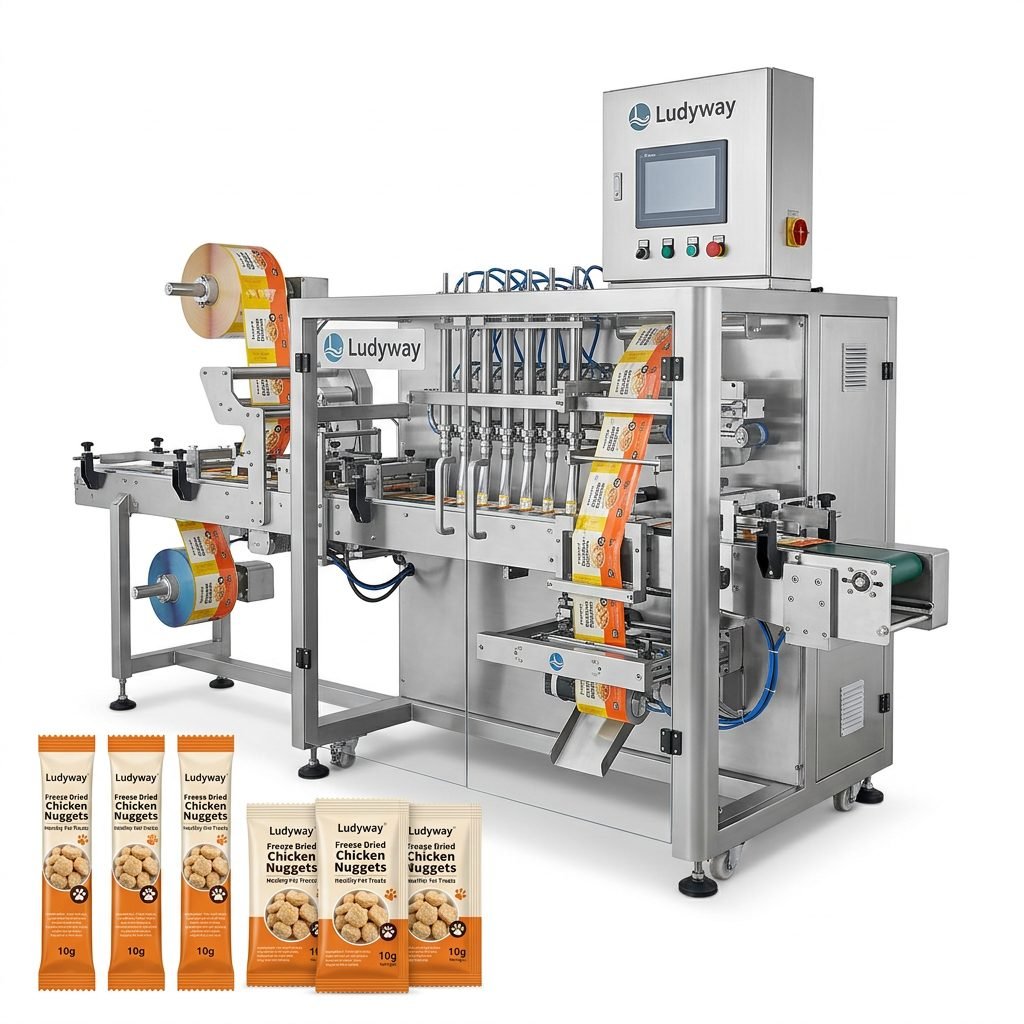
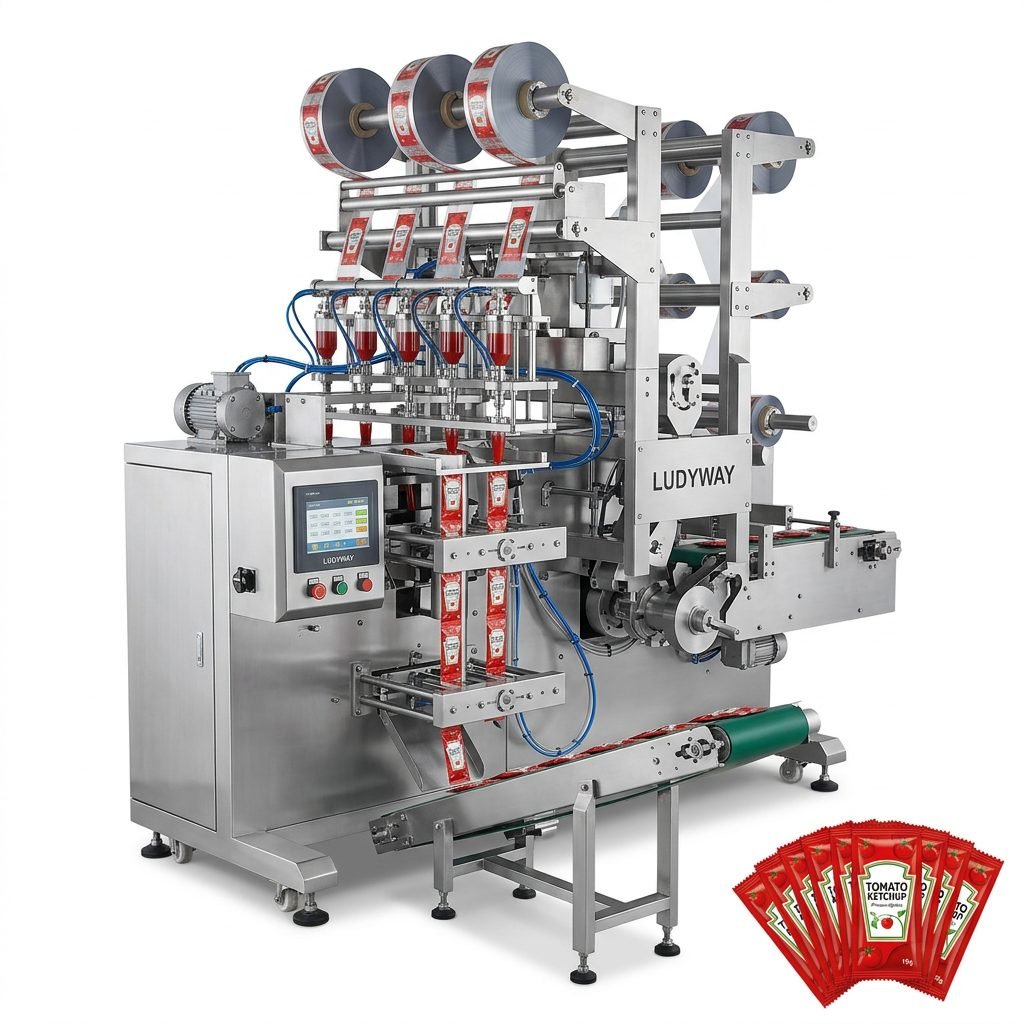
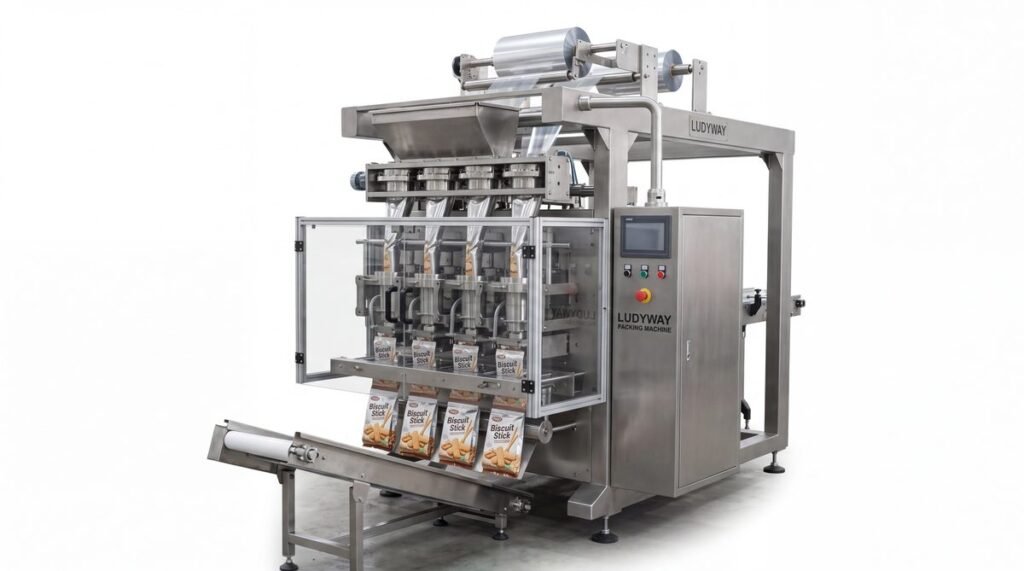
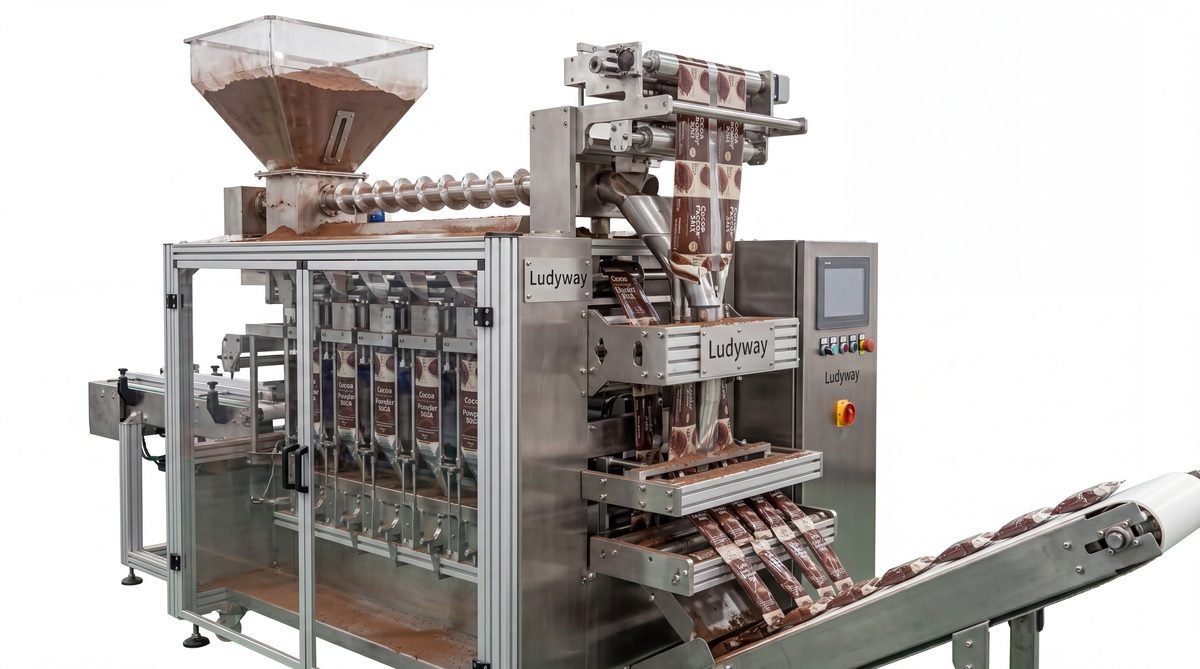
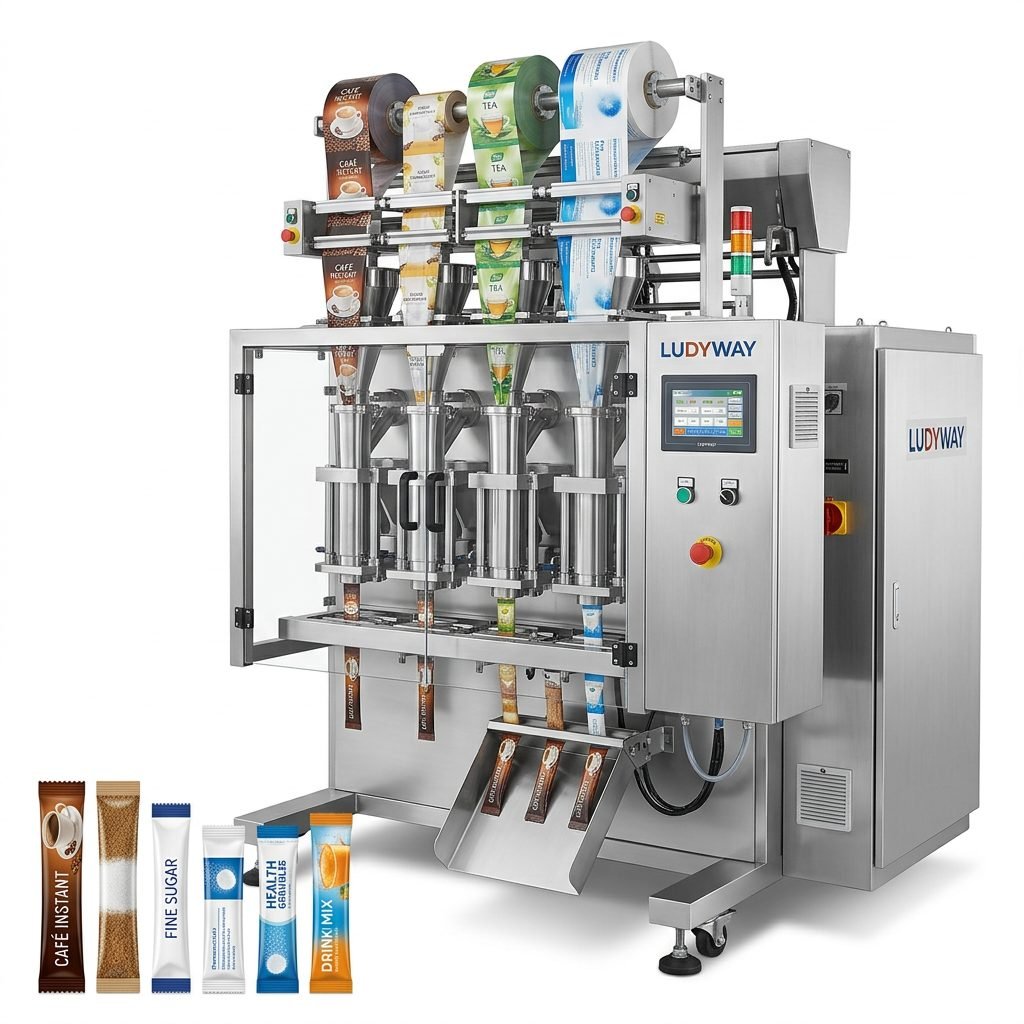
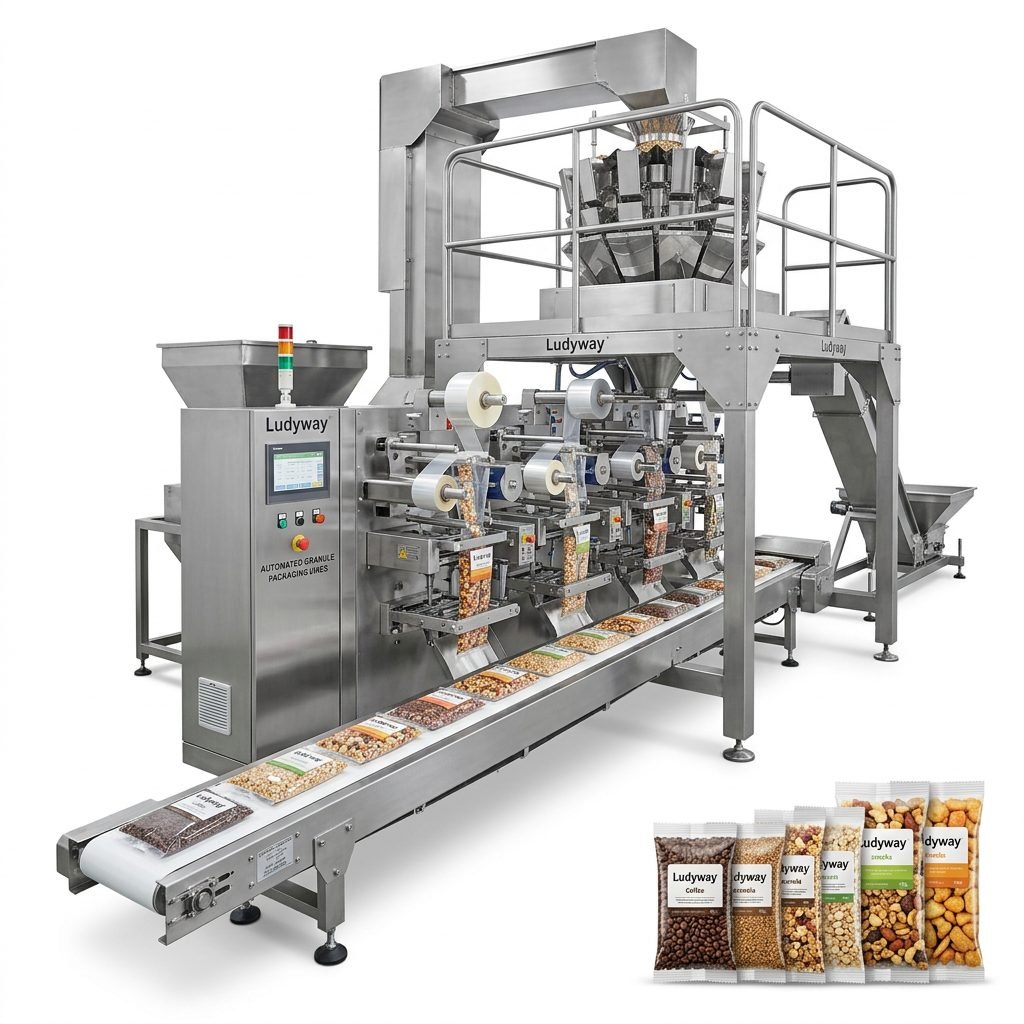
For single-serve and portion-controlled potato chip packages, multi-lane stick pack machines offer exceptional productivity. These systems can run 4-12 lanes simultaneously, producing up to 800-1200 stick packs per minute depending on the configuration. The compact stick pack format is increasingly popular in Oceania for lunchbox snacks, vending machine products, and convenience store offerings. Multi-lane packaging systems also reduce film waste and improve production efficiency compared to single-lane alternatives.
Pre-Made Pouch Filling and Sealing Machines
Rotary and inline pre-made pouch machines are ideal for premium and specialty potato chip brands using stand-up pouches, zipper bags, or shaped packaging. These systems pick, open, fill, and seal pre-formed pouches at speeds of 30-80 pouches per minute. In Oceania, the craft and gourmet chip segment has driven increased adoption of pre-made pouch packaging, with many artisanal producers favoring this format for its shelf appeal and resealability features.
Automatic Weighing and Filling Systems
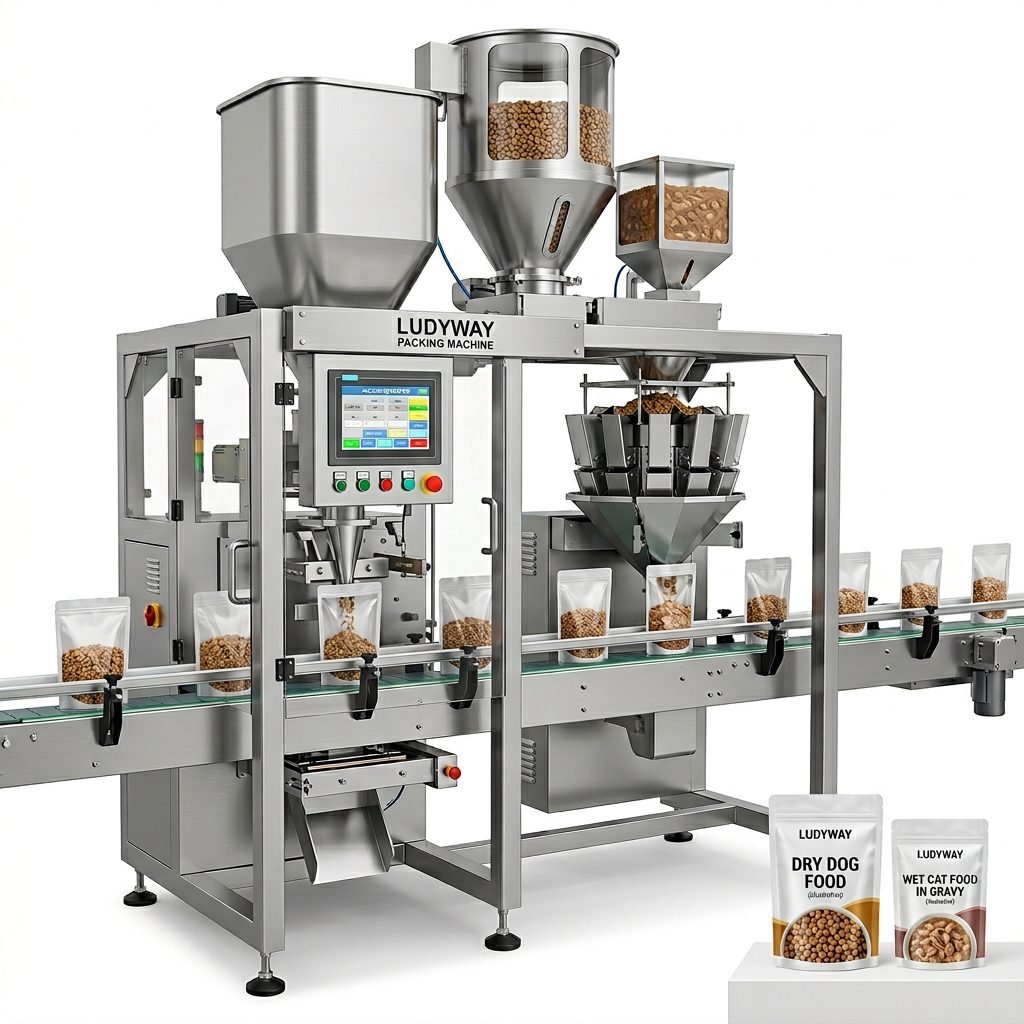
Accurate portion control is essential for compliance with Oceania food labeling regulations and cost management. Multi-head weighers with 10-20 heads provide precise weighing of potato chips with minimal product breakage. These systems integrate seamlessly with VFFS machines and pre-made pouch fillers, delivering accuracy within ±0.5-1.5 grams per portion. Advanced models feature memory hoppers and anti-static measures specifically designed for lightweight, fragile snack products.
Key Factors to Consider When Buying in Oceania
Making an informed purchase decision requires evaluating several critical factors that directly impact operational success in the Oceanic market:
- Production Capacity Requirements: Calculate your current throughput needs and factor in at least 20-30% growth capacity for future expansion. Oceania manufacturers typically operate single or double shifts, making machine reliability and speed critical.
- Packaging Material Compatibility: Verify that the machine handles the specific film types common in Oceania, including recyclable mono-materials, compostable films, and high-barrier laminates required for extended shelf life in tropical conditions.
- Food Safety Compliance: Equipment must meet FSANZ (Food Standards Australia New Zealand) requirements, including stainless steel construction, easy-clean designs, and HACCP-compatible operation.
- Changeover Flexibility: With diverse product portfolios common in Oceania, quick-change features enabling format switches in under 15 minutes provide significant production advantages.
- After-Sales Support Availability: Evaluate the supplier’s local service network, spare parts inventory in Oceania, and technical support responsiveness.
- Energy Efficiency: Australia and New Zealand have relatively high electricity costs; energy-efficient servo-driven machines reduce long-term operational expenses.
Technical Specifications Comparison
The following table compares key technical parameters across different potato chip packaging machine types, helping Oceanic buyers evaluate options based on their specific production requirements:
| Machine Type | Speed Range | Bag/Pouch Formats | Ideal Production Volume | Floor Space |
|---|---|---|---|---|
| VFFS Machine | 40-120 bpm | Pillow, Gusseted, Quad-Seal | Medium to High | 8-15 m² |
| Multi-Lane Stick Pack | 400-1200 ppm | Stick Pack, Sachet | High to Very High | 12-25 m² |
| Pre-Made Pouch Filler | 30-80 ppm | Stand-Up, Zipper, Shaped | Low to Medium | 6-12 m² |
| Manual Bagging System | 5-15 bpm | Flat, Gusseted Bags | Very Low | 3-6 m² |
Regulatory Compliance and Food Safety Standards
Operating in Oceania requires strict adherence to several regulatory frameworks. FSANZ Standard 3.2.2 governs food safety practices including equipment hygiene, while AS 4024 series standards cover machinery safety requirements. Importers must also ensure equipment meets Australian/New Zealand electrical safety standards (AS/NZS 3820). For manufacturers exporting from Oceania to Asia-Pacific markets, machines that comply with additional standards such as HACCP, ISO 22000, and CE marking provide operational flexibility. The FDA packaging regulations and ISO packaging standards may also apply for exporters targeting North American and European markets respectively. Refer to the PMMI Business Intelligence Library for comprehensive industry data on packaging machinery standards and market trends.
Environmental and Sustainability Considerations
Oceania markets are increasingly prioritizing sustainable packaging solutions. Australia’s 2025 National Packaging Targets and New Zealand’s plastic phase-out initiatives have accelerated demand for packaging machines capable of running recyclable, compostable, and recycled-content films. When selecting equipment, verify compatibility with mono-material PE and PP structures, paper-based packaging, and thinner gauge films that reduce material consumption. The Flexible Packaging Association resources provide detailed guidance on sustainable flexible packaging trends and material innovations relevant to the snack food industry. Additionally, the European packaging waste regulations offer insights into global sustainability standards that increasingly influence Oceania packaging practices.
Installation, Training, and Maintenance Requirements
Successful integration of a potato chips packaging machine into your Oceania production facility requires thorough planning. Consider the following operational aspects:
- Site Preparation: Ensure adequate floor space, proper electrical supply (typically 380-415V three-phase in Oceania), compressed air lines delivering 6-8 bar pressure, and appropriate ventilation for heat dissipation.
- Operator Training: Comprehensive training programs should cover machine operation, routine maintenance, troubleshooting, format changeover procedures, and safety protocols. Plan for 3-5 days of initial training plus ongoing refresher sessions.
- Preventive Maintenance Schedule: Implement daily cleaning protocols, weekly inspections of sealing components and cutting blades, monthly checks of servo motors and drives, and quarterly comprehensive servicing to maximize machine longevity.
- Spare Parts Strategy: Maintain critical spare parts inventory including sealing jaws, thermocouples, belts, sensors, and common electronic components. Verify lead times for parts shipped to Oceania locations.
- Remote Support Capabilities: Modern packaging machines with IoT connectivity enable remote diagnostics, software updates, and real-time technical support, reducing downtime in remote Oceania locations.
Cost Analysis and ROI Considerations
Investing in packaging automation represents a significant capital expenditure. For Oceanic manufacturers, entry-level semi-automatic machines start from approximately AUD 25,000-50,000, while fully automatic high-speed VFFS systems range from AUD 120,000 to AUD 350,000. Multi-lane stick pack lines with integrated weighers represent the highest investment tier at AUD 280,000-600,000+ depending on lane count and automation features. Key factors influencing total cost include freight and logistics to Oceania ports, import duties and GST, installation and commissioning, operator training, and ongoing maintenance contracts. Most manufacturers achieve ROI within 18-36 months through labor cost savings, increased throughput, reduced product giveaway, and minimized packaging material waste.
Supplier Selection Criteria for Oceania Buyers
Choosing the right equipment supplier is as important as selecting the machine itself. Evaluate potential suppliers based on the following criteria tailored to the Oceanic context:
- Local Presence and Support: Prefer suppliers with established distributors, service technicians, or partner networks in Australia and New Zealand who can provide timely on-site assistance.
- Industry Experience: Select manufacturers with demonstrable experience in snack food packaging and a portfolio of installations in comparable Oceanic or Asia-Pacific facilities.
- Customization Capabilities: The ability to tailor machine configurations to specific product characteristics, packaging formats, and production workflows adds significant value.
- Warranty and Service Agreements: Comprehensive warranty coverage of at least 12-24 months and flexible service level agreements protect your investment.
- References and Case Studies: Request references from Oceanic or similar-market clients and review documented case studies demonstrating successful installations.
Among global suppliers, Ludyway has established a notable presence in the packaging machinery sector, offering advanced multi-lane and automated packaging solutions suitable for diverse snack food applications. For detailed insights into packaging machinery market trends and supplier evaluations, consult the PMMI State of the Industry reports and the Flexible Packaging Association knowledge hub for authoritative industry data.
Industry Trends Shaping Potato Chips Packaging in Oceania
Several macro trends are influencing packaging machinery requirements in the region:
Smart Manufacturing and Industry 4.0 Integration
Oceania manufacturers are increasingly adopting Industry 4.0 technologies including machine-to-machine communication, real-time production monitoring, and predictive maintenance systems. Packaging machines with OPC-UA or MQTT protocols enable integration with existing MES and ERP systems, providing actionable production data for continuous improvement initiatives.
Flexible and Agile Production
The proliferation of limited-edition flavors, seasonal products, and regional variants demands packaging equipment capable of rapid changeovers and small-batch production without sacrificing efficiency. Servo-driven machines with recipe-based setup systems address this need effectively.
Sustainable Packaging Transition
As mentioned earlier, the shift toward recyclable and compostable packaging materials is a dominant trend. Machines designed with adjustable sealing parameters, modified forming shoulders, and gentle product handling for fragile sustainable films are becoming essential. For regulatory perspectives on sustainable packaging, refer to the U.S. EPA Sustainable Materials Management resources which provide frameworks applicable to global packaging sustainability initiatives.
Frequently Asked Questions
What is the typical lead time for a potato chips packaging machine delivered to Oceania?
Standard lead times range from 8-16 weeks for standard configurations, plus 4-6 weeks for ocean freight and customs clearance to major ports in Australia and New Zealand. Custom-engineered solutions may require 16-24 weeks production time.
Can one machine handle multiple bag formats and sizes?
Yes, modern servo-driven packaging machines offer significant flexibility. With appropriate change parts and recipe settings, a single VFFS machine can typically produce pillow bags from 50g to 500g, while multi-lane stick pack machines accommodate stick widths from 15mm to 80mm and lengths from 60mm to 220mm.
What maintenance expertise is required for operating these machines?
Operators should have basic mechanical and electrical knowledge. Comprehensive training programs typically bring operators to proficiency within 1-2 weeks. For advanced maintenance and repairs, supplier technical support and local service technicians provide necessary expertise.
Are these machines suitable for nitrogen flushing to extend shelf life?
Absolutely. Most automatic packaging machines designed for snack foods include integrated nitrogen flushing systems with adjustable gas flow rates. This feature is particularly valuable for Oceanic markets where humidity control and extended shelf life are critical requirements.
What financing options are available for Oceanic buyers?
Equipment financing options include direct purchase, equipment leasing through Australian and New Zealand financial institutions, hire-purchase agreements, and manufacturer-backed deferred payment programs subject to credit approval and jurisdictional regulations.
Making Your Final Decision
Selecting the right potato chips packaging machine for your Oceania operation requires balancing production requirements, budget constraints, and long-term business objectives. Prioritize suppliers with proven industry experience, responsive local support, and machines designed for the unique demands of snack food packaging. For further guidance, explore the PACK EXPO International and PACK EXPO Las Vegas platforms showcasing the latest packaging innovations, and consult the PMMI packaging industry resources for comprehensive market research and technical standards.