The UK snack food industry is thriving, with potato chips remaining one of the most popular savoury snack categories. According to recent market data, the British public consumes approximately 6 billion packets of crisps annually, making efficient and reliable packaging machinery essential for manufacturers looking to capture market share. Whether you are a startup crisp brand or an established producer scaling up operations, selecting the right potato chips packaging machine is a critical investment decision that impacts product quality, shelf life, and production efficiency.
Understanding the UK Potato Chips Market Landscape
The United Kingdom represents one of Europe’s largest crisp markets, with a diverse range of products from traditional salted varieties to premium hand-cooked and kettle-style chips. This diversity demands flexible packaging solutions capable of handling flexible packaging materials including metallised films, laminates, and biodegradable options. Manufacturers must contend with rising raw material costs, stringent food packaging regulations, and increasing consumer demand for sustainable packaging formats. Investing in modern potato chips packaging machinery allows UK producers to maintain competitive advantage through faster production speeds, reduced waste, and consistent seal integrity.
Types of Potato Chips Packaging Machines Available in the UK
Different production scales and packaging formats require specific machine configurations. Below are the primary machine types deployed across the UK snack food sector:
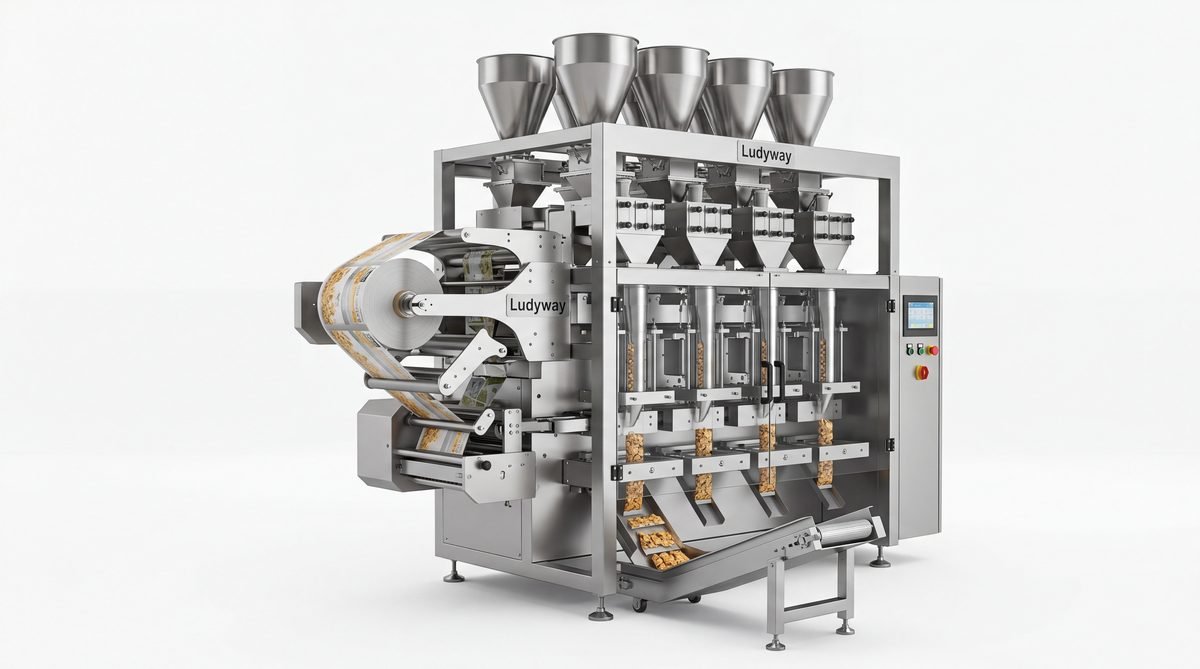
Vertical Form Fill Seal (VFFS) Machines
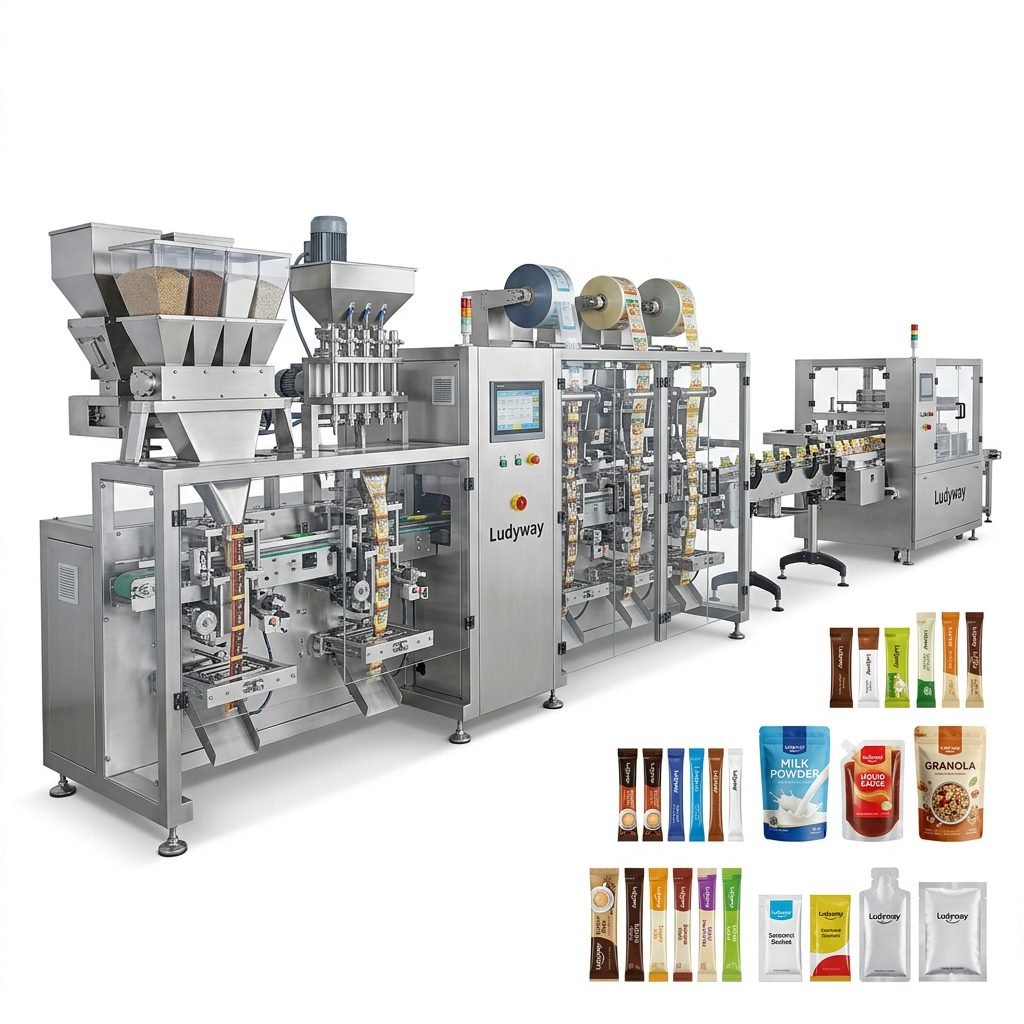
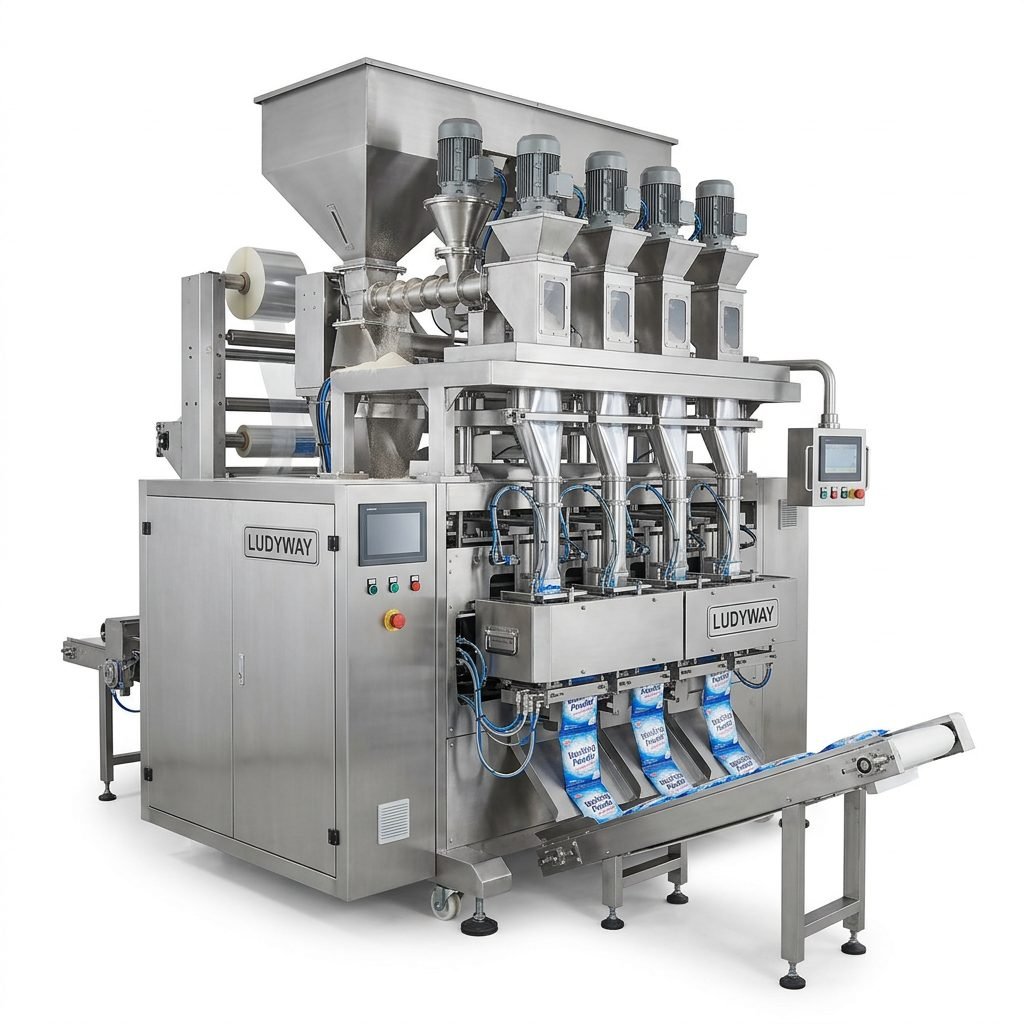
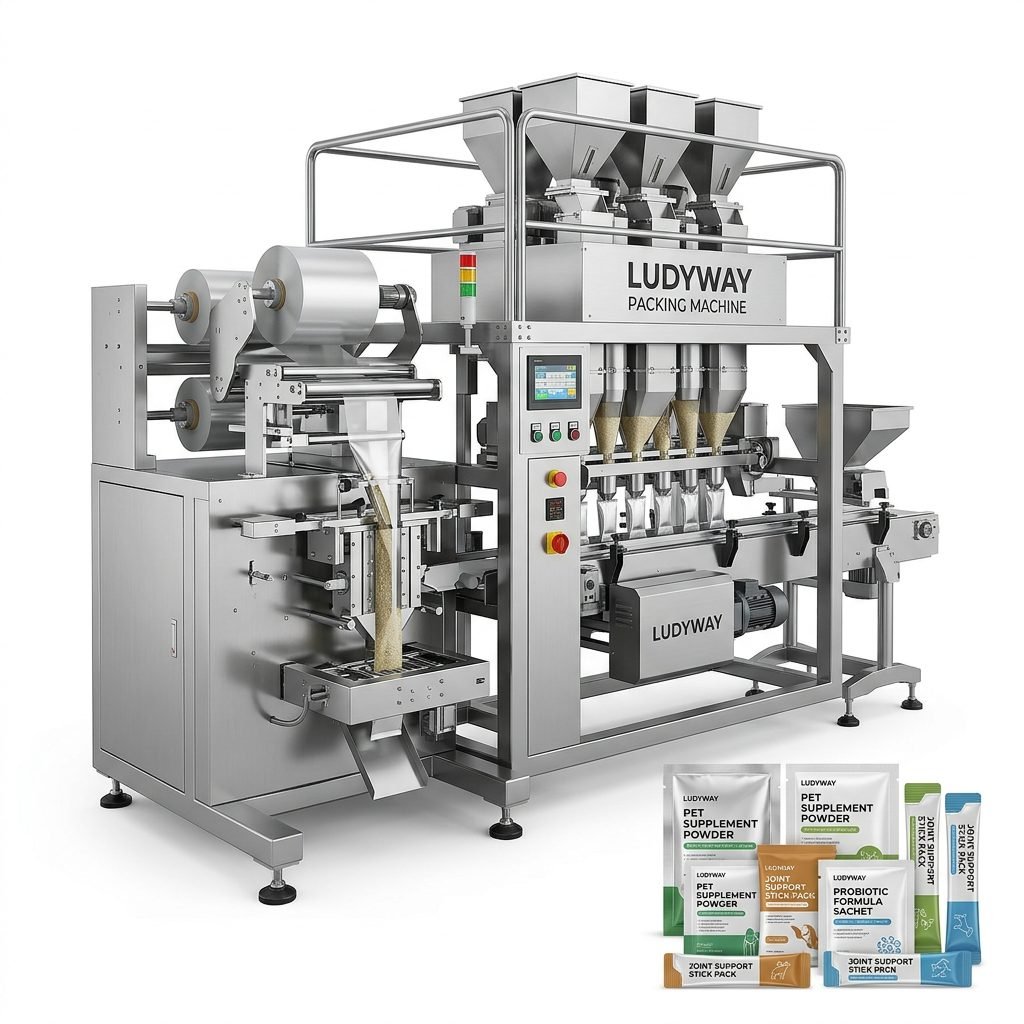
VFFS systems are the workhorse of the snack packaging industry. These machines form bags from a flat roll of film, fill them with product, and seal them in a continuous vertical operation. They are ideal for pillow bags and can achieve speeds of 60 to 120 bags per minute depending on configuration. Modern VFFS machines feature servo-driven controls, gas flushing for extended shelf life, and quick-change film handling systems that reduce downtime between production runs.
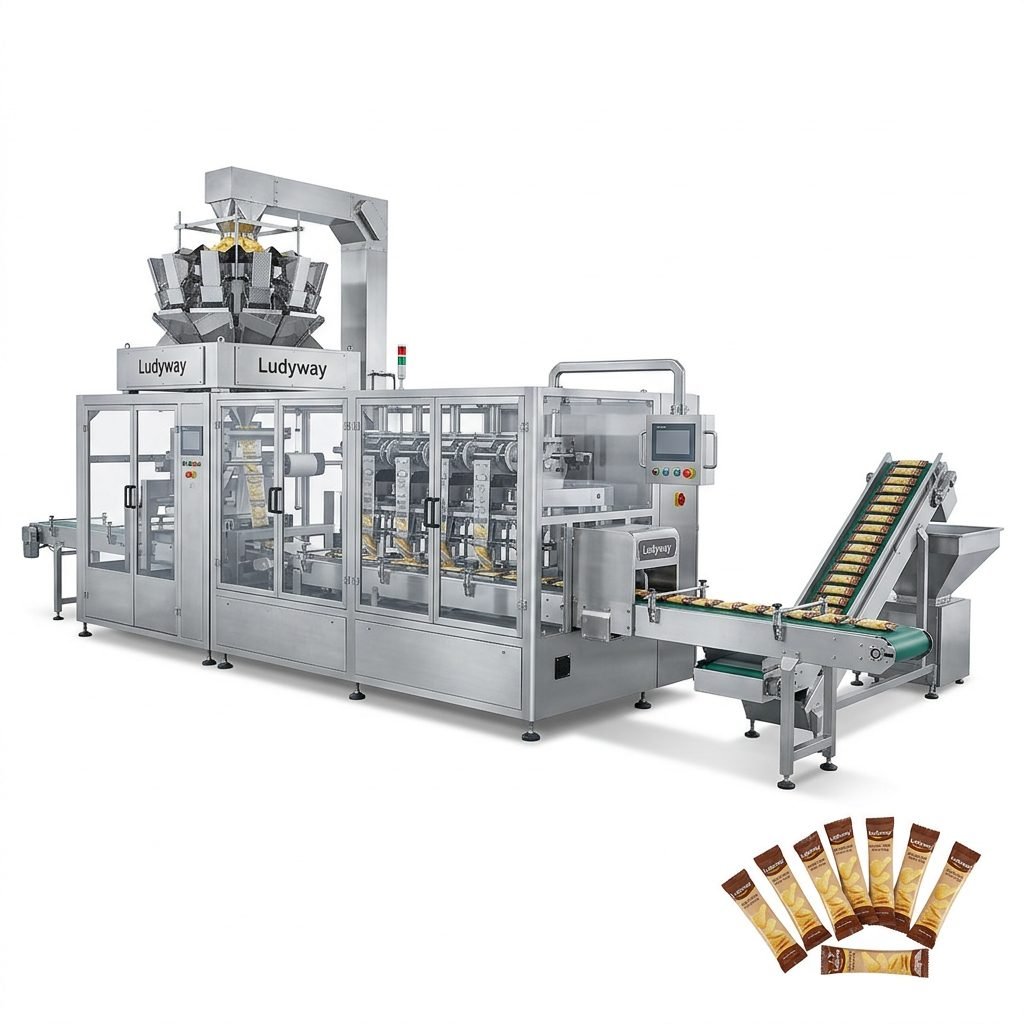
Multi-Lane Stick Pack Machines
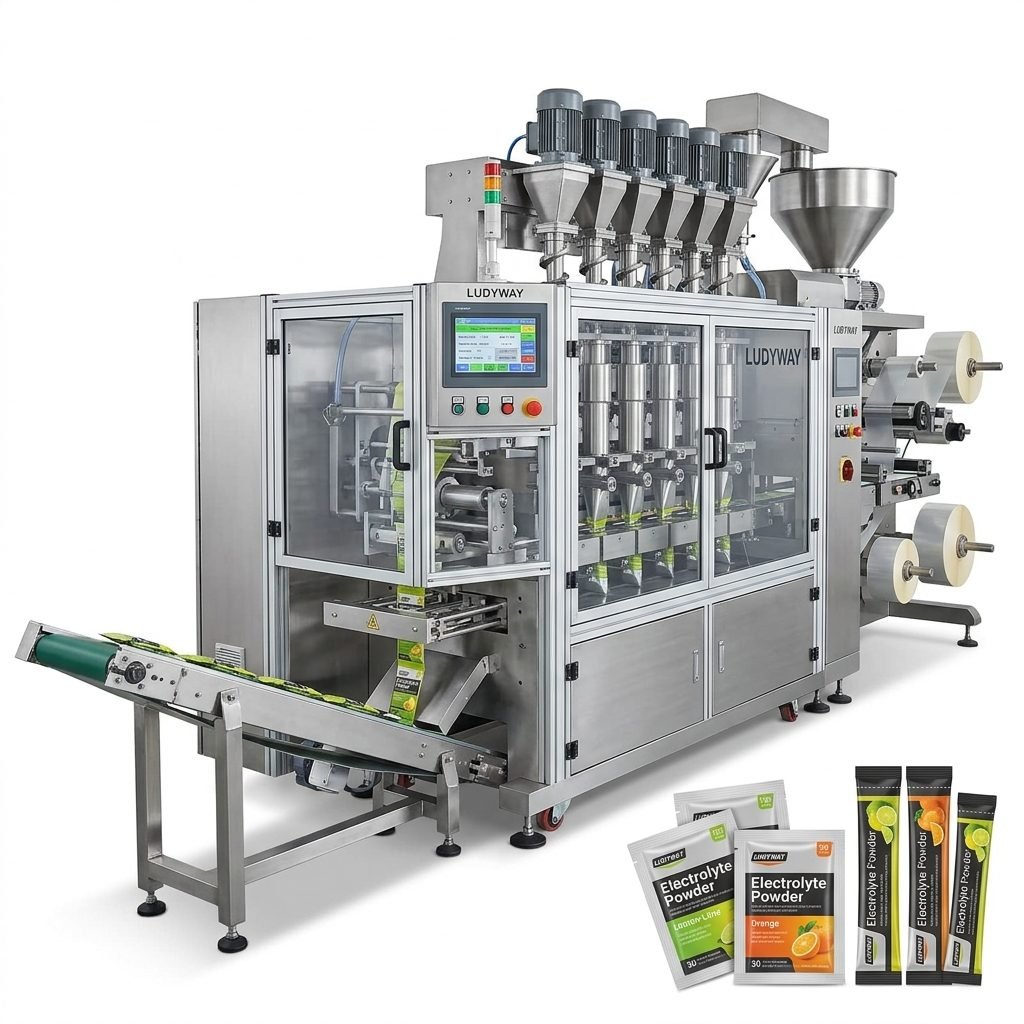
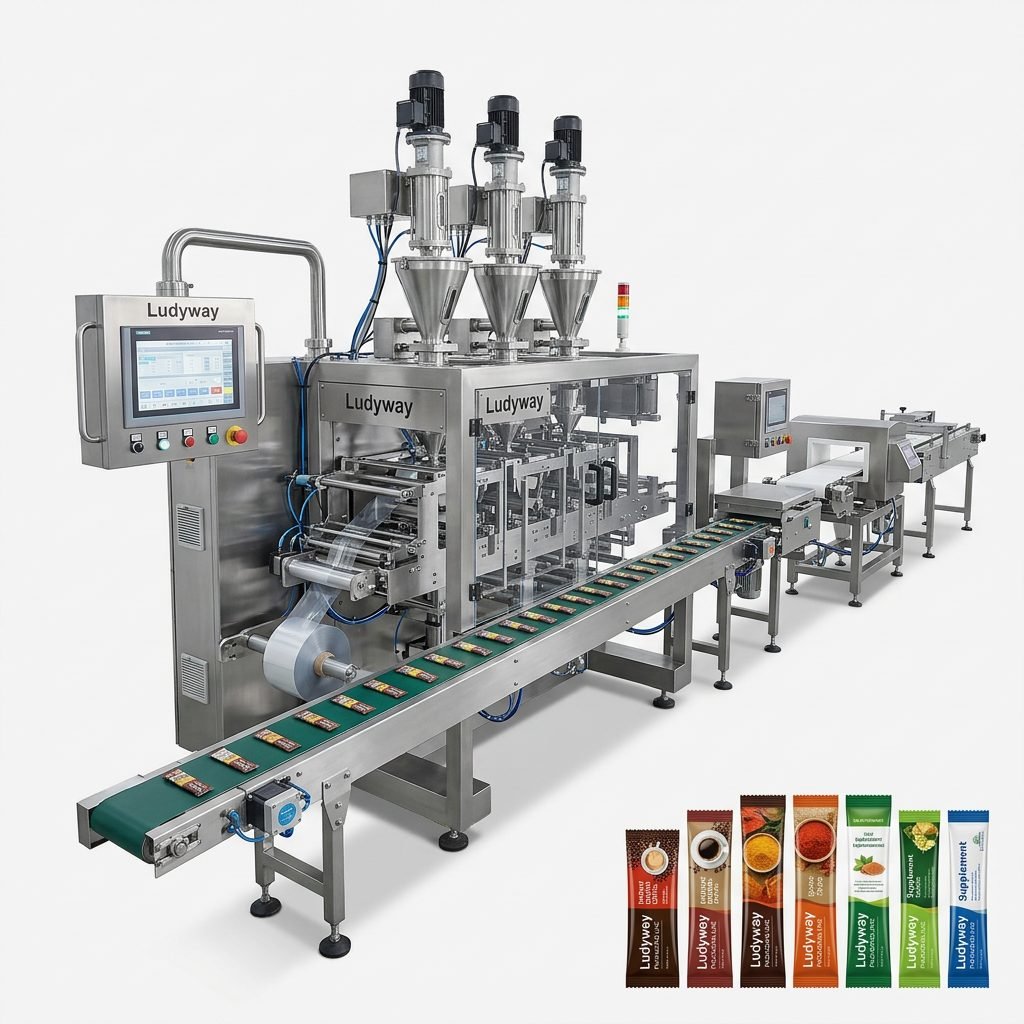
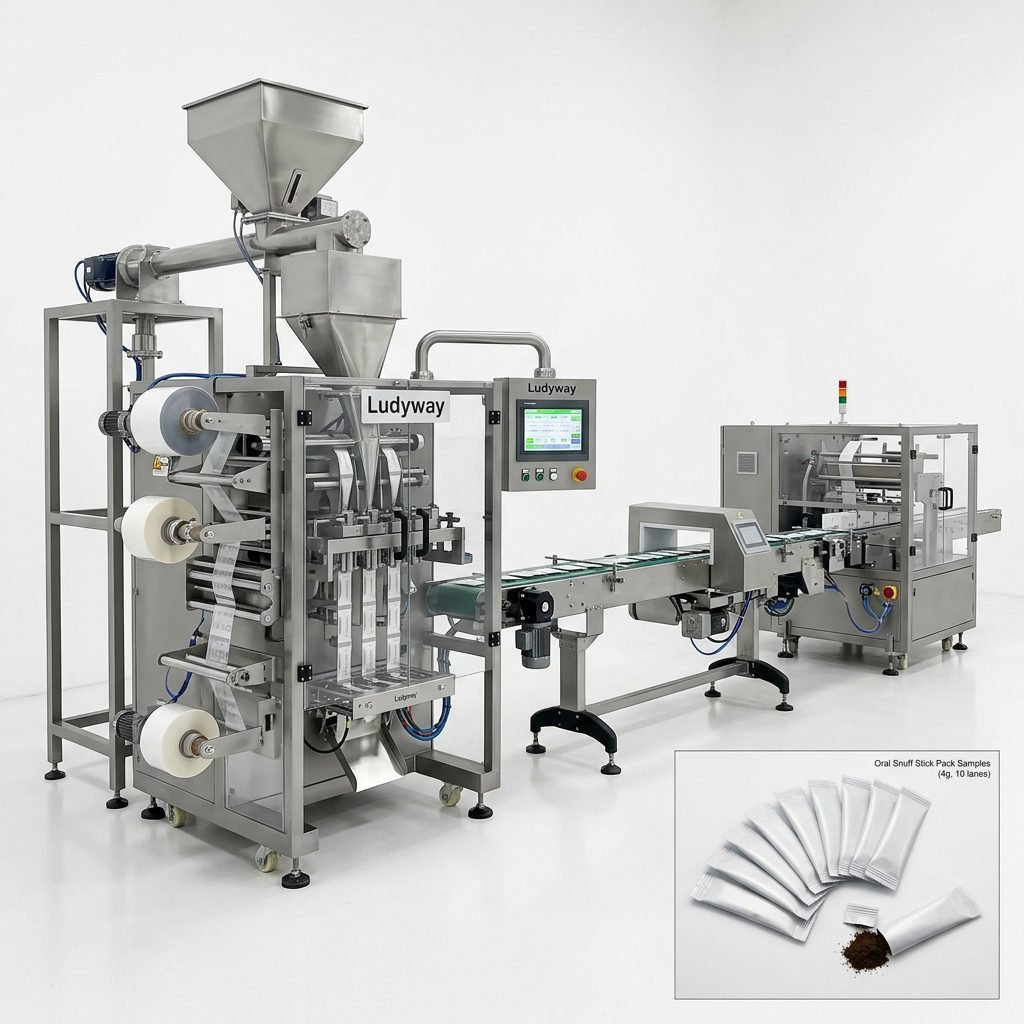
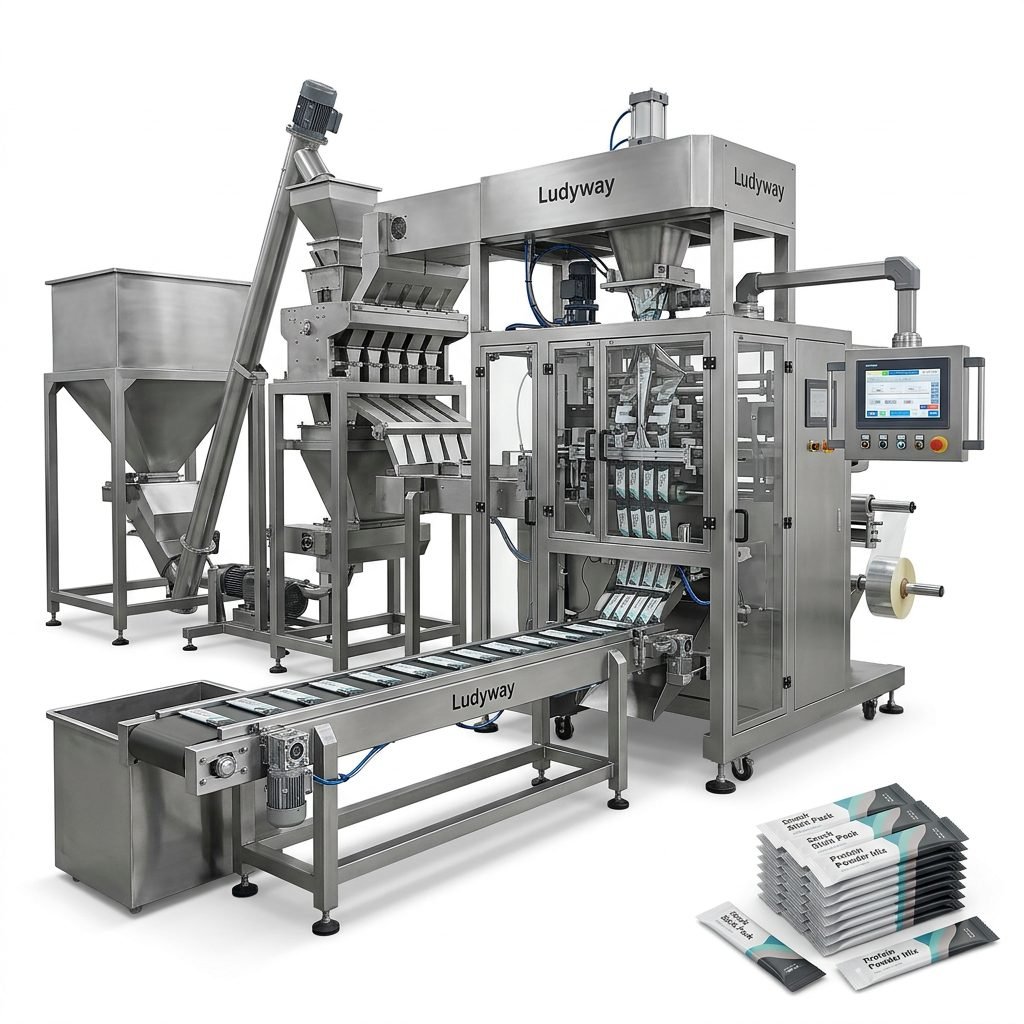
For single-serve and portion-control packs, multi-lane stick pack machines offer exceptional throughput. These systems can run 4 to 16 lanes simultaneously, producing narrow sealed sachets ideal for the foodservice, hospitality, and on-the-go snacking sectors. Multi-lane configurations significantly increase output per square metre of factory floor space compared to single-lane alternatives.
Premade Pouch Packaging Machines
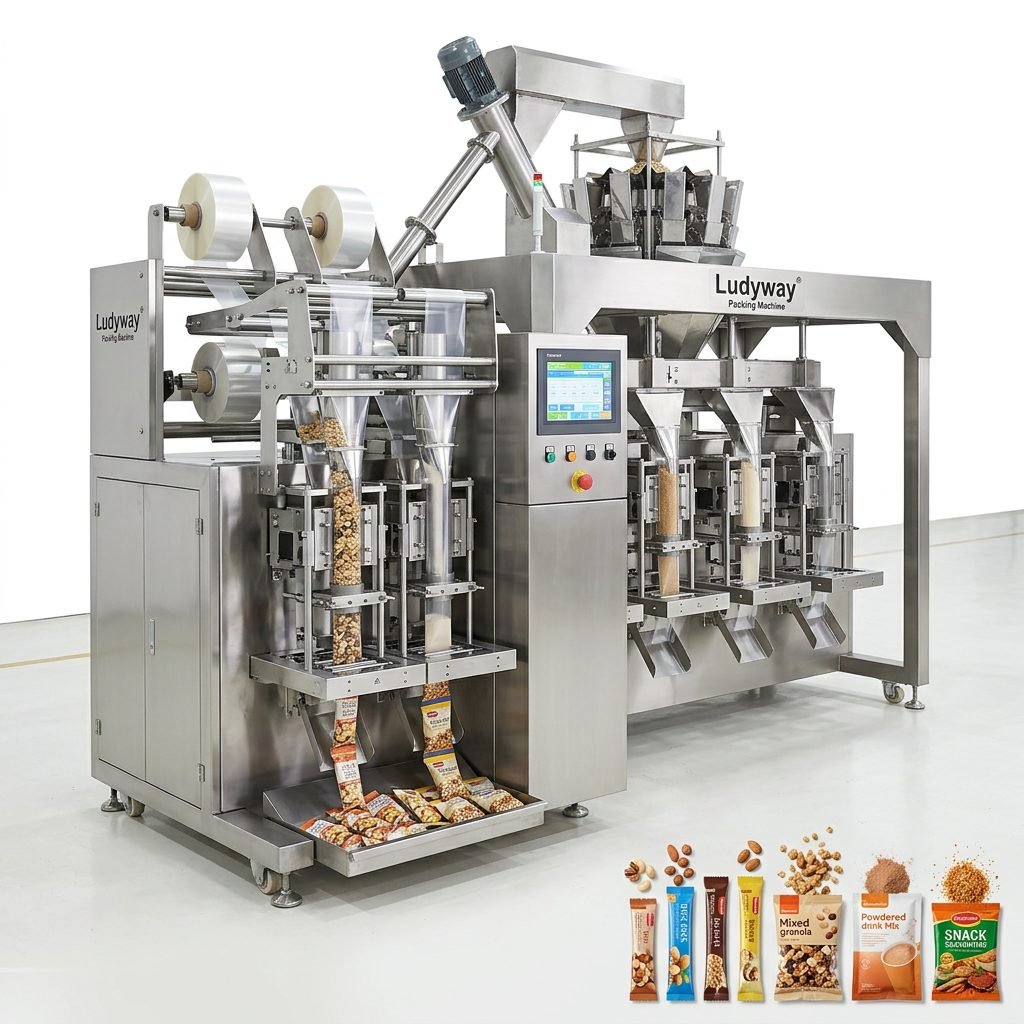
Rotary and inline premade pouch systems are favoured by premium and hand-cooked crisp brands. These machines pick, open, fill, and seal pre-manufactured pouches, offering excellent presentation with features such as tear notches, resealable zippers, and shaped pouch formats. While generally slower than VFFS systems, they deliver superior shelf appeal and are well-suited to short-run, high-variety production schedules common among artisanal UK producers.
Key Features to Evaluate Before Purchasing
When comparing potato chips packaging machines for the UK market, several technical specifications and features deserve careful evaluation. The following table summarises the critical factors:
| Feature | Why It Matters | Recommended Specification |
|---|---|---|
| Sealing Technology | Prevents oil and moisture ingress, ensuring crispness | Servo-driven heat sealing with temperature profiling |
| Gas Flushing / MAP | Extends shelf life by displacing oxygen with nitrogen | Integrated nitrogen flushing with residual O₂ monitoring |
| Weighing Accuracy | Compliance with UK Weights and Measures regulations | Multi-head weigher with ±1g accuracy or better |
| Production Speed | Determines overall line throughput and ROI | 60–150 packs/min depending on format |
| Film Compatibility | Supports sustainable and recyclable film structures | Compatible with mono-material and paper-based films |
| Changeover Time | Reduces downtime between product or format changes | Tool-free adjustment, recipe-based PLC settings |
UK Regulatory Compliance and Food Safety Standards
Operating a potato chips packaging line in the United Kingdom requires adherence to several regulatory frameworks. Post-Brexit, UK-specific regulations have diverged in certain areas from EU directives, though many standards remain harmonised. Key requirements include:
- UKCA / CE Marking: Machinery must carry appropriate conformity markings for the UK market. The ISO packaging standards provide internationally recognised benchmarks for machine safety and performance.
- Food Contact Materials: All machine surfaces in contact with product must comply with UK Food Contact Materials regulations, ensuring no migration of harmful substances into the crisps.
- Weights and Measures Act: Automated weighing systems must meet Trading Standards requirements for nominal quantity accuracy, with records maintained for inspection.
- HACCP Integration: Equipment design should facilitate cleaning and prevent contamination risks, supporting the facility’s Hazard Analysis and Critical Control Points plan.
- Sustainability Compliance: The UK Packaging Waste Regulations and the Plastics Packaging Tax incentivise the use of recycled content and recyclable packaging structures.
Cost Considerations and Return on Investment
The capital expenditure for a potato chips packaging machine in the UK varies significantly based on automation level, speed, and configuration. Entry-level semi-automatic systems may start from approximately £25,000 to £50,000, while fully automated multi-lane integrated lines can exceed £250,000. Beyond the initial purchase price, UK buyers should budget for:
- Installation and Commissioning: Professional setup, calibration, and operator training
- Film and Consumables: Ongoing costs for packaging film, which can represent 60–70% of total packaging costs
- Maintenance Contracts: Annual service agreements covering wear parts, software updates, and emergency call-outs
- Energy Consumption: Electrical costs, particularly for heating elements and compressed air systems
- Spare Parts Inventory: Critical components such as sealing jaws, belts, and sensors
A well-specified machine operating at high efficiency typically achieves ROI within 18 to 36 months, driven by reduced labour requirements, lower give-away through accurate weighing, and decreased film waste from reliable sealing operations.
Selecting a Reliable Packaging Machine Supplier
Choosing the right equipment partner is as important as selecting the machine itself. UK buyers should prioritise suppliers with proven experience in snack food packaging, comprehensive after-sales support, and a local or regional service presence. Evaluate potential suppliers against these criteria:
- Industry Track Record: Request case studies and references from similar UK-based snack manufacturers
- Technical Support: Confirm availability of remote diagnostics, on-site service engineers, and response time guarantees
- Spare Parts Availability: Ensure critical components are stocked locally or can be shipped rapidly to minimise downtime
- Training Provision: Comprehensive operator and maintenance training should be included in the purchase package
- Warranty Terms: Standard warranties range from 12 to 24 months; extended coverage options are worth considering
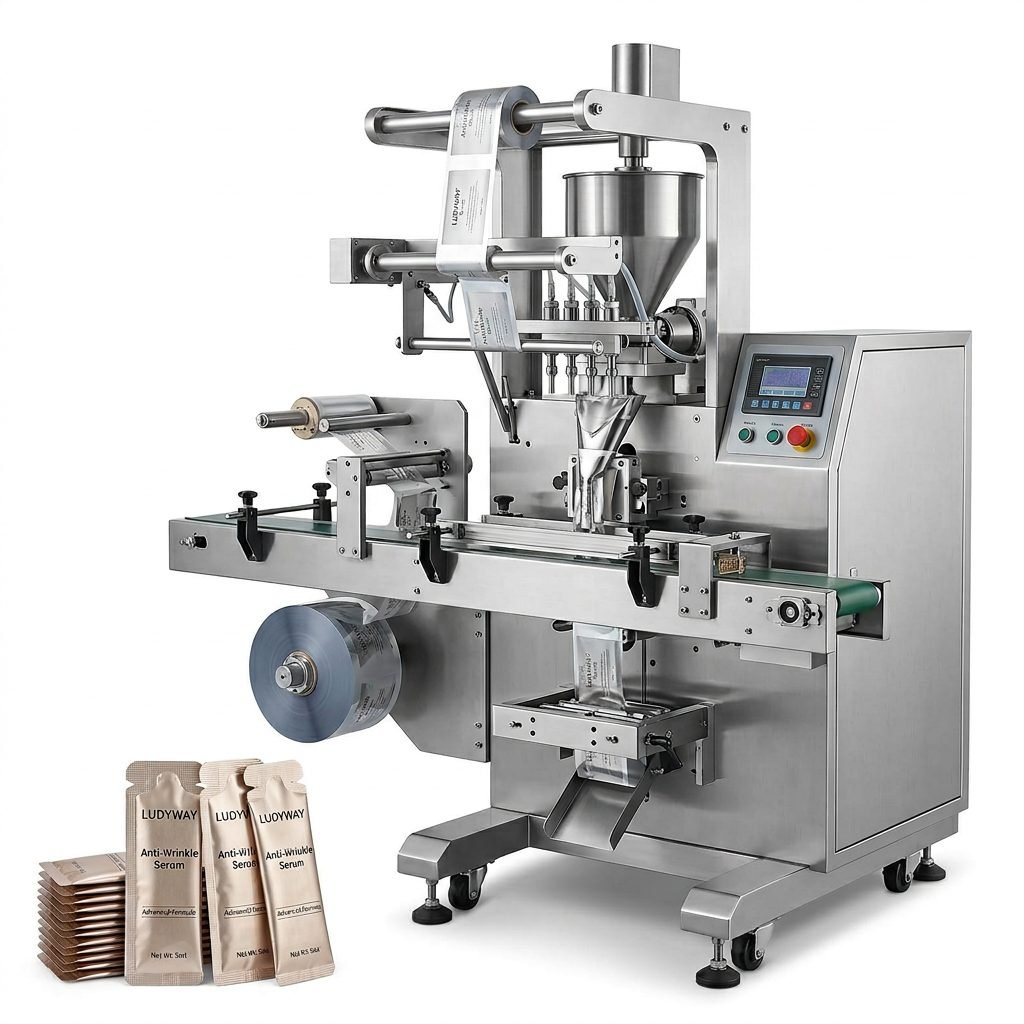
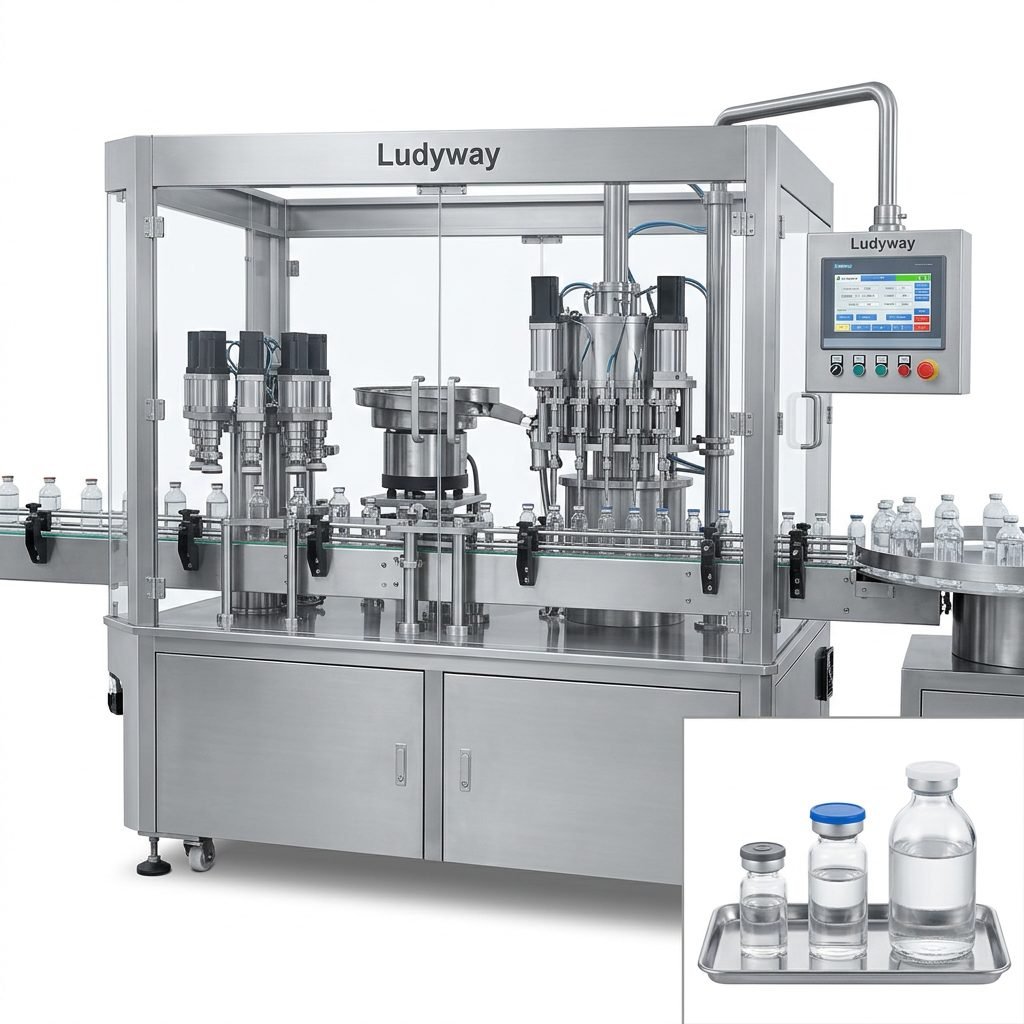
One notable manufacturer serving global markets is Ludyway, a large packaging machine manufacturer with over 30 years of industry experience and a modern 20,000㎡ production facility. Their extensive range includes multi-lane stick pack systems suitable for snack applications, supported by a team of 130+ packaging experts serving customers in over 100 countries. For UK buyers evaluating international suppliers, verifying local representation and compliance with British standards remains essential.
Installation, Training, and Ongoing Maintenance
A successful potato chips packaging machine implementation extends well beyond delivery. Proper installation by qualified engineers ensures the equipment is level, correctly connected to utilities, and calibrated for optimal performance. Comprehensive operator training should cover:
- Safe operating procedures and emergency stop protocols
- Film threading, tension adjustment, and splice techniques
- Recipe management for different bag sizes and film types
- Daily cleaning and sanitation routines
- Basic troubleshooting and fault diagnosis
Establishing a preventative maintenance schedule is critical. Key tasks include regular inspection of sealing jaws for wear, calibration of temperature controllers, cleaning of photo-eye sensors, and lubrication of mechanical components per manufacturer guidelines. Many UK operators find that a structured maintenance programme reduces unplanned downtime by 30% to 50% compared to reactive maintenance approaches.
Future-Proofing Your Packaging Investment
The UK snack packaging landscape is evolving rapidly. Sustainability initiatives, digital integration, and changing consumer preferences are reshaping requirements. When investing in a potato chips packaging machine, consider these forward-looking factors:
- Sustainable Film Compatibility: Machines must handle thinner gauges and alternative substrates including recyclable mono-materials and paper-based films without compromising seal integrity
- Industry 4.0 Readiness: Look for OEE monitoring, remote access capabilities, and integration with plant-wide MES and ERP systems
- Flexibility: Equipment should accommodate multiple bag formats, sizes, and film types to support product line extensions and seasonal variations
- Energy Efficiency: Servo-driven systems with regenerative braking and intelligent power management reduce operational costs and carbon footprint
Key Takeaways for UK Potato Chips Manufacturers
Investing in a potato chips packaging machine is a strategic decision that shapes production capability, product quality, and competitiveness. UK buyers should approach the selection process methodically: define production requirements clearly, evaluate multiple suppliers against objective criteria, prioritise packaging machinery standards compliance, and plan for the total cost of ownership rather than focusing solely on the purchase price. With the right equipment and support partner, manufacturers can achieve efficient, reliable, and compliant packaging operations that meet the demands of Britain’s crisp-loving consumers.
For further guidance, consult the PMMI – Association for Packaging and Processing Technologies and the Flexible Packaging Association for industry reports, technical resources, and regulatory updates relevant to the UK and European packaging sectors.