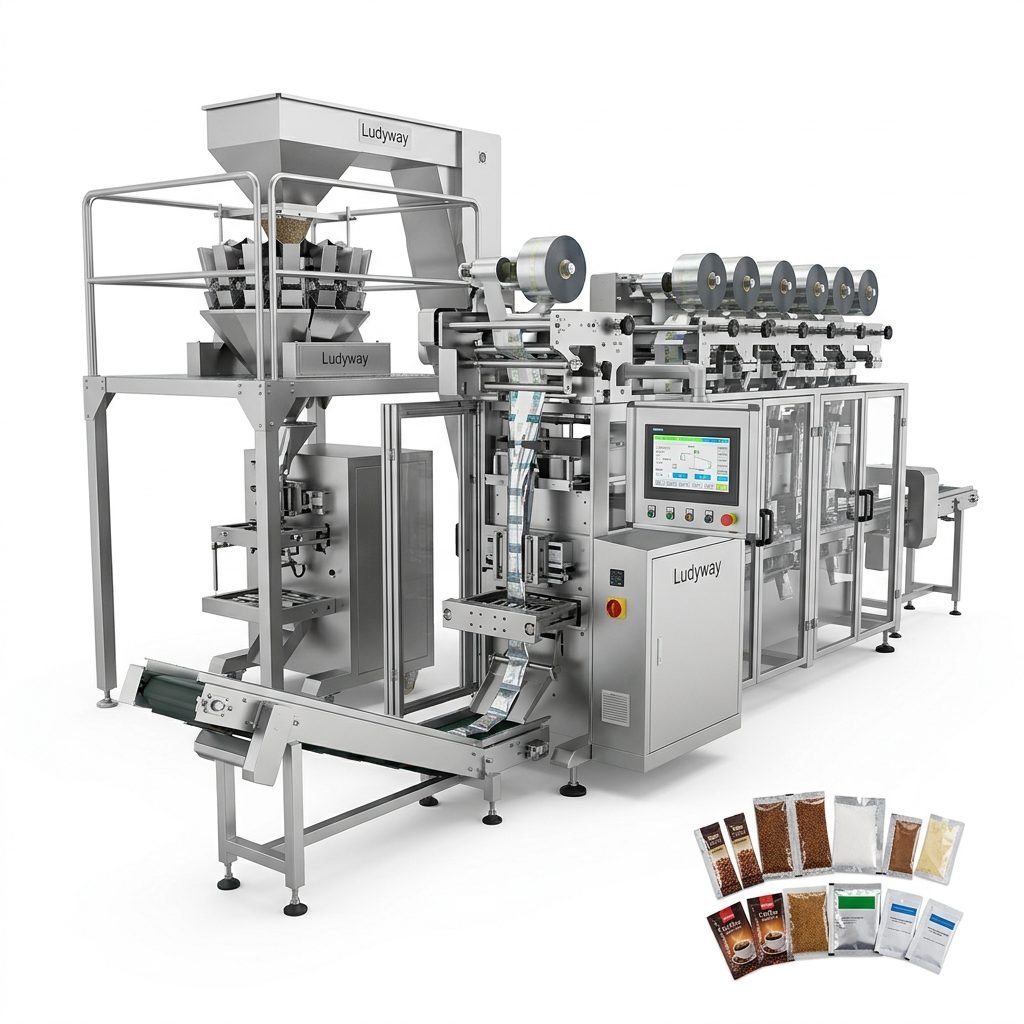
For decades, the industrial manufacturing floor was dominated by a singular design philosophy: utility above all else. Packaging machinery was traditionally characterized by heavy, gray cast-iron frames, exposed wiring, and bulky mechanical layouts. However, a quiet revolution is taking place on modern production lines. Today, the global packaging industry is entering an era where industrial aesthetics and high-performance engineering are no longer mutually exclusive. As manufacturers seek to optimize floor space, reduce downtime, and improve operator safety, the integration of modular machinery has emerged as the definitive solution for next-generation production facilities.
This shift toward modularity represents a fundamental change in how machinery is conceived, built, and operated. By breaking down complex packaging lines into standardized, interchangeable functional blocks, engineering teams can deliver systems that are both visually cohesive and highly efficient. The result is a clean, modern aesthetic that reflects the advanced technology running beneath the surface.
The Rise of Modular Architecture in Packaging Lines
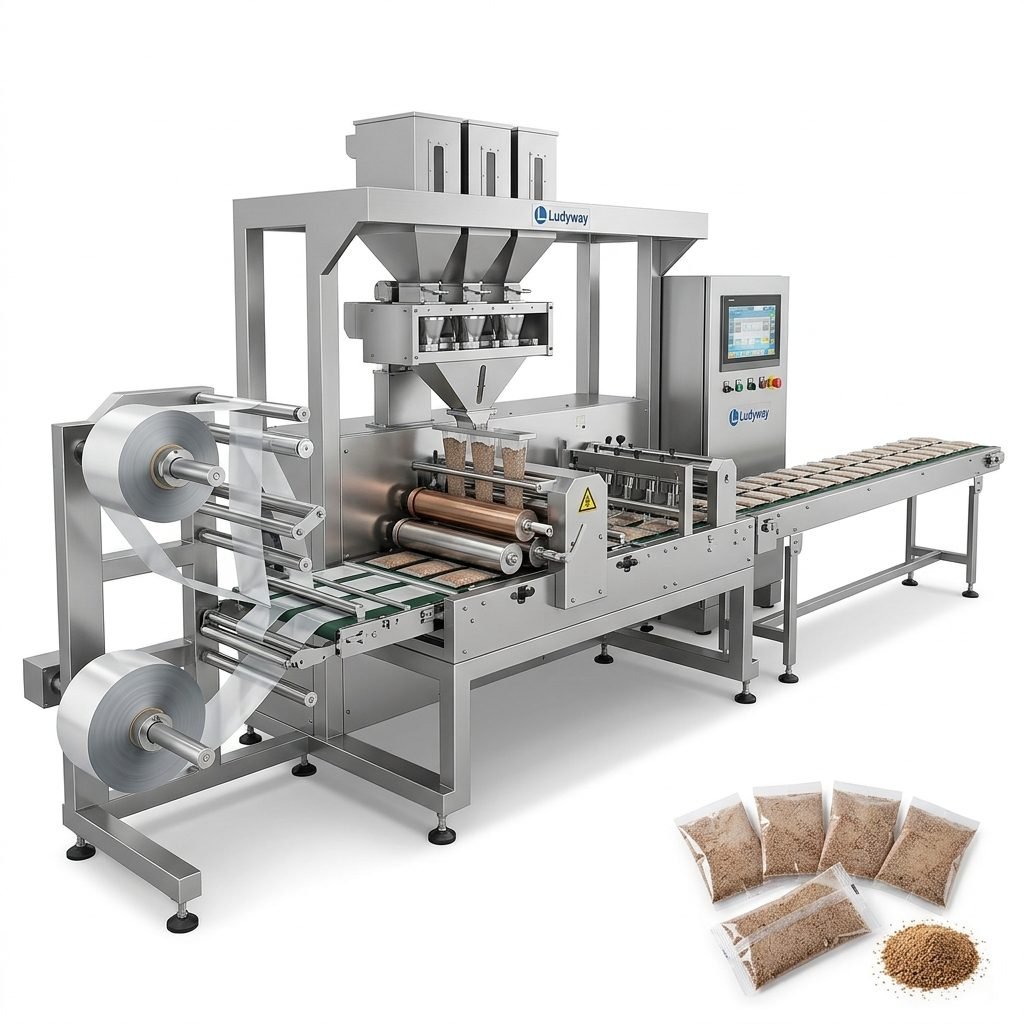
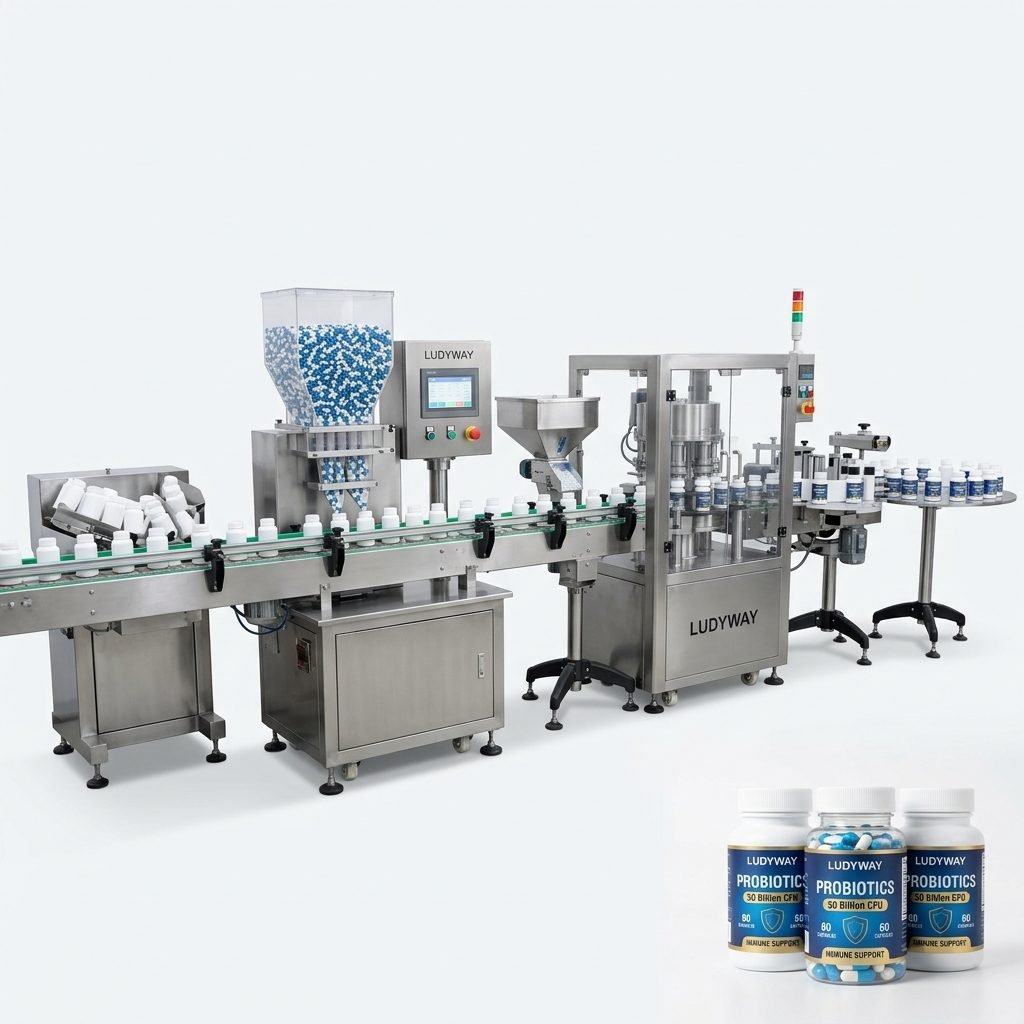
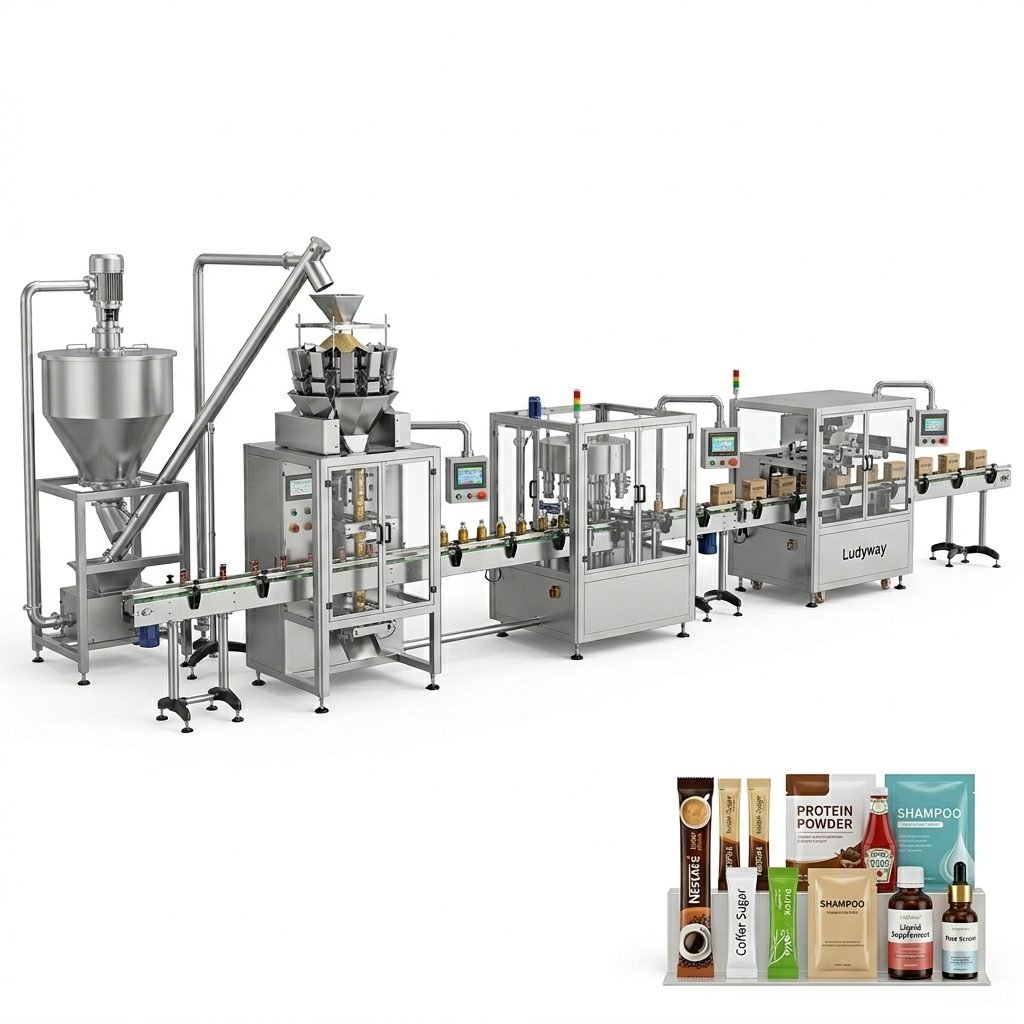
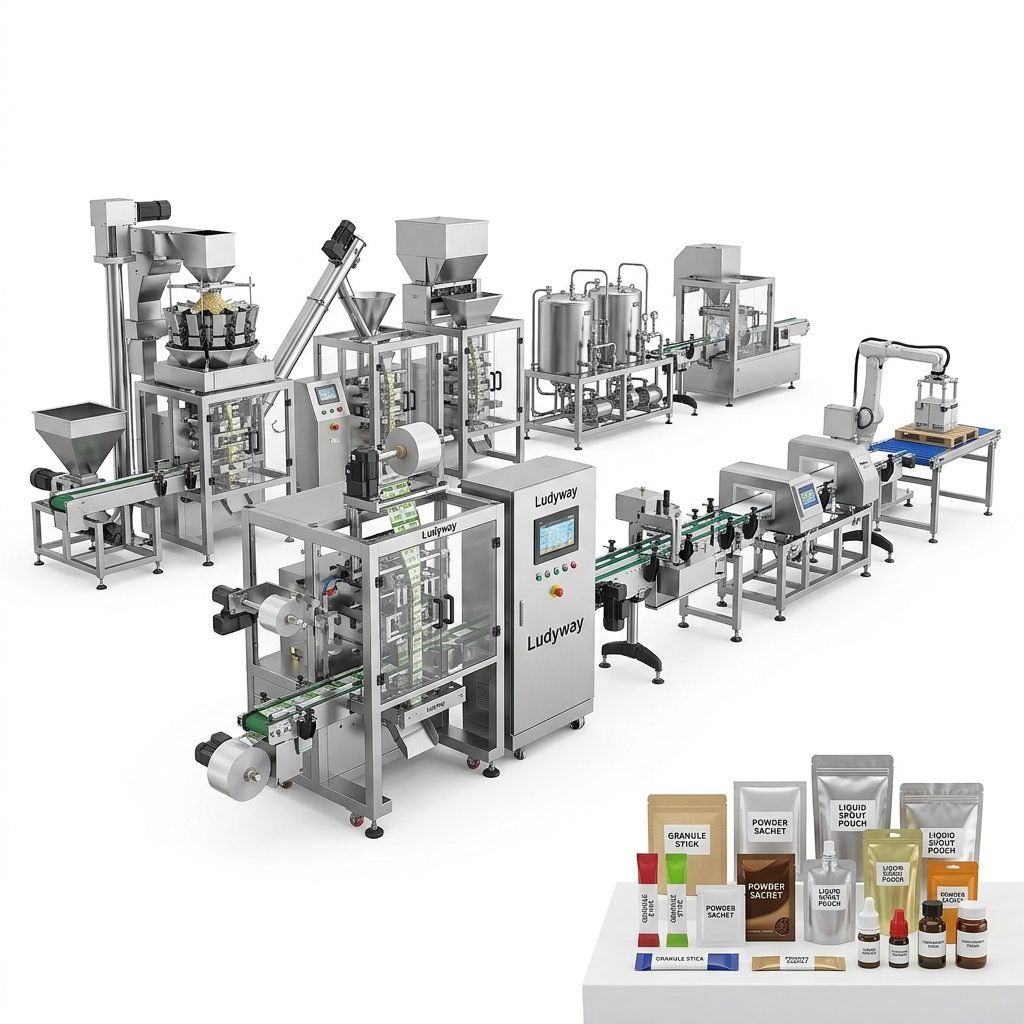
At the heart of this new era is the modular design concept. Instead of constructing monolithic machines tailored to a single packaging format, contemporary equipment is built using independent modules for feeding, dosing, forming, sealing, and cartoning. This layout allows manufacturers to configure and reconfigure their lines to meet rapidly changing market demands.
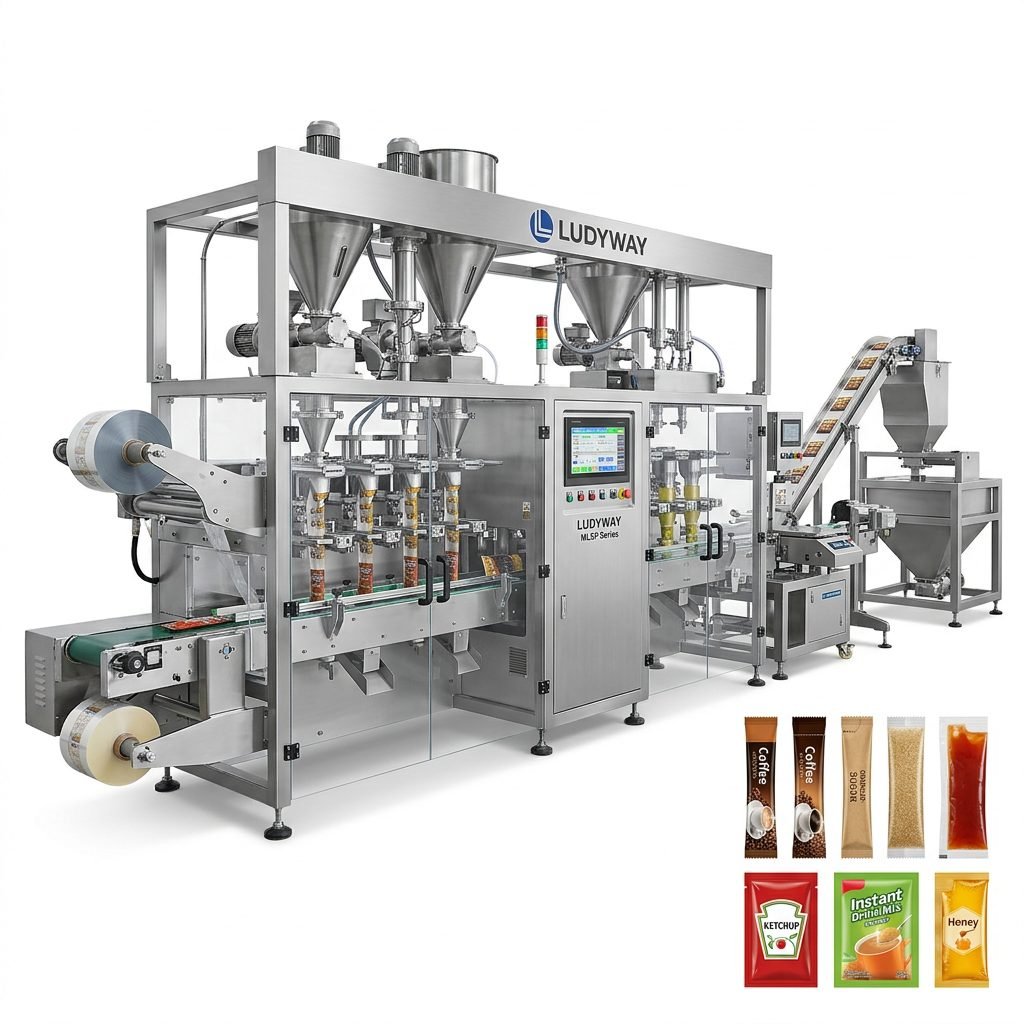
For instance, a single multi-lane packaging line can be designed to process dry powders today and, with minimal module adjustment, switch to handling liquid or paste formats tomorrow. This flexibility is vital in regions like North America and Europe, where consumer preferences shift rapidly and product lifecycles are shorter than ever before. Modular architecture also simplifies maintenance; if a specific module requires servicing, it can be worked on or replaced without dismantling the entire line, drastically reducing planned downtime.
Merging Visual Appeal with Ergonomics and Hygiene
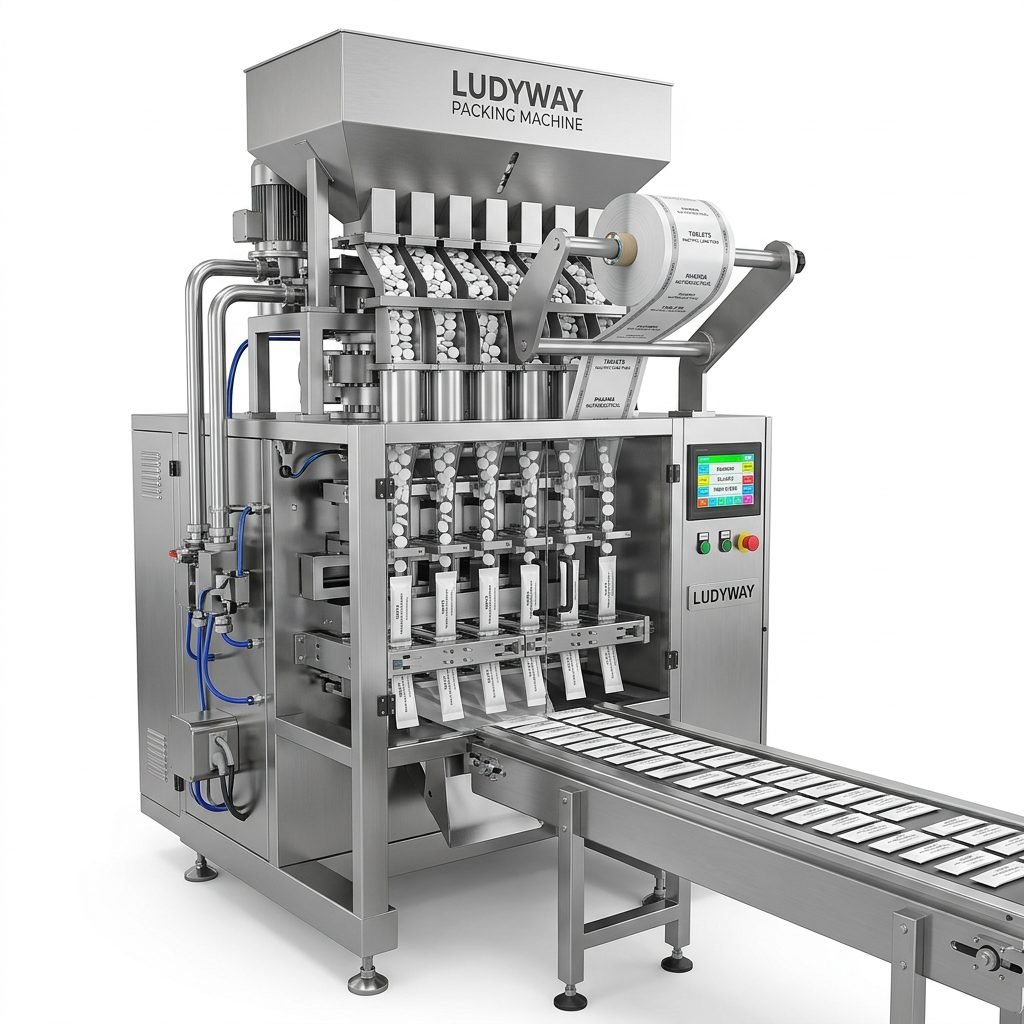
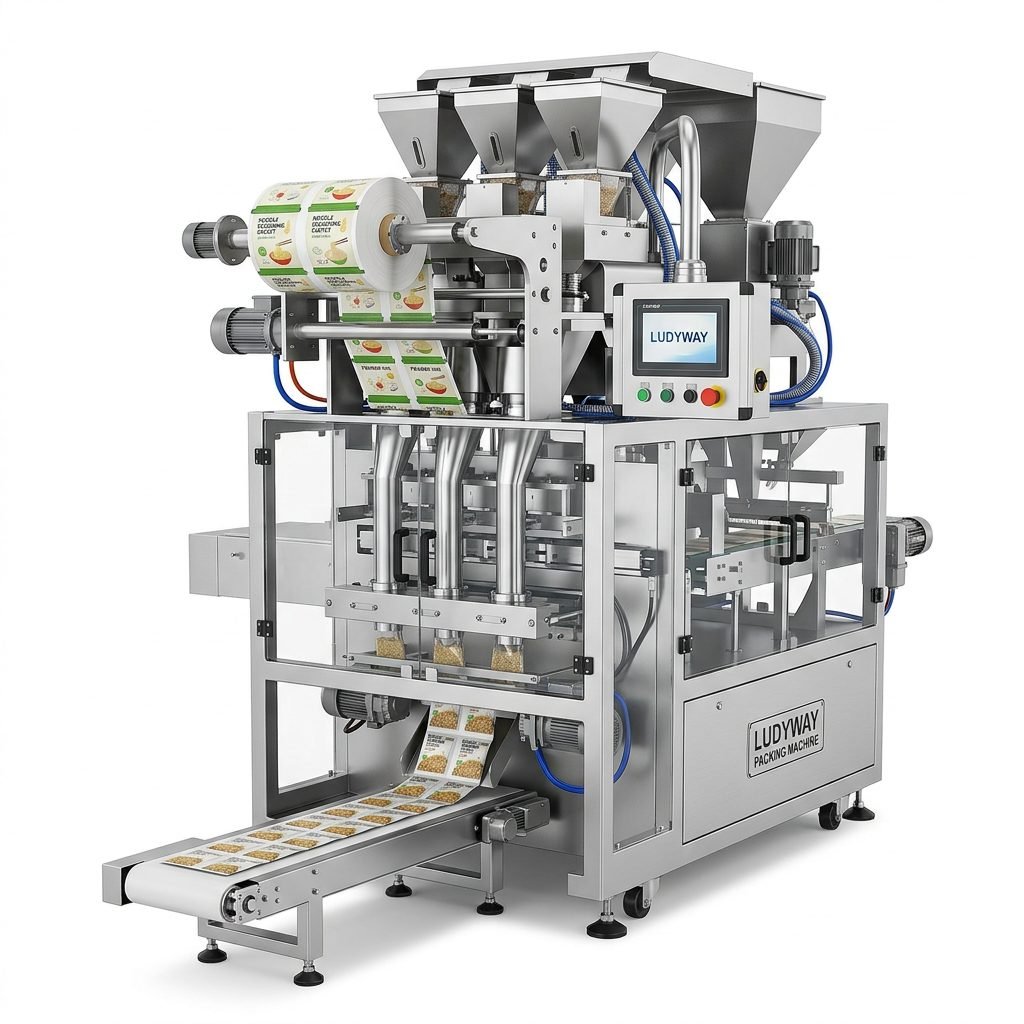
Industrial aesthetics are not merely about visual appeal; they are deeply tied to ergonomics, safety, and strict hygiene compliance. Modern packaging systems utilize high-grade 304 or 316L stainless steel with smooth, brushed finishes. This choice of material creates a clean, professional look while eliminating crevices where dust, product residue, or bacteria could accumulate.
Furthermore, the integration of transparent, high-strength safety enclosures provides operators with full visibility of the packaging process while keeping them protected from moving parts. Cable management has also undergone a major redesign, with wires routed through internal structural channels rather than exposed externally. This minimizes contamination risks and makes washdown procedures faster and more effective, which is particularly beneficial for food, pharmaceutical, and cosmetic packing facilities.
Performance Benchmarks: Legacy vs. Modular Equipment
The combination of modern design and mechanical optimization has significantly raised performance benchmarks across the industry. Below is a comparison highlighting how modular systems improve operational metrics compared to traditional, rigid packaging layouts:
| Performance Indicator | Traditional Rigid Machinery | Modern Modular Systems |
|---|---|---|
| Changeover Time | Several hours, requiring specialized tools | Under 30 minutes, toolless adjustment |
| Footprint Efficiency | Large, fixed spatial layouts | Compact, adaptable to limited spaces |
| Scalability | Requires purchasing entirely new systems | Upgrade or add modules on demand |
| HMI Control Integration | Basic button controls, separate readouts | Centralized touchscreen with real-time diagnostics |
Global Markets Embrace Smart Factory Integration
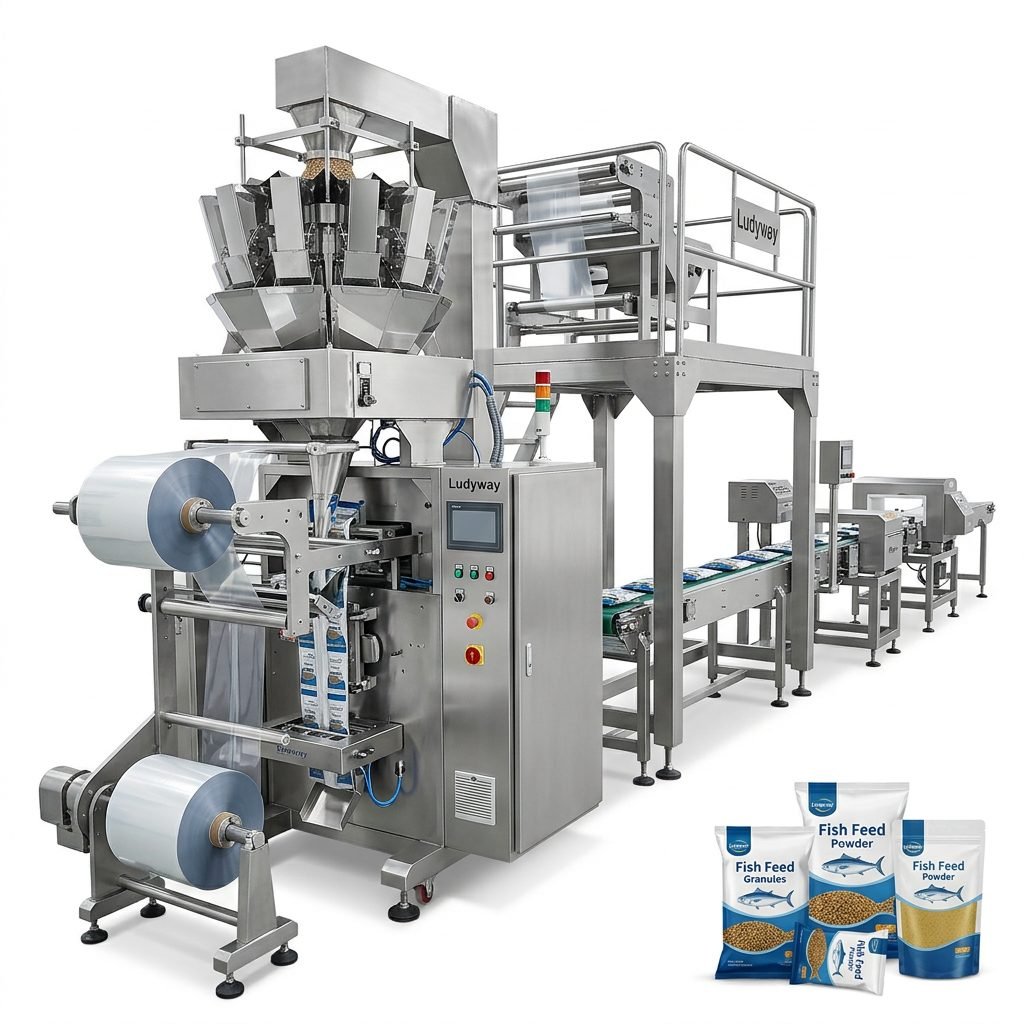
As manufacturing plants in Europe, the Middle East, and Southeast Asia transition to smart factory models, packaging machinery must be ready to integrate with broader plant management software. The clean lines of modern equipment are complemented by advanced electronic control systems. High-definition human-machine interfaces (HMIs) feature intuitive graphical layouts, making it easier for operators to monitor throughput, modify sealing temperatures, and track error logs in real time.
Chinese machinery builders have adapted quickly to these international expectations. Leading manufacturers such as Ludyway are designing turnkey solutions that comply with global safety standards while delivering high-speed automated capabilities. By focusing on both precise mechanical tolerances and polished, user-friendly layouts, these systems help overseas businesses achieve lower total cost of ownership (TCO) and rapid return on investment.
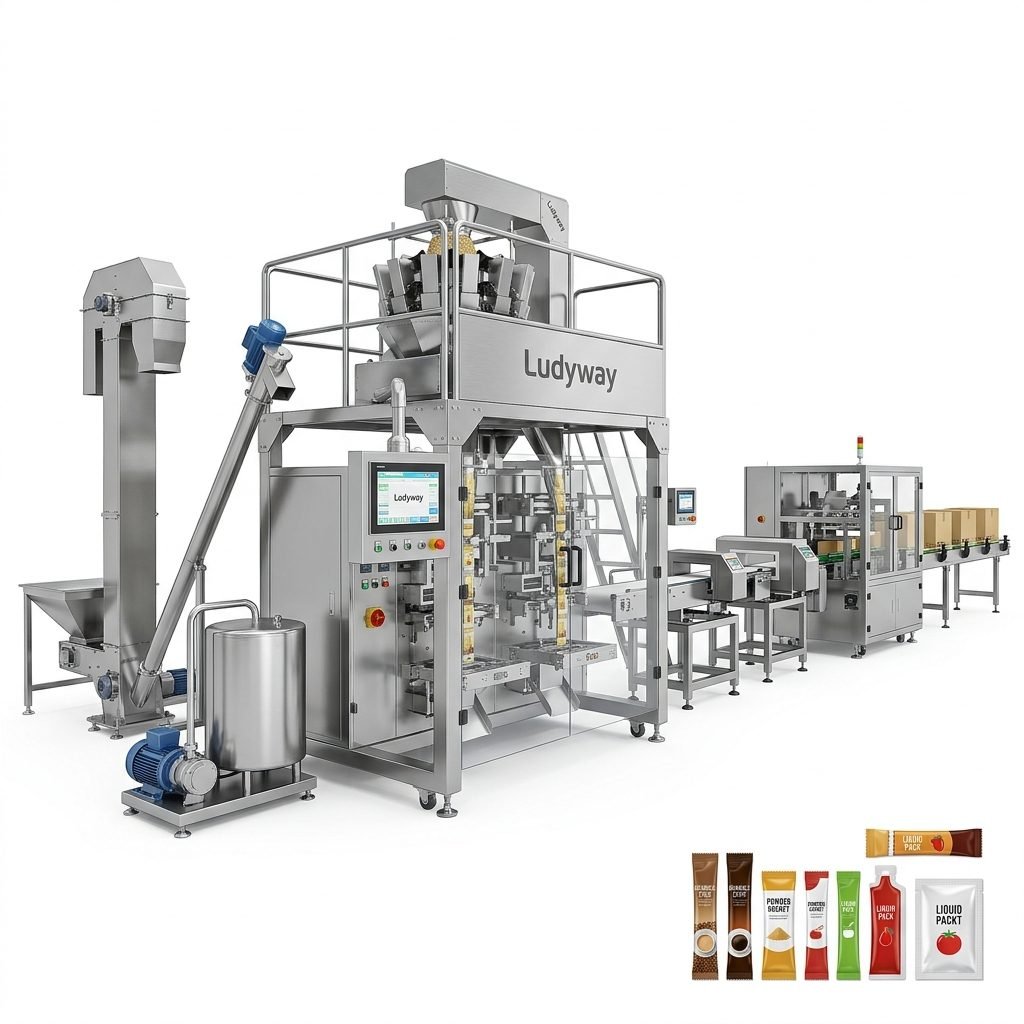
Key Advantages of Adopting Next-Gen Modular Systems
Implementing modular packaging systems provides clear operational and strategic benefits for high-volume production facilities:
- Rapid Toolless Adjustments: Operators can change bag lengths, fill volumes, and product configurations via the HMI control screen, eliminating manual adjustments.
- Optimized Floor Layouts: Modular frame designs allow packaging equipment to fit into narrow spaces or wrap around columns, maximizing factory square footage.
- Simplified Sanitation: Open-frame structures and quick-release components allow operators to clean the machinery quickly and thoroughly, minimizing downtime between runs.
- Future-Proof Customization: As new products are introduced, manufacturers can purchase specific dosing modules rather than investing in entirely new machine lines.
The Outlook for Automated Packaging
The convergence of industrial aesthetics and high-performance engineering is redefining the packaging landscape. Modular machinery demonstrates that high-speed functionality does not require a complicated layout. By focusing on clean structural lines, user-friendly controls, and versatile configurations, modern equipment enables manufacturers to run efficient, clean, and highly productive packaging operations. As global market demands continue to change, modularity will remain a key component in building flexible and competitive manufacturing lines.