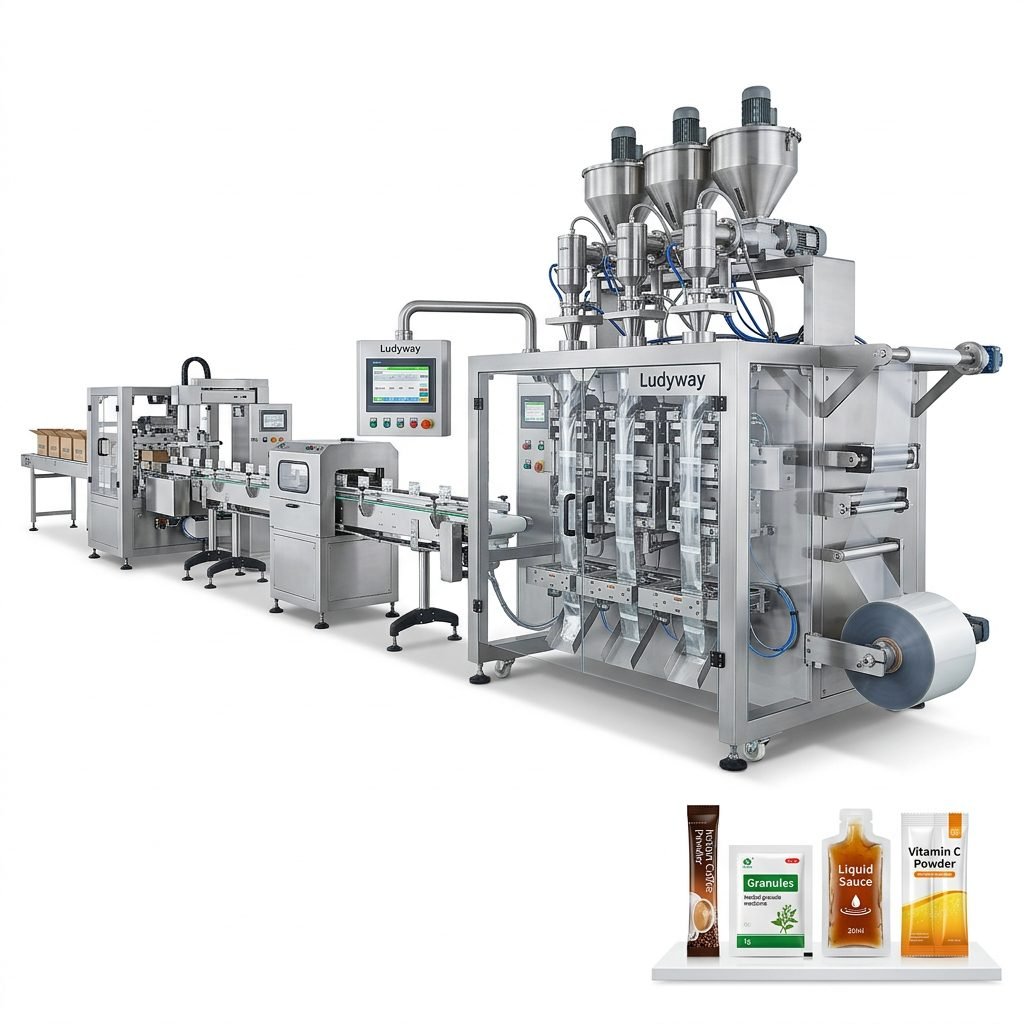
Global packaging companies are entering a new compliance era.
Across Europe, North America, the Middle East, South America, Africa, and Southeast Asia, regulators are tightening rules on packaging waste, recyclability, material traceability, and carbon impact. For manufacturers, food brands, pharmaceutical companies, and contract packers, the message is increasingly clear: packaging is no longer judged only by cost, protection, and shelf appeal. It is now also measured by its environmental footprint.
A Global Shift From Voluntary Sustainability to Mandatory Compliance
For years, many packaging sustainability efforts were driven by brand promises and consumer expectations. That is changing fast. Governments are moving from broad guidance to enforceable regulation, often with reporting obligations, recycled-content targets, producer responsibility fees, and restrictions on difficult-to-recycle formats.
Several forces are driving this trend:
- Rising public concern over plastic pollution and landfill pressure
- Corporate decarbonization commitments across supply chains
- Stronger waste-sorting and recycling policies
- Demand for transparent packaging data from retailers and regulators
- Pressure on exporters to meet destination-market packaging rules
As a result, packaging lines that once focused mainly on speed and output are now being evaluated for material efficiency, compatibility with sustainable formats, and digital traceability.
What Types of Regulations Are Becoming Stricter?
Although requirements vary by region, the direction is consistent worldwide. Authorities are asking businesses to reduce excess packaging, improve recyclability, disclose material composition, and support post-consumer recovery systems.
| Regulatory Focus | What It Means for Packaging Companies |
|---|---|
| Extended Producer Responsibility (EPR) | Producers may pay higher fees for non-recyclable or hard-to-sort packaging formats |
| Recyclability Requirements | Packaging structures may need redesign to align with local recycling systems |
| Recycled Content Targets | Brands may need to source compliant materials and verify supply consistency |
| Labeling and Material Disclosure | More precise coding, identification, and packaging data management are required |
| Single-Use Packaging Restrictions | Companies may need to reduce unnecessary layers, secondary packs, or certain plastics |
| Carbon Reporting | Machinery efficiency and packaging material consumption become strategic procurement factors |
Impact on Food, Pharmaceutical, and Consumer Goods Packaging
Environmental regulation is affecting nearly every packaged product category, but some sectors are under especially close review.
Food Packaging
Food manufacturers are under pressure to reduce packaging waste without sacrificing shelf life, barrier performance, or food safety. This is increasing interest in optimized pouch structures, lighter films, precise filling systems, and integrated inspection equipment that minimizes rejects.
Pharmaceutical Packaging
Pharma companies face a more complex challenge. They must balance strict compliance, product integrity, tamper evidence, and patient safety with sustainability expectations. In this segment, material reduction and process efficiency often matter just as much as full material substitution.
Personal Care and Household Products
Brands in cosmetics, hygiene, and cleaning products are actively redesigning sachets, pouches, and multi-pack formats. Demand is rising for flexible machinery that can support lower-material-use packs, accurate dosing, and quick format changeovers.
Why Packaging Machinery Is Now Part of the Sustainability Conversation
Environmental compliance is no longer limited to packaging material suppliers. Machinery selection now plays a direct role in helping factories meet sustainability targets.
Modern packaging equipment can support compliance in several ways:
- Reducing film waste during forming, filling, and sealing
- Improving dosing accuracy to lower product loss
- Supporting recyclable or downgauged materials
- Enabling automated inspection and rejection control
- Lowering labor intensity while improving consistency
- Integrating coding and traceability for regulatory reporting
This is one reason many buyers are reviewing both machine performance and line design together rather than treating sustainability as a packaging-material issue alone.
Exporters Face Greater Pressure Across Borders
For companies serving multiple international markets, the challenge is even greater. A package accepted in one country may face restrictions, fees, or redesign requirements in another. Export-oriented manufacturers must increasingly plan for packaging flexibility from the start.
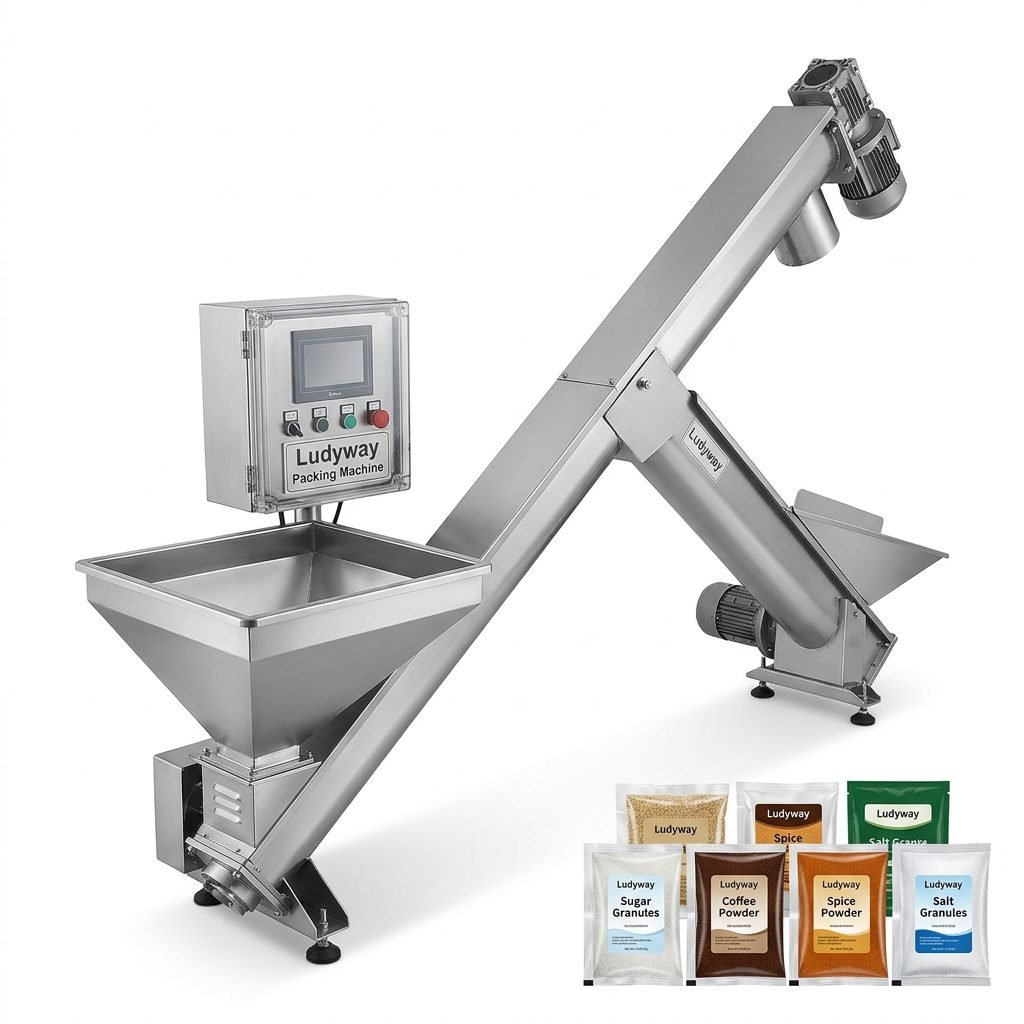
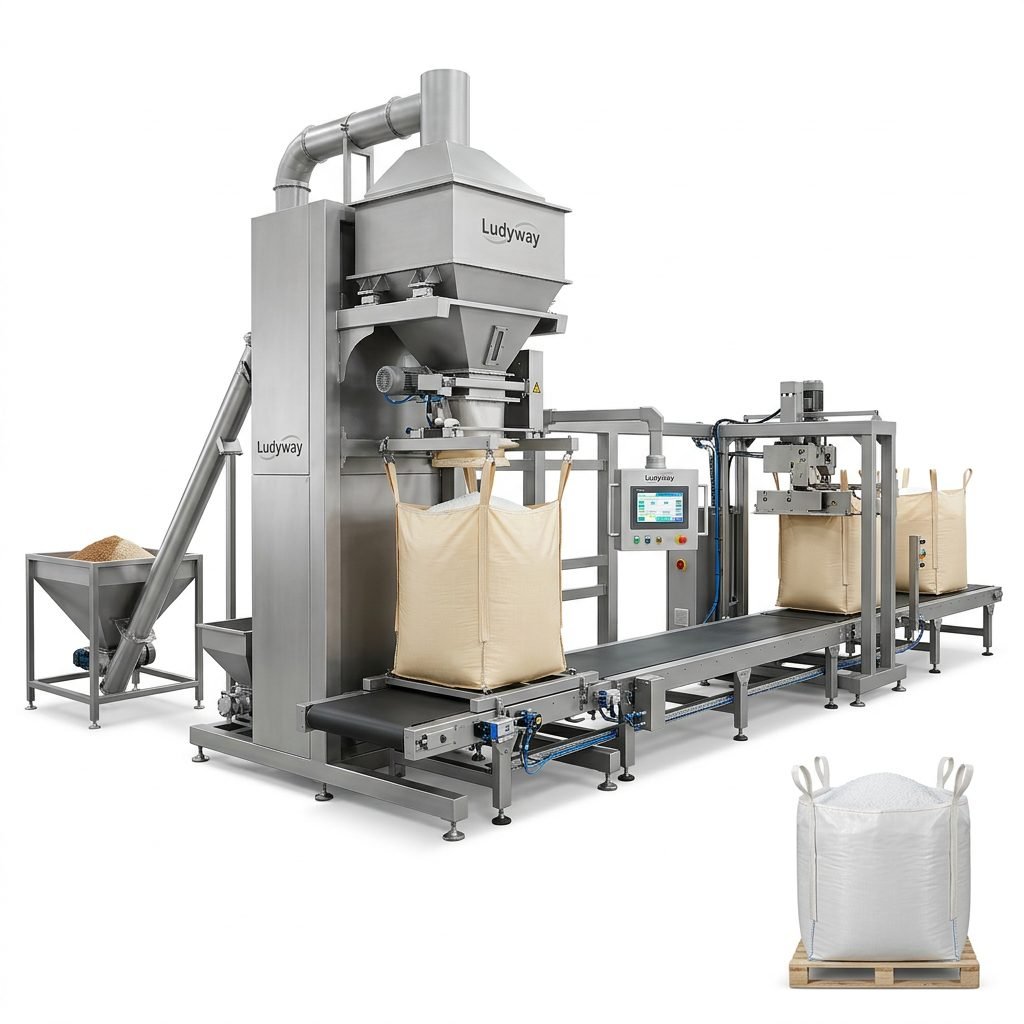
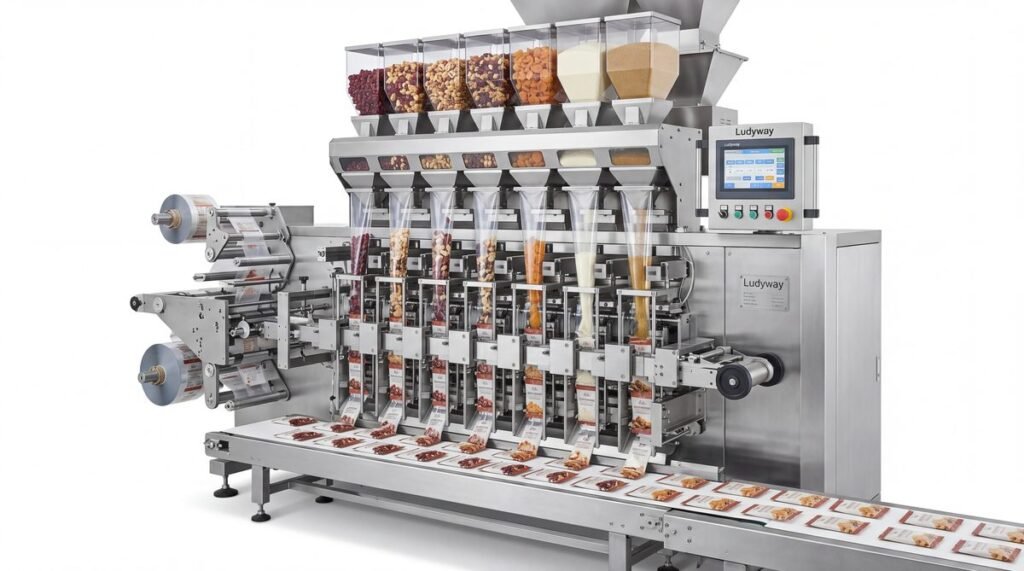
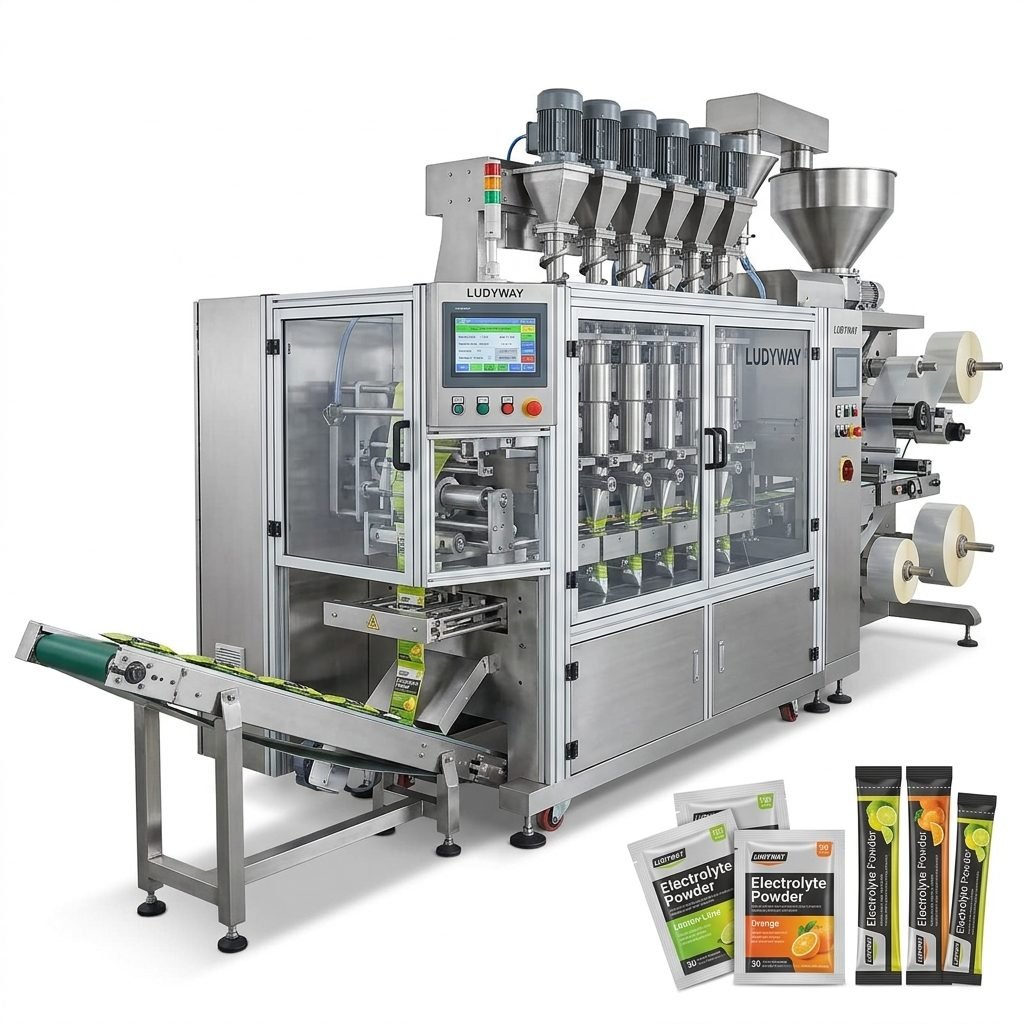
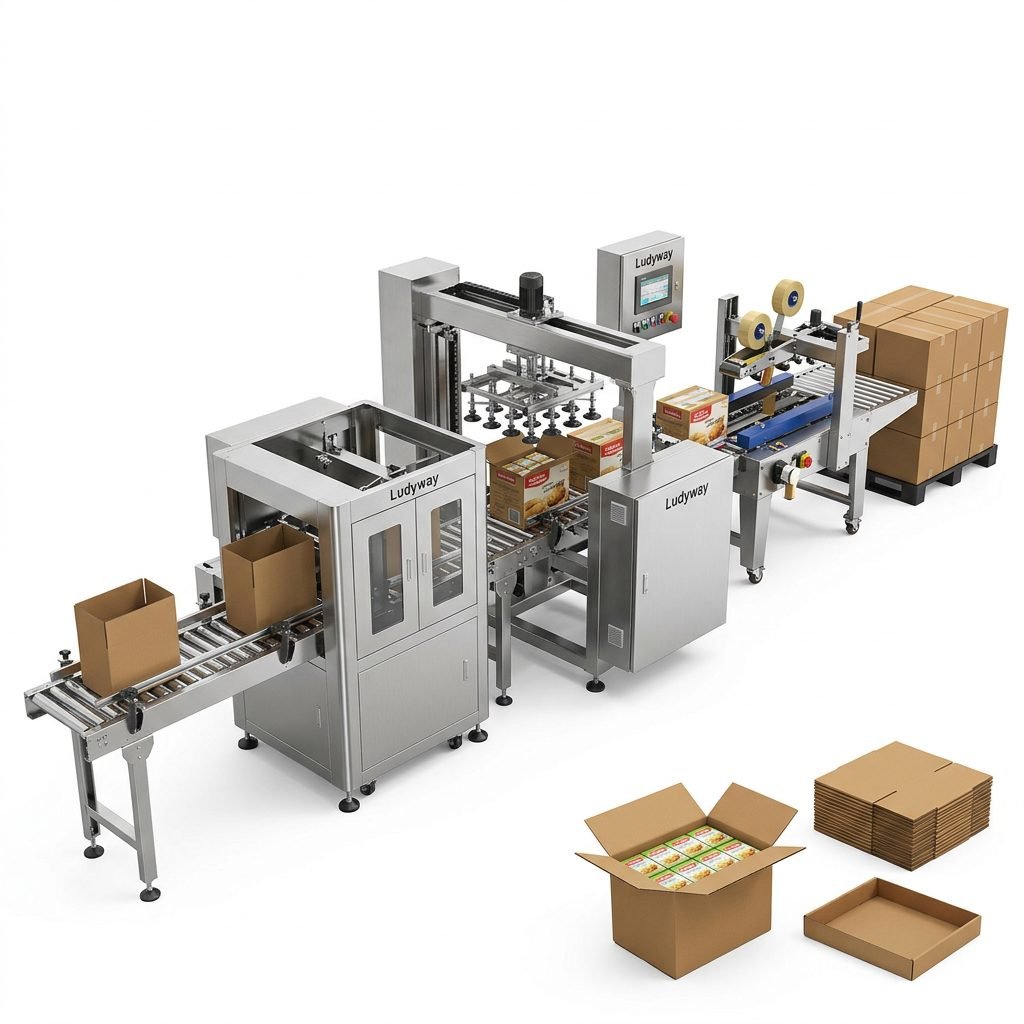
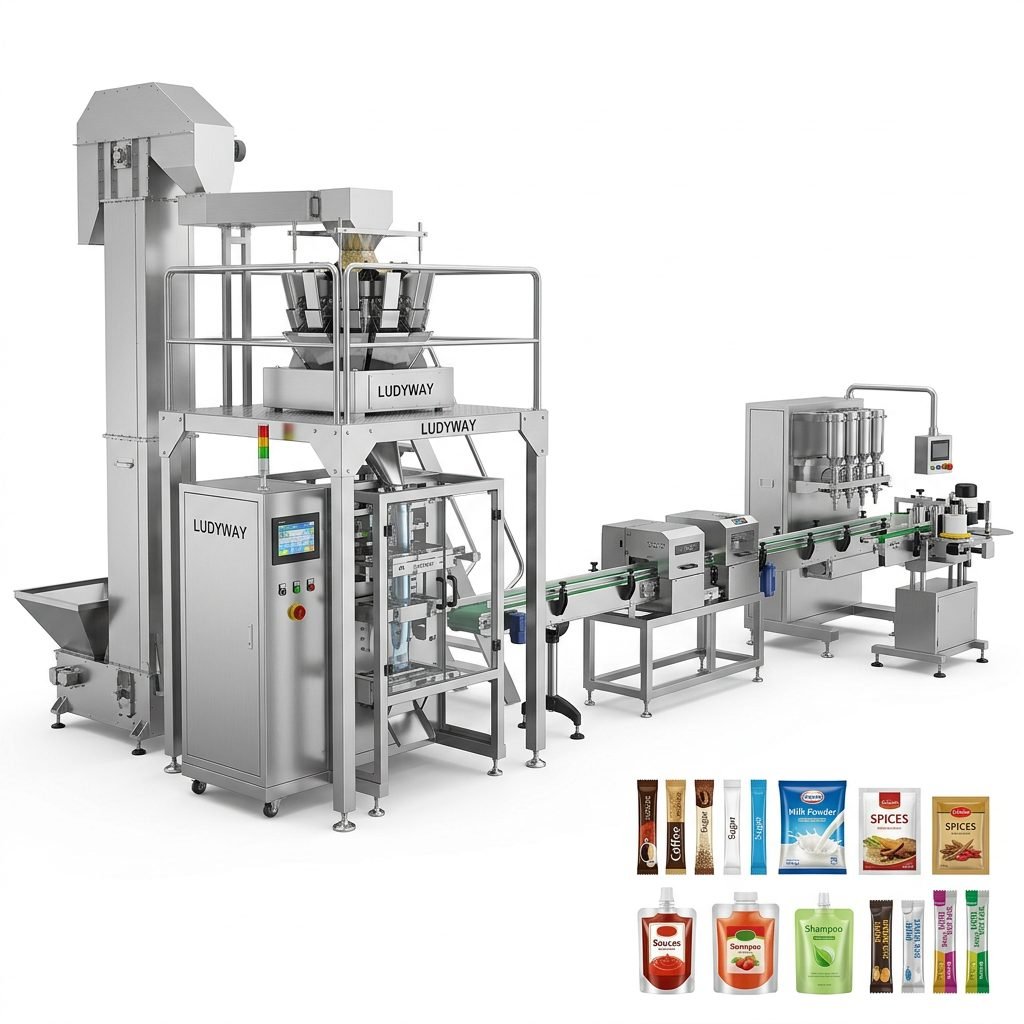
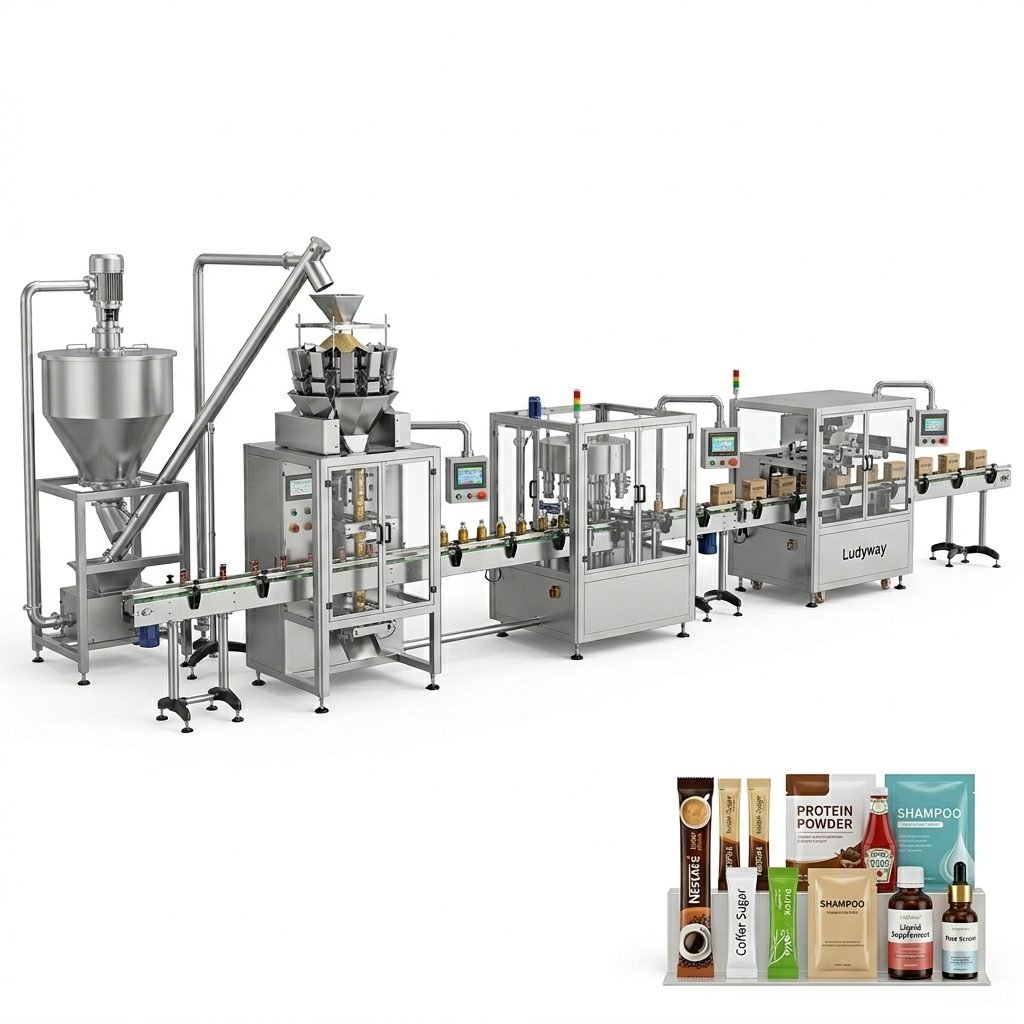
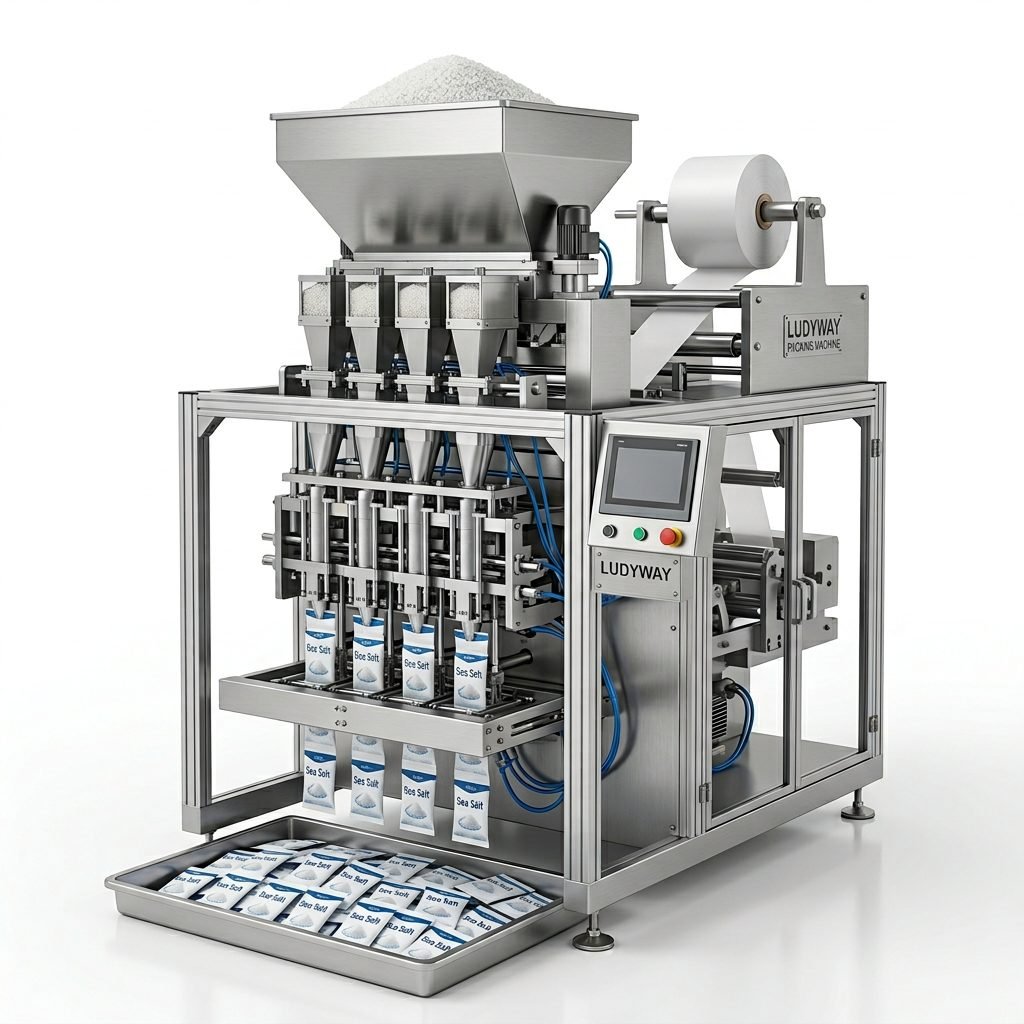
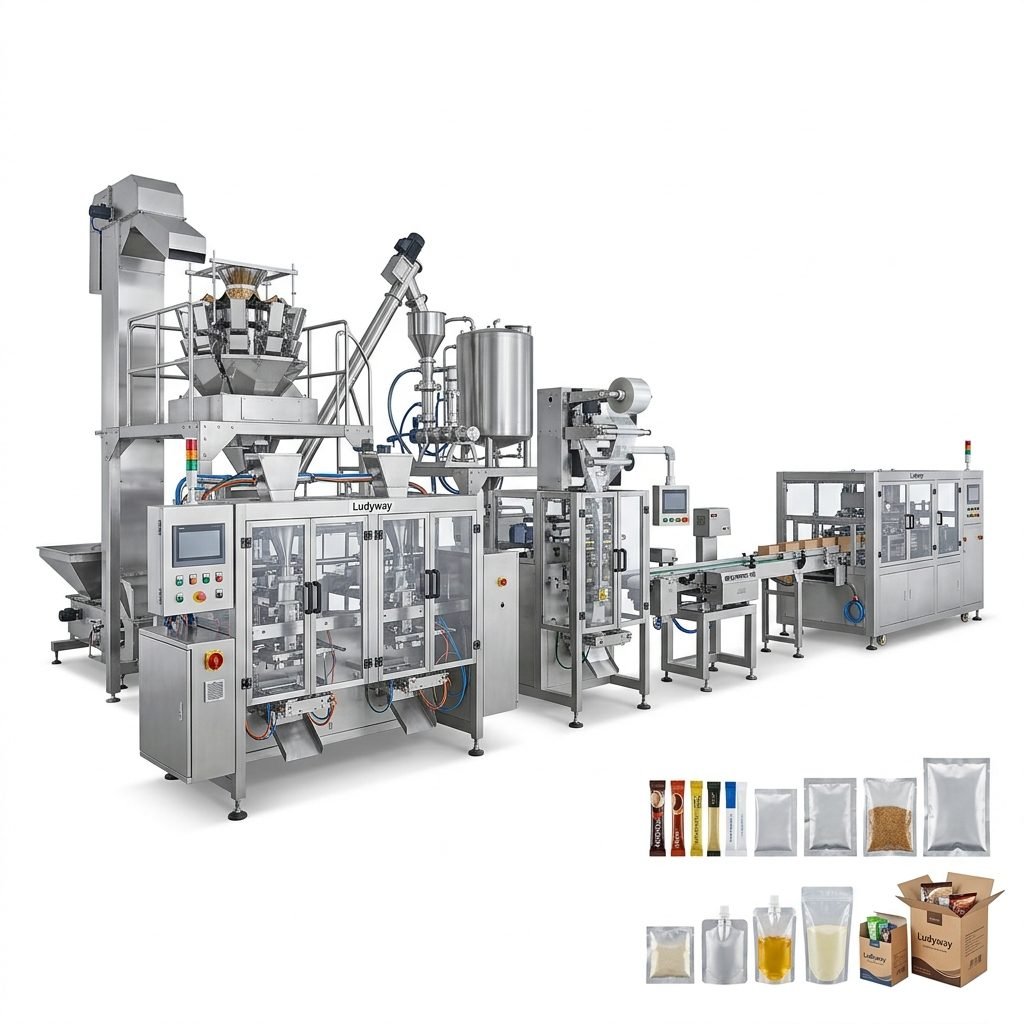
That means equipment suppliers with broad international experience are gaining attention. Companies such as Ludyway, one of China’s leading packaging machine and turnkey packaging line manufacturers, are being watched closely by buyers seeking systems that can adapt to evolving standards across different product categories and export destinations.
What Buyers Are Prioritizing in New Packaging Investments
As regulations tighten, investment decisions are becoming more strategic. Packaging buyers are no longer focused only on immediate throughput. They are asking whether a line can remain viable under future policy changes.
| Buyer Priority | Reason It Matters Now |
|---|---|
| Material adaptability | Helps plants shift toward recyclable or lighter packaging structures |
| Turnkey integration | Improves consistency across filling, sealing, coding, cartoning, and end-of-line operations |
| Automation level | Supports stable output and reduces avoidable waste caused by manual variation |
| Data and traceability | Important for audits, coding, compliance reporting, and quality control |
| Scalable line design | Allows future upgrades as regulations and product portfolios evolve |
Industry Outlook: Compliance Costs Will Rise, but So Will Innovation
There is little sign that environmental packaging rules will ease in the near future. Instead, experts expect broader enforcement, clearer recyclability definitions, tighter reporting frameworks, and increasing financial penalties for non-compliant packaging formats.
At the same time, this pressure is accelerating innovation. More machinery suppliers are developing systems for flexible packaging formats, lower-waste operation, and integrated smart manufacturing. Packaging users that invest early may be better positioned to reduce risk, improve efficiency, and respond faster to changing customer and regulatory demands.
Key Takeaways for Packaging Stakeholders
- Environmental regulation is becoming a core business issue, not a branding initiative
- Packaging design, machinery, and line integration are now closely linked
- Exporters must account for cross-border differences in compliance requirements
- Food, pharma, and personal care sectors face especially strong pressure
- Flexible, efficient, and traceable packaging systems will likely gain long-term value
The packaging industry is entering a more disciplined, data-driven, and sustainability-focused phase. Businesses that align their equipment strategy with regulatory change will likely be in a stronger position as global environmental standards continue to tighten.