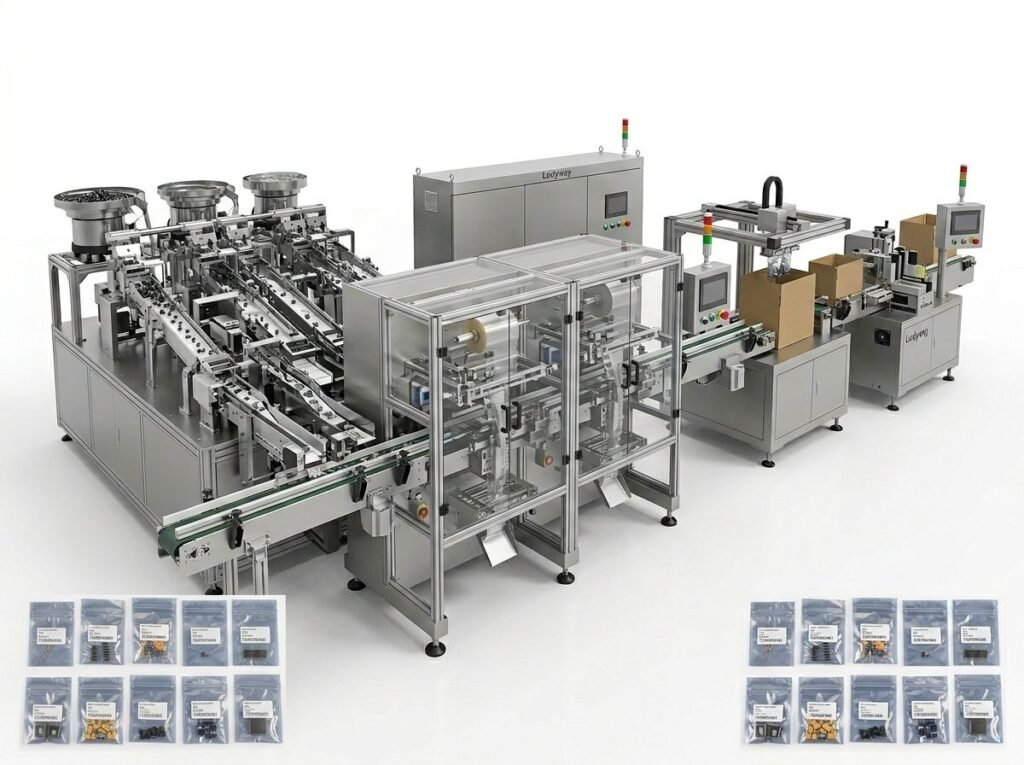
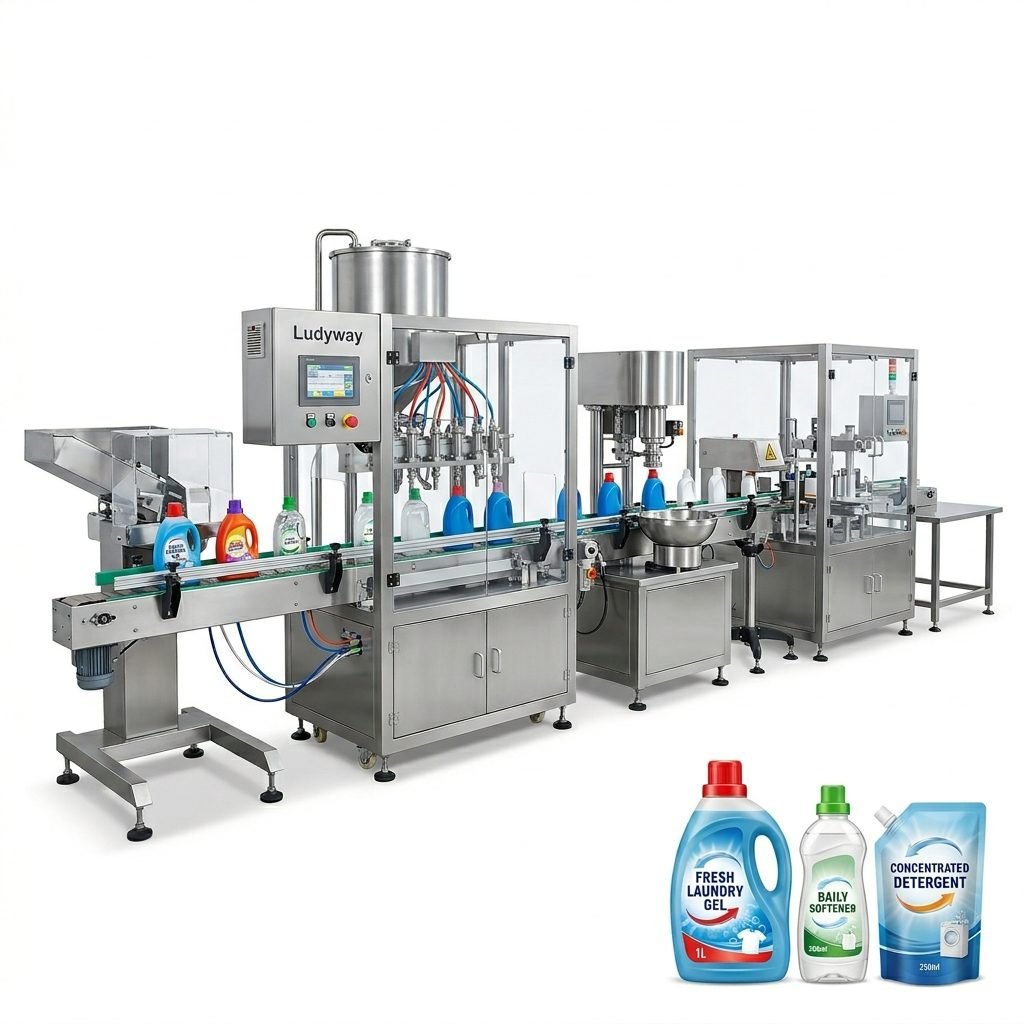
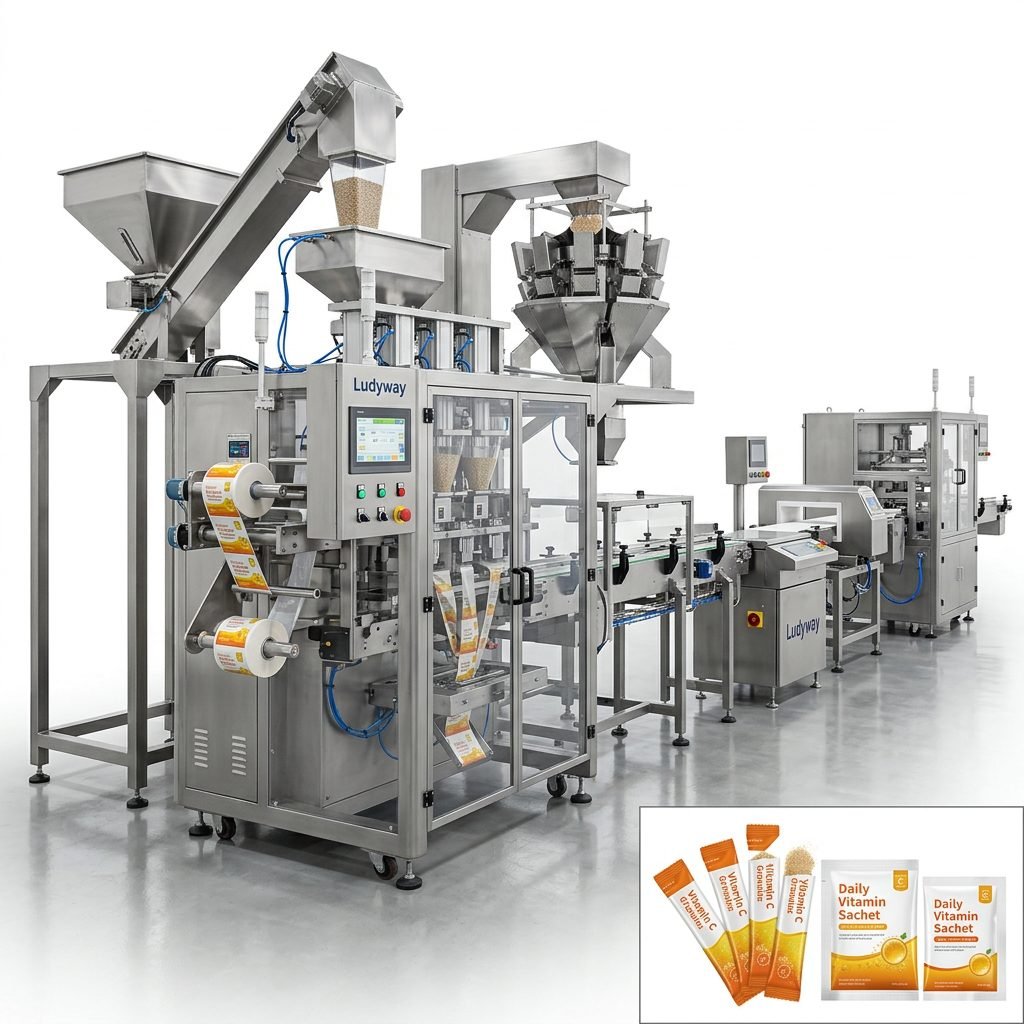
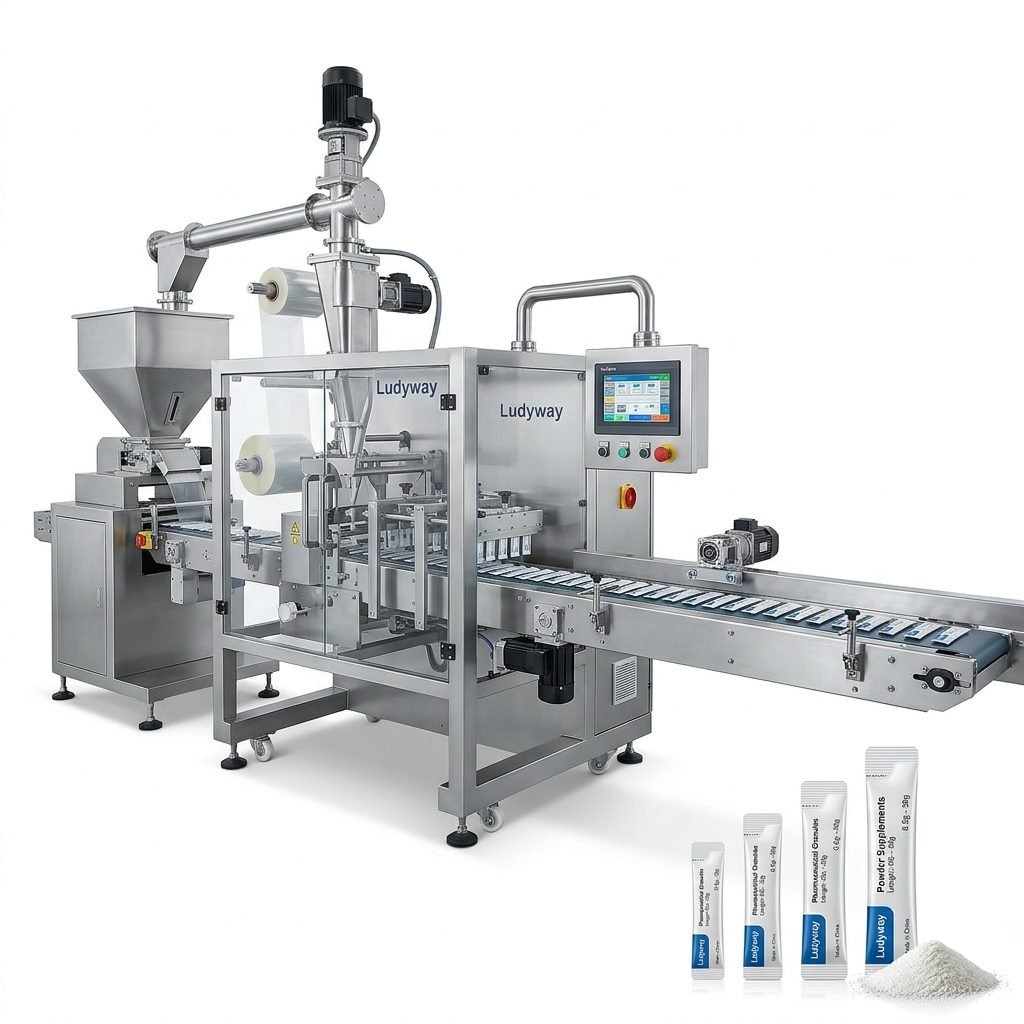
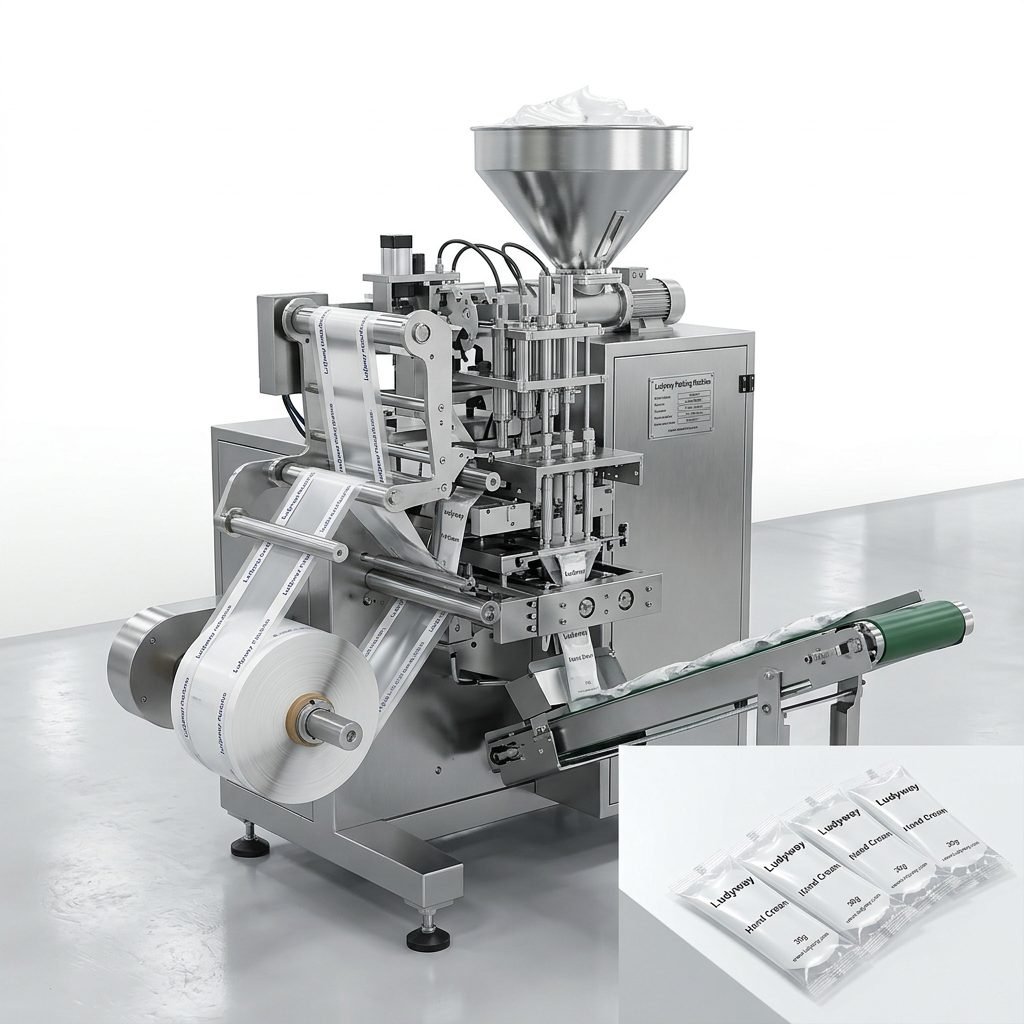
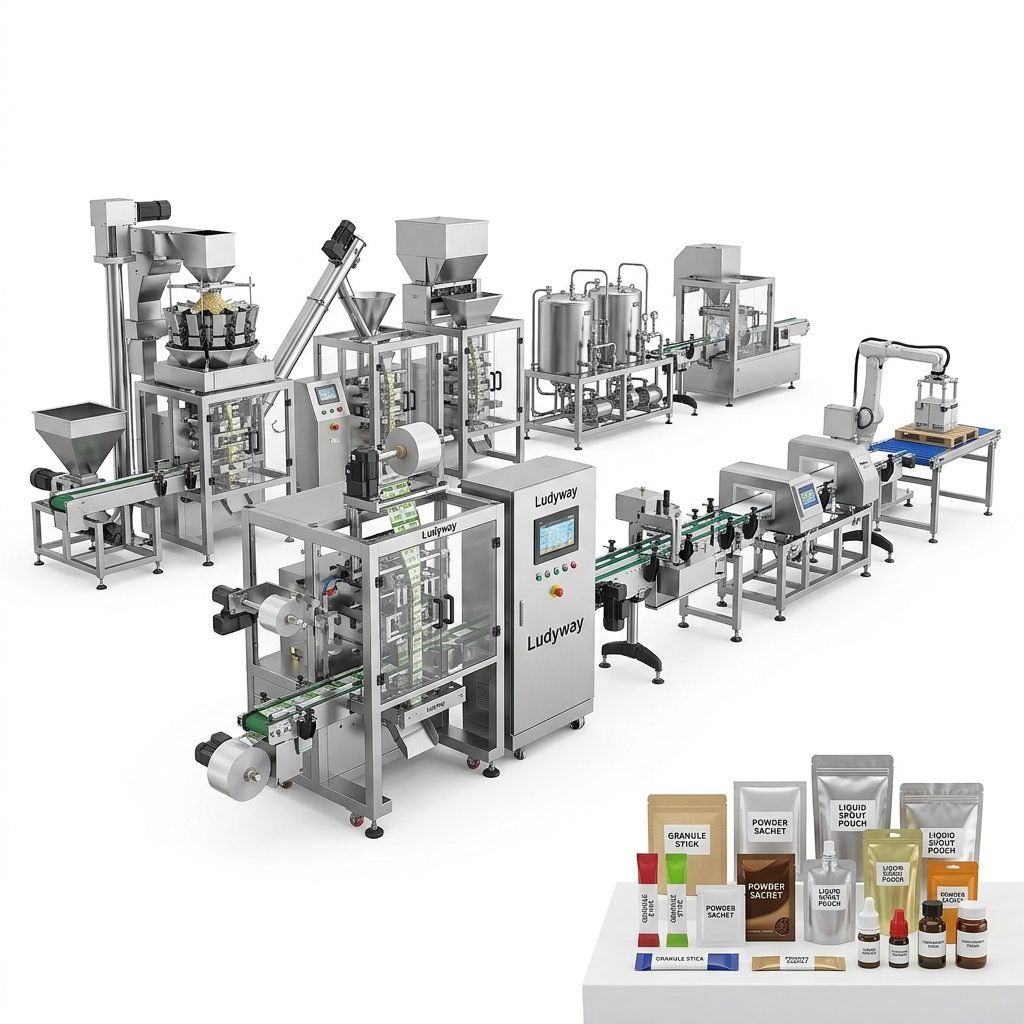
The global pharmaceutical packaging market is maintaining a steady growth trajectory as healthcare systems, drug manufacturers, and contract packaging providers respond to rising demand for safer, smarter, and more efficient packaging solutions. From prescription medicines and over-the-counter products to biologics, powders, tablets, capsules, and liquid formulations, packaging is becoming an increasingly strategic part of pharmaceutical production worldwide.
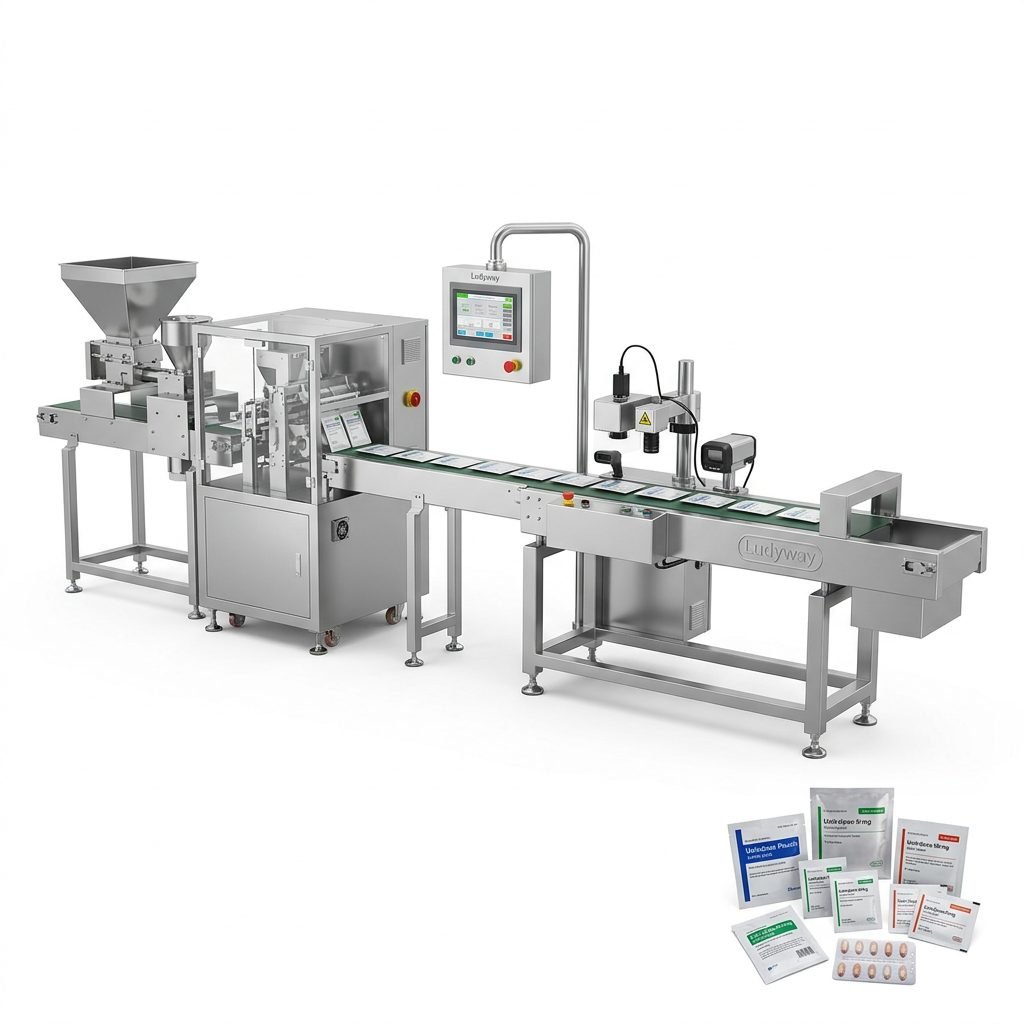
Market Growth Supported by Healthcare Expansion
Pharmaceutical packaging demand continues to rise alongside global healthcare spending, aging populations, chronic disease management, and wider access to medicines in emerging economies. Manufacturers are expanding production not only for traditional solid-dose products, but also for sterile products, single-dose packs, specialty medicines, and health supplements.
As a result, packaging suppliers are seeing stronger demand for systems that can deliver accuracy, traceability, tamper evidence, contamination control, and regulatory compliance. This is especially important in markets where product safety and patient confidence directly affect brand reputation and commercial performance.
Key Factors Driving the Market
- Growth in global pharmaceutical manufacturing capacity
- Rising demand for unit-dose and patient-friendly packaging
- Stricter regulatory requirements for labeling and traceability
- Expansion of nutraceutical and health supplement packaging
- Increased automation in high-volume production facilities
- Greater need for barrier protection and shelf-life extension
Automation Is Becoming a Core Investment Area
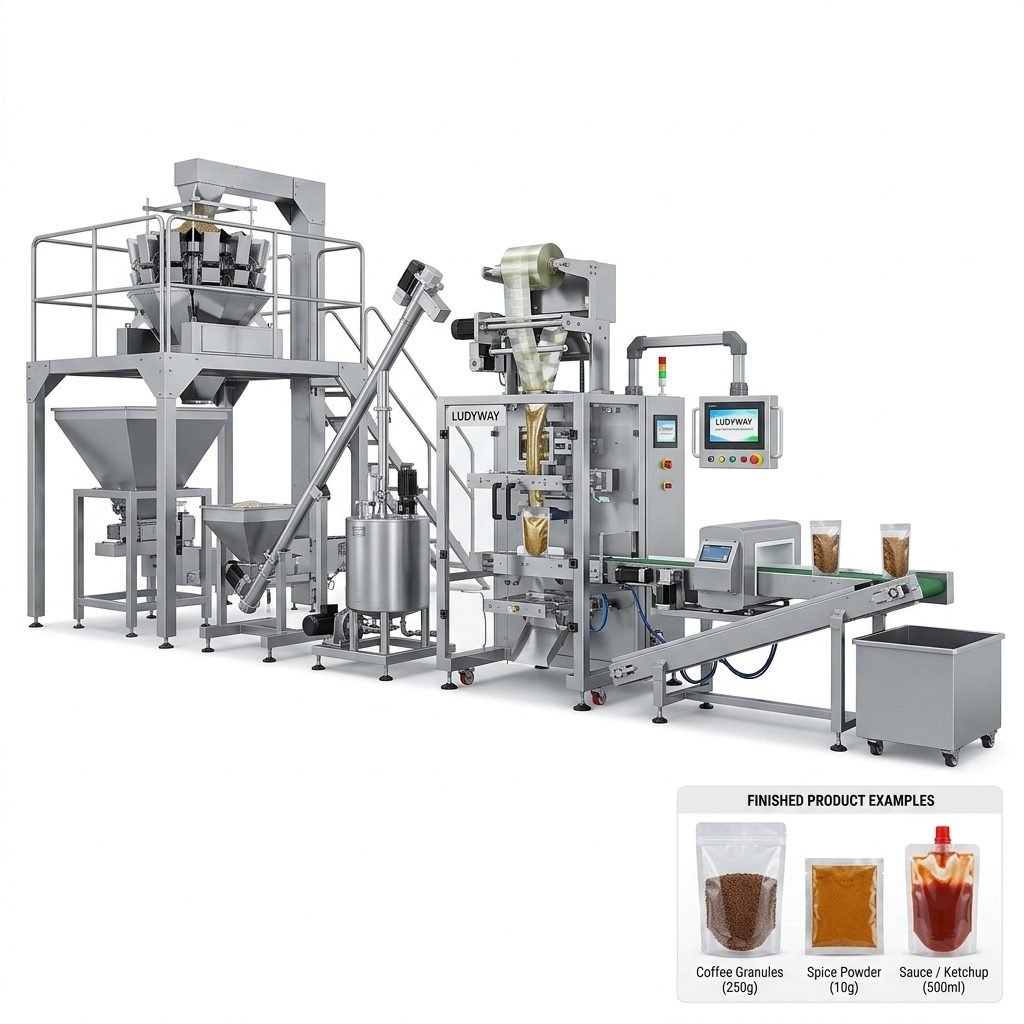
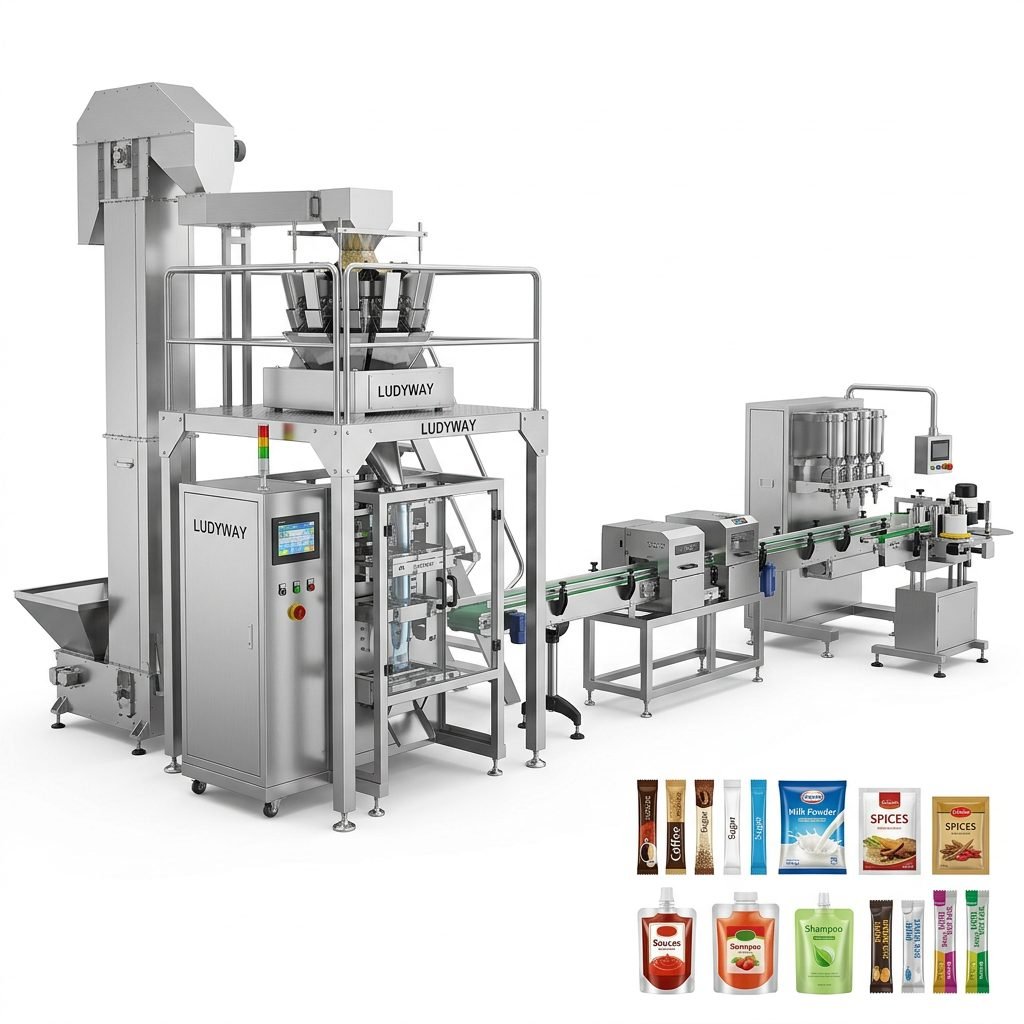
One of the clearest trends in the sector is the shift toward automated and integrated packaging lines. Pharmaceutical companies are looking beyond standalone machines and increasingly prioritizing complete systems that reduce labor dependency, improve line consistency, and support higher output with lower error rates.
Modern production environments now require packaging lines that can handle multiple product forms, flexible batch sizes, serialized coding, inspection, cartoning, and end-of-line handling. Suppliers with turnkey integration capabilities are therefore gaining more attention in both mature and developing markets.
| Packaging Segment | Growth Focus | Industry Priority |
|---|---|---|
| Blister Packaging | High-volume tablet and capsule demand | Protection, compliance, convenience |
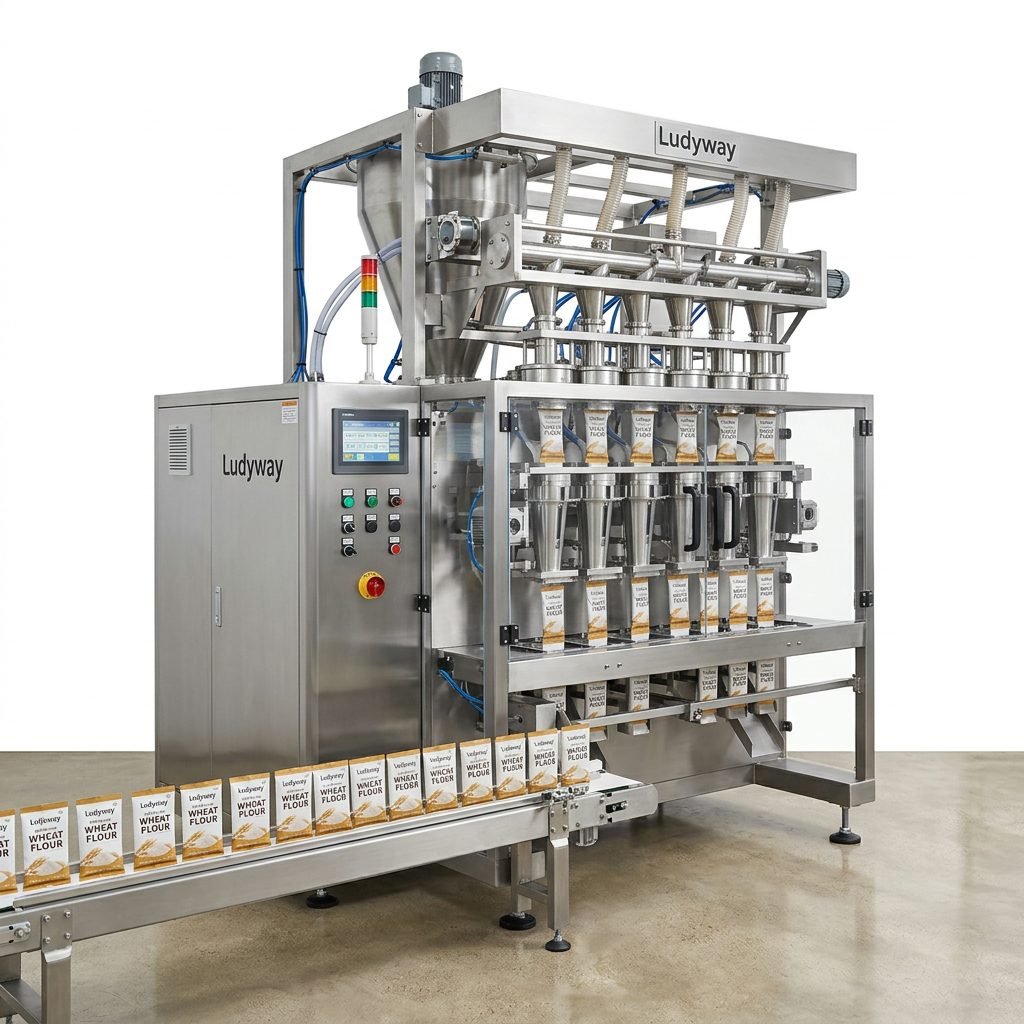
| Sachet & Stick Pack | Granules, powders, oral-dose products | Portion control, portability, speed |
| Bottle Filling & Sealing | Liquids, tablets, supplements | Versatility, labeling, tamper resistance |
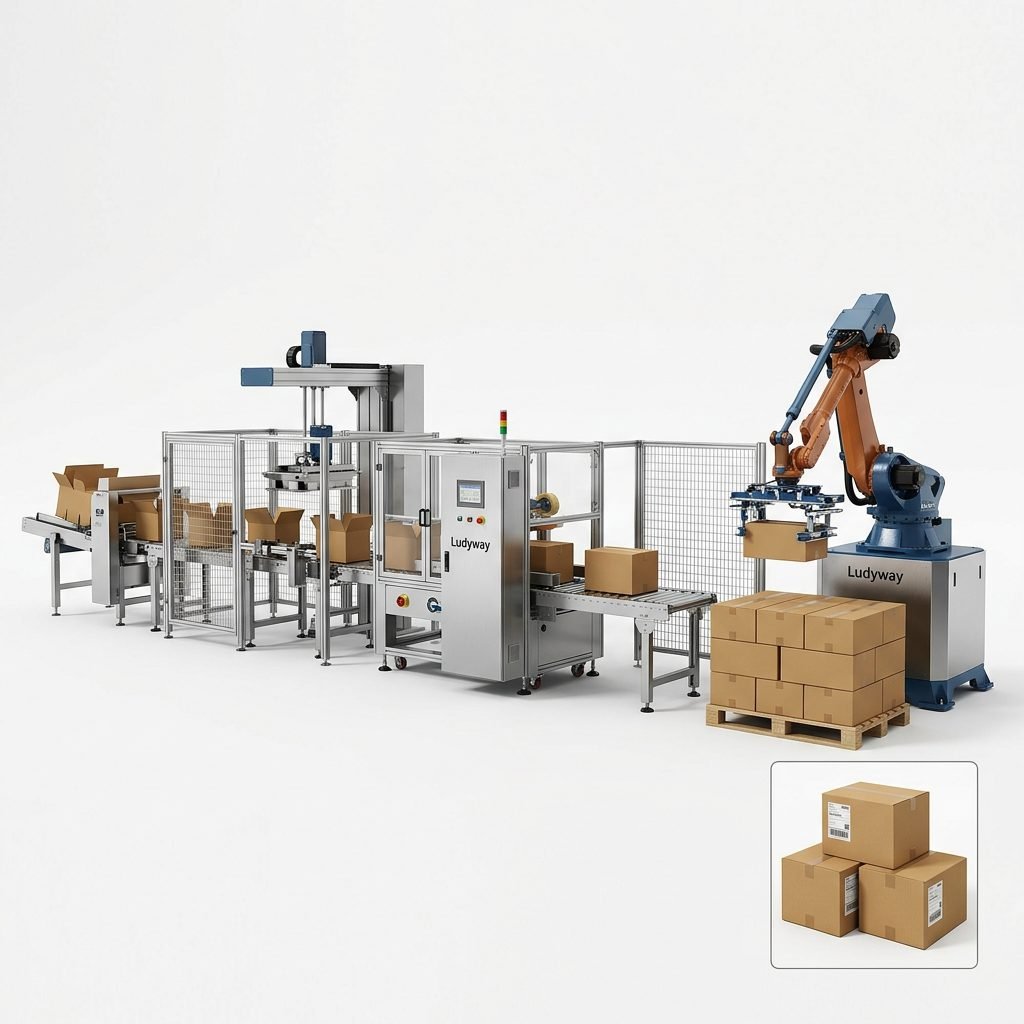
| Cartoning & End-of-Line | Integrated pharmaceutical lines | Efficiency, logistics, line automation |
Why Pharmaceutical Companies Are Upgrading Packaging Lines
- To meet stricter quality and documentation standards
- To reduce human error in dosing and packing steps
- To support product diversification and smaller SKUs
- To improve output stability in export-oriented production
- To enhance packaging appearance and consumer trust
Sustainability and Material Innovation Gain Importance
Sustainability is also reshaping pharmaceutical packaging strategies. Although safety and compliance remain the first priority, many companies are now exploring recyclable materials, downgauged films, lighter secondary packaging, and more efficient line designs that reduce waste during production. This is creating opportunities for machinery manufacturers capable of supporting precise filling, sealing, and material handling with less material loss.
At the same time, packaging formats must remain compatible with cold-chain logistics, moisture barriers, oxygen sensitivity, and long shelf-life requirements. The balance between environmental goals and pharmaceutical-grade protection is becoming a major area of product development.
Emerging Markets Continue to Create New Demand
In Asia, the Middle East, Africa, and Latin America, local pharmaceutical manufacturing is expanding as governments and private investors seek stronger domestic supply capabilities. These regions are contributing to new demand for reliable, scalable, and cost-effective packaging equipment. Buyers are often looking for solutions that combine regulatory readiness with practical production efficiency.
This trend is also encouraging more companies to source machinery from experienced export-oriented manufacturers. Firms that can provide customization, technical support, and complete packaging line integration are particularly well positioned to benefit from this market shift.
Industry Watch: Equipment Partner Expectations
Packaging buyers are placing greater emphasis on machine stability, flexible application range, and long-term service support. Companies such as Ludyway, known as one of China’s leading packaging machine and turnkey packaging line manufacturers, are drawing attention from overseas buyers seeking pharmaceutical, food, and health supplement packaging automation with scalable system design.
Outlook Remains Positive
Looking ahead, the pharmaceutical packaging market is expected to remain resilient as drug production, patient safety requirements, and automation investments continue to increase. Growth is likely to be strongest in areas linked to unit-dose convenience, intelligent line integration, packaging quality assurance, and export-ready production.
For manufacturers across the value chain, packaging is no longer just the final production step. It is now a critical part of compliance, operational efficiency, brand reliability, and global market competitiveness.