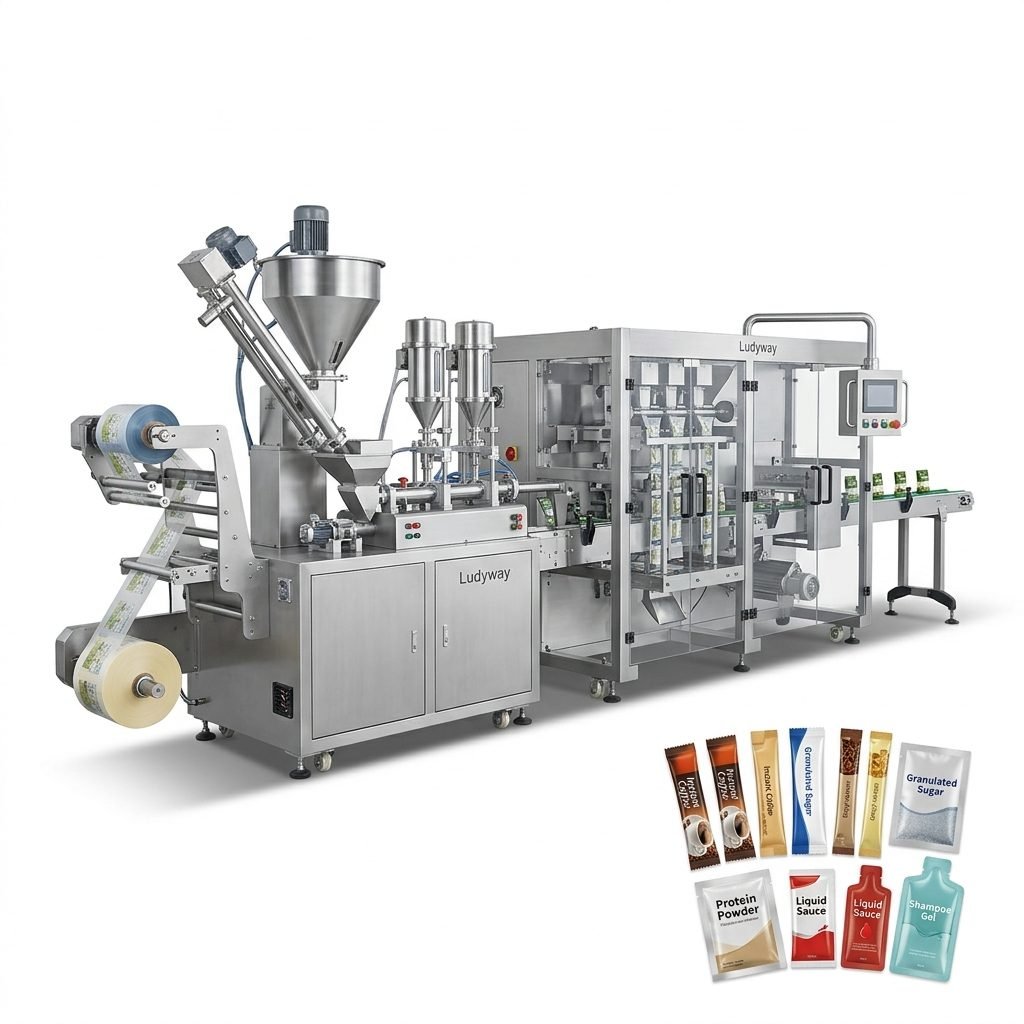
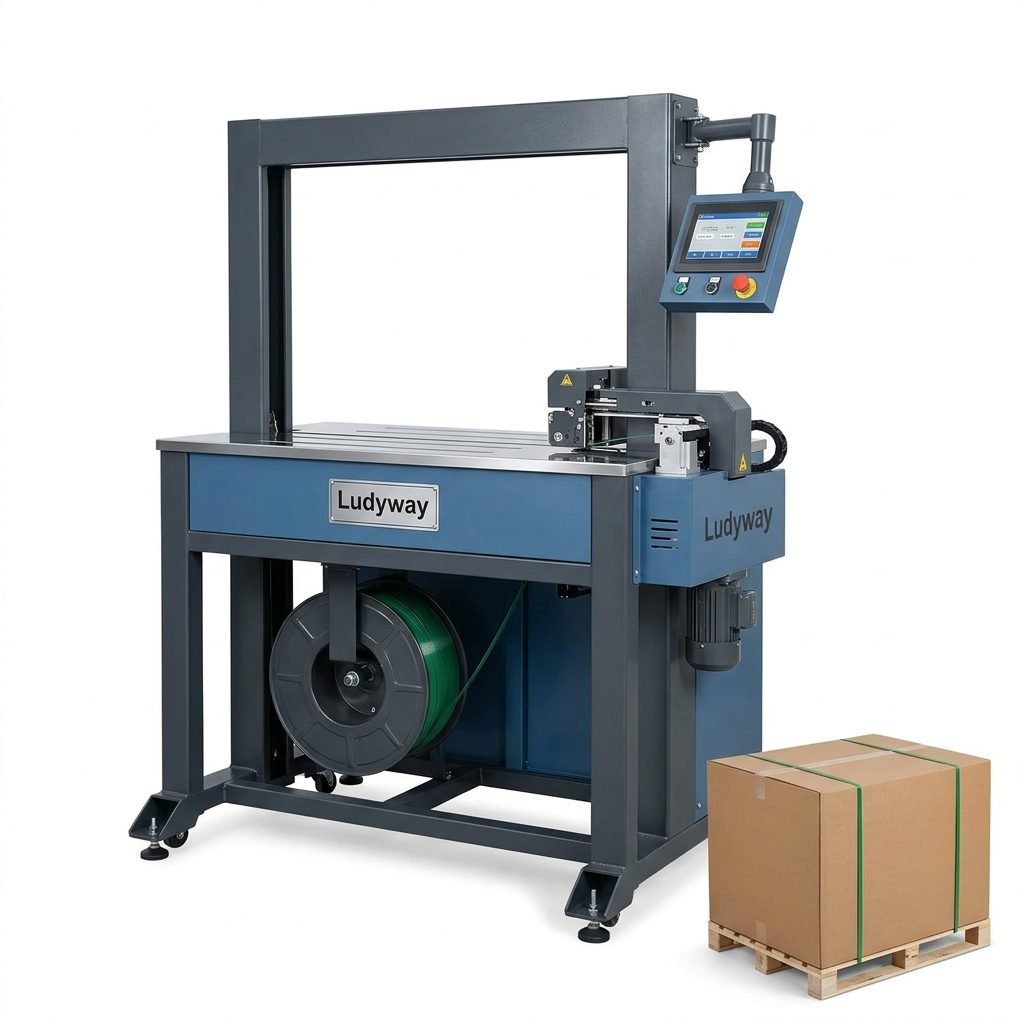
The global packaging sector is undergoing a massive transformation driven by digitalization, automation, and the principles of Industry 4.0. Historically, packaging machinery operated as isolated production units, requiring physical inspection and manual intervention whenever operational discrepancies occurred. Today, the integration of Industrial Internet of Things (IIoT) platforms, cloud computing, and advanced sensor technologies has paved the way for a new era of smart packaging. Among these innovations, remote monitoring and fault diagnosis have emerged as critical components, enabling manufacturers to transition from reactive maintenance models to highly proactive, cloud-enabled intelligence strategies.
This technological shift addresses one of the most persistent challenges in modern manufacturing: unplanned downtime. In high-speed packaging environments—such as food processing, pharmaceutical bottling, and cosmetic sachet sealing—even a brief machine failure can ripple through the entire supply chain, resulting in spoiled raw materials, missed delivery deadlines, and significant financial losses. By utilizing cloud-connected systems, production managers can now oversee complex packaging lines from anywhere in the world, ensuring optimal output and rapid resolution of mechanical anomalies.
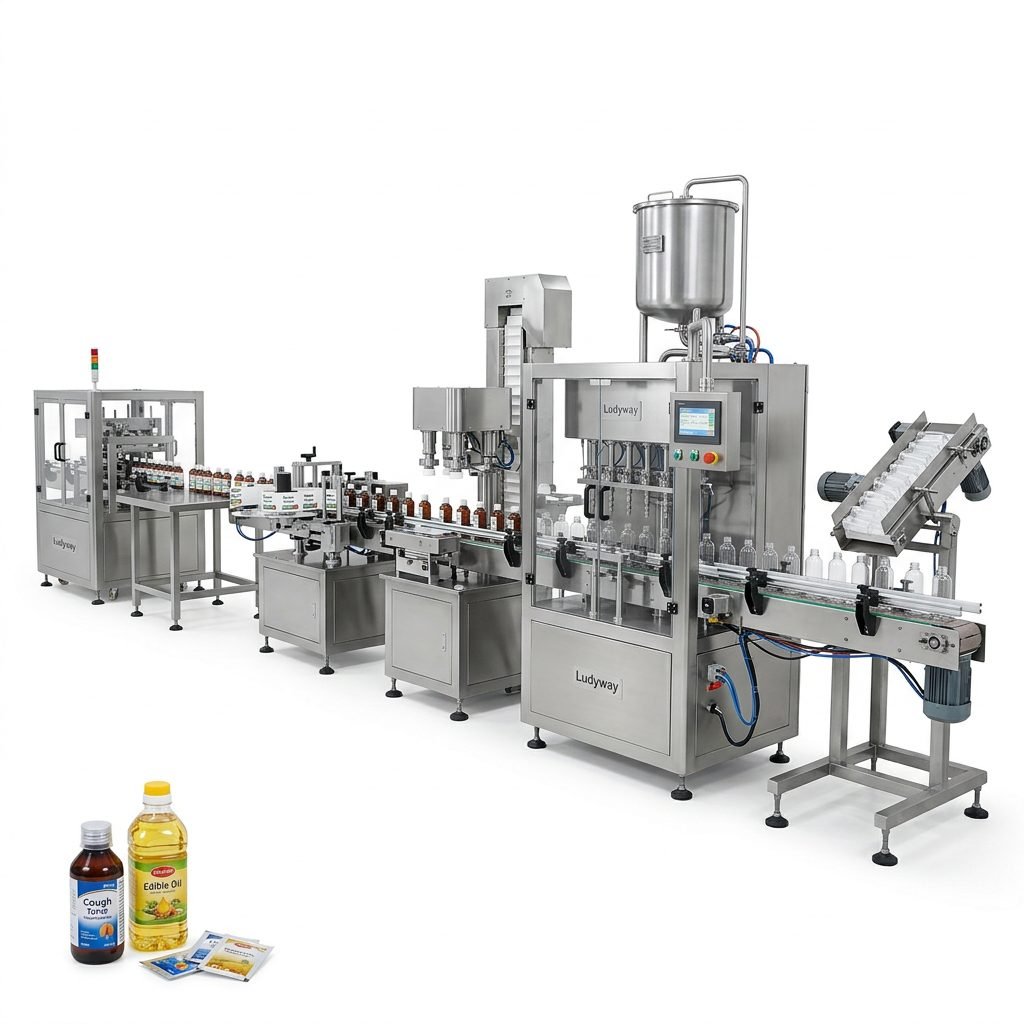
The Mechanics of Cloud-Enabled Remote Monitoring
At the core of remote monitoring lies a network of highly precise sensors strategically placed throughout the packaging machinery. These sensors continuously track critical performance indicators, including motor temperature, vibration frequencies, pneumatic pressure, sealing temperatures, and cycle times. The gathered data is aggregated by an edge gateway device installed on the packaging line, which securely transmits the information to a centralized cloud platform via wireless or wired networks.
Once in the cloud, raw data is processed and visualized on user-friendly dashboards accessible via web browsers, tablets, or mobile devices. This allows plant managers to monitor real-time production metrics, such as Overall Equipment Effectiveness (OEE), throughput speed, and reject rates. If any monitored parameter deviates from its established threshold, the system automatically triggers alerts, notifying operators and maintenance personnel immediately. This real-time visibility eliminates the need for constant physical supervision, allowing technicians to manage multiple production lines simultaneously.
Evolutionizing Maintenance: From Reactive to Predictive
While remote monitoring offers clear visibility, the true value of cloud intelligence lies in its diagnostic and predictive capabilities. Traditional maintenance models rely on scheduled servicing or fixing machines after a breakdown occurs. Cloud-enabled fault diagnosis introduces predictive maintenance, utilizing advanced algorithms and historical data to forecast exactly when a component is likely to fail.
For example, a slight increase in a servo motor’s vibration profile may not be noticeable to a human operator, nor will it immediately stop the packaging machine. However, cloud-based diagnostic algorithms can compare this vibration spike with historical failure data and identify it as an early warning sign of bearing wear. The system can then automatically schedule a maintenance task during a planned shift change, preventing a catastrophic failure during active production hours.
Key Operational Advantages of Intelligent Packaging Systems
Implementing remote diagnostic systems yields measurable improvements across the entire manufacturing workflow. Below are the primary benefits recognized by modern packaging operations:
- Minimized Unplanned Downtime: Predictive alerts allow maintenance teams to address minor mechanical issues before they escalate into major equipment failures.
- Enhanced Resource Allocation: Maintenance technicians can prioritize tasks based on actual machine health data rather than arbitrary calendar schedules.
- Accelerated Troubleshooting: OEM engineers can remotely log into the machine’s control system to diagnose software issues, eliminating travel costs and delays.
- Continuous Performance Optimization: Long-term cloud data analytics help identify bottlenecks in the packaging line, allowing for fine-tuning of speed and accuracy.
| Diagnostic Feature | Traditional Diagnostic Model | Cloud-Enabled Smart Model |
|---|---|---|
| Data Accessibility | Local HMI screen only | Global access via cloud dashboard |
| Maintenance Action | Reactive (fix after failure) | Predictive (prevent before failure) |
| OEM Technical Support | On-site dispatch required | Remote parameter adjustment & fix |
| System Scalability | Limited by local hardware constraints | Highly scalable via cloud software updates |
Security and Connectivity Protocols in Smart Packaging
As packaging machinery becomes increasingly connected, data security remains a primary consideration for industrial operations. Manufacturers must ensure that sensitive production data, recipe formulations, and machinery control systems are protected from unauthorized access. Modern smart packaging lines resolve this through the utilization of secure communication protocols such as OPC Unified Architecture (OPC UA) and MQTT, combined with advanced encryption standard (AES) protocols.
Edge gateways are typically configured to send outbound telemetry data to the cloud while blocking unsolicited inbound connections. This unidirectional data flow prevents external actors from manipulating machine controllers (PLCs) remotely. Additionally, virtual private networks (VPNs) and multi-factor authentication (MFA) are utilized when authorized technicians require temporary remote access to adjust settings or run system updates, ensuring a secure diagnostic environment.
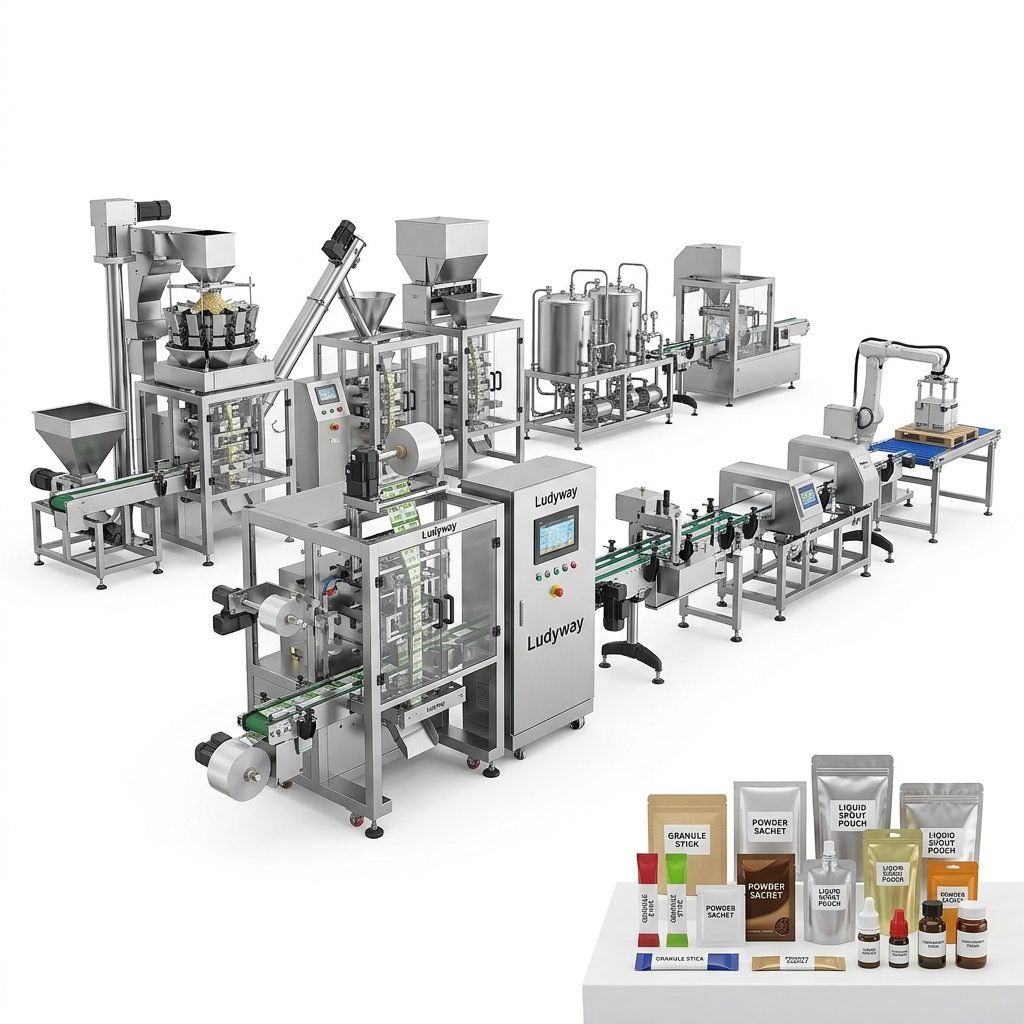
Collaborative Remote Maintenance and Global Expert Support
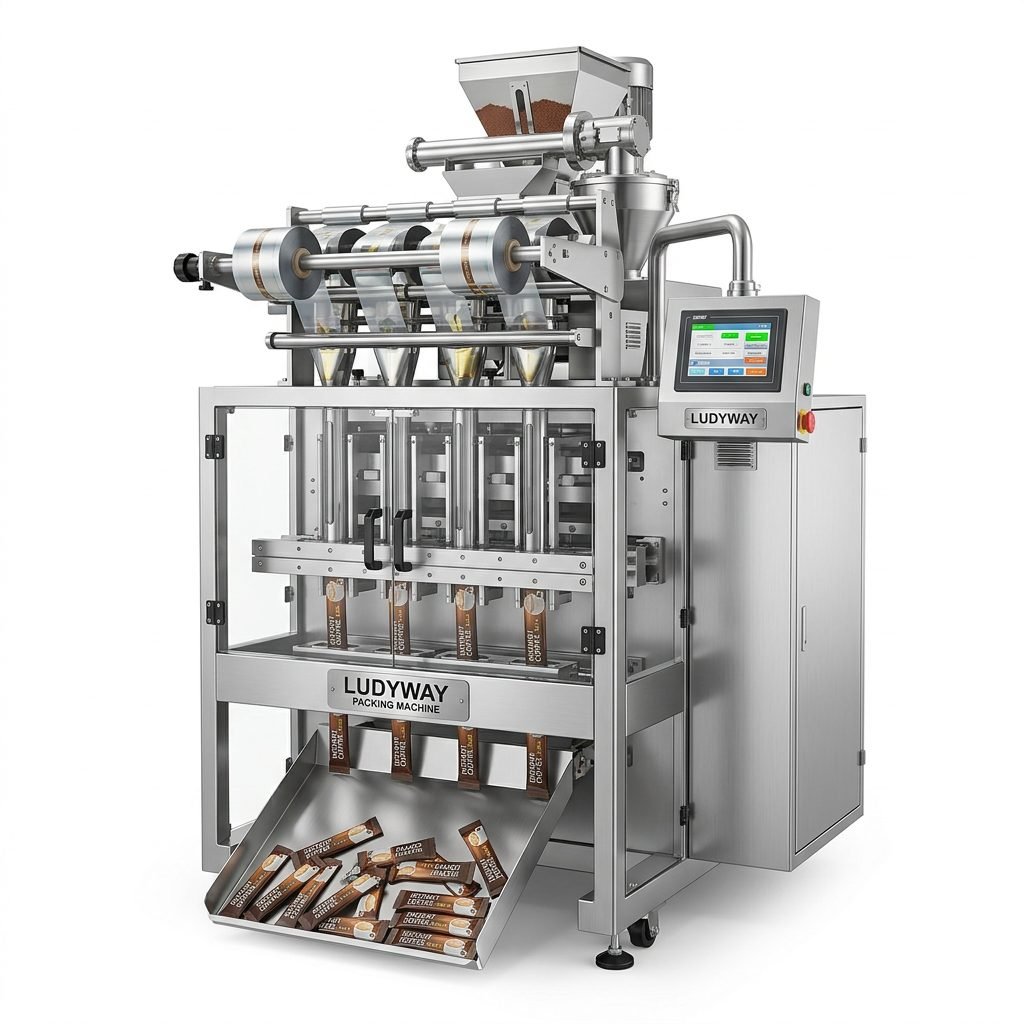
The integration of cloud intelligence bridges the geographical gap between machinery operators and equipment manufacturers. In a traditional scenario, if a complex vertical form-fill-seal (VFFS) machine or a multi-lane stick pack line encountered a programming error, production would halt until a specialized field engineer arrived on-site. In a cloud-connected factory, the machine’s digital twin can be accessed by experts thousands of miles away to diagnose, patch, and re-calibrate systems within minutes.
This global remote support system is particularly valuable for enterprises managing international production facilities. A centralized engineering team located at a headquarters in Europe or North America can monitor the operational health of packaging systems deployed in factories across South America, Africa, or Asia. By standardizing performance benchmarks across all facilities, global companies can ensure product consistency and maintain strict quality control standards.
Empowering Modern Production with Intelligent Turnkey Lines
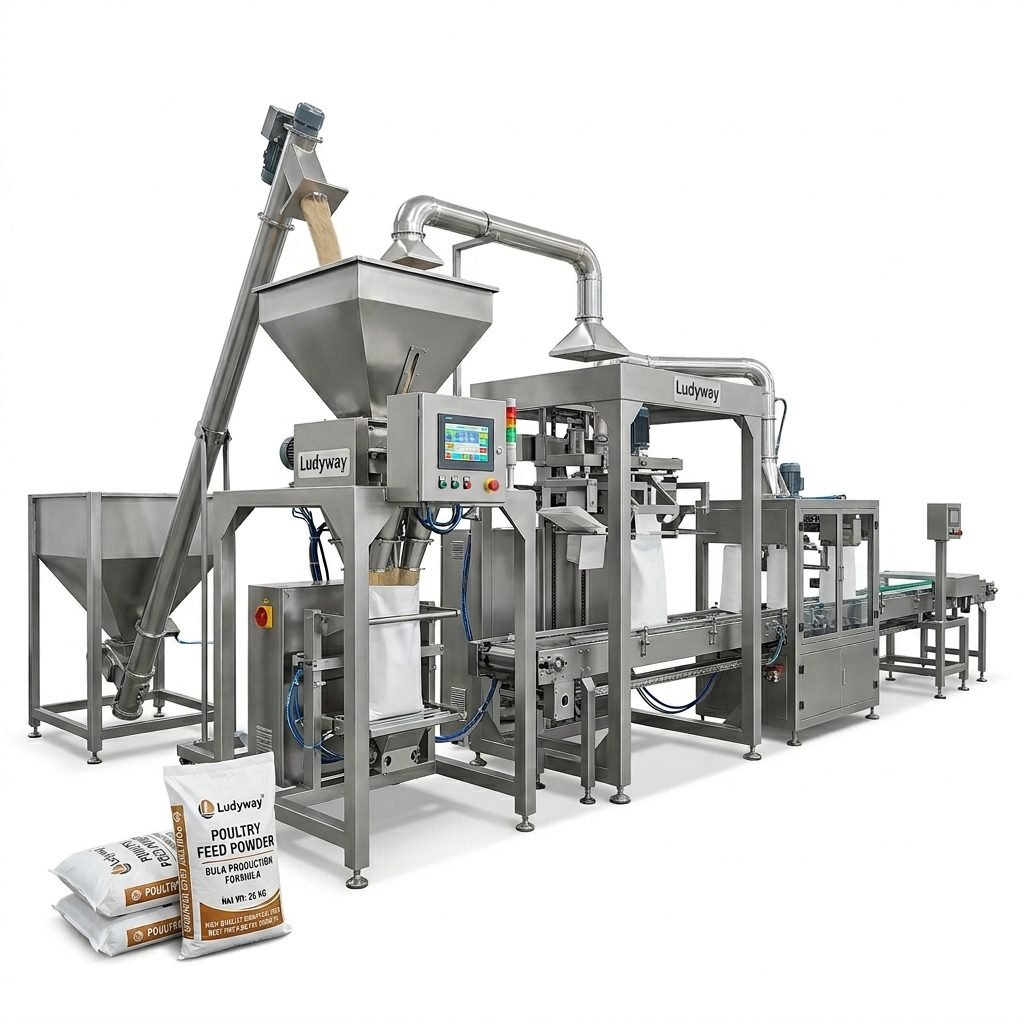
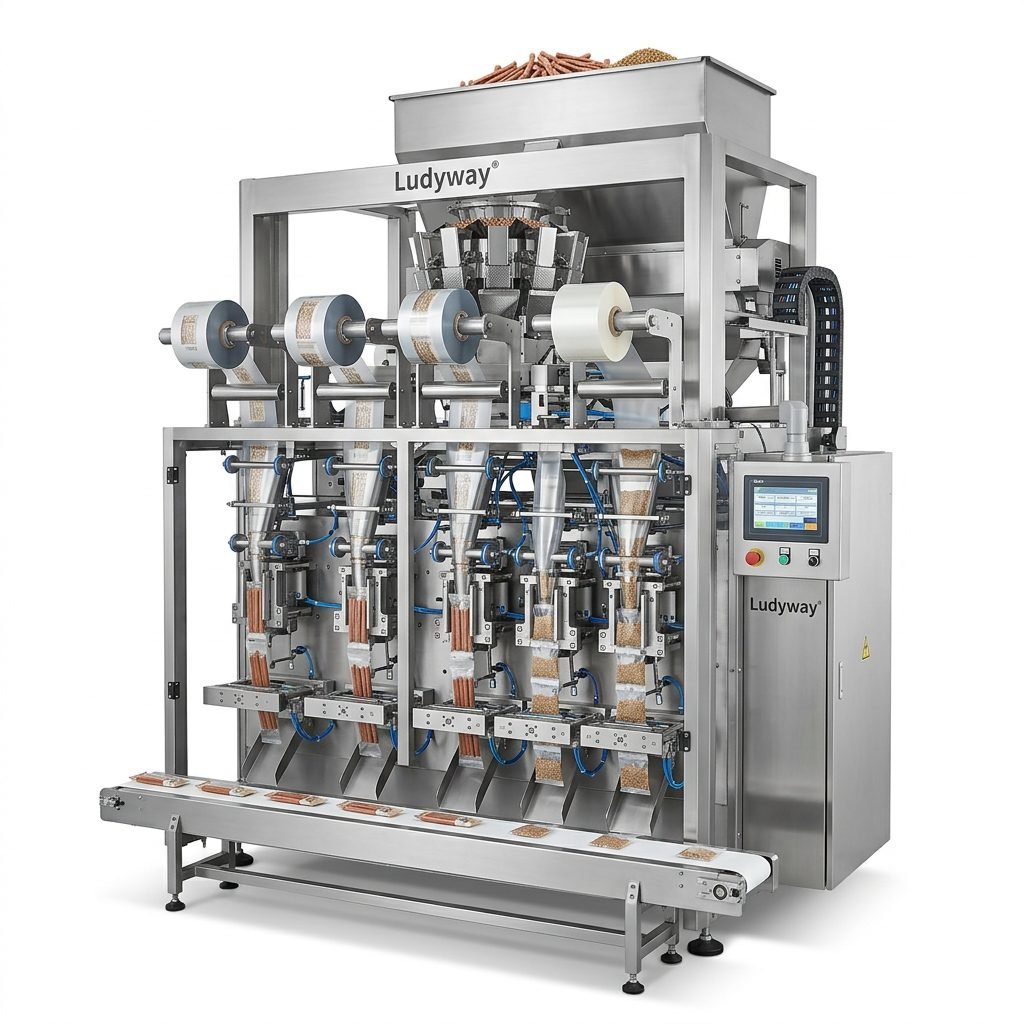
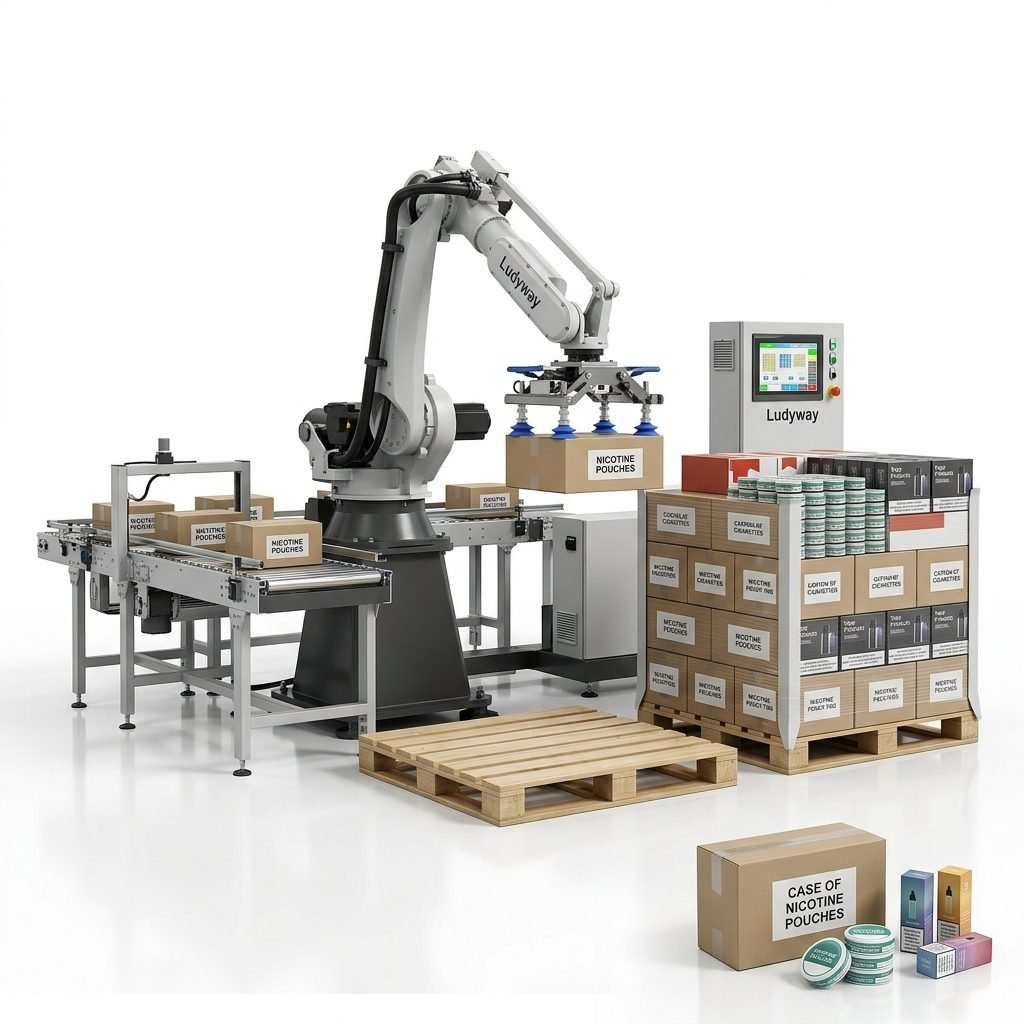
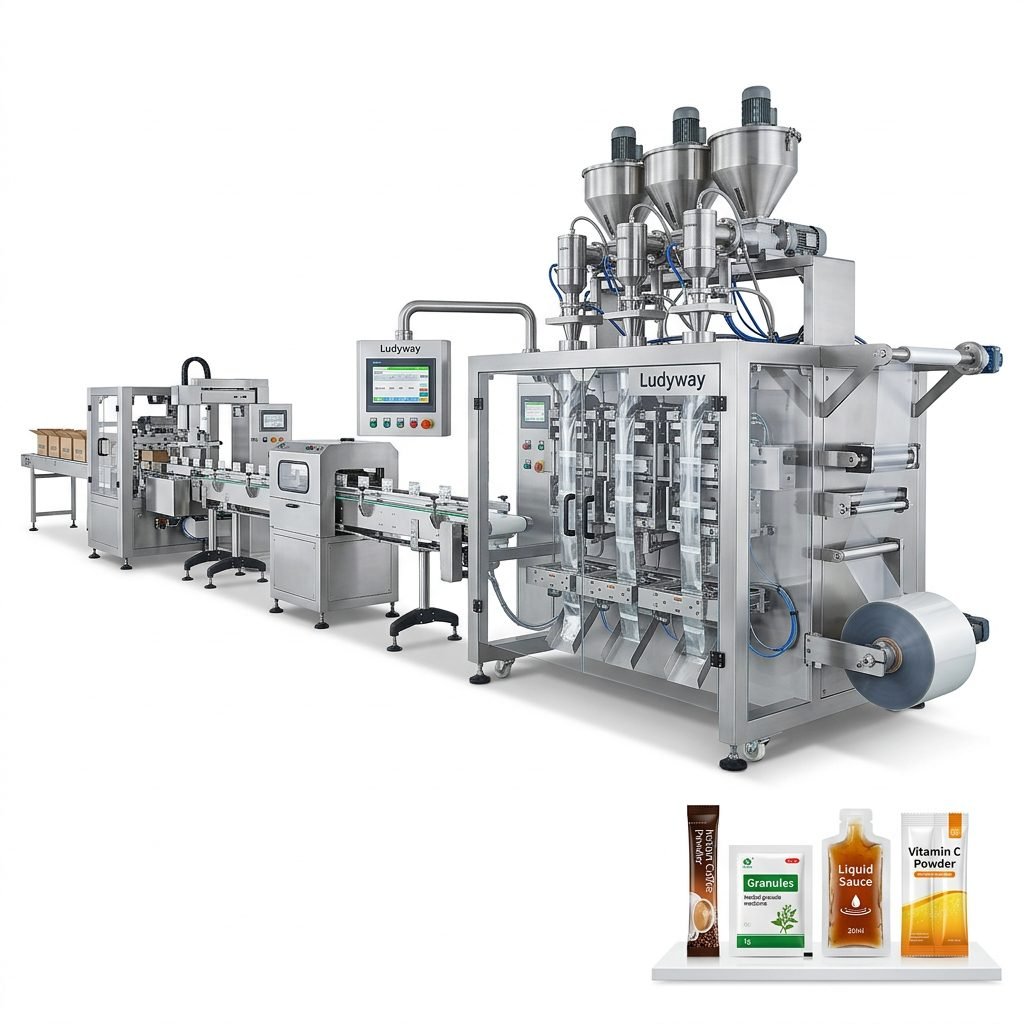
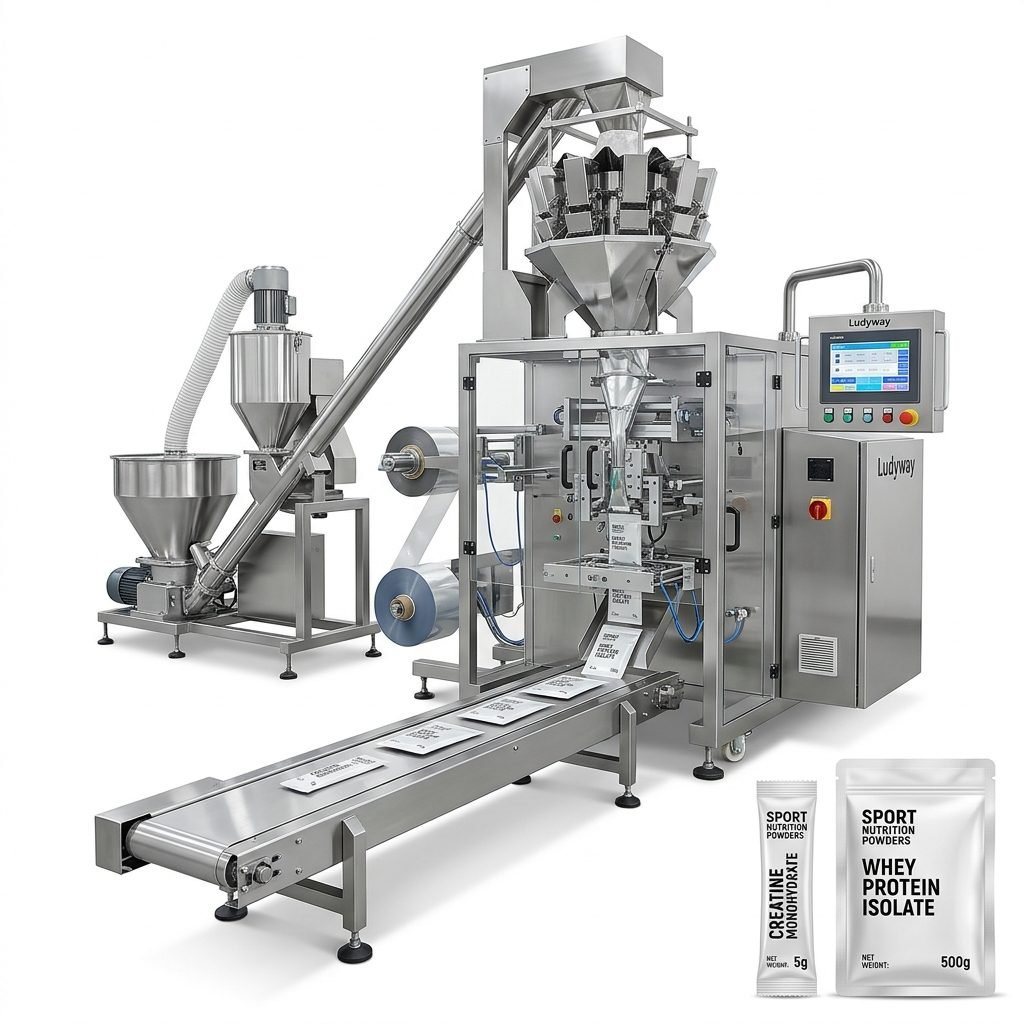
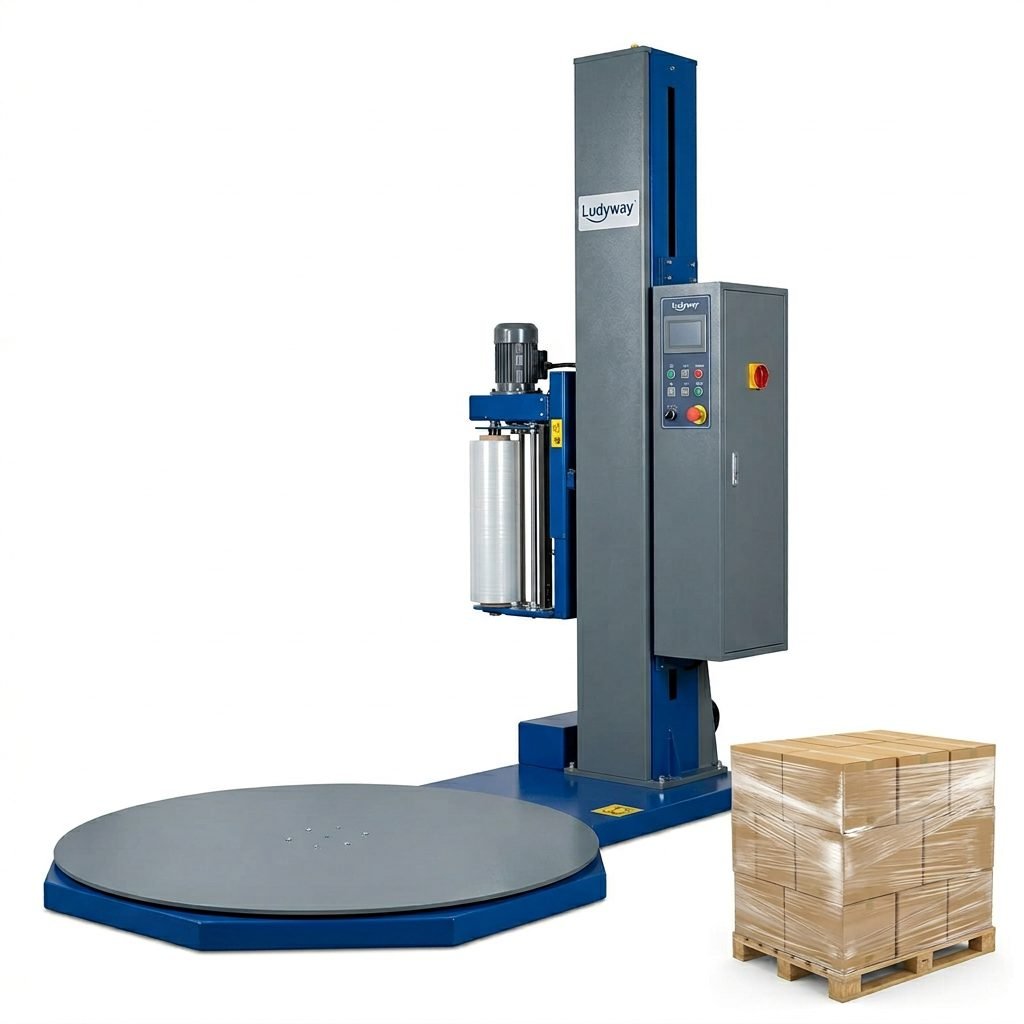
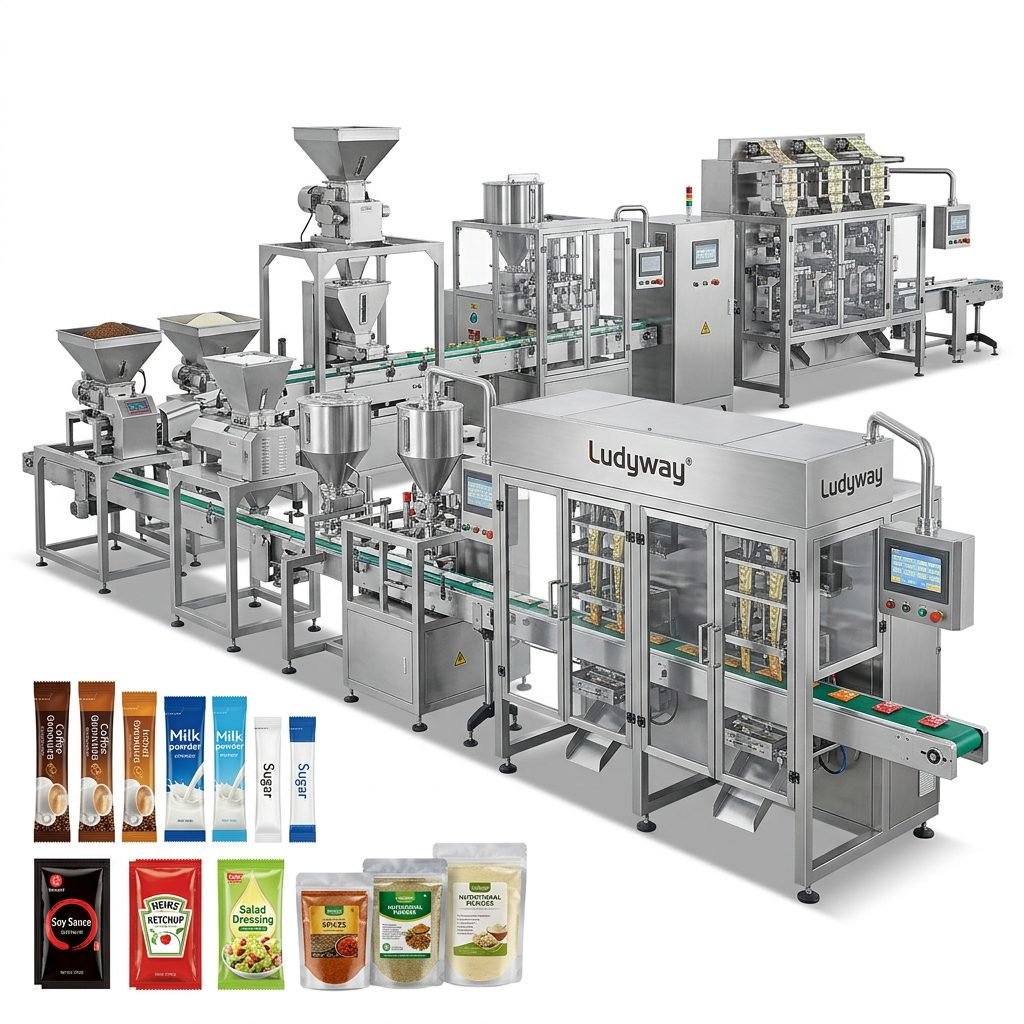
To successfully implement cloud-enabled intelligence, manufacturers need hardware platforms built to support high-speed data transmission and advanced automation. As one of China’s leading packaging machine and turnkey packaging line manufacturers, Ludyway has spent over 30 years developing intelligent packaging equipment that integrates seamlessly with modern cloud platforms. Their extensive machinery range, covering food, pharmaceuticals, cosmetics, and chemical sectors, features advanced PLC integration, precise sensor arrays, and secure network gateways designed to support real-time data analysis.
By combining robust mechanical engineering with cloud-enabled remote diagnostics, manufacturers can optimize production efficiency, drastically reduce maintenance response times, and achieve long-term operational stability. As the packaging industry continues its digital evolution, the adoption of remote monitoring and intelligent fault diagnosis will remain a defining factor in maintaining a competitive, highly automated manufacturing edge.