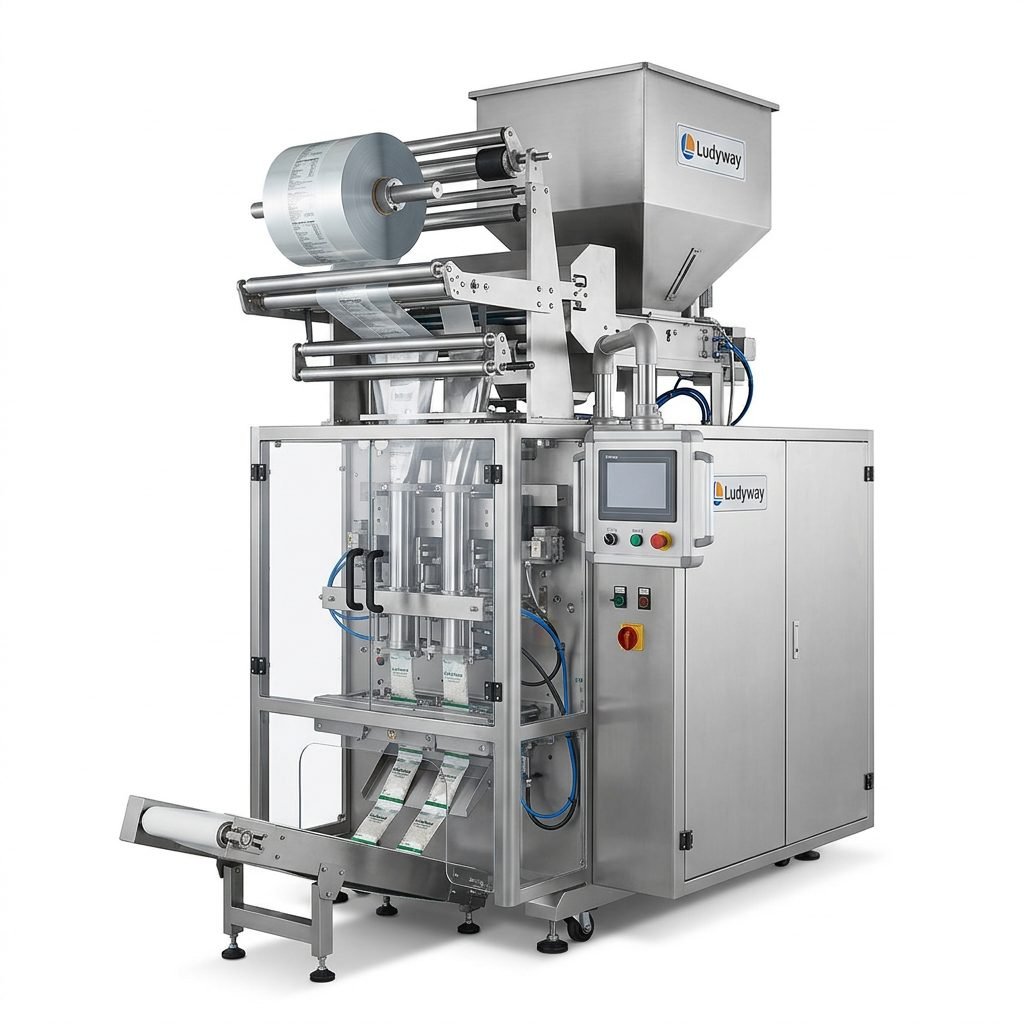
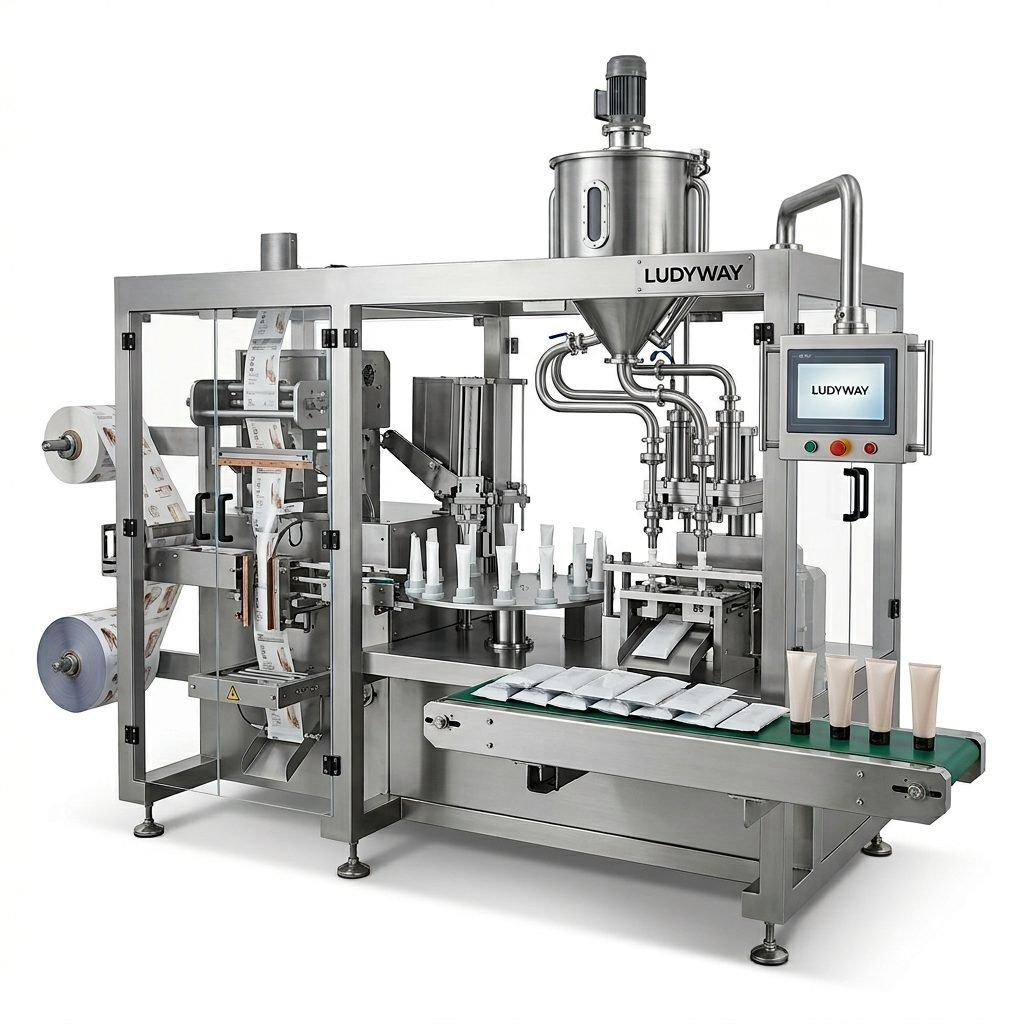
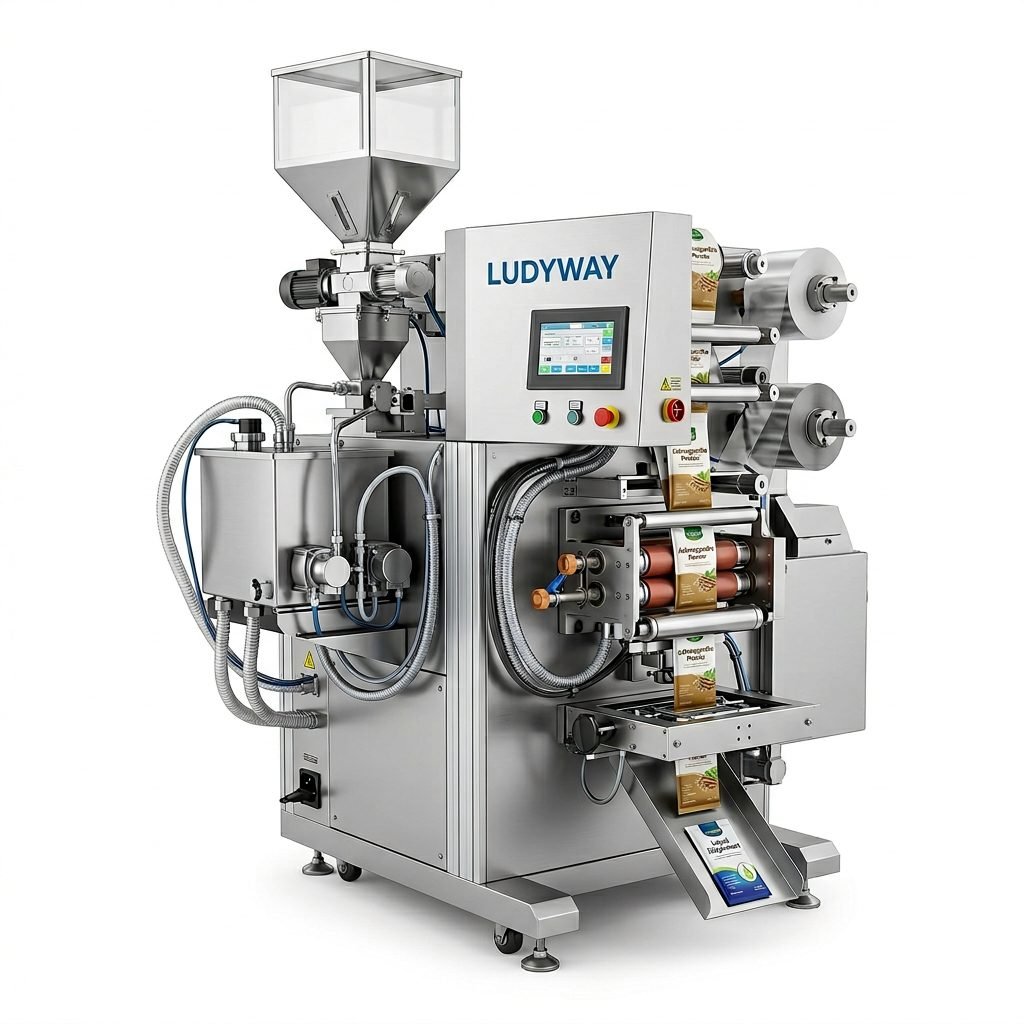
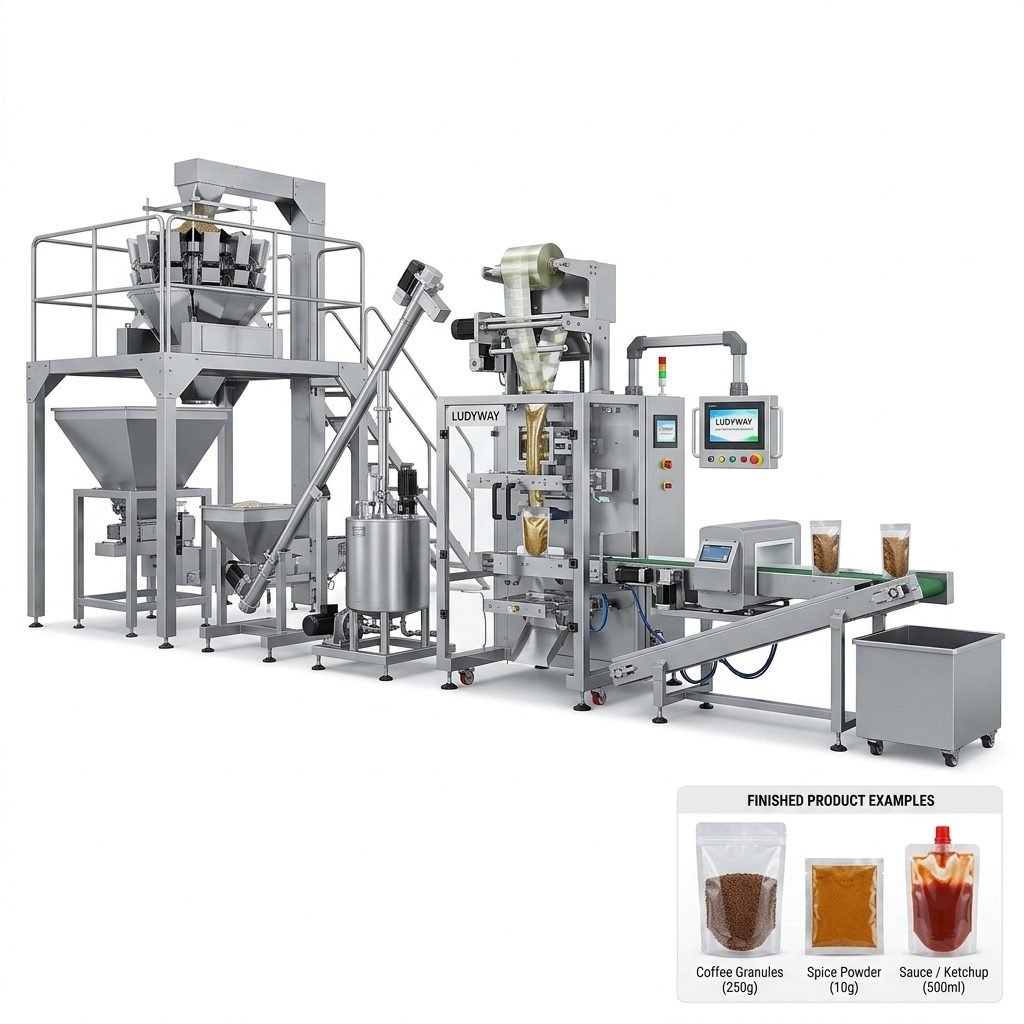
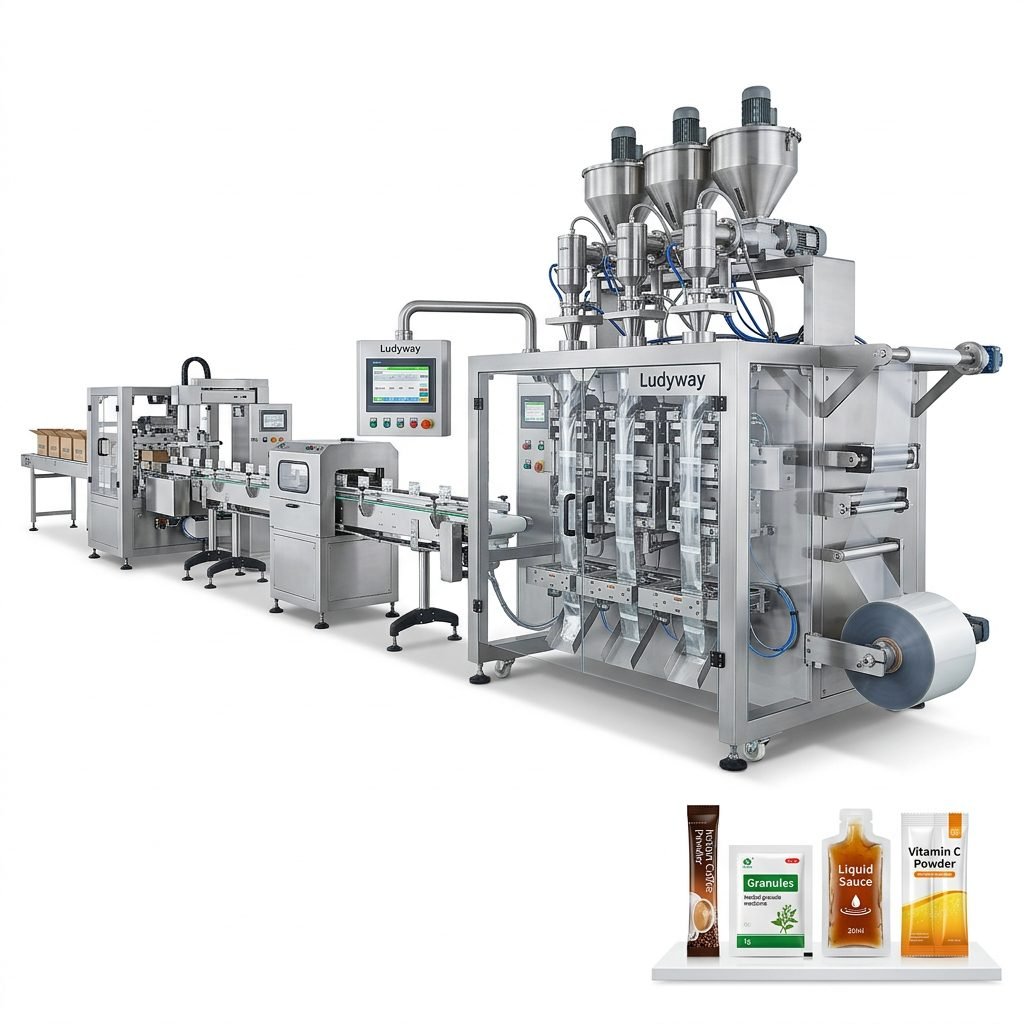
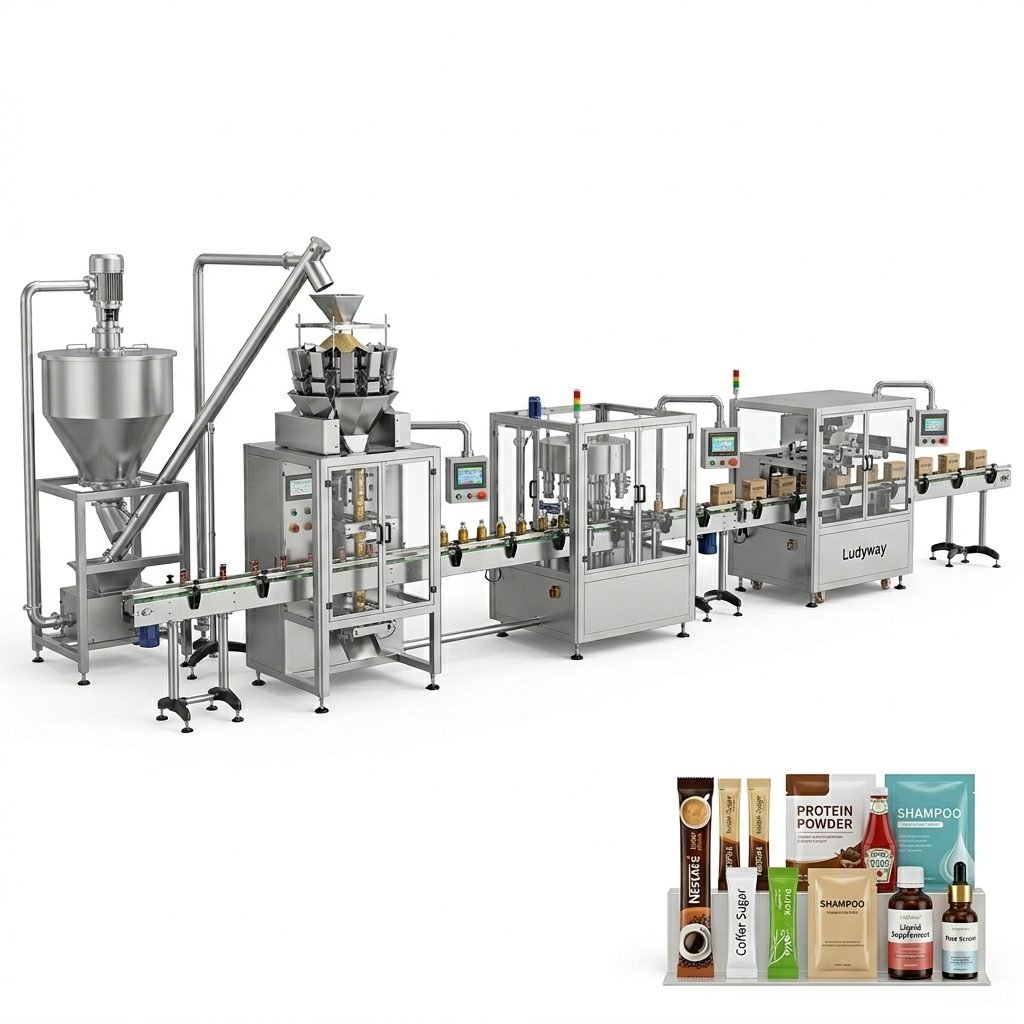
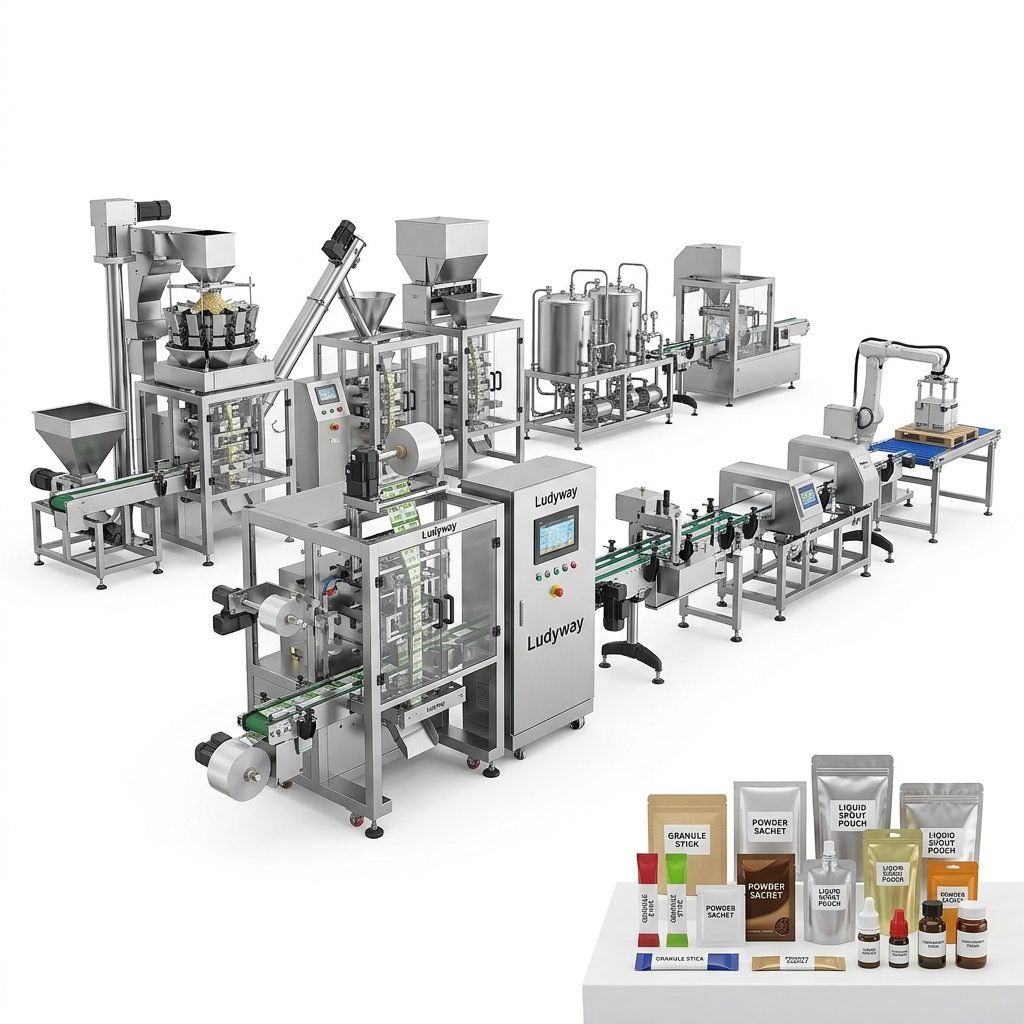
In the highly competitive consumer goods market, the quality of product packaging plays a vital role in determining brand reputation, product shelf life, and consumer satisfaction. From craft beverages and canned foods to specialized infant formulas and industrial sealants, the integrity of the container is paramount. Among the various stages of the packaging process, can capping stands out as the ultimate gatekeeper of product safety. Recently, the transition toward seamless automated can capping has set a new benchmark for high-quality, high-efficiency packaging, helping manufacturers around the world minimize product loss and maximize throughput.
The Critical Role of Hermetic Sealing in Modern Packaging
Modern packaging demands more than just a closed lid; it requires a hermetic seal that completely isolates the contents from external environmental factors. Any entry of oxygen, moisture, or contaminants can degrade the quality of food, pharmaceuticals, and cosmetics, leading to premature spoilage or chemical instability. Seamless capping technologies address this challenge by delivering highly consistent mechanical force during the seaming process.
By utilizing precise torque controls and advanced mechanical configurations, modern capping machinery ensures that every single can is sealed with uniform pressure. This uniformity eliminates the micro-gaps that often occur due to manual errors or sub-standard mechanical components, establishing a reliable barrier that preserves product freshness from the factory floor to the consumer’s hands.
Key Drivers Behind High-Efficiency Capping Systems
For high-volume production facilities, efficiency is measured in seconds and fractions of a percent. A bottleneck at the capping station can disrupt the entire manufacturing line. Implementing a seamless capping system introduces several key operational advantages:
- Consistent Torque Delivery: Servo-driven capping heads apply precise torque to each container, reducing the risk of overtightening (which damages the lid) or undertightening (which causes leaks).
- High-Speed Operation: Modern automated systems can process hundreds of cans per minute, synchronizing perfectly with high-speed filling equipment.
- Reduced Product Waste: Intelligent rejection systems detect improperly capped cans instantly, removing them from the line without halting the entire production flow.
- Multi-Format Compatibility: Advanced machines allow for quick adjustments to accommodate different can heights and diameters, minimizing downtime during product changeovers.
Comparing Capping Methodologies
To understand the impact of automated seamless capping on production efficiency, it is helpful to look at how it compares to older, traditional sealing methodologies.
| Feature | Traditional Capping Systems | Modern Seamless Capping |
|---|---|---|
| Torque Control | Mechanical friction clutch (variable accuracy) | Servo-driven electronic control (high precision) |
| Changeover Time | Manual mechanical adjustments (30-60 minutes) | Tool-less, digital parameter selection (<10 minutes) |
| Rejection Mechanism | Manual sorting or physical batch rejection | Automated vision/torque check and single-unit reject |
| Operational Noise | High mechanical vibration and impact noise | Smooth rotational motion, low vibration |
Integration within Turnkey Production Lines
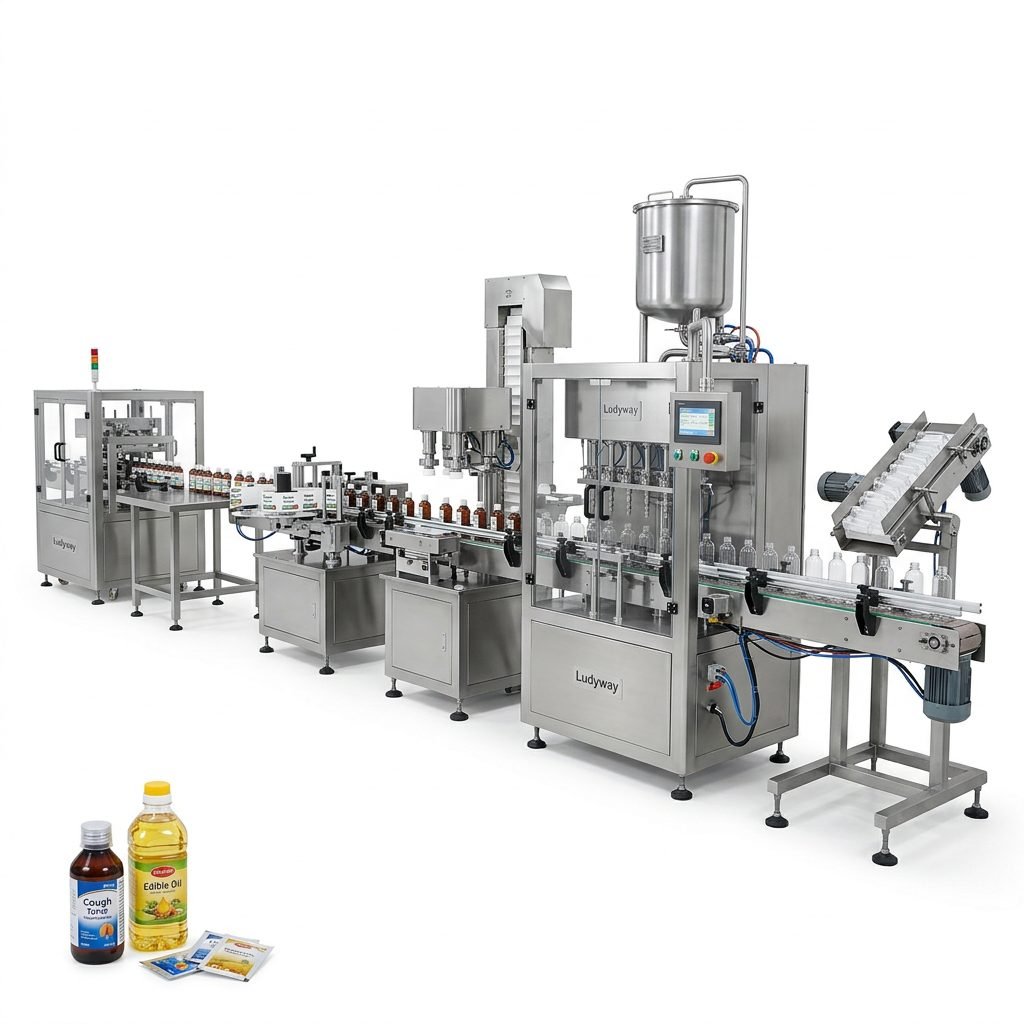
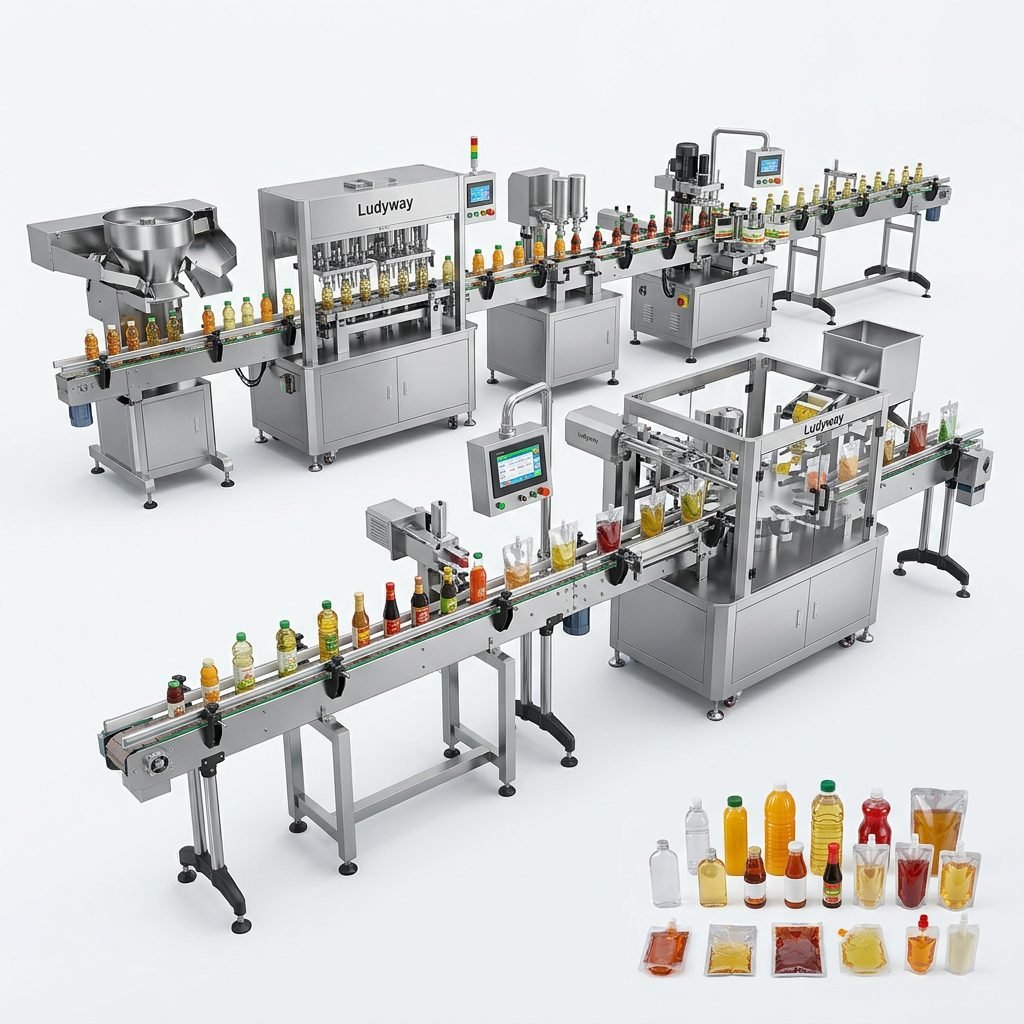
A capping machine does not operate in isolation. To achieve true high-efficiency packaging, the capping unit must be integrated seamlessly with upstream and downstream equipment, such as filling systems, labeling machines, checkweighers, and case packers. This holistic approach ensures a smooth, continuous flow of materials, reducing the risk of line accumulation and mechanical collisions.
When looking to deploy these advanced capping technologies, partnering with an experienced manufacturer is key. Ludyway, one of China’s leading packaging machine and turnkey packaging line manufacturers, offers integrated systems designed to synchronize filling, capping, and labeling operations seamlessly. By selecting a single-source supplier for turnkey lines, manufacturers can achieve superior synchronization, simplified maintenance protocols, and unified software interfaces that streamline day-to-day operations.
Future Trends in Automated Capping Technology
As the manufacturing landscape shifts toward industry 4.0, packaging lines are becoming increasingly intelligent. Future capping systems are expected to feature enhanced digital connectivity, allowing operators to monitor sealing parameters in real-time from remote dashboards. Smart sensors integrated into the capping heads can track wear and tear, alerting maintenance teams before a component failure occurs, thus preventing unexpected downtime.
Additionally, with the growing global emphasis on sustainability, capping machines are being adapted to handle thinner, lightweight metal cans and biodegradable closures. These eco-friendly materials require even more delicate and precise handling to prevent deformation during the sealing process. Advanced servo controls will remain critical in balancing the need for a tight, secure seal with the physical limits of sustainable packaging materials.
Conclusion: The Path Forward for Modern Manufacturers
Upgrading to a seamless can capping system is no longer just an option for ambitious brands; it is a necessity for maintaining a competitive edge in today’s high-throughput market. By ensuring consistent product safety, reducing waste, and seamlessly integrating with complete turnkey lines, these advanced capping solutions set a new benchmark for packaging quality and operational efficiency. Investing in reliable, high-performance capping technology ensures that your production line is ready to meet the challenges of tomorrow.