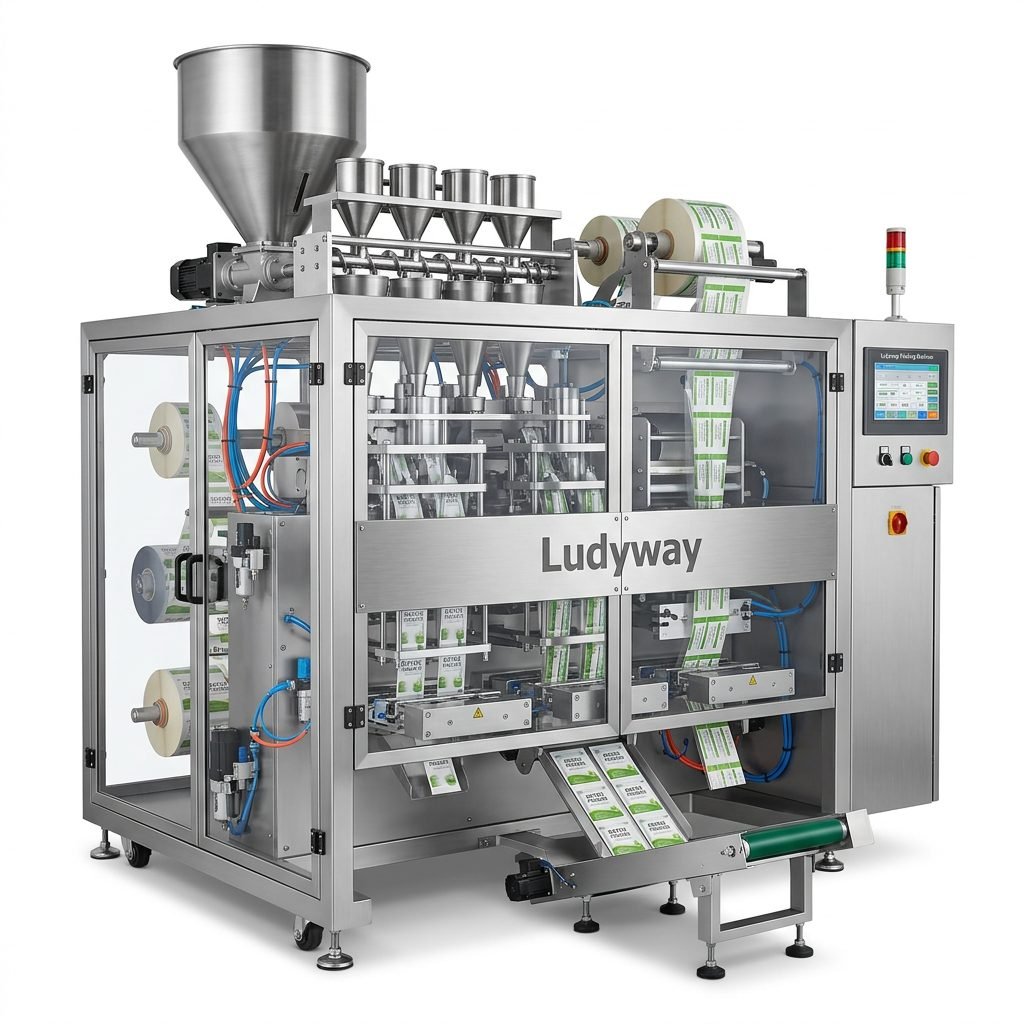
In today’s fast-paced consumer markets, efficient and reliable packaging is crucial for product protection, shelf appeal, and user convenience. Resealable packaging has emerged as a highly popular solution, especially for food, pharmaceuticals, and daily-use items. A resealable packaging machine is the core equipment that automates the production of such packaging, ensuring consistent quality and high-speed output. This guide will explore the different types of resealable packaging machines, their key features and benefits, and provide practical advice on how to choose the right one for your production needs.
Understanding Resealable Packaging Machines
A resealable packaging machine is an automated system designed to form, fill, and seal packages that feature a re-closable mechanism. This mechanism, often a zipper, press-to-close strip, or adhesive flap, allows consumers to open and close the package multiple times, preserving the product’s freshness and quality after initial use. These machines are integral to producing stand-up pouches, flat pouches, and other flexible packaging formats that require user-friendly reusability.
Core Function: The primary function of these machines goes beyond simple sealing. They precisely integrate the resealable component into the packaging material during the forming process, ensuring perfect alignment and a reliable seal that withstands multiple open-close cycles.
Common Types of Resealable Packaging Machines
The market offers various types of machines, categorized mainly by their operation mode and the packaging style they produce.
Vertical Form-Fill-Seal (VFFS) Machines
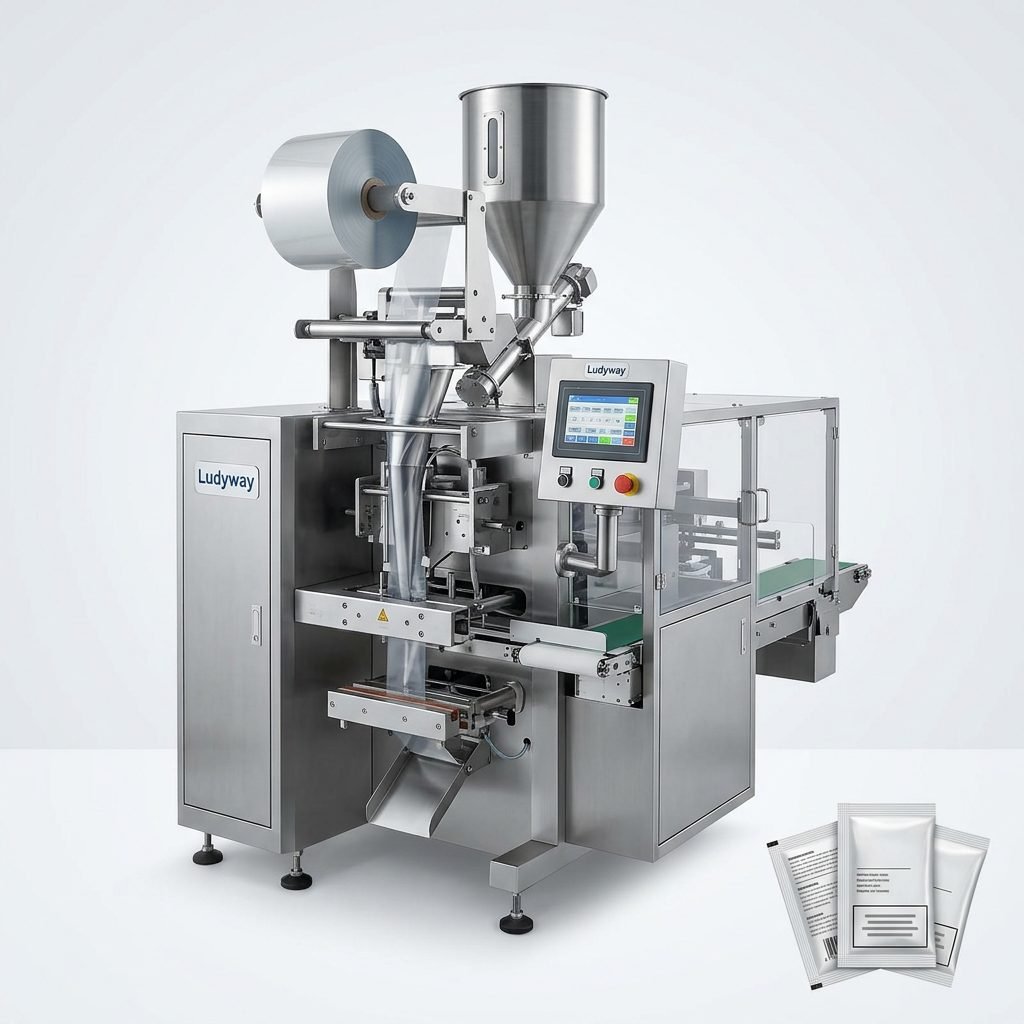
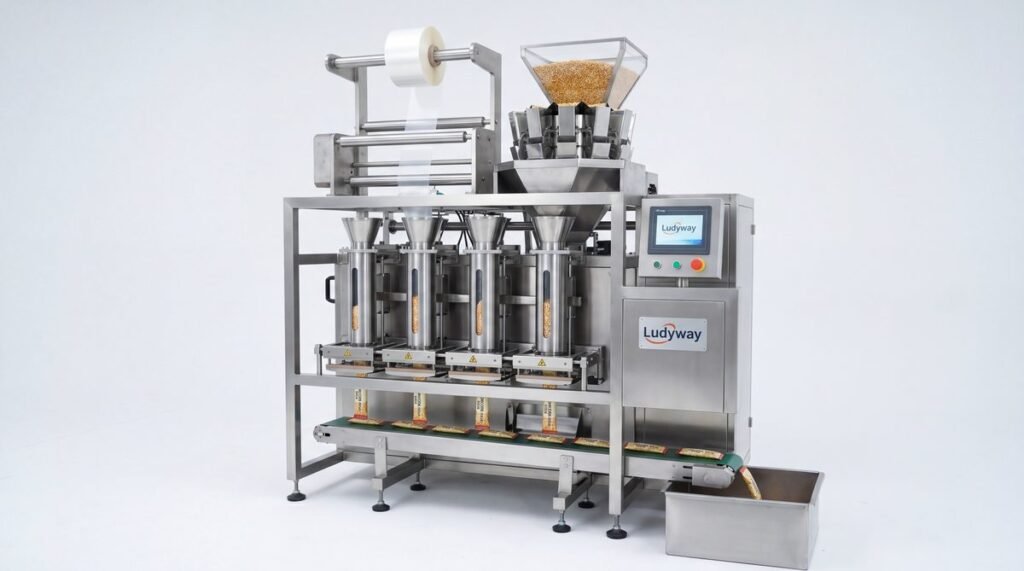
These are the most common type for producing resealable pouches from a roll of film. The machine forms a tube vertically, fills it with the product, and then creates the top and bottom seals, simultaneously attaching the zipper or other closure. They are ideal for granules, powders, snacks, and liquids.
Horizontal Form-Fill-Seal (HFFS) Machines
In HFFS machines, the film is fed horizontally. They are often used for more complex packaging shapes or when placing multiple items into a single package. They excel at producing flow-wrap style packs with a resealable feature, common for cheese slices or hardware items.
Pre-Made Pouch Machines
These machines use pouches that are already pre-formed with the zipper attached. The machine’s task is to open the pouch, fill it with product, and then seal it closed. This is suitable for larger volumes or products that are difficult to handle on VFFS systems.
Key Features and Technological Advancements
Modern resealable packaging machines incorporate advanced features to enhance efficiency, accuracy, and flexibility.
- Precision Zipper Application: Systems that ensure the zipper tape is cut and sealed accurately without wrinkles or misalignment.
- Servo-Driven Technology: Provides superior control over film movement, leading to higher accuracy, less waste, and smoother operation at various speeds.
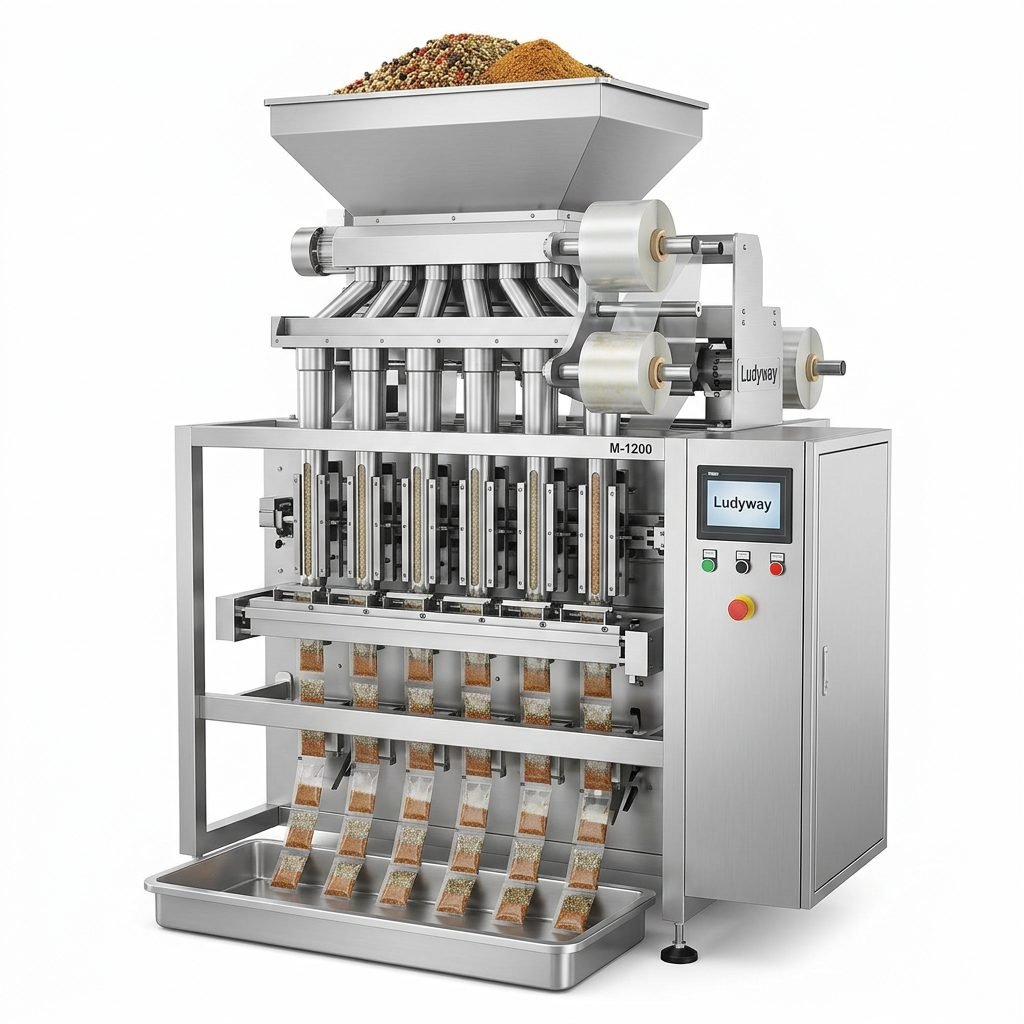
- Multi-Lane Capability: Advanced machines can run multiple packaging lanes simultaneously from a single film roll, dramatically increasing output for small sachets or stick packs.
- User-Friendly HMI: A touch-screen Human-Machine Interface allows for easy recipe storage, quick changeovers, and real-time monitoring of production data.
- Integrated Checkweighers & Metal Detectors: These can be incorporated into the line to ensure every package meets weight specifications and is free from contaminants.
Major Benefits for Manufacturers and Brands
Investing in an automated resealable packaging system delivers significant advantages.
Enhanced Product Freshness & Safety
The primary consumer benefit translates directly to brand value. Resealable packaging extends shelf life after opening by preventing exposure to air, moisture, and contaminants. This is critical for food products, supplements, and pharmaceuticals, building trust and reducing product returns.
Increased Operational Efficiency
Automation speeds up the packaging process significantly compared to manual or semi-automatic methods. High-speed machines can produce hundreds of pouches per minute, reducing labor costs and increasing overall production capacity to meet market demands.
Reduced Material Waste
Modern machines with servo controls and precise cutting mechanisms optimize material usage from the film roll. Accurate dosing systems also minimize product giveaway, leading to substantial cost savings on raw materials over time.
Stronger Market Appeal
Resealable packaging is a powerful marketing tool. It offers convenience that consumers actively seek, making your product more attractive on crowded shelves. It allows for larger, multi-use packaging formats, which can improve per-unit profitability.
How to Choose the Right Resealable Packaging Machine
Selecting the ideal machine requires careful consideration of your specific product, production goals, and budget.
1. Analyze Your Product Characteristics
The nature of your product is the first deciding factor. Consider its physical form (granule, powder, liquid, solid), abrasiveness, flowability, and required fill accuracy. For instance, a sticky powder may require a specific auger filler type and special hopper design to prevent clumping.
2. Define Your Production Requirements
You must have clear answers to these questions:
– What is your required output speed (pouches per minute)?
– What package sizes do you need to run? How often will you change sizes?
– What is the film material structure (e.g., PET/AL/PE)? Does it require special handling?
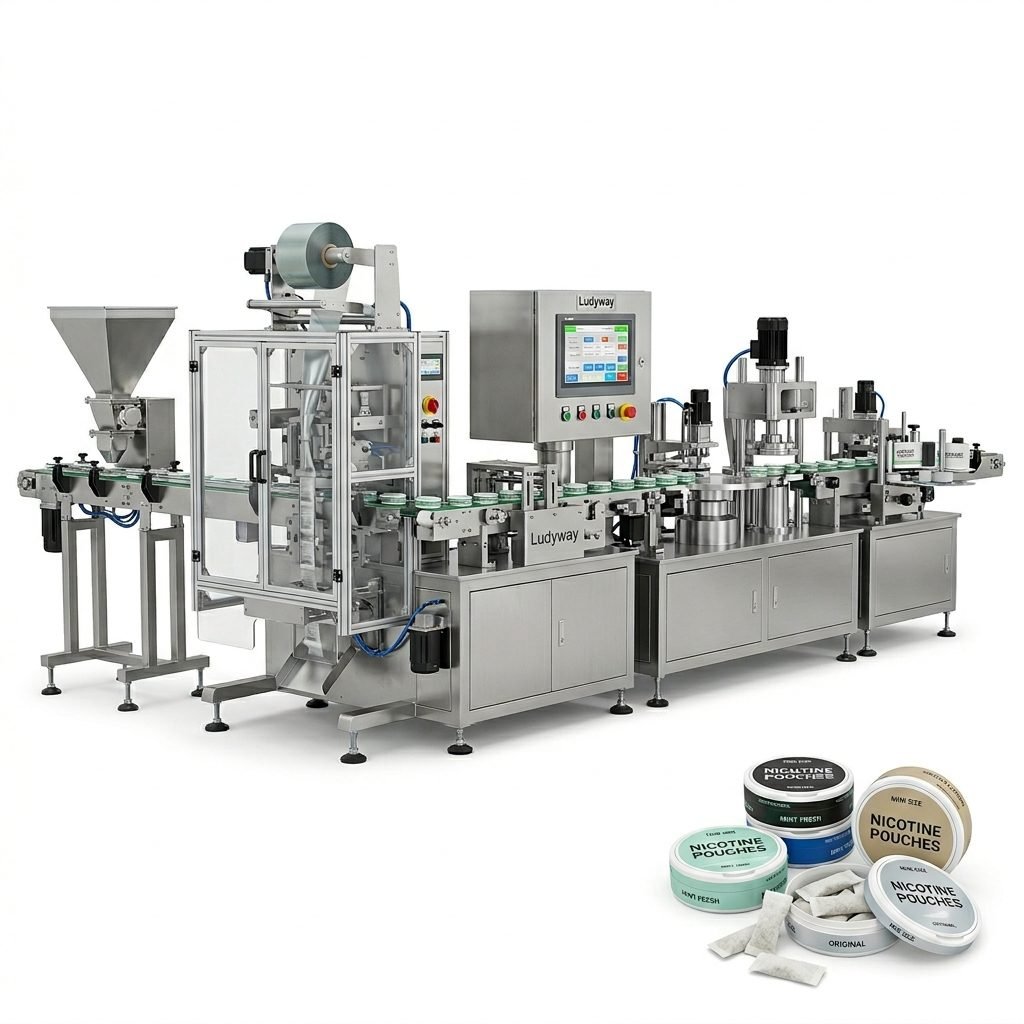
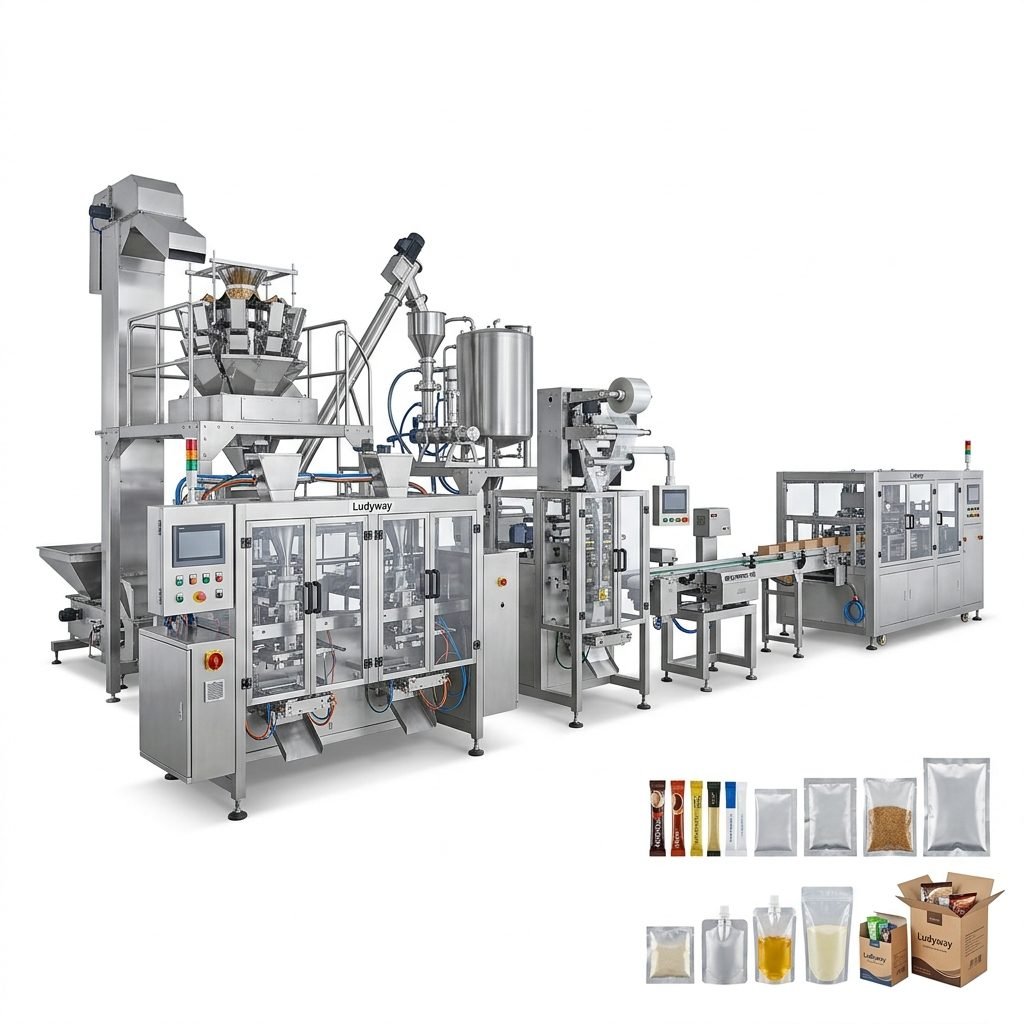
– Do you need a complete turnkey line with upstream and downstream equipment?
3. Evaluate Machine Capabilities and Flexibility
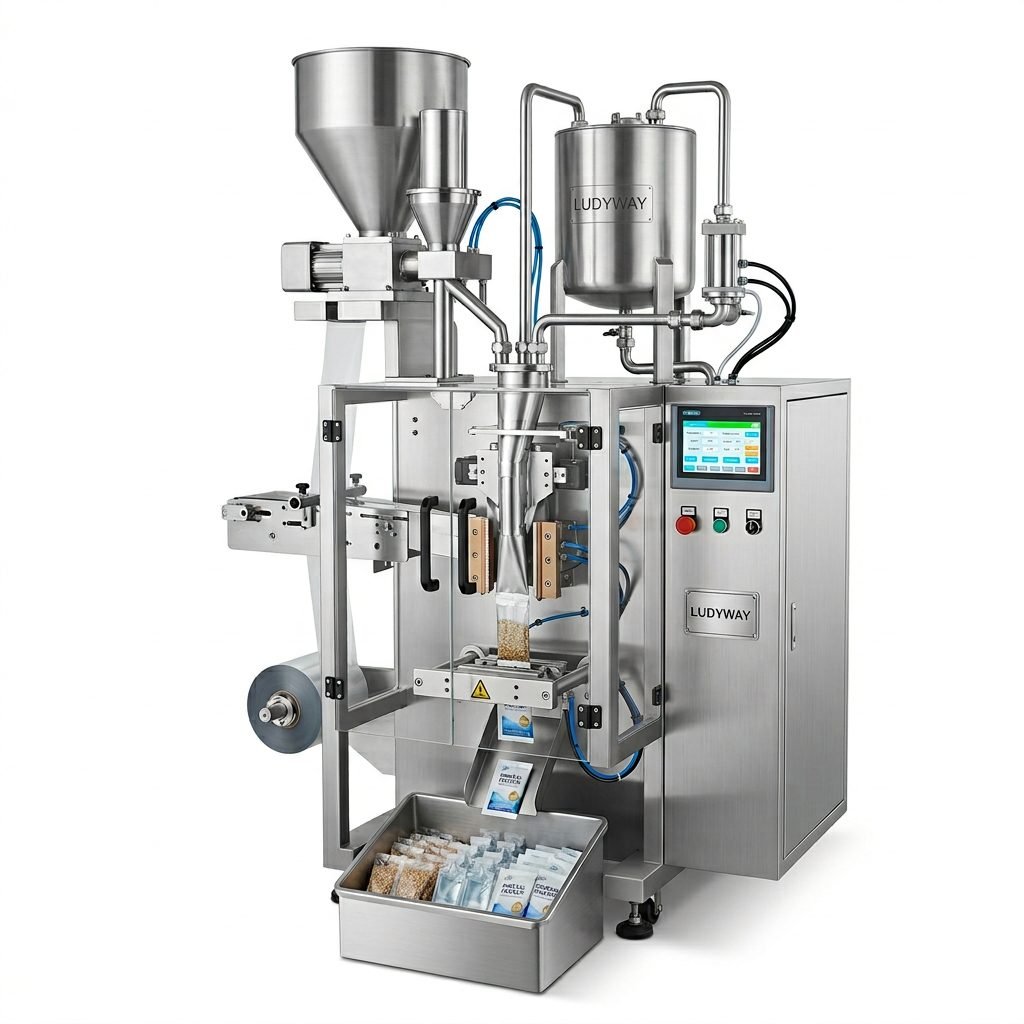
Look for a machine that not only meets your current needs but also offers some flexibility for future products. Key points include changeover time between different package sizes, ease of cleaning and maintenance, and the availability of different filling systems (e.g., volumetric cup, auger, liquid pump) for the same machine frame.
4. Consider Supplier Expertise and Support
The machine manufacturer or supplier is as important as the machine itself. Choose a partner with proven experience in resealable packaging technology. Evaluate their after-sales service, availability of spare parts, technical support, and training offerings. A reliable partner like Ludyway Packaging Machinery, with deep industry knowledge, can ensure a smooth integration and long-term operational success.
5. Budget and Return on Investment (ROI)
While upfront cost is important, consider the total cost of ownership. A more robust and efficient machine might have a higher initial price but lower operating costs, less downtime, and higher output, leading to a faster and greater ROI. Calculate potential savings from reduced waste, lower labor costs, and increased production capacity.
Frequently Asked Questions (FAQs)
1. What is the typical speed range for a resealable pouch machine?
Speeds vary widely based on the machine type and package size. Standard single-lane VFFS machines for medium-sized pouches can run between 40-120 bags per minute. High-speed, multi-lane machines designed for small sachets or stick packs can achieve speeds exceeding 400 packs per minute per lane.
2. Can one machine handle different types of resealable closures?
Many machines are designed to be versatile. With quick-change tooling kits, a single machine can often be configured to run different zipper profiles (e.g., slider zipper vs. press-to-close) or even switch to producing non-resealable packages. It’s essential to discuss this requirement with your supplier during the selection process.
3. How difficult is it to maintain a resealable packaging machine?
Modern machines are designed for easier maintenance. Daily cleaning and lubrication are standard. The complexity depends on the machine’s sophistication. Choosing a supplier that provides comprehensive training, clear manuals, and readily available spare parts, such as experienced packaging solution providers, is crucial for minimizing downtime.
4. What are the common film materials used for resealable packaging?
Common structures include laminates of Polyester (PET) for strength, Nylon for puncture resistance, Aluminum foil (AL) for an absolute barrier, and various Polyethylene (PE) layers as the sealing medium. The zipper itself is typically made from PE or PP. The exact material depends on the product’s barrier requirements (e.g., oxygen, moisture, light).
5. Where can I see these machines in operation or get a test run?
Reputable machinery suppliers typically have demonstration facilities. You can provide your product sample and packaging film to conduct a factory acceptance test (FAT). This allows you to verify machine performance, output quality, and speed before purchase. It is a highly recommended step in the procurement process. You can explore packaging machinery resources to find suppliers that offer this service.