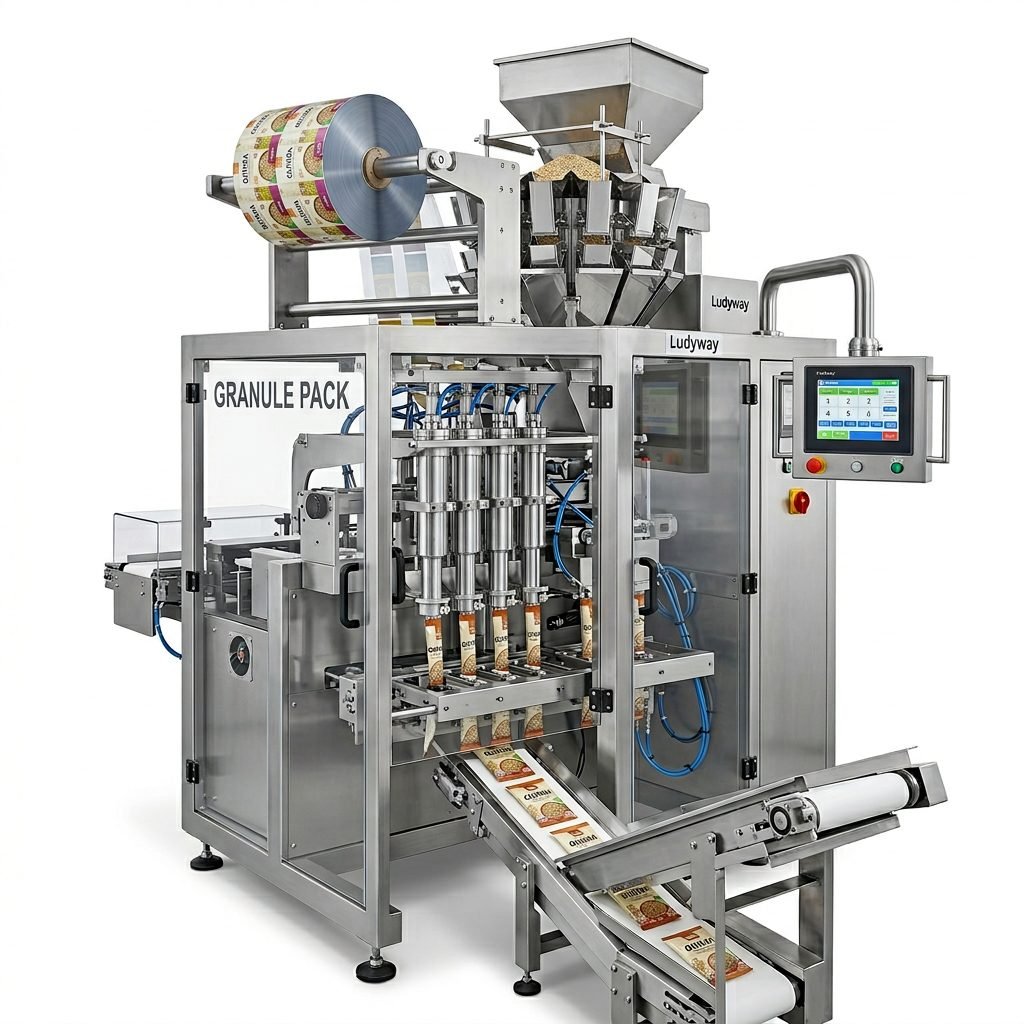
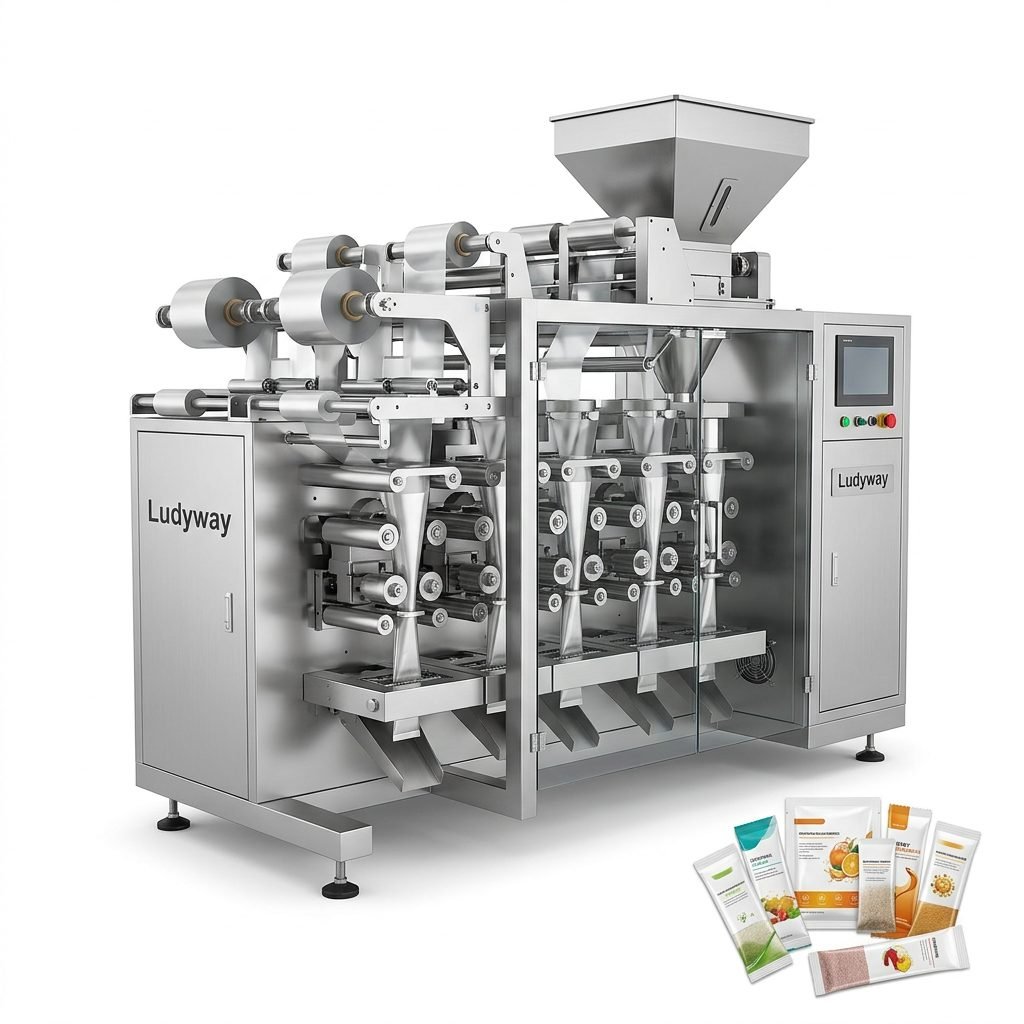
Selecting the right packaging machinery is a critical decision for any manufacturing operation. The right equipment can streamline your production line, reduce waste, ensure product integrity, and ultimately boost your bottom line. This guide provides a comprehensive overview of the different types of packaging machinery available, helping you make an informed choice for your specific needs.
Understanding Primary Packaging Machinery
Primary packaging machinery handles the direct containment of your product. This is the first layer of packaging that consumers interact with.
1. Filling Machines
These machines accurately dispense your product into containers, pouches, or bags. The type you need depends heavily on your product’s form.
Key Consideration: Product viscosity and flow characteristics are paramount. A liquid filling machine for shampoo will differ vastly from one designed for thick pastes or granular coffee.
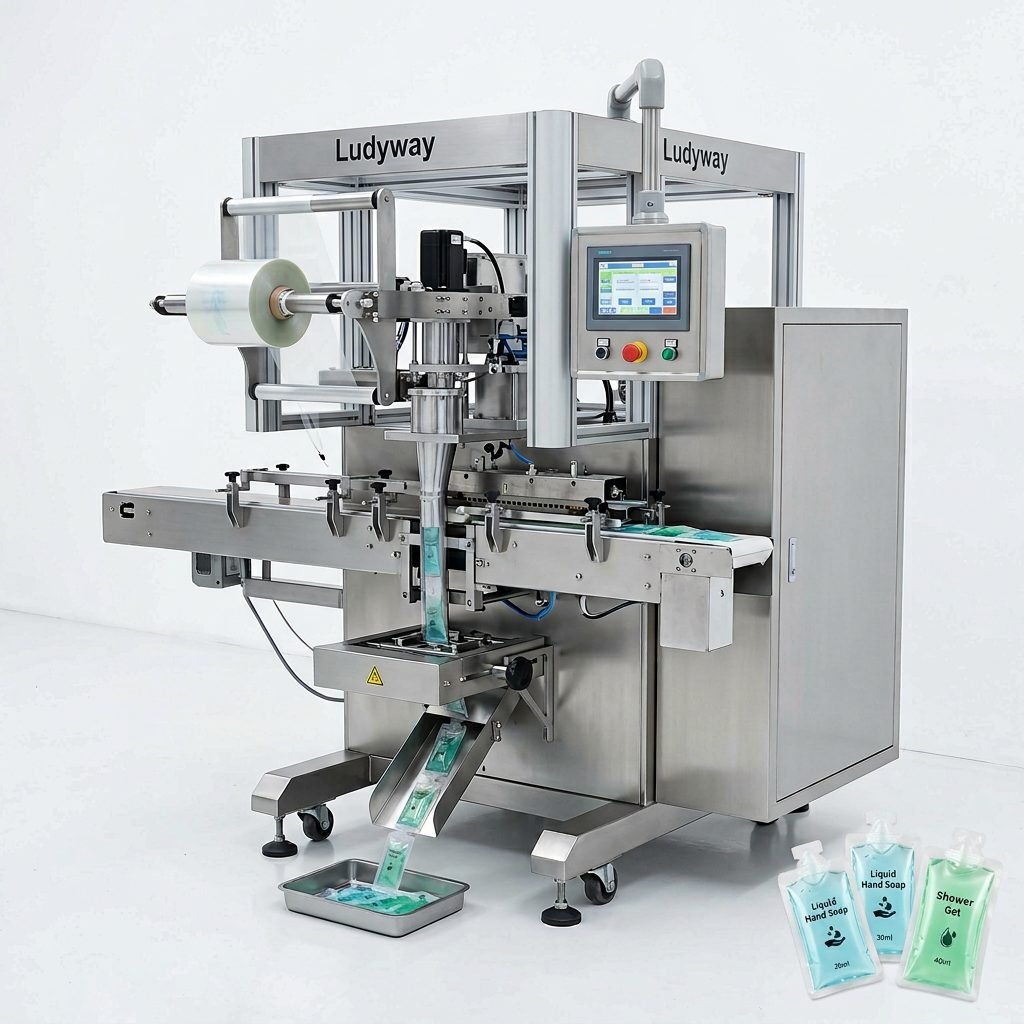
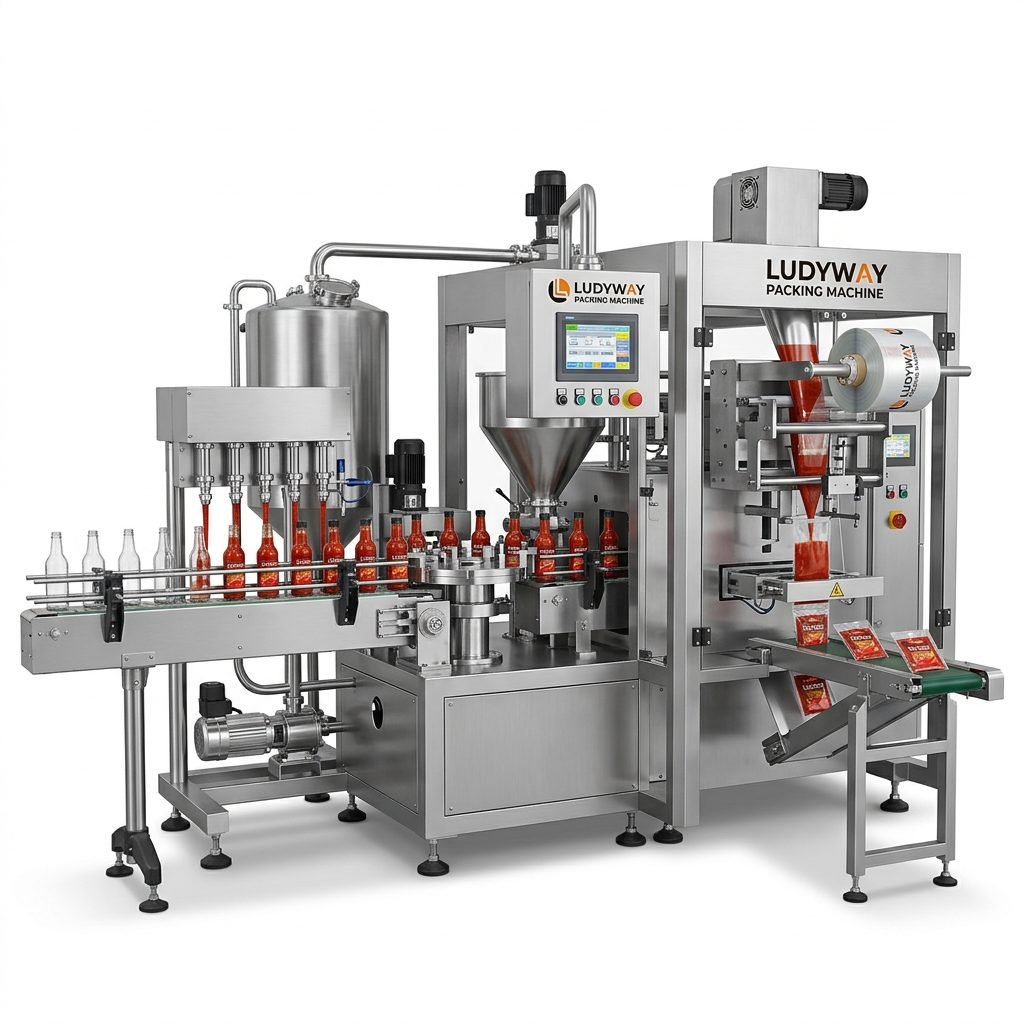
- Liquid Fillers: Ideal for beverages, oils, sauces, and cosmetics. They use technologies like gravity, pressure, or piston pumps.
- Powder Fillers: Designed for flour, spices, protein powders, and pharmaceuticals. Auger fillers are common for their precision.
- Granule Fillers: Used for seeds, snacks, nuts, and hardware. They often employ volumetric cup or weigh scale systems.
2. Form-Fill-Seal (FFS) Machines
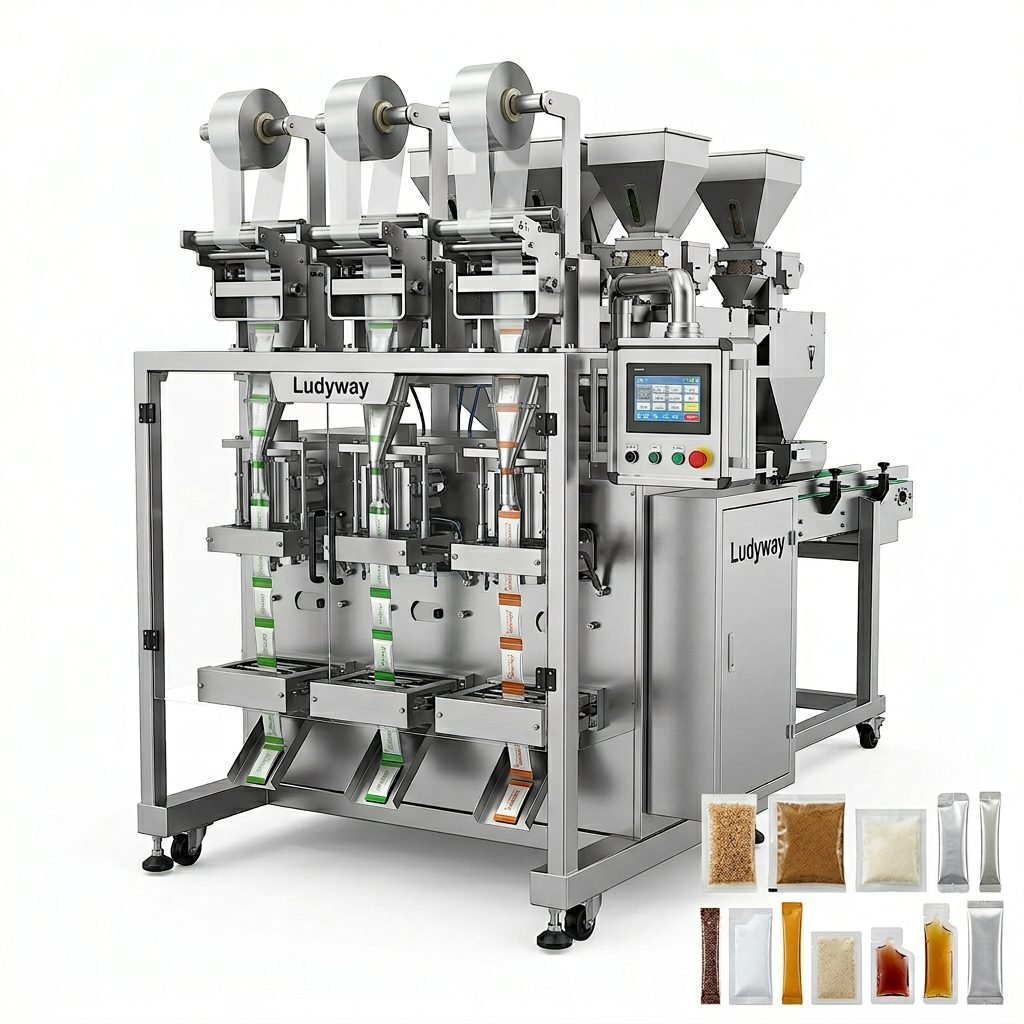
FFS machines are highly versatile and efficient, creating the package from a roll of film, filling it with product, and sealing it—all in one continuous process.
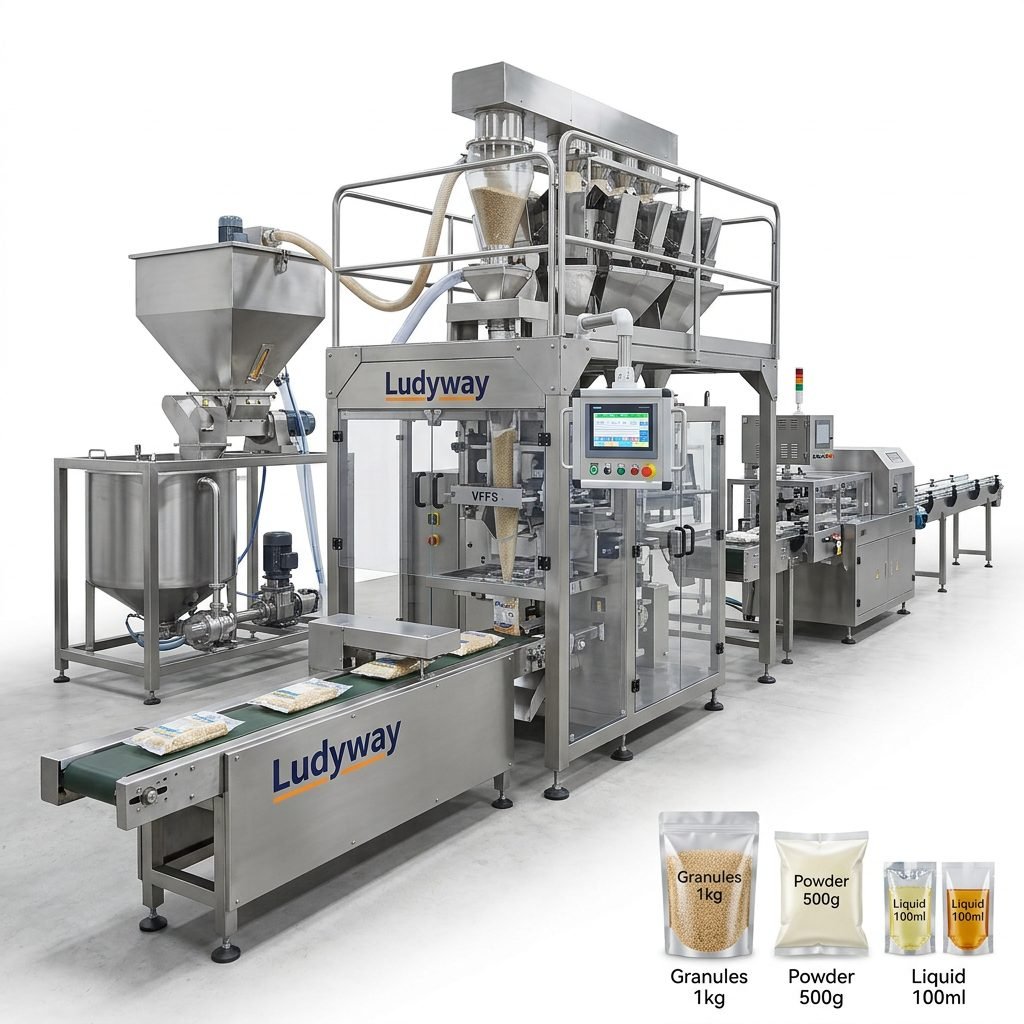
- Vertical Form-Fill-Seal (VFFS): Creates bags that are filled vertically. Perfect for snacks, frozen foods, and granular products. They are space-saving and fast.
- Horizontal Form-Fill-Seal (HFFS): Forms packages on a horizontal plane. Often used for biscuits, candy bars, and medical devices that require specific tray or flow-wrap presentation.
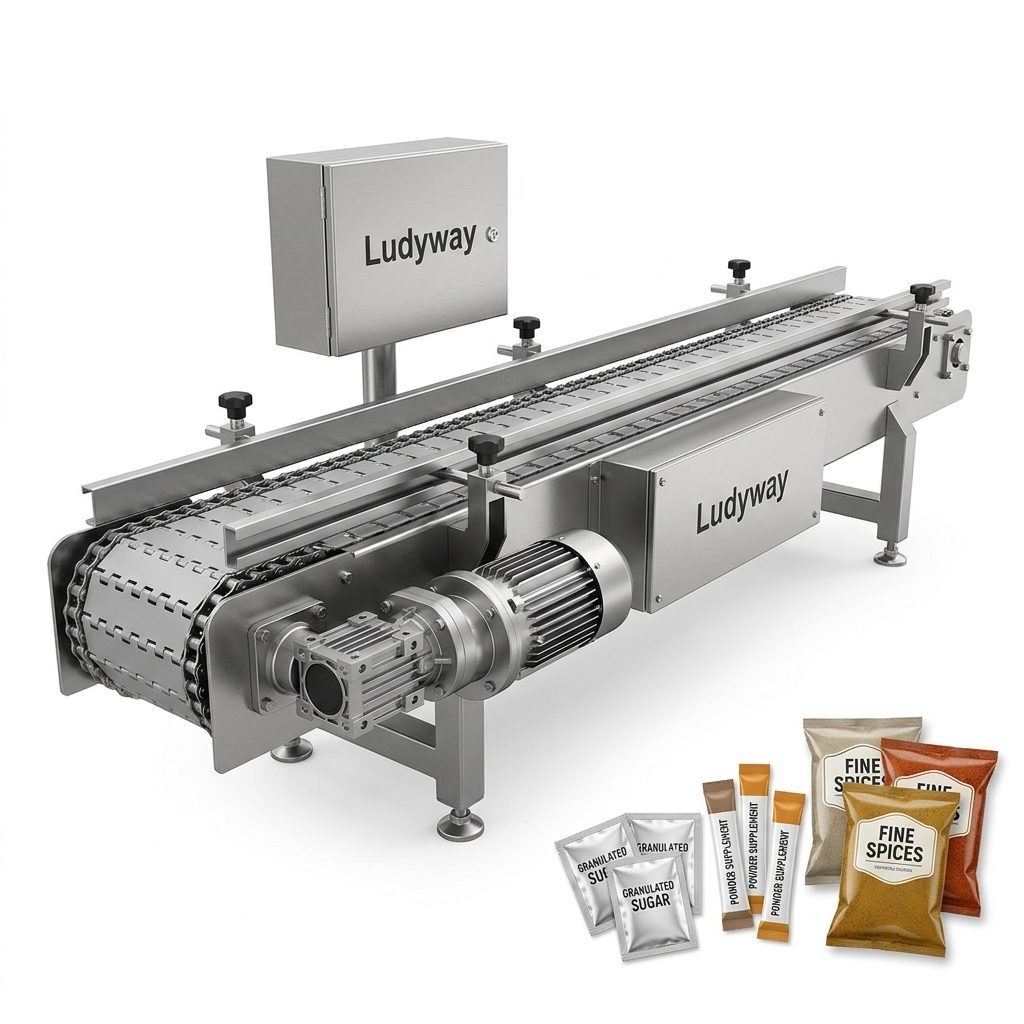
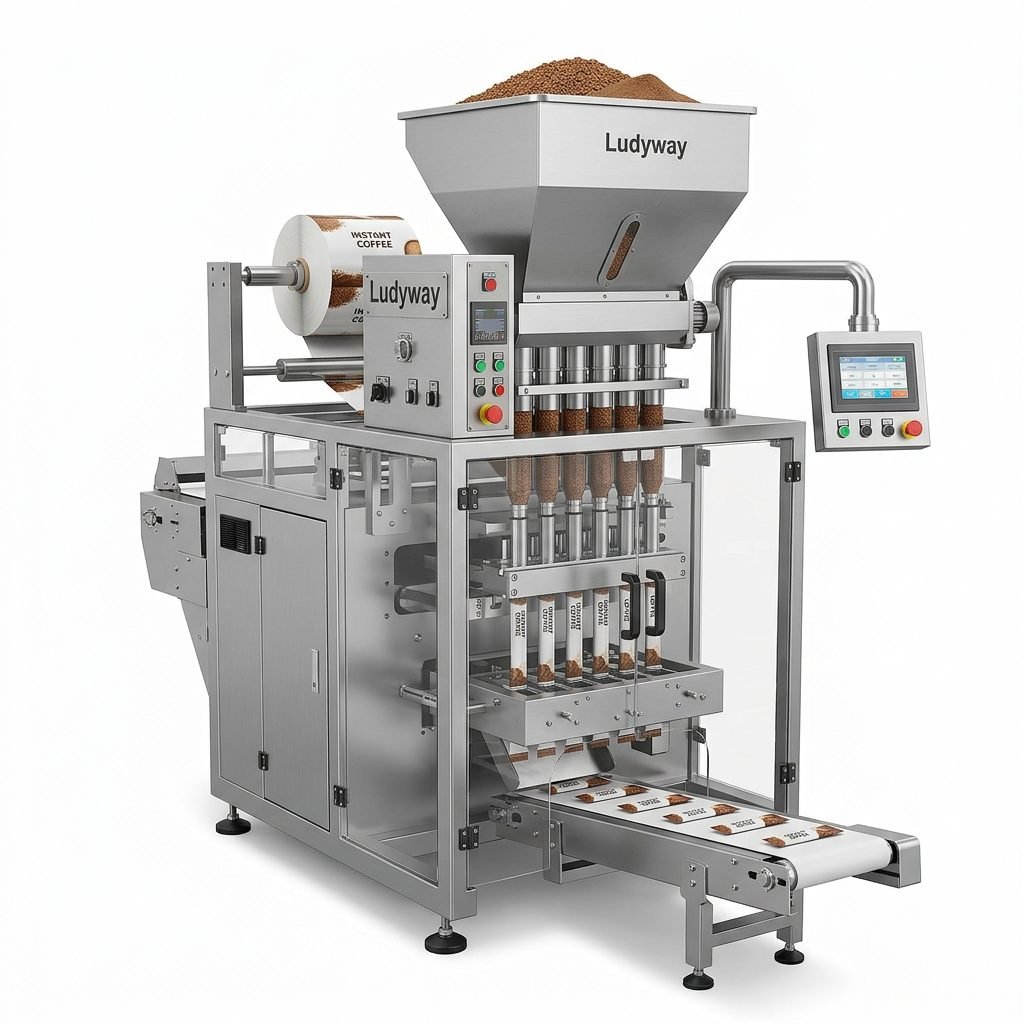
For operations requiring high output of small unit doses, such as sugar, instant coffee, or sauce portions, multi-lane stick pack and sachet packaging systems offer exceptional speed and efficiency, often derived from advanced FFS technology.
Exploring Secondary Packaging Machinery
Secondary packaging groups primary packages for distribution, storage, and retail display.
1. Cartoning Machines
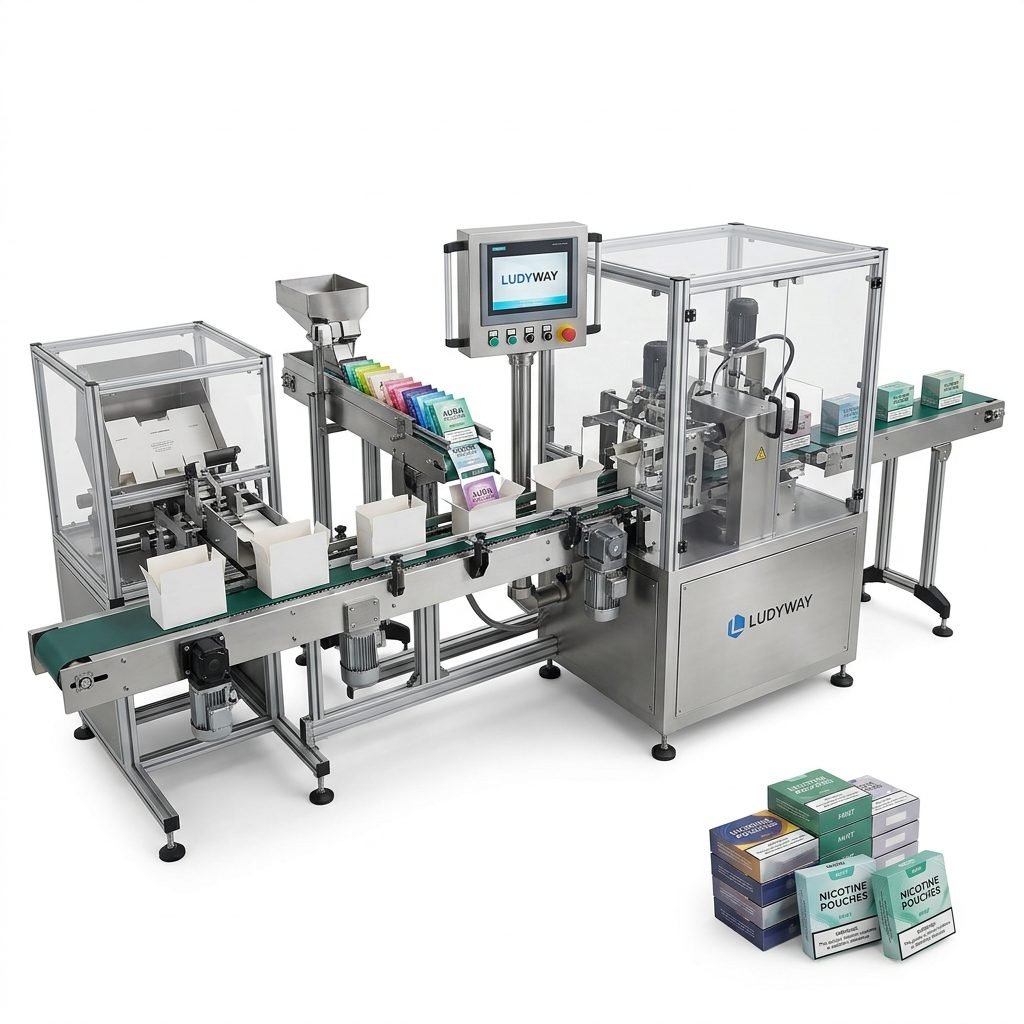
These machines erect, load, and close cartons. They can be:
- End-Load Cartoners: Products are inserted into the open end of a pre-glued carton. Common for bottles, vials, and blister packs.
- Wrap-Around Cartoners: A flat carton blank wraps around the product group, offering a snug, cost-effective fit.
2. Case Packers & Palletizers
This is the realm of bulk handling. Case packers automatically load products into shipping cases, while palletizers arrange those cases onto pallets for stable transport.
Specialized Packaging Equipment
Some products demand unique solutions.
1. Capping, Sealing, & Labeling Machines
Ensuring the package is securely closed and properly identified is crucial.
- Cappers: Apply screw caps, sprayers, or lids onto containers with consistent torque.
- Induction Sealers: Apply a tamper-evident foil liner under a plastic cap using electromagnetic induction.
- Labelers: Apply product labels accurately. Options include pressure-sensitive (sticker) labelers, wrap-around labelers, and hot melt labelers.
2. Wrapping & Bundling Machines
Used for multi-packs, promotional bundling, or protective overwrapping. Stretch wrappers secure pallet loads, while shrink wrappers use heat to tighten film around product bundles.
How to Choose the Right Packaging Machinery: A Step-by-Step Guide
Step 1: Analyze Your Product & Package
This is the foundational step. Define everything: product form (liquid, powder, solid), aggressiveness (acidic, oily), sensitivity (light, oxygen), and your desired package type (pouch, bottle, stick pack).
Step 2: Define Your Production Requirements
Be realistic about your needs.
📈 Output Speed (Units/Minute): Calculate based on peak demand, not averages.
♻ Flexibility: Will you run the same product/package forever, or do you need quick changeovers for different sizes or SKUs?
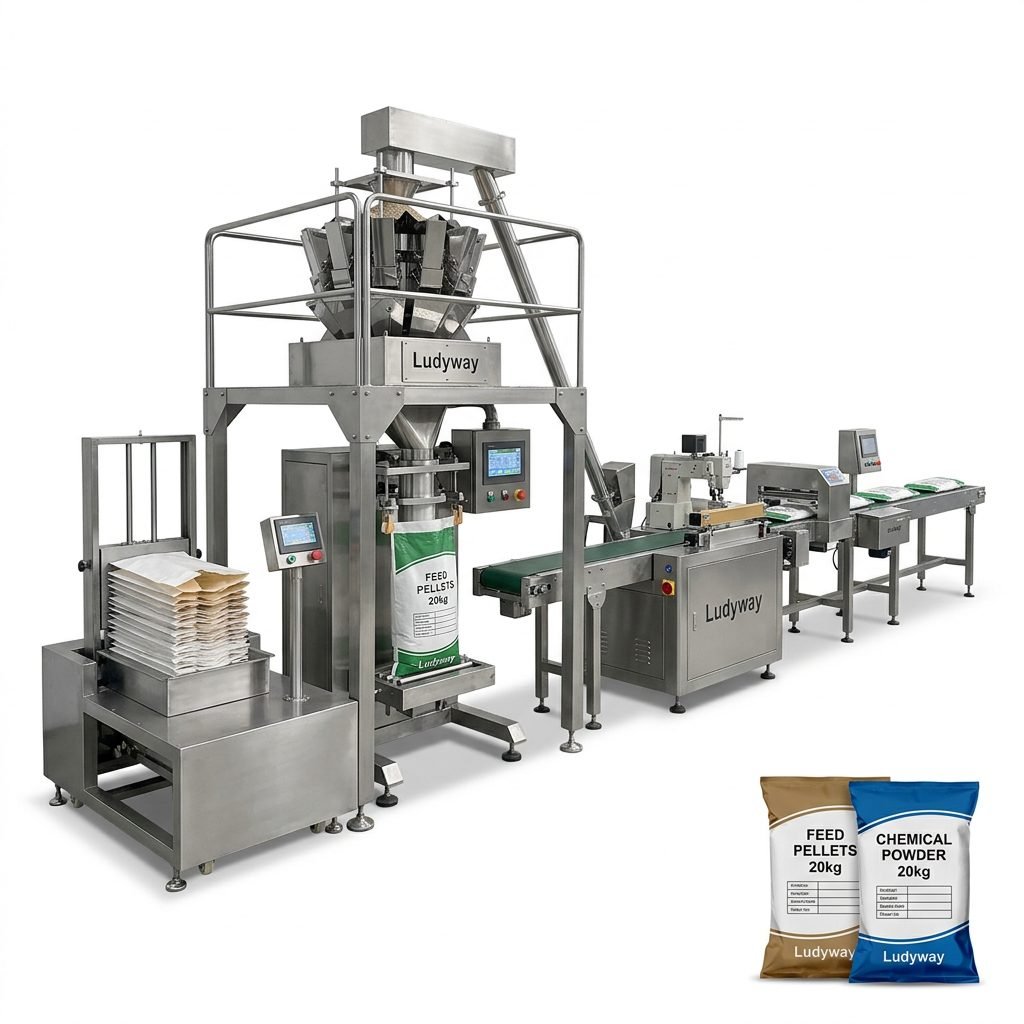
⚙ Automation Level: From semi-automatic (one operator) to fully automated turnkey production line solutions integrated with upstream and downstream equipment.
Step 3: Evaluate Machine Features & Technology
Look beyond the brochure. Prioritize precision (weighing or filling accuracy), construction quality (food-grade stainless steel vs. painted carbon steel), and user-friendliness of the Human-Machine Interface (HMI).
Step 4: Consider the Total Cost of Ownership (TCO)
The purchase price is just the beginning. Factor in:
- Installation & commissioning costs.
- Consumables (film, glue, labels) and their running efficiency.
- Energy consumption.
- Most importantly, after-sales support: Availability of spare parts, technical support, and service contracts from your supplier is critical for minimizing downtime.
Step 5: Select a Reputable Supplier
Partner with a provider who has proven expertise. A supplier with over 30 years of industry experience will understand real-world challenges. Evaluate their testing facilities, ability to provide references, and their commitment to long-term cooperation and innovation. A reliable partner like Ludyway Packing Machine offers more than just a machine; they provide a solution backed by engineering support.
Future Trends in Packaging Machinery
The industry is rapidly evolving. Smart factories and Industry 4.0 integration allow machines to communicate data for predictive maintenance and production optimization. Sustainability is driving demand for machinery that handles recyclable or compostable materials efficiently. Furthermore, the need for flexibility continues to grow, with consumers demanding more variety, leading to machinery designed for rapid changeovers and smaller batch production runs.
Frequently Asked Questions (FAQs)
1. What is the most important factor when choosing packaging machinery?
While many factors are important, achieving a deep understanding of your specific product characteristics and production volume requirements is the most critical first step. A machine perfect for free-flowing granules may fail completely with a cohesive powder.
2. Should I choose a stand-alone machine or a complete integrated line?
For new or low-volume production, a stand-alone machine is a lower-risk investment. For established, high-volume production seeking maximum efficiency and labor savings, an integrated, turnkey production line designed by a single supplier often provides better long-term ROI and smoother operation.
3. How can I ensure the machine will be reliable and supported after purchase?
Choose a supplier with a strong reputation for quality and service. Inquire about their technical support network, spare parts inventory, and training programs. A company serving a global clientele typically has robust support structures in place.
4. What’s the difference between semi-automatic and fully automatic machines?
Semi-automatic machines require an operator to perform certain tasks (e.g., placing containers, initiating cycles). Fully automatic machines handle the entire process from infeed to discharge with minimal human intervention, offering higher speed and consistency but at a higher initial cost.
5. How do I prepare my facility for a new packaging machine?
Preparation involves ensuring you have the correct utility connections (power, air, water), sufficient space for the machine and material flow, and a stable, level floor. Always work closely with your machinery supplier during the planning phase for a seamless installation.