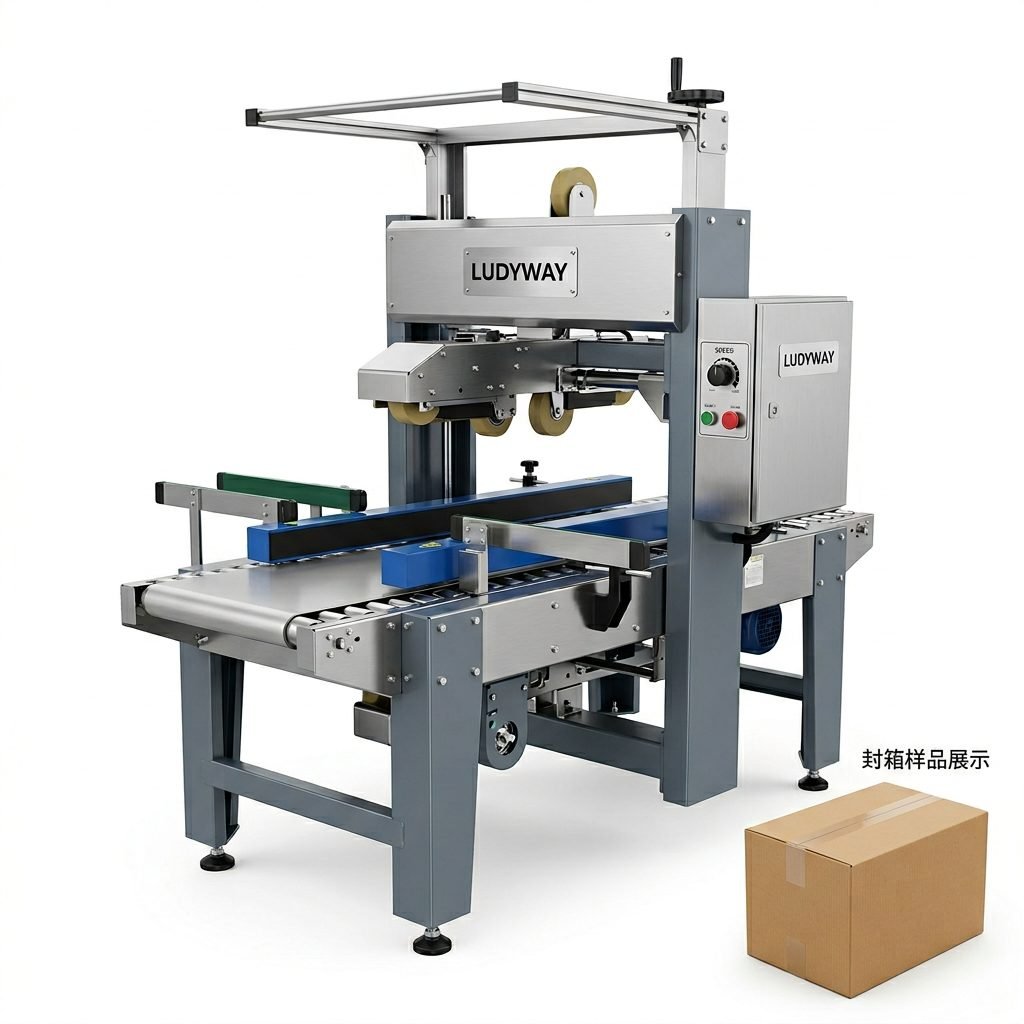
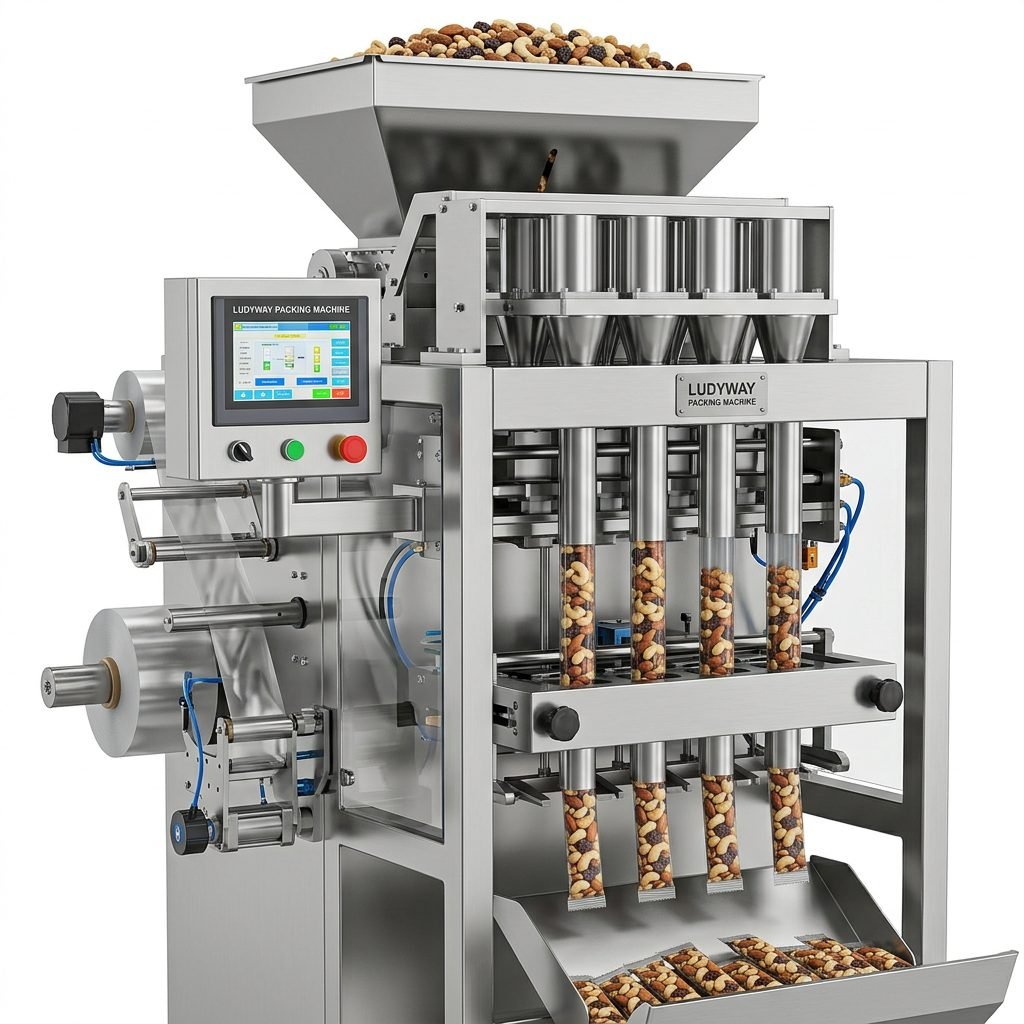
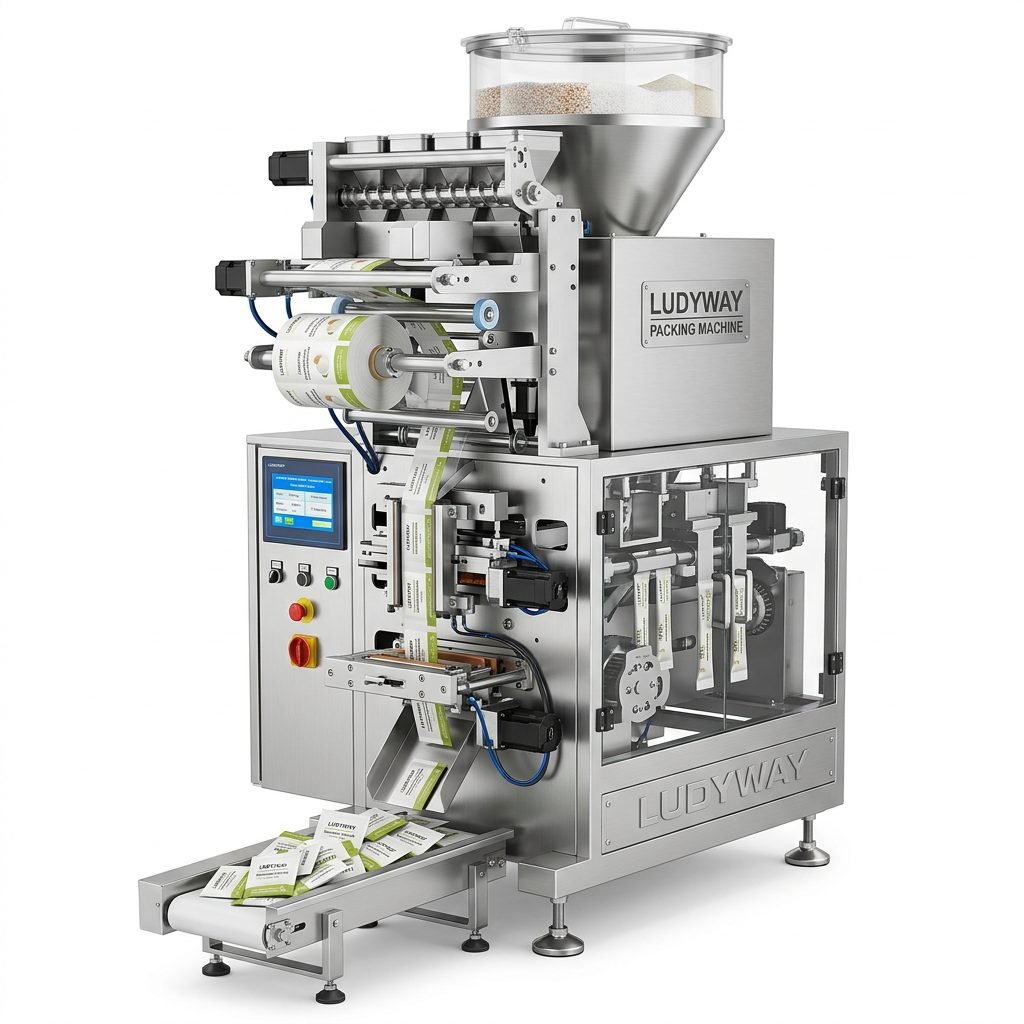
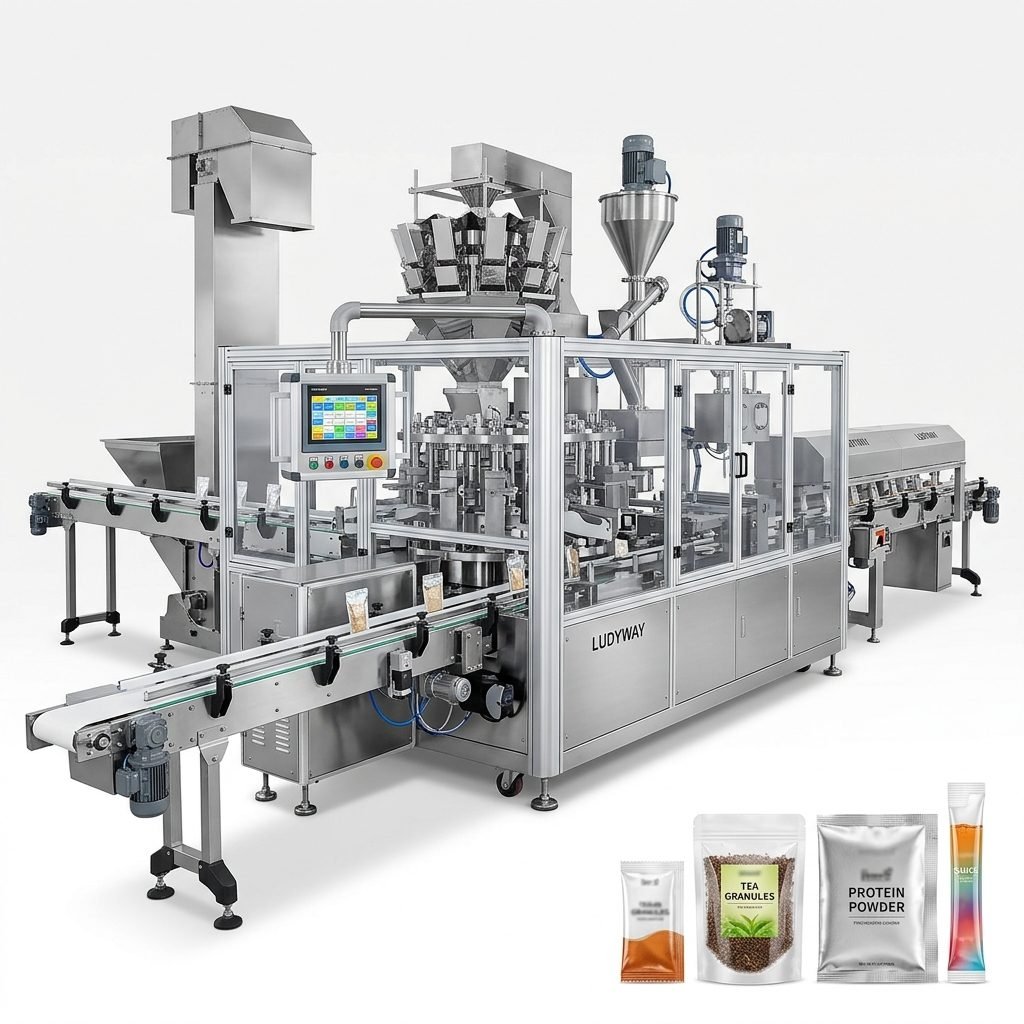
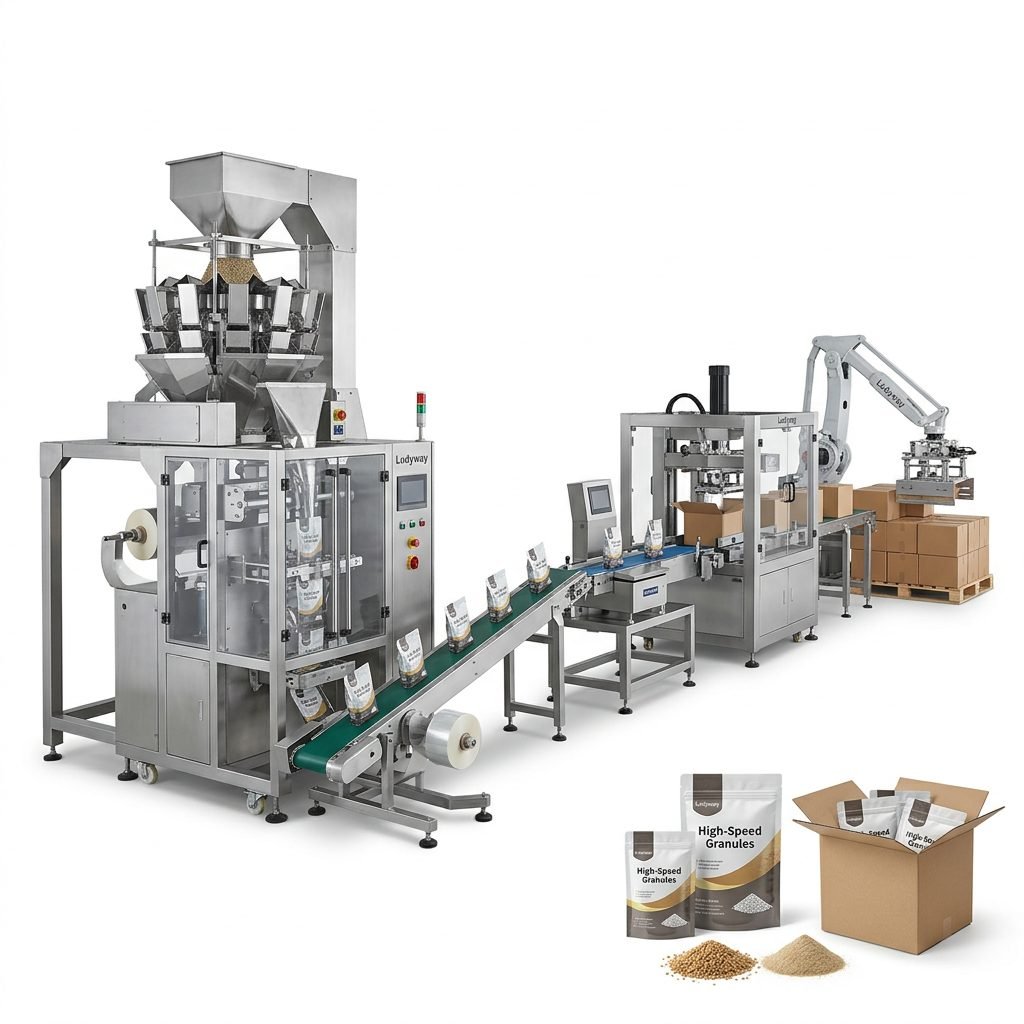
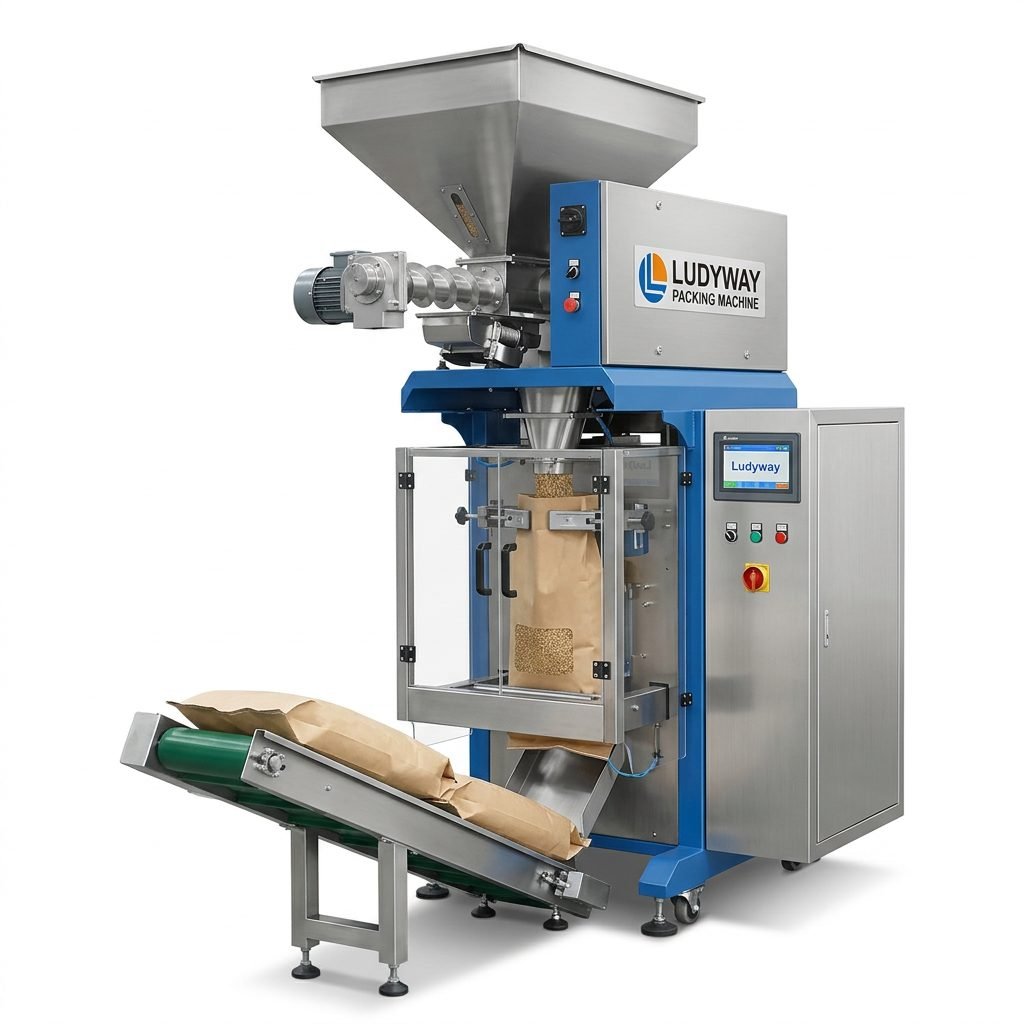
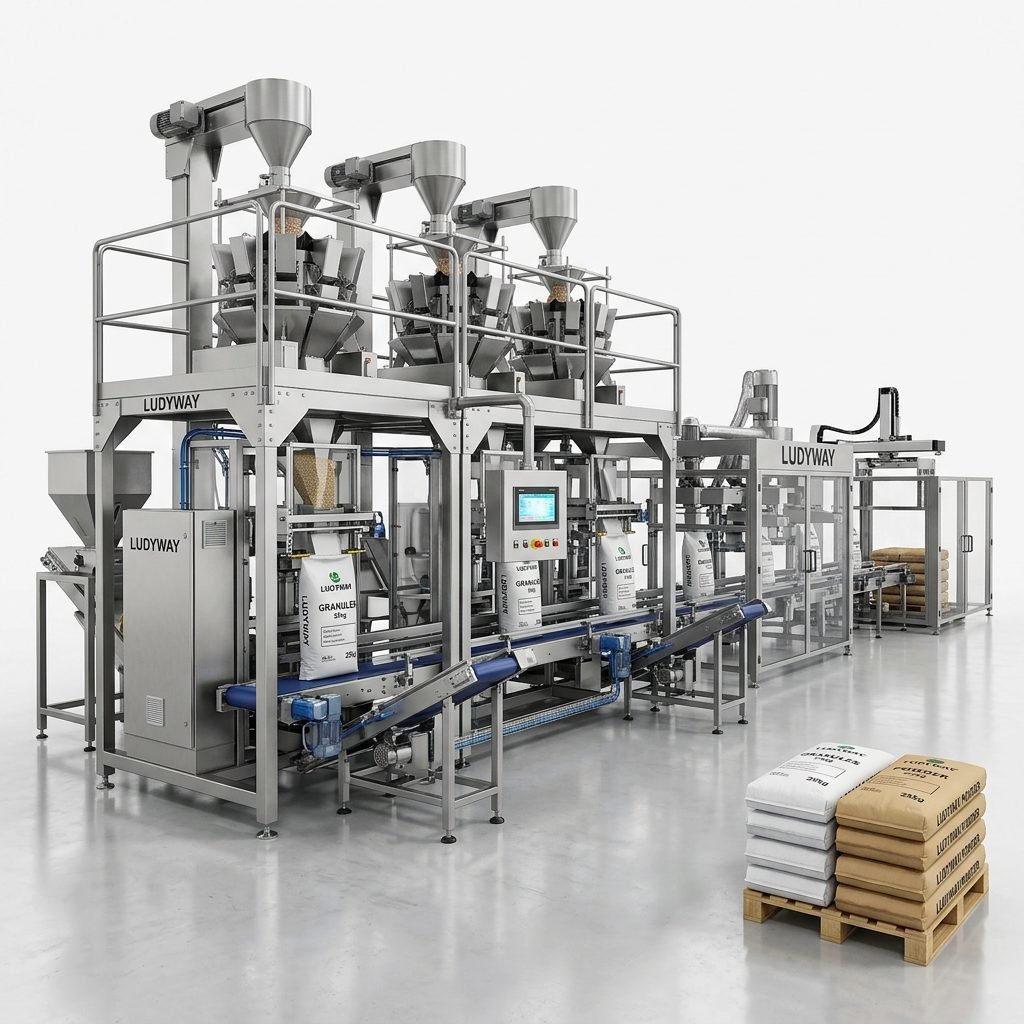
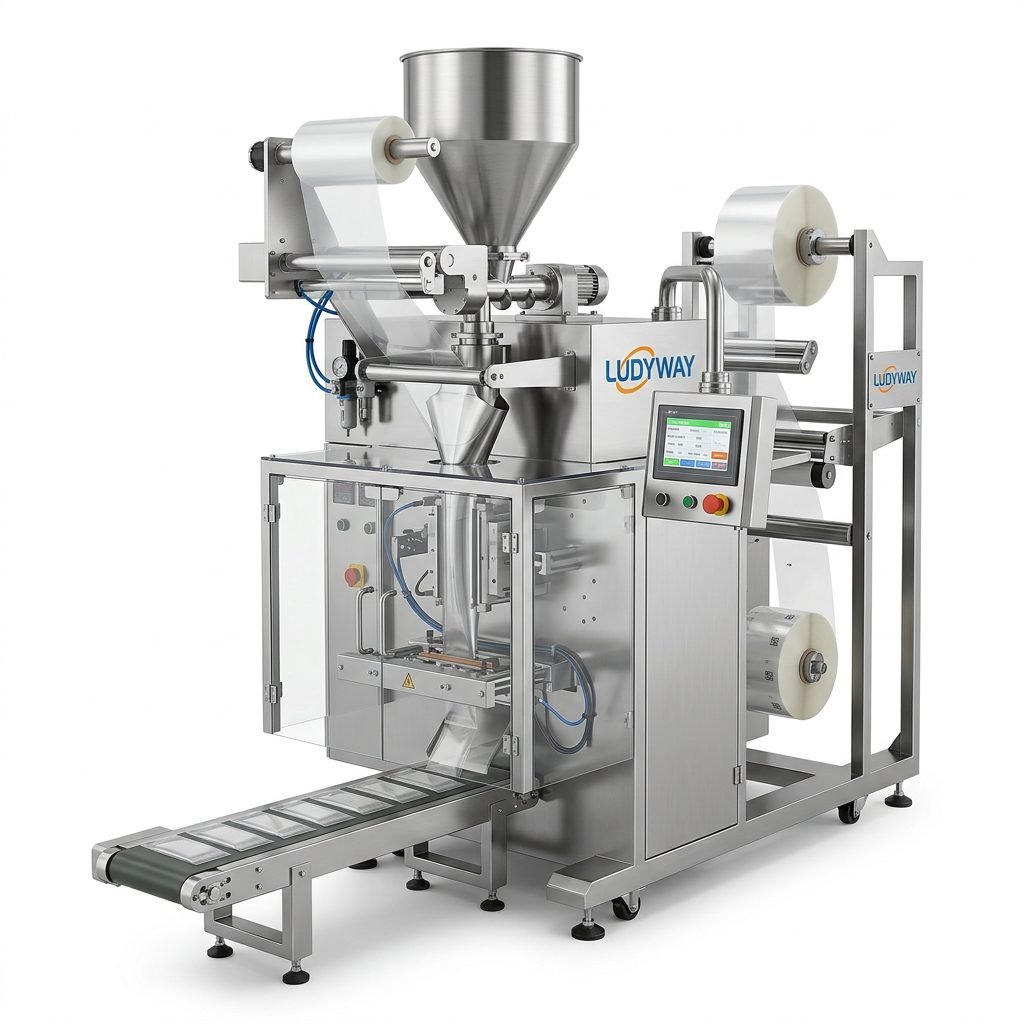
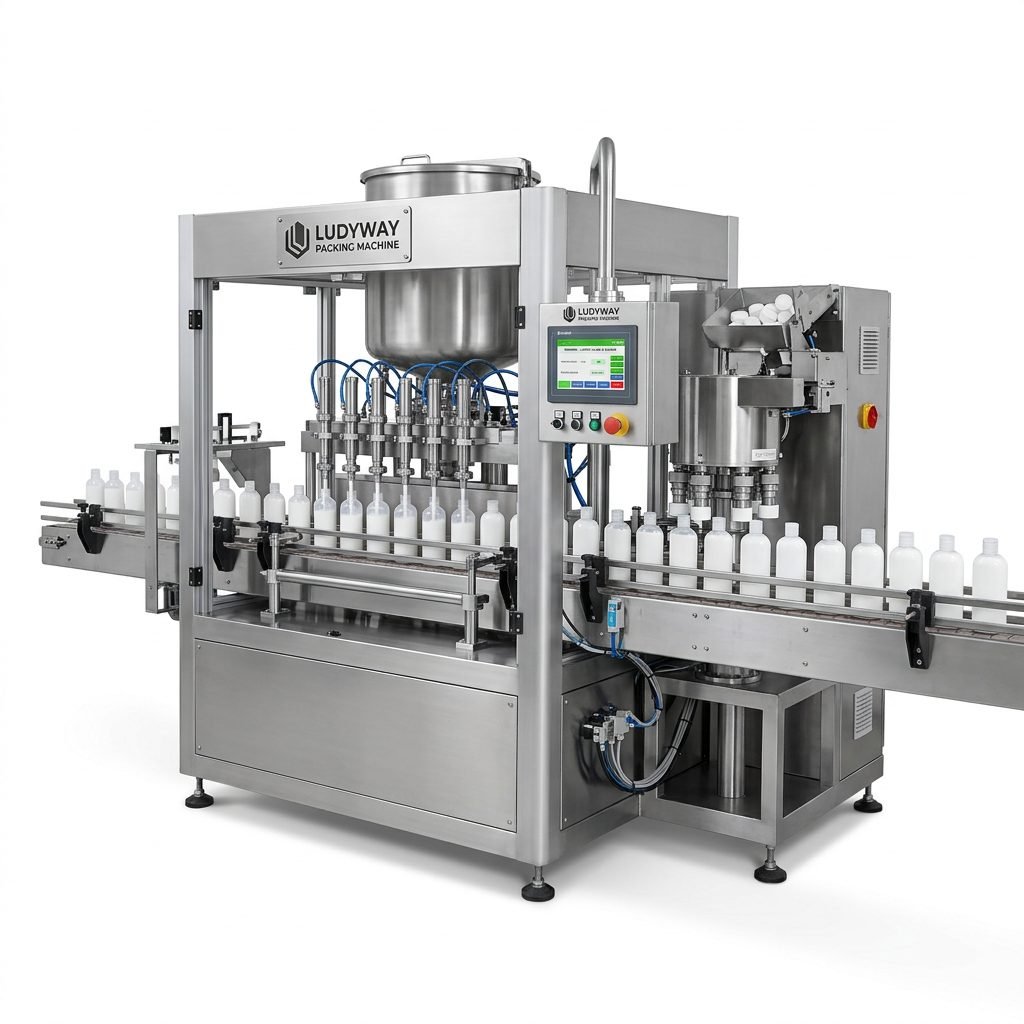
Proper maintenance of a silage packing machine is the cornerstone of maximizing operational uptime and extending equipment service life. Without a structured maintenance protocol, even the most robust machinery is subject to premature wear, unexpected downtime, and costly repairs. This guide outlines essential maintenance tips designed to keep your silage packing equipment running at peak efficiency season after season.
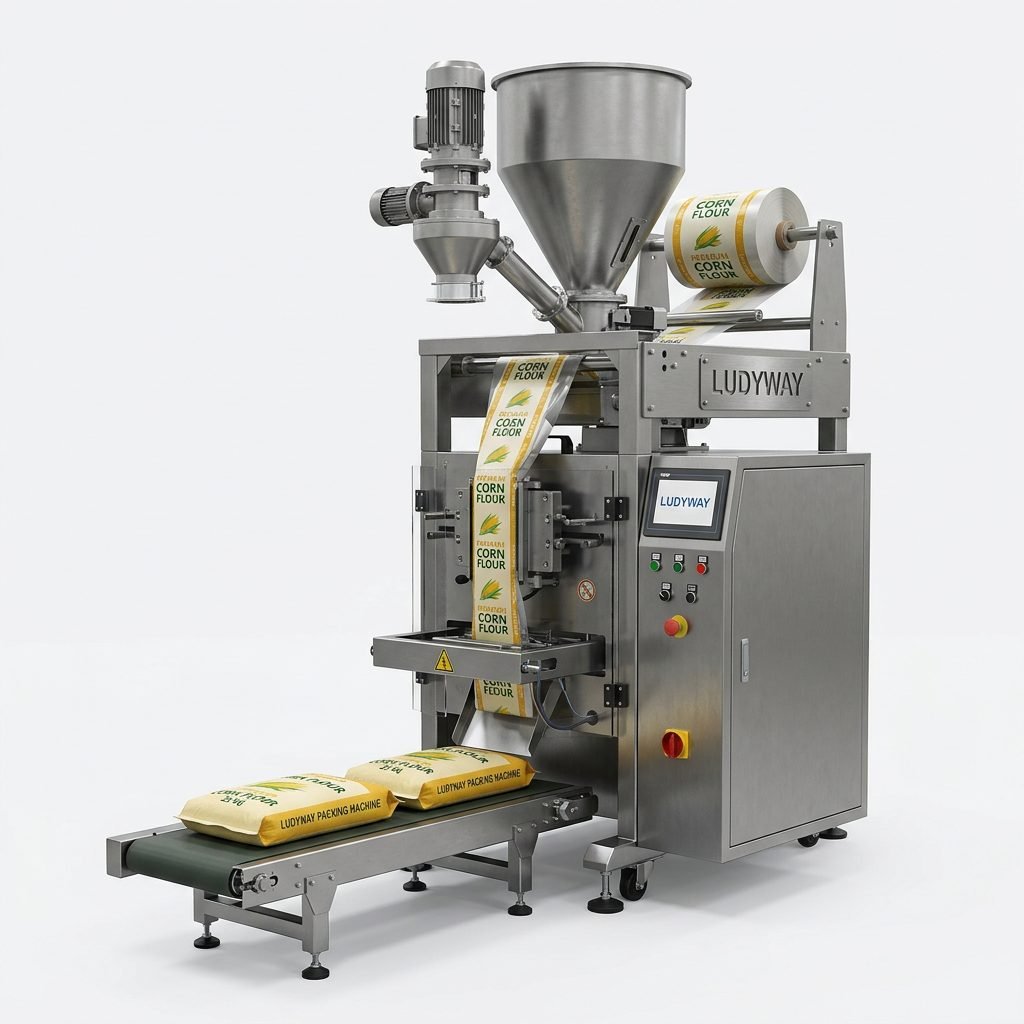
Daily Cleaning and Debris Removal
Accumulated silage residue, dust, and moisture are the primary enemies of moving parts. After each production cycle, operators should perform a thorough cleaning of the packing chamber, rollers, and sealing jaws. Use compressed air to blow out fine particles from hard-to-reach areas, and wipe down surfaces with a dry, lint-free cloth. Neglecting this step can lead to corrosion on metal components and inconsistent sealing quality, directly impacting the integrity of the packed product.
Lubrication of Bearings, Chains, and Gears
Friction is a silent killer of packaging machinery. A consistent lubrication schedule is critical for all moving assemblies. Refer to the manufacturer’s manual to identify the correct food-grade lubricant for each application point.
- Chains and sprockets: Lubricate weekly to prevent elongation and uneven wear.
- Linear bearings and guide rods: Apply a thin film of grease bi-weekly.
- Rotary sealing mechanisms: Check oil levels daily and top off as needed.
- Pneumatic cylinders: Ensure the air supply is clean and dry; add a few drops of pneumatic oil if specified.
Over-lubrication can be as harmful as under-lubrication, attracting more dust and creating a paste that accelerates abrasion. Always wipe away excess lubricant after application.
Inspection and Replacement of Wear Components
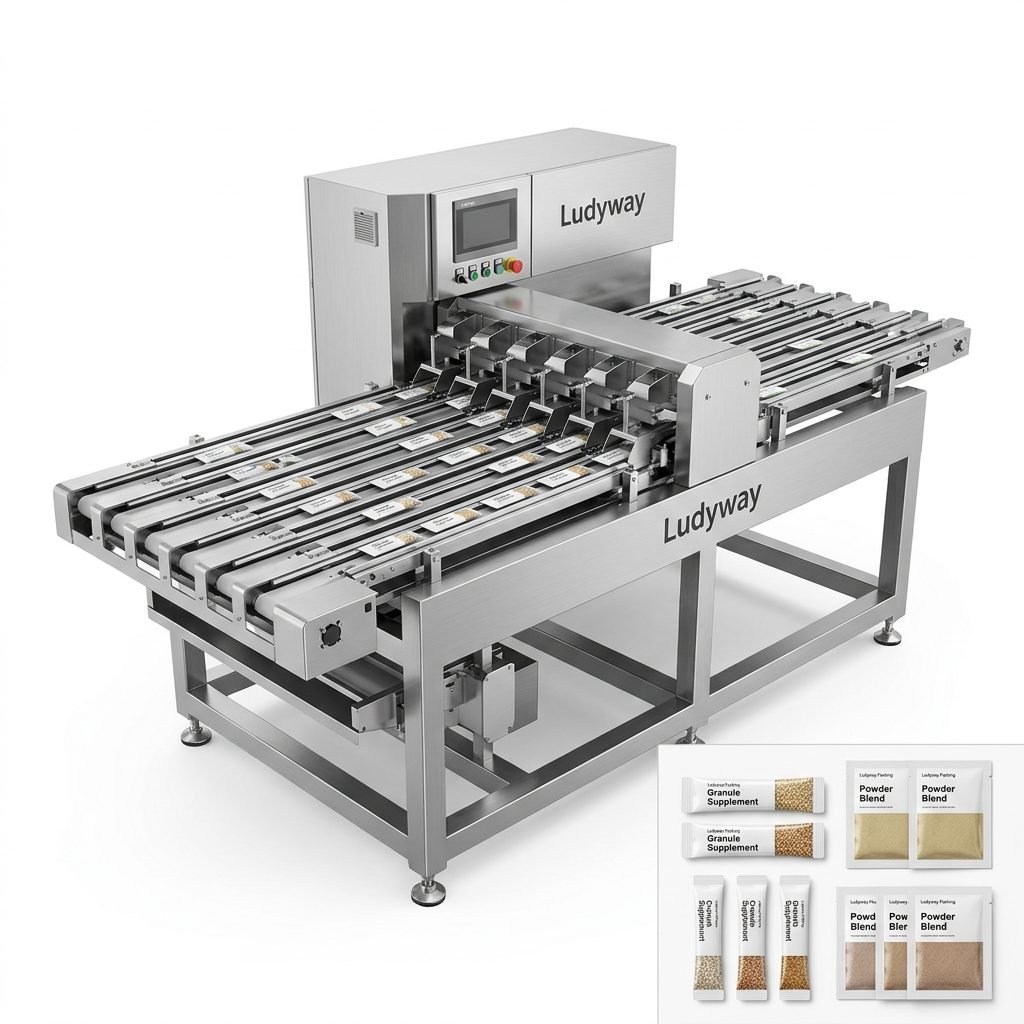
Certain components are designed to be sacrificial and require regular inspection. The sealing belts, heating elements, and Teflon-coated strips on a silage packing machine degrade over time due to constant heat and pressure cycles. Create a log to track the service hours of each component.
Key Indicators for Immediate Replacement
- Uneven seal patterns or wrinkles on the finished silage bag.
- Scorching or discoloration on the film surface indicating overheating.
- Unusual noises such as grinding, squealing, or clicking during operation.
- Excessive vibration in the packing head or conveyor system.
Calibration of Tension and Pressure Settings
Precision is key in silage packing to ensure airtight seals without damaging the packaging film. Film tension and jaw pressure must be calibrated regularly. Use a tension meter to verify that the film unwind is smooth and consistent. Incorrect tension will cause film misalignment, leading to product leakage and exposure to oxygen, which compromises silage quality.
For pneumatic systems, check the pressure gauge readings against the recommended specifications in the equipment documentation. Low pressure results in weak seals, while excessive pressure accelerates wear on the sealing jaws and reduces energy efficiency.
Scheduled Maintenance Planner
Implementing a structured maintenance schedule reduces reactive repairs and extends machine longevity. Use the table below as a template for your preventive maintenance program.
| Maintenance Task | Frequency | Critical Action Points |
|---|---|---|
| Clean packing chamber and rollers | Daily | Remove all organic residue; use compressed air |
| Inspect sealing belts and Teflon strips | Weekly | Look for cuts, delamination, or uneven wear |
| Lubricate chains, bearings, and guide rails | Weekly | Use manufacturer-recommended lubricant grades |
| Verify film tension and jaw alignment | Bi-Weekly | Calibrate with tension meter; adjust air pressure |
| Inspect electrical connections and sensors | Monthly | Check for loose wires, corrosion, and signal integrity |
| Comprehensive professional overhaul | Annually | Replace all wear components and recalibrate fully |
Electrical System and Sensor Integrity
Modern silage packing machines rely heavily on PLC controllers, photoelectric sensors, and temperature probes. Dust and moisture infiltration can cause intermittent faults that are difficult to diagnose. Perform the following checks regularly:
- Inspect all cable glands and connectors for tightness and signs of corrosion.
- Clean optical sensors with an approved electronics cleaner to maintain accurate detection.
- Monitor temperature readings from heating cartridges; replace any that show fluctuations.
- Keep electrical cabinets sealed and replace desiccant bags every three months in humid environments.
Always follow relevant safety guidelines and lockout/tagout procedures before accessing electrical compartments.
Seasonal Maintenance Considerations
Silage operations are often seasonal, which means machinery may sit idle for extended periods. Proper off-season storage is just as important as in-season maintenance.
- Before storage: Thoroughly clean all contact surfaces, apply a protective coating of food-grade corrosion inhibitor, and disconnect power sources.
- During storage: Cover the machine with breathable material to prevent dust accumulation while allowing moisture to escape.
- Before startup: Replace all lubrication points, run the machine empty for several cycles to verify alignment, and recalibrate temperature and pressure settings.
Professional Service and Genuine Spare Parts
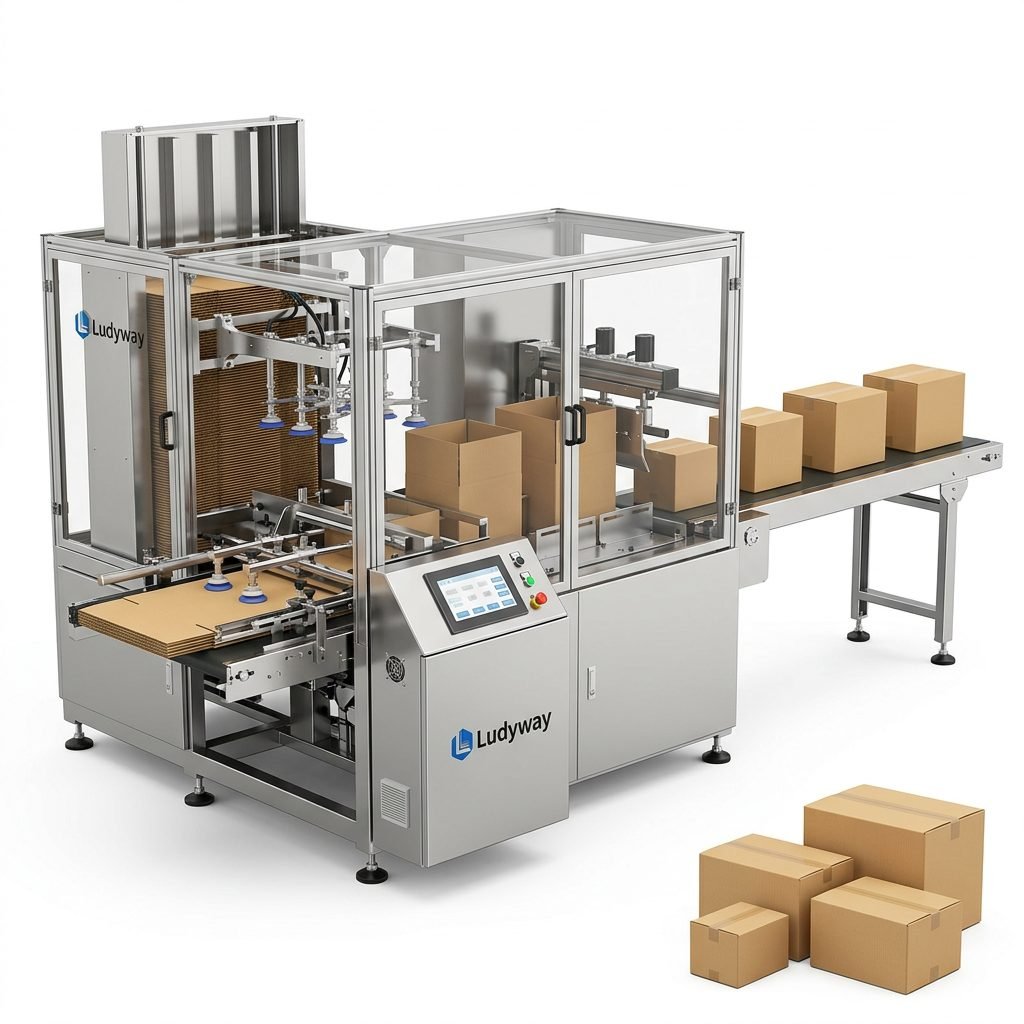
While daily and weekly checks can be handled by in-house operators, certain tasks require specialized expertise. Annual professional servicing should include full disassembly of the sealing unit, verification of PLC logic, and dynamic balancing of rotating assemblies. For operators seeking reliable support, consulting an experienced packaging machine manufacturer like Ludyway ensures access to genuine spare parts, technical documentation, and remote diagnostic assistance. Using counterfeit or incompatible components can lead to catastrophic failure and void warranty coverage.
Documentation and Continuous Improvement
Every maintenance action should be logged in a digital or physical record. This historical data helps identify recurring issues and optimize replacement intervals. Trend analysis of component lifecycles can significantly reduce inventory costs and prevent unscheduled downtime. Link your maintenance records to the machine’s serial number and share insights with your equipment supplier to receive tailored preventive recommendations.
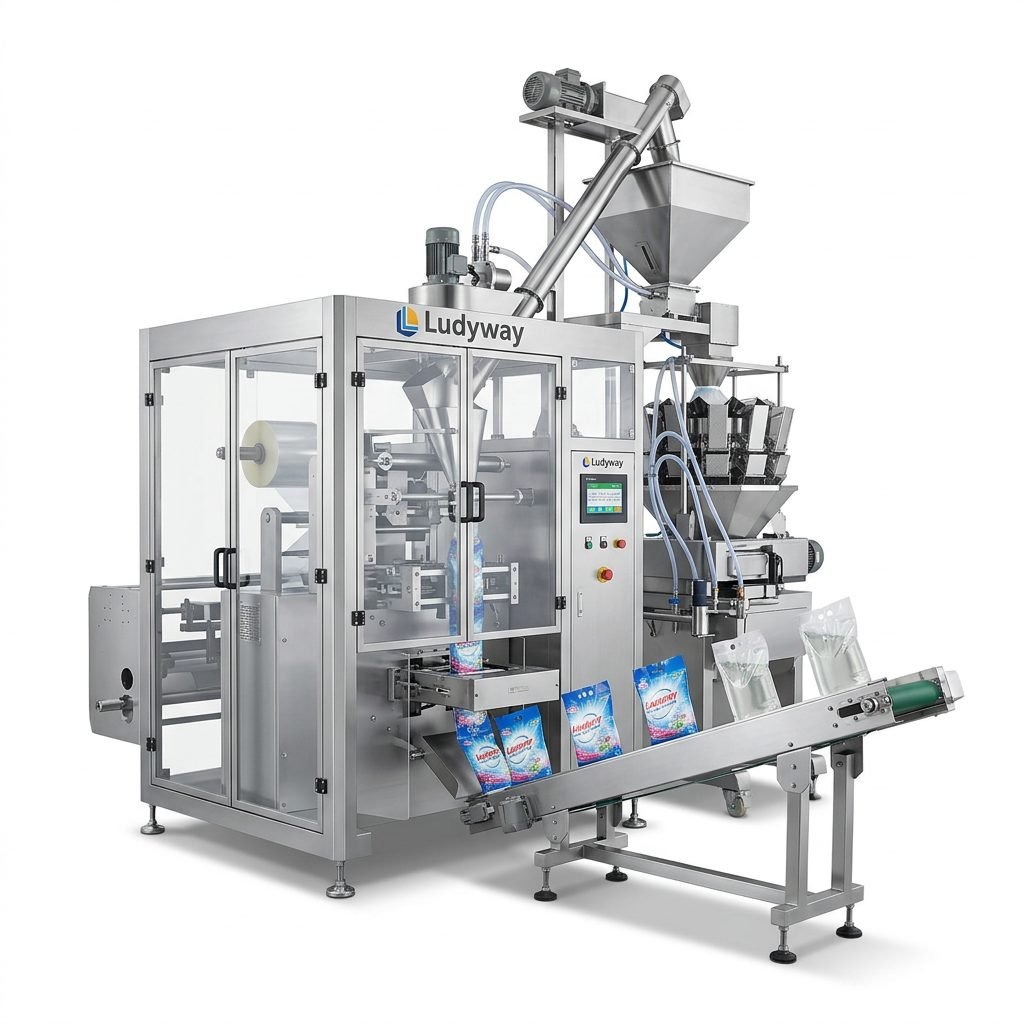
A disciplined approach to maintaining your silage packing machine directly translates to higher throughput, better seal integrity, and a longer service life. By integrating these essential maintenance tips into your operational routine and partnering with a knowledgeable industry resource, you protect both your investment and the quality of your silage output.