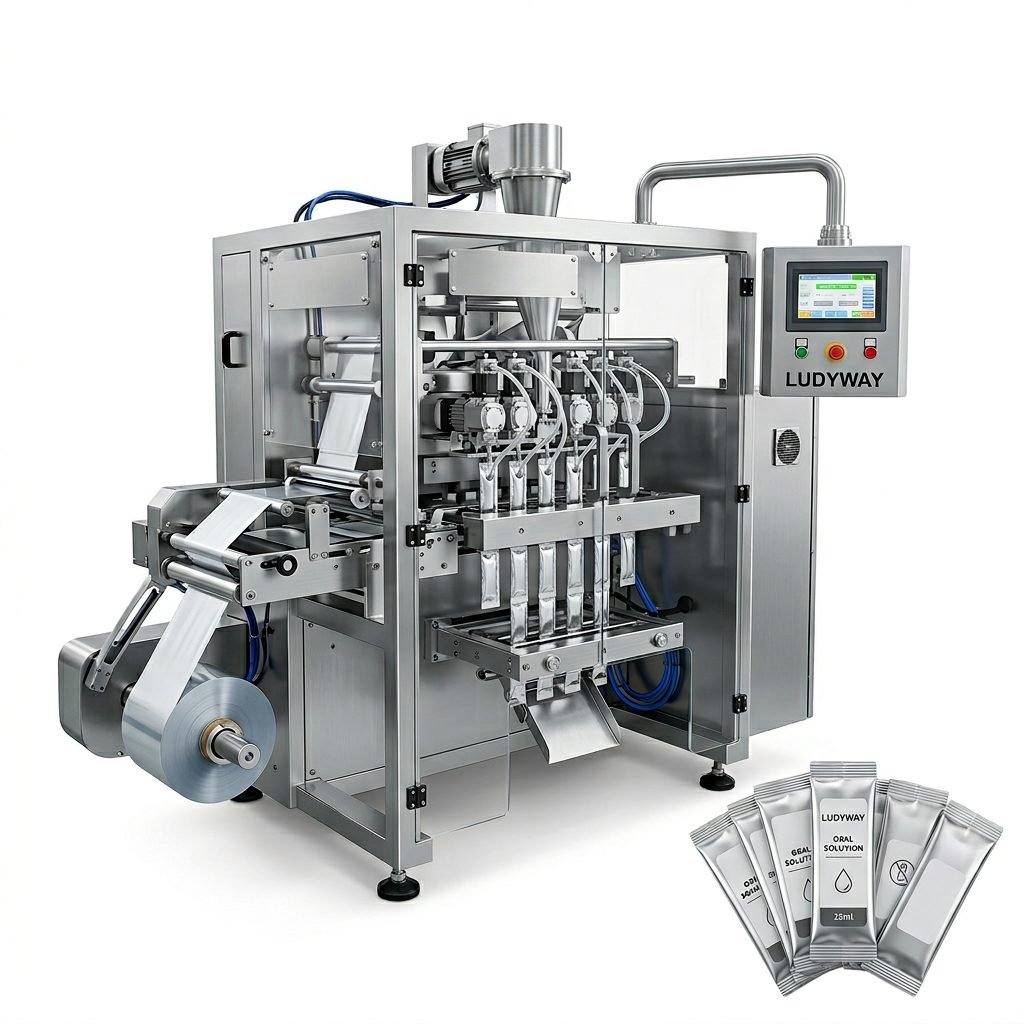
Germany represents one of the largest and most technologically advanced packaging markets in Europe. For food manufacturers, condiment producers, and industrial kitchens, investing in a sauce pouch packaging machine is a strategic decision that impacts production efficiency, product quality, and regulatory compliance. This guide covers everything you need to know before purchasing a sauce sachet packaging system in the German market.
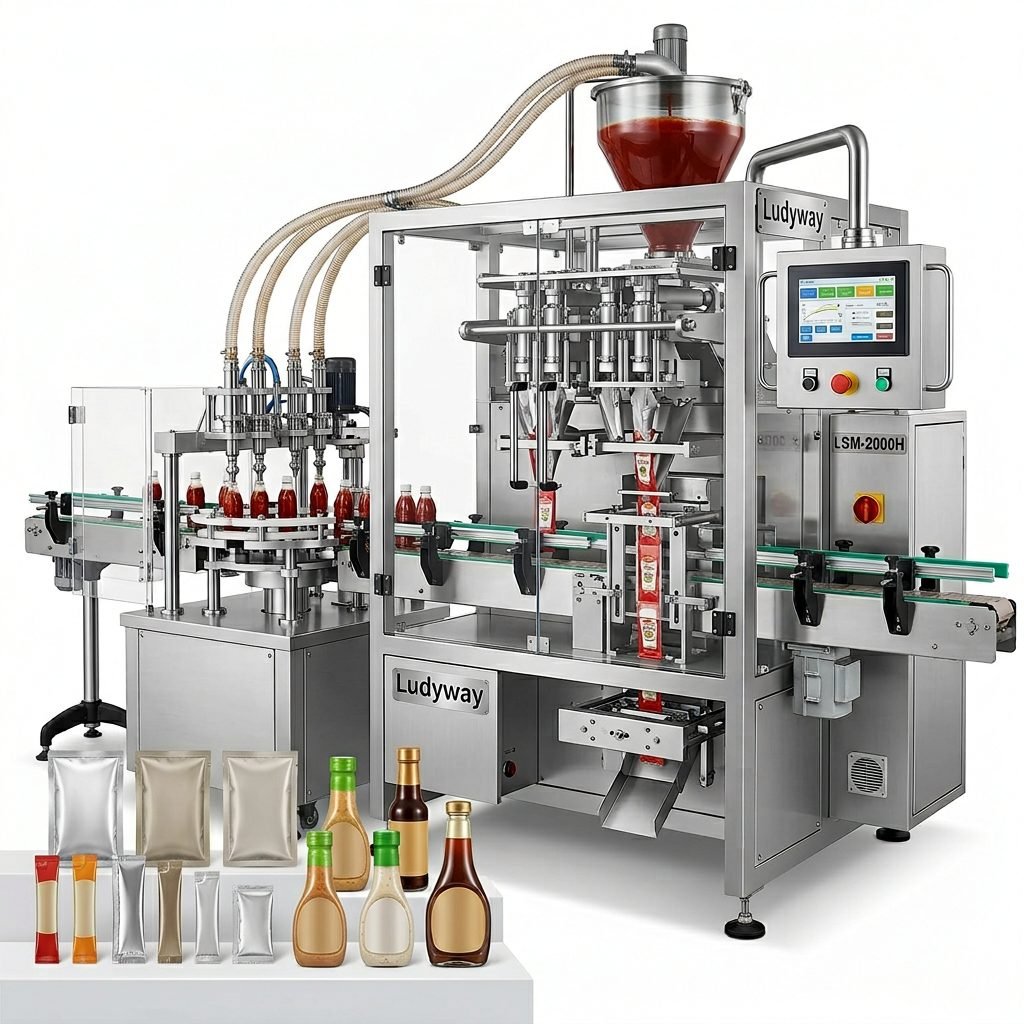
Why the German Market Demands High-Quality Sauce Packaging Equipment
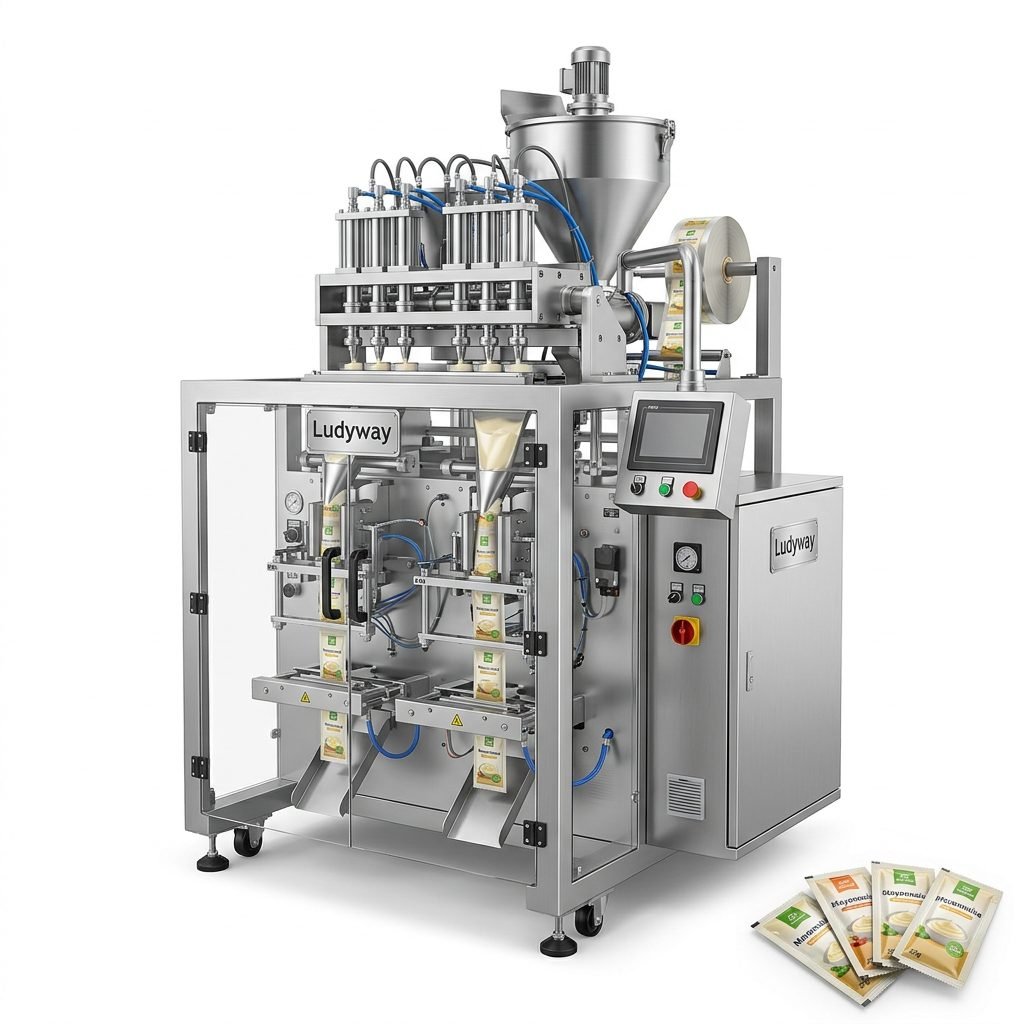
Germany’s food processing sector is governed by strict hygiene standards, including DIN EN 1672-2 for food machinery safety and IFS Food Standard certification requirements. Sauce manufacturers must ensure their packaging lines meet these benchmarks while maintaining throughput targets. A modern sauce pouch packaging machine must deliver precision filling, reliable sealing, and compatibility with various pouch formats including pillow sachets, stick packs, and four-side-seal pouches.
The demand for portion-controlled sauce packaging has surged in Germany, driven by the food service industry, retail ready-to-eat meals, and export-oriented condiment producers. Selecting the right packaging machinery requires careful evaluation of technical specifications, after-sales support, and long-term operational costs.
Types of Sauce Pouch Packaging Machines Available
Understanding the different machine configurations helps buyers narrow down their options based on production volume, sauce viscosity, and packaging format requirements.
Single-Lane vs Multi-Lane Sachet Machines
- Single-lane machines — Ideal for small to medium production runs, offering flexibility for frequent product changeovers. Suitable for artisanal sauce producers and test marketing.
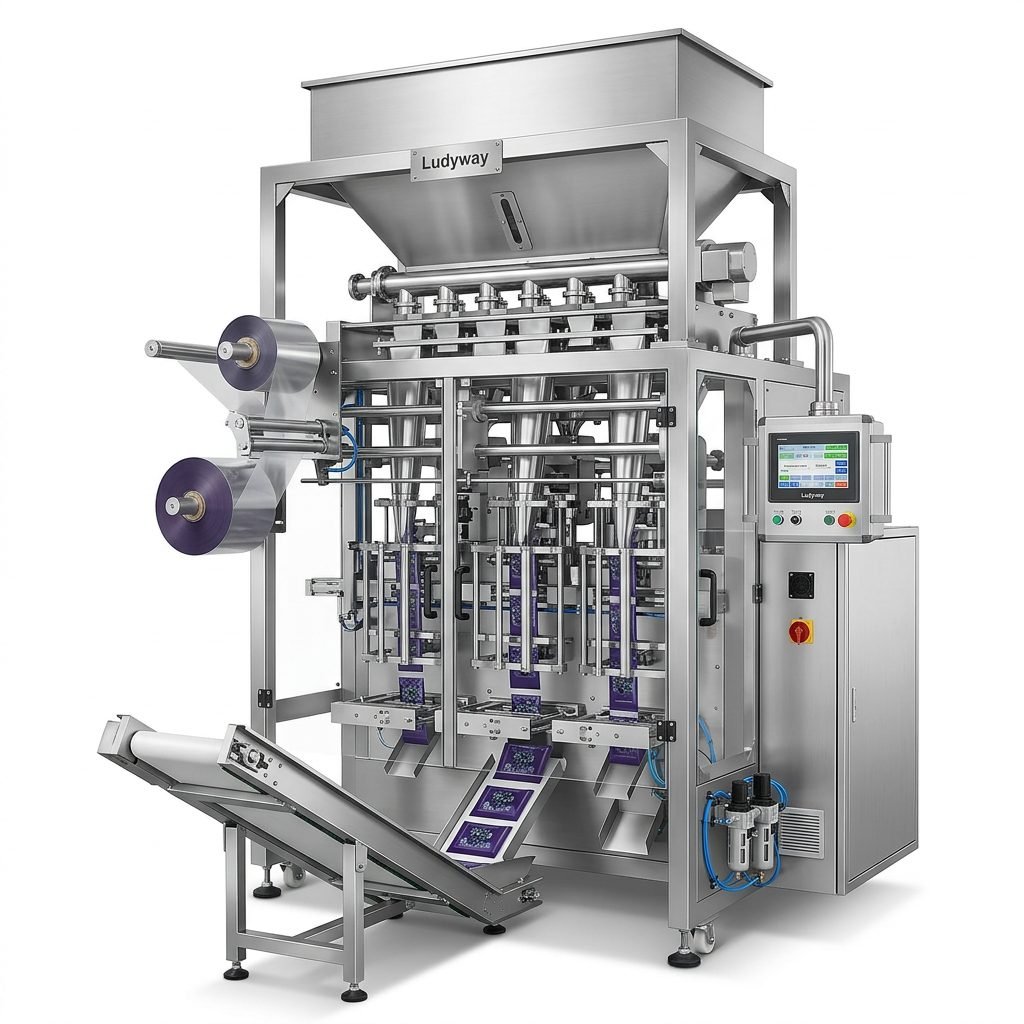
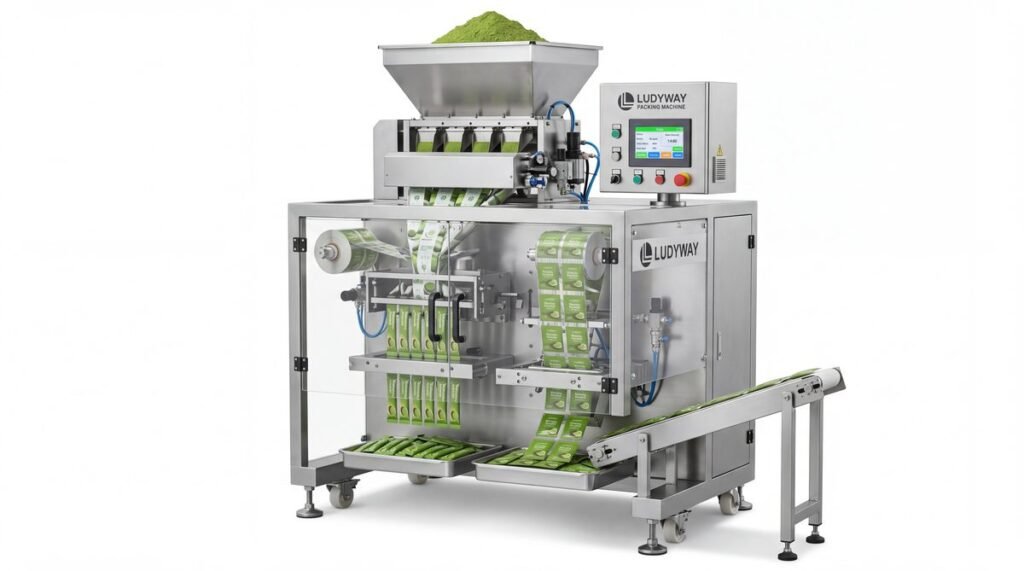
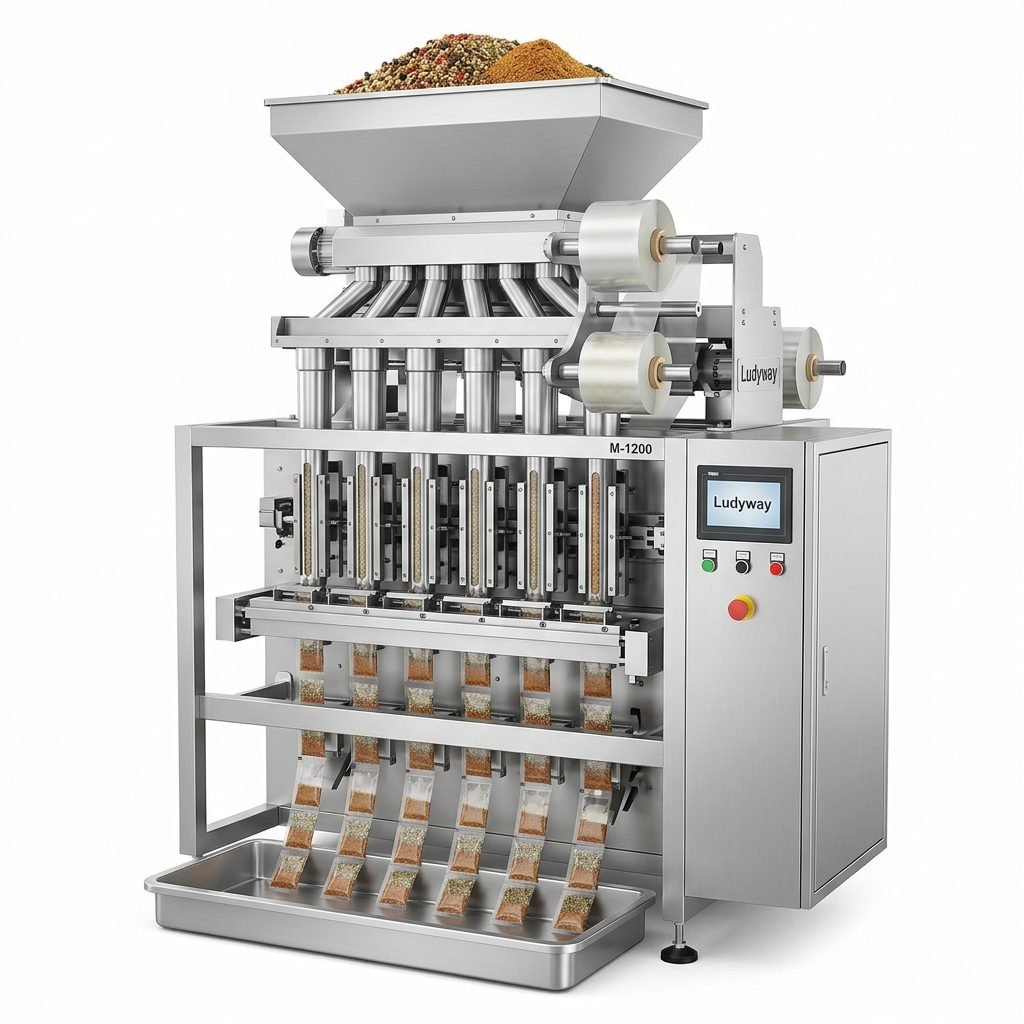
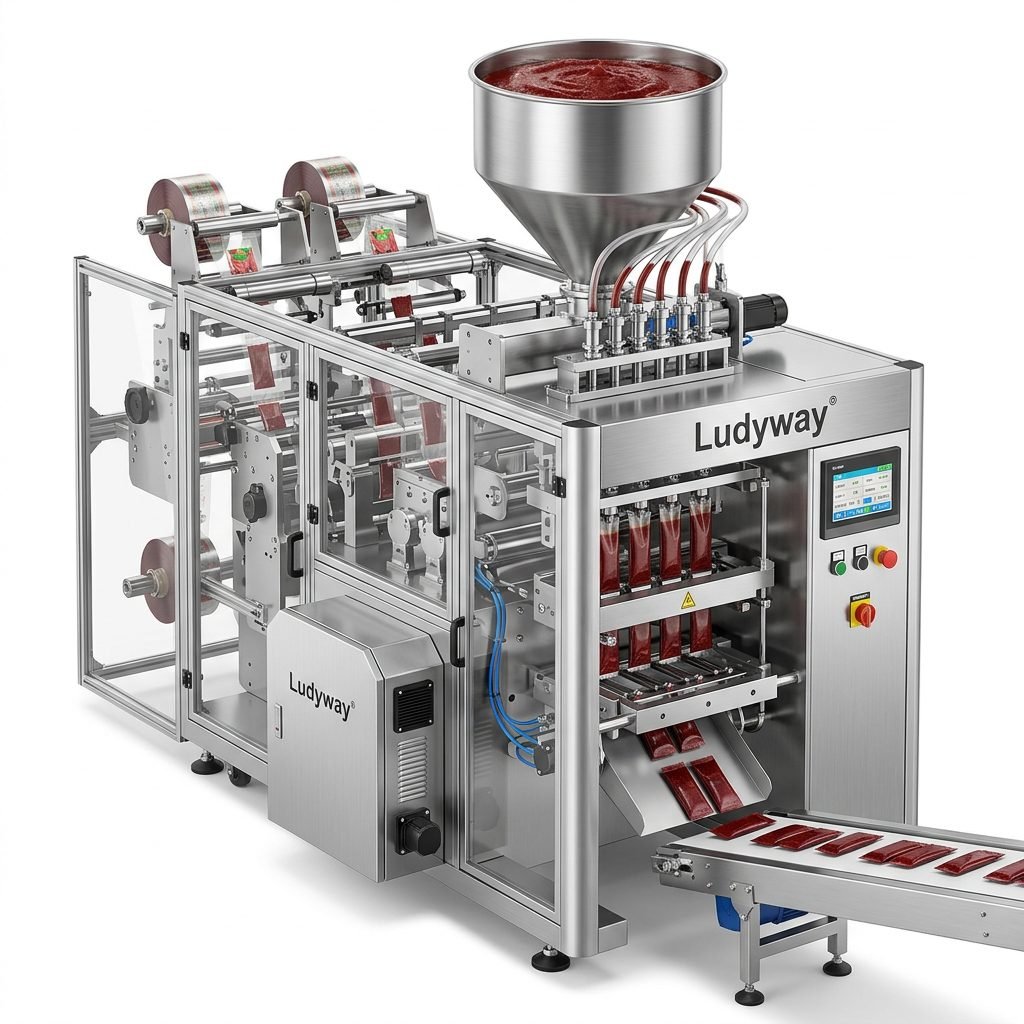
- Multi-lane stick pack machines — Designed for high-volume production, capable of producing 4 to 12 lanes simultaneously. Recommended for large-scale sauce manufacturers supplying retail chains.
Rotary vs Vertical Form-Fill-Seal (VFFS) Systems
- Rotary pouch fillers — Best suited for pre-made pouch applications, offering gentle handling for delicate sauce products.
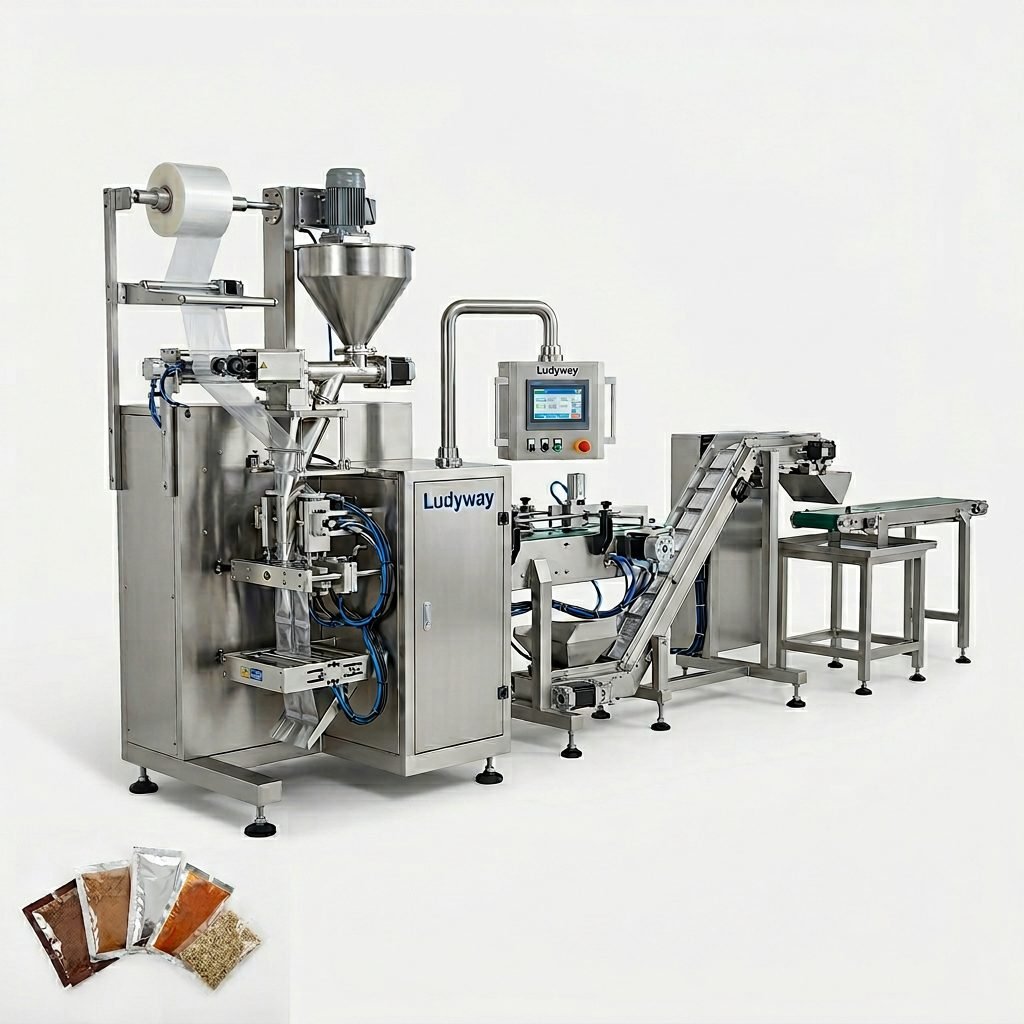
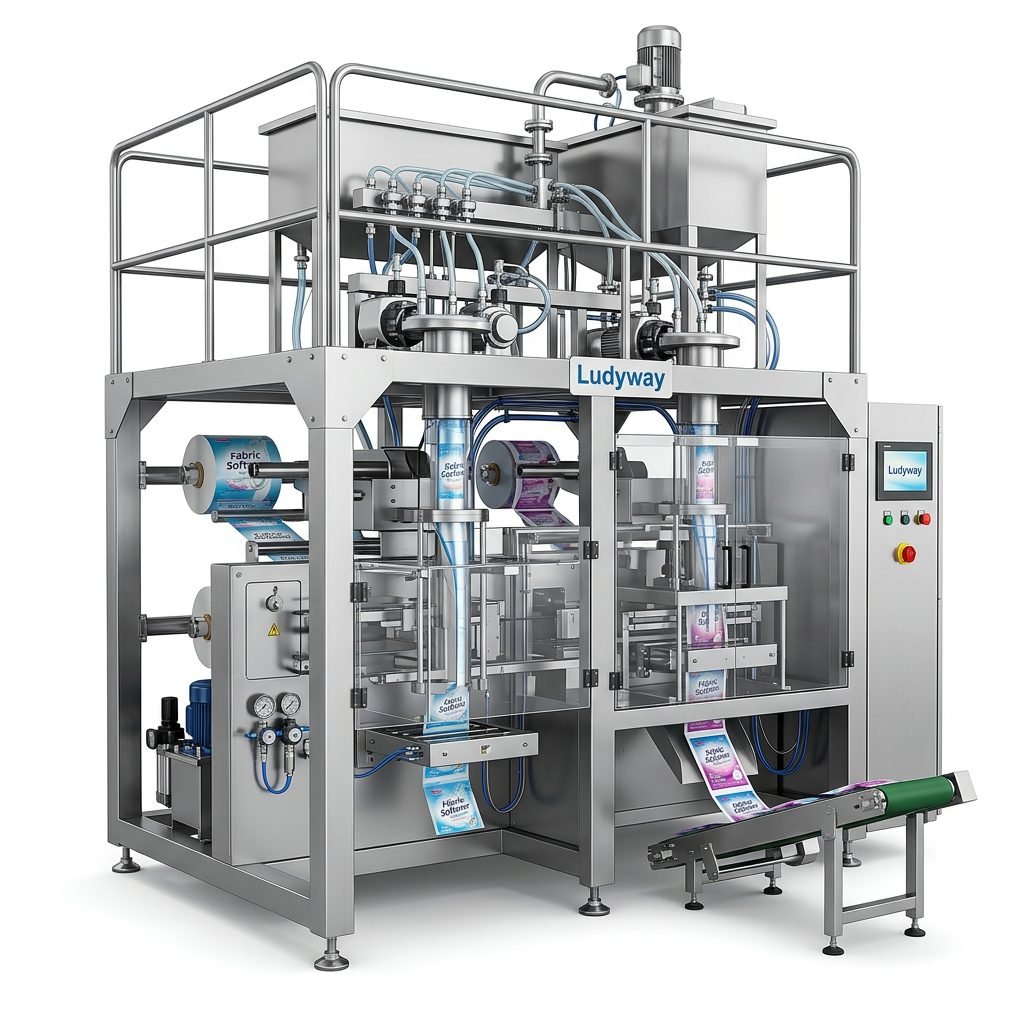
- VFFS systems — The most common choice for sauce sachet packaging, forming pouches from roll stock while filling and sealing in a continuous motion.
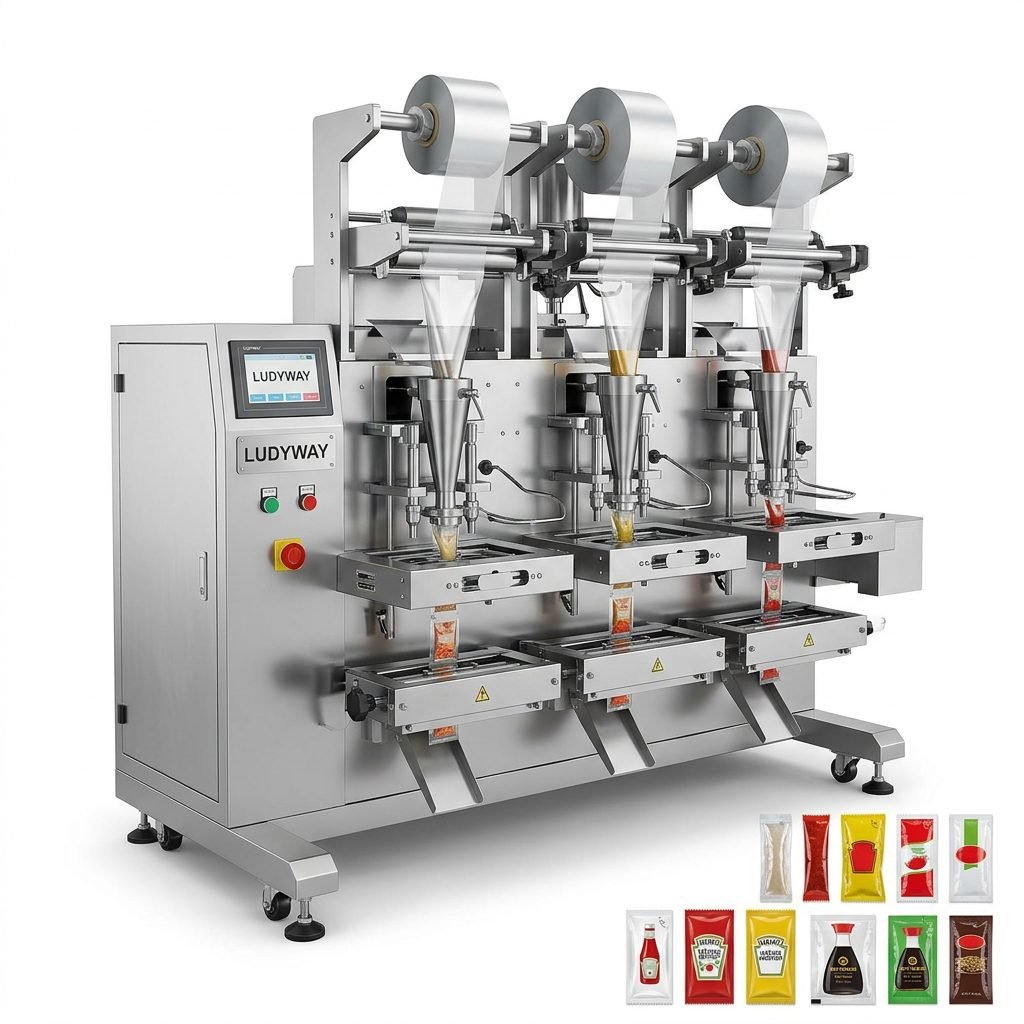
Key Factors to Evaluate Before Purchase
Investing in a sauce pouch packaging line requires thorough due diligence. Below are the critical evaluation criteria for German buyers.
Filling Accuracy and Sauce Viscosity Handling
Sauces range from thin liquids like soy sauce to thick pastes like tomato concentrate and mayonnaise. The filling system — whether piston, peristaltic pump, or magnetic flow meter — must be matched to the product’s rheological properties. Inaccurate filling leads to product waste and regulatory non-compliance under German Packaging Ordinance (VerpackV) requirements.
Sealing Integrity and Material Compatibility
Multi-layer laminate films commonly used in sauce packaging require precise temperature control and pressure settings. Look for machines with independent sealing jaw temperature regulation and the ability to handle films such as PET/AL/PE, PET/MPET/PE, and other barrier structures. Leak-proof sealing is non-negotiable for extended shelf life.
Automation Level and Industry 4.0 Readiness
German manufacturers increasingly demand Industrie 4.0 compatible equipment. Features to prioritize include:
- Servo-driven components for precise motion control
- IoT-enabled remote monitoring and diagnostics
- Integration with ERP and MES systems
- Automated CIP (Clean-in-Place) capabilities
German Regulatory Compliance for Sauce Packaging
Navigating the regulatory landscape is essential. The following table summarizes key standards applicable to sauce pouch packaging machinery operated in Germany.
| Standard / Regulation | Scope | Applicability |
|---|---|---|
| DIN EN 1672-2 | Food machinery hygiene requirements | Mandatory for all food packaging equipment |
| EU 1935/2004 | Food contact materials framework | Applies to all packaging materials |
| DIN EN ISO 11607 | Packaging for terminally sterilized products | Relevant for aseptic sauce applications |
| German LFGB | Food and Feed Code — sensory safety | Ensures no taste transfer from packaging |
| VerpackG 2022 | Packaging waste and recycling obligations | Affects packaging material choices |

Evaluating Total Cost of Ownership
Beyond the initial purchase price, German buyers should calculate the total cost of ownership (TCO) over a typical 7-10 year machine lifespan. Key cost components include:
- Spare parts availability — Ensure critical components like sealing jaws, heating elements, and filling nozzles are readily available from European stock.
- Energy efficiency — Servo-driven machines typically consume 30-40% less energy compared to pneumatic systems.
- Operator training — Intuitive HMI interfaces reduce training time and minimize operational errors.
- Maintenance contracts — Evaluate service response times and technician availability in Germany.
Selecting a Reliable Supplier in the German Market
When evaluating packaging machine suppliers, consider their track record in European installations, CE certification status, and ability to provide local technical support. German buyers often prefer suppliers with established service networks within the EU to minimize downtime.
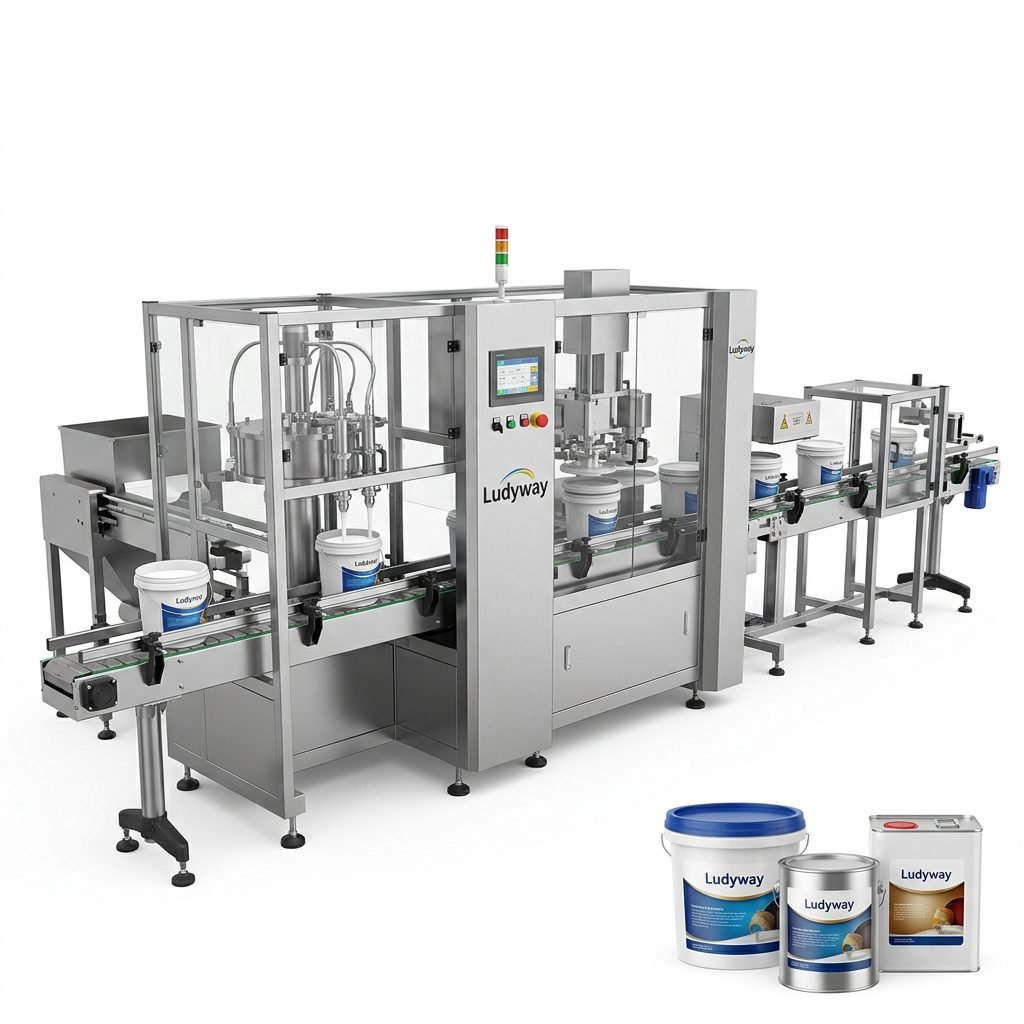
For businesses seeking cost-effective alternatives without compromising quality, some international manufacturers offer competitive solutions. Ludyway, for instance, is one of China’s largest packaging machine manufacturers with over 30 years of industry experience, providing sauce pouch packaging machines that serve customers in more than 100 countries. Evaluating both domestic and international options can yield significant cost savings.
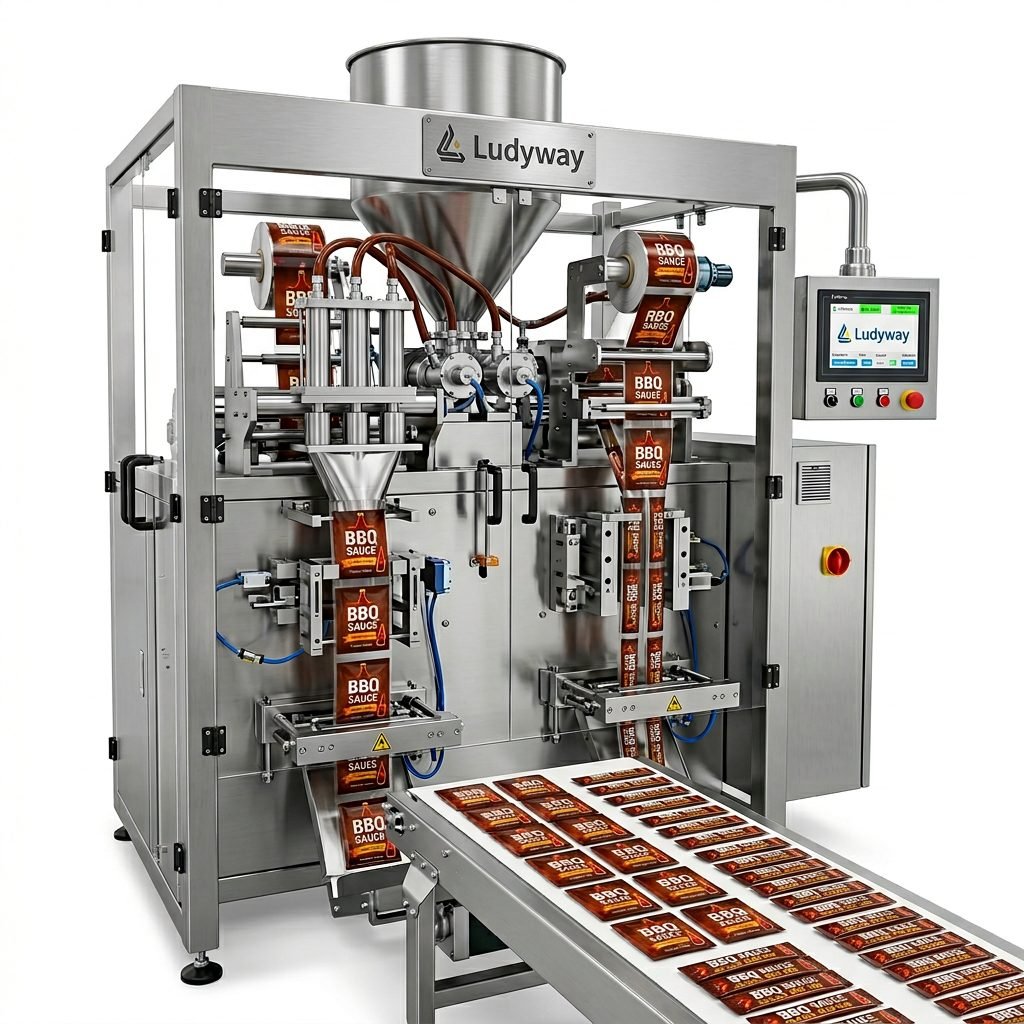
After-Sales Support and Service Considerations
A critical factor often overlooked is the availability of after-sales support within Germany. Before finalizing a purchase, confirm the following:
- Does the supplier have certified service engineers based in Germany or neighboring EU countries?
- What is the guaranteed response time for critical breakdowns?
- Are remote diagnostic capabilities available to reduce on-site service needs?
- Is comprehensive documentation provided in German and English?
Future-Proofing Your Sauce Packaging Investment
The flexible packaging industry continues to evolve, with sustainability driving innovation. When purchasing a sauce pouch packaging machine, consider its compatibility with:
- Mono-material recyclable films — Growing demand under EU circular economy directives
- Bio-based and compostable materials — Emerging alternatives for eco-conscious brands
- Reduced material thickness films — Lower packaging weight while maintaining barrier properties
- Smart packaging features — QR codes, NFC tags, and tamper-evident designs
Machines with modular design and upgradeable components offer better long-term value as market requirements shift. Investing in equipment that supports sustainable packaging formats positions your business advantageously for evolving EU packaging regulations.
Making the Final Decision
Purchasing a sauce pouch packaging machine for operation in Germany is a significant capital investment that demands careful planning. Prioritize build quality, regulatory compliance, filling precision, and local service support when comparing options. Request detailed technical proposals from multiple suppliers, conduct factory acceptance tests (FAT) where feasible, and negotiate comprehensive warranty terms that cover parts and labor.
A well-chosen packaging system will deliver consistent performance, minimize downtime, and support your brand’s growth in the competitive German and European food markets for years to come.