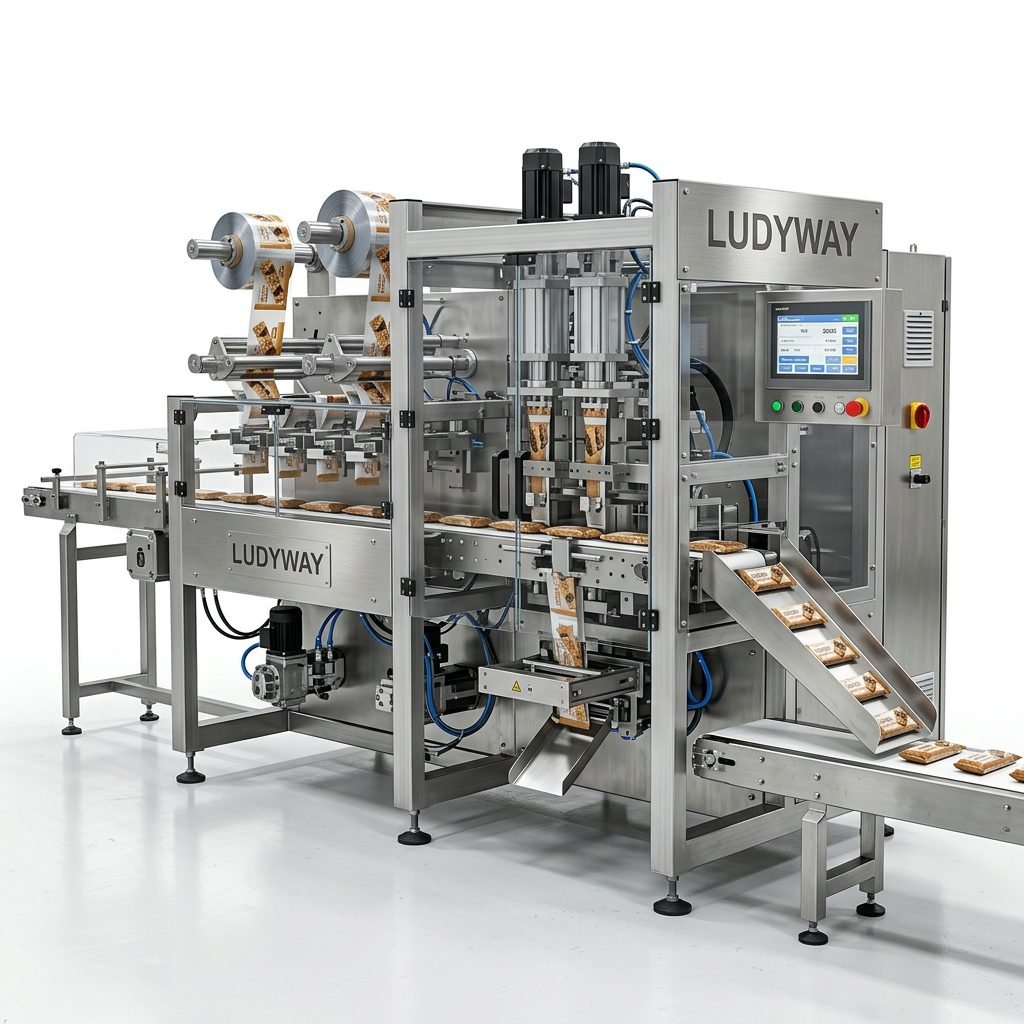
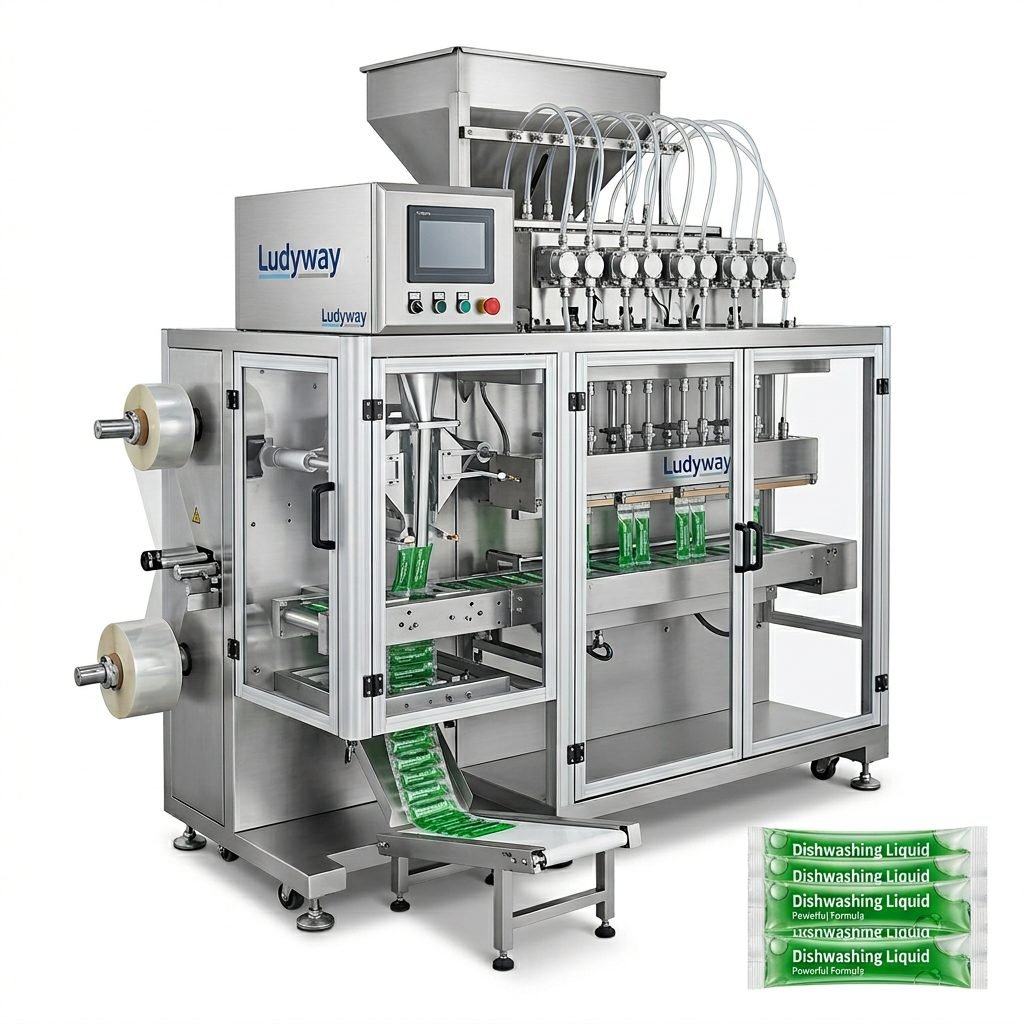
Italy’s food processing sector is one of the most dynamic in Europe, with sauces representing a cornerstone of the country’s culinary heritage. From traditional tomato-based pasta sauces to modern pesto varieties and gourmet condiments, Italian producers face increasing demand for efficient, hygienic, and flexible packaging solutions. Investing in a sauce pouch packaging machine tailored to the Italian market requires careful evaluation of local regulations, production scale, and packaging format preferences.
Why Sauce Pouch Packaging Is Growing in Italy
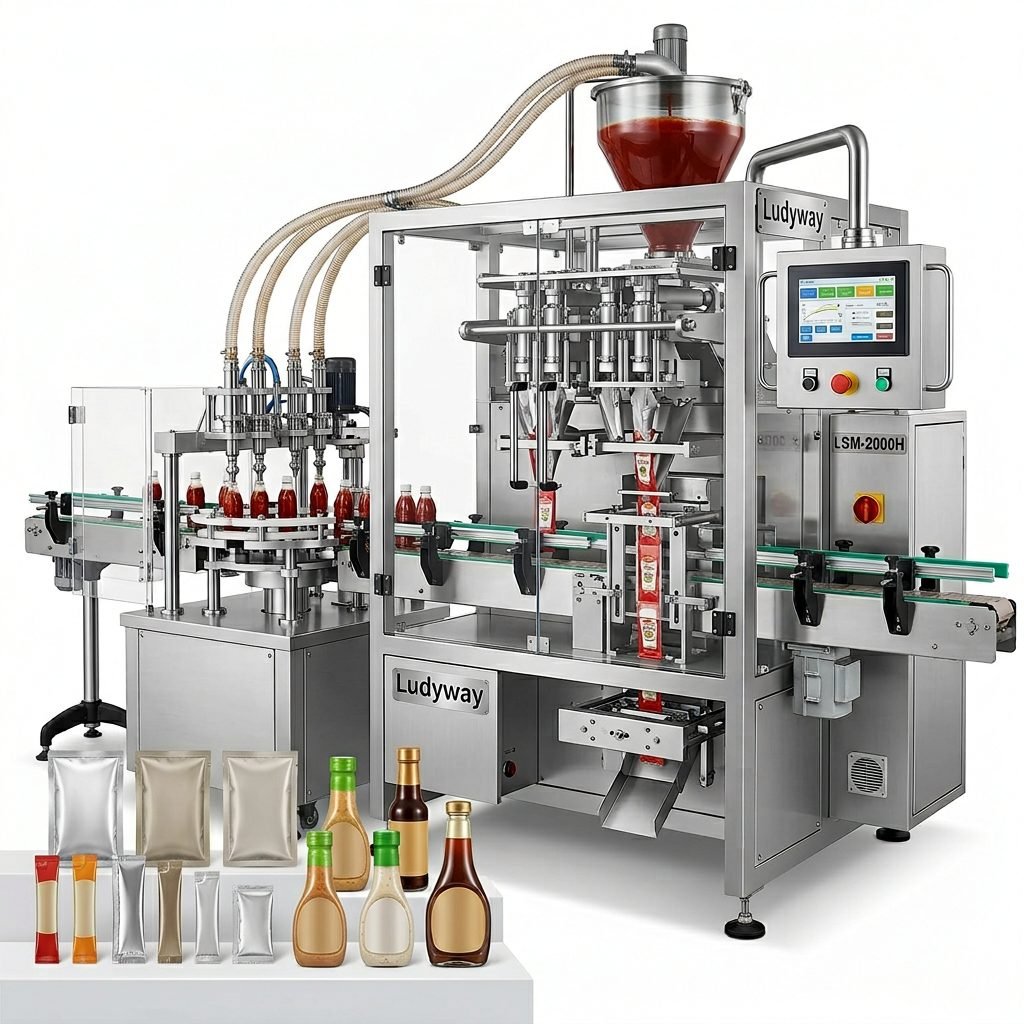
The Italian food packaging market has witnessed a significant shift toward flexible pouch formats for sauces. Single-serve sachets, stick packs, and stand-up pouches offer convenience, portion control, and extended shelf life — factors highly valued by both domestic consumers and export markets. Major exhibitions like PACK EXPO International consistently showcase innovations in this segment, reflecting the global trend toward flexible packaging.
Italian sauce manufacturers, ranging from artisanal producers to large-scale industrial operations, are adopting automated pouch packaging systems to meet stringent EU food safety standards while maintaining production efficiency. The country’s strategic location as a gateway to Mediterranean, European, and North African markets further amplifies the need for versatile packaging machinery.
Key Features to Look for in a Sauce Pouch Packaging Machine
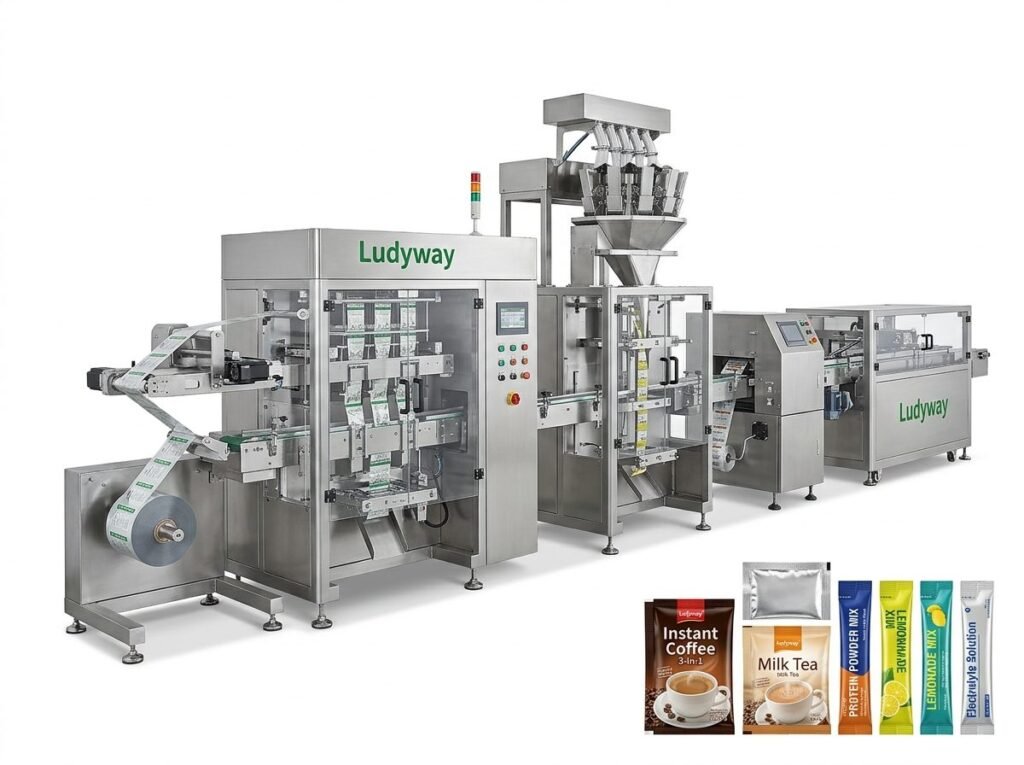
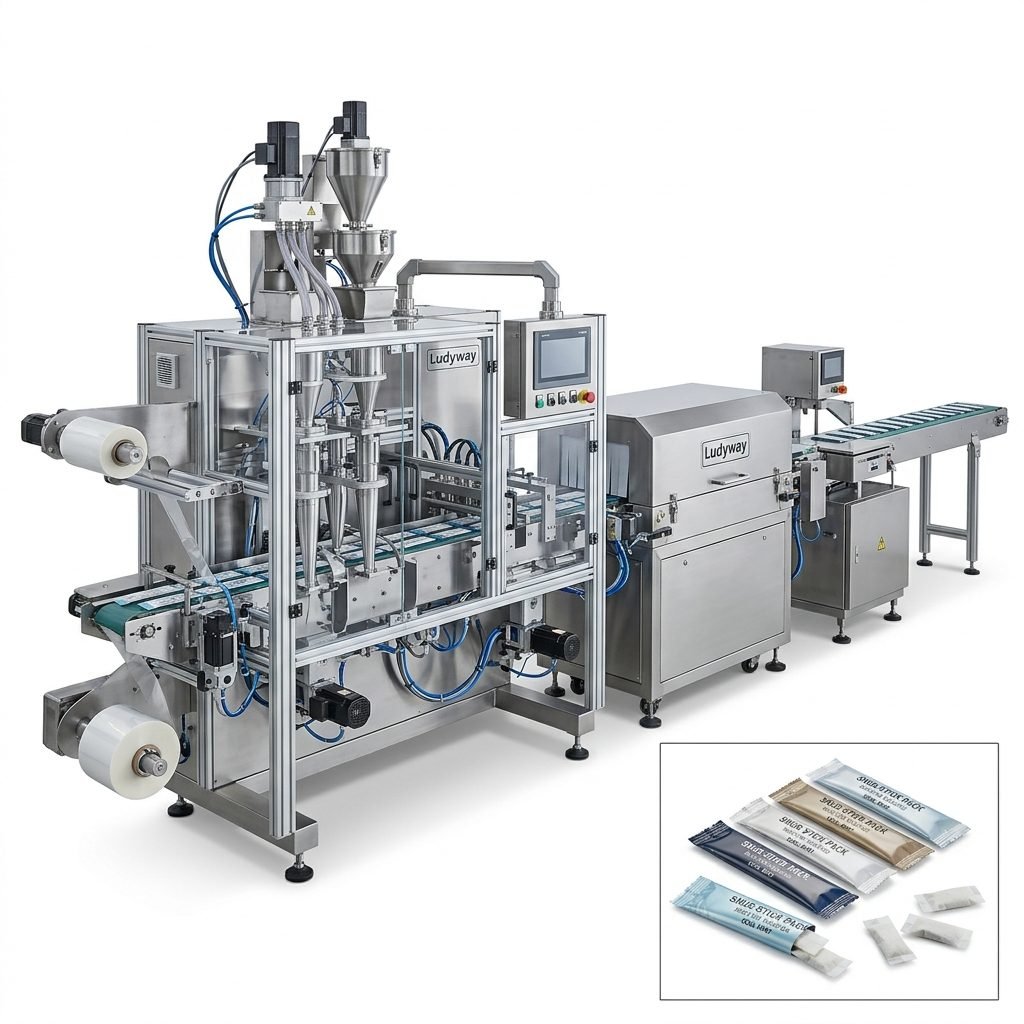
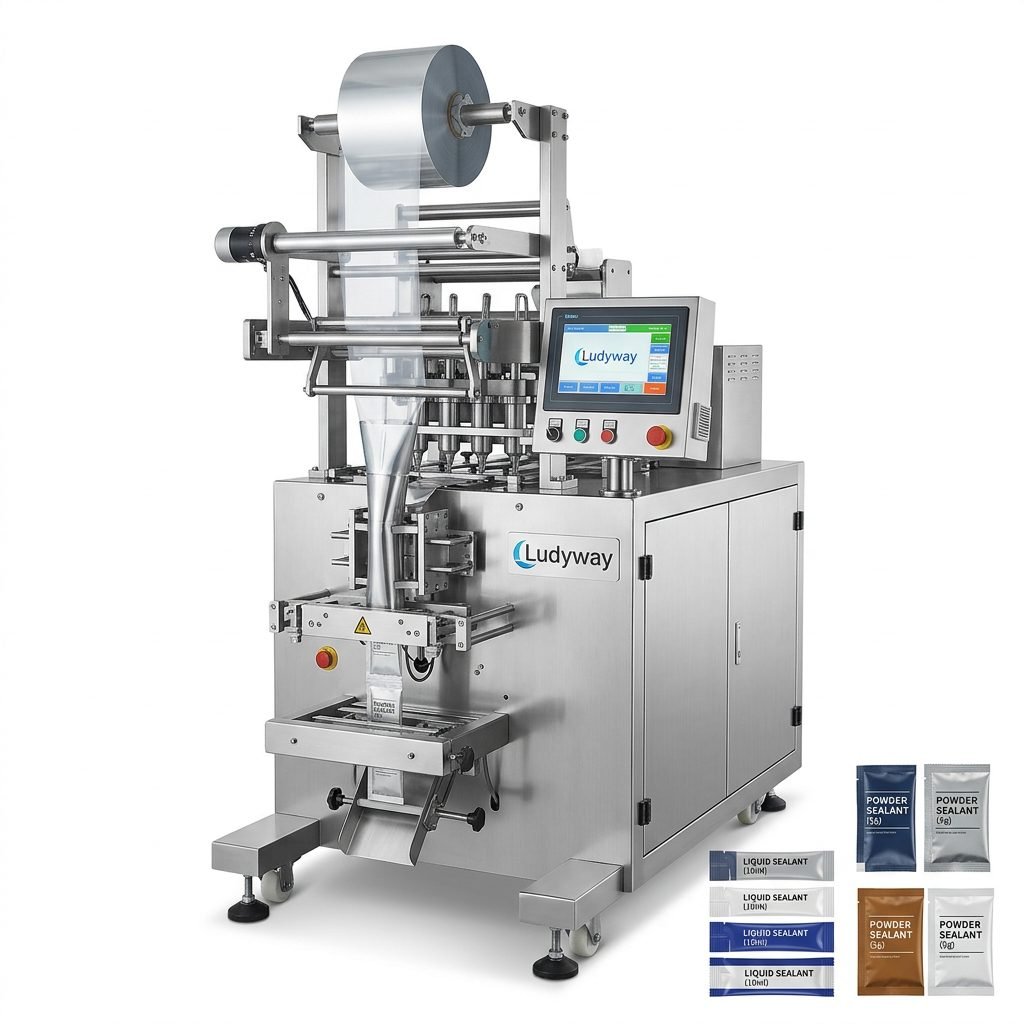
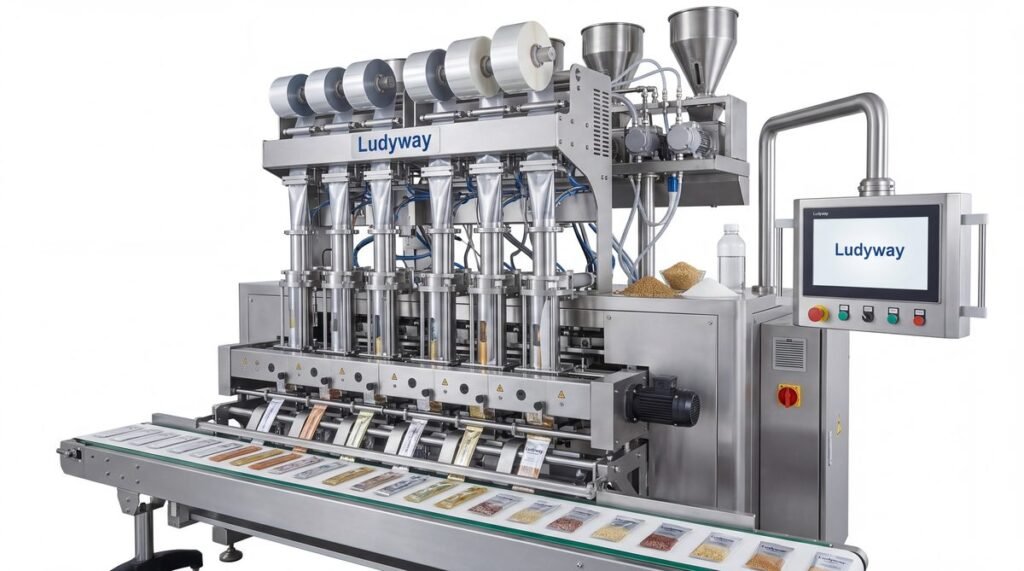
When selecting a sauce pouch packaging machine for the Italian market, several critical features deserve careful attention. The machine must handle various sauce viscosities — from thin liquids like vinaigrettes to thick pastes like pesto and tomato concentrate. Multi-lane technology has become increasingly popular for high-volume production, enabling simultaneous filling across multiple lanes.
Hygienic Design and EU Compliance
All equipment destined for the Italian food industry must comply with FDA food contact substance regulations and equivalent EU directives. Stainless steel construction, CIP (Clean-in-Place) compatibility, and smooth surface finishes are non-negotiable requirements. Machines should also meet ISO packaging standards for food safety and operational reliability.
Filling Accuracy and Versatility
Precision filling systems reduce product waste — a significant cost factor when packaging premium Italian sauces. Look for machines equipped with servo-driven piston fillers or magnetic flow meters that maintain accuracy within ±0.5% across varying sauce densities. The ability to switch between pouch formats (sachet, stick pack, stand-up pouch) without extensive tooling changes adds operational flexibility.

Types of Sauce Pouch Packaging Machines Available
The Italian market accommodates various machine configurations depending on production scale and packaging requirements. Below is a comparative overview of common machine types:
| Machine Type | Best For | Output Range | Key Advantage |
|---|---|---|---|
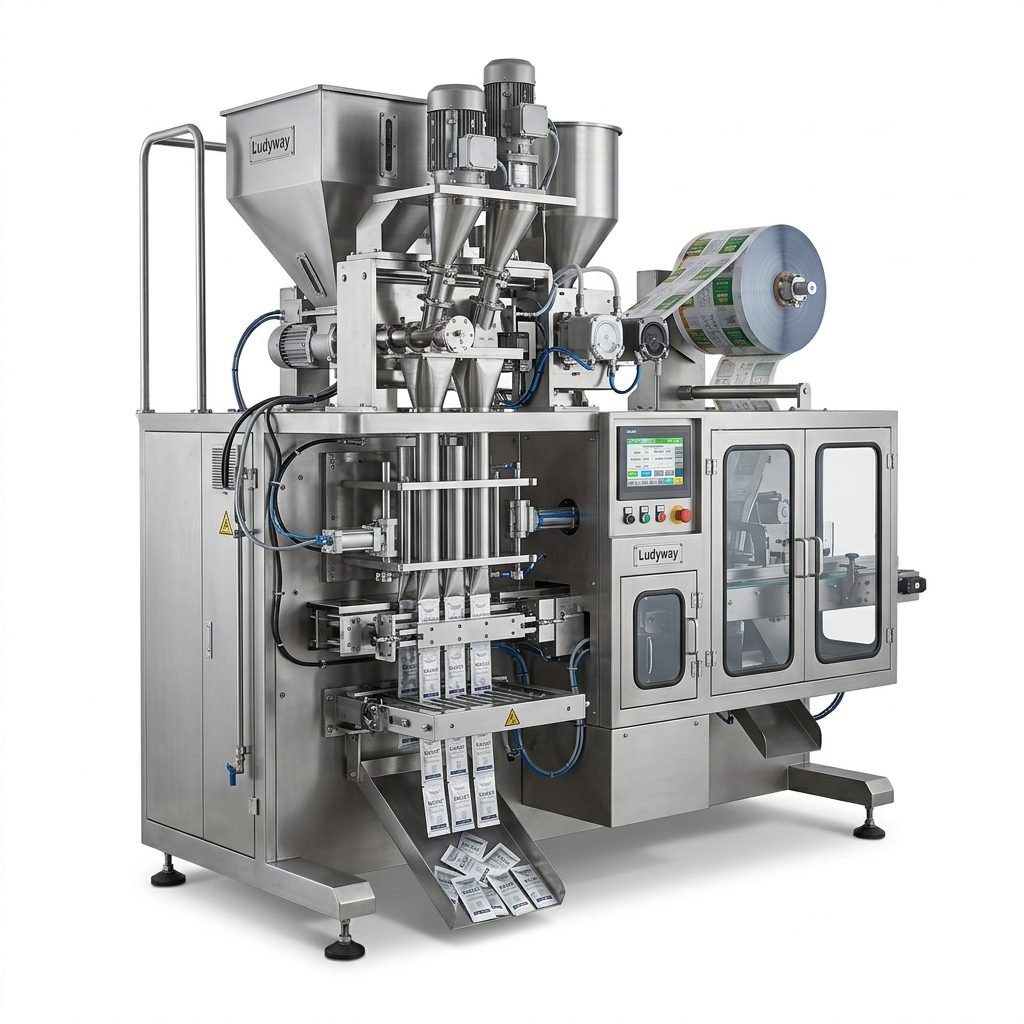
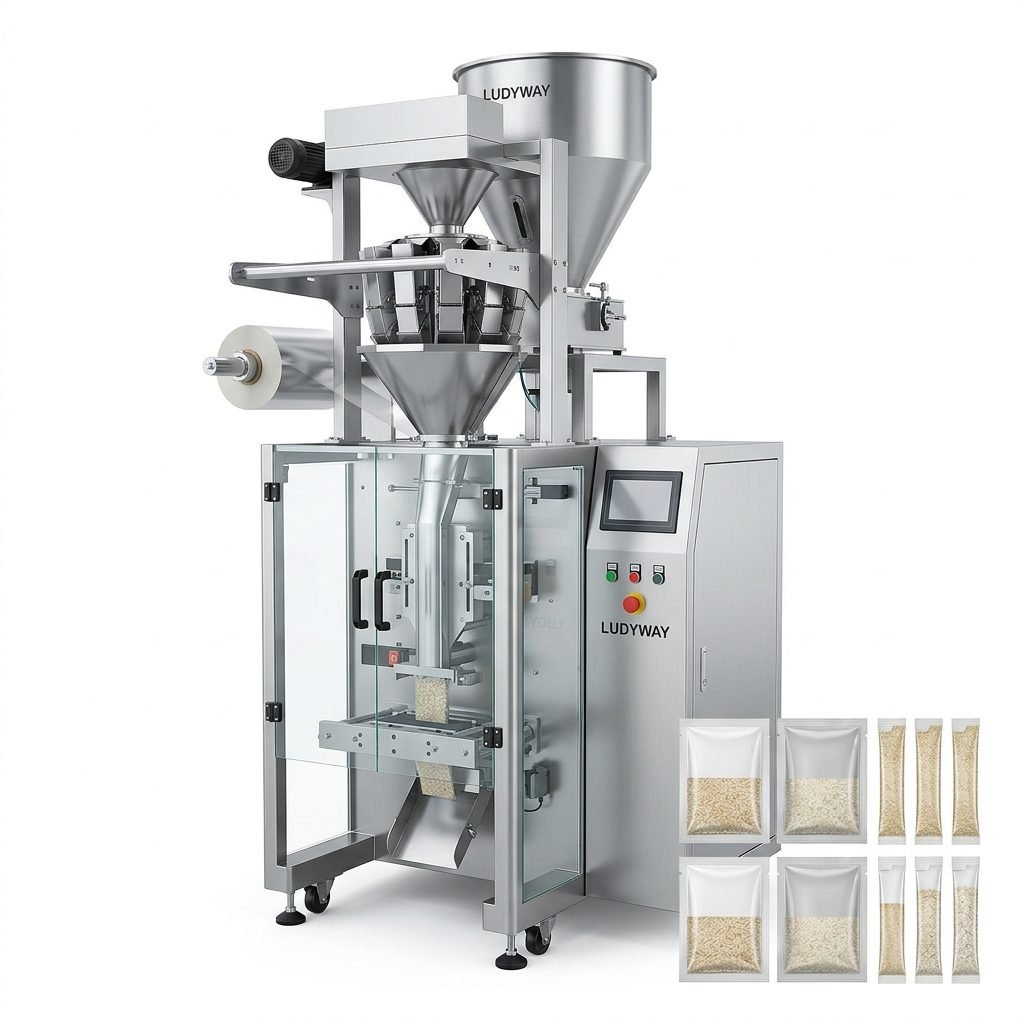
| Single-Lane Sachet Machine | Small to medium producers | 30-80 pouches/min | Lower investment cost |
| Multi-Lane Stick Pack Machine | High-volume industrial production | 200-600 pouches/min | Maximum throughput |
| Rotary Pouch Filler | Thick sauces and pastes | 40-120 pouches/min | Handles high viscosity |
| Premade Pouch Filling Line | Stand-up pouches with zippers | 30-60 pouches/min | Premium packaging appeal |
Italian Market Considerations and Regulations
Italy enforces rigorous packaging standards under EU regulations, including EU packaging and packaging waste directives. Manufacturers must ensure their chosen machinery supports recyclable or compostable film materials where applicable. The Flexible Packaging Association provides extensive resources on compliant materials and sustainable packaging trends relevant to the Italian market.
Additionally, Italy’s “Made in Italy” branding requirements for certain protected designation products mean packaging must preserve product integrity and origin labeling. Machines should integrate seamlessly with labeling and coding systems that handle Italian language requirements and EU-mandated nutritional information.
Cost Factors and ROI Analysis
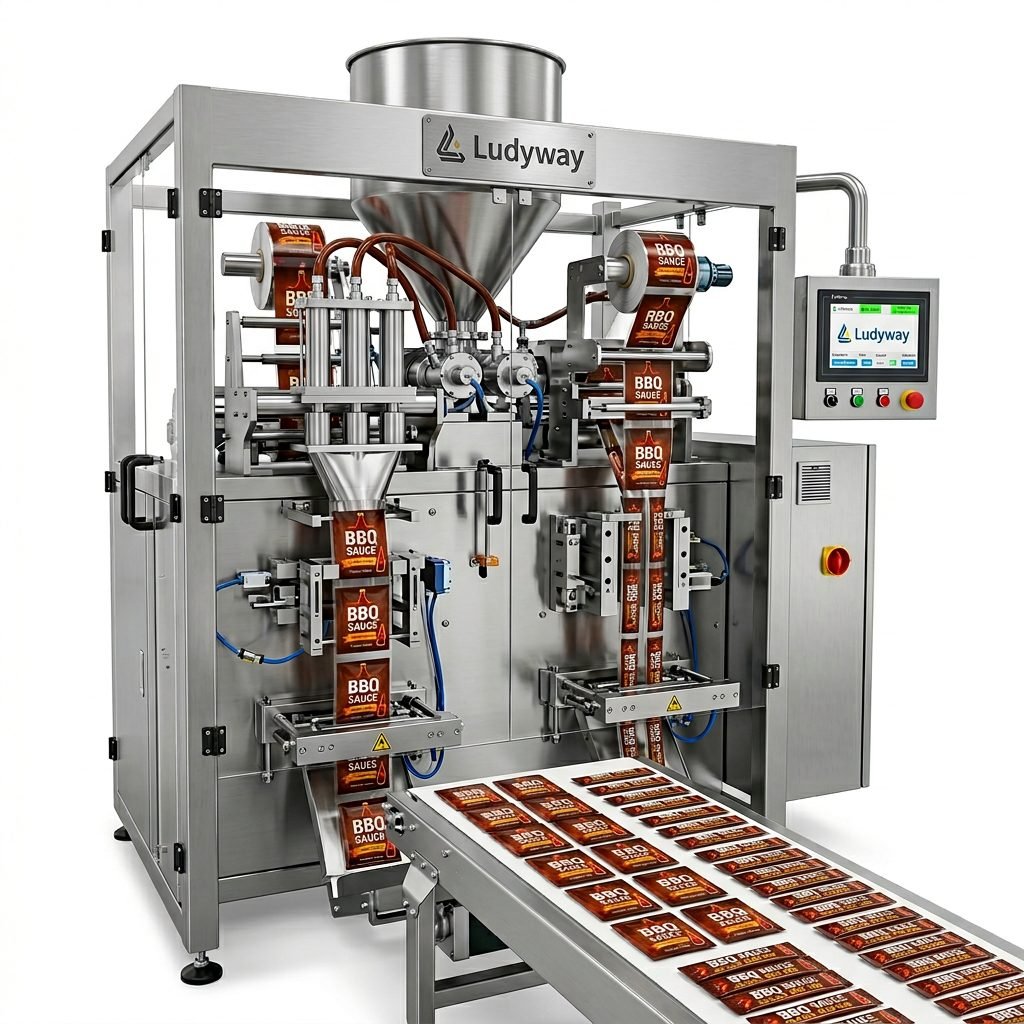
Pricing for sauce pouch packaging machines varies widely based on automation level, speed, and configuration. Key cost drivers include:
- Number of lanes: Multi-lane systems cost more upfront but deliver significantly lower per-unit packaging costs at scale.
- Filling technology: Servo-driven volumetric fillers offer precision but carry higher costs compared to basic piston systems.
- Integration capabilities: Machines that interface with upstream cooking vessels and downstream cartoning equipment reduce labor costs.
- After-sales support: Access to local Italian service technicians or remote diagnostics can minimize costly downtime.
According to industry data from PMMI business intelligence reports, the global packaging machinery market continues steady growth, with flexible packaging segments outperforming rigid formats. Italian producers investing in modern pouch packaging equipment can expect ROI within 18-36 months through labor savings and reduced material waste.
Selecting the Right Supplier for the Italian Market
Choose a supplier with demonstrated experience in European food packaging standards and Italian language documentation. Critical evaluation criteria include:
- CE certification and compliance with EU Machinery Directive 2006/42/EC
- Availability of Italian-language operation manuals and training materials
- Established service network or partnerships within Italy
- References from existing Italian or European food manufacturers
- Willingness to conduct factory acceptance testing (FAT) before shipment
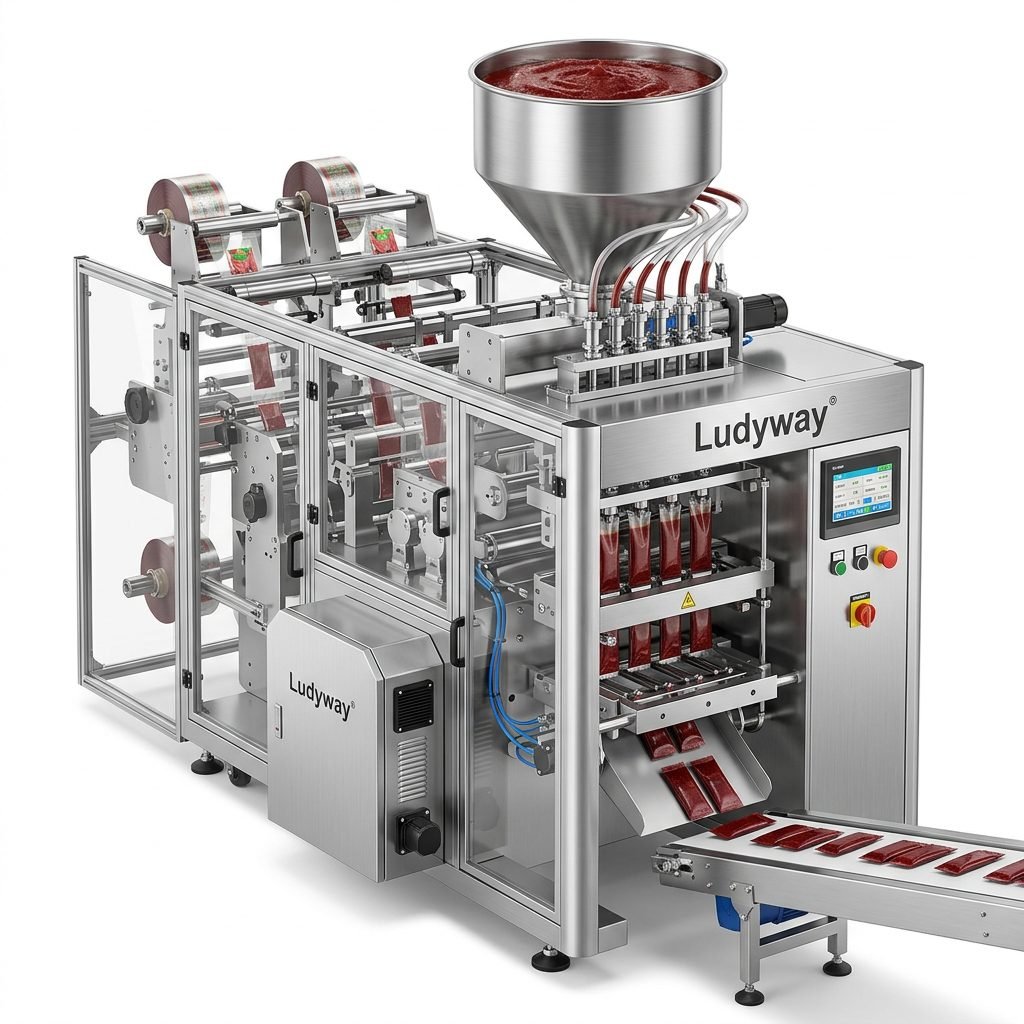
About Ludyway — Your Partner in Sauce Packaging Solutions
Ludyway is one of the largest packaging machine manufacturers in China, specializing in advanced packaging equipment and turnkey production solutions for the food, pharmaceutical, and health industries. With over 30 years of industry expertise, we provide reliable and efficient packaging solutions for granule, powder, liquid, and pouch packaging applications. Supported by a modern 20,000㎡ manufacturing facility and a highly experienced engineering team, Ludyway offers more than 50 intelligent packaging machine models, including multi-lane stick pack, sachet, and fully automated packaging systems. Serving customers in over 100 countries and regions, we are committed to delivering innovative, high-performance, and cost-effective packaging solutions that help businesses improve productivity, product quality, and operational efficiency.
Our sauce pouch packaging machines are designed to meet European standards, with CE certification and customizable configurations for the Italian market. For inquiries, contact us at info@ludyway.com or via WhatsApp at +8613129592456.
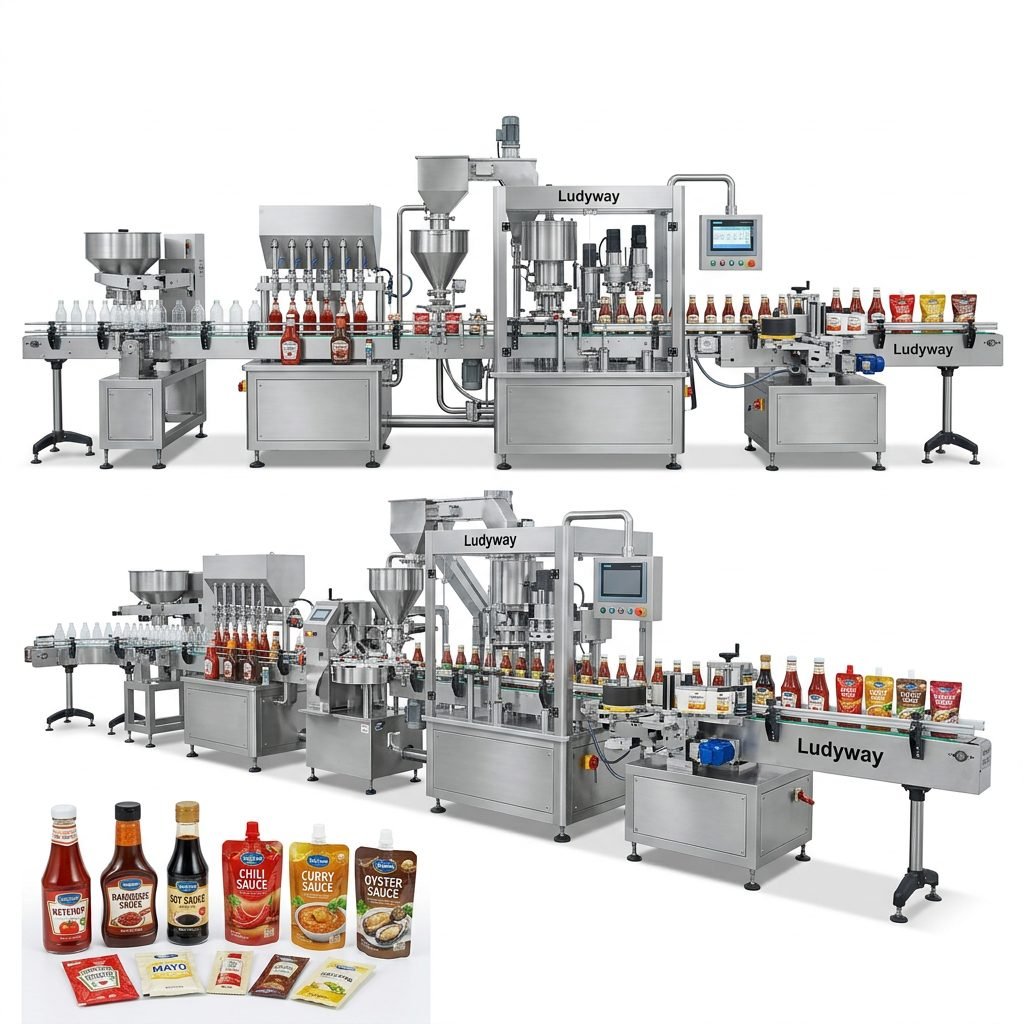
Global Packaging Exhibitions
Meet us at international packaging exhibitions including PACK EXPO Las Vegas and other major industry events to discover smart packaging machines and customized solutions for sauce and liquid products.
Frequently Asked Questions
What is the best pouch format for Italian tomato sauces?
Stand-up pouches with spouts are increasingly popular for premium Italian tomato sauces, offering consumer convenience and excellent shelf presence. For single-serve portions, stick packs and flat sachets dominate the food service and hospitality sectors.
Can one machine handle different sauce types?
Yes, modern multi-lane machines with adjustable filling parameters can switch between thin marinara sauces, thick ragù, and creamy pesto with minimal changeover time. Tool-free adjustments and recipe storage capabilities are valuable features to seek.
What certifications are mandatory for packaging machines in Italy?
CE marking is mandatory, along with compliance with EU food contact material regulations. Machines should also meet relevant ISO 11607 standards for packaging where applicable, particularly for aseptic or extended shelf-life products.
How important is local after-sales support?
Local support is critical. Downtime in a sauce production line can lead to significant product loss. Suppliers with Italian-speaking technicians or partnerships with local service providers offer distinct advantages.
Conclusion
Selecting the right sauce pouch packaging machine for the Italian market involves balancing production requirements, regulatory compliance, and total cost of ownership. By prioritizing hygienic design, filling accuracy, format flexibility, and supplier reliability, Italian sauce manufacturers can secure equipment that supports both domestic growth and export expansion. With thorough research and strategic supplier partnerships, investing in advanced pouch packaging technology becomes a powerful driver of competitive advantage in Italy’s vibrant food industry.