Shrink packaging machines are essential equipment for businesses looking to enhance product presentation, protection, and efficiency. This comprehensive guide explores the different types of shrink packaging systems, their key benefits, diverse applications, and crucial factors to consider when selecting the right machine for your operation.
Understanding Shrink Packaging Technology
At its core, a shrink packaging machine uses heat to apply a loose plastic film around a product or group of products. When heated, the film shrinks tightly to conform to the shape of the contents, creating a secure, tamper-evident, and visually appealing package. This process is widely used for bundling multiple items, creating multipacks, or providing a protective outer layer for individual products.
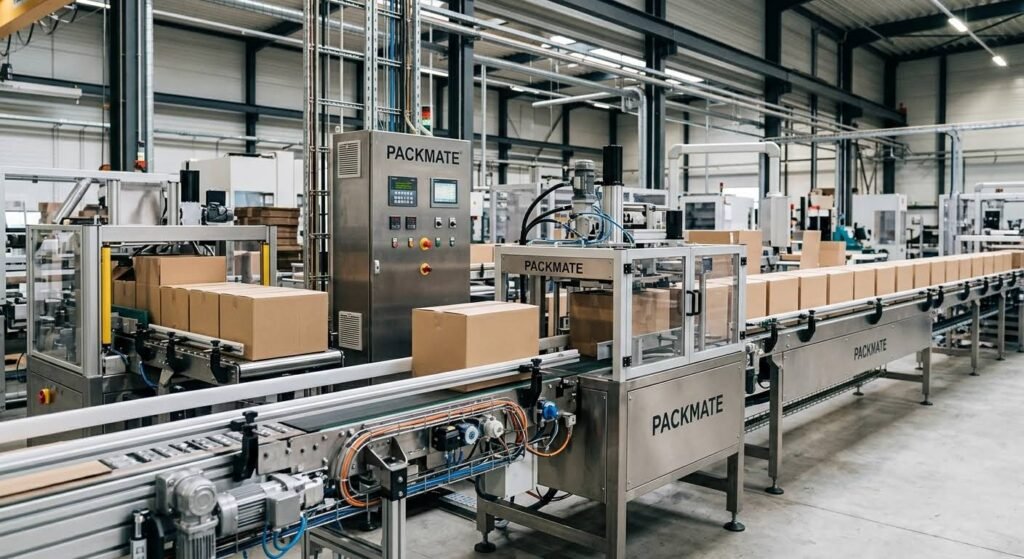
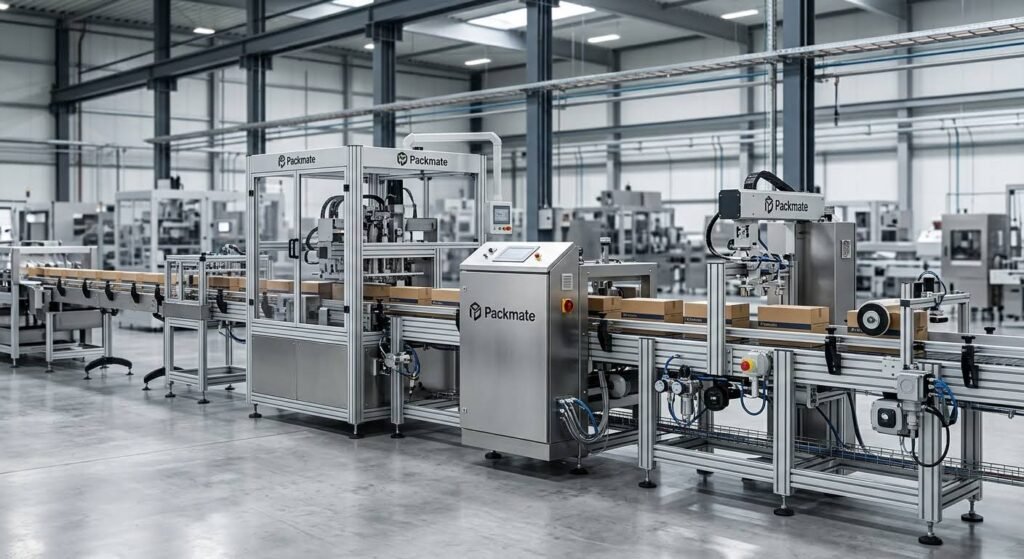
Core Components of a Shrink Packaging System
A typical system consists of several key parts:
- Film Unwind & Feeding System: Controls the dispensing of the shrink film roll.
- Sealing Mechanism: Creates the necessary seals (L-seal, sleeve, etc.) to form a bag or sleeve around the product.
- Heat Tunnel or Shrink Chamber: Applies controlled heat to activate the film’s shrinking properties.
- Conveyor System: Transports products smoothly through sealing and shrinking stages.
- Control Panel: Allows operators to adjust temperature, speed, and other parameters.
Primary Types of Shrink Packaging Machines
Choosing the right type depends heavily on your product dimensions, production volume, and desired package style.
1. L-Bar Sealers (Manual & Automatic)
These are among the most common and cost-effective options. An L-shaped sealing bar creates a bottom and side seal to form a bag around the product, which is then manually or automatically fed into a heat tunnel. Ideal for low to medium-volume operations, product prototyping, or businesses with diverse product sizes.
2. Sleeve Wrappers
This system forms a continuous tube of film around the product, sealing it along the length. It’s excellent for bundling multiple cans, bottles, or boxes together securely. Sleeve wrapping provides a full 360-degree graphic area, making it popular for retail multipacks.
3. Shrink Tunnels (Standalone)
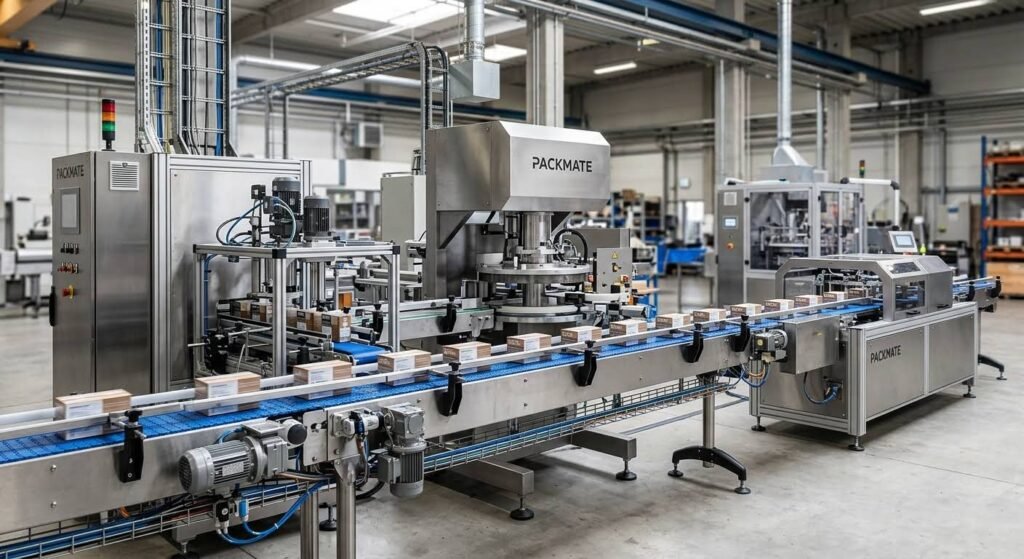
Shrink tunnels are often used in conjunction with other packaging equipment. Products already placed in pre-made bags or with loose film are conveyed through the tunnel, where evenly distributed heat causes the film to shrink. They are crucial for high-speed production lines.
4. Fully Automatic Shrink Wrapping Systems
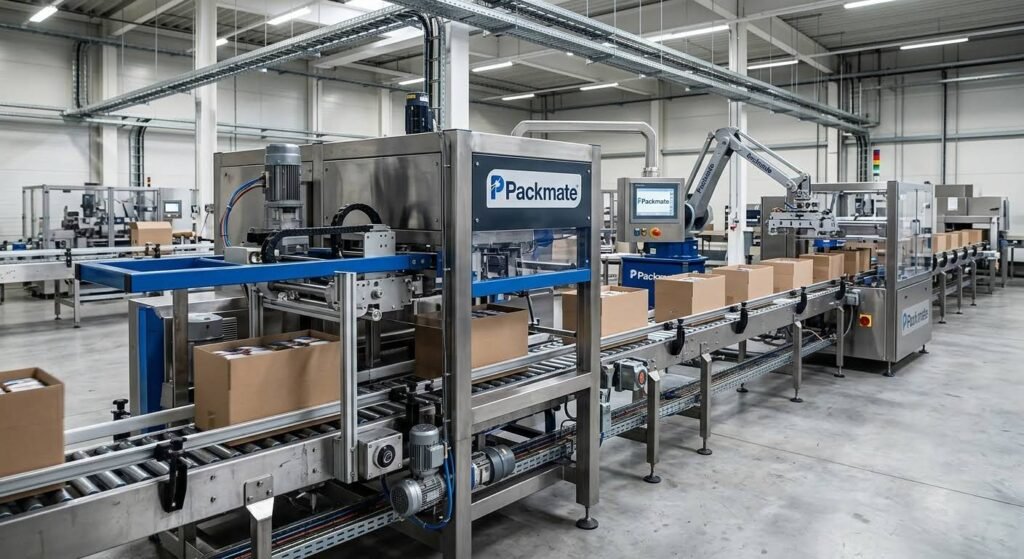
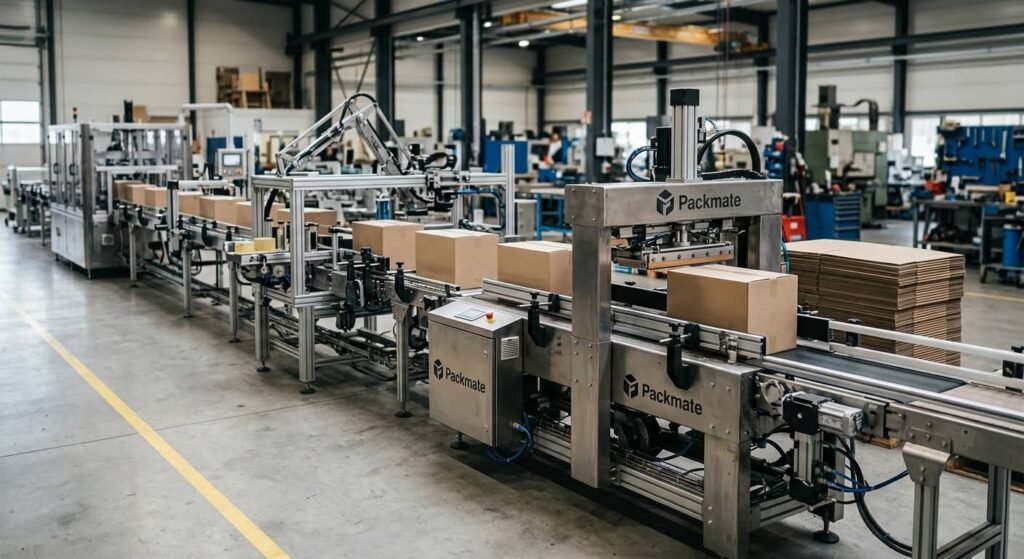
These integrated systems automate the entire process: product feeding, film cutting, sealing, and shrinking. Designed for high-volume production, they offer maximum efficiency, consistency, and labor savings. Companies like Ludyway Machinery specialize in providing such advanced, turnkey automation solutions.
Key Decision Point: Volume vs. Flexibility
For low-volume, high-mix production, a manual L-bar sealer offers great flexibility. For consistent, high-volume output of similar products, a fully automatic system provides a much faster return on investment through labor savings and increased throughput.
Significant Benefits of Using a Shrink Packaging Machine
Investing in shrink packaging technology delivers tangible advantages across several business areas:
Enhanced Product Protection & Stability: The tight film holds multi-packs firmly together, prevents individual items from shifting, and protects against dust, moisture, and minor abrasions during handling and transit.
Improved Product Presentation & Branding: Shrink film creates a sleek, “second-skin” appearance that enhances shelf appeal. It provides a high-quality, glossy finish and a large, printable surface area for vibrant branding and product information.
Tamper Evidence & Security: Any attempt to open the package will visibly disturb the shrunk film, providing consumers with clear evidence of tampering and increasing product integrity.
Cost-Effective Material Usage: Compared to rigid packaging like boxes or clamshells, shrink film is generally less expensive and reduces both material costs and shipping weight.
Operational Efficiency: Automated systems significantly speed up the packaging process, reduce labor requirements, and ensure consistent, reliable package quality shift after shift.
Diverse Industry Applications
Shrink packaging is versatile and serves a wide range of sectors:
- Food & Beverage: Bundling bottles, cans, snack packs, and perishable goods. It’s perfect for creating promotional multipacks.
- Pharmaceutical & Healthcare: Packaging medical devices, kit components, and over-the-counter products where hygiene and tamper evidence are paramount.
- Consumer Goods: Wrapping software boxes, toys, tools, and hardware items.
- Printing & Publishing: Bundling magazines, books, or mailers for distribution.
- Cosmetics & Personal Care: Packaging gift sets, bundling trial sizes, or providing a protective outer layer for bottles and jars.
For industries with specific needs like food or pharmaceuticals, partnering with an expert like Ludyway Packing Machine ensures the equipment meets stringent hygiene and safety standards.
How to Choose the Right Shrink Packaging System
Selecting the optimal machine requires a careful analysis of your specific needs. Here is a step-by-step framework to guide your decision.
Step 1: Analyze Your Product & Package
Dimensions & Shape: Measure the maximum and minimum product sizes (L x W x H). Irregular shapes may require a wider film or specific sealing techniques.
Material Sensitivity: Ensure your product can withstand the heat levels required for shrinking the film (typically 120°C – 200°C).
Desired Package Style: Decide between a full overwrap, a sleeve, or a bundle pack.
Step 2: Evaluate Your Production Requirements
Output Speed (Packages Per Minute): Match the machine’s speed to your current and forecasted production volumes. Don’t under-invest in capacity.
Line Integration: Will the shrink wrapper need to connect seamlessly with upstream (filling, labeling) and downstream (cartoning, case packing) equipment? Automation compatibility is key.
Step 3: Consider Film & Utility Factors
Film Type: Polyolefin (POF), Polyvinyl Chloride (PVC), and Polyethylene (PE) are common. POF is popular for its clarity, strength, and lower shrinking temperature.
Utilities: Confirm the electrical requirements (voltage, phase) and ensure you have adequate power and space for the machine and its heat exhaust.
Step 4: Assess Supplier Capabilities
This is critical for long-term success. Look for a supplier with:
- Proven Industry Experience: Like the 30+ years of expertise behind the Ludyway brand.
- Technical Support & Service: Availability of spare parts, on-site technicians, and remote support.
- Customization Options: Ability to tailor the machine to your unique product or line layout.
- Reliable Manufacturing: A strong production base, such as Packmate’s 20,000㎡ facility, indicates quality and scalability.
Exploring a supplier’s company history and evolution can provide insight into their stability and commitment to innovation.
Conclusion
Implementing the right shrink packaging machine is a strategic investment that can improve your product’s marketability, streamline operations, and reduce overall costs. By thoroughly understanding the different machine types, aligning them with your product specs and production goals, and partnering with a reputable and experienced equipment provider, you can build a packaging process that drives efficiency and growth for your business.
Frequently Asked Questions (FAQs)
1. What is the main difference between a shrink wrapper and a stretch wrapper?
Shrink wrapping uses heat to tighten a loose bag of film around a product. Stretch wrapping uses tension to mechanically stretch a film web around a pallet or product without heat. Shrink wrapping is for creating primary or secondary retail packages, while stretch wrapping is primarily for unitizing and securing pallet loads for transport.
2. What type of shrink film is best for food products?
Polyolefin (POF) film is often recommended for food packaging. It is FDA-compliant, has excellent clarity, is strong and puncture-resistant, and shrinks at a lower temperature, making it safer for heat-sensitive food items. It also produces less smoke and odor compared to PVC film.
3. How much maintenance does a shrink packaging machine require?
Regular maintenance is minimal but crucial. Daily tasks include cleaning the sealing wires and heat tunnel of film residue. Weekly or monthly checks involve inspecting and cleaning conveyor belts, verifying seal bar alignment, and ensuring air filters (if equipped) are clean. Always follow the manufacturer’s specific maintenance schedule.
4. Can one machine handle a wide variety of product sizes?
Yes, but with limitations. Manual L-sealers are highly adaptable to different sizes. Automatic machines often require quick-change tooling or adjustments to the film width, sealing bar position, and conveyor guides. If your product mix varies drastically in size, discuss this requirement in detail with your supplier to find a flexible solution.
5. What safety features should I look for?
Key safety features include thermal overload protection, emergency stop buttons, heat shield guards, proper ventilation/exhaust for the heat tunnel, and safety interlocks that prevent operation if guards are open. A reputable supplier will ensure the machine complies with relevant local and international safety standards.