Efficient seed packaging is crucial for agricultural businesses, seed distributors, and nurseries looking to maintain seed viability, ensure accurate portioning, and present a professional product. The right seed packaging equipment can dramatically improve operational efficiency, reduce waste, and enhance the overall quality of the packaged seeds. This guide explores the various types of equipment available, their key features, and provides a comprehensive buying guide to help you select the best machinery for your specific needs.
Understanding Seed Packaging Equipment
Seed packaging equipment encompasses a range of machines designed to automate the process of measuring, filling, and sealing seeds into various types of packaging. This automation is essential for handling different seed sizes—from tiny herb seeds to larger bean or corn seeds—while maintaining precision and hygiene. Modern equipment integrates advanced technologies like weight sensors, programmable logic controllers (PLCs), and servo motors to ensure consistent and reliable output, which is vital for meeting industry standards and customer expectations.
Key Benefit: Automated seed packaging minimizes human error in counting or weighing, leading to precise fill weights every time. This accuracy is not only cost-effective but also builds trust with end-users who rely on consistent seed quantities for planting.
Primary Types of Seed Packaging Machines
The seed packaging landscape offers several machine types, each suited for different production scales and packaging formats. Understanding these categories is the first step toward making an informed investment.
Volumetric Cup Fillers
These machines use adjustable cups to measure a specific volume of seeds. They are ideal for free-flowing seeds that are relatively uniform in size. Volumetric fillers are often praised for their simplicity, speed, and lower cost compared to weight-based systems. They are commonly used for packaging seeds into pouches, bags, or containers where extreme weight precision is less critical than consistent volume.
Net Weight Scales & Multi-Head Weighers
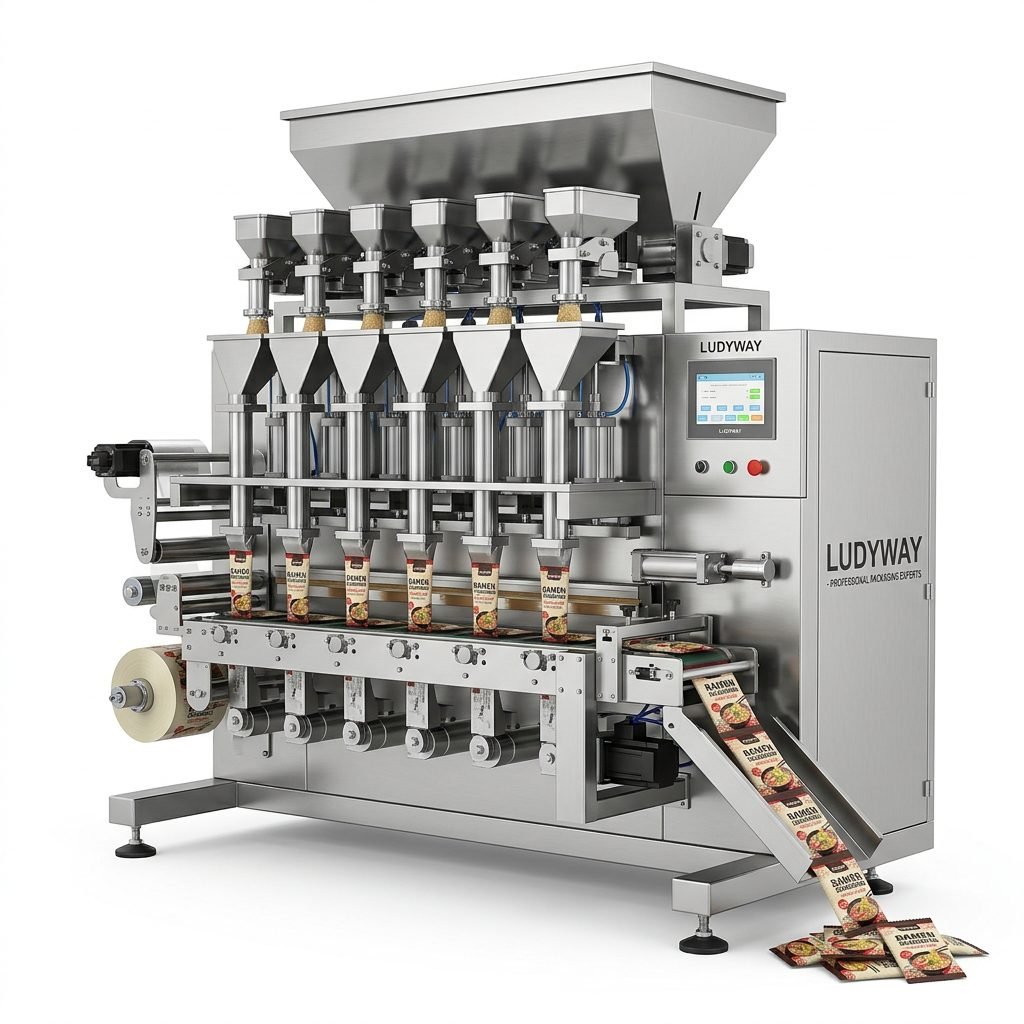
For applications requiring high precision, net weight scales are the gold standard. Multi-head weighers use several weigh hoppers to combine small amounts of product, achieving a target weight with remarkable accuracy. This technology is perfect for high-value seeds or mixed seed varieties where every gram counts. They are typically integrated with vertical form-fill-seal (VFFS) machines for complete bagging lines.
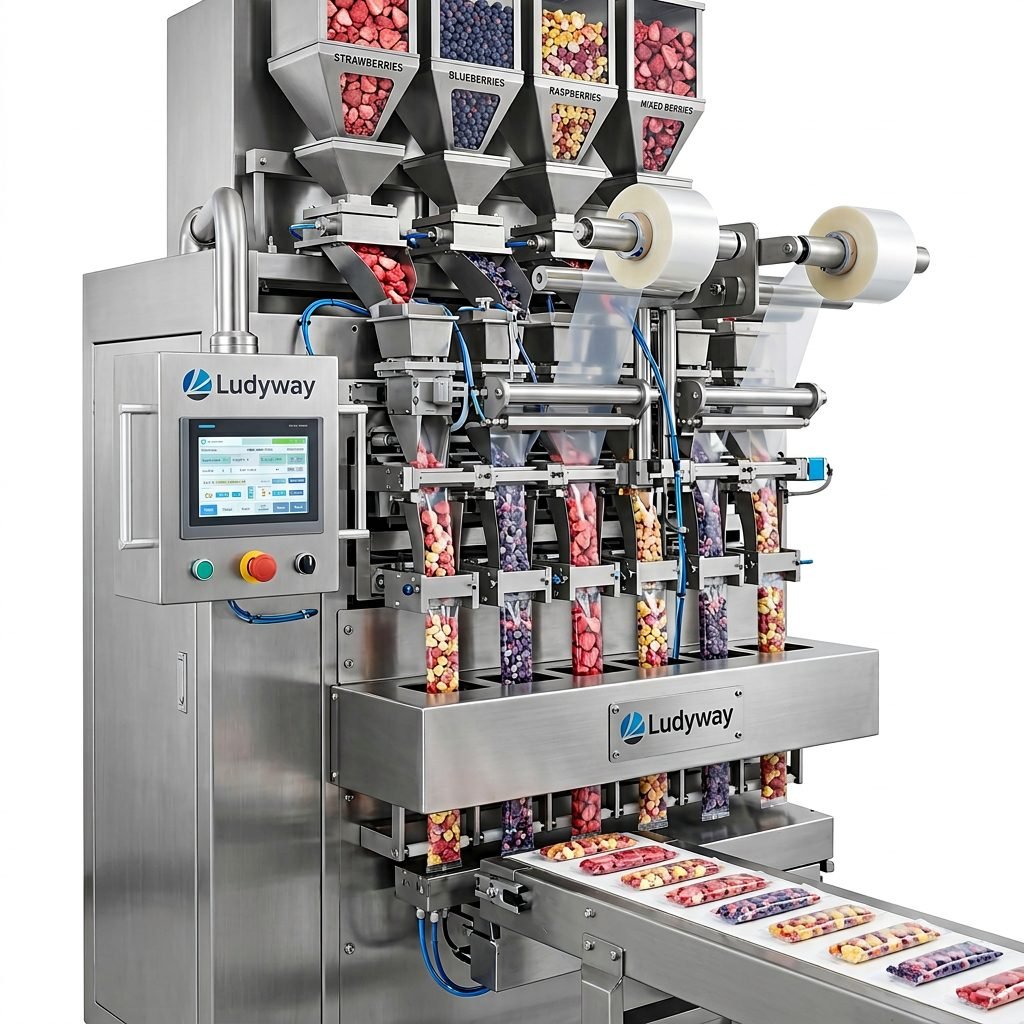
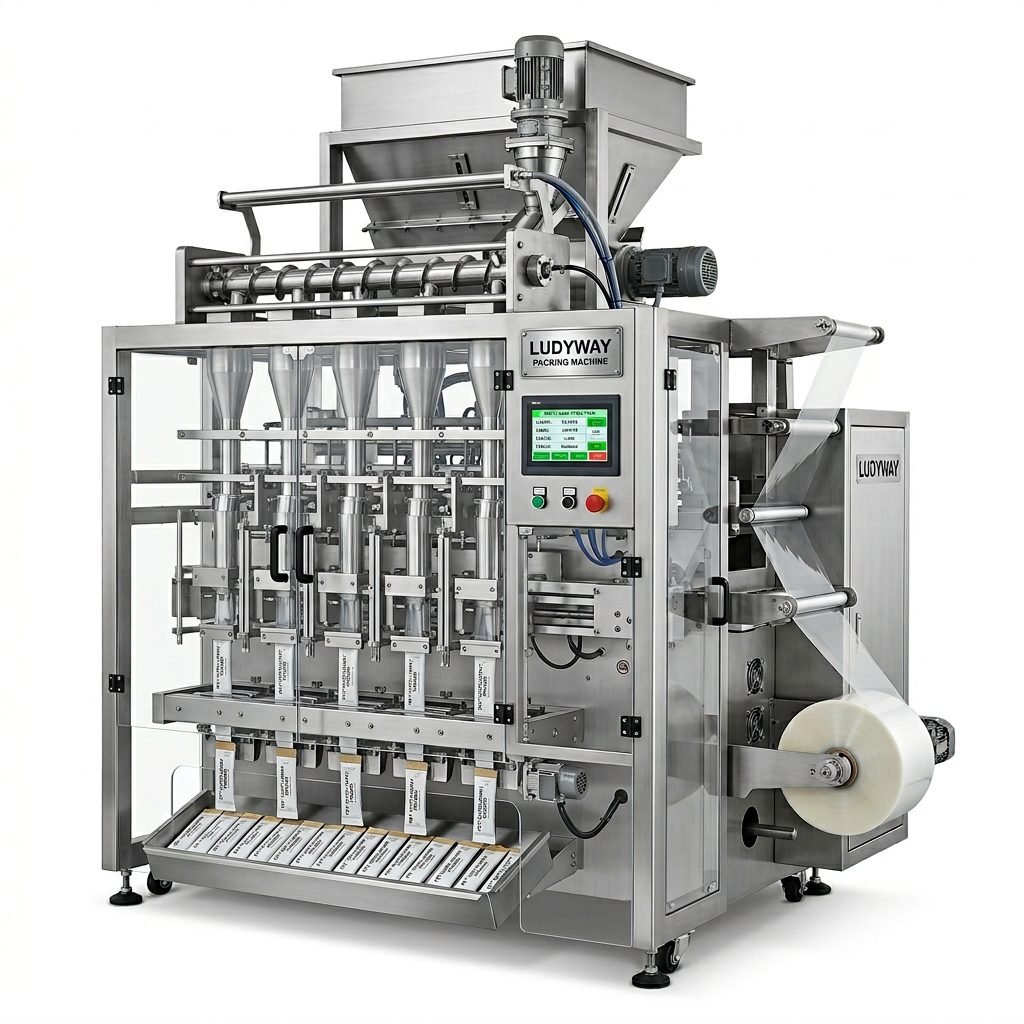
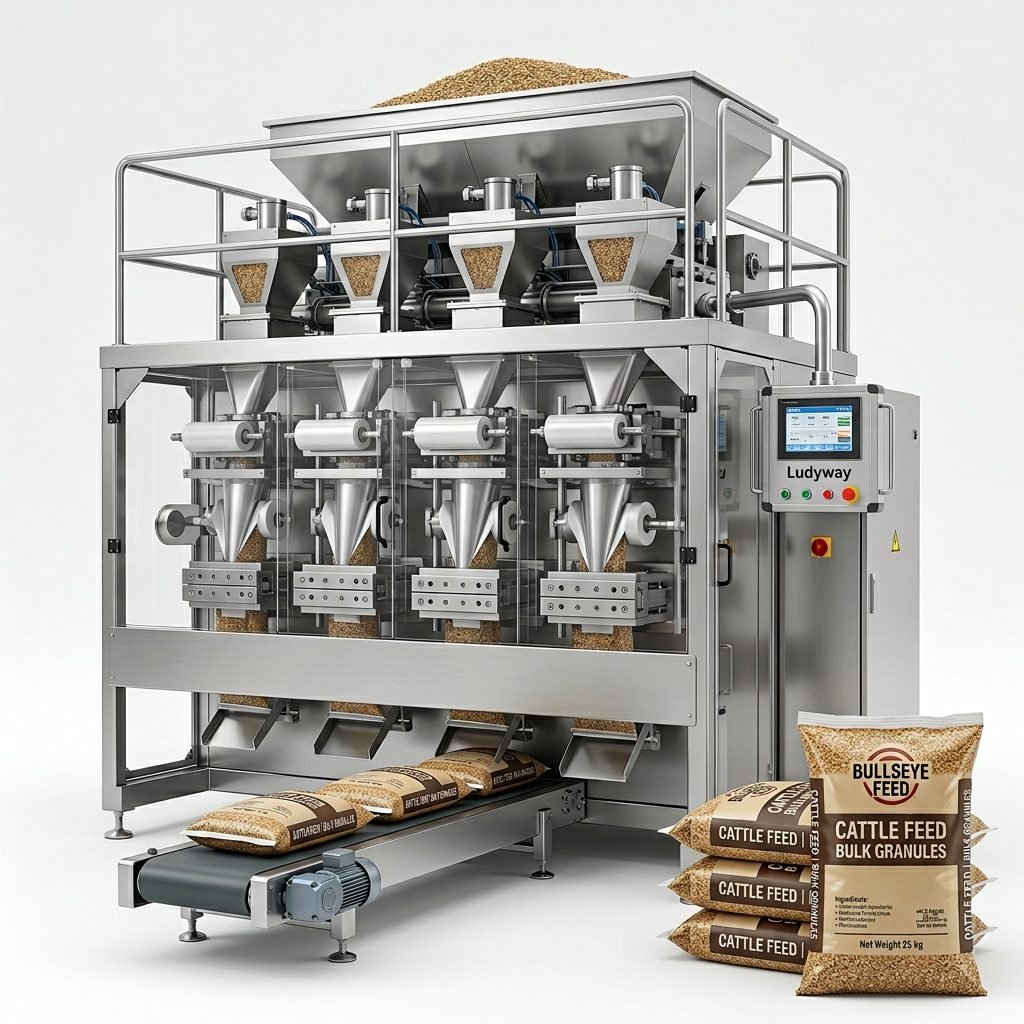
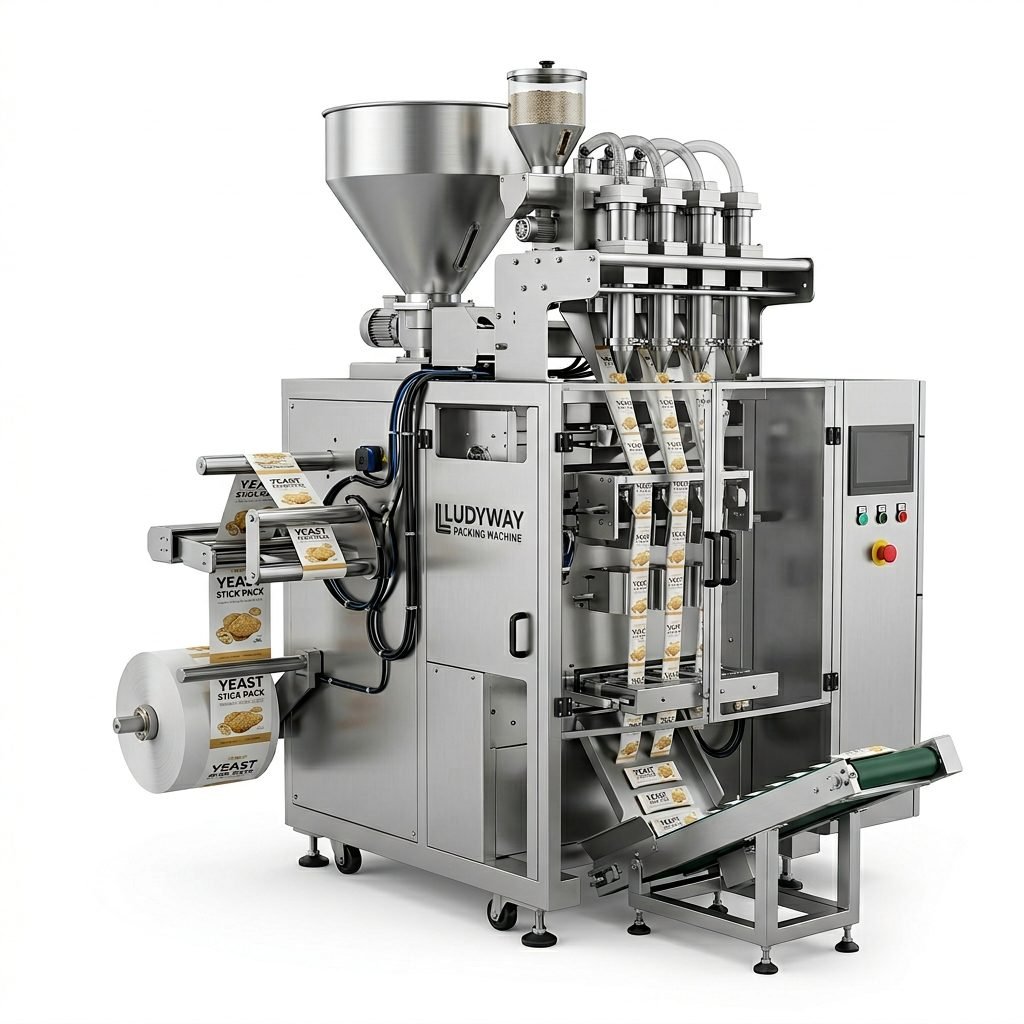
Vertical Form-Fill-Seal (VFFS) Machines
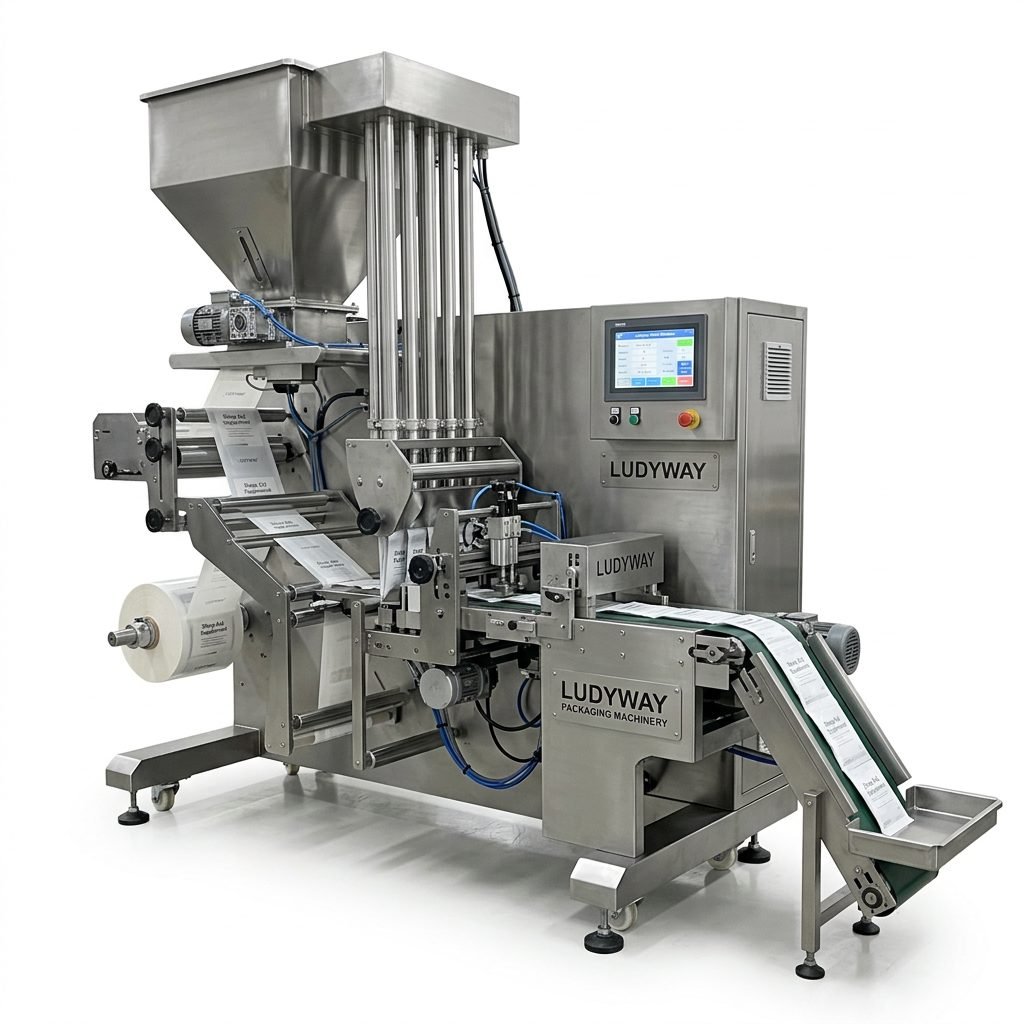
A VFFS machine is a highly versatile system that forms packaging from a roll of film, fills it with the measured product (seeds), and then seals it. It’s the backbone of modern seed packet production. These machines can create various pouch styles, such as pillow packs, gusseted bags, or stand-up pouches, with options for zippers or resealable features. Their flexibility in packaging design makes them a popular choice for brands focusing on shelf appeal.
Pre-Made Pouch Fillers
This equipment is designed to handle pre-manufactured pouches or bags. Seeds are dispensed into these open pouches, which are then heat-sealed. This method is excellent for businesses that have custom-printed packaging or require a specific bag material that cannot be formed from a roll. It often allows for easier changeovers between different bag sizes and designs.
Essential Features for Efficient Seed Packing
When evaluating seed packaging equipment, look beyond the basic type and examine the features that contribute to long-term efficiency, ease of use, and product integrity.
Critical Performance Features
Gentle Product Handling: Seeds are delicate. Look for machines with vibration-free feed systems, soft-drop mechanisms, and adjustable filling speeds to prevent damage to seeds, which can affect germination rates.
High Accuracy & Consistency: Whether using volumetric or gravimetric filling, the machine must deliver consistent portions. Check the manufacturer’s stated accuracy (e.g., ±0.5 grams) and ensure it meets your quality control standards.
Quick Changeover Capability: If you package multiple seed varieties or bag sizes, the time needed to switch between them is crucial. Machines with tool-less changeovers, digital recipe storage, and easy-access parts significantly reduce downtime.
Dust Extraction & Hygiene Design: Seed dust can be a nuisance and a contamination risk. Integrated dust collection ports and smooth, easy-to-clean surfaces (like stainless steel contact parts) are vital for maintaining a clean production environment.
Operational & Control Features
Modern machines are defined by their user interface and control systems. A user-friendly touchscreen HMI (Human-Machine Interface) allows operators to set parameters, monitor production counts, and diagnose issues quickly. Machines with PLC control offer greater reliability and programmability for complex sequences. Connectivity features for data logging (tracking production speed, waste, etc.) are becoming standard for smart factory integration.
Buying Guide: Selecting Your Seed Packaging Equipment
Choosing the right machine is a strategic decision. Follow this structured guide to align your equipment choice with your business goals.
Step 1: Assess Your Production Requirements
Begin by quantifying your needs. What is your required output in bags per minute or hour? What are the size and weight ranges of your seed products? What types of packaging materials do you plan to use (e.g., paper, poly, foil laminates)? Answering these questions will narrow down the machine type and necessary specifications.
Step 2: Evaluate Your Workspace and Utilities
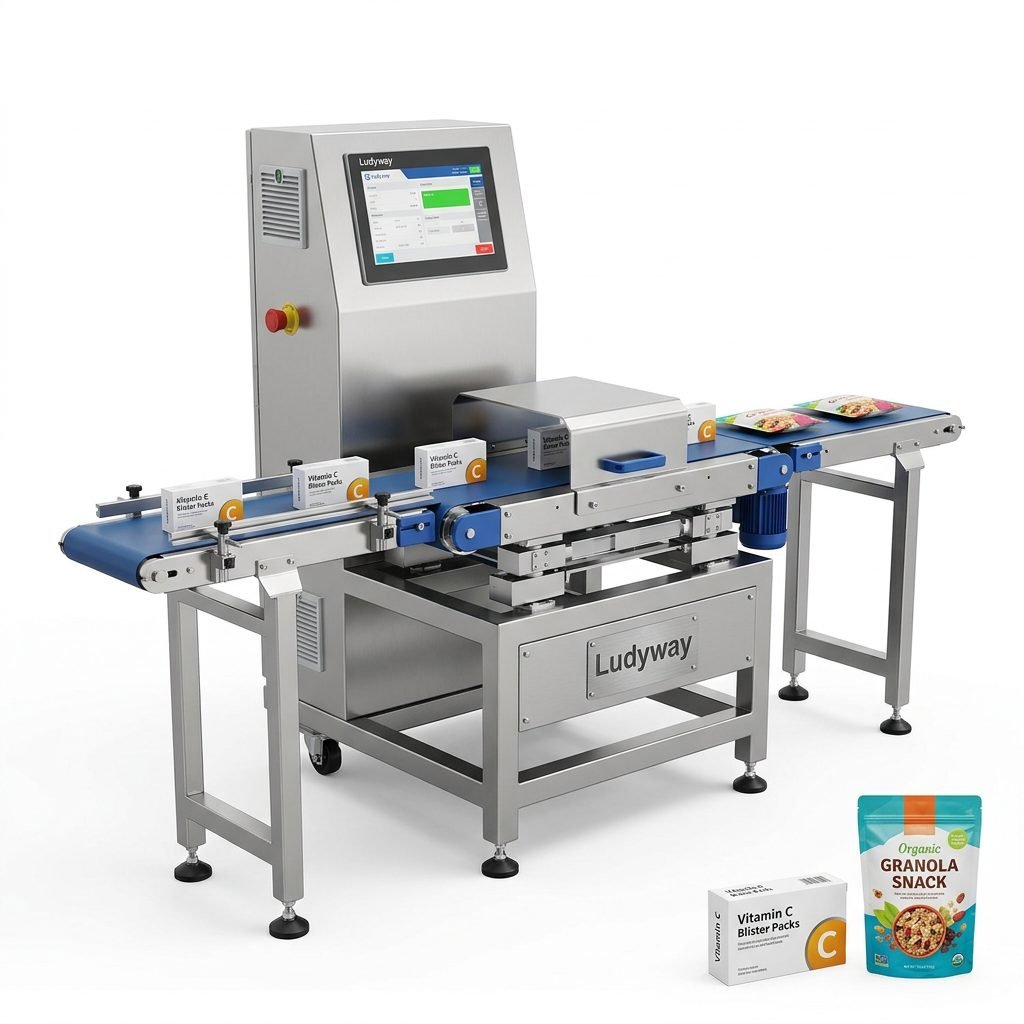
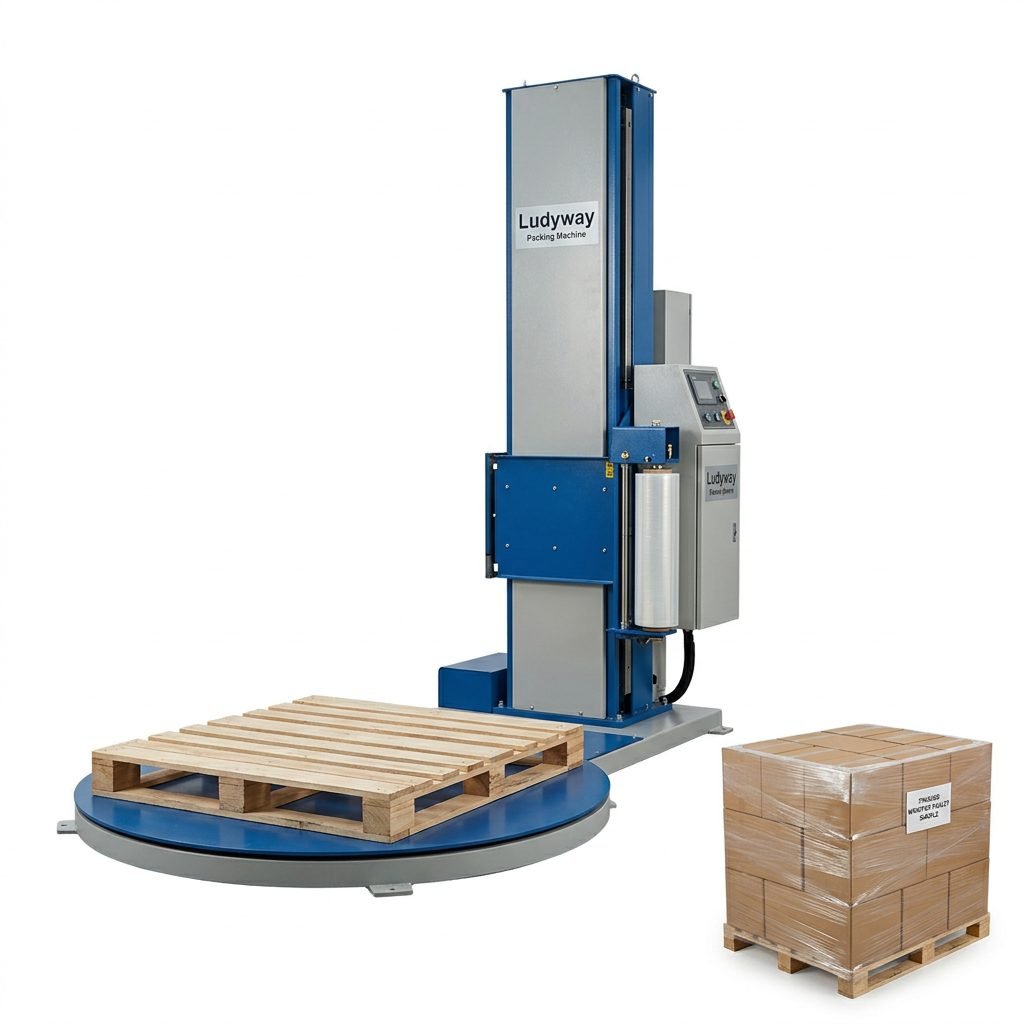
Ensure your facility can accommodate the machine. Check the footprint, power requirements (voltage, phase), and compressed air needs. Also, consider the workflow—will the machine be part of an integrated line with a conveyor, checkweigher, or labeling system? Planning for utilities and line layout upfront prevents costly installation issues.
Step 3: Prioritize Ease of Use and Support
The best machine is one your team can operate efficiently. Request a live demonstration or video of the machine running a product similar to yours. Inquire about training, technical support availability, and spare parts lead times. A supplier with a strong support network, like Ludyway Machinery, which offers global service, is invaluable for minimizing operational disruptions.
Step 4: Consider Total Cost of Ownership (TCO)
Look beyond the initial purchase price. Calculate the TCO by factoring in energy consumption, maintenance costs, expected lifespan, and potential for future upgrades. A slightly more expensive machine with higher efficiency and durability often provides a better return on investment over time by reducing waste and downtime.
Step 5: Request and Review References
Ask potential suppliers for case studies or contact information for current customers in a similar industry. First-hand feedback on machine performance, reliability, and the quality of after-sales service is one of the most reliable indicators of what you can expect. A company with a long history, such as one with over 30 years of industry experience, typically has a proven track record of customer satisfaction.
Conclusion
Investing in the right seed packaging equipment is a strategic move that enhances productivity, ensures product quality, and supports business growth. By understanding the different machine types—from volumetric fillers to sophisticated VFFS systems—and focusing on key features like gentle handling, precision, and ease of use, you can make a choice that delivers long-term value. A thorough buying process that assesses your specific needs, operational environment, and supplier support will lead you to the optimal solution for efficient and reliable seed packing. For businesses seeking tailored solutions, exploring the complete automation line options from experienced providers can unlock even greater efficiencies.
Frequently Asked Questions (FAQs)
Q1: What is the most accurate type of seed packaging machine?
For the highest weight accuracy, multi-head weighers or precision net weight scales are the best choice. They are ideal for high-value or varietal seeds where exact count or weight is critical. Volumetric fillers are faster and more cost-effective for applications where slight weight variations are acceptable.
Q2: Can one machine handle different sizes and types of seeds?
Yes, many modern machines are designed for quick changeover. By switching out filling heads, cups, or software recipes, a single machine can often package everything from small flower seeds to larger vegetable seeds. It’s essential to discuss your full product range with the supplier to ensure the machine’s flexibility meets your needs.
Q3: How important is after-sales service when buying packaging equipment?
Extremely important. Reliable technical support, readily available spare parts, and accessible training are crucial for maintaining uptime. Choose a supplier with a strong service reputation and a clear support structure to ensure your investment is protected and your production line runs smoothly for years.
Q4: What packaging materials work best with automated seed packagers?
Most automated systems, especially VFFS machines, work well with a range of heat-sealable laminates (like PET/PE, OPP/CPP) that provide a moisture barrier. For pre-made pouches, paper, woven polypropylene, or foil-based materials are common. The machine supplier can recommend the best material for your seed preservation and branding requirements.
Q5: How can I improve the shelf appeal of my seed packets with automated equipment?
Modern equipment offers numerous options. VFFS machines can produce attractive stand-up pouches or gusseted bags with high-quality printed graphics directly on the film. Features like resealable zippers, tear-notches, and clear windows can also be integrated. Discuss your branding goals with your packaging machine provider to explore all possibilities.