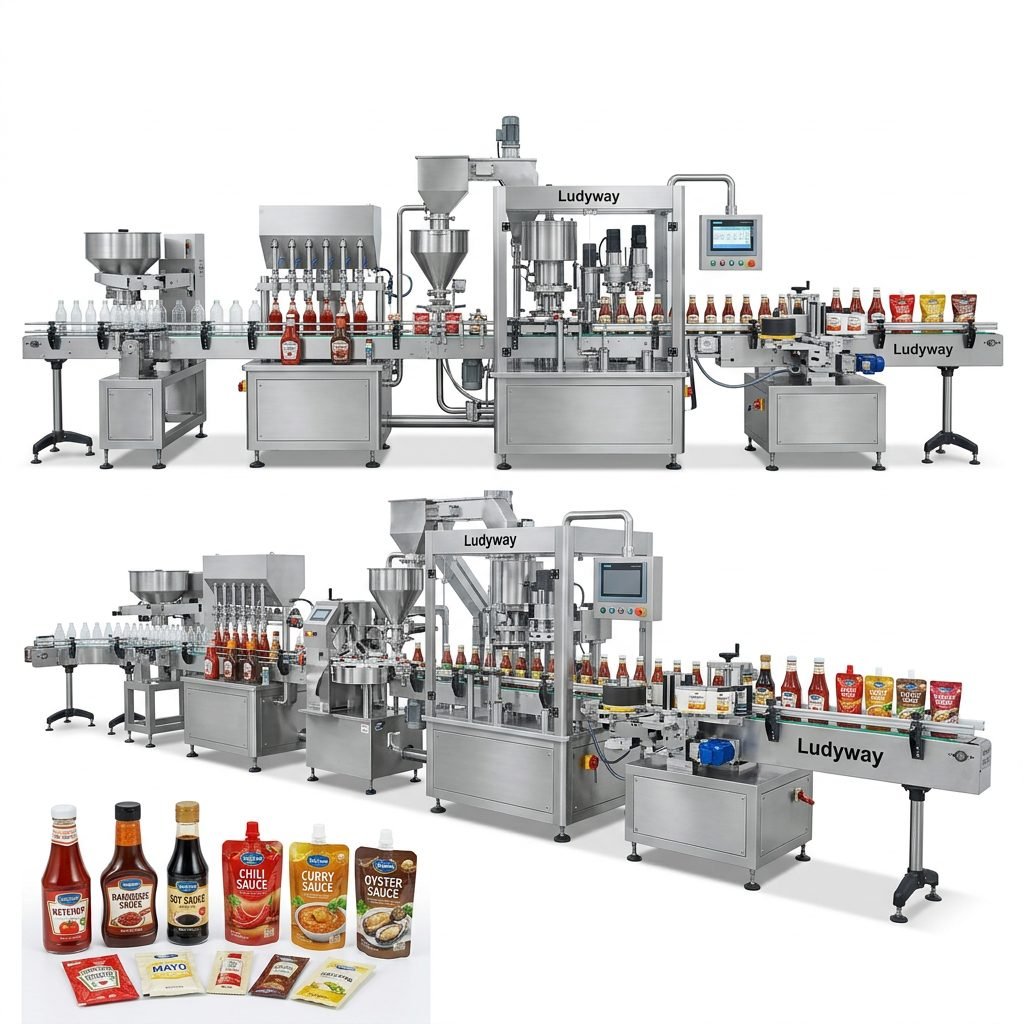
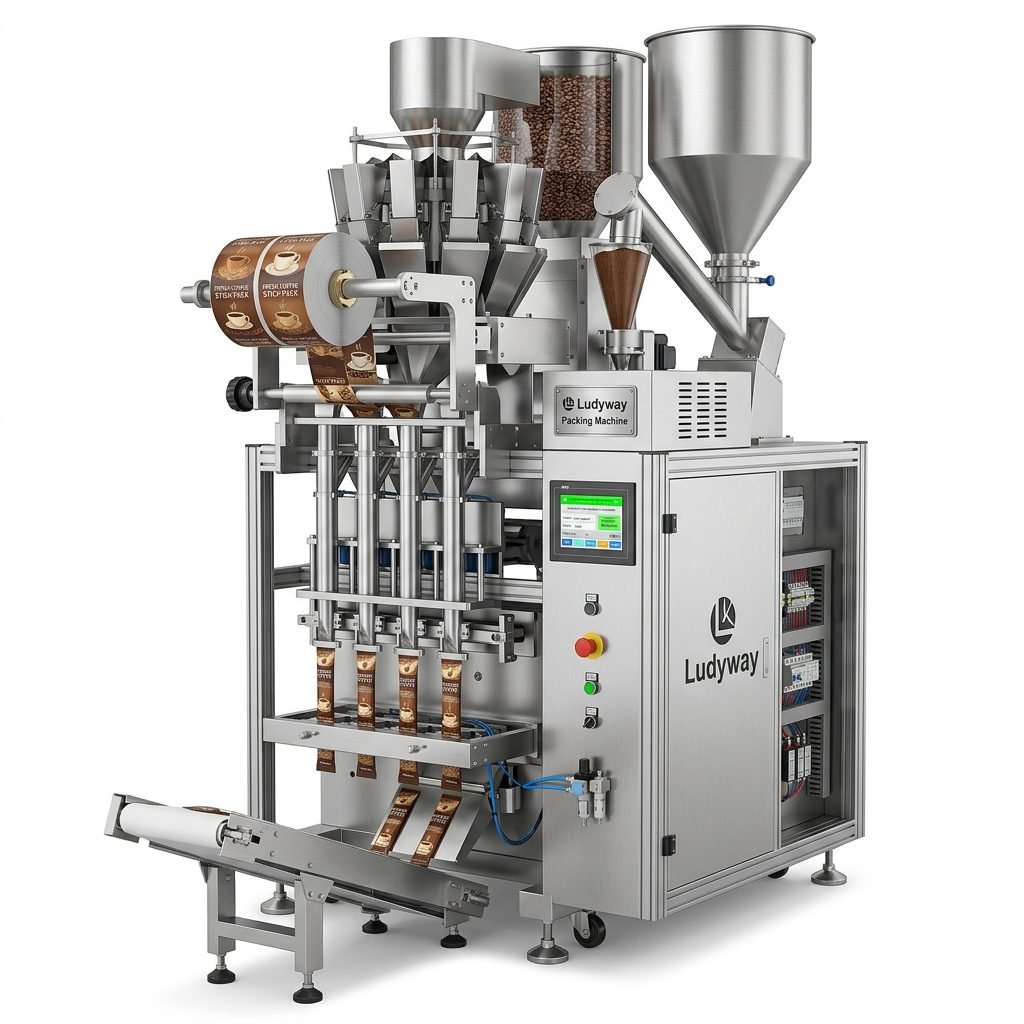
Investing in the right poultry packaging machine is one of the most critical decisions for any poultry processing operation. Whether you are packaging fresh chicken parts, frozen poultry products, or processed poultry items, the equipment you choose directly impacts productivity, product shelf life, and overall profitability. A well-chosen machine ensures consistent sealing, accurate weighing, and compliance with food safety regulations, while a poorly matched system can lead to downtime, product waste, and costly recalls.
This guide walks you through the essential factors to consider when selecting poultry packaging equipment, from understanding different machine types to evaluating key technical specifications. With insights drawn from PMMI packaging industry standards and real-world application experience, you will be equipped to make an informed purchasing decision.
Understanding the Types of Poultry Packaging Machines
Poultry packaging machinery spans a wide range of equipment types, each suited for specific product formats and production scales. Understanding these categories is the first step toward narrowing down your options. The table below summarizes the most common machine types used in the poultry industry today.
| Machine Type | Best Suited For | Key Advantages | Typical Output Range |
|---|---|---|---|
| Tray Sealing Machines | Fresh chicken portions, MAP packaging | Excellent seal integrity, modified atmosphere compatibility | 30-120 packs/min |
| Flow Wrapping Machines | Whole birds, frozen poultry, bulk packs | High-speed operation, versatile film compatibility | 40-150 packs/min |
| Vacuum Packaging Machines | Marinated poultry, extended shelf-life products | Superior oxygen removal, extended freshness | 20-80 packs/min |
| Multi-Lane Stick Pack Machines | Poultry feed supplements, seasonings, powders | Ultra-high throughput, precision dosing | 200-600 packs/min |
| Premade Pouch Packaging Machines | Value-added poultry snacks, pet treats | Flexible pouch formats, quick changeover | 25-60 packs/min |
Selecting the correct machine type depends heavily on your product characteristics, target shelf life, and desired packaging format. For operations requiring high-speed production, multi-lane systems offer unmatched throughput, while tray sealing remains the gold standard for retail-ready fresh poultry.
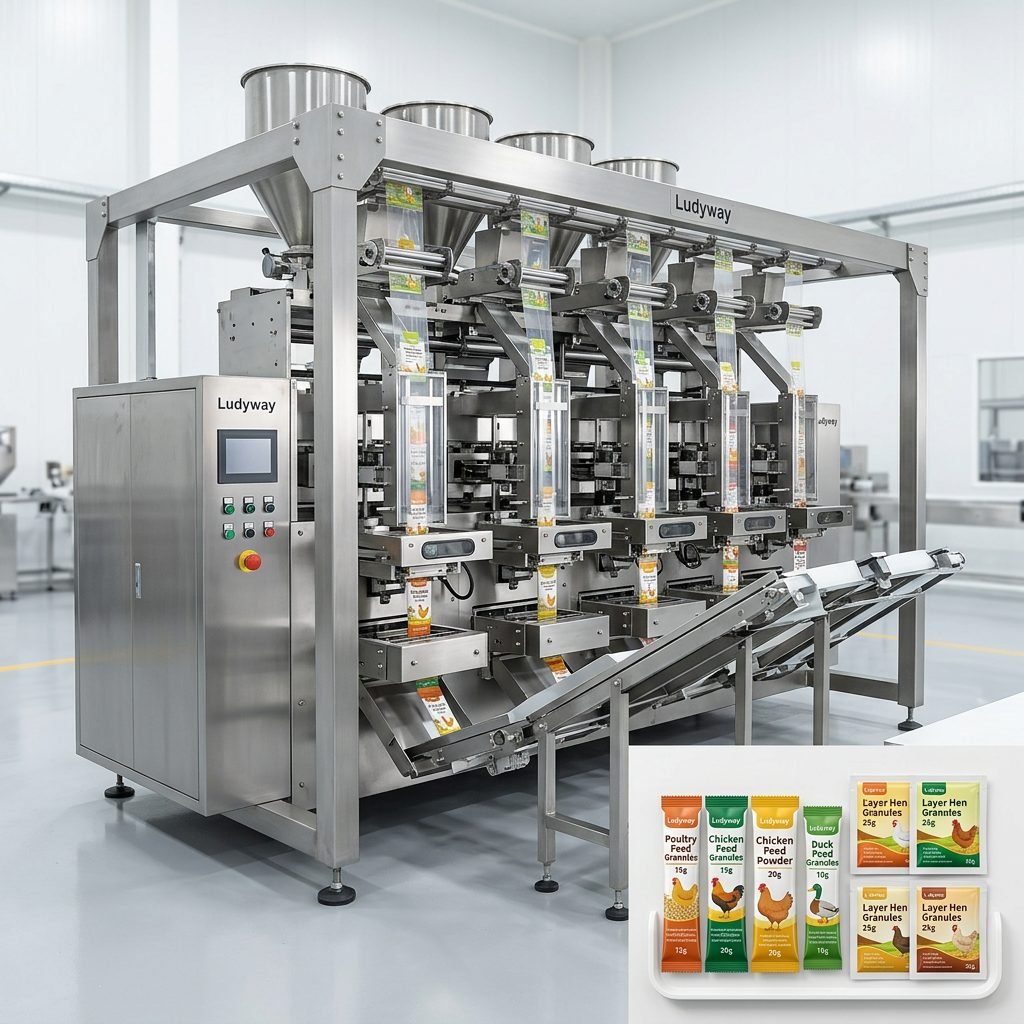
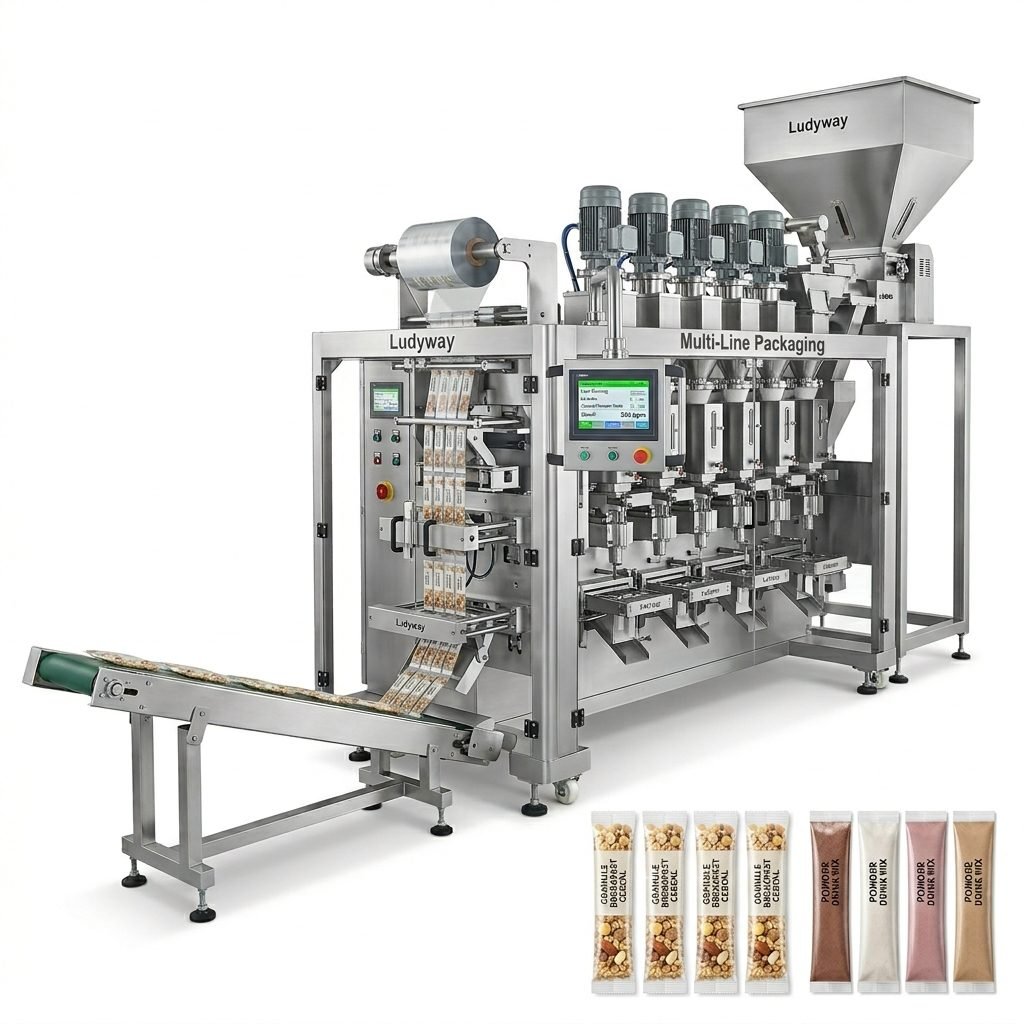
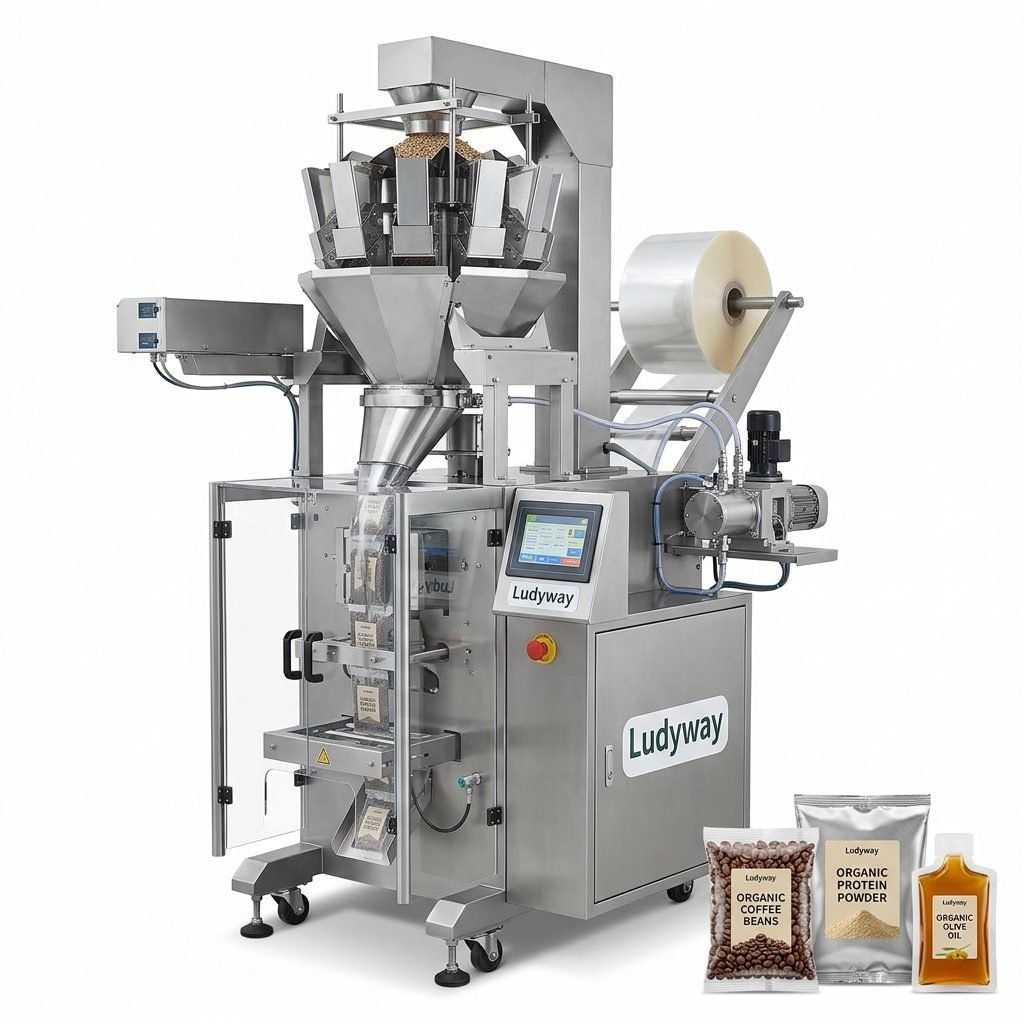
Multi-lane packaging systems designed for poultry feed and granular product applications
Key Factors to Evaluate Before Buying
Beyond machine type, several operational and technical factors must be carefully assessed. Rushing into a purchase without evaluating these elements can result in production bottlenecks and unexpected costs down the line.
Production Capacity and Speed Requirements
Your current and projected production volume should drive equipment sizing. A machine that cannot keep pace with upstream processing lines creates costly backups, while oversized equipment wastes energy and floor space. Calculate your required packs per minute (PPM) based on peak production days, not average output, to ensure sufficient headroom. Industry data from the PMMI Business Intelligence Library indicates that poultry processors increasingly demand flexible systems capable of handling multiple SKU formats without significant changeover time.
Packaging Material Compatibility
Not all machines handle every film type equally well. Consider whether your operation uses polyethylene (PE), polypropylene (PP), laminated films, or biodegradable materials. The Flexible Packaging Association provides extensive resources on material selection for protein packaging. Verify that the machine’s sealing temperature range, film tension control, and forming capabilities match your material specifications. Incompatibility can lead to poor seal integrity, which directly compromises food safety.
Automation Level and Line Integration
Modern poultry packaging lines increasingly incorporate automated weighing, filling, sealing, and case packing in a continuous flow. When selecting equipment, evaluate how seamlessly it integrates with your existing upstream and downstream systems. Key integration points include:
- Weighing systems – Multi-head weighers or linear weighers for consistent portion control
- Conveyor compatibility – Infeed and outfeed height alignment with existing lines
- Inspection equipment – Metal detectors, checkweighers, and X-ray systems for quality assurance
- End-of-line automation – Case packing, palletizing, and stretch wrapping integration
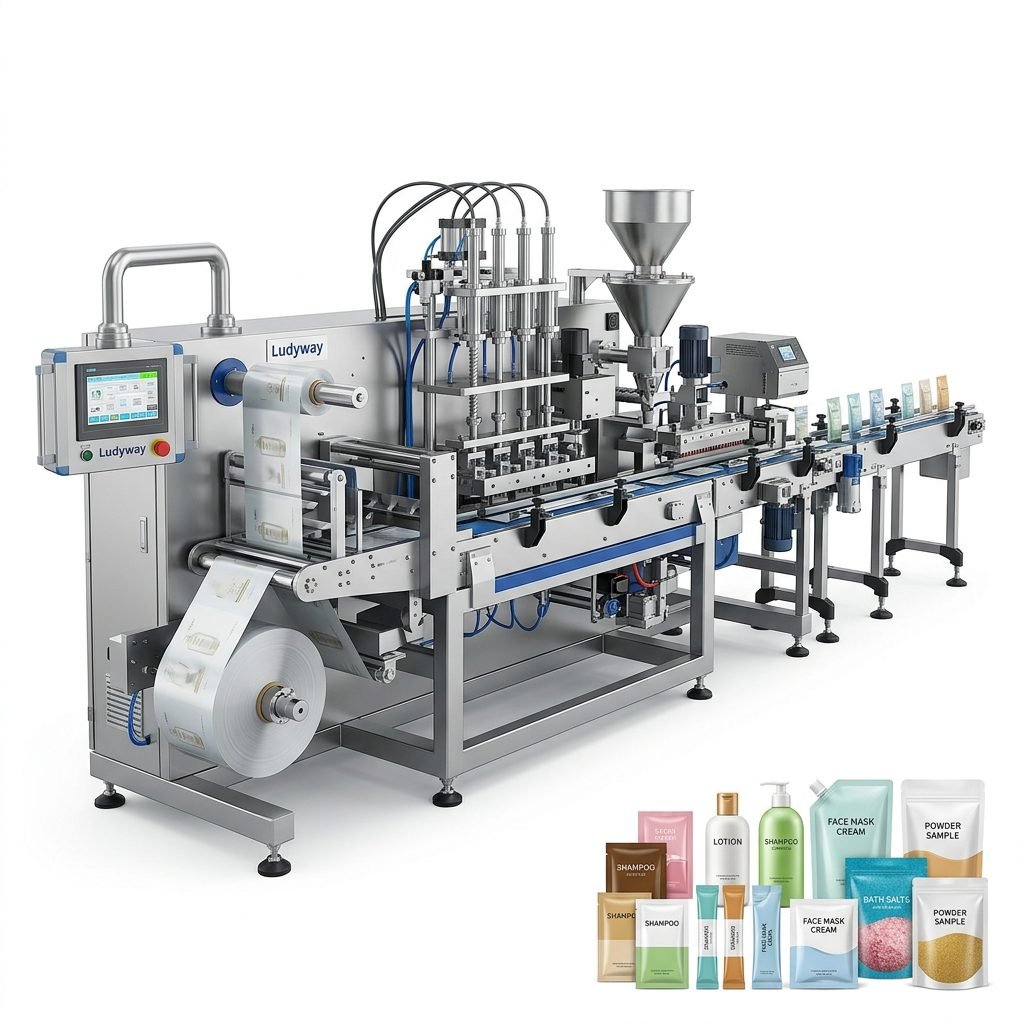
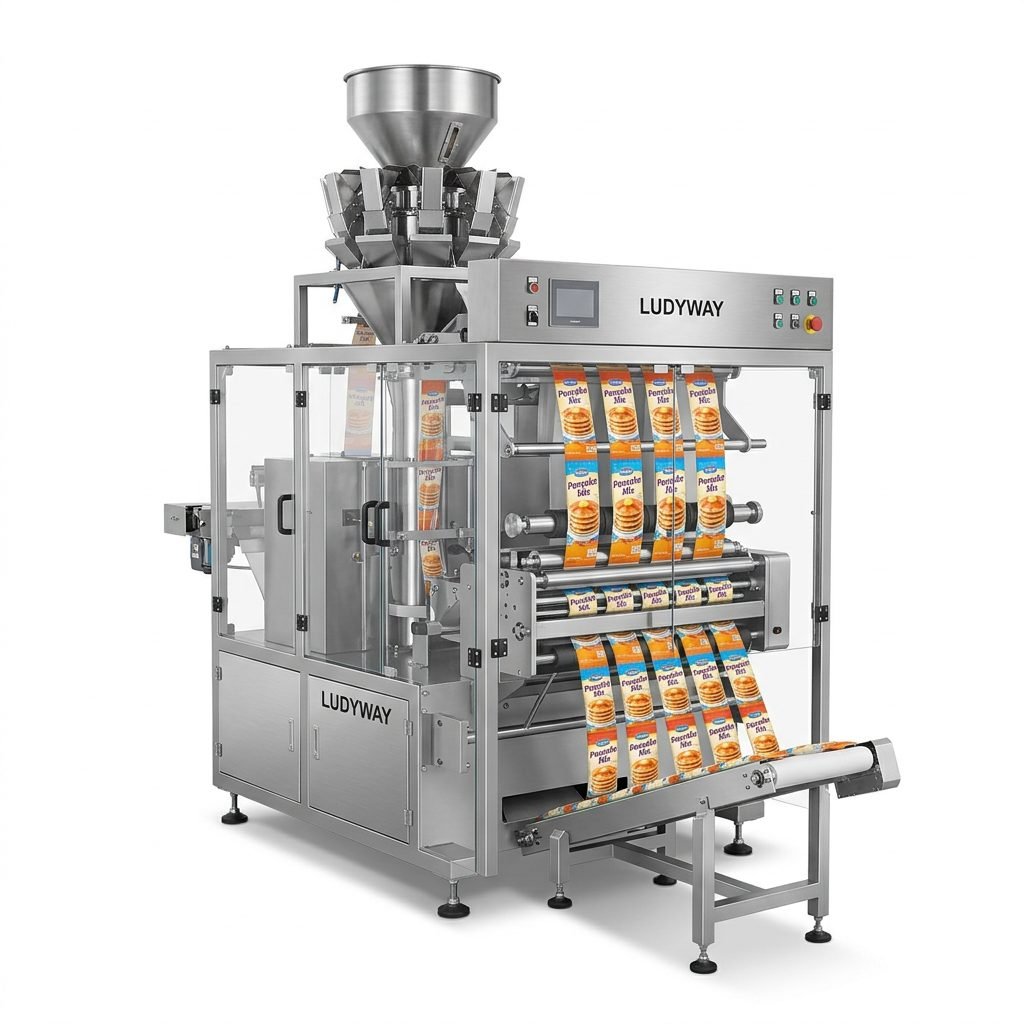
Fully automated poultry feed packaging lines with multi-lane systems for high-volume production
Hygiene, Sanitation, and Regulatory Compliance
Poultry processing environments demand stringent sanitary standards. Equipment must be designed for thorough cleaning, with sloped surfaces, minimal crevices, and preferably stainless steel construction. Look for machines with IP65 or higher washdown ratings if wet cleaning is part of your sanitation protocol. Compliance with FDA food packaging regulations is non-negotiable for processors serving the U.S. market. Additionally, machinery should support HACCP requirements with accessible validation points for critical control parameters.
Essential Features That Drive Long-Term Value
Beyond basic functionality, certain features significantly impact operational efficiency and total cost of ownership. When comparing equipment options, prioritize these attributes to maximize your return on investment.
| Feature | Why It Matters | Impact on Operations |
|---|---|---|
| Quick Changeover Design | Minimizes downtime between product runs | Higher OEE, better responsiveness to demand shifts |
| Servo-Driven Motion Control | Precise, programmable movements with less mechanical wear | Reduced maintenance, consistent product quality |
| Remote Monitoring & Diagnostics | Enables predictive maintenance and real-time troubleshooting | Lower unplanned downtime, faster issue resolution |
| Tool-Free Disassembly | Speeds up cleaning and routine maintenance tasks | Improved sanitation compliance, reduced labor costs |
| Energy-Efficient Design | Lowers electricity and compressed air consumption | Reduced operating costs, sustainability benefits |
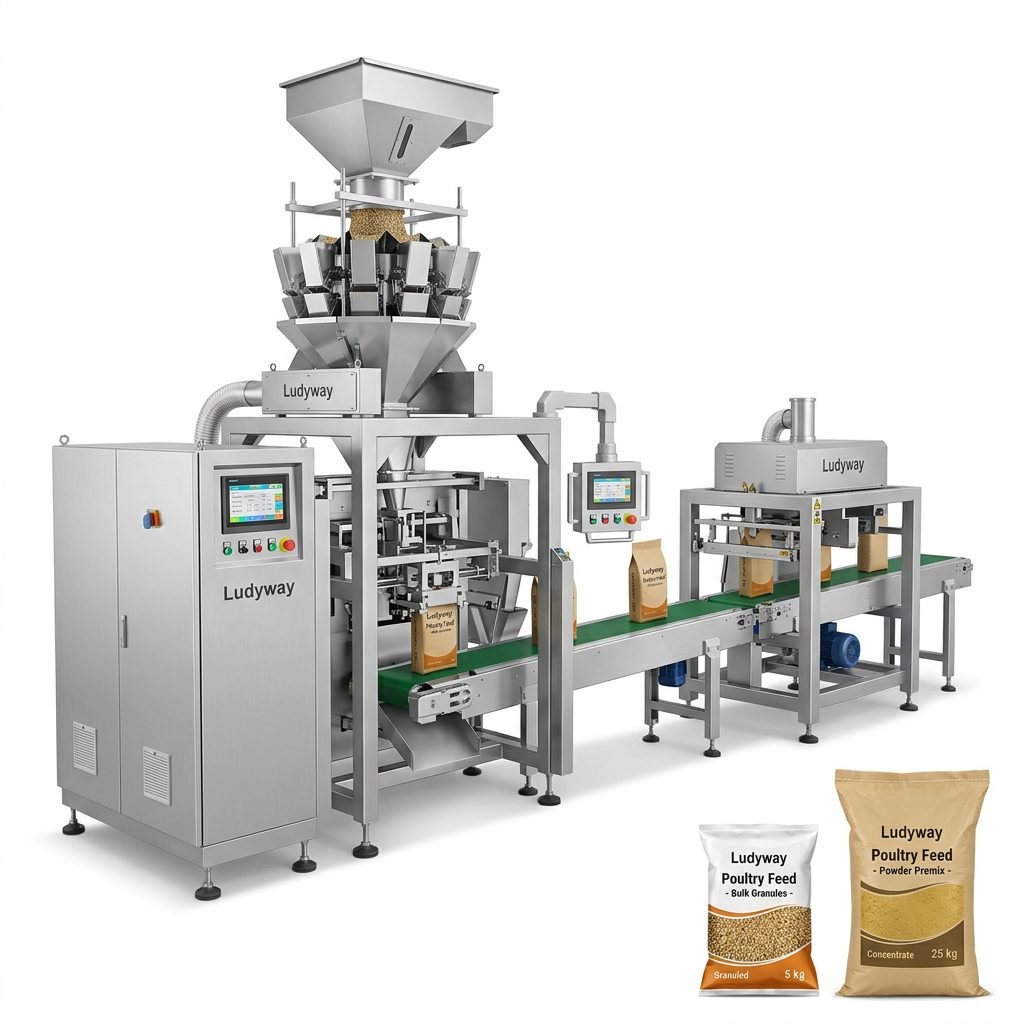
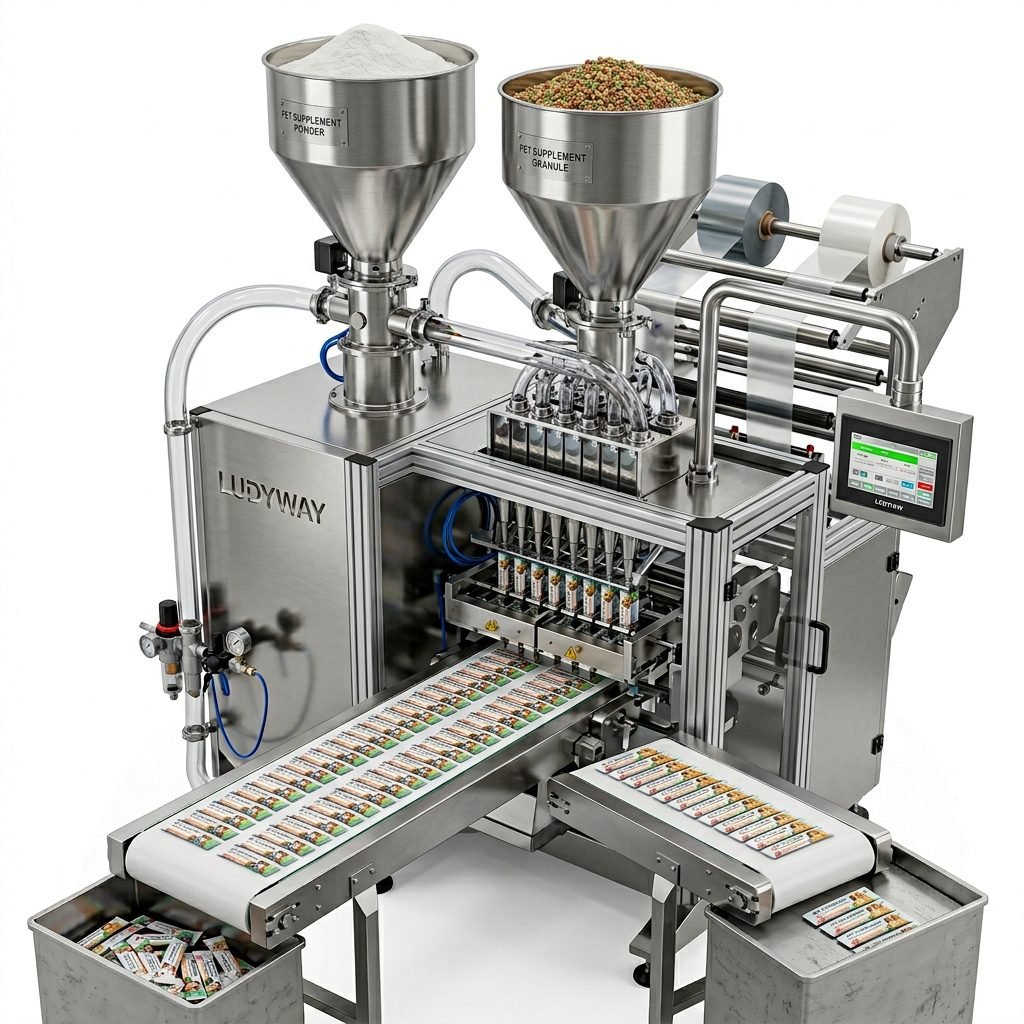
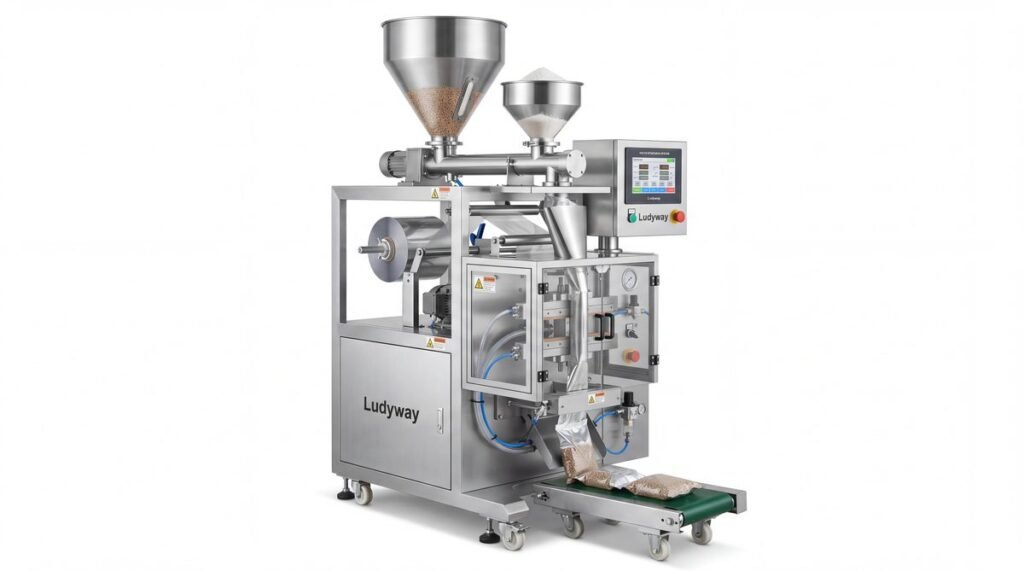
Automated poultry feed packaging systems engineered for bulk granule and powder processing
Weighing Accuracy and Giveaway Control
In poultry packaging, product giveaway directly erodes profit margins. Even a 1-gram overfill per pack, multiplied across millions of units annually, translates into significant financial loss. Modern multi-head weighers achieve accuracy within ±0.5g for granular products like poultry feed, while linear weighers offer a cost-effective alternative for less demanding applications. When evaluating weighing systems, consider:
- Target weight range and acceptable tolerance for your product
- Product characteristics – free-flowing granules, sticky powders, or irregular pieces
- Weighing speed required to match downstream packaging speed
- Integration with feedback loops for automatic weight adjustment
Durability, Maintenance, and After-Sales Support
A poultry packaging machine represents a significant capital investment, and its long-term reliability depends on build quality and accessible service support. Look for equipment constructed with heavy-duty stainless steel frames, corrosion-resistant components, and industrial-grade electrical systems designed for continuous operation in challenging environments. Equally important is the availability of spare parts and technical support in your region. Downtime in poultry processing is exceptionally costly, and waiting weeks for replacement parts is simply not viable. When evaluating suppliers, inquire about:
- Availability of local service technicians and response time guarantees
- Spare parts inventory and typical delivery timelines for critical components
- Training programs for your operators and maintenance staff
- Warranty coverage and extended service contract options
Companies like Ludyway, with over 30 years of packaging machinery expertise and a 20,000㎡ modern production facility, demonstrate the kind of manufacturing scale and engineering capability that supports reliable long-term equipment performance. For operations considering turnkey poultry feed packaging lines, working with an experienced manufacturer that offers comprehensive after-sales support is essential for minimizing lifecycle costs.
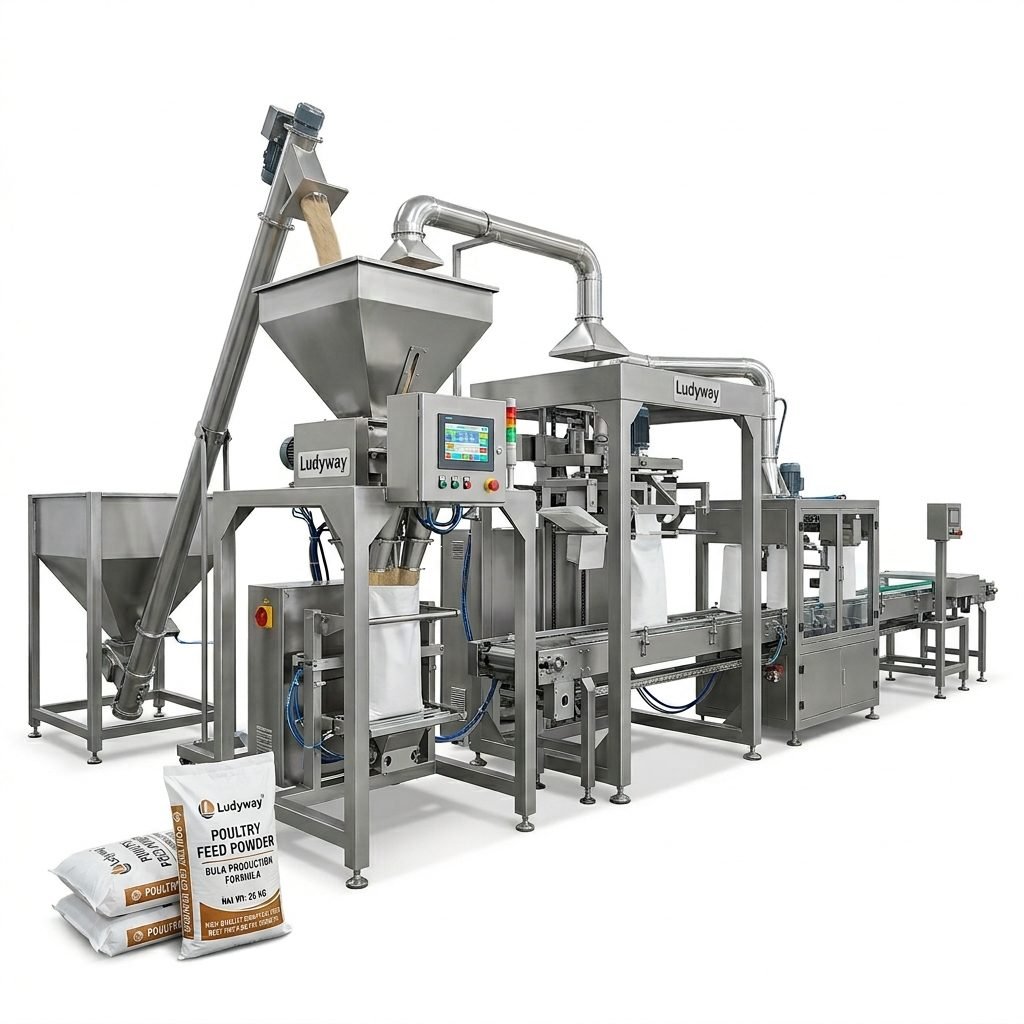
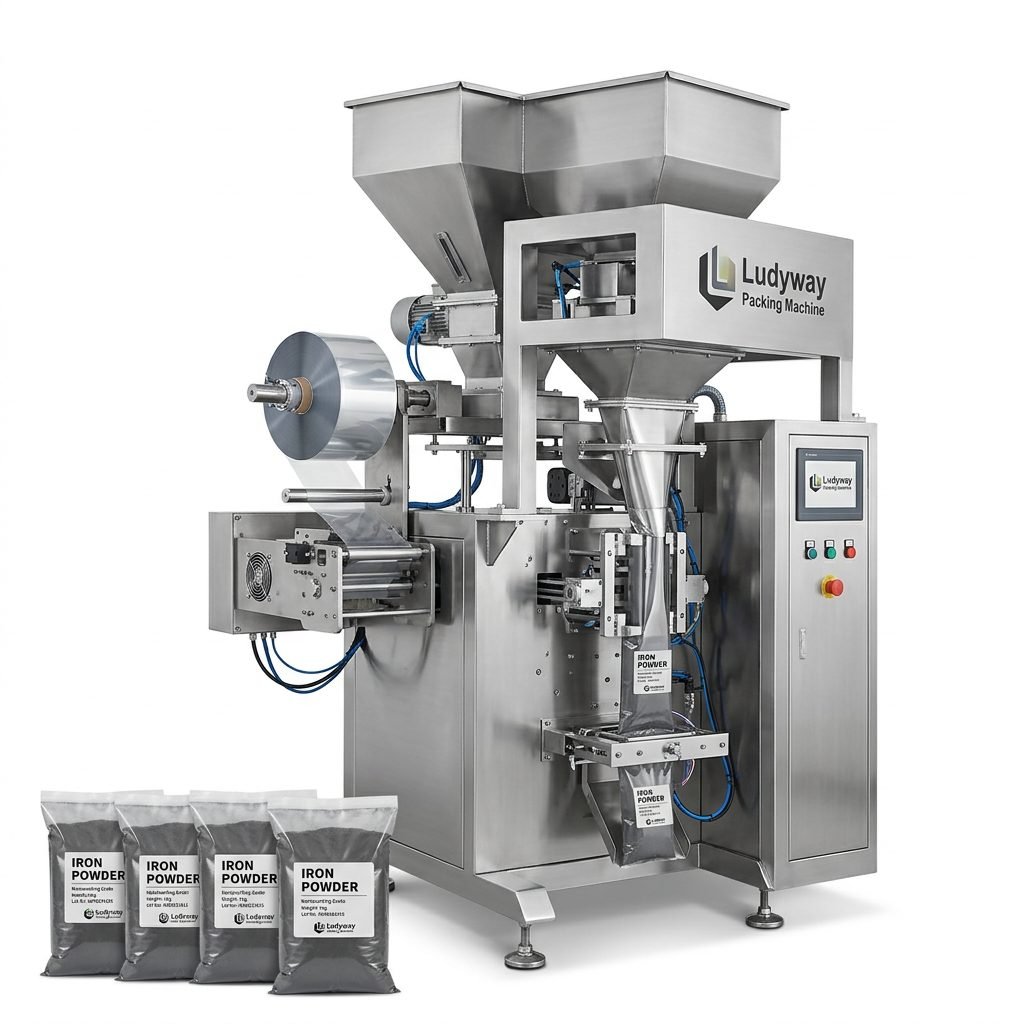
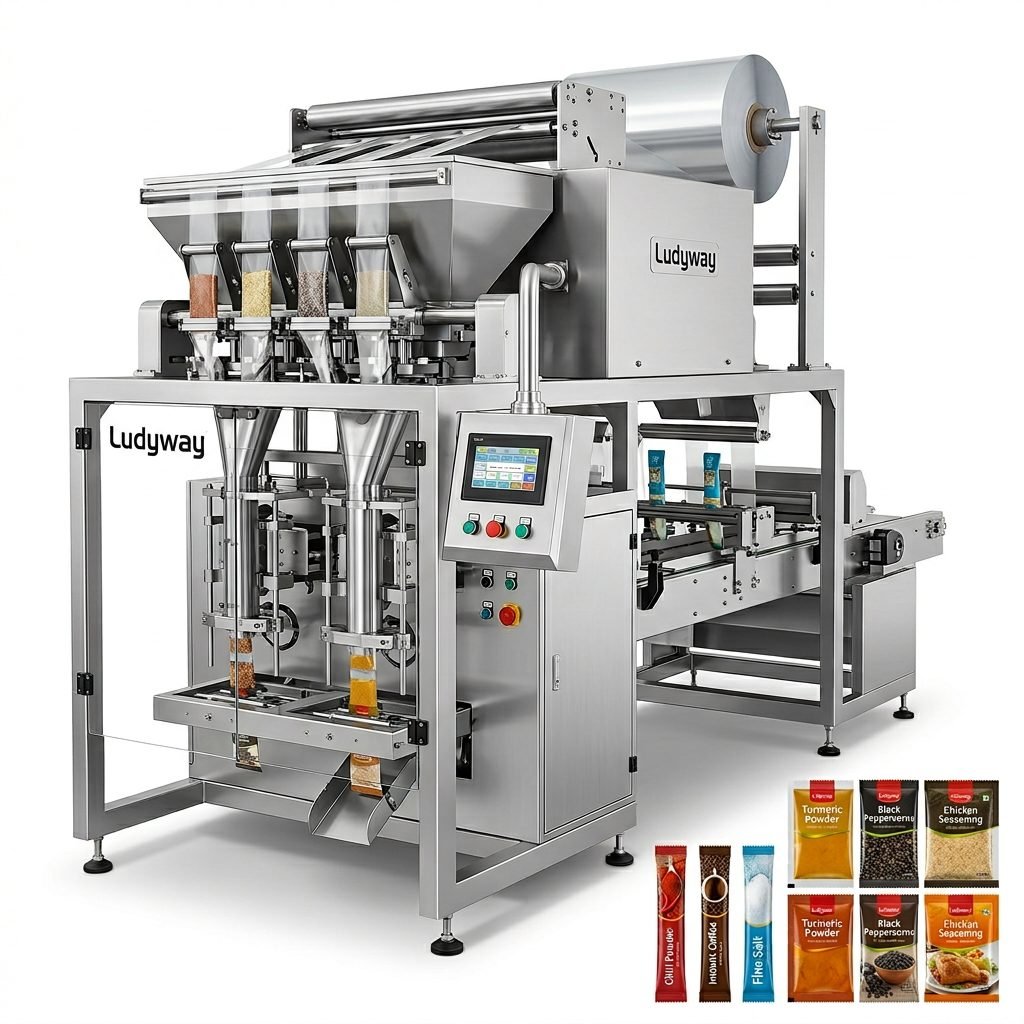
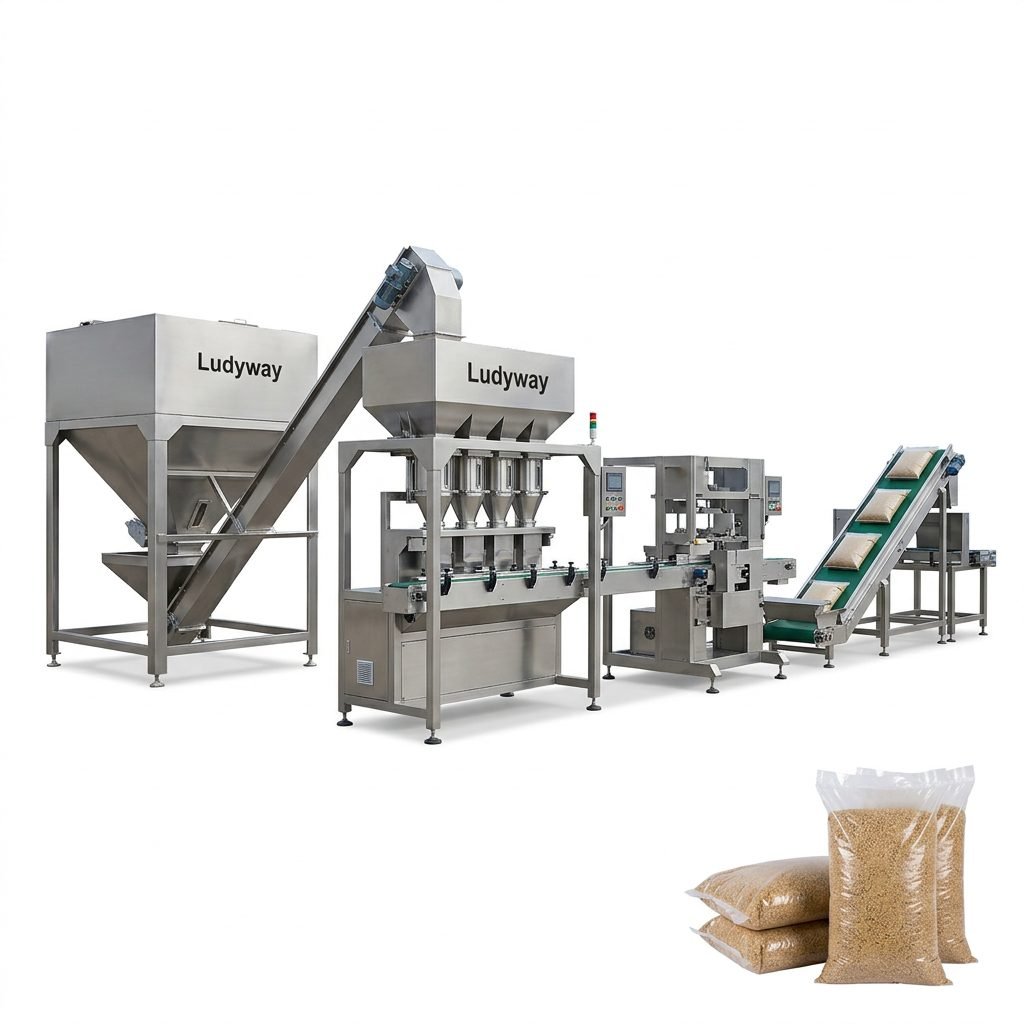
High-capacity poultry feed powder packaging line designed for bulk production environments
Making the Final Decision: A Step-by-Step Approach
With all the technical factors considered, a structured decision-making process helps ensure you select the right poultry packaging solution for your specific needs. Follow these steps to move from research to purchase with confidence:
- Define your product range and packaging formats – Document every SKU, including current and planned products, packaging dimensions, and material specifications.
- Calculate your throughput requirements – Determine required packs per minute based on peak production, allowing at least 20% headroom for growth.
- Assess your facility constraints – Measure available floor space, ceiling height, utility connections, and environmental conditions.
- Request detailed proposals from multiple suppliers – Compare specifications, pricing, lead times, and service commitments side by side.
- Conduct factory acceptance testing (FAT) – Visit the manufacturer’s facility to test the equipment with your actual products before shipment.
- Plan for installation and training – Coordinate with the supplier on timeline, operator training, and commissioning support.
Industry Resources and Further Reading
Staying informed about packaging industry trends and standards is critical for making sound equipment decisions. The following authoritative resources provide valuable data, guidelines, and market intelligence for poultry and food packaging professionals:
- PMMI – The Association for Packaging and Processing Technologies – Comprehensive industry reports and networking opportunities
- Flexible Packaging Association – Industry Resources – Technical data on flexible packaging materials and applications
- PACK EXPO International – Leading trade show for packaging technology and innovation
- FDA – Food Packaging and Food Contact Substances – Regulatory guidance for food packaging compliance
- ISO Packaging Standards – International standards governing packaging machinery and processes
Selecting the right poultry packaging machine requires careful consideration of your production goals, product characteristics, and operational environment. By systematically evaluating machine types, technical specifications, hygiene requirements, and supplier capabilities, you can invest in equipment that delivers reliable performance, compliance, and profitability for years to come. The poultry industry continues to evolve toward higher automation, greater flexibility, and improved sustainability—and your packaging equipment should be ready to grow with your business.