Heat shrink film packaging machines are a cornerstone of modern production lines, offering a versatile and efficient method for bundling, protecting, and presenting products. This guide delves into the various types of machines, their wide-ranging applications, the significant benefits they bring to operations, and provides a structured framework for selecting the right equipment for your specific needs.
Understanding Heat Shrink Film Packaging Technology
The core principle of heat shrink packaging involves enclosing a product or group of products within a plastic film and then applying heat. This heat causes the film to contract tightly around the contents, forming a secure, tamper-evident, and visually appealing package. The process typically involves a film wrapping station and a heat tunnel or chamber.
Key Components of a Shrink Wrapping System
A standard system consists of:
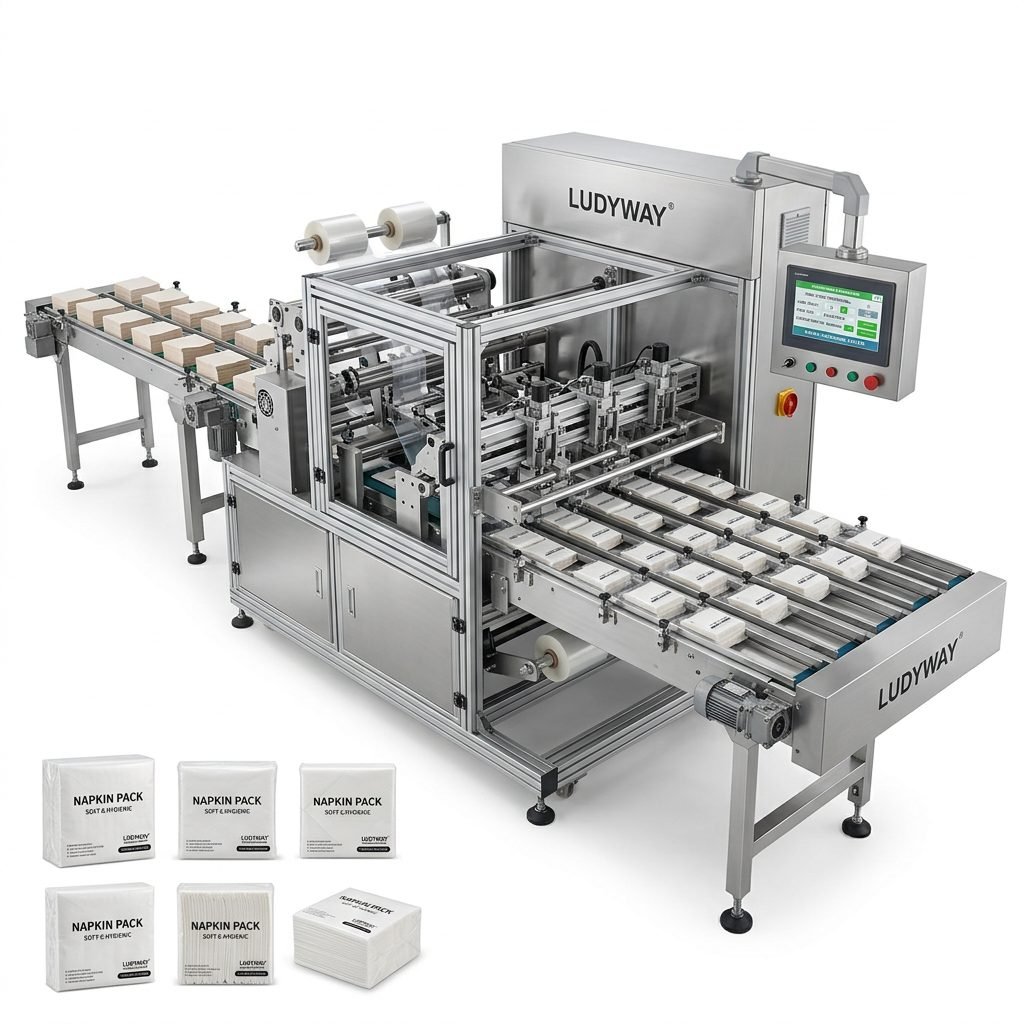
- Film Dispenser & Wrapper: This unit accurately cuts and wraps the film around the product.
- Heat Tunnel (Shrink Tunnel): The wrapped product passes through this tunnel, where controlled heat evenly shrinks the film.
- Conveyor System: Transports products seamlessly through the wrapping and shrinking stages.
- Control Panel: Allows operators to adjust temperature, speed, and other parameters for optimal results.
Primary Types of Heat Shrink Film Packaging Machines
Choosing the right type depends heavily on your production volume, product size, and automation requirements.
Automatic L-Bar Sealers (Shrink Wrapping Machines)
These are the most common for medium to high-volume production. An L-shaped sealing bar folds the film around the product and creates a seal before it enters the shrink tunnel. They are highly efficient for bundling multiple items like bottles, cans, or boxes.
Sleeve Wrappers
Ideal for products that are already in a tray or have a stable base. The machine applies a pre-formed film sleeve over the product, which then shrinks tightly. Often used for food trays, gift sets, and software boxes.
Manual / Semi-Automatic Shrink Wrapping Systems
Perfect for low-volume operations, startups, or specialty packaging. The operator places the film manually or with assistive tools, and the product is then sent through a shrink tunnel. Offers great flexibility for irregularly shaped items.
Full-Body Shrink Labeling Machines
A specialized type used primarily for beverage bottles. It applies a shrink film label that covers most of the bottle’s body, providing a 360-degree branding opportunity and superior label stability compared to adhesive labels.
Diverse Applications Across Industries
The utility of shrink film packaging extends far beyond simple bundling.
Food & Beverage Industry
Used for multipack bundling of bottles, cans, and jars. It also secures trayed products like meat, cheese, or ready meals, providing tamper evidence and hygiene protection. Shrink labels are ubiquitous on beverage bottles.
Pharmaceutical & Healthcare
Ensures product integrity and sterility for bundled medical devices, sample kits, or over-the-counter medicine packs. The tight seal acts as a barrier against contaminants.
Consumer Goods & Retail
Bundles products like books, toys, hardware items, and gift sets. Creates attractive, unified presentations for promotional multipacks and enhances shelf appeal.
Logistics & Distribution
Secures palletized loads or individual boxes for shipping, protecting them from dust, moisture, and minor abrasions during transit.
Significant Benefits of Implementing Shrink Packaging
Investing in this technology yields multiple operational and commercial advantages.
- Product Protection & Tamper Evidence: The tight seal safeguards against dust, moisture, and pilferage, while any breach of the film is immediately visible.
- Enhanced Product Presentation: Creates a clean, professional, and cohesive look for multipacks, directly influencing consumer perception at the point of sale.
- Operational Efficiency: Automatic machines significantly increase packaging speed and consistency, reducing labor costs and manual handling.
- Versatility & Flexibility: Can handle a wide variety of product shapes, sizes, and materials with minimal changeover time when configured correctly.
- Cost-Effectiveness: Shrink film is generally a low-cost material, and the process itself is energy-efficient, leading to lower overall packaging costs per unit.
A Strategic Guide to Choosing the Right Machine
Selecting the optimal machine requires a careful assessment of your current and future needs.
1. Analyze Your Product & Production Volume
Consider product dimensions, weight, fragility, and required throughput (units per hour). High-volume lines demand fully automatic L-bar sealers, while lower volumes may suffice with semi-automatic systems.
2. Determine the Required Film Type
The machine must be compatible with your chosen film (e.g., Polyolefin, PVC, PET). Different films have varying shrink ratios, clarity, and sealing temperatures. Ensure your supplier can guide you on film-machine compatibility.
3. Evaluate Automation Level and Integration
Does the machine need to integrate with existing conveyors, labelers, or coders? Consider the level of operator involvement desired and future scalability for increased automation.
4. Assess Machine Durability & Support
Look for robust construction from reputable manufacturers. Consider the availability of technical support, spare parts, and service in your region. A reliable partner like Ludyway Machinery, with deep industry experience, can provide long-term operational security.
5. Consider Safety and Operational Features
Important features include precise temperature control, safety interlocks, user-friendly interfaces, and easy access for maintenance and cleaning.
Conclusion
Heat shrink film packaging is a dynamic and valuable technology that enhances product security, appearance, and logistics efficiency across countless industries. From automatic high-speed bundlers to specialized sleeve wrappers, the right machine can transform your packaging line. By thoroughly evaluating your product specifications, volume requirements, and long-term goals, you can make an informed investment that delivers reliability, efficiency, and quality for years to come. Partnering with an experienced provider ensures you get not just a machine, but a solution tailored to your unique production challenges.
Frequently Asked Questions (FAQs)
What is the main difference between an L-bar sealer and a sleeve wrapper?
An L-bar sealer wraps a flat film around a product and seals it along the bottom and one side before shrinking. A sleeve wrapper applies a pre-formed tube of film (a sleeve) over a product, which is then shrunk. L-bar sealers are better for loose items or bundling, while sleeve wrappers are ideal for products already on a tray or base.
Can the same machine use different types of shrink film?
Most machines are designed for a specific range of films due to differences in sealing temperature and shrink characteristics. While some machines offer adjustable settings, it’s crucial to consult the manufacturer, such as Ludyway Packaging Experts, to confirm compatibility with the films you plan to use.
How important is the shrink tunnel in the overall system?
Extremely important. The tunnel must provide even, controlled heat distribution to achieve a tight, wrinkle-free shrink without damaging the product or film. A poorly designed tunnel can lead to inconsistent results and production delays.
Is heat shrink packaging environmentally friendly?
Many modern shrink films, like Polyolefin, are recyclable. The process itself is generally energy-efficient. The overall environmental impact depends on the film material chosen and the efficiency of the machine. Reducing film waste through precise wrapping also contributes to sustainability.
What maintenance does a heat shrink packaging machine require?
Regular cleaning of the sealing bars and tunnel, inspection of heating elements and conveyor belts, and lubrication of moving parts are essential. Following the manufacturer’s maintenance schedule, supported by providers like Ludyway’s service network, ensures longevity and prevents unexpected downtime.