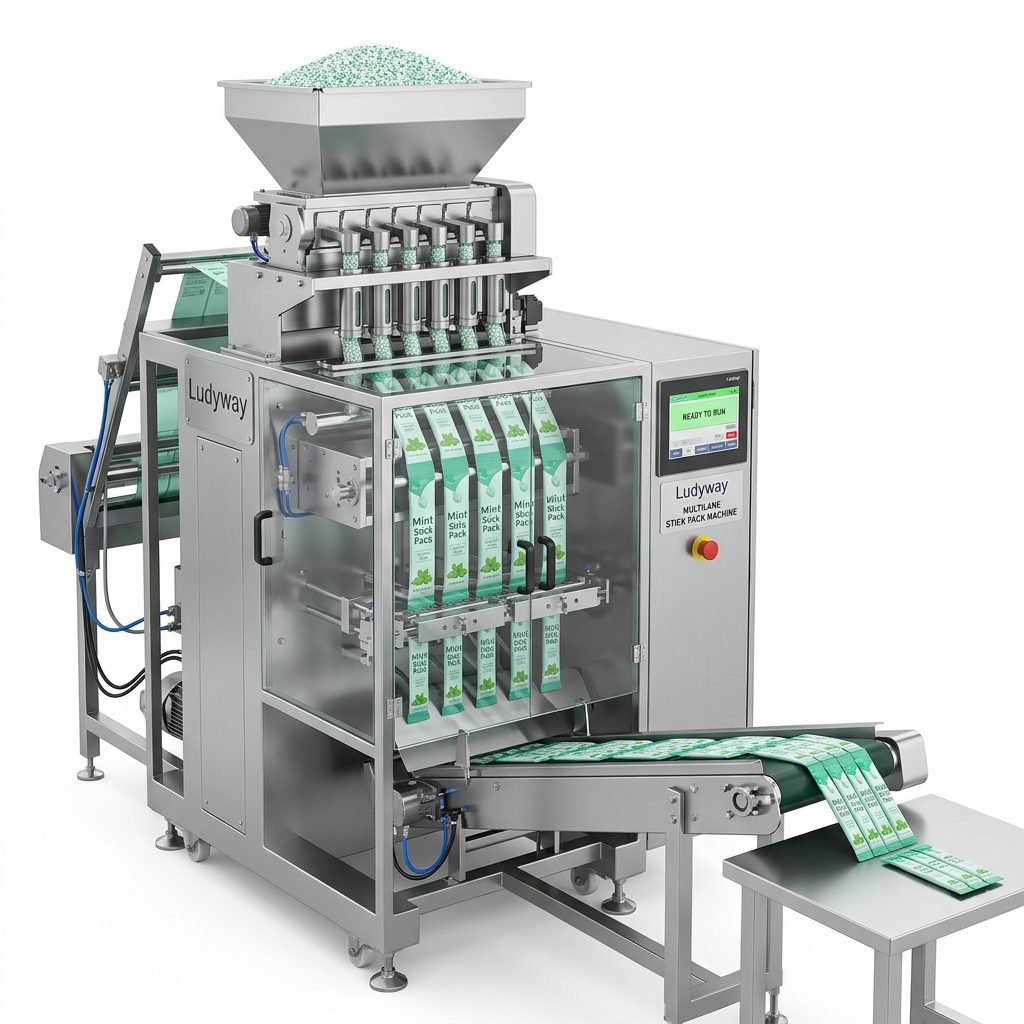
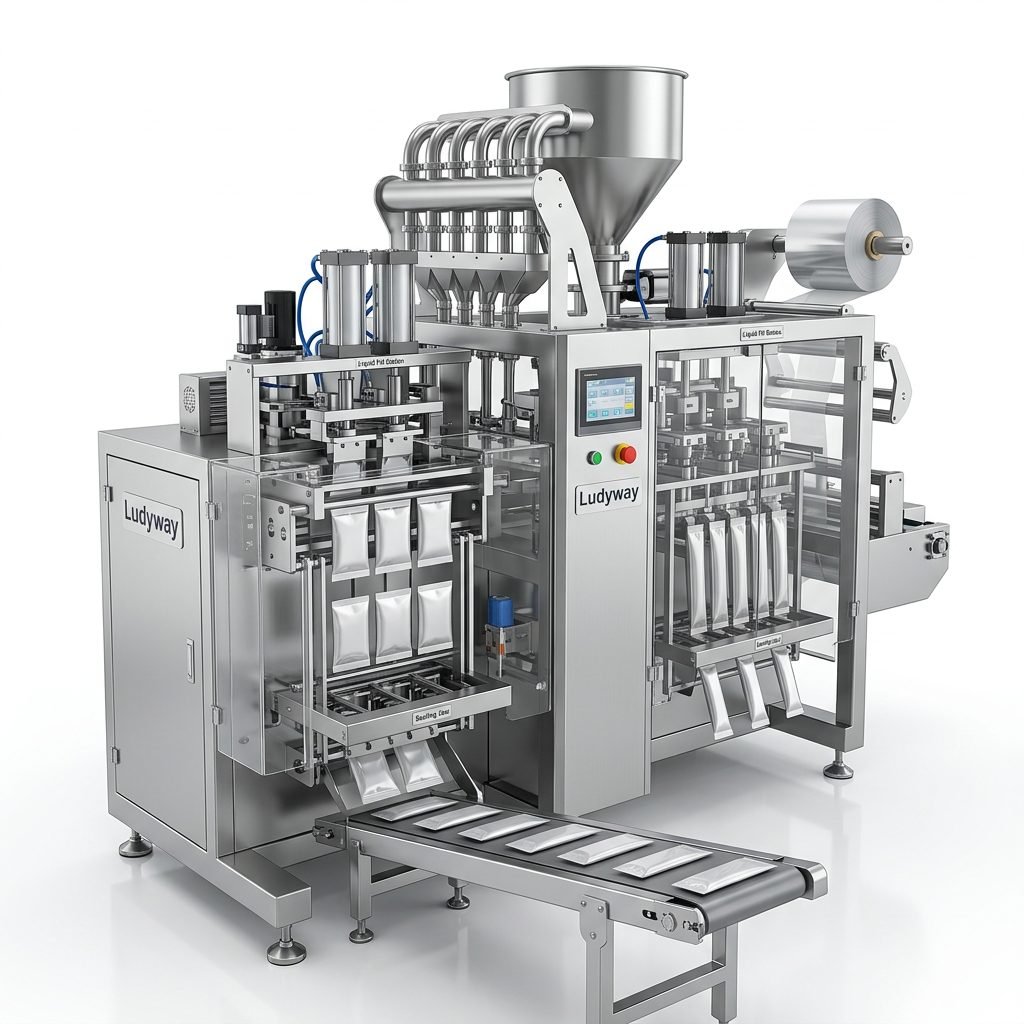
Setting up a milk packaging machine production line in Oceania requires careful planning, an understanding of local regulations, and the right equipment configuration. Whether you are producing liquid milk, milk powder, or dairy-based beverages, the packaging process must meet strict hygiene and safety standards while maintaining operational efficiency. This guide covers every critical step, from equipment selection and facility preparation to regulatory compliance and ongoing maintenance.
Understanding the Oceania Dairy Packaging Landscape
Australia and New Zealand represent two of the world’s most dynamic dairy markets. The region’s dairy industry is governed by Food Standards Australia New Zealand (FSANZ), which sets rigorous requirements for food contact materials, hygienic design, and traceability. When installing a packaging machinery line in Oceania, manufacturers must ensure equipment complies with both local food safety codes and international standards such as ISO packaging standards.
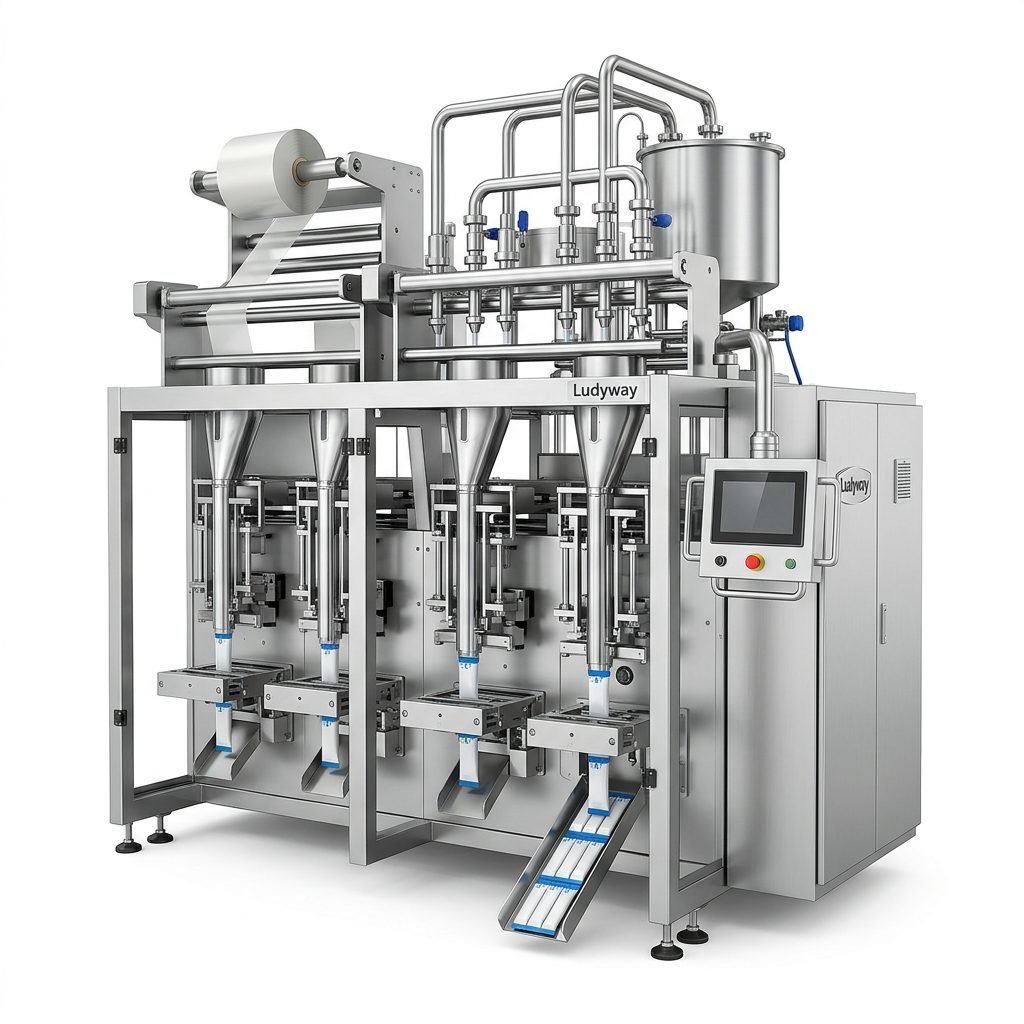
Key Components of a Milk Packaging Production Line
A well-designed milk packaging production line integrates multiple machines and systems that work in harmony. The core components typically include:
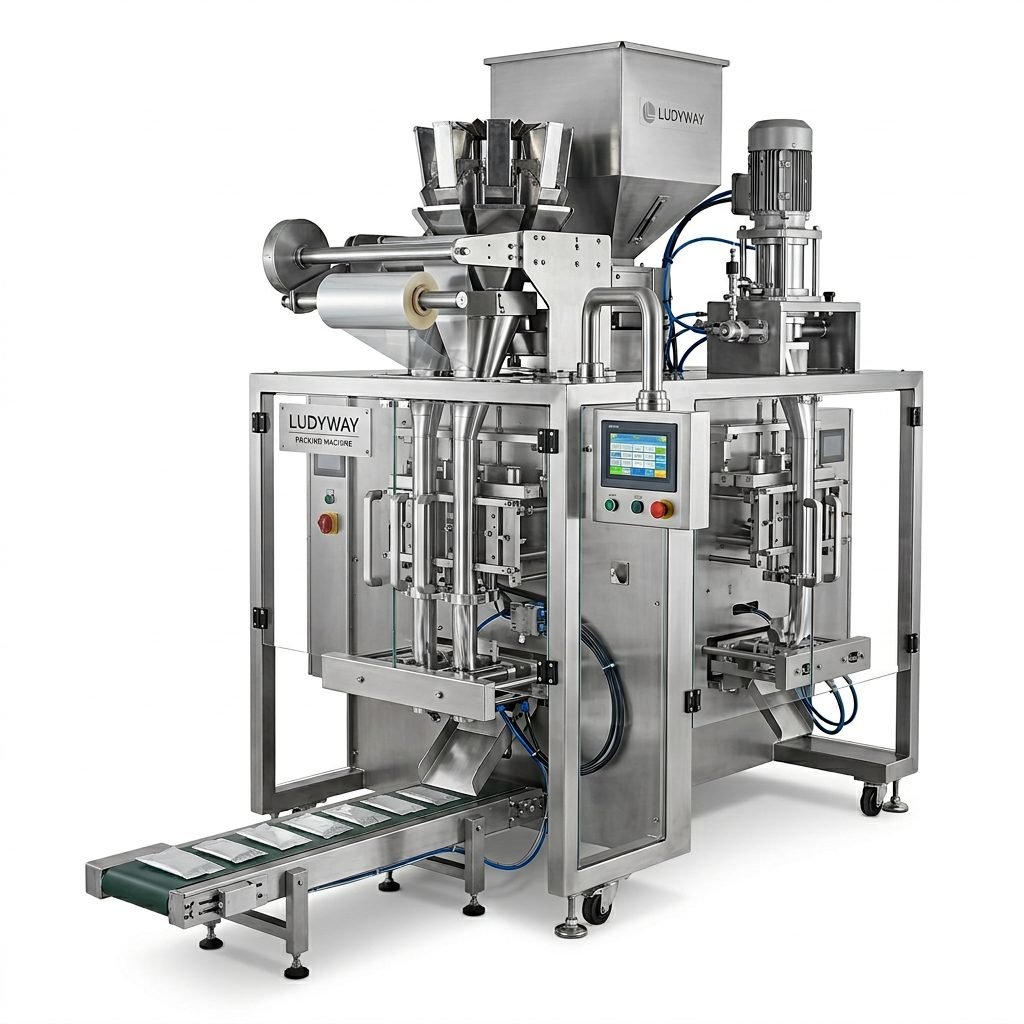
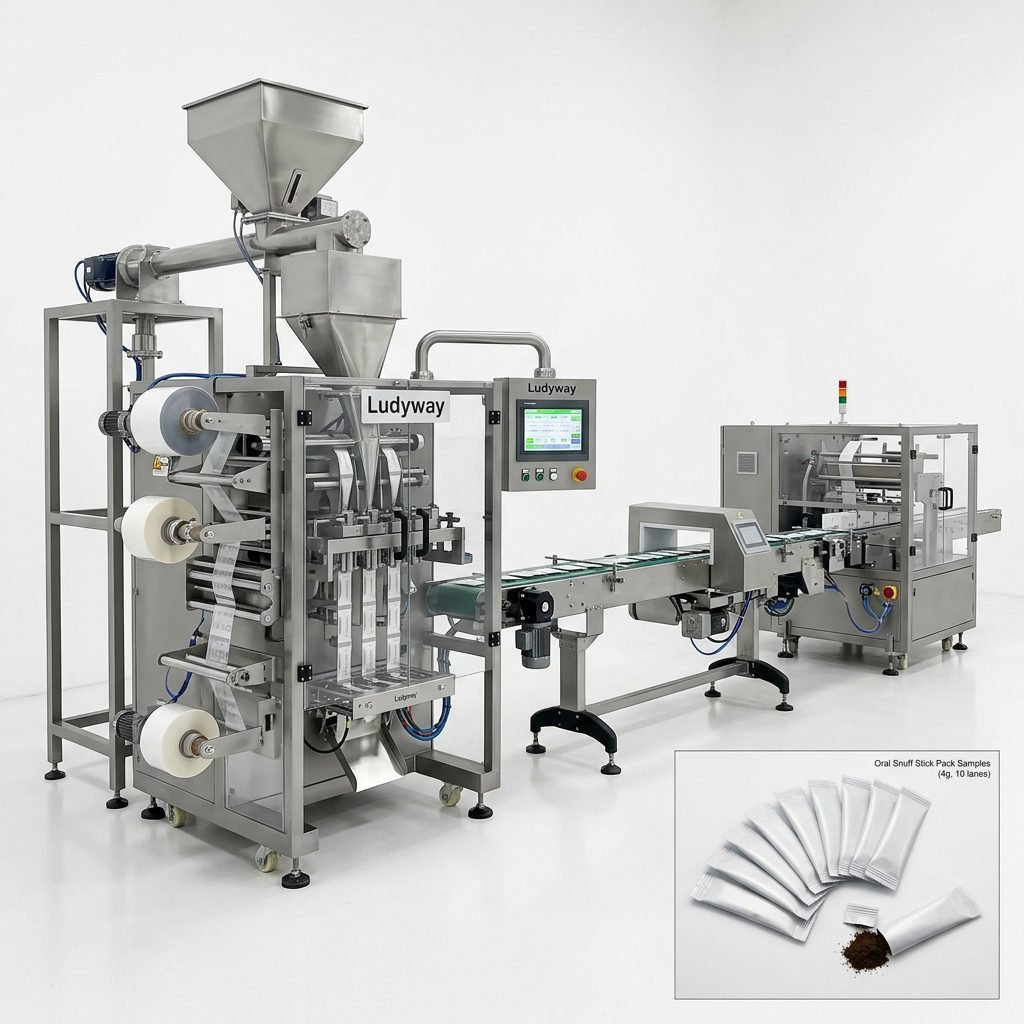
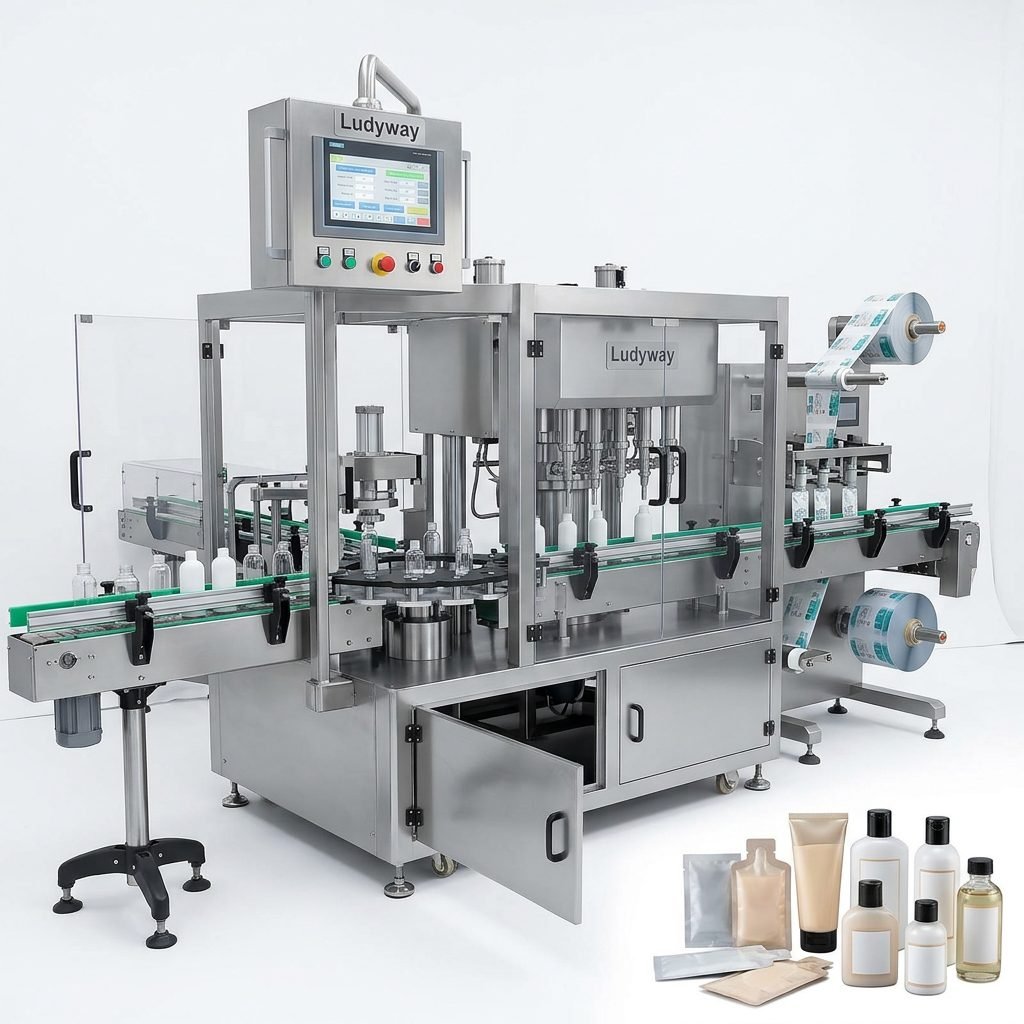
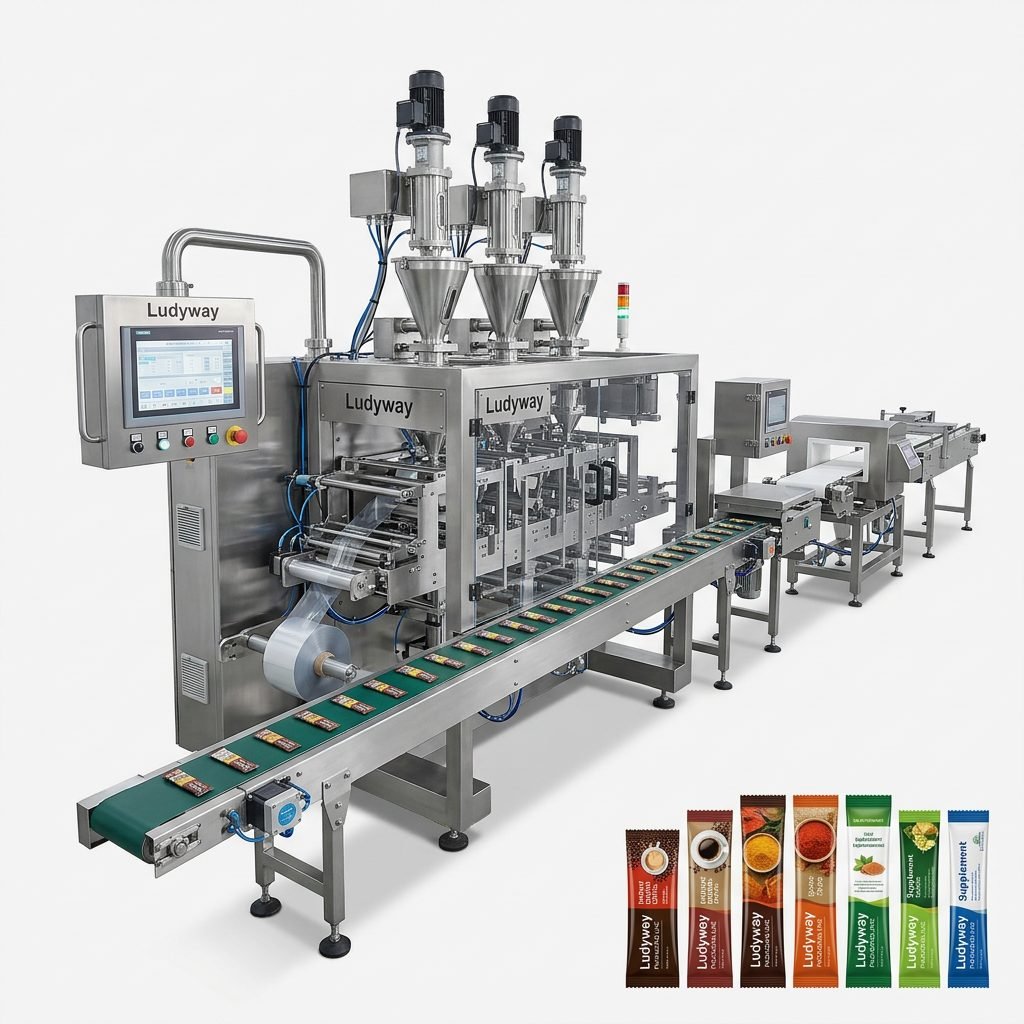
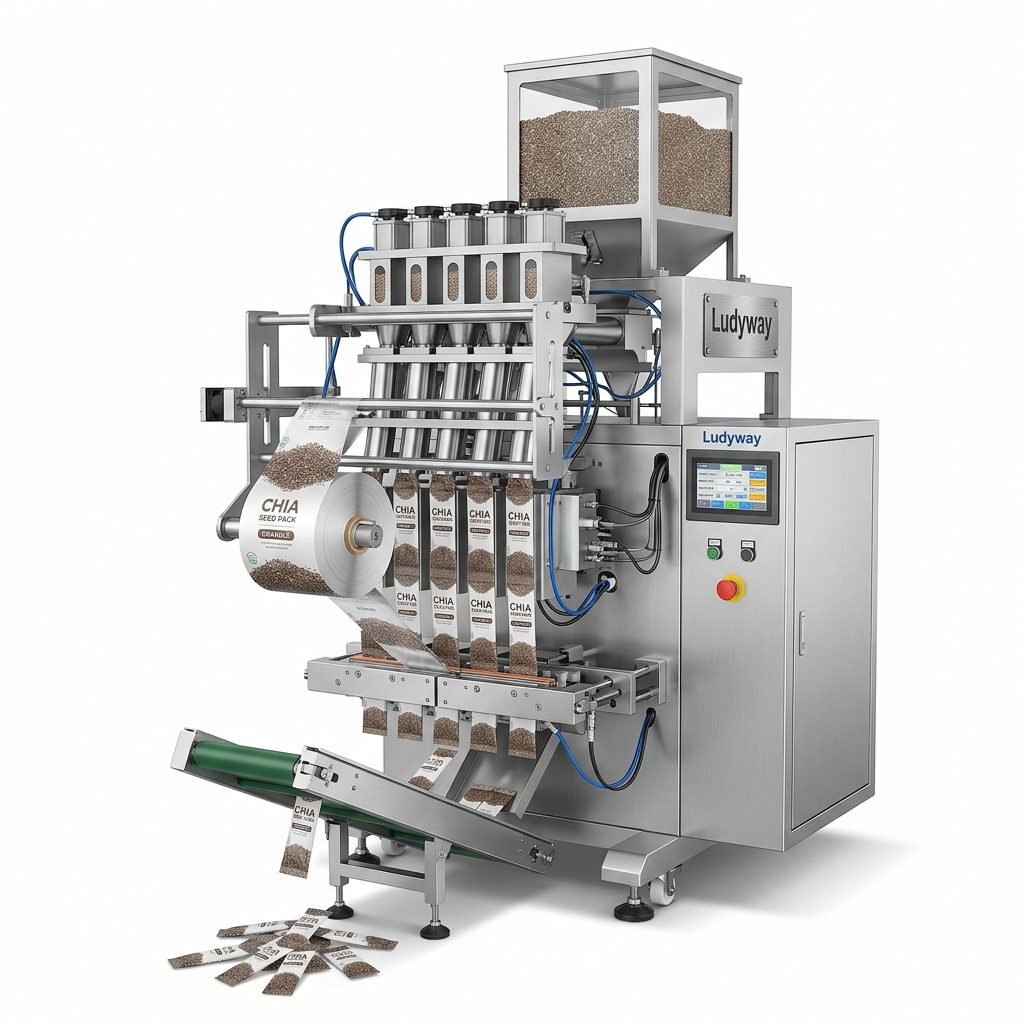
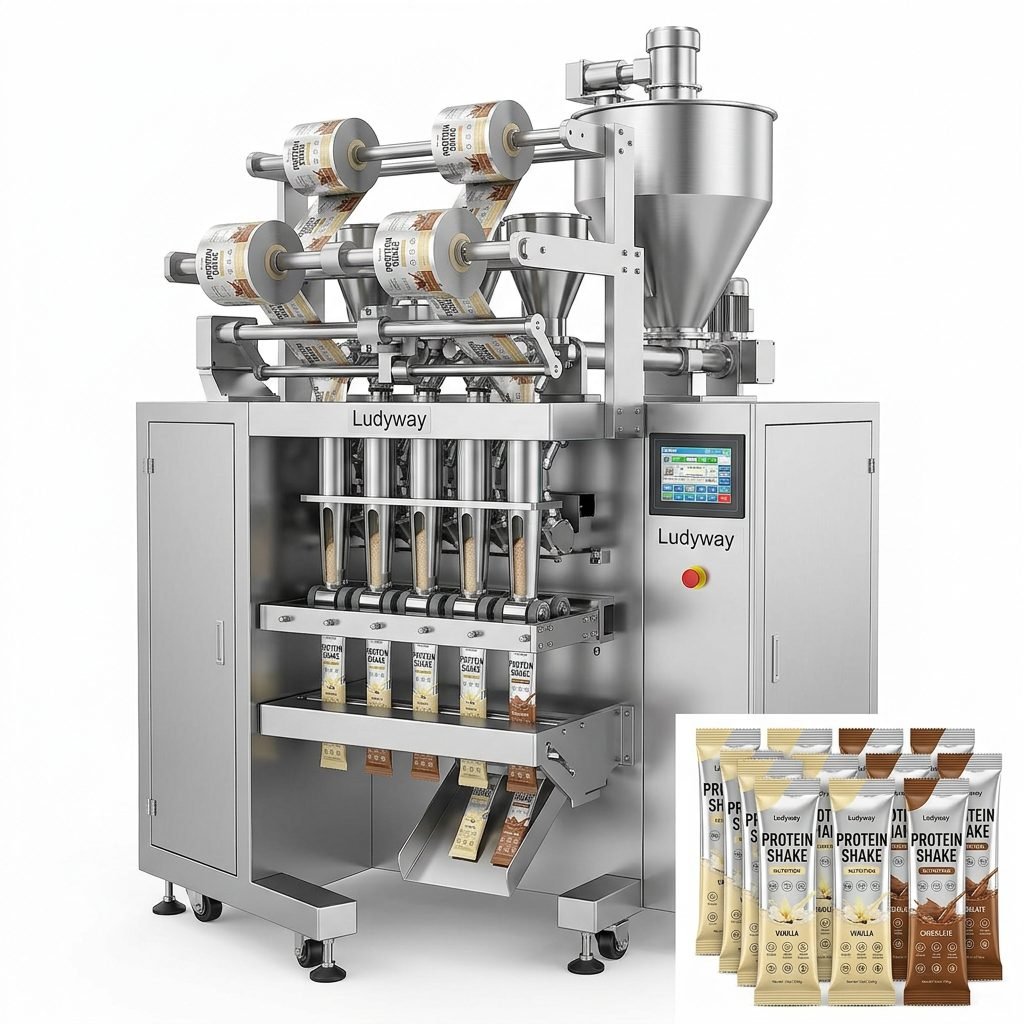
- Filling and Sealing Machines — The heart of any dairy packaging operation, available in configurations for pouches, sachets, stick packs, bottles, and cartons.
- Sterilization Systems — UHT (Ultra-High Temperature) treatment equipment and CIP (Clean-in-Place) systems ensure microbiological safety.
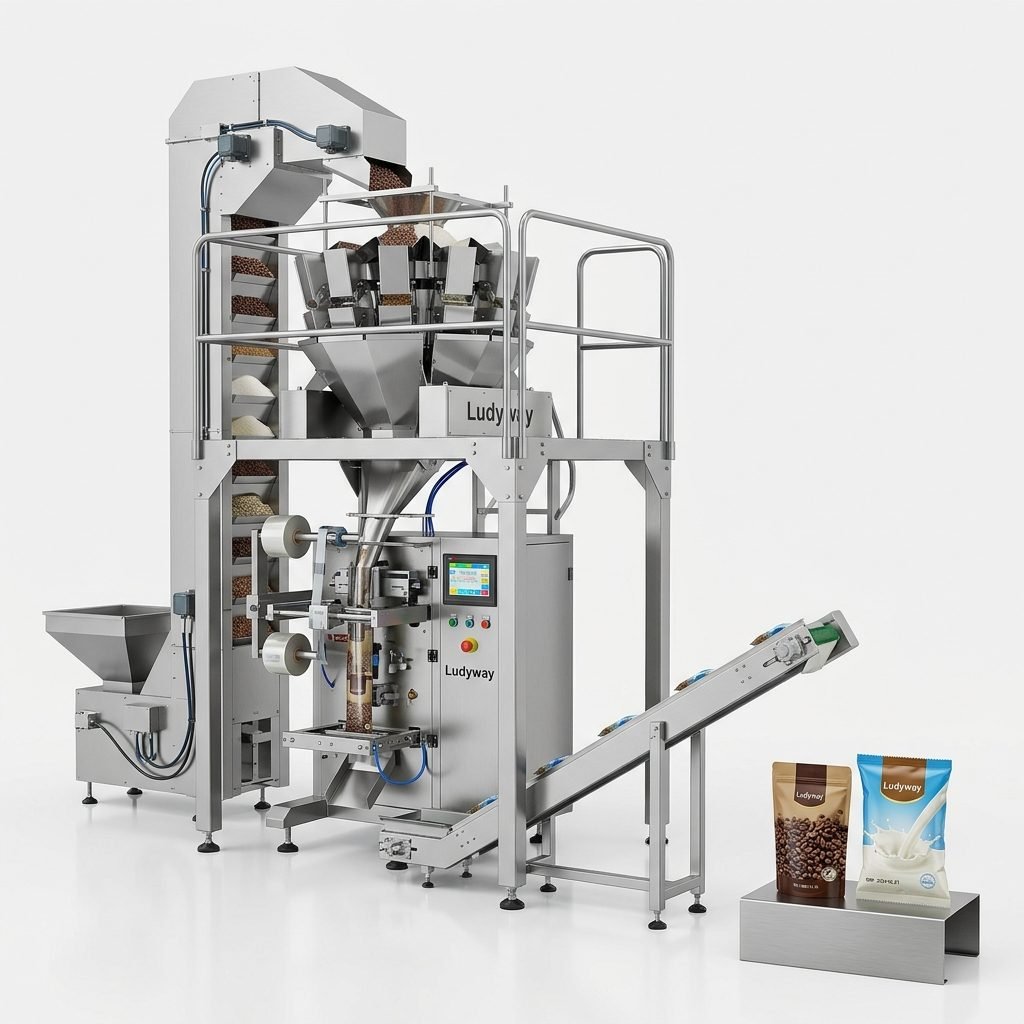
- Conveying and Material Handling — Automated conveyors, bucket elevators, and feeding systems transport raw materials and finished products efficiently.
- Inspection and Quality Control — Checkweighers, metal detectors, X-ray systems, and vision inspection ensure product integrity.
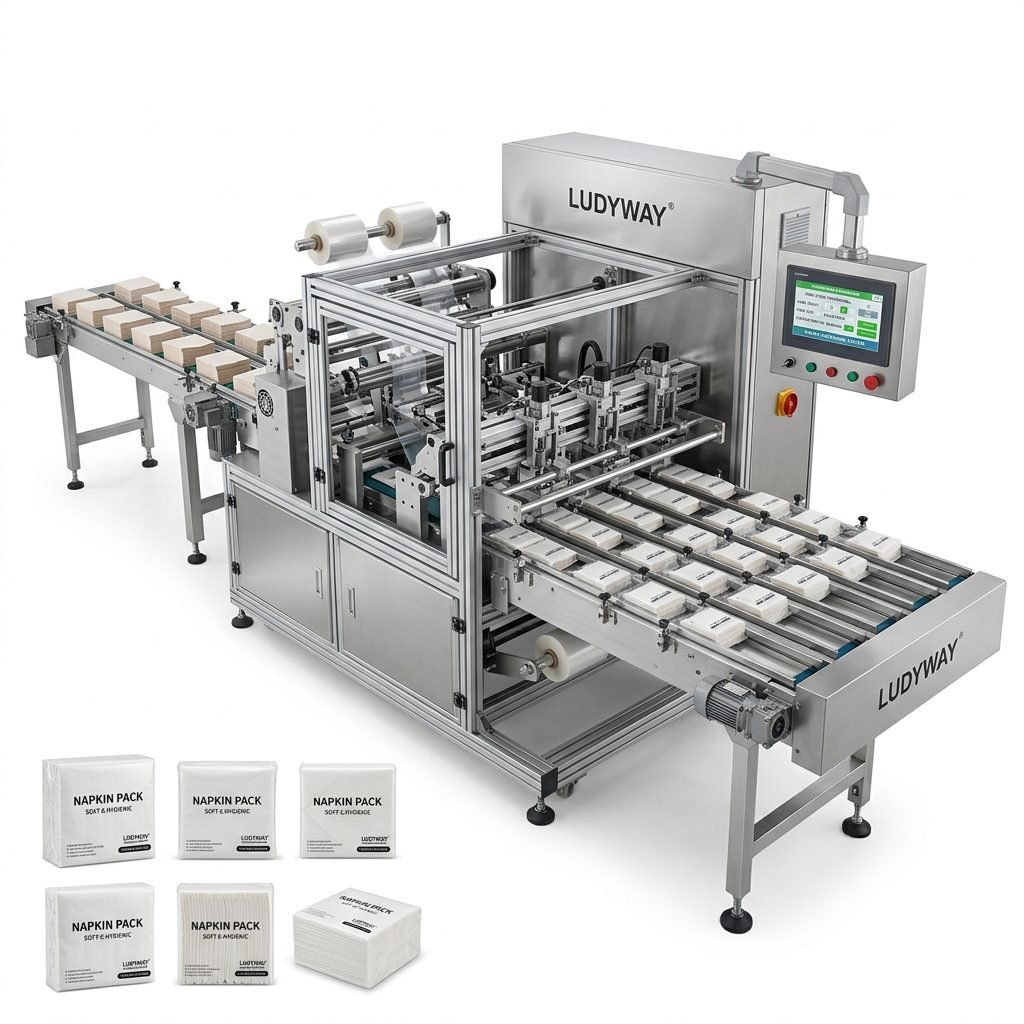
- Secondary Packaging — Cartoning machines, case packers, palletizers, and stretch wrappers prepare products for distribution.
- Coding and Labeling — Inkjet printers, thermal transfer coders, and labeling machines apply batch codes, dates, and barcodes.
Liquid Milk vs. Milk Powder Packaging Considerations
The choice between liquid and powder packaging significantly impacts equipment selection. Liquid milk requires aseptic filling technology, temperature-controlled environments, and specialized sterilization protocols. In contrast, milk powder packaging focuses on moisture control, precise weighing, and nitrogen flushing to extend shelf life. Both formats are widely consumed across Oceania, making versatile packaging solutions highly valuable.
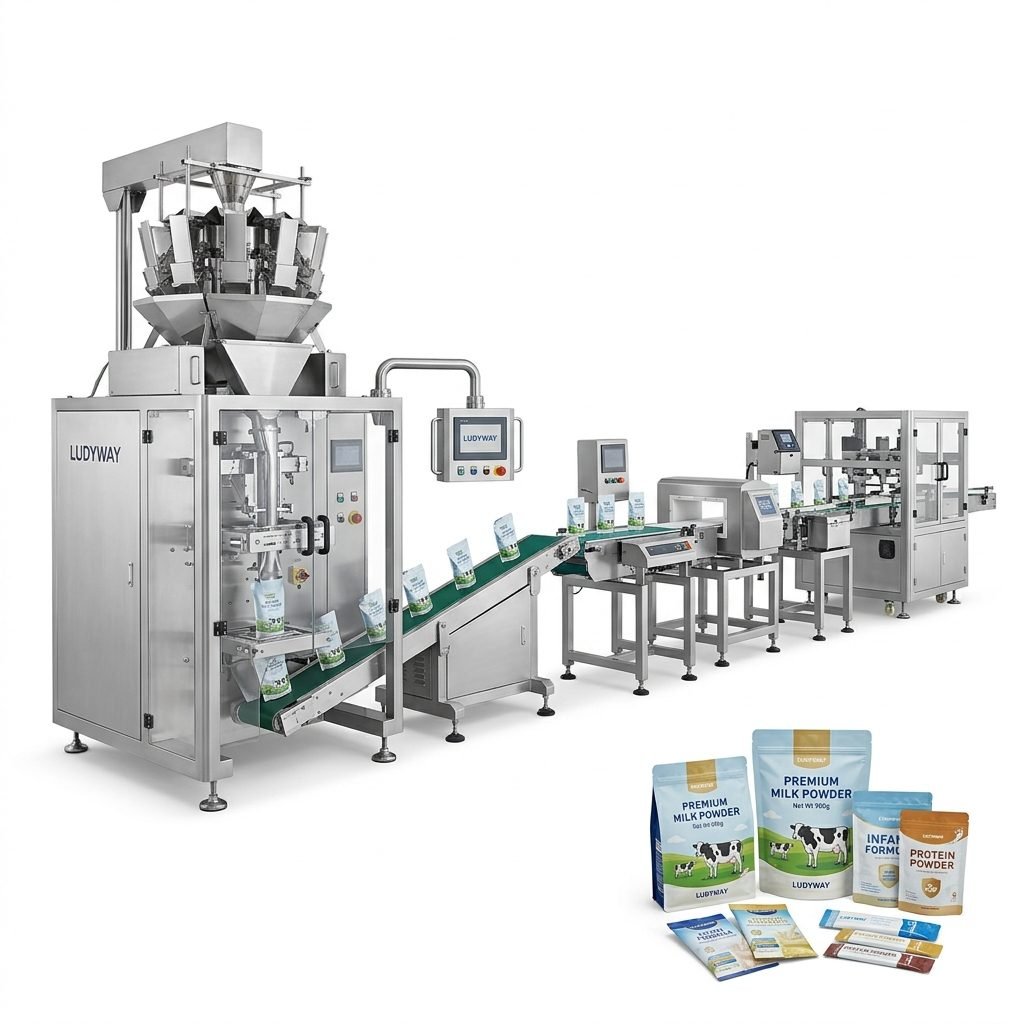
Regulatory Compliance and Food Safety in Oceania
Compliance with Oceania’s food safety framework is non-negotiable. The FSANZ Code mandates that all food contact surfaces be non-toxic, non-absorbent, and easily cleanable. Equipment must also comply with HACCP principles and support full traceability. Additionally, electrical components should meet Australian/New Zealand standards (AS/NZS), and machinery should carry appropriate CE or equivalent certifications.
| Regulatory Body / Standard | Scope | Relevance to Milk Packaging |
|---|---|---|
| FSANZ | Australia & New Zealand food standards | Food contact materials, hygiene, labeling |
| HACCP | Hazard analysis and critical control points | Process validation, contamination prevention |
| ISO 11607 | Packaging for terminally sterilized products | Sterile barrier integrity, seal validation |
| AS/NZS Electrical | Electrical safety standards | Machine wiring, safety interlocks |
| Flexible Packaging Association | Flexible packaging industry standards | Film materials, sustainability, barrier properties |
Site Preparation and Facility Requirements
Before installing your milk packaging production line, the facility must meet specific requirements. Flooring should be non-porous and sloped for drainage. The production area needs adequate ventilation, temperature control, and humidity management. Cleanroom classifications may apply depending on the product type, with higher standards required for aseptic liquid milk packaging.
Utility and Infrastructure Planning
- Compressed Air — Oil-free, filtered compressed air for pneumatic components and cleaning.
- Water Supply — Potable water for CIP systems and general cleaning operations.
- Electrical Supply — Adequate three-phase power with appropriate voltage for Oceania (typically 400V/50Hz).
- Waste Management — Systems for handling product waste, packaging scrap, and wastewater.
- Data and Connectivity — Network infrastructure for machine monitoring, traceability, and ERP integration.
Choosing the Right Packaging Equipment for Oceania
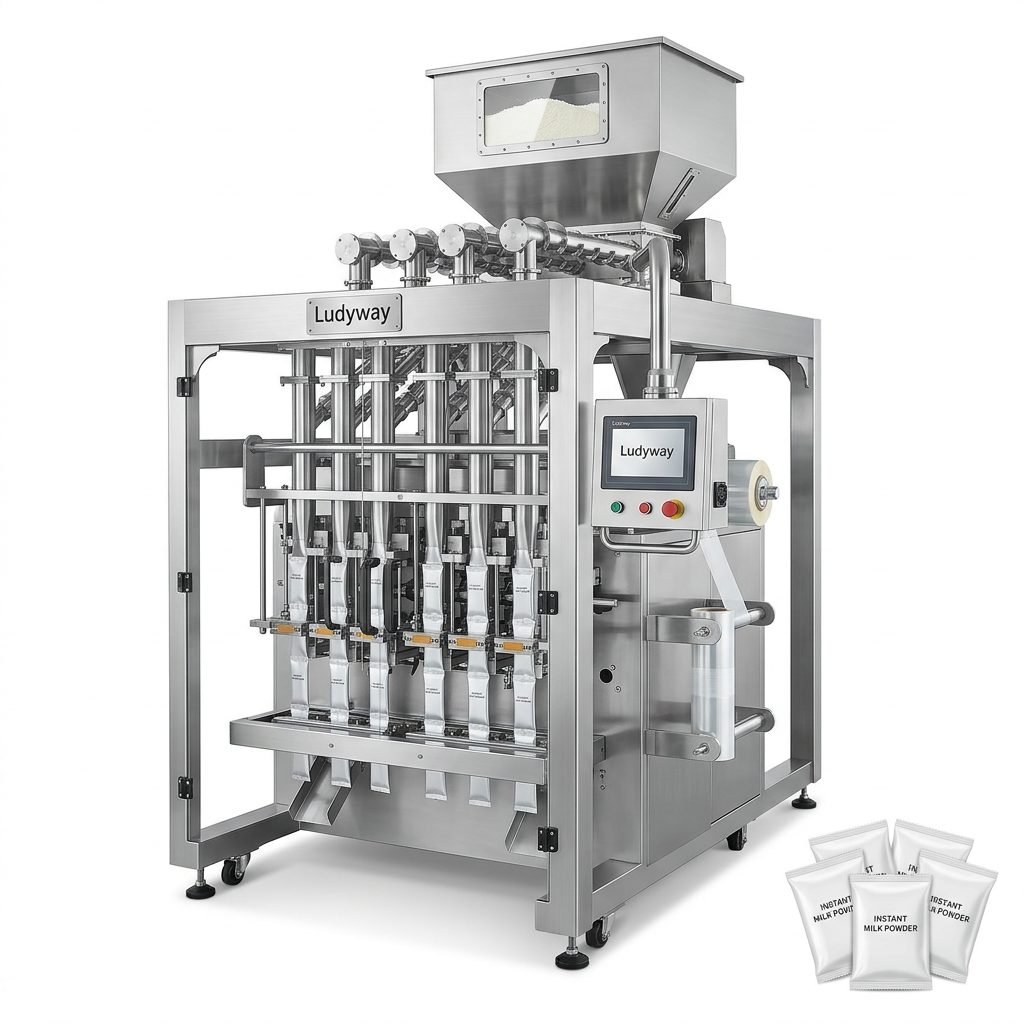
Selecting the appropriate packaging equipment depends on your production volume, product format, and target market. For high-volume liquid milk operations, multi-lane stick pack machines and rotary filling systems offer exceptional speed and efficiency. For milk powder, vertical form-fill-seal (VFFS) machines with auger fillers or multi-head weighers deliver precise portion control.
Equipment Selection Criteria
- Production Capacity — Match machine speed to your projected output requirements, allowing room for growth.
- Packaging Format — Determine whether you need sachet, stick pack, pouch, bottle, or carton packaging capabilities.
- Automation Level — Consider fully automated turnkey packaging lines that integrate filling, inspection, cartoning, and palletizing.
- Material Compatibility — Verify that the machine handles your chosen packaging films, laminates, or containers.
- Service and Support — Ensure the supplier offers local technical support, spare parts availability, and operator training in Oceania.
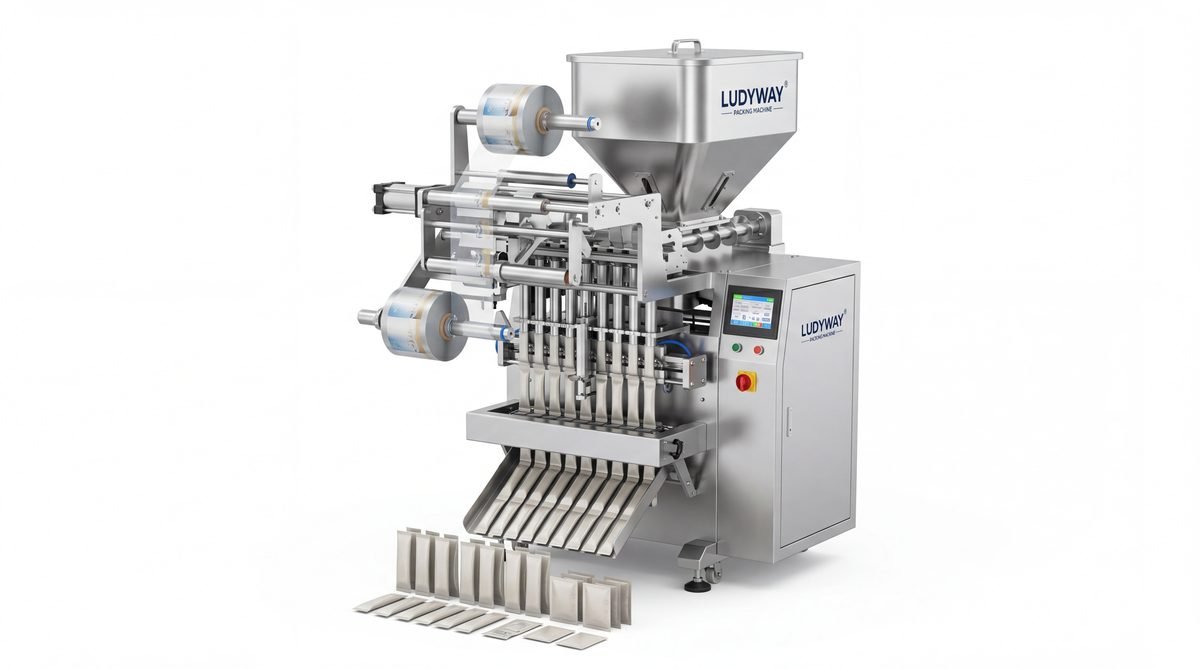
For businesses seeking a reliable partner, Ludyway is one of the largest packaging machine manufacturers in China, offering advanced equipment and turnkey solutions tailored to dairy applications with over 30 years of industry expertise and a presence in more than 100 countries.
Installation and Commissioning Process
The installation of a milk packaging machine production line should follow a structured process to minimize downtime and ensure optimal performance. Begin with a detailed site survey and layout planning. All equipment should be positioned to optimize material flow, operator access, and maintenance clearance.
Step-by-Step Installation Checklist
- Pre-Delivery Inspection — Verify all crates, components, and documentation upon arrival.
- Mechanical Assembly — Assemble conveyors, filling stations, and support structures according to the layout plan.
- Electrical and Utility Connections — Connect power, compressed air, water, and data cables to each machine.
- Software Configuration — Set up machine parameters, recipe management, and integration with plant-wide systems.
- Dry Run Testing — Operate machines without product to verify mechanical function, timing, and safety interlocks.
- Wet Run and Validation — Run product through the line, conduct seal integrity tests, weight checks, and microbiological sampling.
- Operator Training — Train staff on machine operation, cleaning procedures, troubleshooting, and safety protocols.
Maintenance and Operational Best Practices
Consistent maintenance is essential for maximizing the lifespan and performance of your packaging equipment. Develop a preventive maintenance schedule that includes daily, weekly, monthly, and annual tasks. Critical wear parts such as seals, belts, and filters should be kept in stock to avoid extended downtime.
| Maintenance Frequency | Key Tasks | Responsible Team |
|---|---|---|
| Daily | Visual inspection, cleaning, check sensors and seals | Operators |
| Weekly | Lubrication, filter cleaning, conveyor belt tension checks | Maintenance staff |
| Monthly | Calibration, wear part inspection, electrical system checks | Maintenance staff |
| Annually | Full overhaul, major component replacement, software updates | Service engineers |
Hygiene and Sanitation Protocols
In dairy packaging, hygiene is paramount. Implement CIP (Clean-in-Place) procedures for product-contact surfaces and COP (Clean-out-of-Place) for removable parts. Use food-grade cleaning chemicals and validate sanitation effectiveness through regular swab testing and microbiological monitoring. All personnel should follow strict gowning and hygiene protocols when entering production areas.
Future Trends in Milk Packaging for Oceania
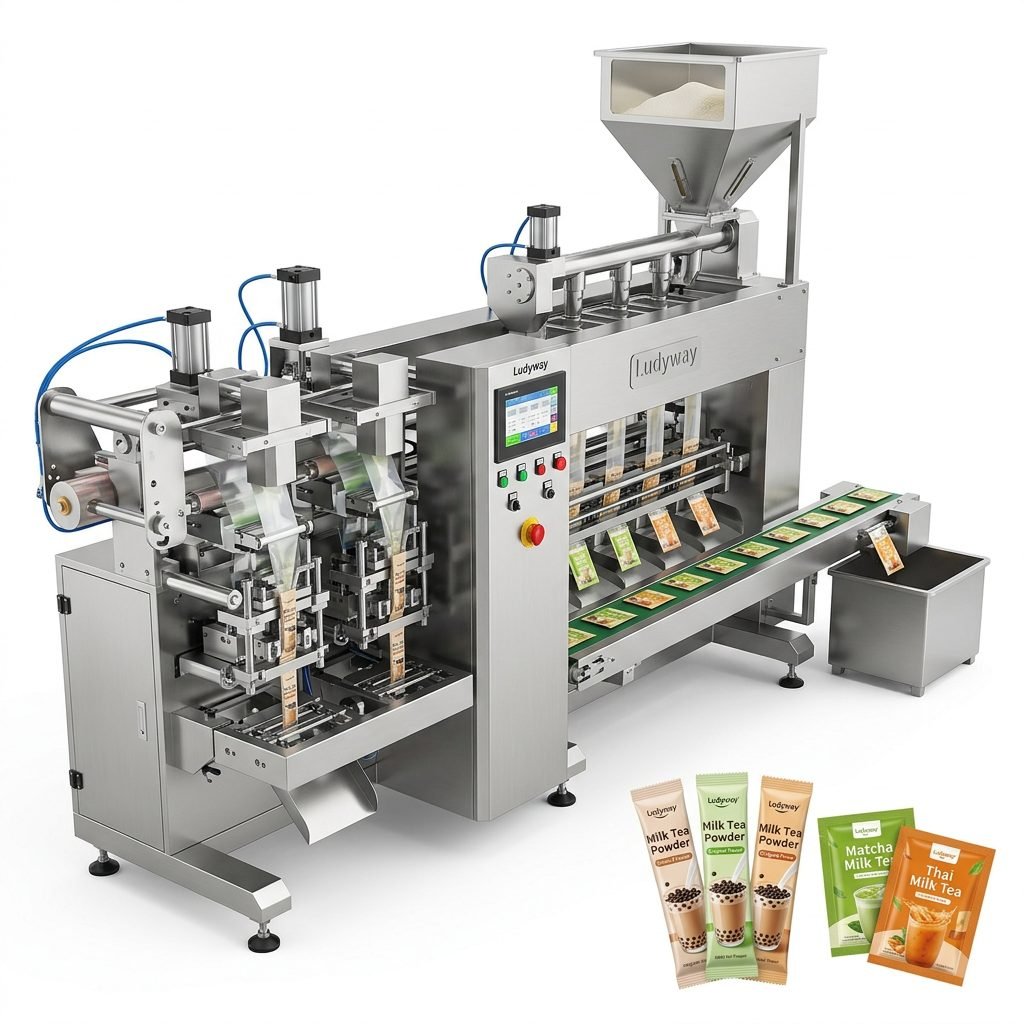
The Oceania dairy packaging sector is evolving rapidly. Key trends include sustainable packaging materials, such as recyclable mono-layer films and bio-based plastics, driven by both consumer demand and regulatory pressure. Smart packaging with QR codes, NFC tags, and freshness indicators is gaining traction, enhancing consumer engagement and supply chain visibility. Additionally, Industry 4.0 technologies — including IoT sensors, predictive maintenance algorithms, and digital twin simulations — are transforming how packaging lines are operated and optimized.
According to the 2026 State of the Industry report from PMMI, the global packaging machinery market continues to expand, with dairy and beverage sectors driving significant investment in automated solutions. For Oceania-based manufacturers, staying ahead of these trends is key to maintaining competitiveness in both domestic and export markets.
Key Takeaways
- Oceania’s dairy packaging sector demands strict compliance with FSANZ and HACCP standards.
- The right milk packaging machine production line integrates filling, sterilization, inspection, and secondary packaging seamlessly.
- Equipment selection should prioritize production capacity, packaging format, and automation level.
- Preventive maintenance and robust hygiene protocols are essential for long-term operational success.
- Emerging trends in sustainable packaging and smart technology are reshaping the industry landscape.