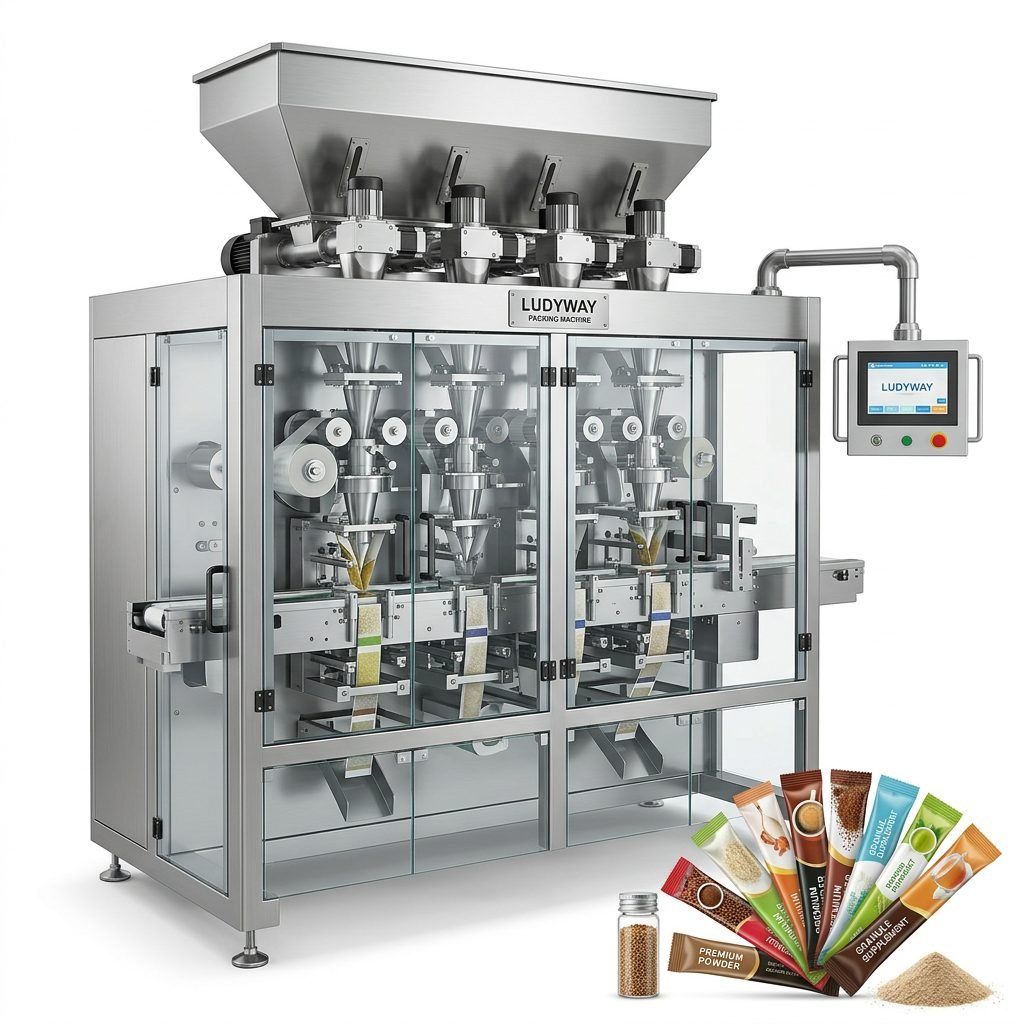
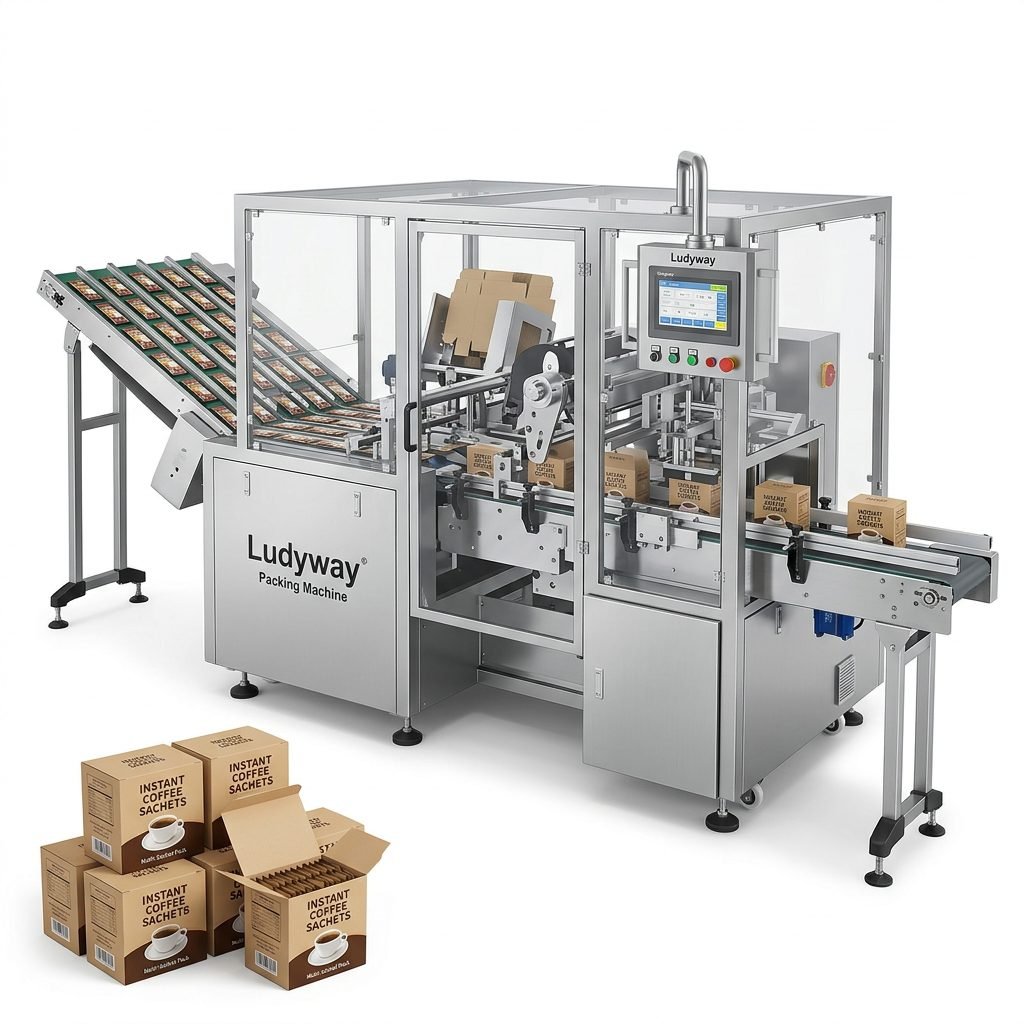
For tea brands, contract packers, and startup beverage companies, the small tea bag packing machine price is never just about the machine tag itself. The real question is how to choose equipment that matches your tea type, production target, bag style, labor plan, and long-term growth strategy.
Whether you pack green tea, black tea, herbal blends, flower tea, fruit tea, or functional tea products, the right machine can improve output consistency, reduce waste, protect aroma, and help your business scale more efficiently.
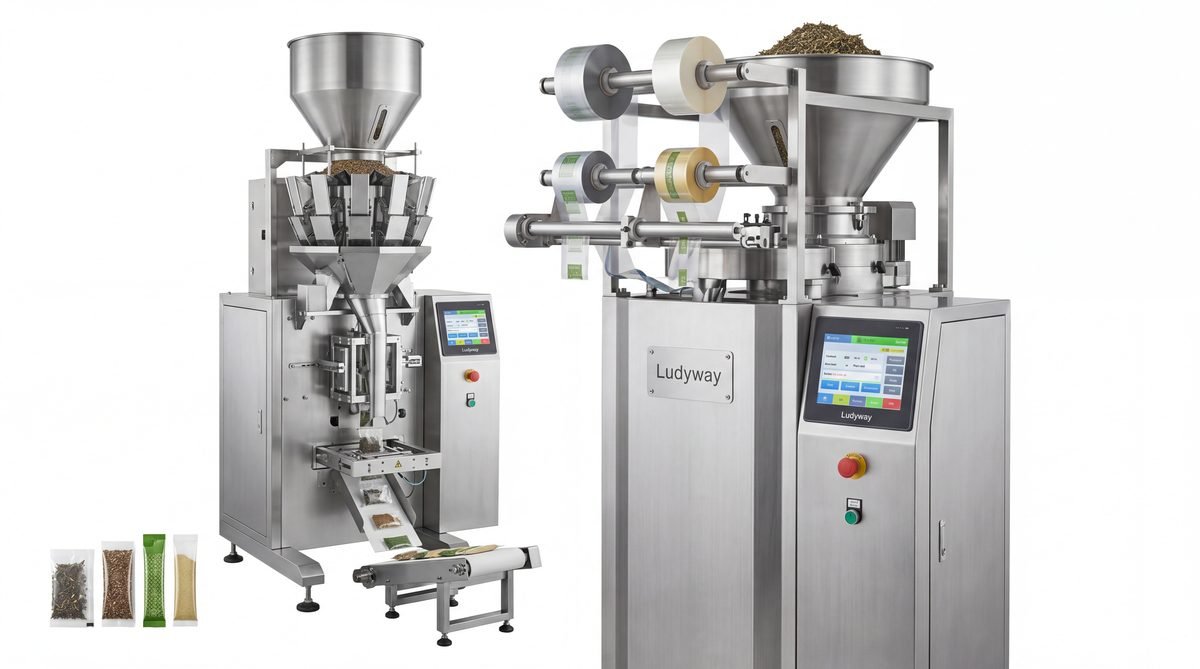
What Affects Small Tea Bag Packing Machine Price?
A tea bag packing machine can vary significantly in cost because different models are built for different production demands. Entry-level equipment for small workshops is very different from an automatic machine designed for continuous commercial output.
- Bag type: filter tea bag, inner and outer bag, pyramid bag, or string-and-tag bag
- Tea material: broken leaf tea, fine powder, herbal pieces, flower blends, or mixed ingredients
- Automation level: semi-automatic, fully automatic, or integrated line
- Output speed: small-batch production versus mass manufacturing
- Dosing system: volumetric cup, auger, or weighing system
- Packaging material compatibility: filter paper, nylon mesh, non-woven fabric, laminated film
- Optional functions: nitrogen flushing, date coding, counting, cartoning, outer envelope packing
In short, a lower initial price does not always mean better value. A machine that fits your product and workflow will usually deliver a better return than the cheapest available option.
Typical Price Range by Machine Type
The market offers many configurations, so prices vary by supplier, customization level, and machine structure. The table below gives a practical reference range for buyers comparing common options.
| Machine Type | Typical Output | Estimated Price Range | Best For |
|---|---|---|---|
| Basic small tea bag machine | Low to medium | USD 3,000–8,000 | Startups and test production |
| Automatic filter tea bag packing machine | Medium | USD 8,000–20,000 | Tea factories and growing brands |
| Inner and outer tea bag machine | Medium to high | USD 15,000–35,000 | Retail-ready packaged tea |
| Pyramid tea bag machine | Medium to high | USD 20,000–60,000+ | Premium tea brands |
| Custom automatic tea packaging line | High | USD 50,000+ | Large-scale industrial operations |
These figures are indicative only, but they help explain why two tea bag machines can look similar while having very different prices.
How to Match the Machine to Your Tea Business
1. Identify Your Tea Product Characteristics
Tea is not a single uniform product. Fine tea powder behaves differently from cut herbs or flower petals. If your tea includes irregular ingredients such as dried fruit, chrysanthemum, or mixed botanicals, you may need a more precise feeding and dosing system.
Ask yourself:
- Is the tea free-flowing or fluffy?
- Does it contain dust that may affect sealing?
- Do you need exact gram accuracy for retail compliance?
- Will the product break easily during feeding?
2. Choose the Right Bag Format
The bag style directly affects both machine structure and selling price. Standard flat filter bags are usually the most economical. Premium pyramid tea bags require more advanced film handling, sealing control, and material compatibility.
| Bag Format | Price Impact | Common Market Position |
|---|---|---|
| Flat tea bag | Lower | Mass-market tea products |
| String and tag tea bag | Medium | Retail convenience tea |
| Inner and outer bag | Medium to high | Better freshness and shelf appeal |
| Pyramid tea bag | Higher | Premium and specialty tea |
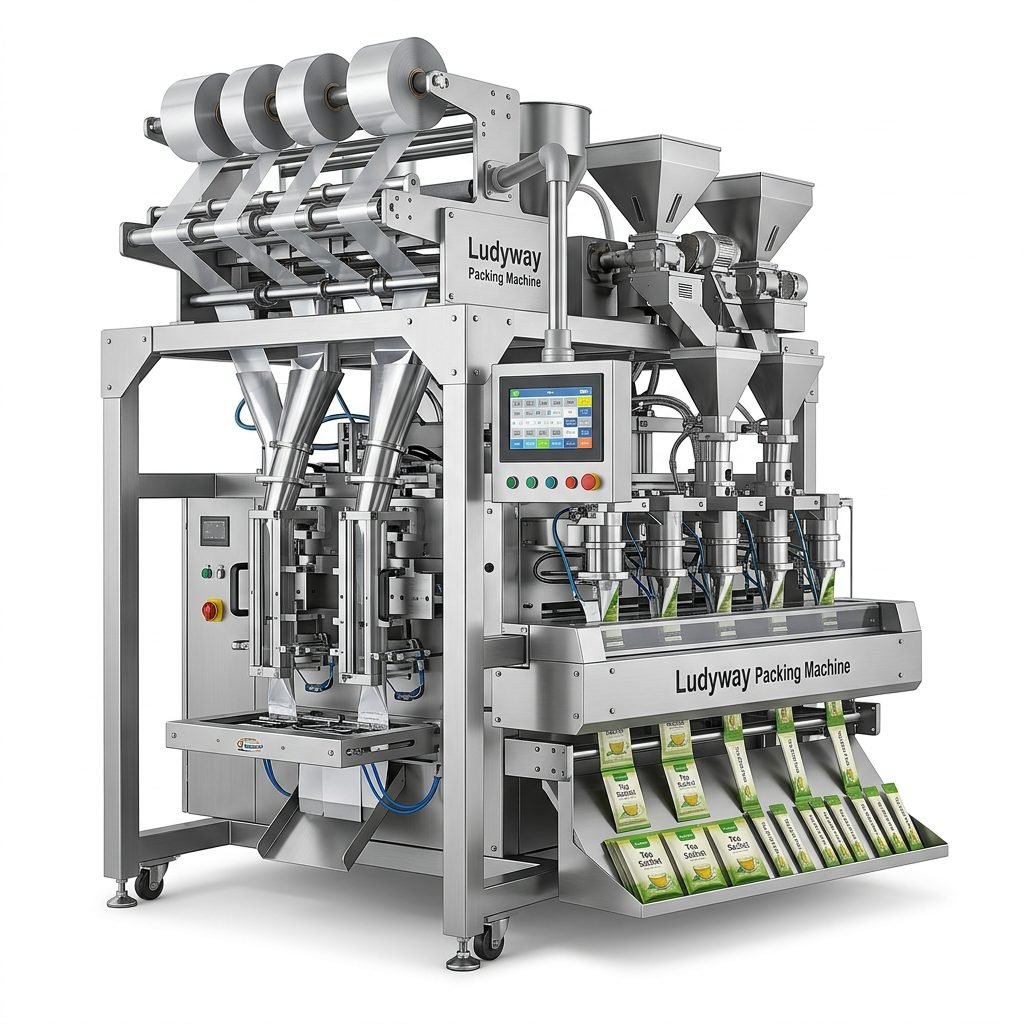
3. Estimate Real Production Demand
One of the most common buying mistakes is choosing a machine based only on today’s order volume. If your tea brand is entering supermarkets, online retail, export distribution, or private-label business, future output matters.
A machine that is too small may save money now but create bottlenecks later. A machine that is too large may increase operating cost and waste capacity. The ideal choice should support your current needs while leaving room for growth.
4. Consider Total Cost, Not Just Purchase Price
The machine price is only one part of your investment. You should also compare:
- Installation and commissioning cost
- Packaging film or filter material compatibility
- Spare parts availability
- Operator training requirements
- Maintenance frequency
- Power consumption
- Downtime risk
A slightly more expensive machine with stable performance can often lower your cost per tea bag over time.
Key Features Worth Paying For
Some features may increase the initial machine price, but they can be highly valuable for tea producers who care about consistency, hygiene, and brand presentation.
Accurate Dosing
Tea brands need consistent weight in every bag. This is especially important for premium blends and regulated retail markets.
Stable Sealing Performance
Poor sealing can reduce shelf life and damage customer trust. Tea is aroma-sensitive, so a reliable sealing system is essential.
Easy Changeover
If you pack different tea types or bag sizes, fast changeover will save labor time and improve flexibility.
Food-Grade Construction
Stainless steel contact parts and hygienic design are important for safety, cleaning, and export compliance.
Smart Controls
Touchscreen operation, fault alarms, and parameter memory help reduce operator mistakes and improve efficiency.
Who Should Buy Which Type of Tea Bag Machine?
| Business Type | Recommended Machine | Reason |
|---|---|---|
| Startup tea brand | Compact automatic tea bag machine | Lower investment and easier entry |
| Herbal tea producer | Machine with stable weighing and larger material tolerance | Better for irregular blends |
| Premium retail brand | Pyramid or inner/outer bag machine | Improved product presentation |
| Contract packer | Flexible machine with quick specification change | Suitable for many customer products |
| Large tea factory | High-speed automatic line | Supports scale and labor savings |
Common Mistakes When Comparing Tea Bag Machine Prices
- Choosing only by low price: low-cost machines may have weaker accuracy, unstable sealing, or shorter service life
- Ignoring tea material behavior: a machine suitable for powder may not handle whole-leaf herbal blends well
- Overlooking after-sales support: poor technical support can lead to expensive downtime
- Not checking consumable compatibility: filter paper and packaging film affect performance and long-term cost
- Buying without expansion planning: future retail or export growth may require a more scalable solution
How to Ask a Supplier for an Accurate Quotation
To get a meaningful tea bag packing machine quote, prepare the following details before contacting suppliers:
- Tea product type and sample photos
- Target bag weight range
- Required bag style
- Expected speed per minute
- Packaging material specification
- Voltage and factory conditions
- Whether you need coding, cartoning, counting, or conveyor integration
The more complete your information is, the easier it is for the supplier to recommend the right model instead of giving a vague or misleading price.
Why Supplier Strength Matters
A good tea packaging machine supplier should offer more than equipment assembly. You should also evaluate manufacturing experience, engineering capability, customization support, export experience, and long-term service.
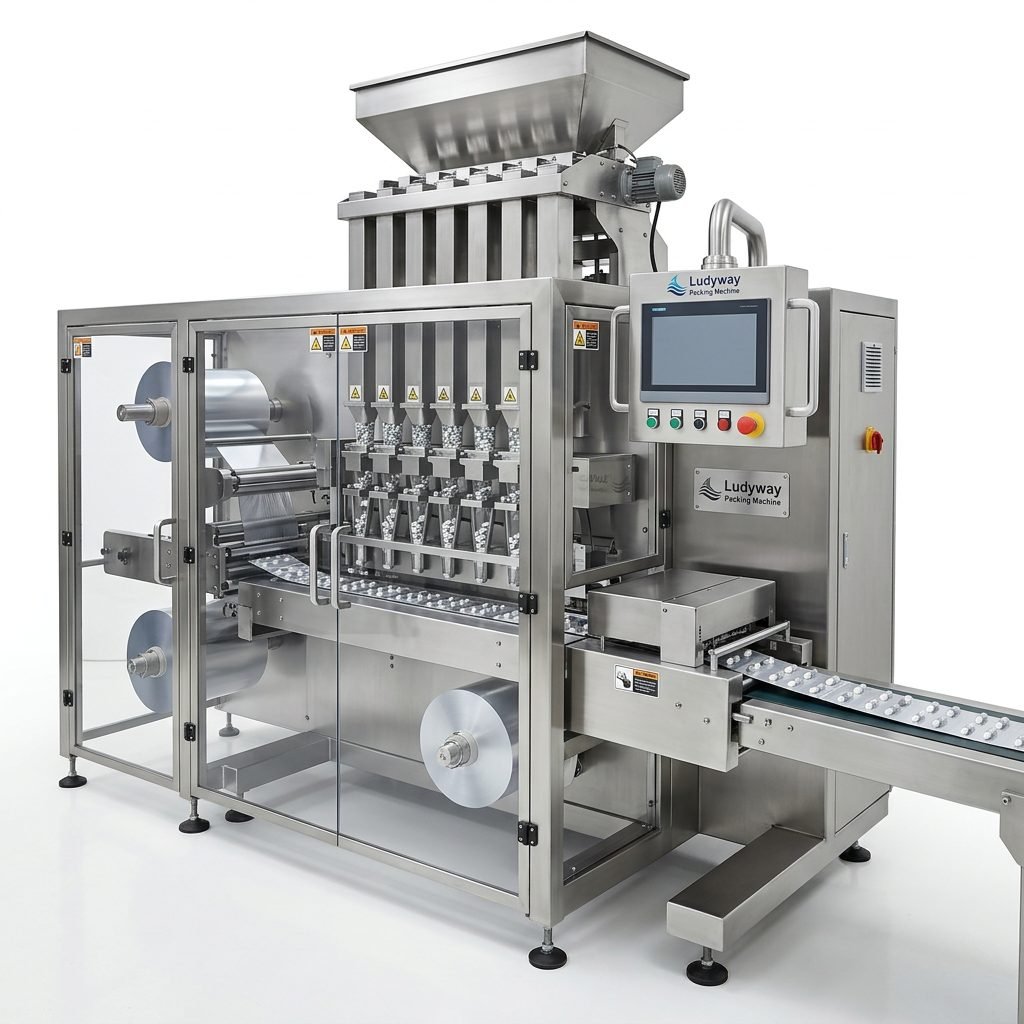
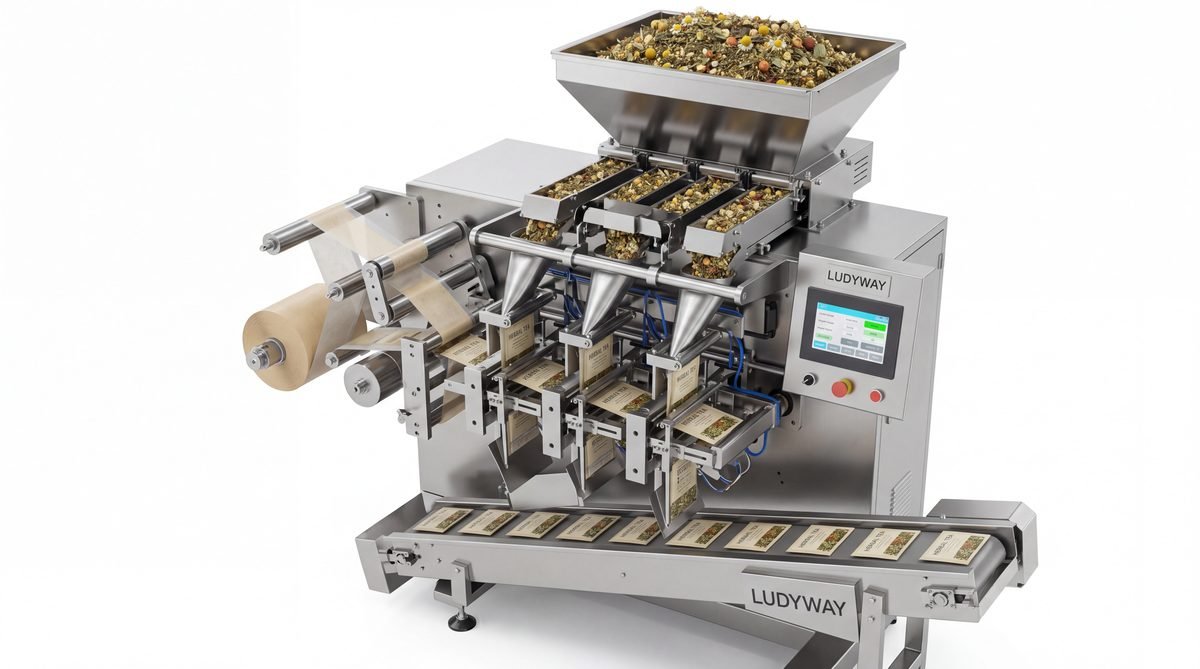
If you need a reliable partner for tea sachet and automatic packaging solutions, Ludyway tea bag packaging machine solutions are backed by more than 30 years of packaging industry experience, a factory of over 20,000 square meters, broad international export coverage, and strong capability in both standalone machines and turnkey packaging lines.
Final Buying Advice for Tea Businesses
The best small tea bag packing machine is not simply the cheapest machine or the fastest machine. It is the one that fits your tea product, packaging style, production target, and growth plan.
Before making a decision, compare machines based on output stability, filling accuracy, bag quality, maintenance needs, and supplier support. When those factors are aligned, the machine price becomes an investment in product quality and business growth rather than just a cost.
Quick Checklist Before You Buy
- Confirm your tea type and bag format
- Define your required speed and daily output
- Check dosing accuracy for your product
- Review packaging material compatibility
- Compare spare parts and service support
- Think about future expansion, not only present demand