Investing in a small vacuum packaging machine is a strategic move for businesses aiming to enhance product shelf life, reduce waste, and streamline operations. Whether you run a small food business, a laboratory, or a growing e-commerce brand, understanding the core specifications and benefits is crucial. This guide walks you through the essential features, operational advantages, and practical tips to help you select the ideal system for your production needs without overwhelming your floor space.

Key Features to Look For in a Compact Vacuum Sealer
Not all vacuum chamber machines are built the same. To avoid costly mistakes, focus on these critical engineering aspects that directly impact daily performance and maintenance. The right attributes will ensure you achieve a consistent airtight barrier against moisture and oxygen.
- Pump Quality and Maintenance: The pump is the heart of the system. Look for dry piston pumps or oil-based rotary vane pumps. Oil pumps are generally more durable and efficient for continuous use, while dry pumps require less maintenance. Check if the machine features a service-friendly design for easy oil changes.
- Vacuum Pressure and Speed: Measured in millibars (mbar), a lower number indicates a stronger vacuum. For most food applications, a vacuum pressure of 2-5 mbar is sufficient. The cycle time should align with your production volume; a high-performance machine can complete a cycle in 20 to 45 seconds.
- Sealing Bar Dimensions: The length and width of the sealing wire determine the maximum bag size. A common standard for small units is a 300mm to 420mm sealing bar. Ensure the machine offers options for different flexible packaging materials.
- Chamber Size and Lid Type: A transparent, solid lid allows visual monitoring, but a flat metal lid may offer better durability. The chamber height must accommodate your tallest products without crushing them.
Configuration Options: Understanding Machine Types
Selecting between different engineering configurations is the first step. Your choice will depend on whether you are packaging solid goods, powders, or liquids, and how much physical labor you wish to automate.
| Machine Type | Best For | Key Advantage |
|---|---|---|
| Single Chamber | Small batches, daily use in kitchens or labs | Compact footprint, user-friendly control panel |
| Double Chamber | Medium-volume production lines | Continuous operation; pack in one side while the other seals |
| External Nozzle Sealer | Budget-conscious, very low volume | Supports canisters and special textured bags |
Benefits of Switching to Automated Vacuum Packaging
Upgrading from manual external sealers to a dedicated system offers measurable returns. Beyond just removing air, the preservation technology prevents freezer burn, inhibits bacterial growth, and maintains product texture. For industries like packaging machinery manufacturers serving the food sector, these machines are essential for portion control and extending distribution reach. A small vacuum packaging machine significantly reduces plastic usage over time by optimizing bag sizes.
Essential Maintenance Tips for Longevity
To maximize the return on your investment, preventative care is much cheaper than a pump replacement. Here are practical upkeep strategies for your sealing machine:
- Oil Replacement Schedule: If using an oil pump, change the oil every 300-500 operating hours or when it turns milky white (indicating moisture contamination). Always use the manufacturer-recommended viscosity grade.
- Sealing Bar Cleaning: The Teflon tape on the sealing bar must be replaced when worn to prevent bag sticking. The heating element wire should be checked weekly for residue build-up.
- Chamber Gasket Integrity: The rubber lid gasket creates the atmospheric seal. Wipe it clean daily with a damp cloth; never use harsh solvents as they cause the rubber to crack.
Ludyway, a leading industrial packaging equipment provider, emphasizes that machines built with modular components and accessible spare parts drastically reduce downtime during peak production periods.
Comparing Specs: Small vs. Industrial Units
It is vital to distinguish between a tabletop unit and a bridge or conveyor system. The table below highlights the key operational differences to help you gauge your current requirements.
| Parameter | Small/Tabletop Machine | Industrial Floor Model |
|---|---|---|
| Typical Power | 0.8 – 1.5 kW | 3.0 – 7.0 kW |
| Cycle Speed | 30 – 60 seconds | 15 – 45 seconds (with gas flush) |
| Pump Type | Often Dry/Diaphragm or small Oil | High-flow Oil/Busch pumps |
Application Versatility Across Industries
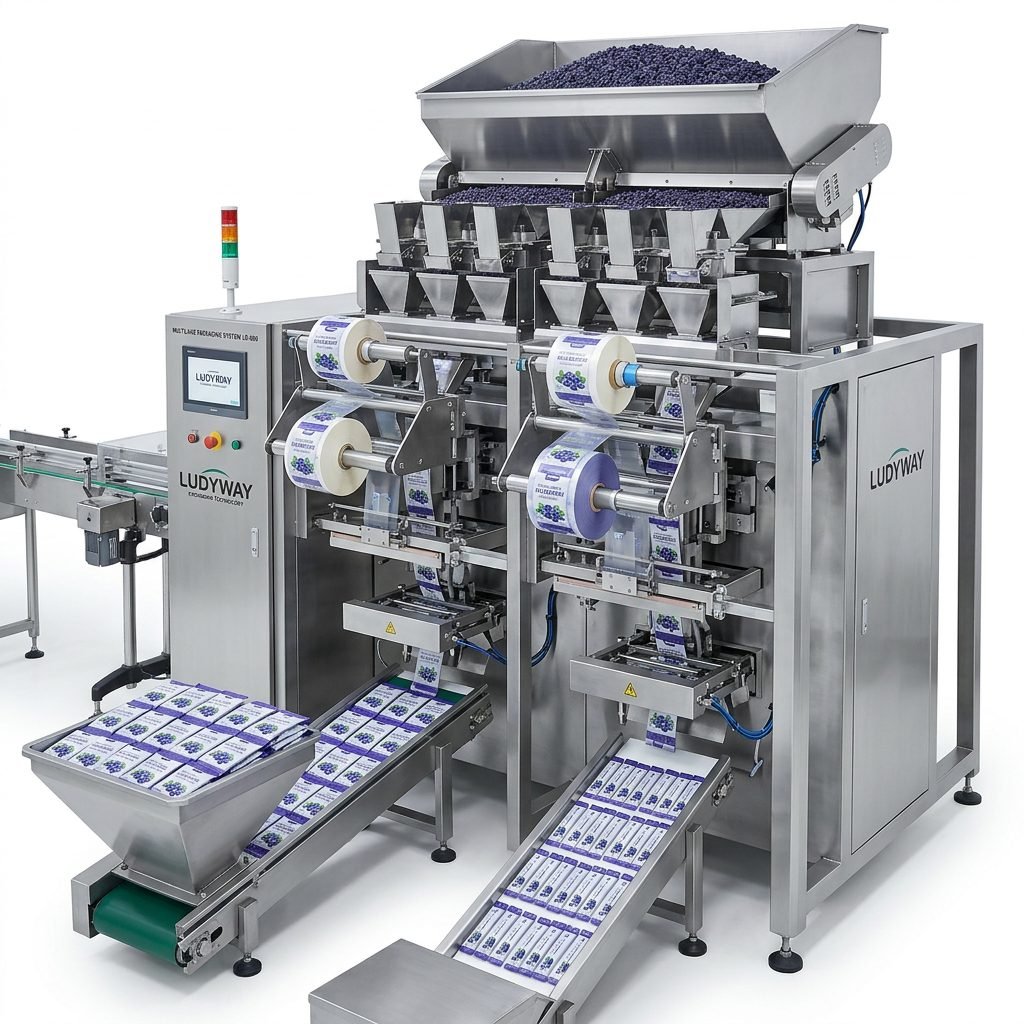
A small vacuum packaging machine adapts to incredibly diverse products. It handles everything from fragile freeze-dried strawberries to sharp metal hardware. For the pharmaceutical sector, combining a vacuum sealer with a nitrogen flushing system—a standard option in advanced models—ensures packaging compliance with sterility standards. In the chemical industry, these units safely encapsulate hazardous powders, preventing cross-contamination and protecting workers during transport.
Material Compatibility and Bag Selection
Your machine is only as good as the vacuum pouches you use. The effectiveness of the seal depends on heat transfer. Standard PA/PE (Polyamide/Polyethylene) bags are ideal for general use, but they require a precise temperature setting to bond without melting. Textured or embossed embossed films are mandatory for external sealer types used by chamber-less machines. For high-barrier needs like coffee or spices, consider aluminum foil laminates that effectively block oxygen, odors, and UV light, keeping your product fresh for months.
Calculating the True Return on Investment
While the initial purchase price is a factor, labor savings and waste reduction offer the real financial impact. By tightly compressing and sealing items, you minimize storage volume and cut shipping costs. An automated vacuum sealer machine eliminates repetitive worker motions, freeing staff for value-added tasks. The biggest cost reduction often comes from slashing food spoilage—extending the shelf life by even a week can eliminate tens of thousands of dollars in annual waste for food processors.
Quick Checklist Before You Buy
- Verify the duty cycle: Can the machine maintain consistent suction during non-stop operation for one hour?
- Check the sensor configuration: Does it feature a liquid safety sensor to prevent pump damage during liquid-rich packaging?
- Confirm the availability of local after-sales service and genuine spare parts for the heating elements.
- Test the lid counterbalance: A heavy lid should lift smoothly and lock securely without slamming.
By methodically assessing these engineering and operational factors, you can confidently invest in a small vacuum packaging machine that aligns perfectly with your growth trajectory and quality benchmarks. For more specialized turnkey solutions, you can explore advanced configurations offered by experienced manufacturers in the global market.