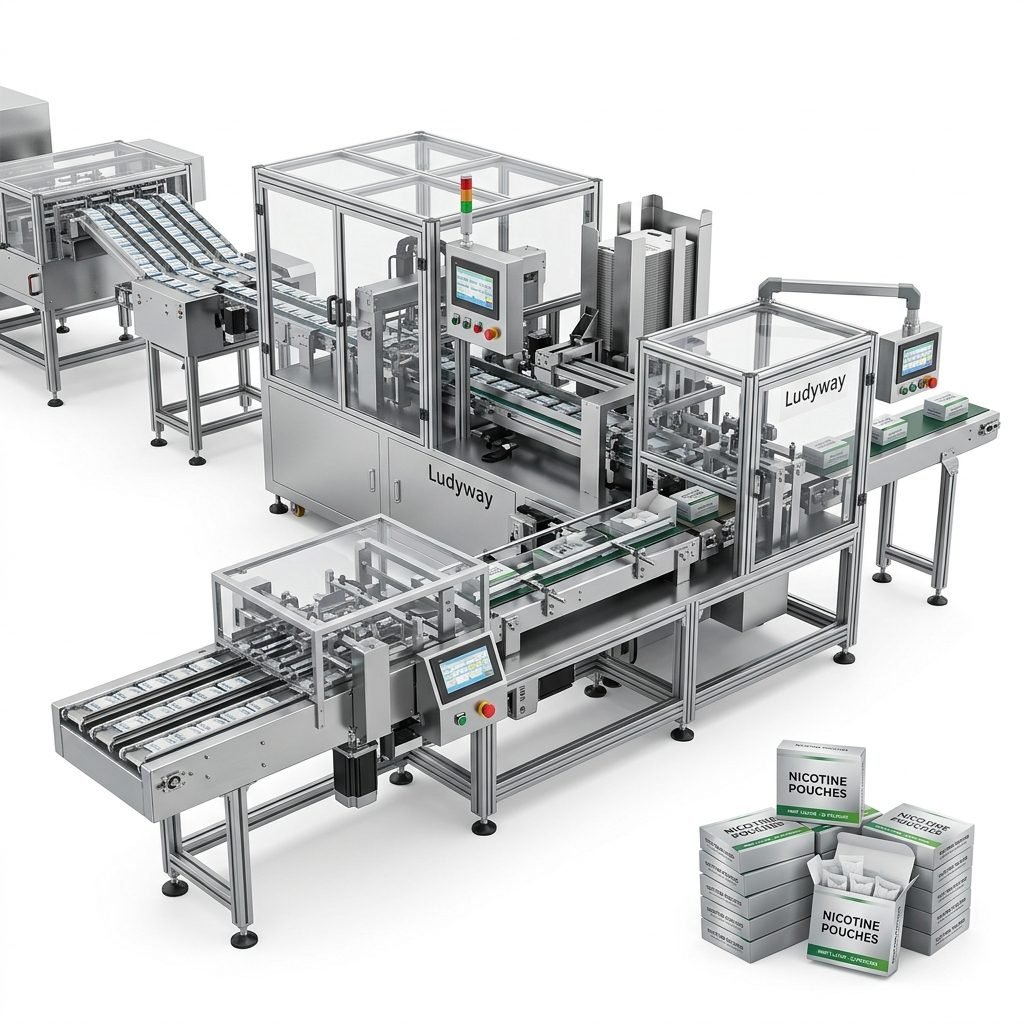
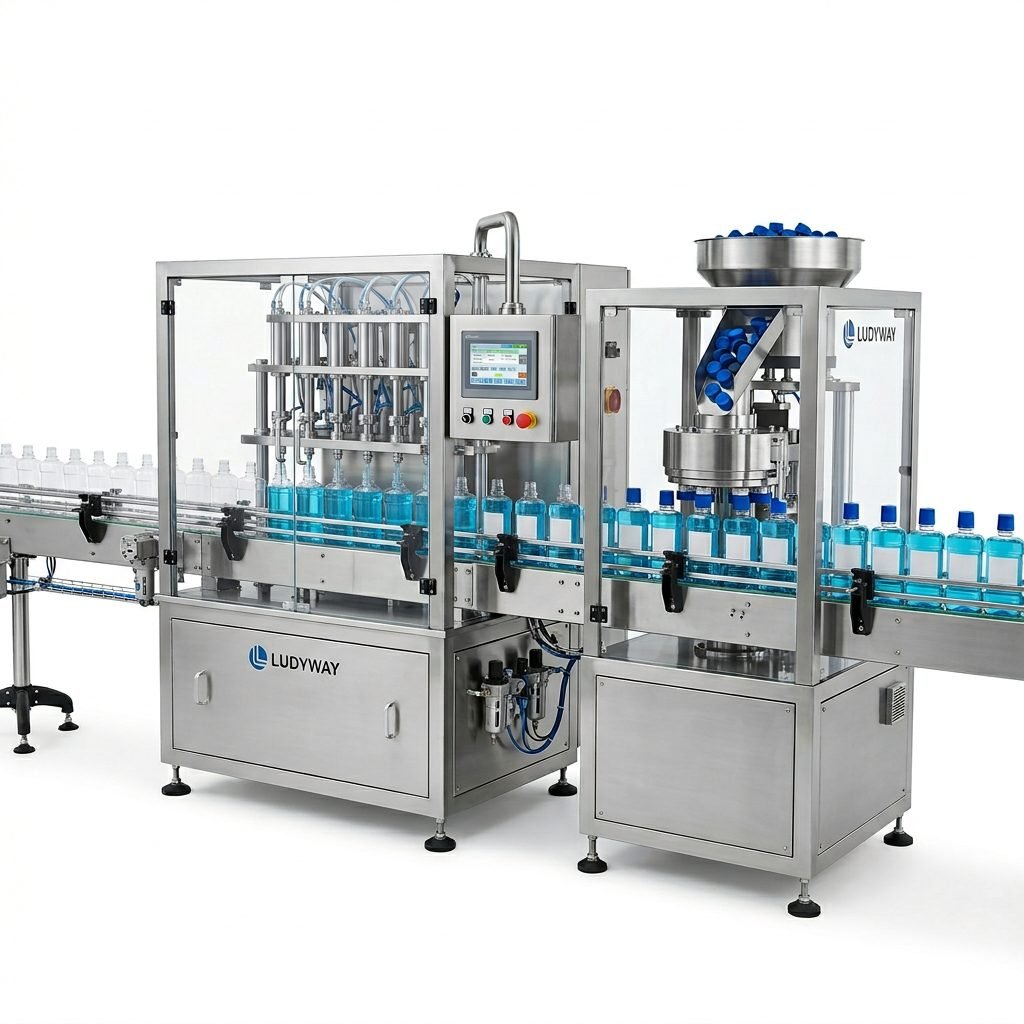
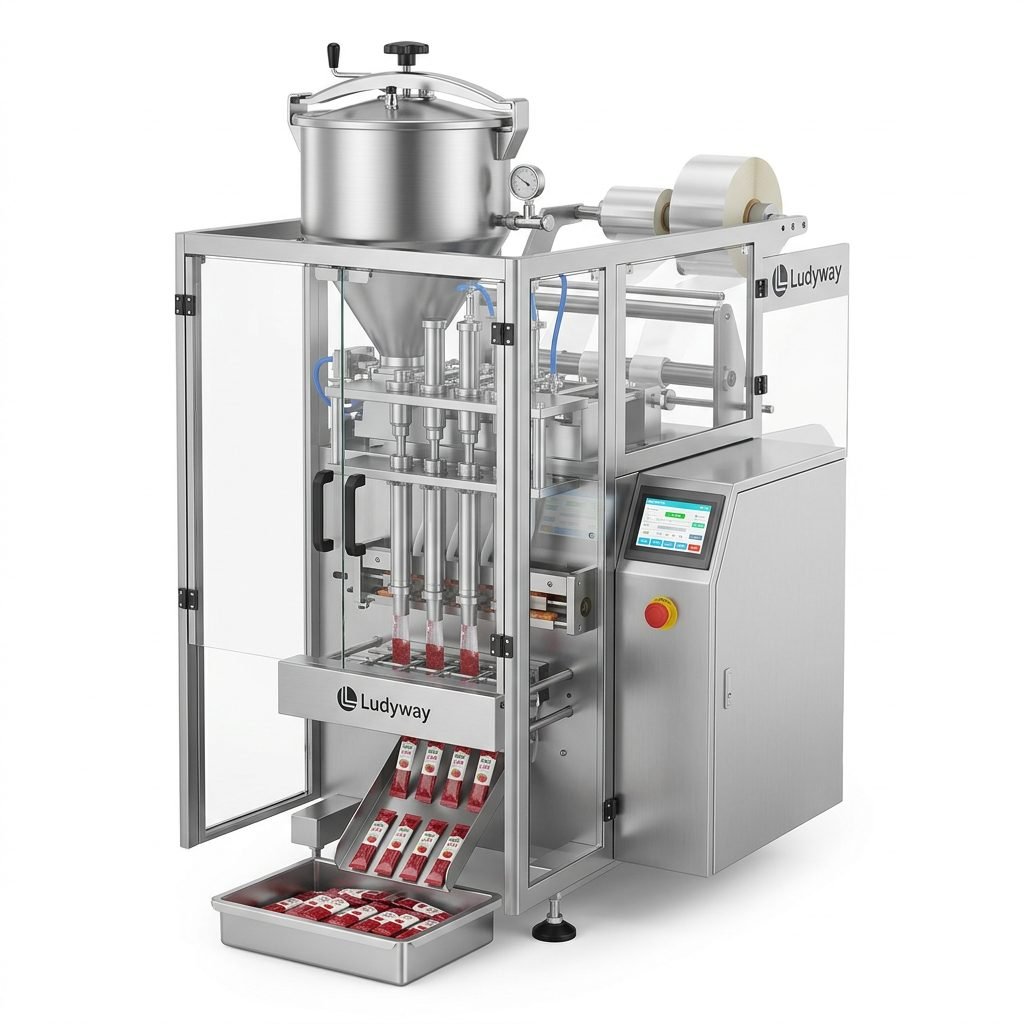
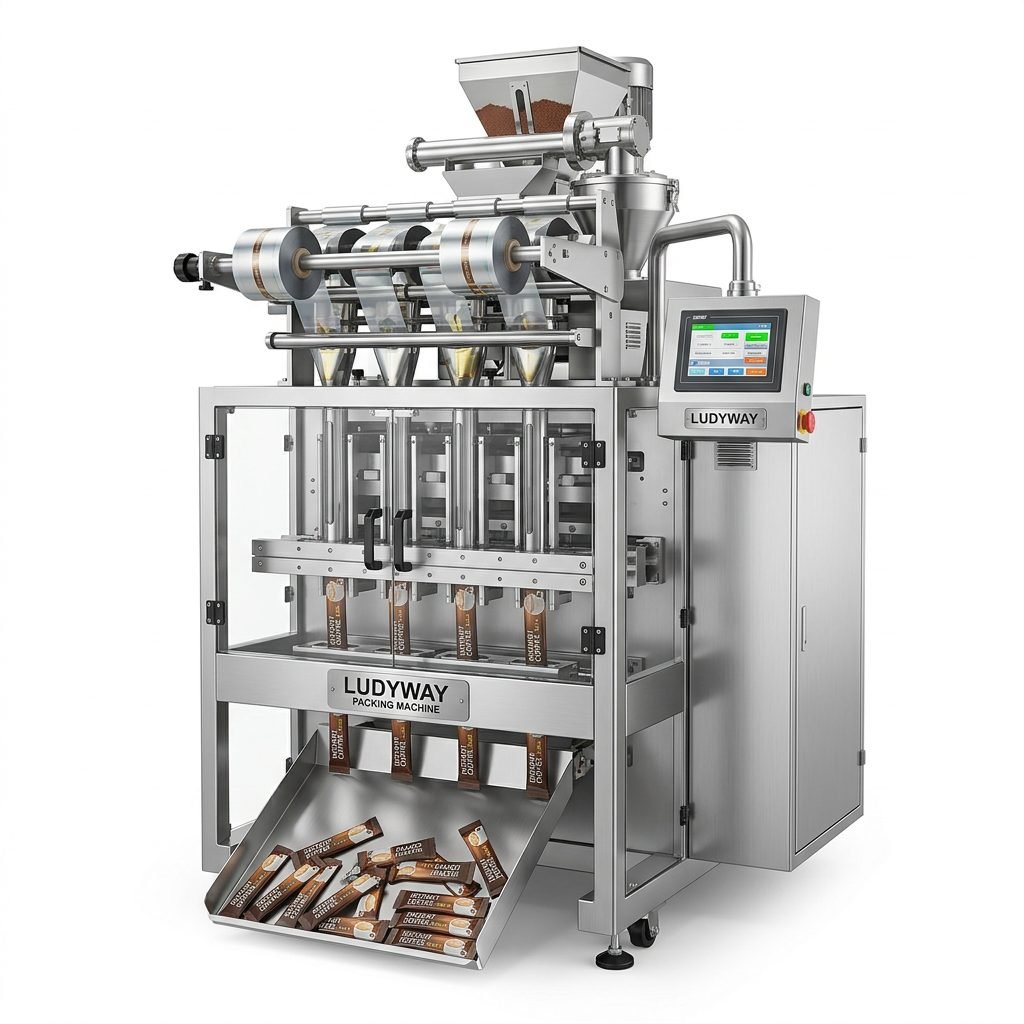
Investing in a soda can packaging machine is a strategic decision for beverage producers, co-packers, and distributors across France. The French carbonated soft drinks market continues to expand, with consumers demanding higher production standards, sustainable packaging, and efficient distribution. This guide provides a comprehensive overview of everything you need to know before purchasing a can packaging line — from regulatory compliance and technical specifications to supplier evaluation and long-term cost analysis.

Understanding the French Beverage Packaging Landscape
France represents one of the largest beverage markets in the European Union, with per capita consumption of carbonated drinks remaining consistently high. The French beverage industry is characterized by strict quality controls, a strong preference for sustainable packaging solutions, and increasing automation across production facilities. Businesses entering or expanding within this market need packaging equipment that meets both EU packaging directives and specific French national requirements enforced by the DGCCRF (Direction Générale de la Concurrence, de la Consommation et de la Répression des Fraudes).
Key Regulatory Requirements for Can Packaging in France
Before selecting a soda can packaging machine, understanding the regulatory framework is essential. Non-compliance can result in costly penalties, product recalls, or restricted market access across the EU.
CE Marking and Machinery Directive
All packaging machinery sold and operated within France must carry CE marking, demonstrating conformity with the EU Machinery Directive 2006/42/EC. This certification ensures the equipment meets essential health and safety requirements for operators and production environments. When evaluating suppliers, always request full ISO packaging standards documentation and CE certificates.
Food Contact Materials Regulation
France enforces EU Regulation (EC) No 1935/2004 on materials and articles intended to come into contact with food. For can packaging lines, this applies to every component that touches the beverage — from filling nozzles and seaming rollers to conveyor surfaces. Additionally, French national measures on food contact materials may impose stricter requirements than EU baseline standards, particularly regarding aluminum and coating materials used in beverage cans.
Environmental and Waste Management Compliance
France has implemented ambitious packaging waste regulations through the AGEC Law (Anti-Waste for a Circular Economy) and the Triman marking requirements. Producers must ensure their packaging lines can accommodate recyclability labeling and contribute to waste reduction targets. The EU Packaging and Packaging Waste Regulation (PPWR) further mandates that all packaging be recyclable by 2030 — a critical factor when configuring your can packaging system.

Types of Soda Can Packaging Machines
Different production scales require different packaging configurations. Below is a comparative overview of the main machine categories available for the French market.
| Machine Type | Capacity Range | Best Suited For | Typical Footprint |
|---|---|---|---|
| Manual/Semi-Automatic Filler-Seamer | 500 – 2,000 cans/hour | Craft beverage startups, micro-breweries, limited editions | Compact |
| Inline Automatic Can Filling Line | 3,000 – 15,000 cans/hour | Mid-size producers, regional brands, co-packers | Moderate |
| Rotary High-Speed Filling System | 15,000 – 80,000+ cans/hour | Large-scale industrial production, international brands | Extensive |
| Multi-Lane Integrated Packaging Turnkey Line | Custom configurations | Full-scale automated facilities requiring end-to-end solutions | Comprehensive |
Critical Technical Specifications to Evaluate
When comparing soda can packaging machines, focusing on the following technical parameters will help you make an informed decision aligned with your production goals.
Filling Accuracy and Product Loss Minimization
Precision filling technology directly impacts your profit margins. Look for machines equipped with electronic flow meters or magnetic inductive flow meters that deliver filling accuracy within ±0.5% of target volume. For carbonated beverages, counter-pressure filling systems are essential to maintain proper CO₂ levels and prevent foaming during the filling process.
Seaming Integrity and Quality Control
The double-seam process on aluminum cans must meet strict airtightness standards. Evaluate machines with integrated seam inspection systems that monitor seam thickness, body hook length, and overlap in real time. Automated rejection of improperly sealed cans prevents defective products from reaching consumers and protects your brand reputation.
Clean-in-Place (CIP) Compatibility
French hygiene regulations demand thorough sanitation between production runs. A soda can packaging machine with full CIP integration reduces downtime, ensures microbial safety, and complies with ISO 11607 packaging standards for hygienic production. Automated cleaning cycles also minimize water and chemical usage — an important consideration under French environmental policies.
Can Size and Material Flexibility
The French market utilizes a range of can formats, from 150 ml slim cans for premium mixers to 500 ml standard cans for mainstream carbonated drinks. Machines with quick-change tooling systems allow you to switch between can diameters and heights with minimal downtime, supporting diverse product portfolios and seasonal packaging variations.
Evaluating Suppliers: What French Buyers Should Prioritize
Choosing the right equipment supplier is as important as selecting the machine itself. For businesses in France, proximity to technical support, availability of spare parts, and understanding of local regulations are key differentiators.
- After-Sales Service in France: Confirm whether the supplier has local service technicians or authorized partners within France or neighboring EU countries to minimize response times.
- Documentation and Language Support: All technical manuals, user interfaces, and safety documentation should be available in French to comply with workplace safety regulations.
- Spare Parts Availability: Inquire about the supplier’s spare parts inventory in Europe and typical delivery times for critical components.
- Installation and Training: A comprehensive installation package should include on-site technician support, operator training, and production line optimization.
- References from European Clients: Request case studies or references from the supplier’s existing French or European customers to verify performance claims.
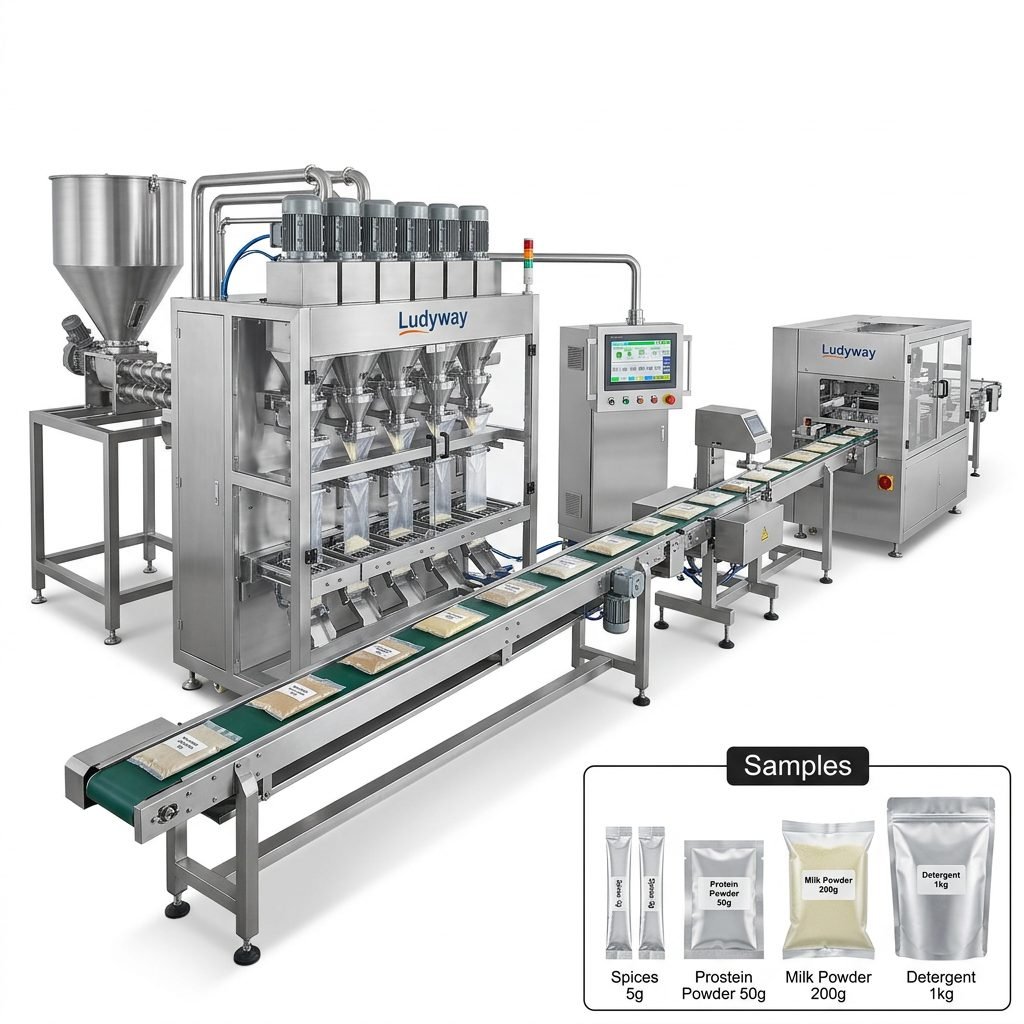
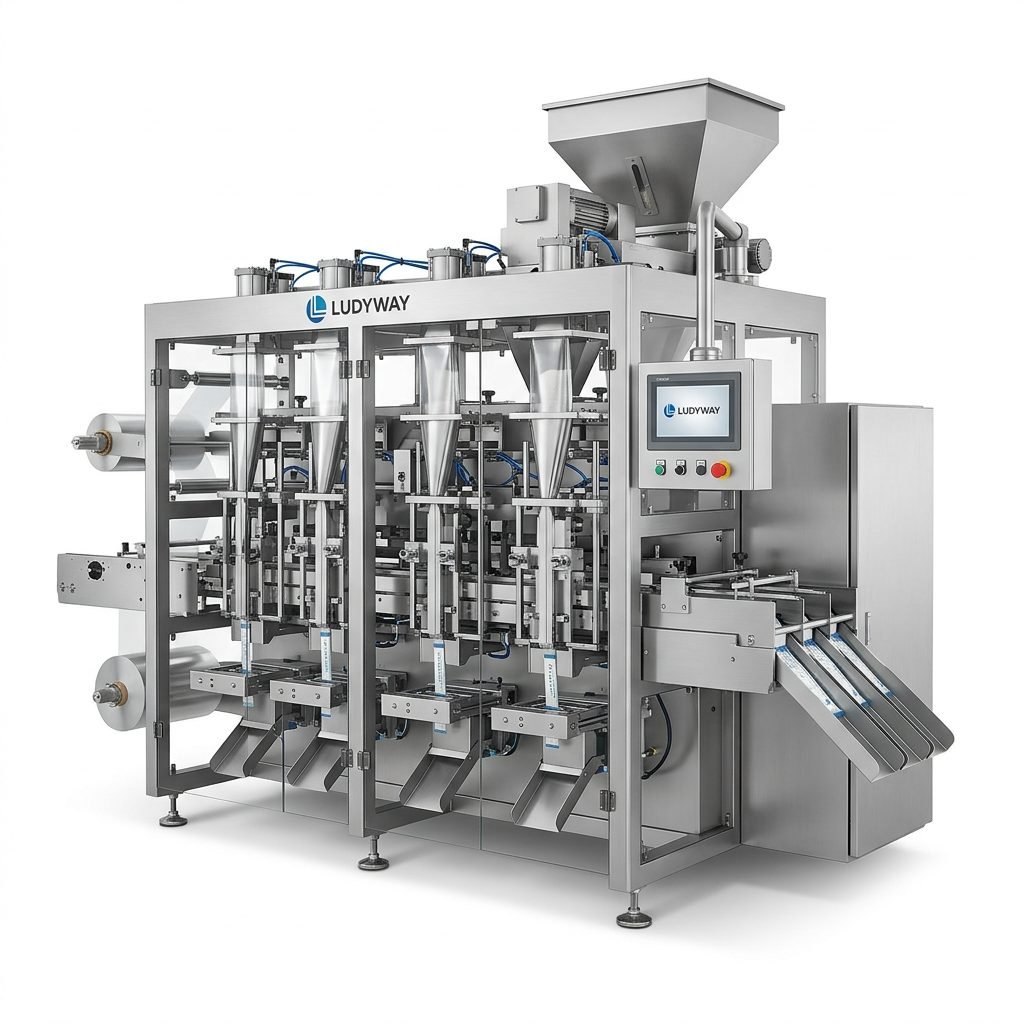
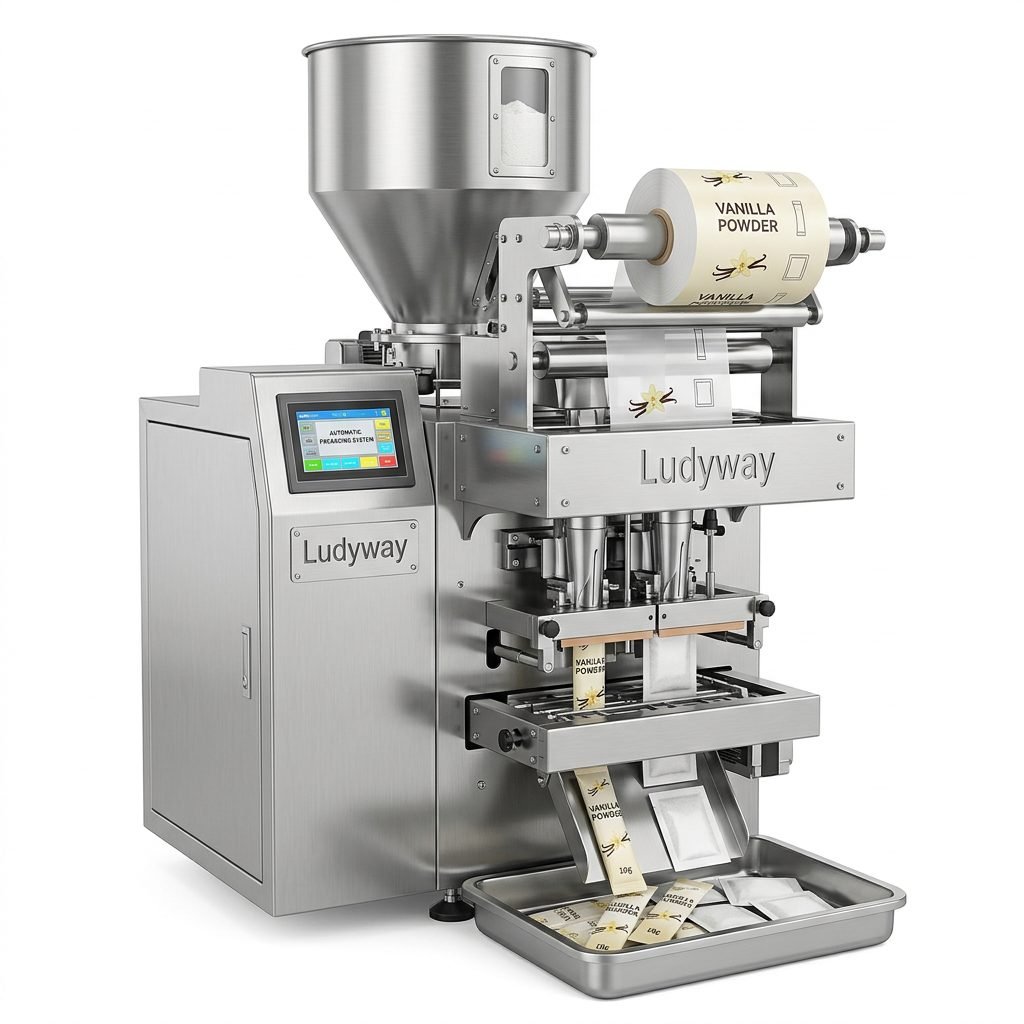
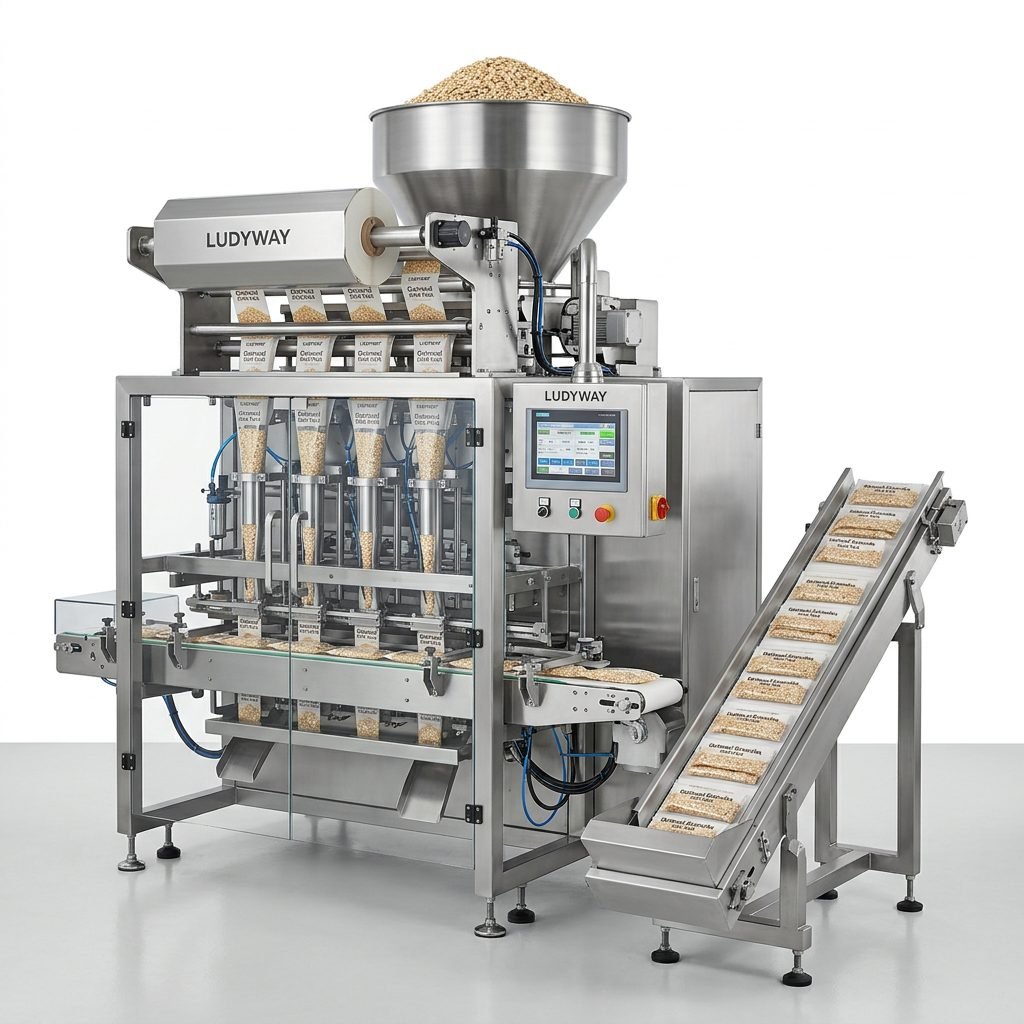
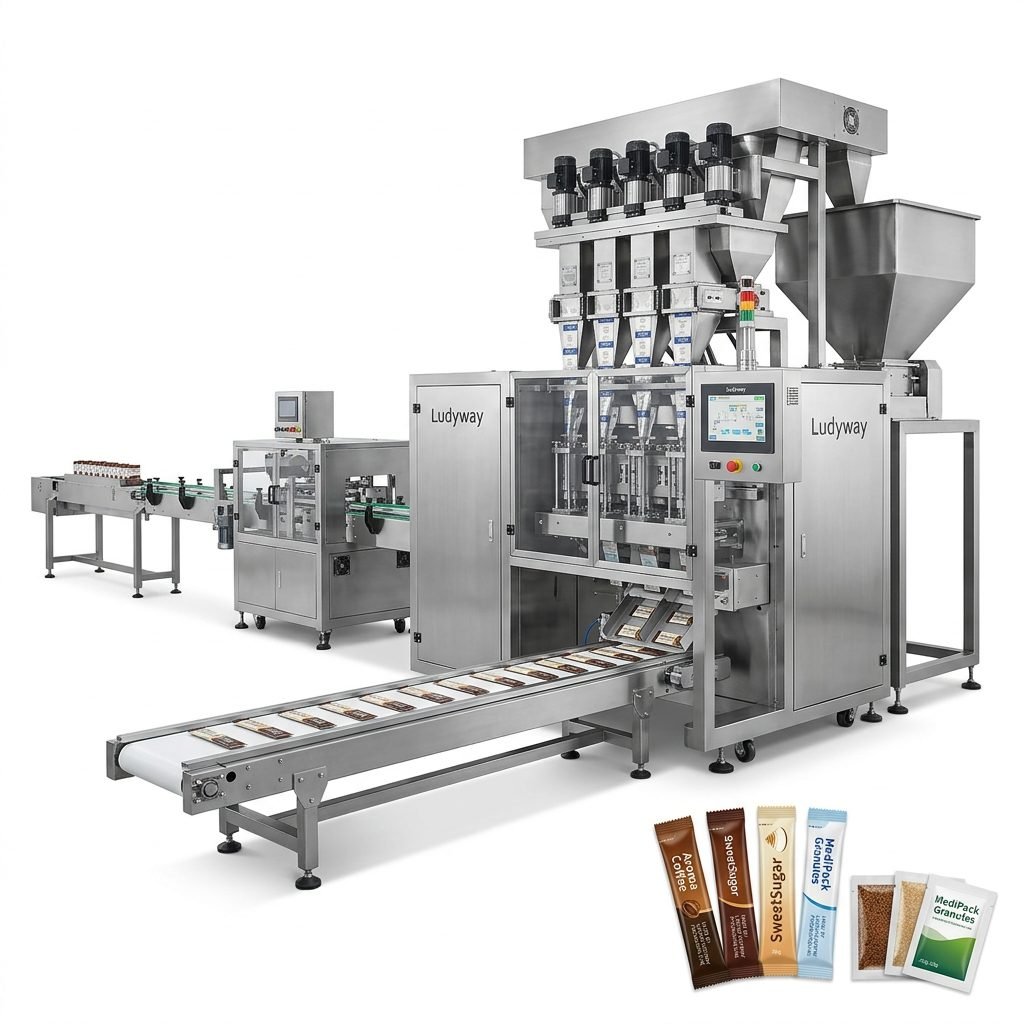
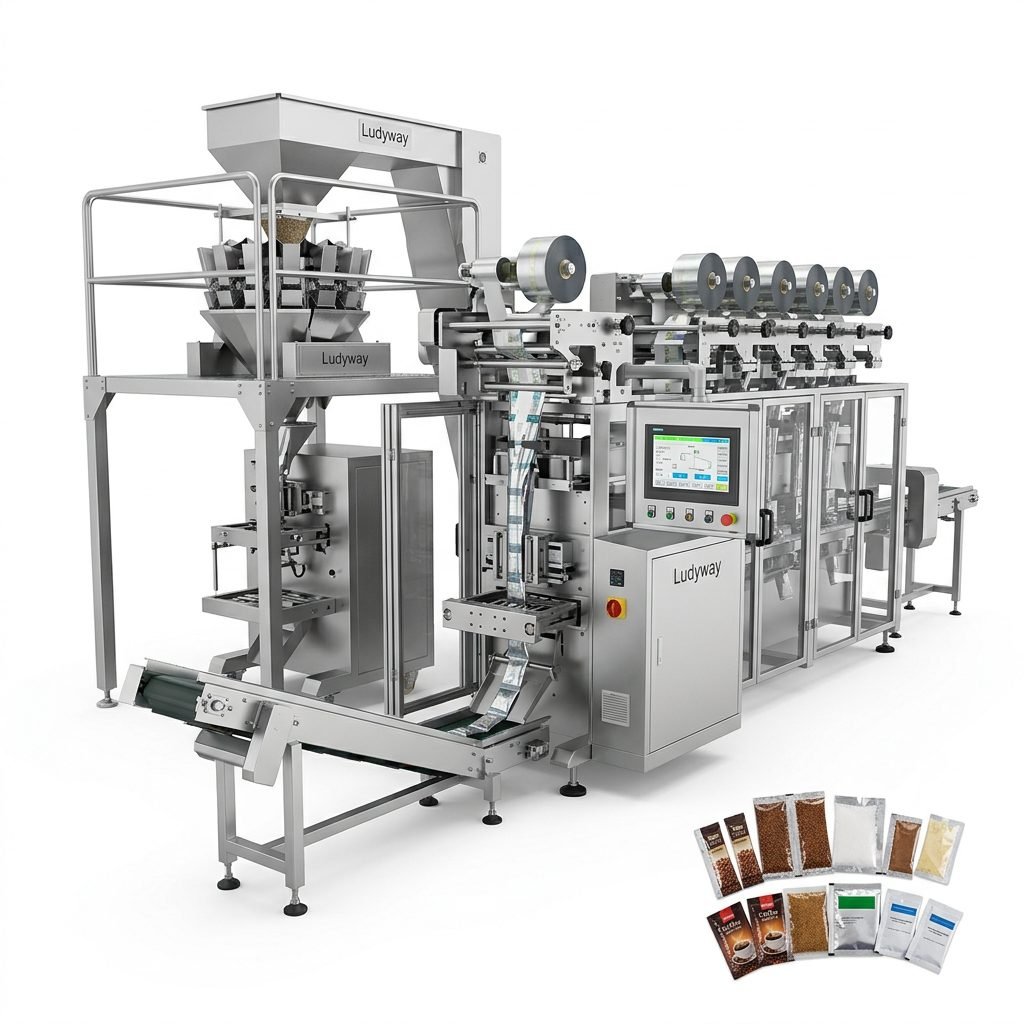
Industry-leading manufacturers such as Ludyway offer a wide range of intelligent packaging equipment suitable for diverse applications, backed by decades of engineering expertise and a global support network that extends into European markets. When evaluating suppliers, prioritize those with demonstrated experience in beverage can packaging and a clear understanding of EU regulatory requirements.
Automation Levels and Industry 4.0 Integration
Modern soda can packaging lines increasingly incorporate Industry 4.0 capabilities that enhance productivity, traceability, and operational insight. When assessing machines, consider the following automation features:
SCADA and MES Integration
Supervisory Control and Data Acquisition (SCADA) systems connected to your packaging line provide real-time monitoring of production parameters, allowing operators to identify bottlenecks, track Overall Equipment Effectiveness (OEE), and generate compliance reports automatically. Integration with Manufacturing Execution Systems (MES) enables seamless data flow across your entire production ecosystem.
Predictive Maintenance Capabilities
Machines equipped with IoT sensors and predictive analytics can forecast component wear and schedule maintenance proactively, reducing unplanned downtime. For French producers operating on tight margins, this capability translates into measurable cost savings and consistent output quality.
Remote Diagnostics and Support
Given the geographic distance between many equipment manufacturers and French production sites, remote diagnostic capabilities enable suppliers to troubleshoot issues quickly without dispatching technicians. Look for machines with secure VPN connectivity and authorized remote access protocols that comply with EU data protection regulations.
Cost Considerations and Return on Investment
Understanding the total cost of ownership (TCO) is essential for accurate financial planning. The following table outlines the key cost components to factor into your investment analysis.
| Cost Category | Typical Percentage of TCO | Key Variables |
|---|---|---|
| Initial Equipment Purchase | 40% – 55% | Machine type, capacity, automation level, customization |
| Installation and Commissioning | 5% – 10% | Site preparation, technician travel, integration complexity |
| Operator Training | 2% – 5% | Number of operators, training depth, language requirements |
| Annual Maintenance and Spare Parts | 8% – 15% | Machine complexity, production volume, component longevity |
| Energy and Consumables | 10% – 20% | Electricity rates, CO₂ consumption, cleaning chemicals, water usage |
| Downtime and Productivity Loss | 5% – 10% | Machine reliability, spare parts availability, technical support speed |
For most French beverage producers, a well-selected soda can packaging machine achieves full ROI within 2 to 4 years, depending on production volume, product margins, and operational efficiency gains. When calculating ROI, factor in reduced labor costs, lower product giveaway, and increased throughput compared to older or manual systems.
Logistics and Installation Planning
Importing and installing a soda can packaging machine in France requires careful logistical coordination. Key considerations include:
- Transportation and Customs Clearance: Work with freight forwarders experienced in industrial machinery imports into the EU. Ensure all customs documentation, including certificates of origin and CE compliance, are prepared in advance.
- Site Preparation Requirements: Verify floor load capacity, utility connections (compressed air, CO₂, electricity, water), and ventilation needs well before the machine arrives. French workplace safety regulations may require specific layout clearances and safety barriers.
- Installation Timeline: A typical mid-size can packaging line requires 2 to 4 weeks for mechanical installation, electrical commissioning, and initial testing. Plan production schedules accordingly to minimize disruption.
- French-language HMI Compliance: The machine’s Human-Machine Interface (HMI) should be configurable in French to meet operator safety and usability standards under French labor law.
Sustainability and Energy Efficiency
With France’s strong commitment to environmental sustainability, selecting an energy-efficient packaging machine not only reduces operational costs but also aligns with national climate goals and consumer expectations. Evaluate machines based on:
- Energy consumption per 1,000 cans produced — request specific kWh data from suppliers
- Water recovery and recycling systems integrated into CIP processes
- Compressed air efficiency — a significant energy cost driver in can packaging operations
- Compatibility with lightweight can materials that reduce overall packaging waste
French producers can also benefit from government incentives and subsidies for investments in sustainable manufacturing technologies, further improving the financial case for modern, efficient packaging equipment.
Frequently Asked Considerations
Should I choose a dedicated can line or a multi-format system?
For producers exclusively focused on canned beverages, a dedicated can packaging line offers optimized performance and lower per-unit costs. However, if you plan to diversify into glass bottles or PET in the future, investing in a more flexible system with modular components may provide better long-term value despite higher initial investment.
How important is local service support in France?
Extremely important. Even the most reliable machinery requires periodic maintenance, troubleshooting, and eventual parts replacement. Suppliers with established service networks in France or nearby EU countries can significantly reduce downtime and operational disruptions.
What certifications should the machine have for the French market?
Beyond mandatory CE marking, look for machines that comply with relevant ISO packaging and distribution standards, food safety certifications (such as compliance with EU food contact materials regulations), and electrical safety standards (IEC 60204-1). These certifications simplify the audit process with French health authorities and retail partners.
Final Recommendations for French Buyers
Purchasing a soda can packaging machine is a significant capital investment that directly impacts your production capacity, product quality, and competitive positioning in the French beverage market. Prioritize suppliers who demonstrate deep knowledge of EU and French regulatory requirements, offer responsive local support, and provide flexible machine configurations that can adapt to evolving market demands. By thoroughly evaluating the technical specifications, compliance documentation, and total cost of ownership outlined in this guide, you can make a confident purchasing decision that supports your business growth for years to come. For further guidance, exploring resources from PMMI business intelligence and Flexible Packaging Association industry data can provide additional market insights and technical benchmarks.

For more detailed technical specifications and to explore PACK EXPO International innovations in beverage packaging technology, staying connected with global packaging events and industry associations will keep your business informed of the latest advancements in can packaging machinery.