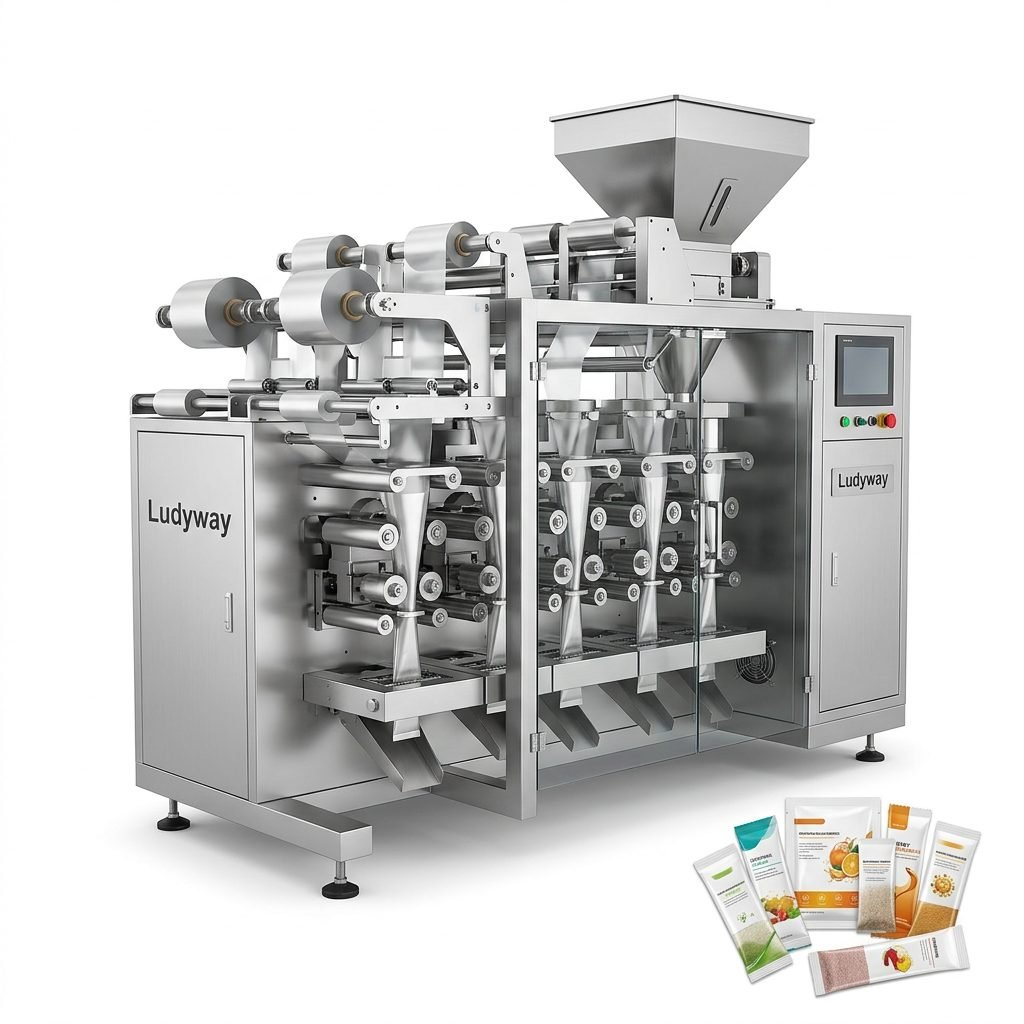
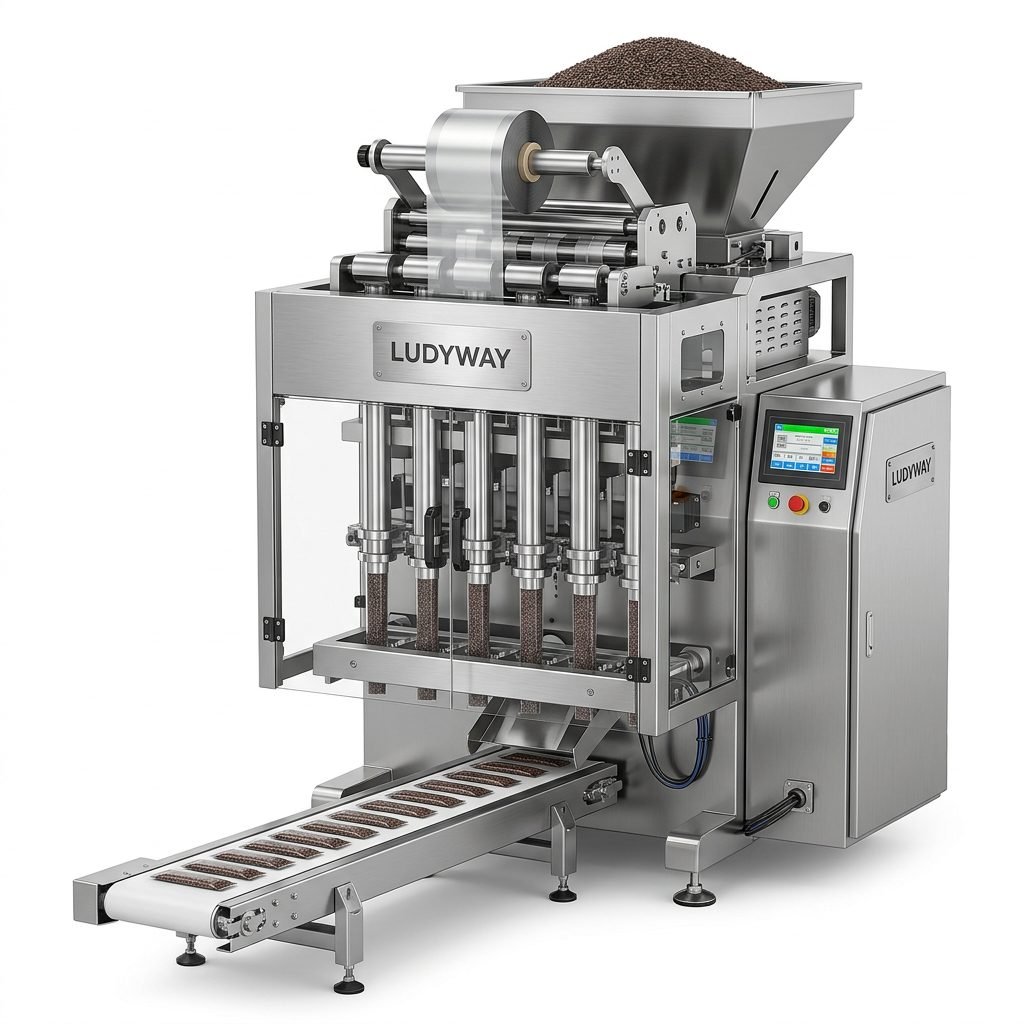
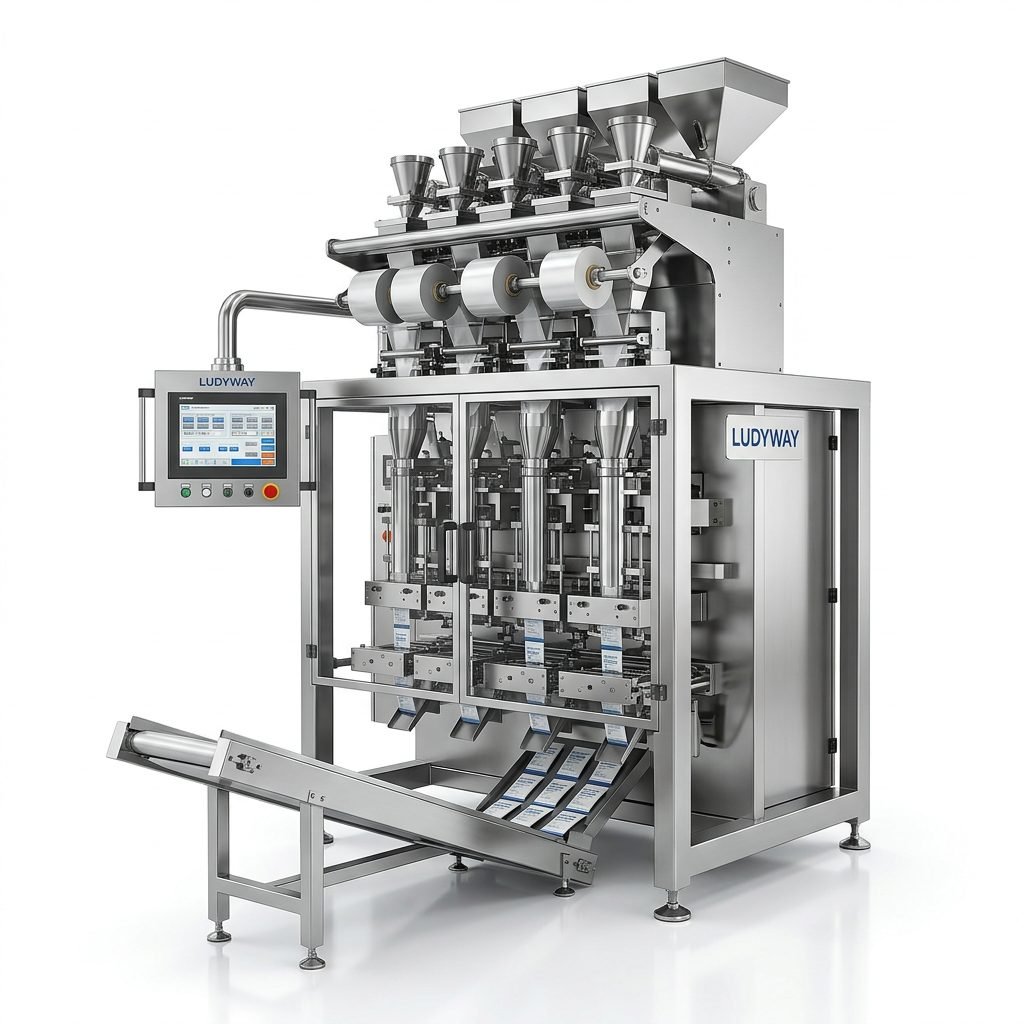
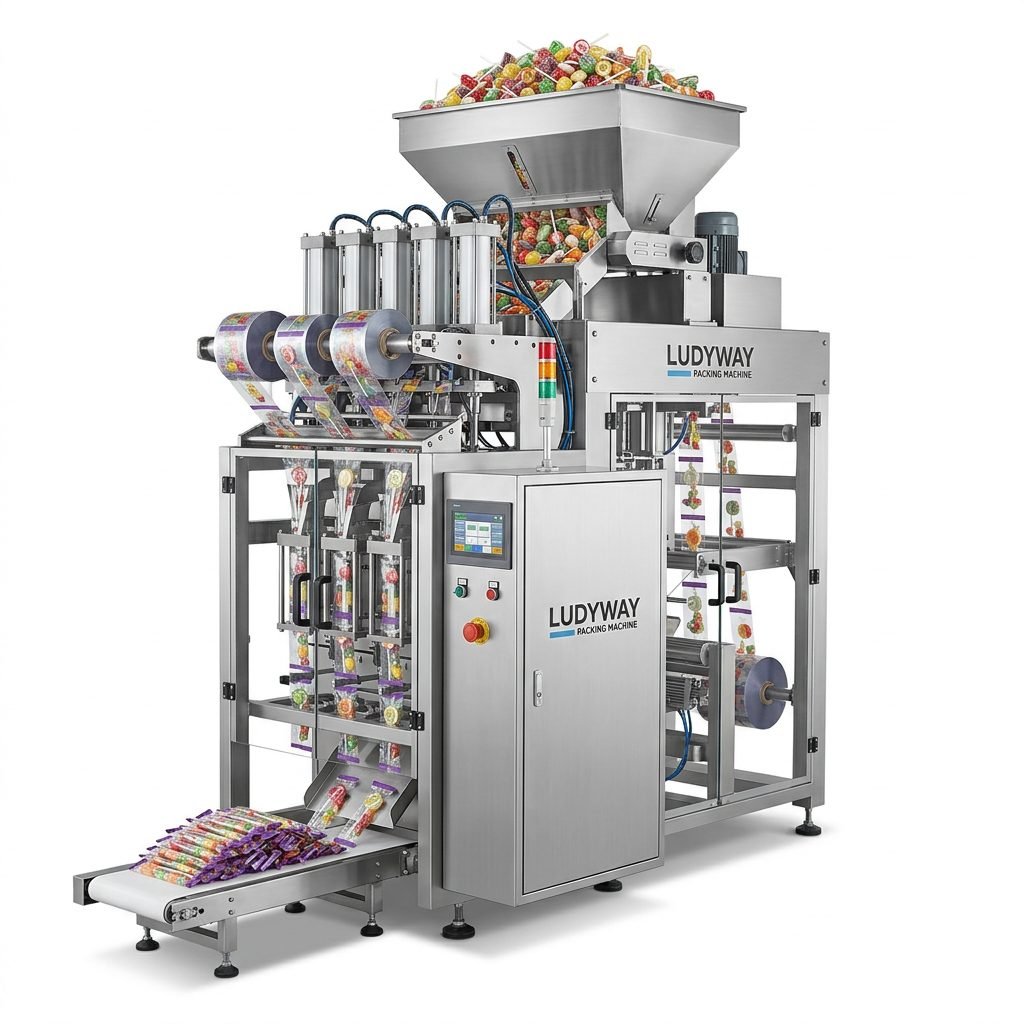
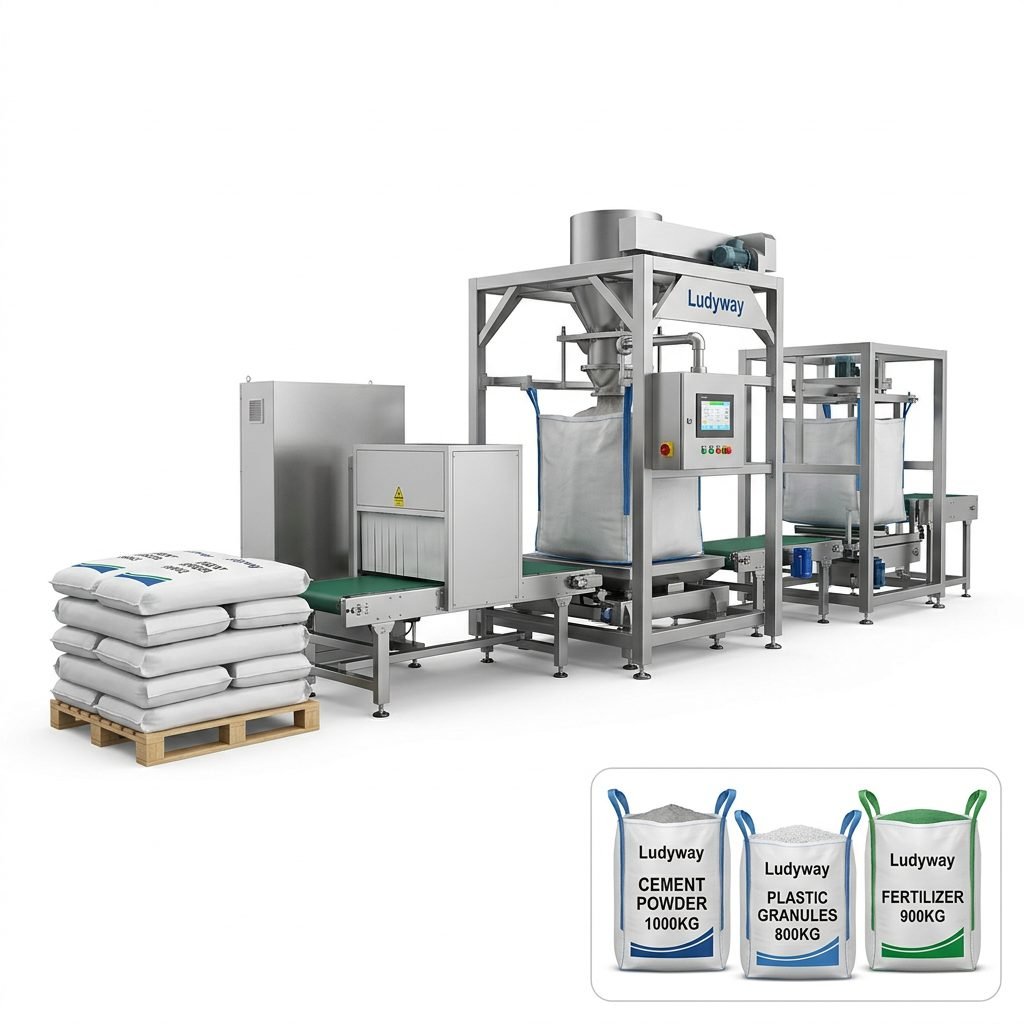
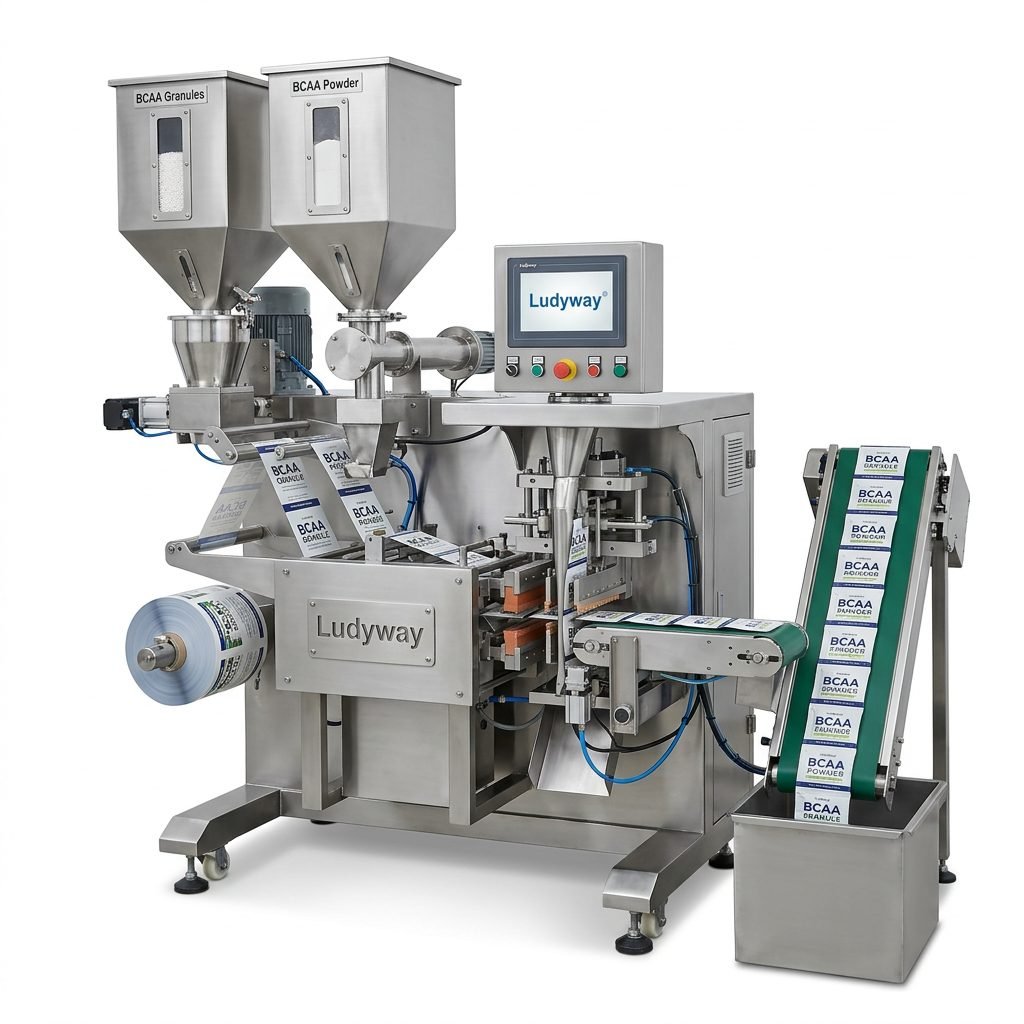
Investing in a tea packaging machine is a critical decision for any tea producer, distributor, or co-packer. Whether you’re packaging loose leaf tea, herbal blends, or powdered tea mixes, understanding the cost structure and key buying factors will help you make an informed investment. This guide breaks down the pricing tiers, features that influence cost, and practical tips for selecting the right tea dubey packaging machine for your production needs.
How Much Does a Tea Packaging Machine Cost?
The price of a tea dubey packaging machine can range significantly depending on automation level, speed, and packaging format. Entry-level semi-automatic models may start around $5,000 to $15,000, while fully automated, high-speed multi-lane systems can exceed $80,000 to $200,000+. Below is a general pricing overview based on machine type and capability.
| Machine Type | Packaging Format | Estimated Price Range (USD) | Best Suited For |
|---|---|---|---|
| Semi-Automatic Single-Lane | Stick Pack / Sachet | $5,000 – $15,000 | Small-scale producers, startups |
| Automatic Single-Lane VFFS | Sachet / Pouch | $12,000 – $30,000 | Medium-scale tea packers |
| Multi-Lane Stick Pack Machine (4–8 lanes) | Stick Pack | $25,000 – $60,000 | High-volume tea producers |
| High-Speed Multi-Lane (10+ lanes) | Stick Pack / Sachet | $50,000 – $120,000+ | Industrial-scale production |
| Fully Automated Turnkey Line | Stick Pack + Cartoning | $80,000 – $200,000+ | Large manufacturers, export-focused |
Key Factors That Influence Tea Packaging Machine Pricing
Several variables significantly impact the final cost of a tea dubey packaging machine. Understanding these factors will help you better evaluate quotes and choose equipment that aligns with your budget and production goals.
1. Automation Level
Semi-automatic machines require more manual intervention and are priced lower. Fully automatic systems with servo-driven controls, automatic film tracking, and integrated weighers command a premium but deliver higher throughput and consistency.
2. Number of Lanes
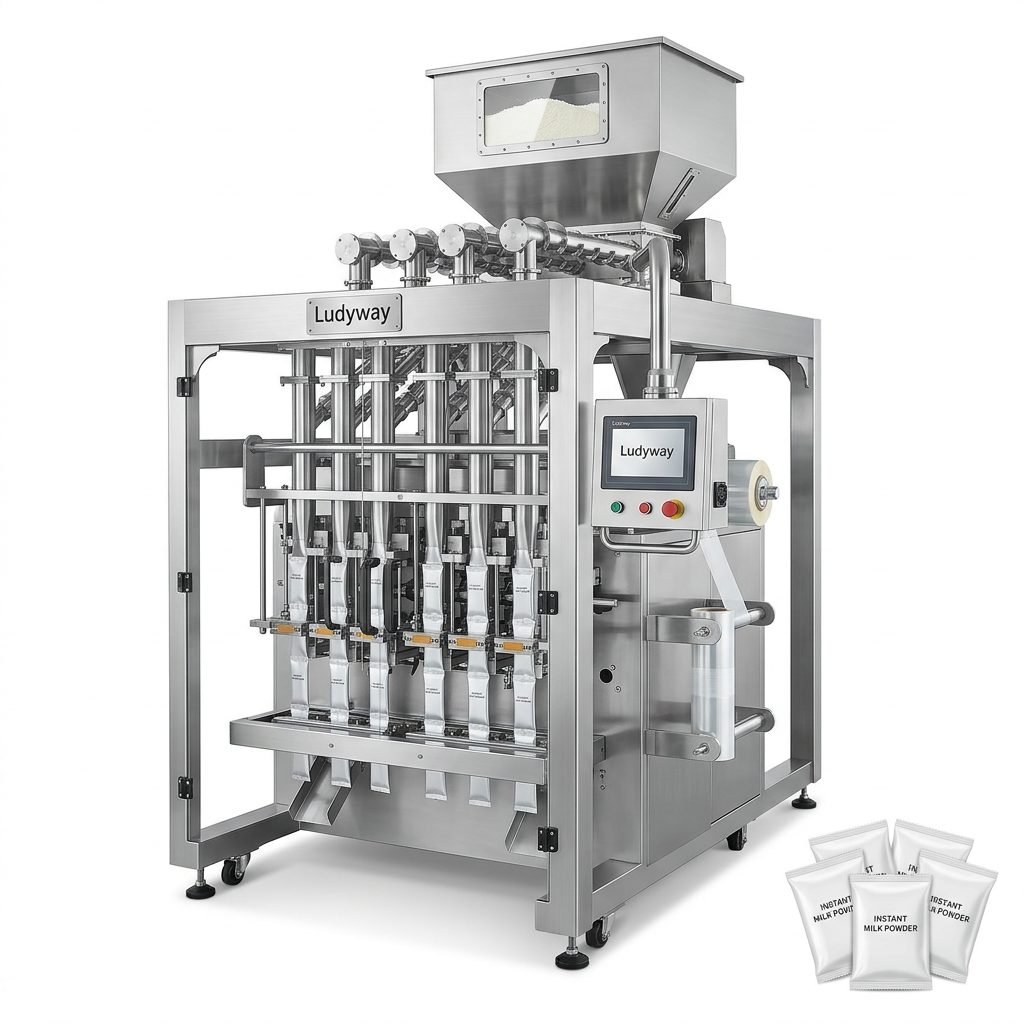
Multi-lane machines can fill and seal 4, 6, 8, 10, or more lanes simultaneously, dramatically increasing output. Each additional lane adds to the machine’s complexity and cost, but the per-unit packaging cost decreases significantly at scale.
3. Packaging Format
Stick packs, sachets, and pouches each require different forming and sealing mechanisms. Machines capable of switching between multiple formats typically cost more but offer greater flexibility for diverse product lines.
4. Filling System Type
- Auger fillers – Ideal for fine tea powders; precise but moderately priced.
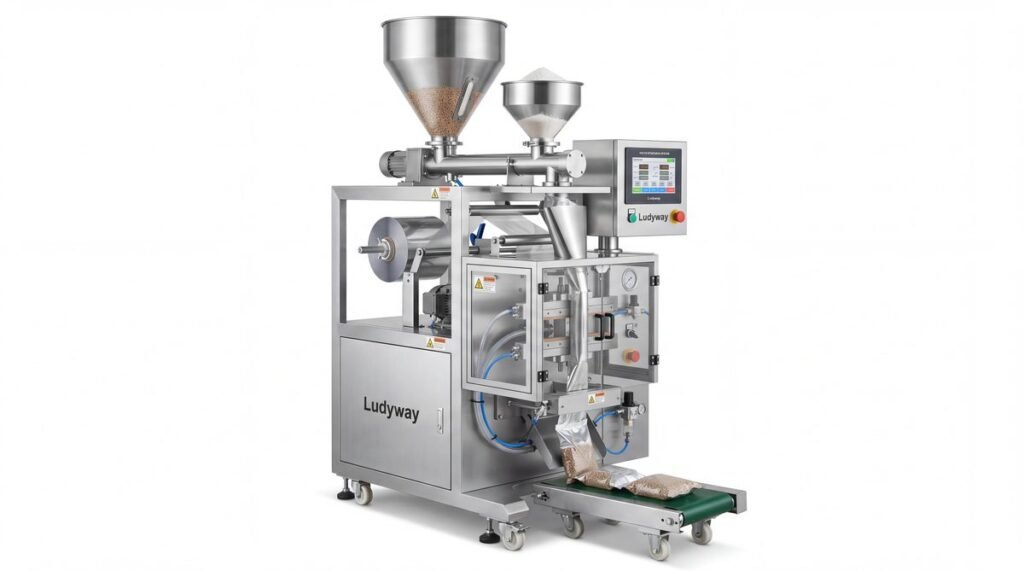
- Volumetric cup fillers – Suitable for granular tea leaves; cost-effective.
- Multi-head weighers – High accuracy for premium teas; higher investment.
- Liquid pumps – Required for liquid tea concentrates or extracts.
5. Additional Features
Options such as nitrogen flushing for extended shelf life, date coding systems, tear notch or easy-open perforation, and automatic rejection systems for underweight packs all add to the base price but enhance product quality and operational efficiency.
Types of Tea Packaging Machines Available
The term tea dubey packaging machine encompasses various equipment types designed for different tea products and packaging styles. Selecting the correct type is essential for achieving optimal packaging results.
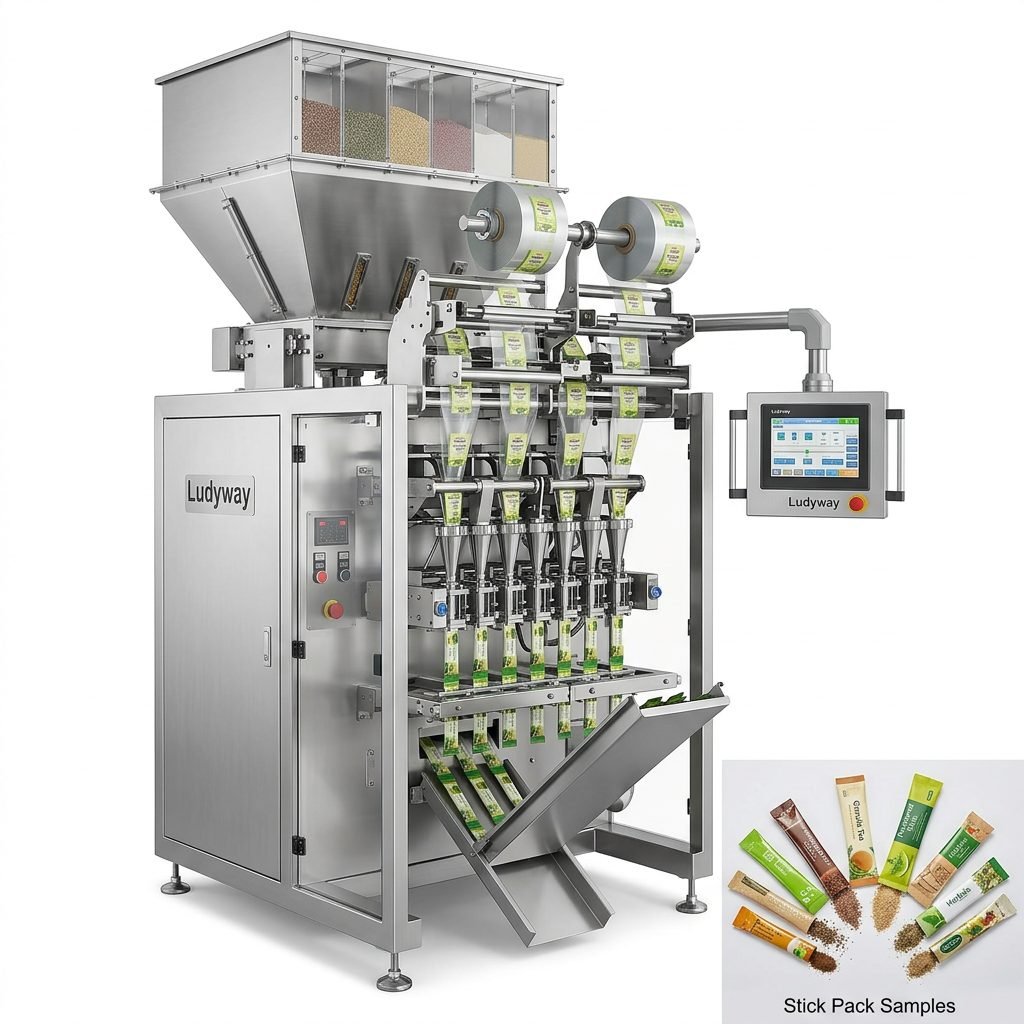
Stick Pack Machines for Tea
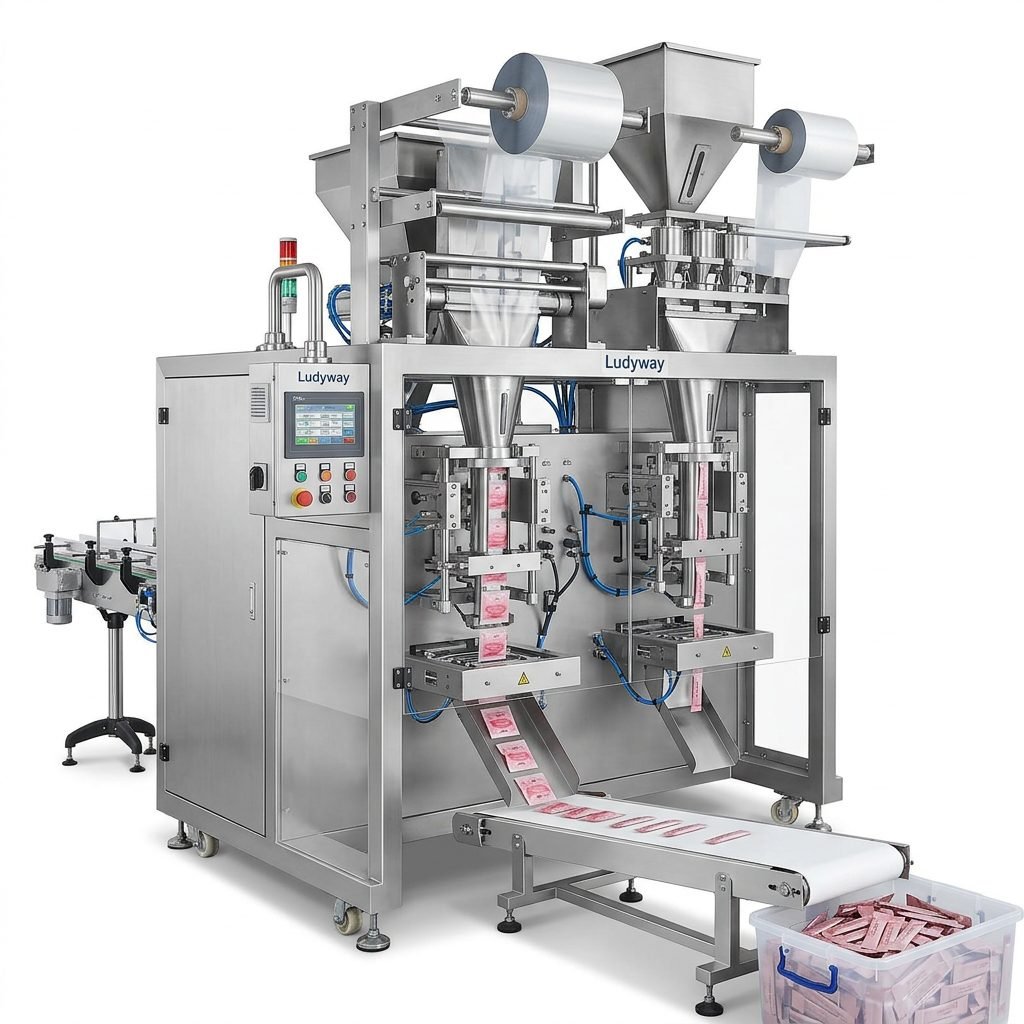
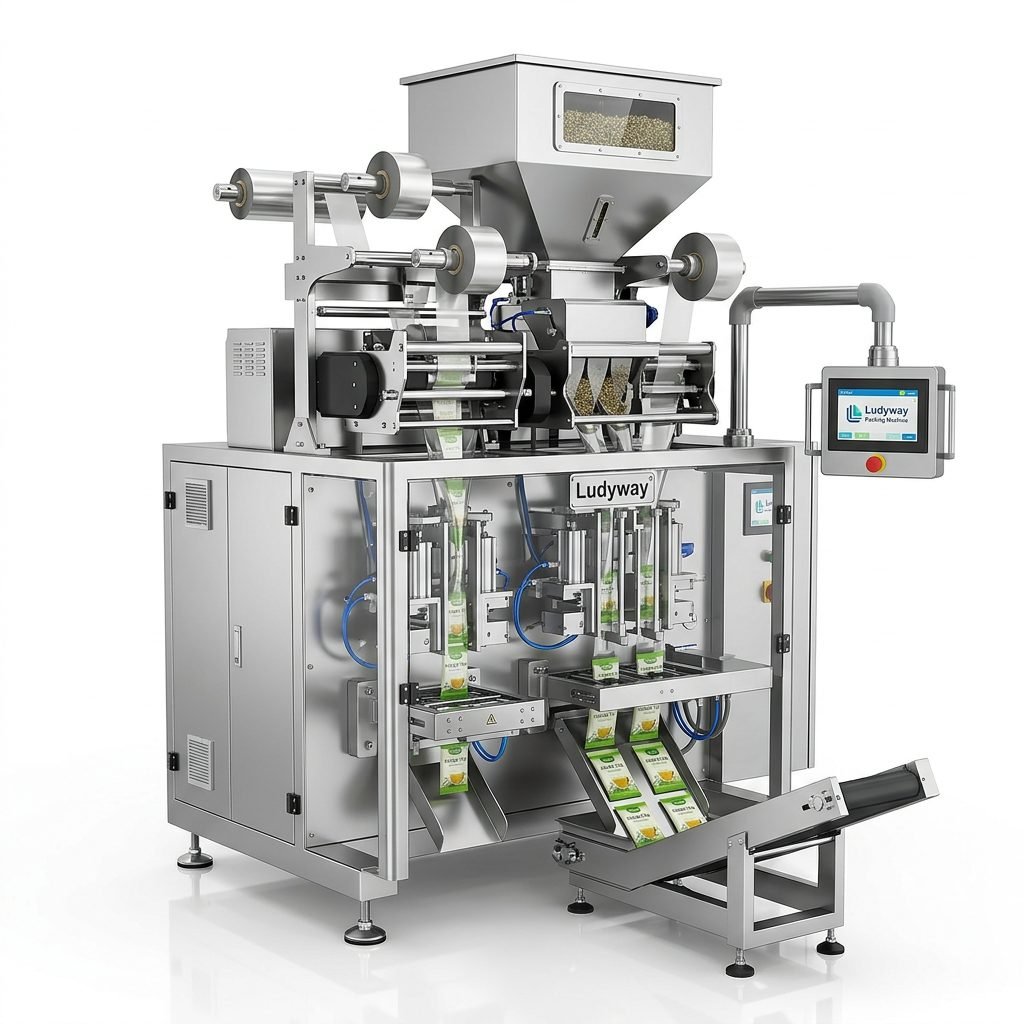
Stick pack machines are among the most popular choices for single-serve tea packaging. These systems produce narrow, elongated packets ideal for instant tea powders, matcha, and granulated tea blends. Modern multi-lane stick pack machines can achieve speeds of 400–600 packs per minute across 8–12 lanes.
Sachet Packaging Machines
Sachet machines produce flat, pillow-style or three-side-seal packets commonly used for herbal tea samples, single-use tea servings, and tea-based supplements. These are versatile systems that handle both powder and granular products with equal efficiency.
Vertical Form Fill Seal (VFFS) Machines
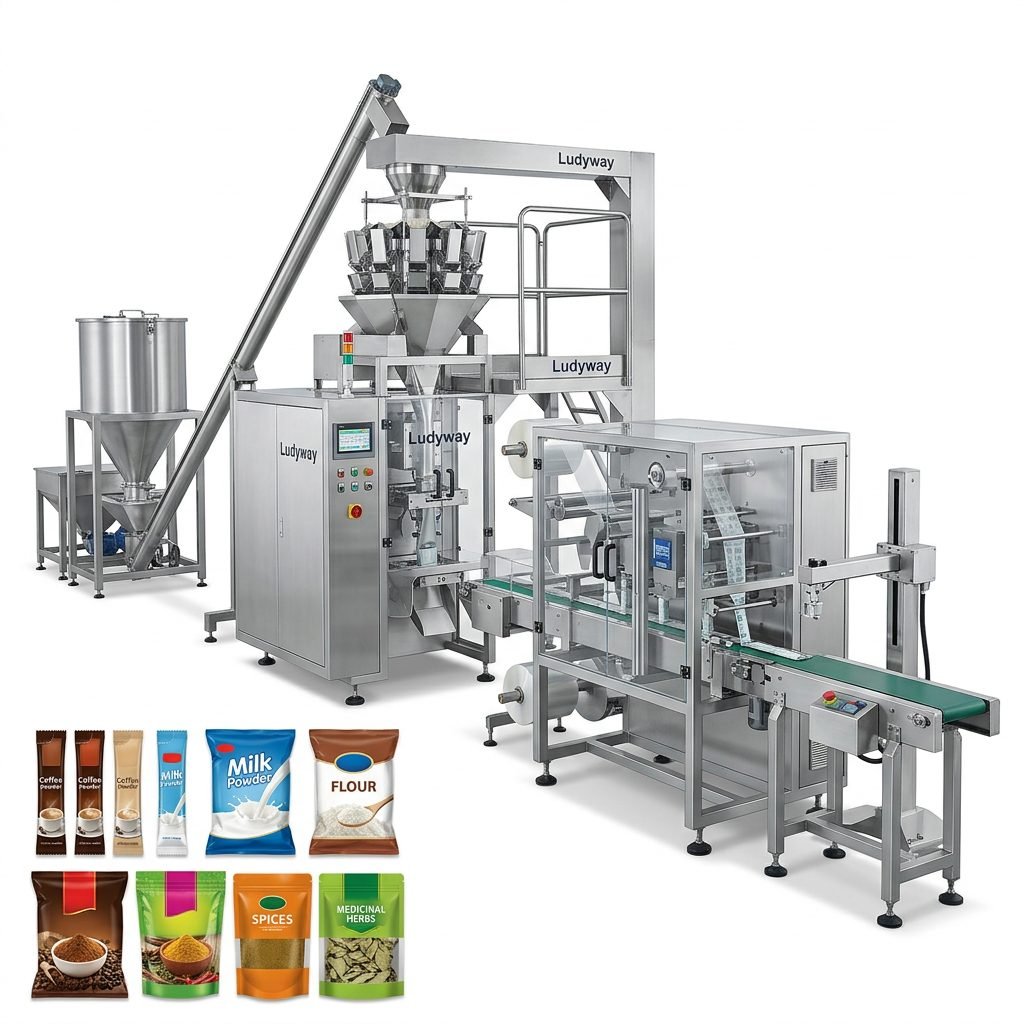
VFFS machines are ideal for larger pouch formats, including family-size tea bags and bulk loose-leaf packaging. They can be configured with various filling mechanisms and are widely adopted across the food and beverage industry.
Buying Guide: How to Choose the Right Tea Packaging Machine
Making the right purchasing decision involves evaluating several critical aspects beyond just the initial price tag. Use the following checklist to guide your selection process.
| Evaluation Criteria | Key Questions to Ask | Why It Matters |
|---|---|---|
| Production Capacity | How many packs per minute do you need now and in 2–3 years? | Avoids underinvestment or costly early replacement |
| Product Characteristics | Is your tea product powder, granule, leaf, or liquid? | Determines the appropriate filling system |
| Packaging Material | What film or laminate will you use? | Affects sealing temperature and machine compatibility |
| Floor Space | What are your facility’s space constraints? | Multi-lane machines require larger footprints |
| After-Sales Support | Does the supplier offer training, spare parts, and remote support? | Minimizes downtime and extends machine life |
Consider Total Cost of Ownership (TCO)
The purchase price is only part of the equation. Factor in shipping and import duties, installation and commissioning, operator training, spare parts inventory, and ongoing maintenance costs. A slightly more expensive machine with superior durability and local support often delivers a lower total cost of ownership over its lifespan.
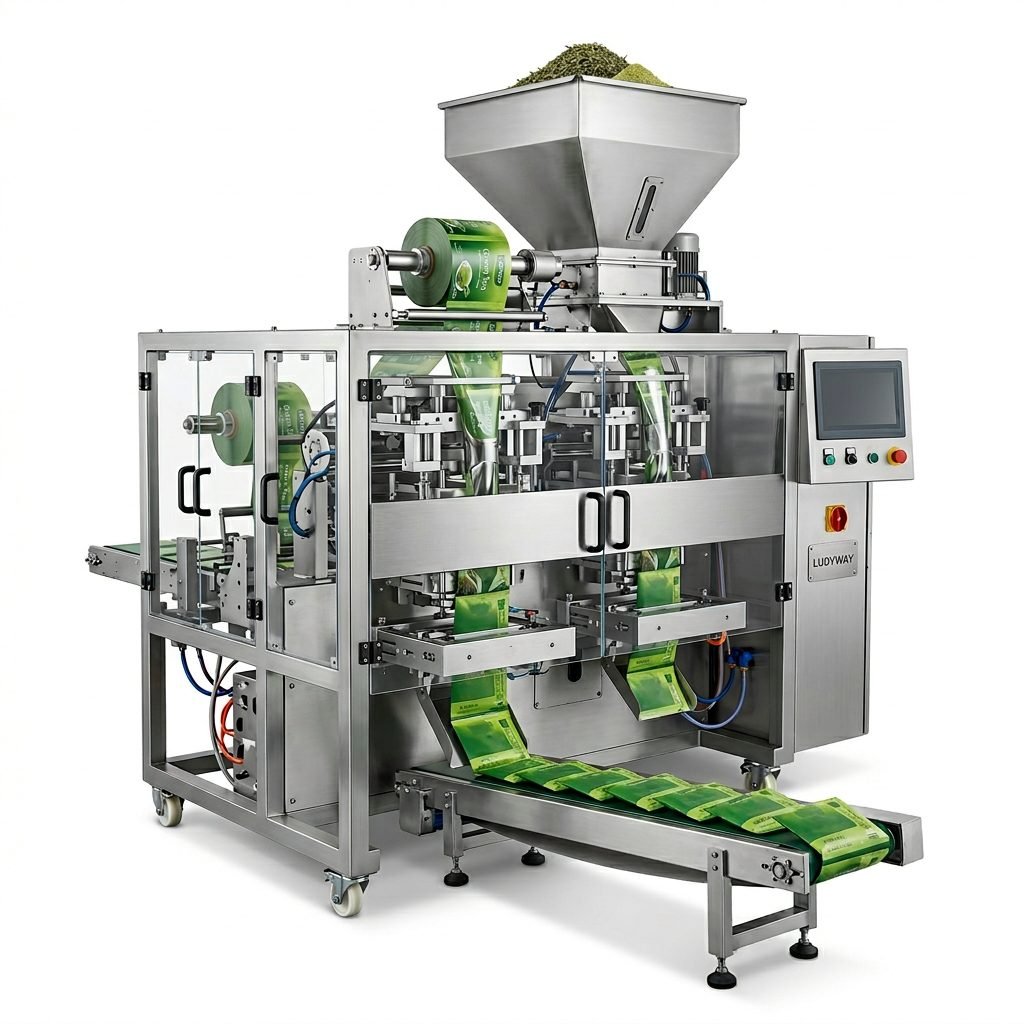
Verify Compliance and Certifications
Ensure the tea dubey packaging machine meets relevant industry standards. Look for CE certification for European markets, UL compliance for North America, and food-grade stainless steel construction for product contact surfaces. Refer to resources from the PMMI – The Association for Packaging and Processing Technologies for industry benchmarks and best practices.
Price Comparison: New vs. Used Tea Packaging Machines
For budget-conscious buyers, used or refurbished machines can offer savings of 30% to 50% compared to new equipment. However, trade-offs include limited warranty coverage, potentially outdated controls, and reduced availability of technical support. If you choose the pre-owned route, always request a detailed inspection report and verify the machine’s production history before purchasing.
Why Source Your Tea Packaging Machine from a Reliable Manufacturer?
Partnering with an experienced packaging machine manufacturer ensures you receive not just equipment, but a complete solution — from initial consultation and customized machine configuration to on-site installation and lifetime technical support. According to the Flexible Packaging Association, working with certified suppliers significantly reduces project risk and accelerates time-to-market for packaged goods.
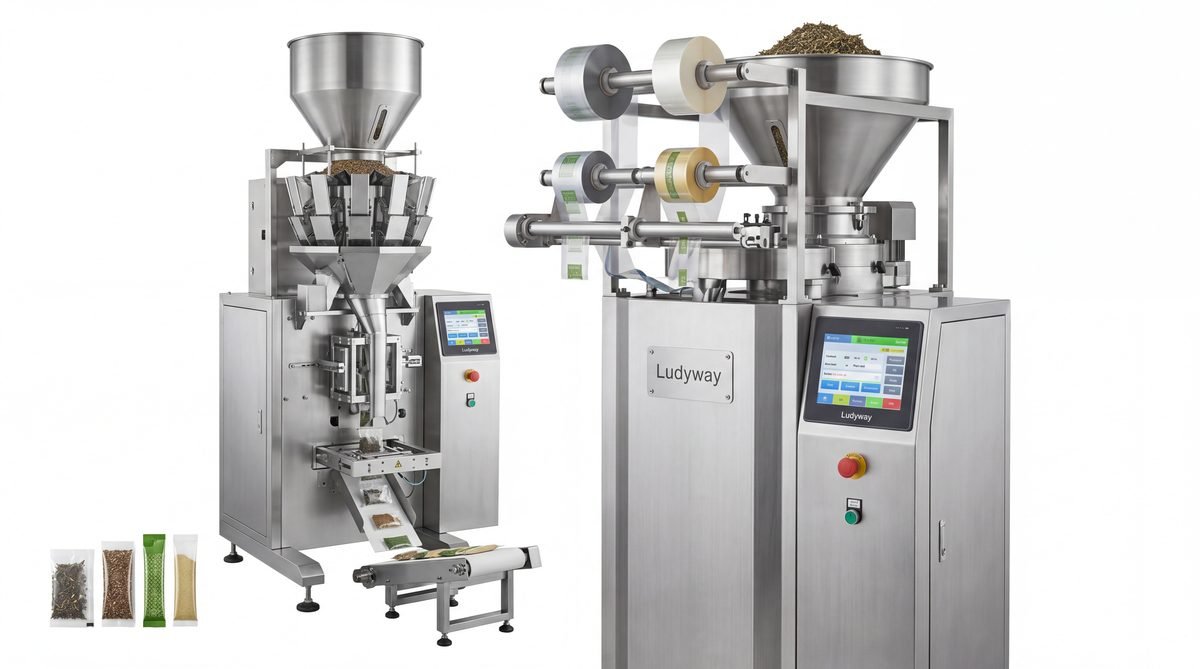
Among global suppliers, Ludyway stands out as one of the largest packaging machine manufacturers in China, with over 30 years of industry experience, a 20,000㎡ modern production facility, and more than 50 intelligent packaging machine models serving customers in over 100 countries worldwide. Their expertise in tea dubey packaging machine solutions spans granule, powder, and liquid tea applications across multiple packaging formats.
Common Questions About Tea Packaging Machine Costs
What is the cheapest tea packaging machine available?
Entry-level semi-automatic single-lane machines can start around $5,000, but they are best suited for low-volume operations and may lack advanced features like automatic film tracking or integrated coding.
How much does a multi-lane tea stick pack machine cost?
A quality 4–8 lane stick pack machine typically ranges from $25,000 to $60,000, depending on the filling system, lane count, and additional features such as nitrogen flushing or perforation units.
Are there hidden costs I should anticipate?
Yes. Common additional costs include shipping and freight charges, import duties and customs clearance fees, installation and operator training, initial spare parts kits, and facility modifications such as electrical or compressed air upgrades.
Can I get a custom tea packaging machine?
Most established manufacturers offer customization options, including customized lane configurations, specialized filling systems for unique tea blends, and OEM branding on the machine exterior. Customization typically adds 10% to 30% to the base price and extends lead times.
Additional Resources for Packaging Machine Buyers
- PMMI – State of the Industry Reports for packaging market trends and forecasts.
- Flexible Packaging Association – Industry Resources for flexible packaging standards.
- PACK EXPO International – Explore the latest packaging machinery at industry trade shows.
- ISO – Packaging Standards for international packaging compliance guidelines.
Final Thoughts on Investing in a Tea Packaging Machine
Selecting the right tea dubey packaging machine is a strategic investment that directly impacts your product quality, production efficiency, and brand reputation. By carefully evaluating your production requirements, understanding the cost drivers, and partnering with a reputable packaging equipment supplier, you can secure a high-performance solution that delivers strong returns over the long term. Take the time to compare multiple quotes, request sample runs with your actual product, and visit manufacturing facilities when possible to ensure your chosen machine meets every expectation.