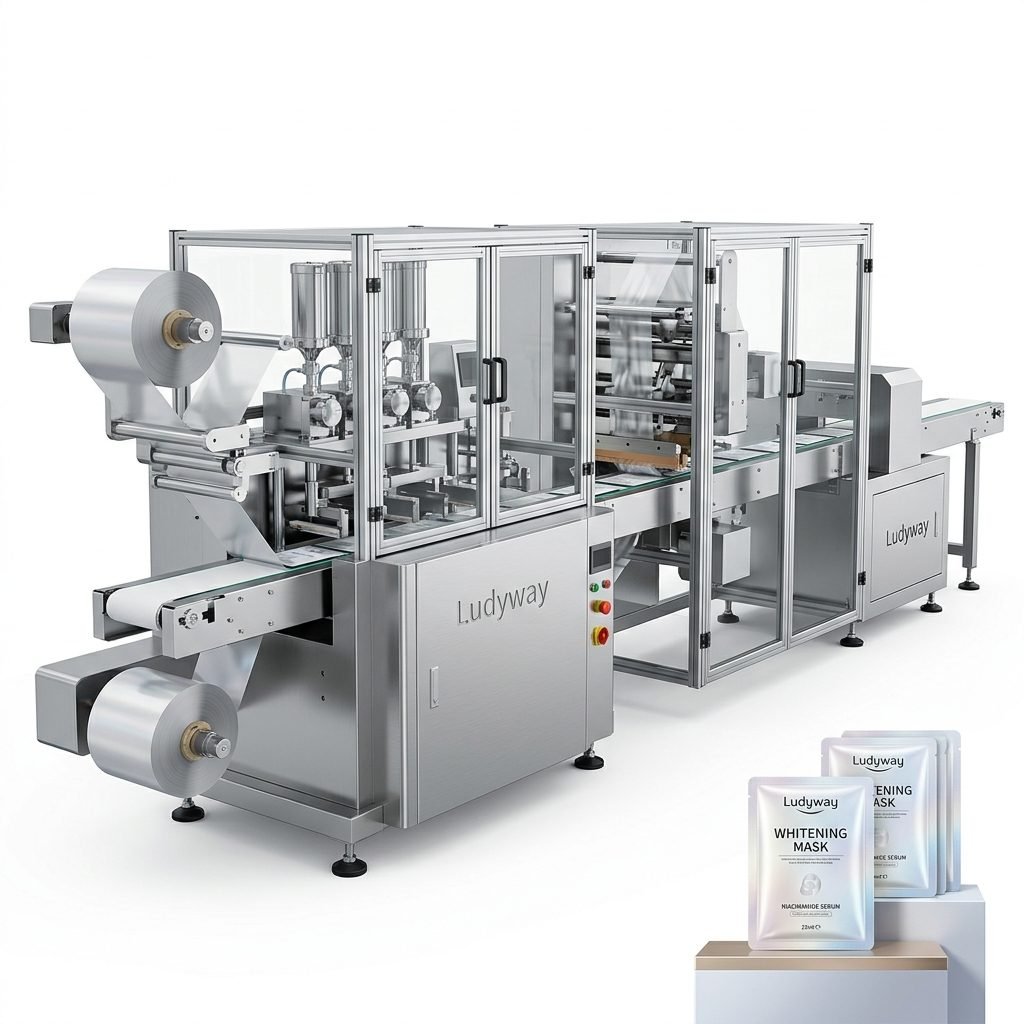
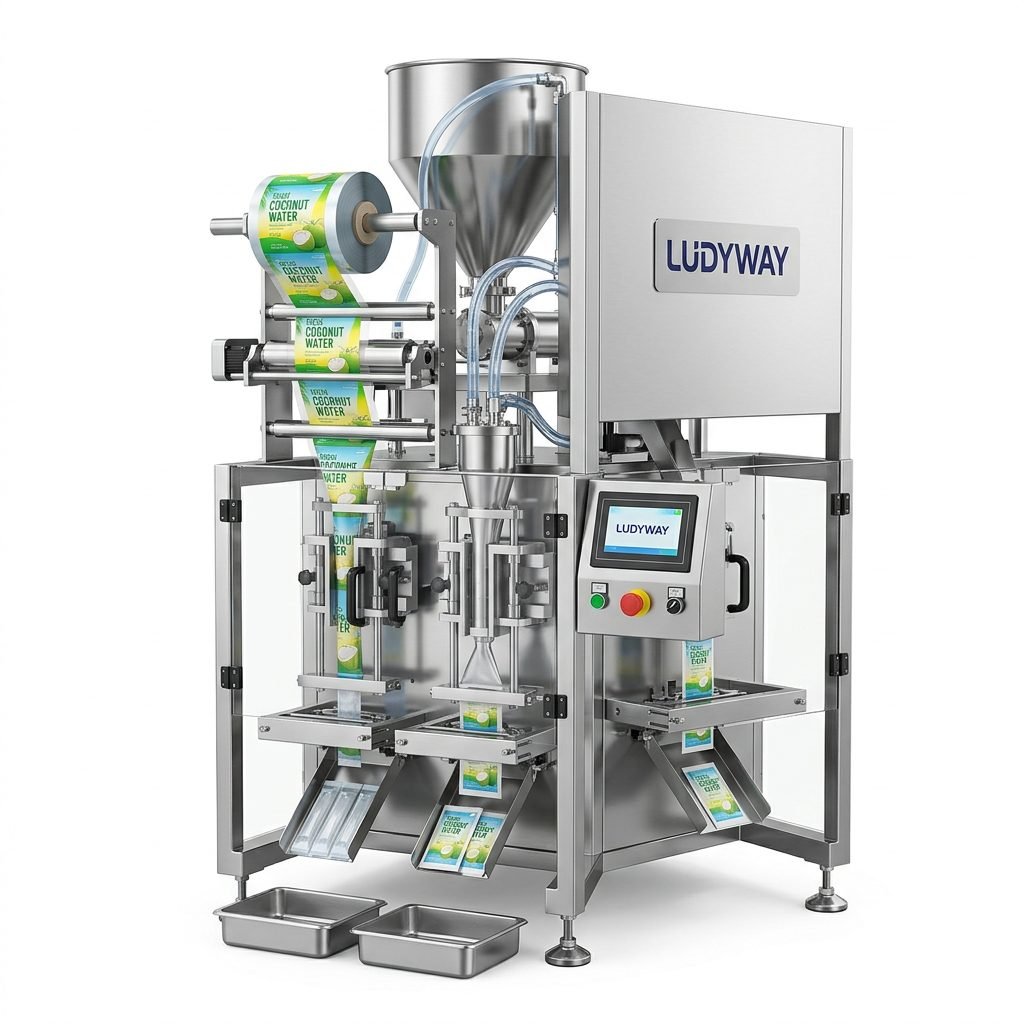
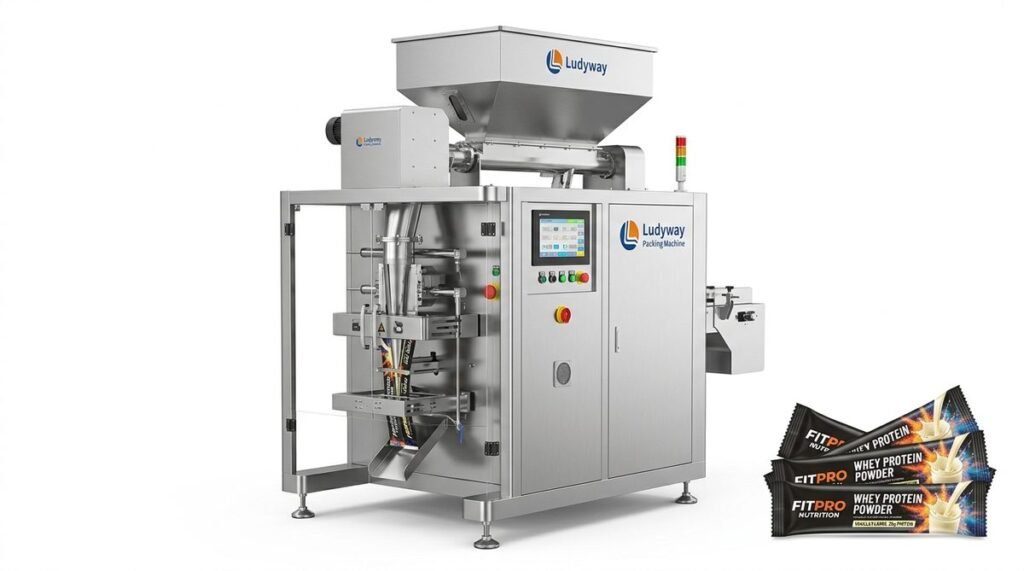
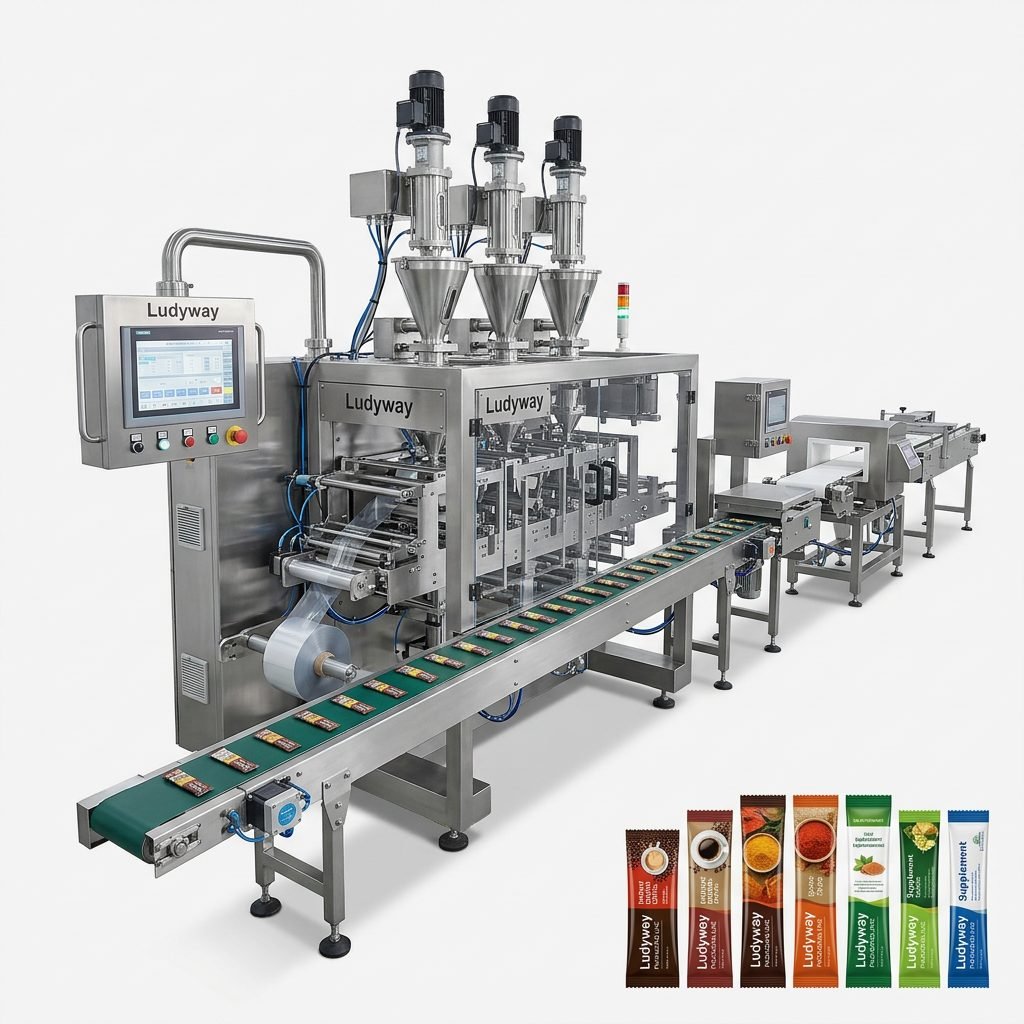
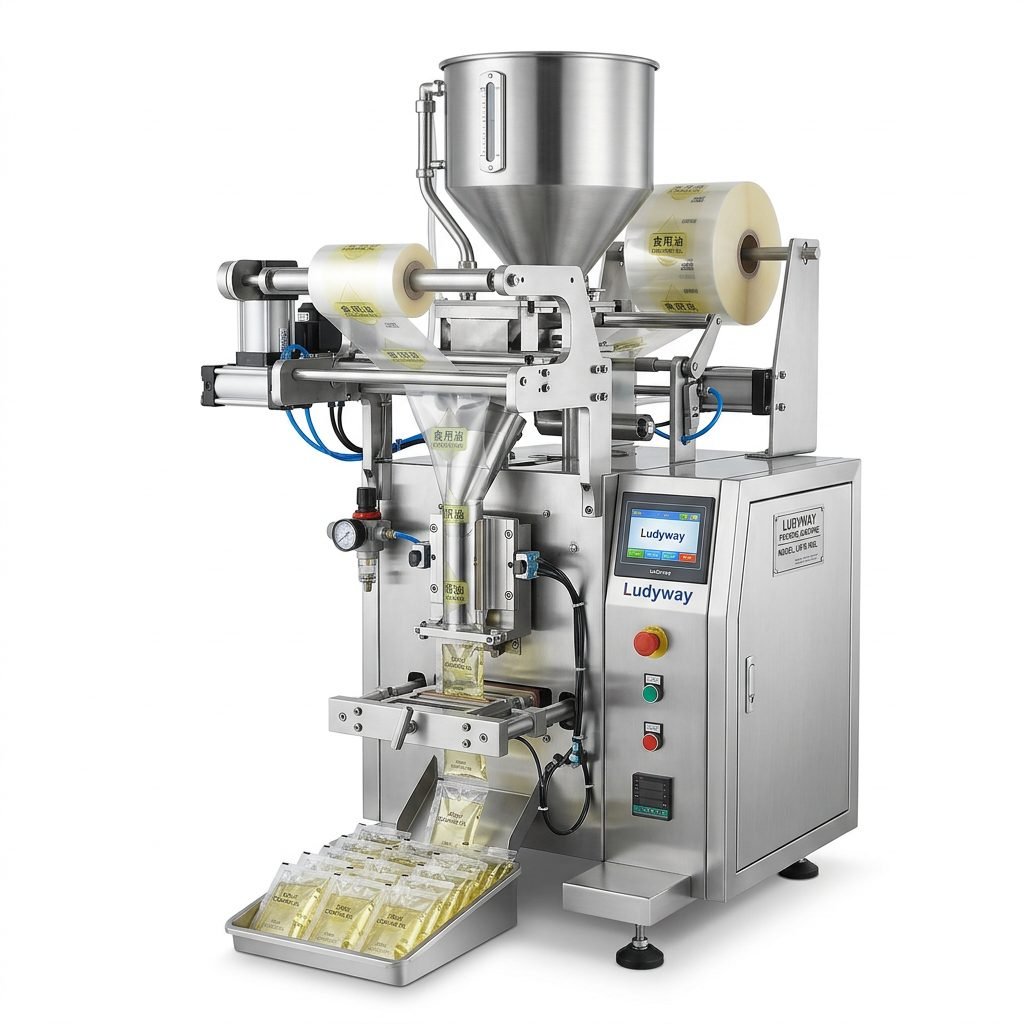
Investing in a vacuum food packaging machine is a strategic decision for food producers, processors, and exporters across South America. From Brazil’s massive beef industry to Chile’s seafood exports and Colombia’s growing coffee sector, vacuum packaging extends shelf life, preserves freshness, and ensures compliance with international food safety standards. This guide will help you navigate the selection process and choose equipment that matches your production goals.

Why Vacuum Packaging Matters for South American Food Producers
South America’s food export market demands reliable preservation technology. Vacuum packaging removes oxygen from the package, significantly slowing bacterial growth and oxidation. This is particularly important for products like beef, fish, cheese, coffee, and fresh produce that dominate regional exports. Without proper vacuum sealing, products risk spoilage during long-distance shipping to North America, Europe, and Asia.
Key benefits include extended shelf life (often doubling or tripling product longevity), protection against freezer burn, enhanced product presentation, and reduced food waste throughout the supply chain.
Types of Vacuum Food Packaging Machines
Understanding the different equipment categories is essential before making a purchase. Each type serves specific production environments and product requirements:
Chamber Vacuum Sealers
Chamber machines place the entire product inside a vacuum chamber. They are ideal for high-moisture foods such as fresh meats, marinated products, and liquid-rich items. The vacuum level is consistent, and these machines handle large volumes efficiently. They are widely used in South American meat processing plants and industrial kitchens.
External Vacuum Sealers (Nozzle Type)
External sealers use a nozzle to extract air from specially designed vacuum bags. These are more affordable and suitable for small to medium operations. However, they work best with dry or solid products and may struggle with liquids. Many small-scale coffee and dried fruit packagers across Peru and Ecuador rely on this type.
Thermoforming Vacuum Packaging Machines
Thermoforming equipment creates the package from roll stock film, forms the cavity, fills the product, applies vacuum, and seals. This fully automated solution is designed for high-speed production lines and is commonly found in large-scale meat, cheese, and processed food facilities throughout Brazil and Argentina.
| Machine Type | Best For | Production Scale | Relative Cost |
|---|---|---|---|
| Chamber Vacuum Sealer | Meat, seafood, liquids, prepared meals | Medium to high | Medium |
| External Nozzle Sealer | Dry goods, coffee, grains, powders | Small to medium | Low |
| Thermoforming System | High-volume meat, cheese, processed food | High to industrial | High |
| Double Chamber Vacuum | Alternating production cycles | Medium to high | Medium-high |

Key Factors to Consider When Choosing Equipment
Selecting the right vacuum food packaging machine requires evaluating several operational and technical parameters. Overlooking any of these can lead to inefficiencies, increased costs, or regulatory non-compliance.
Production Capacity and Speed Requirements
Calculate your daily or hourly packaging volume. A machine that cannot keep pace with your production line creates bottlenecks. For South American exporters shipping container loads of vacuum-packed beef or seafood, high-speed thermoforming lines capable of 6-12 cycles per minute are often necessary. Smaller producers may find a robust double-chamber sealer more appropriate.
Product Characteristics and Compatibility
The physical nature of your product directly dictates machine selection. Consider these critical product attributes:
- Moisture content: High-moisture foods require chamber machines that prevent liquid from interfering with the seal.
- Product shape and size: Irregularly shaped items need flexible chamber dimensions or customizable thermoforming molds.
- Temperature sensitivity: Some products require modified atmosphere packaging (MAP) capabilities alongside vacuum functions.
- Delicacy: Fragile items like berries or baked goods need gentle handling and adjustable vacuum pressure.
Material and Build Quality
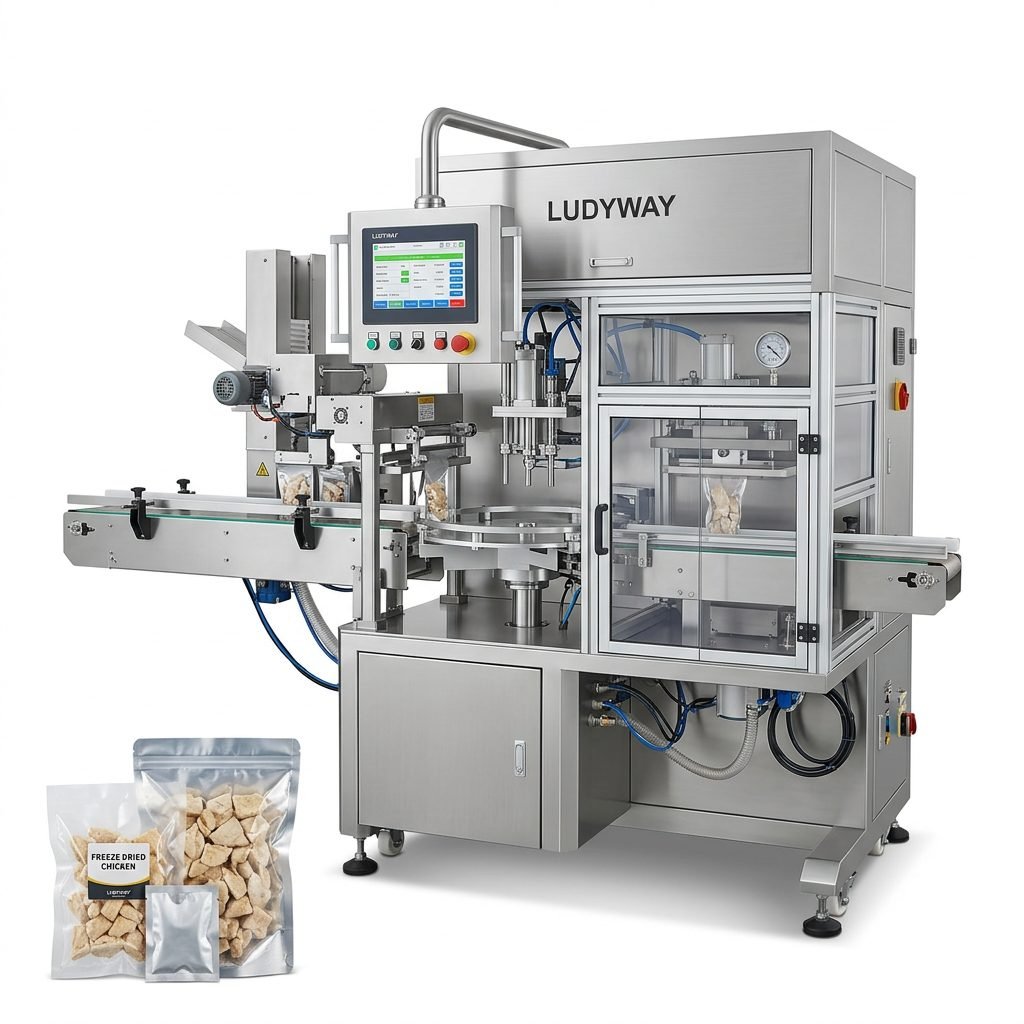
South American food processing environments demand equipment built with stainless steel construction, particularly 304 or 316L grades that resist corrosion from salt, acids, and frequent washdowns. The vacuum pump is the heart of the machine—oil-lubricated rotary vane pumps offer durability for heavy use, while dry pumps require less maintenance but may have shorter service intervals under intensive operation.
Regulatory Compliance for South American Markets
Food safety regulations across South America increasingly align with international standards. When selecting equipment, verify that it meets the requirements of your target markets:
- Mercosur regulations: GMC resolutions govern food contact materials and packaging requirements across Brazil, Argentina, Paraguay, and Uruguay.
- FDA compliance: For products exported to the United States, packaging equipment must support FDA food contact substance regulations.
- EU standards: Exporters shipping to Europe should ensure compatibility with ISO packaging standards and relevant EU packaging directives.
- ANVISA (Brazil): Brazil’s health regulatory agency has specific requirements for food packaging machinery used domestically.
Cost Considerations and Return on Investment
Budgeting for a vacuum packaging machine goes beyond the initial purchase price. A thorough total cost of ownership (TCO) analysis should factor in:
- Consumables: Vacuum bags, films, and sealing gaskets represent ongoing operational expenses.
- Energy consumption: High-efficiency vacuum pumps can significantly reduce electricity costs over the machine’s lifespan.
- Maintenance: Pump oil changes, seal bar replacements, and routine servicing should be budgeted annually.
- Training: Operator training ensures optimal machine use and reduces packaging errors and waste.
For South American businesses, a well-chosen machine typically achieves ROI within 12-24 months through reduced product spoilage, lower labor costs, and access to premium export markets that require vacuum-sealed packaging.
After-Sales Support and Maintenance Infrastructure
The availability of technical support, spare parts, and maintenance services is crucial when operating in South America. Before purchasing, confirm that the manufacturer or distributor offers responsive support in your region. Leading global suppliers maintain regional service networks or partnerships to support customers in countries such as Brazil, Chile, Colombia, and Peru. Key questions to ask include response time guarantees, spare parts availability, and whether remote technical support is offered for troubleshooting.
Sourcing Vacuum Packaging Equipment for South America
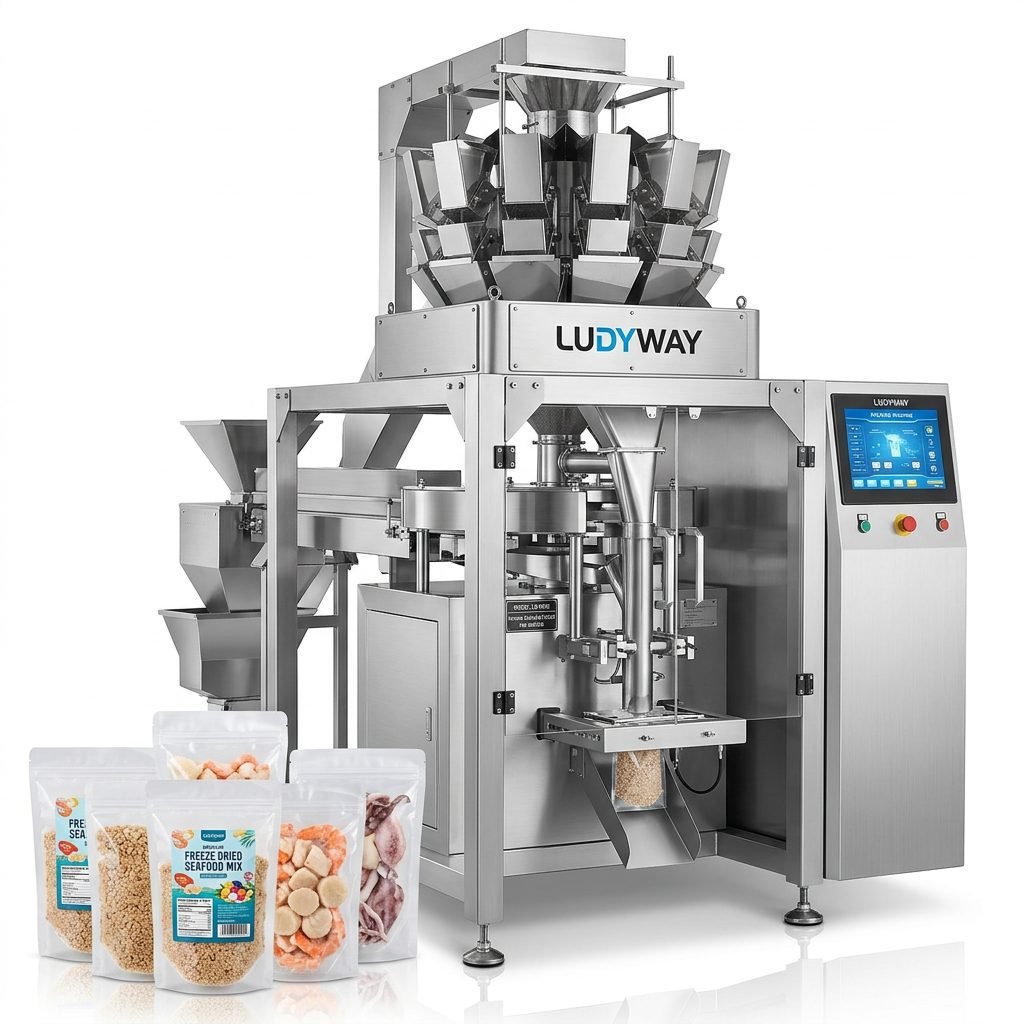
Many South American food producers are turning to international manufacturers for advanced vacuum packaging solutions that combine quality, performance, and competitive pricing. Ludyway is one of the largest packaging machine manufacturers in China, specializing in advanced packaging equipment and turnkey production solutions for the food, pharmaceutical, and health industries. Evaluating manufacturers with strong export experience and proven machine reliability is essential for long-term operational success. When sourcing internationally, consider factors such as shipping logistics, import duties applicable in your specific South American country, and the manufacturer’s track record in the region.
Additional Resources for Industry Standards
Staying informed about packaging industry developments helps you make better equipment decisions. The following authoritative resources provide valuable data, standards, and market intelligence:
- PMMI – The Association for Packaging and Processing Technologies provides comprehensive industry reports and market research.
- Flexible Packaging Association offers resources on flexible packaging trends and sustainability.
- ISO Packaging and Distribution Standards define international quality and safety benchmarks.
- PMMI 2026 State of the Industry Report offers the latest packaging market data.
Making the Final Decision
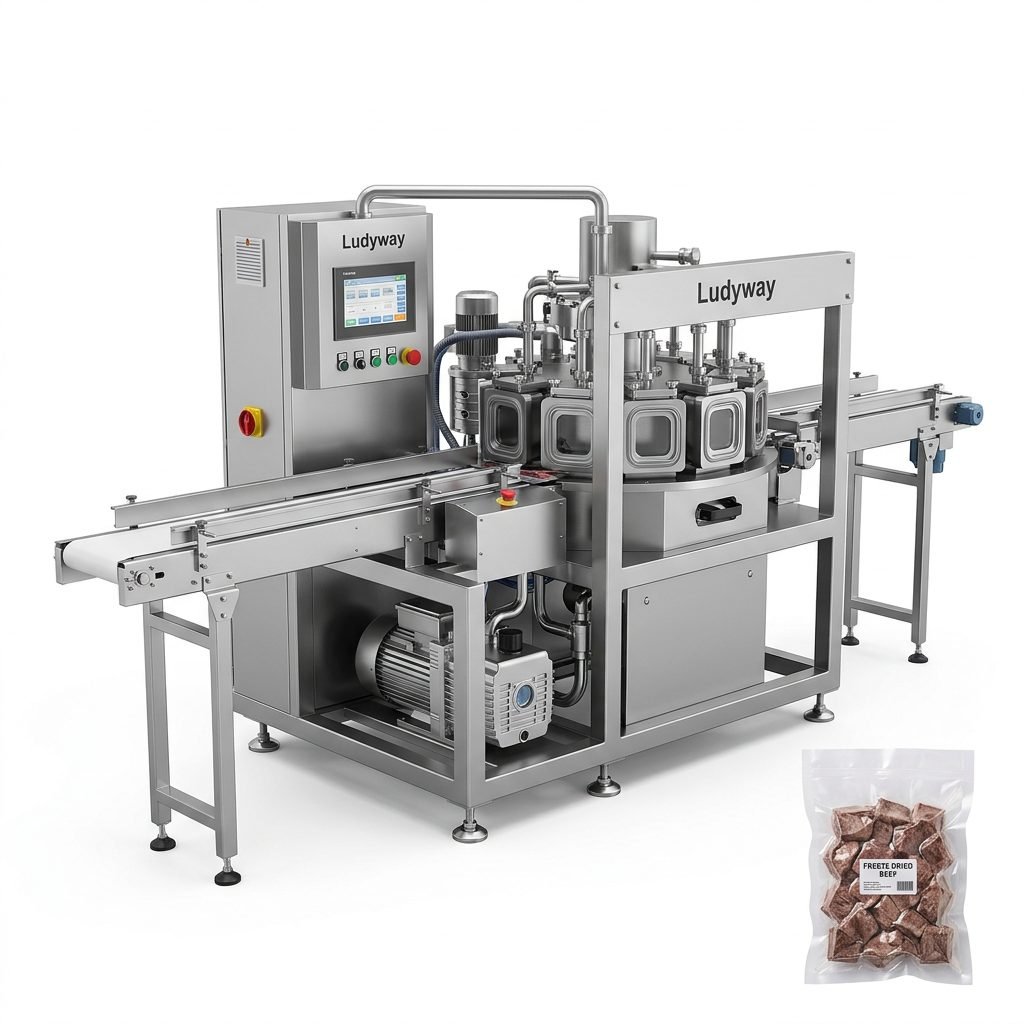
Choosing the right vacuum food packaging machine for your South American operation involves balancing production requirements, product characteristics, budget constraints, and regulatory obligations. Take the time to test equipment with your actual products whenever possible, request references from manufacturers serving similar industries in your region, and evaluate the total cost of ownership rather than focusing solely on the purchase price. A carefully selected machine will serve as a reliable foundation for your food packaging operations for years to come, supporting your growth in both domestic and international markets.