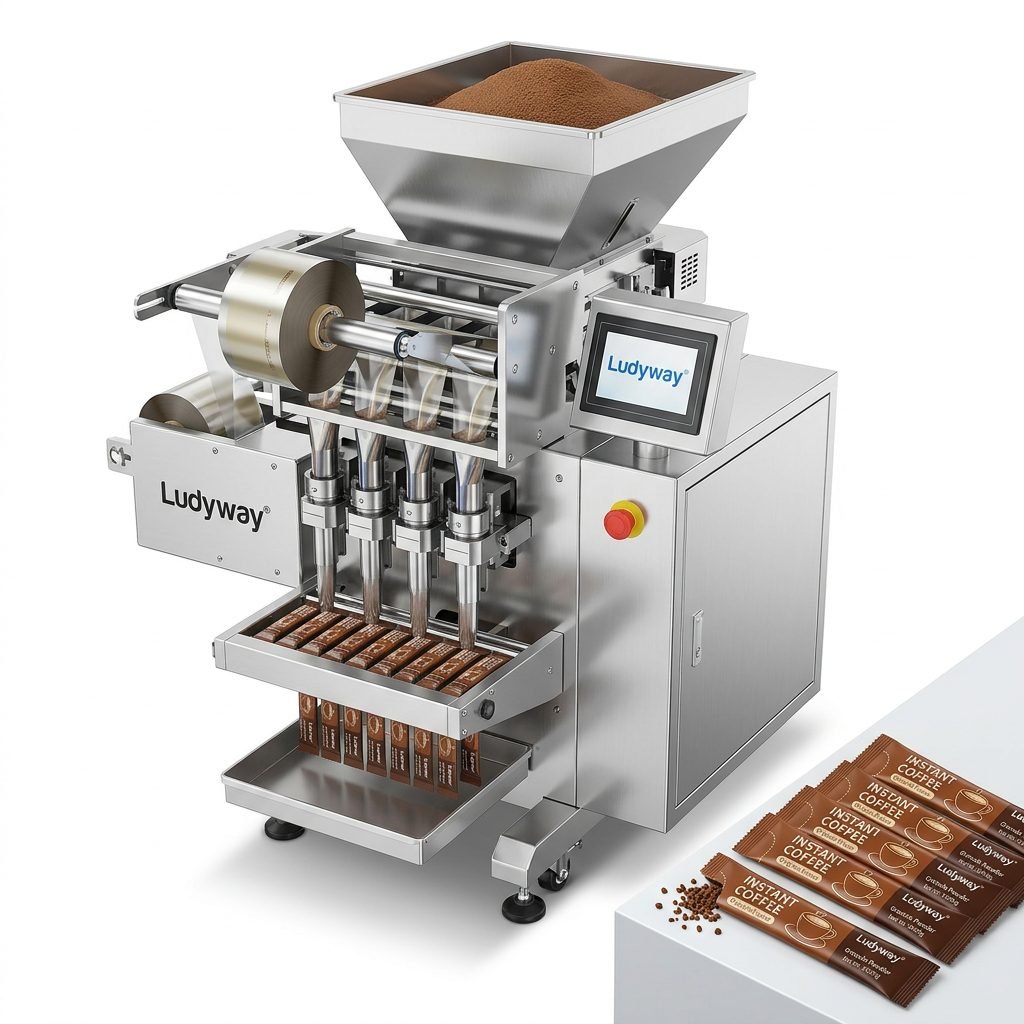
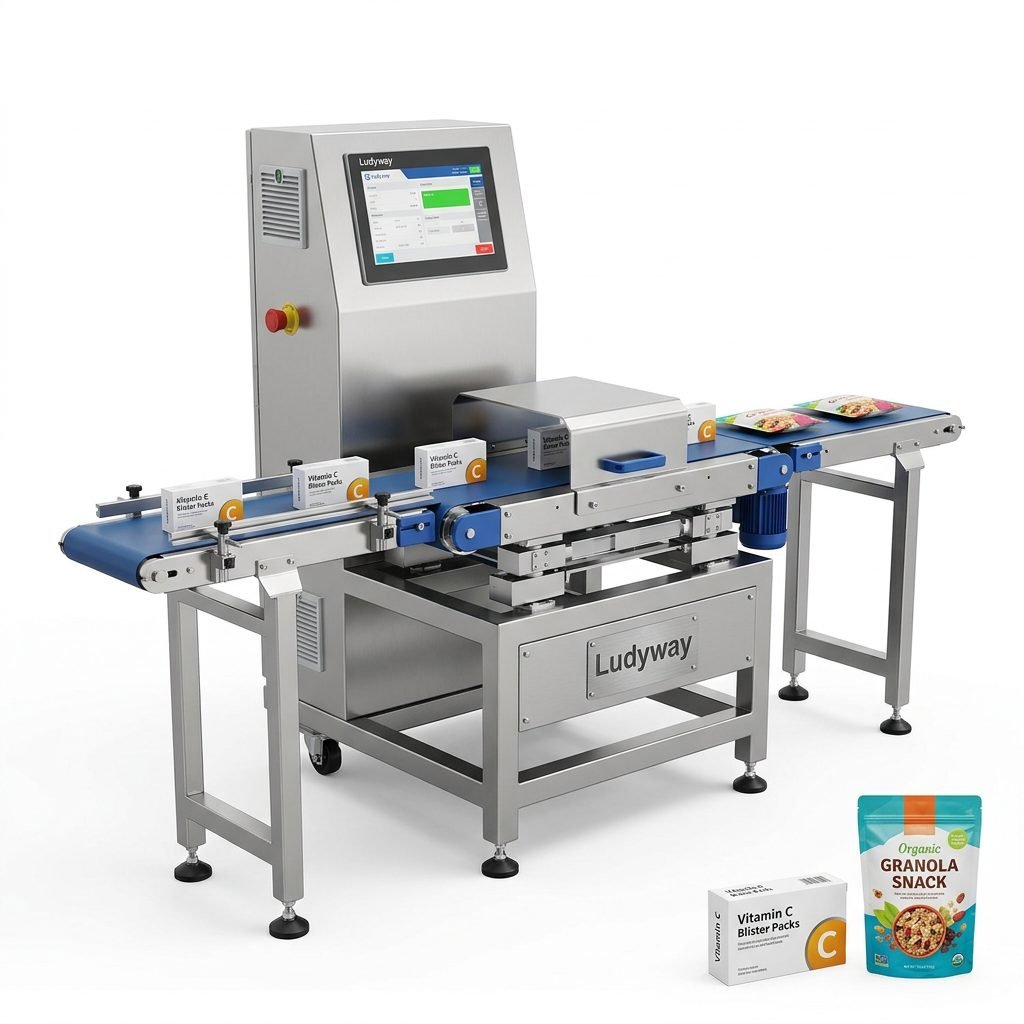
Packaging machinery plays a central role in modern manufacturing. Whether you produce food, pharmaceuticals, health supplements, cosmetics, chemicals, or pet nutrition products, the right system can dramatically improve output, reduce waste, protect product quality, and lower total operating costs. For growing brands and established factories alike, choosing an efficient packaging solution is no longer just a production decision—it is a strategic investment.
This guide explains how packaging machinery works, what types of equipment are available, how to evaluate performance, and what buyers should look for when selecting a reliable and cost-effective packaging system.
Why Packaging Machinery Matters in Modern Production
Manual packaging may work for low-volume operations, but as demand grows, businesses need higher speed, better consistency, and stronger quality control. Advanced packaging machinery helps manufacturers move from labor-heavy processes to standardized, automated production.
- Improve production speed and throughput
- Enhance fill accuracy and package consistency
- Reduce labor dependence and human error
- Lower material waste and rework rates
- Support hygiene, traceability, and compliance
- Enable scalable growth with modular automation
In competitive industries, reliable packaging performance directly affects margins, delivery speed, product appearance, and customer satisfaction.
What Is Packaging Machinery?
Packaging machinery refers to equipment used to fill, seal, wrap, label, count, cartone, inspect, and prepare products for shipment or retail sale. These machines can operate as standalone units or as part of a complete turnkey packaging line.
Depending on the product, packaging machinery may handle:
- Granules and pellets
- Powders and fine particles
- Liquids and sauces
- Pastes, creams, and gels
- Tablets, capsules, and pouch products
Main Types of Packaging Machinery
1. Filling Machines
Filling machines are designed to dispense a measured amount of product into a package. Different dosing technologies are used based on product flow characteristics.
- Auger fillers for powders
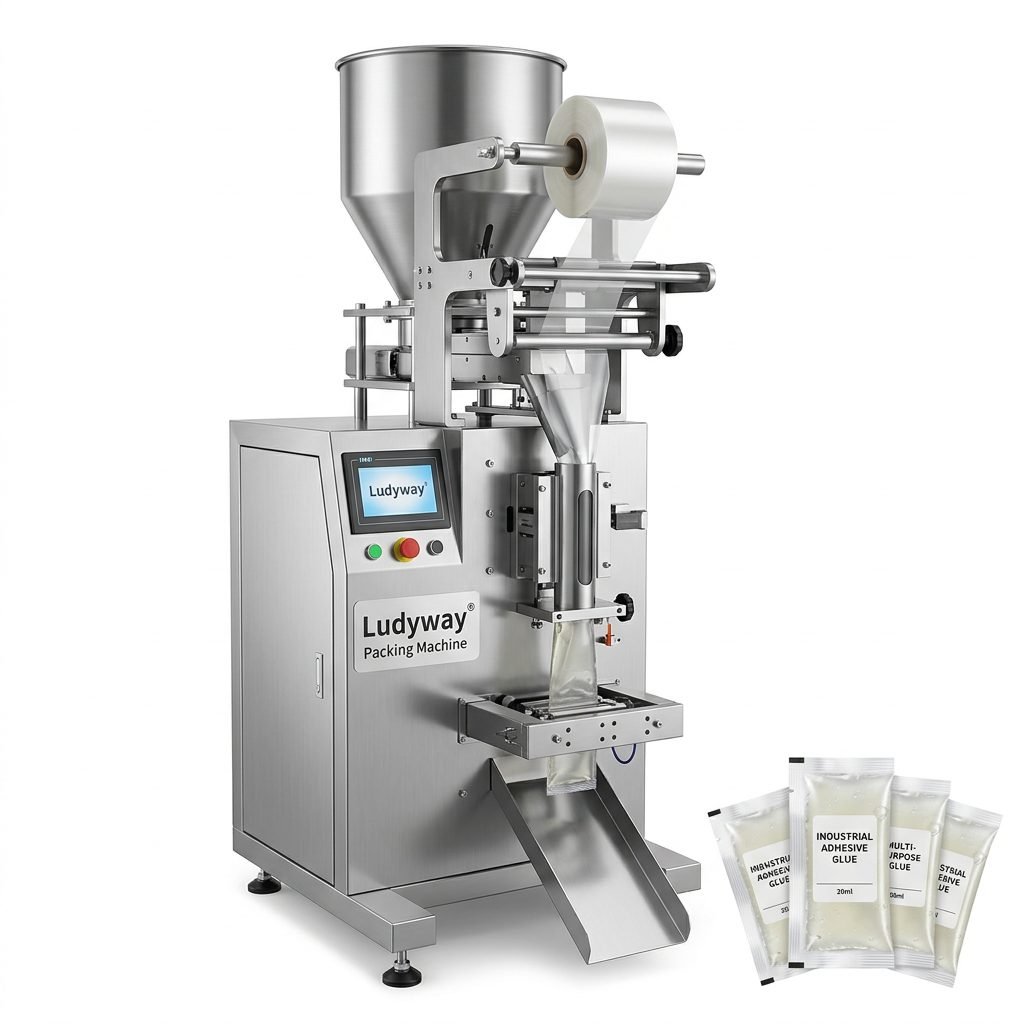
- Volumetric cup fillers for free-flowing granules
- Multihead weighers for snacks and irregular solids
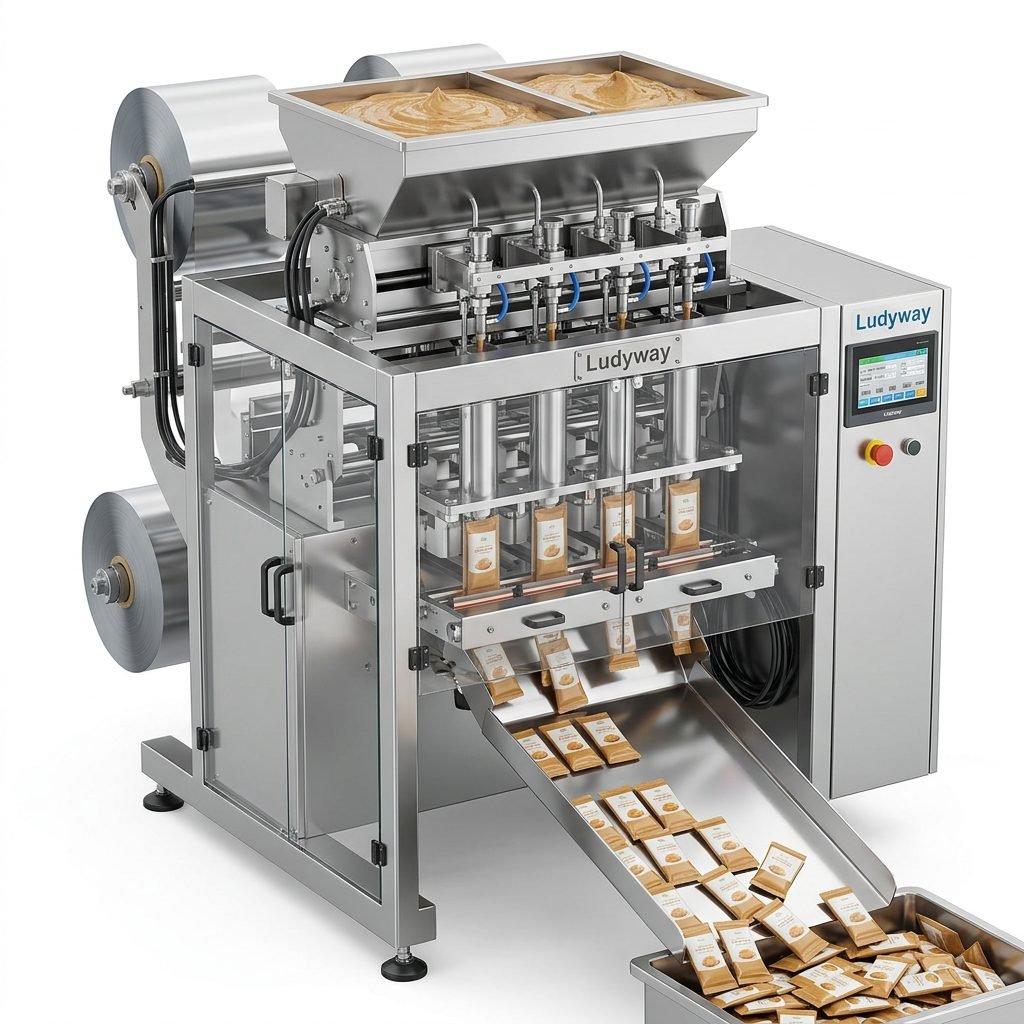
- Piston fillers for pastes and creams
- Pump or liquid fillers for thin and viscous liquids
2. Form-Fill-Seal Machines
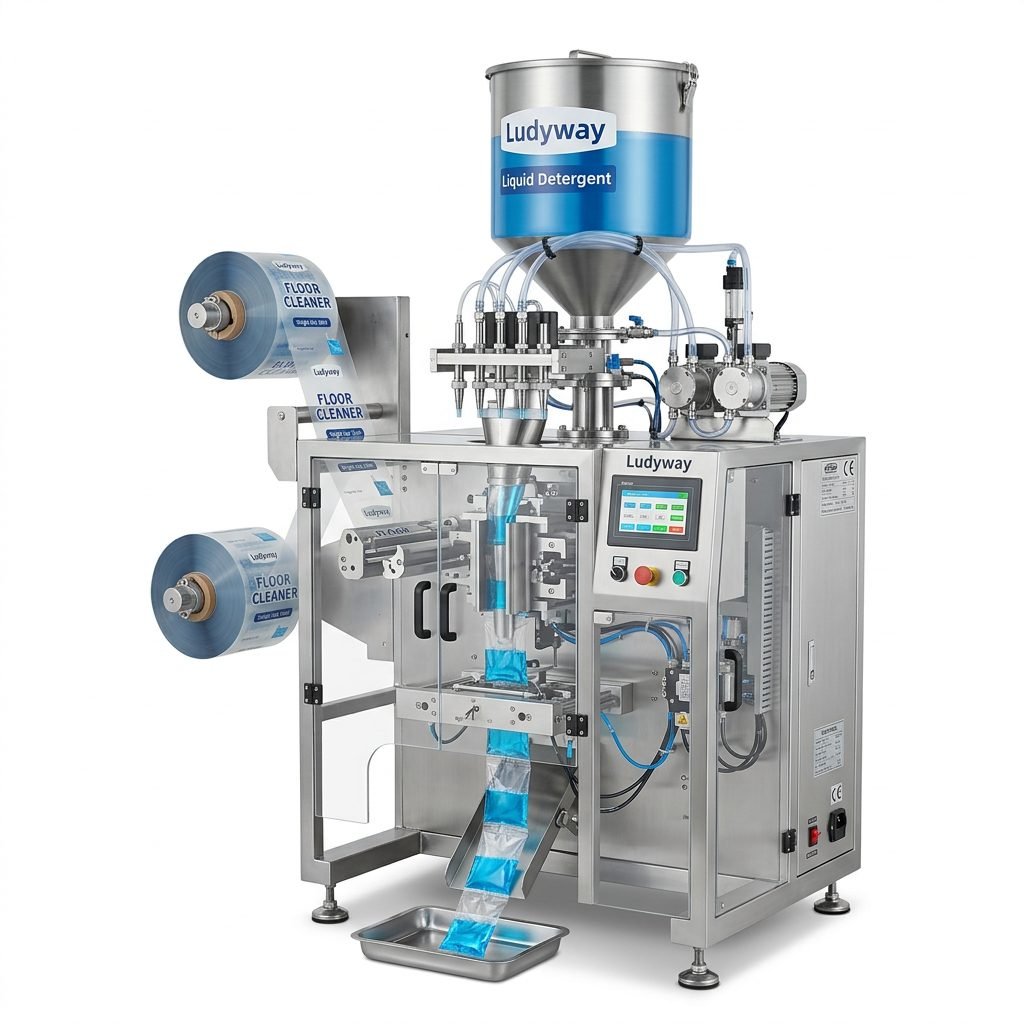
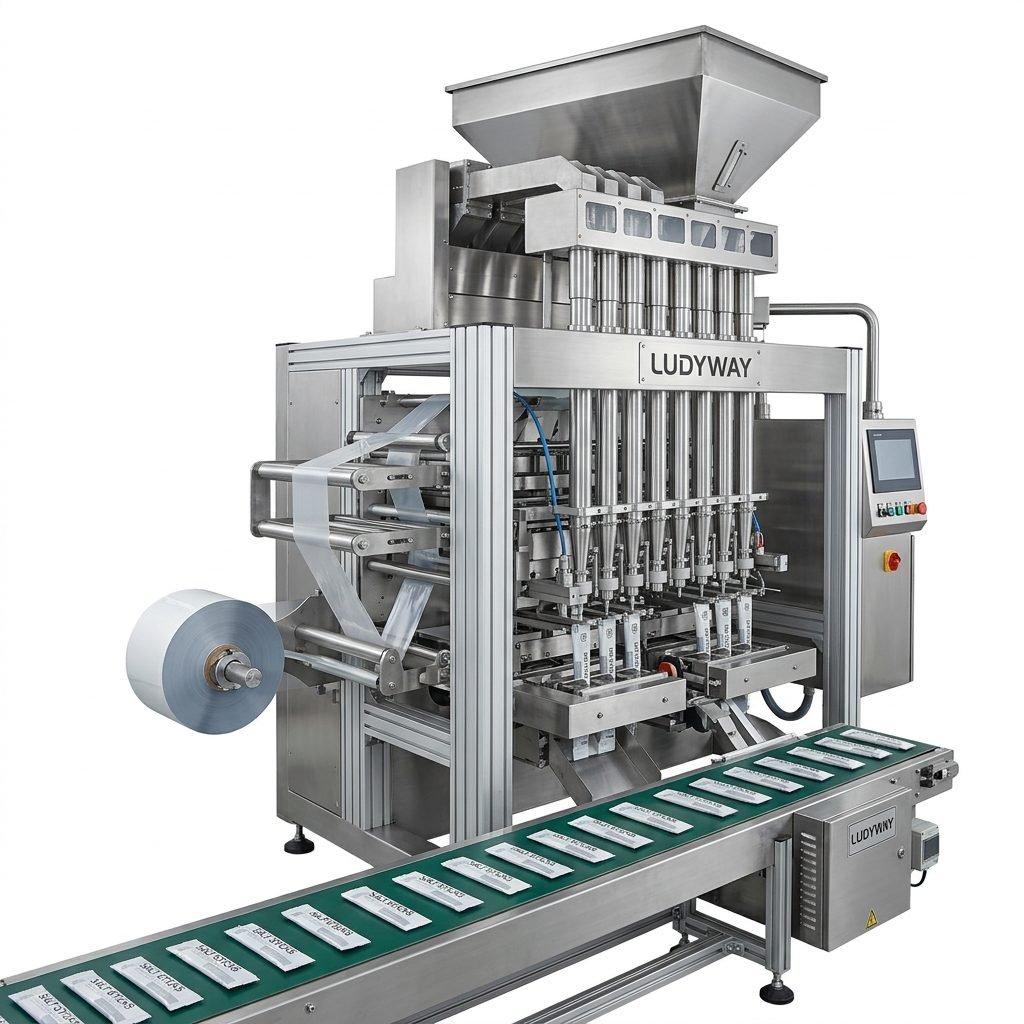
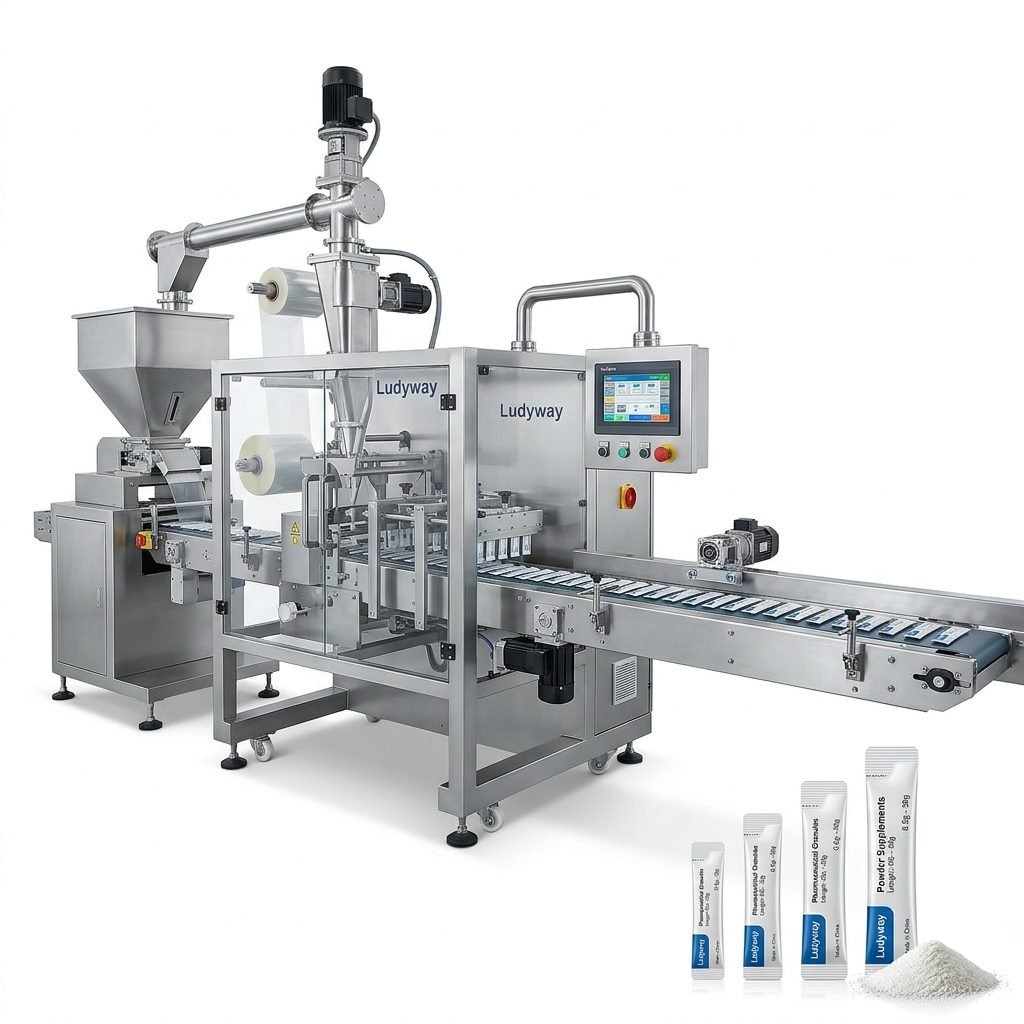
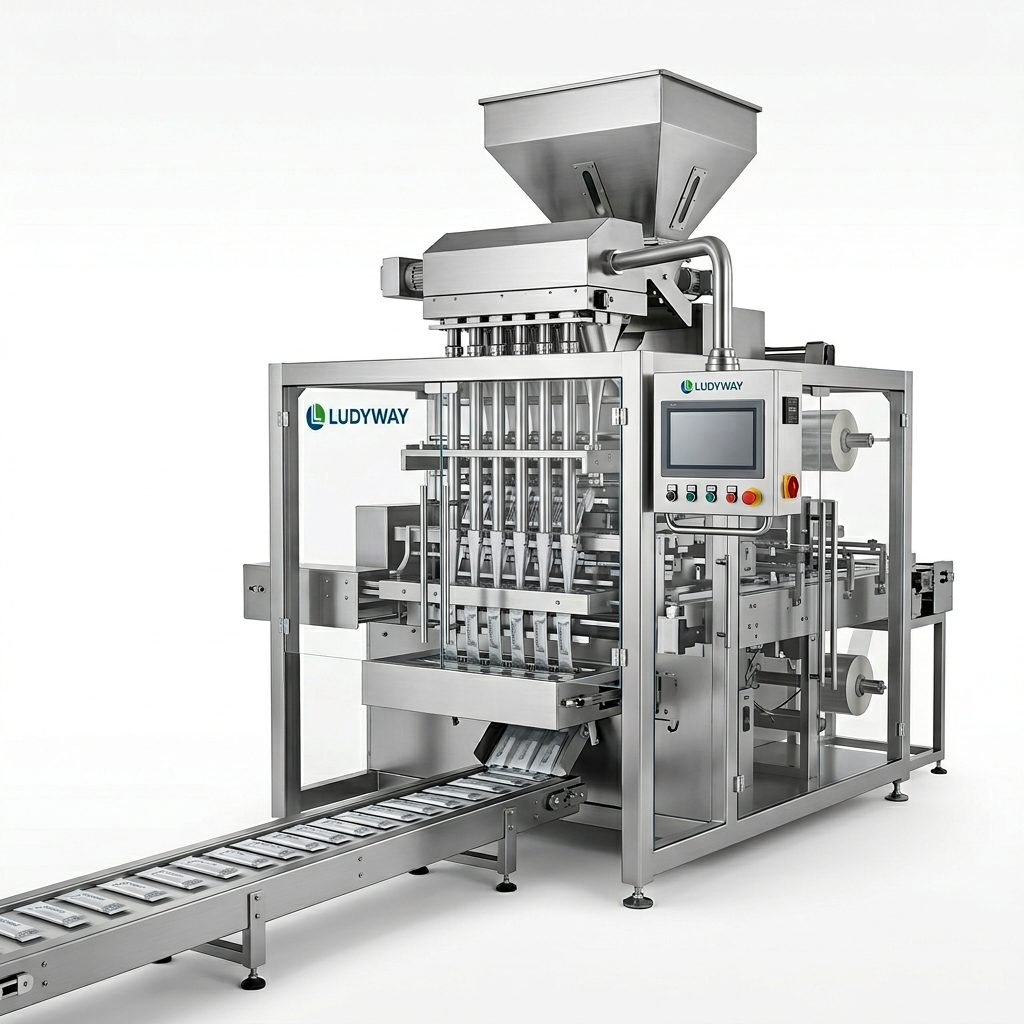
These machines create the package from roll film, fill it with product, and seal it in one continuous process. Common formats include sachets, stick packs, and pouches.
3. Sealing Machines
Sealing equipment ensures package integrity. Good sealing performance is critical for shelf life, leak prevention, and transport safety.
4. Cartoning and Case Packing Machines
After primary packaging, products often move into cartons, cases, or shipping boxes. These machines improve end-of-line efficiency and standardize secondary packaging.
5. Labeling, Coding, and Inspection Equipment
Production lines often include date coding, batch printing, checkweighing, metal detection, and vision inspection to support traceability and quality assurance.
Common Packaging Formats Supported by Modern Systems
| Packaging Format | Suitable Products | Key Advantage |
|---|---|---|
| Stick Packs | Powders, granules, liquids | Compact, convenient, high-speed output |
| Sachets | Food mixes, sauces, cosmetics, pharma | Flexible format for single-dose packaging |
| Pouches | Snacks, powders, liquids, pet food | Strong shelf appeal and larger capacity |
| Bottles & Jars | Capsules, tablets, liquids | Durable and ideal for premium presentation |
| Bulk Bags | Feed, chemicals, raw materials | Efficient for industrial-scale filling |
Industries That Depend on Packaging Machinery
A wide range of industries rely on packaging machinery because product characteristics, regulatory demands, and production volume all require specialized automation.
Food Industry
Food packaging equipment is used for spices, coffee, tea, sugar, snacks, dairy powders, seasoning, grains, sauces, and functional nutrition products. Key priorities include hygiene, speed, sealing strength, and shelf-life protection.
Pharmaceutical Industry
Pharma packaging systems focus on dosage accuracy, clean production, traceability, and regulatory compliance. Common applications include granules, powders, capsules, tablets, oral liquids, and sterile products.
Health Supplement Industry
Supplement packaging often involves stick packs, sachets, bottles, or pouches for protein powders, probiotics, collagen, electrolytes, and vitamins.
Cosmetic and Personal Care Industry
Creams, gels, serums, lotions, shampoos, and facial care products need filling systems that maintain product consistency and packaging appearance.
Chemical and Household Products
These applications require equipment compatible with corrosive, dusty, or sensitive materials, including detergents, cleaners, pesticides, and industrial additives.
Key Features of an Efficient Packaging System
The best packaging machinery does more than run fast. It must also remain stable over long production cycles and adapt to product and packaging changes.
- High filling accuracy to reduce giveaway and reject rates
- Stable sealing quality to protect shelf life and prevent leakage
- Quick changeover for different sizes or pack formats
- Low downtime and easy maintenance access
- User-friendly HMI and recipe management
- Compatibility with upstream and downstream automation
- Reliable safety features and hygienic design
How Packaging Machinery Improves Cost Efficiency
Many buyers initially compare only machine purchase price, but the true return comes from total lifecycle savings. A lower-cost machine that causes downtime, inaccurate filling, or frequent repairs can become more expensive over time.
| Cost Factor | How Good Machinery Helps |
|---|---|
| Labor Cost | Reduces manual operations and staffing pressure |
| Material Waste | Improves dosing accuracy and sealing consistency |
| Downtime | Stable engineering reduces unexpected stoppages |
| Maintenance | Better component quality lowers repair frequency |
| Production Capacity | Higher speed supports order growth and faster delivery |
In many factories, even a small improvement in fill accuracy or uptime can translate into substantial annual savings.
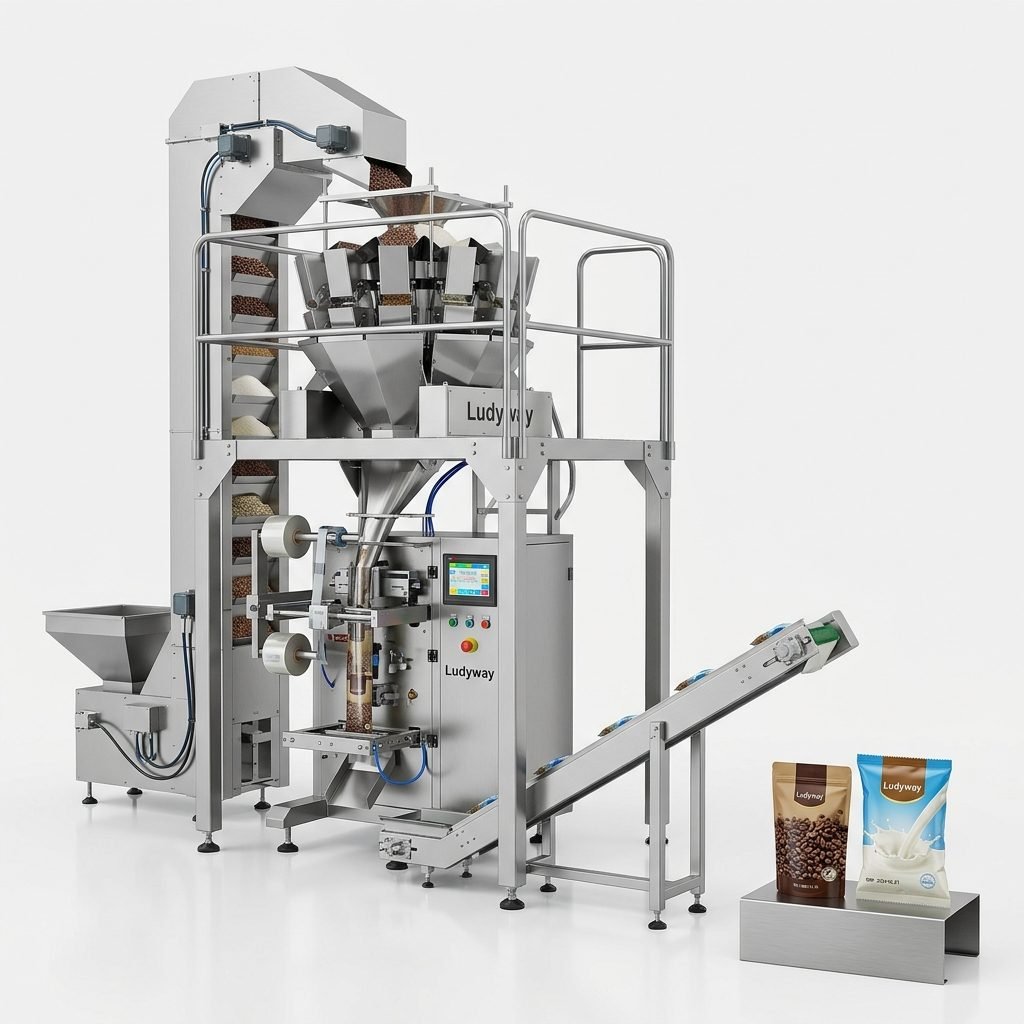
Standalone Machine or Turnkey Packaging Line?
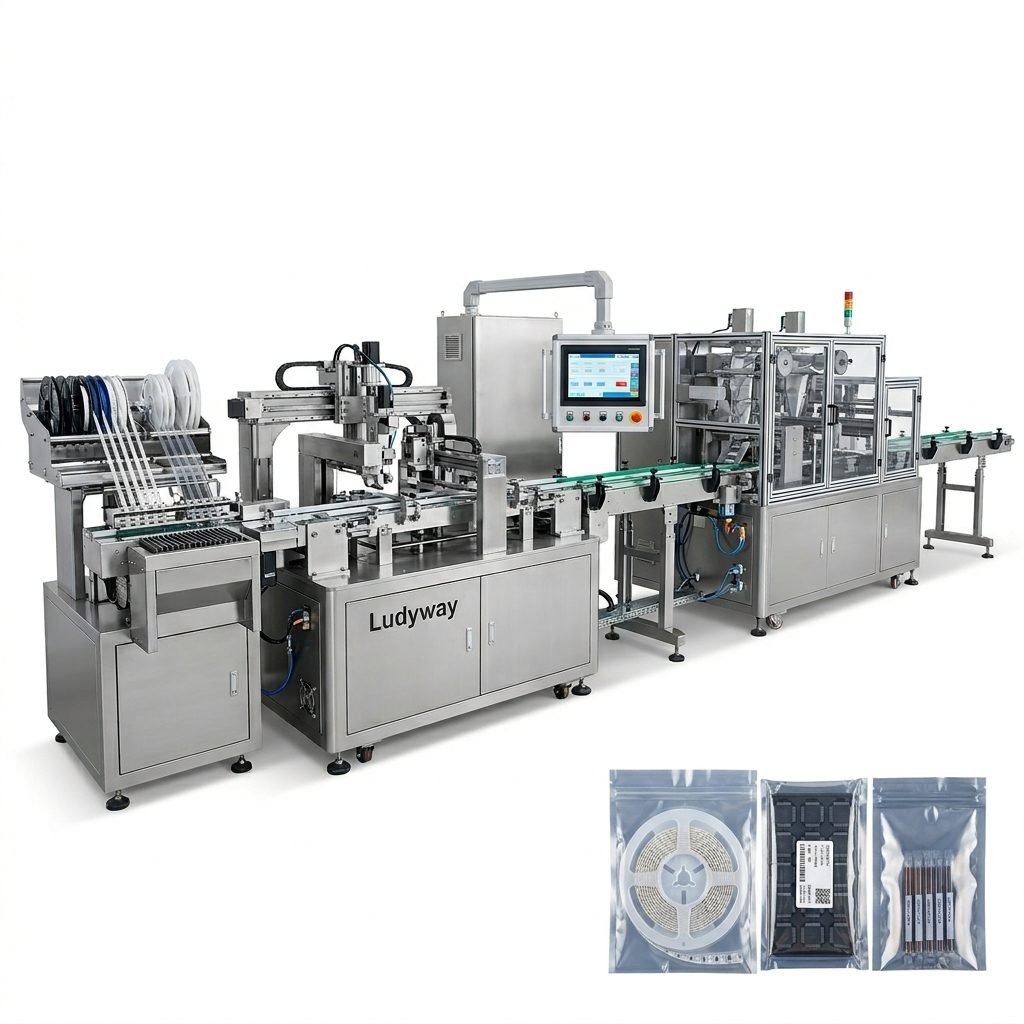
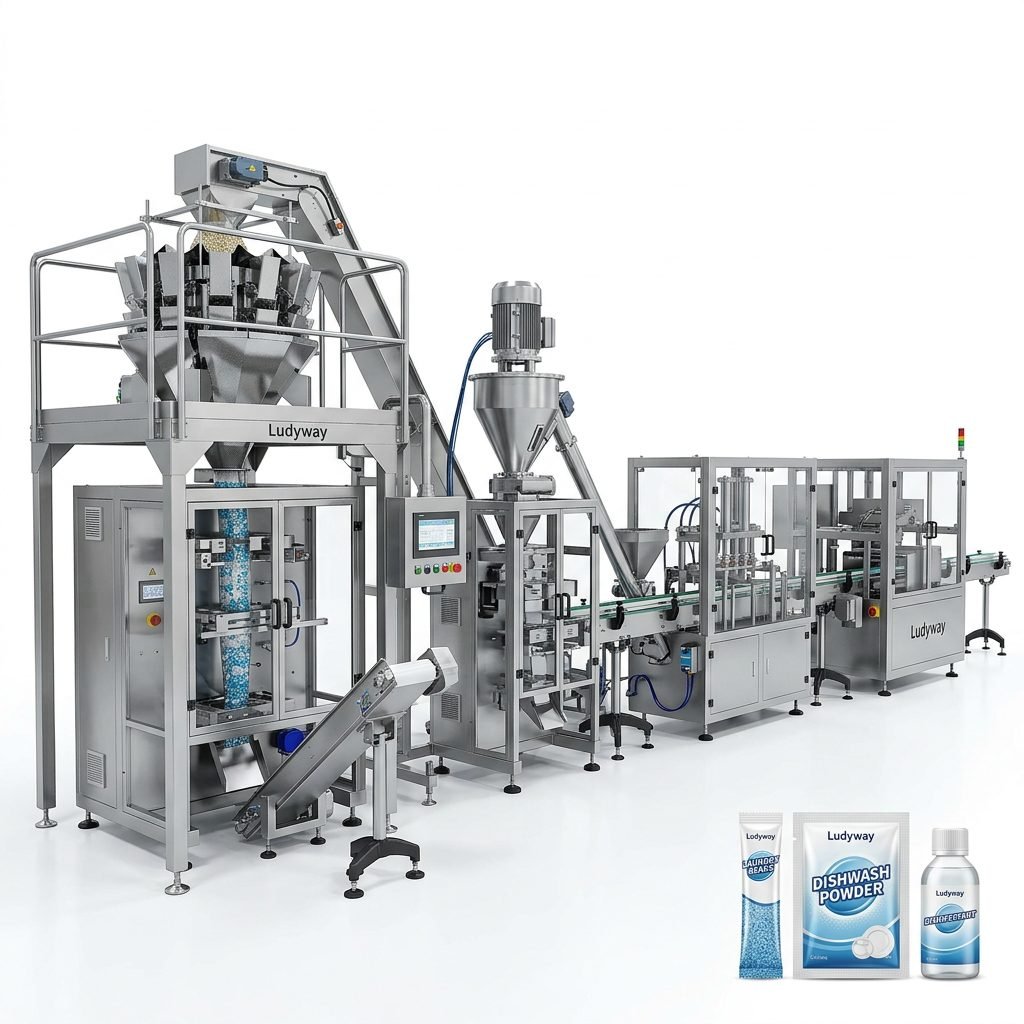
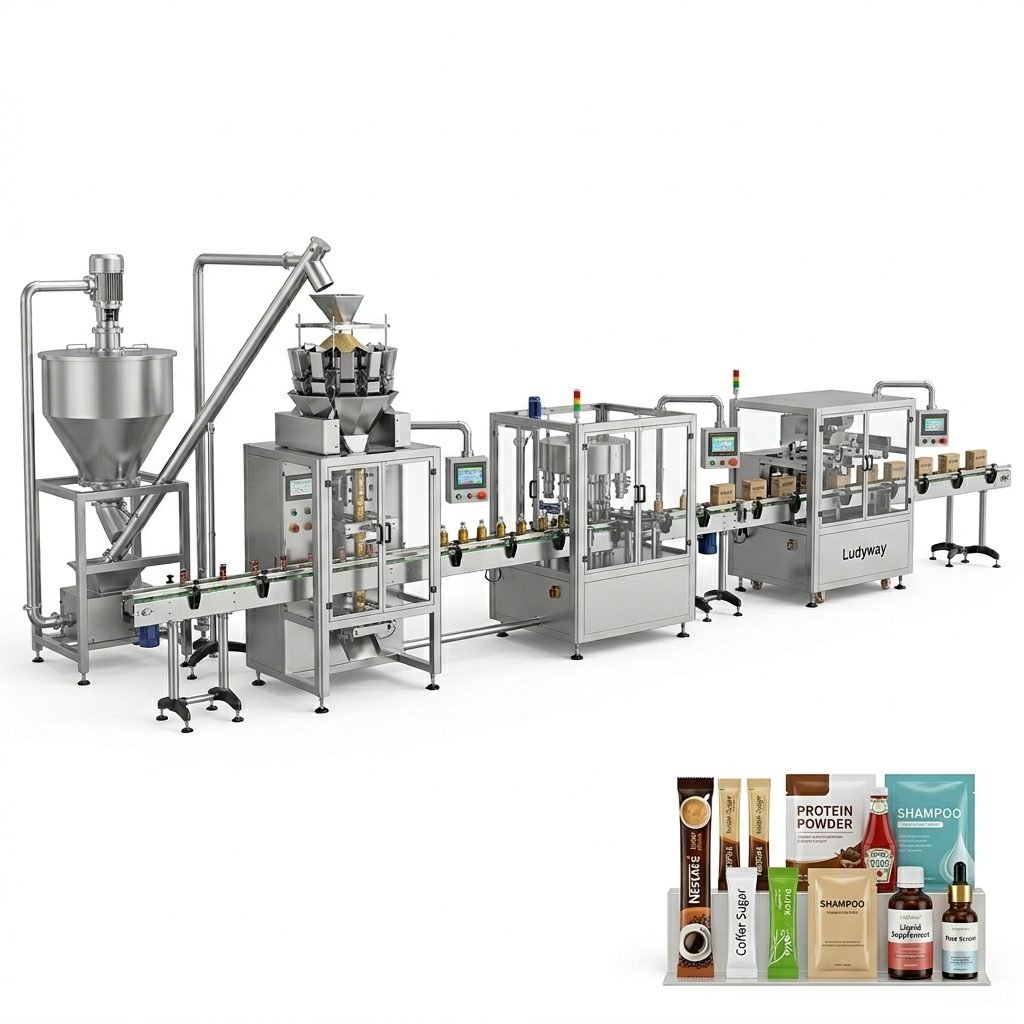
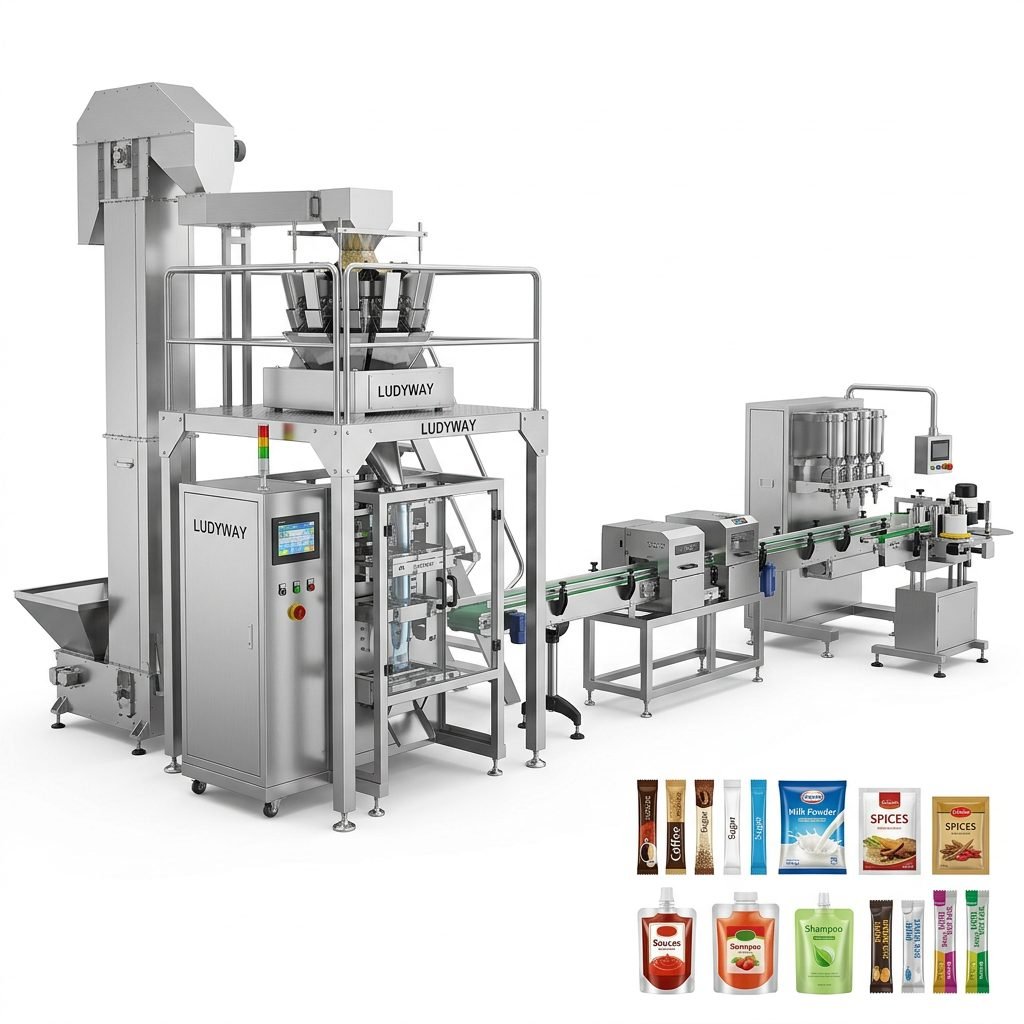
This is one of the most important buying decisions. A standalone machine may be ideal for smaller operations or for upgrading one step of an existing process. A turnkey line is often the better choice for companies expanding capacity, launching new product formats, or building a more integrated factory layout.
Standalone Machines Are Best When:
- You already have part of the production line in place
- You need to solve a specific bottleneck
- Your budget is focused on one process stage
Turnkey Lines Are Best When:
- You want full line compatibility from feeding to final packing
- You need centralized control and smoother workflow
- You want to reduce integration risk between different suppliers
- You are planning long-term production scaling
For businesses seeking integrated automation, packaging machinery solutions from Ludyway are often considered for both standalone equipment and complete turnkey packaging lines across food, pharmaceutical, health supplement, cosmetic, and chemical applications.
How to Choose the Right Packaging Machinery
Before selecting equipment, define your production and packaging requirements clearly. The more detailed your product data and output targets are, the easier it is to choose the right configuration.
Important Selection Criteria
- Product type: powder, granule, liquid, paste, tablet, capsule
- Packaging format: sachet, stick pack, pouch, bottle, bag
- Required speed and daily output
- Target fill weight or volume
- Packaging material structure and sealing requirements
- Available factory space and utilities
- Cleaning, GMP, or hygiene requirements
- Need for coding, inspection, cartoning, or palletizing
Questions Buyers Should Ask Suppliers
- What packaging formats can the machine handle?
- How accurate is the dosing system for my product?
- What is the real running speed under stable production conditions?
- How long does format changeover take?
- What key electrical and pneumatic components are used?
- Is customization available for my product characteristics?
- What after-sales support and spare parts service are offered?
What Makes Packaging Machinery Reliable?
Reliability comes from engineering quality, component selection, assembly precision, and testing procedures. It is not only about machine speed; it is about consistent operation over months and years.
A reliable packaging machine should deliver repeatable output with minimal interruption. Buyers should pay attention to:
- Frame rigidity and machining quality
- Sealing system durability
- Servo control stability
- Dust control and cleanliness design
- Ease of parts replacement and maintenance
- Factory testing before shipment
The Role of Customization in Packaging Projects
No two products behave exactly the same during packaging. Powder density, granule flowability, liquid viscosity, pouch size, and output goals can all change the ideal machine design. That is why customization is often essential.
Customized packaging machinery may include:
- Special feeding systems for difficult materials
- Modified sealing structures for unique films
- Multi-lane arrangements for higher output
- Integration with checkweighers, metal detectors, and printers
- Line layouts tailored to factory space constraints
Automation Trends in Packaging Machinery
Manufacturers are increasingly looking beyond basic packaging and toward smarter production systems. Modern packaging machinery is evolving with:
- Servo-driven precision control
- Recipe memory for faster product switching
- Remote diagnostics and technical support
- Integrated quality inspection
- Data collection for production monitoring
- Modular expansion for future automation upgrades
These features help factories remain competitive while improving production transparency and operational control.
Signs It’s Time to Upgrade Your Packaging System
- Frequent unplanned downtime is affecting deliveries
- Manual packing causes inconsistent fill weights
- Labor costs continue to rise
- Your current line cannot support demand growth
- Package appearance and seal quality are inconsistent
- You want to launch new pack formats or product variants
If several of these issues are happening at once, the cost of not upgrading may already be higher than the cost of investing in modern equipment.
Best Practices for Maximizing Packaging Machinery ROI
- Match the machine design closely to your actual product properties
- Train operators and maintenance teams properly
- Use high-quality packaging film and consumables
- Follow preventive maintenance schedules
- Track OEE, reject rate, and downtime causes
- Choose a supplier with strong technical support and customization ability
Final Buying Insight for Manufacturers
The right packaging machinery should not only meet today’s production needs but also support future product expansion, efficiency targets, and quality standards. A smart purchase balances speed, accuracy, reliability, service support, and long-term value.
For manufacturers evaluating new equipment, the most successful projects usually start with a clear understanding of product characteristics, packaging goals, and total cost of ownership. With the right system in place, packaging can become a major driver of efficiency, consistency, and business growth.