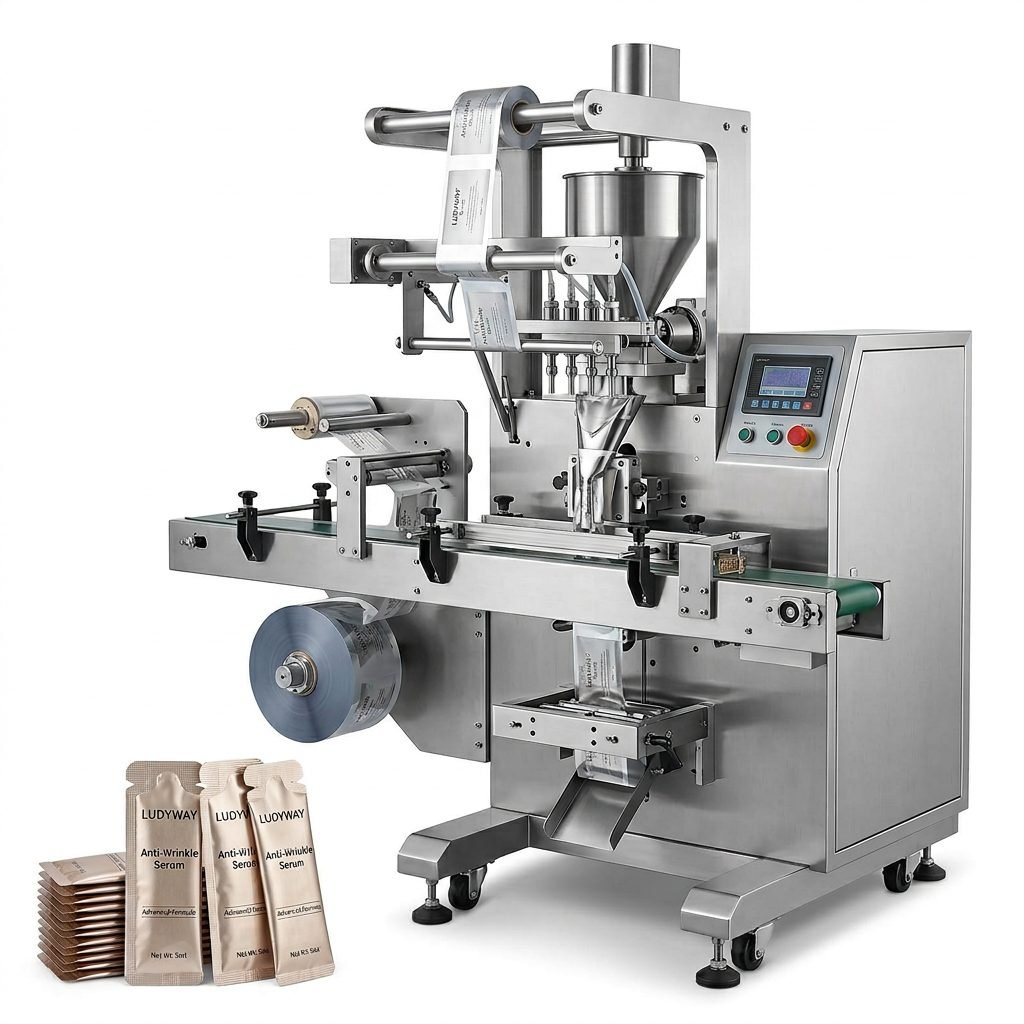
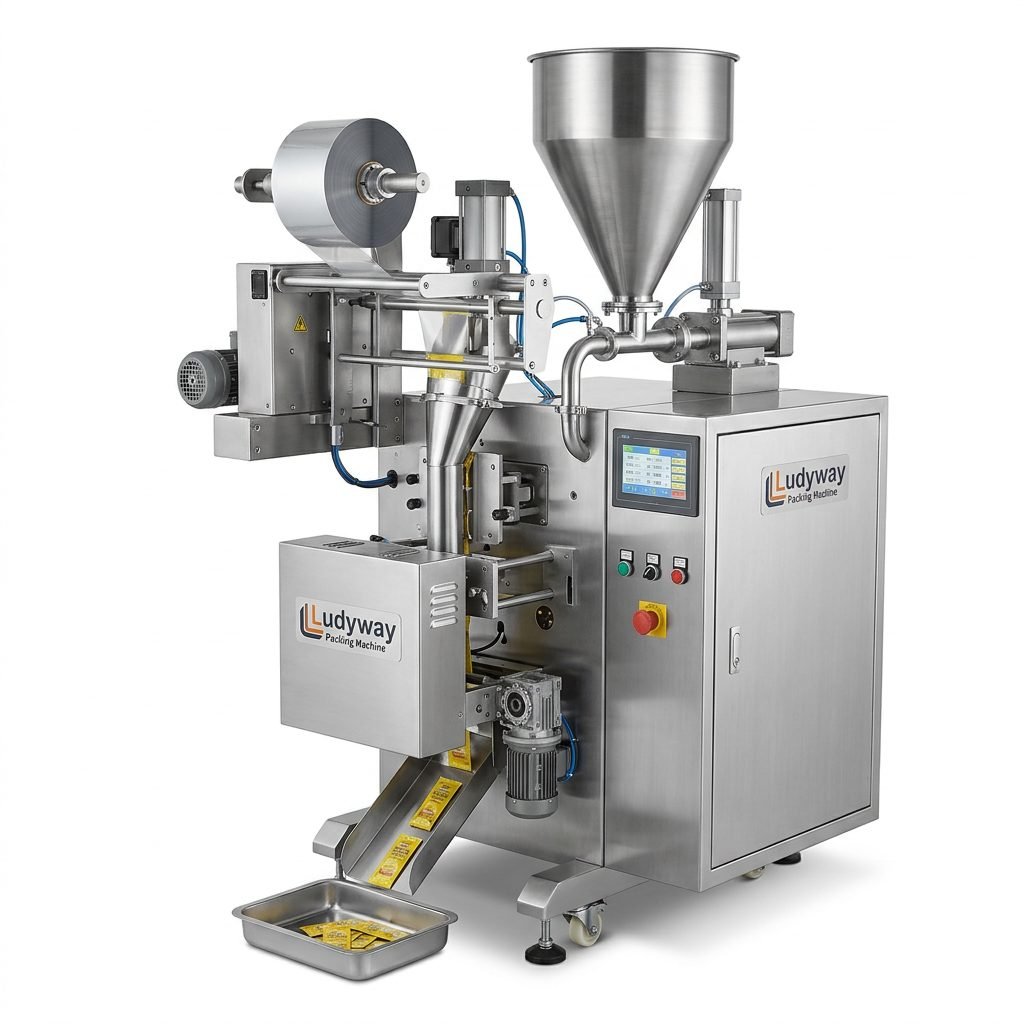
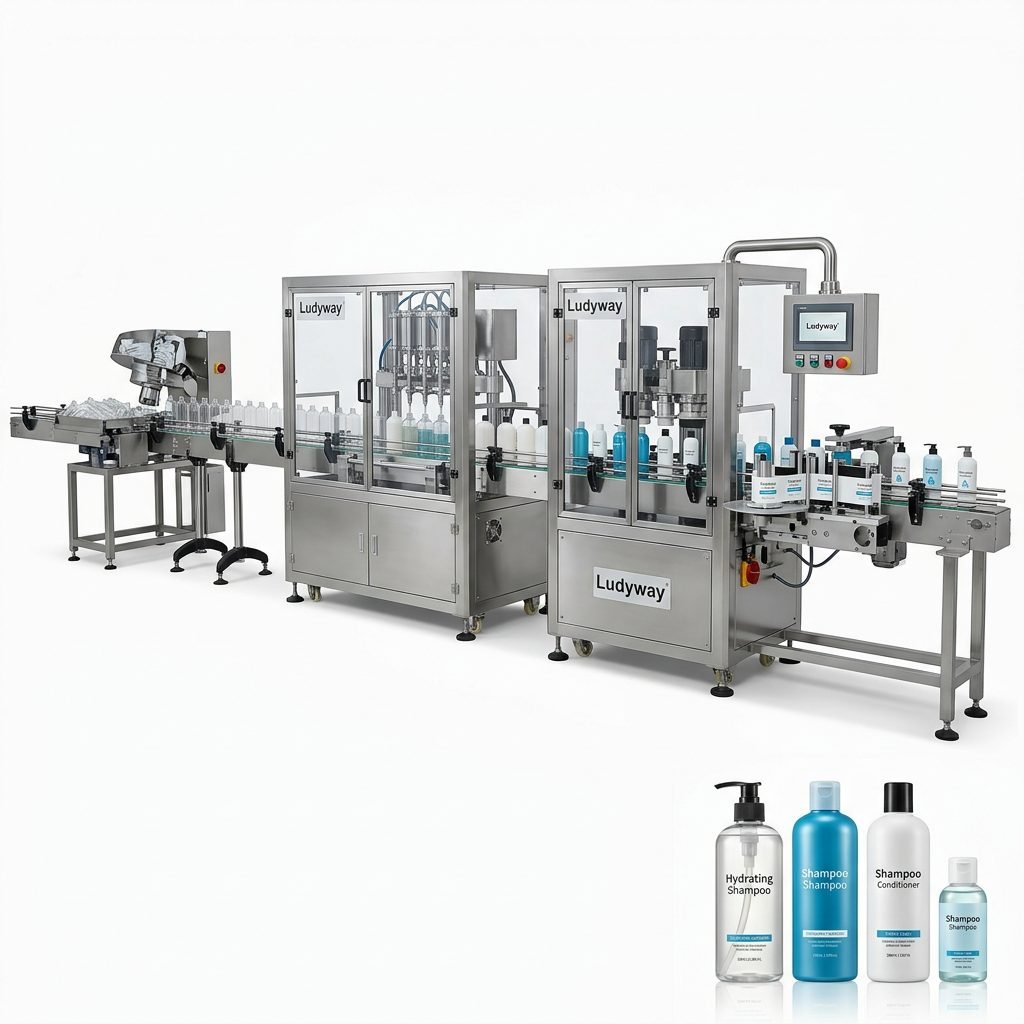
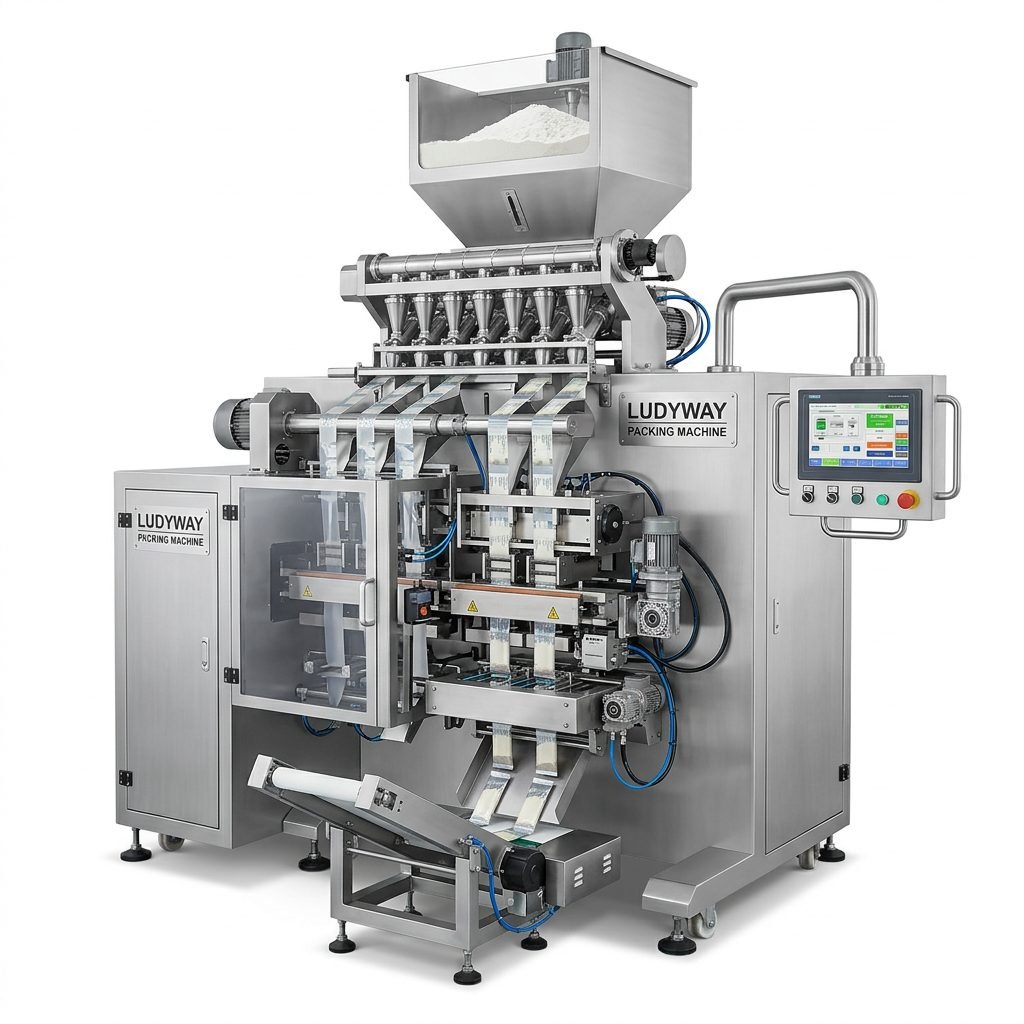
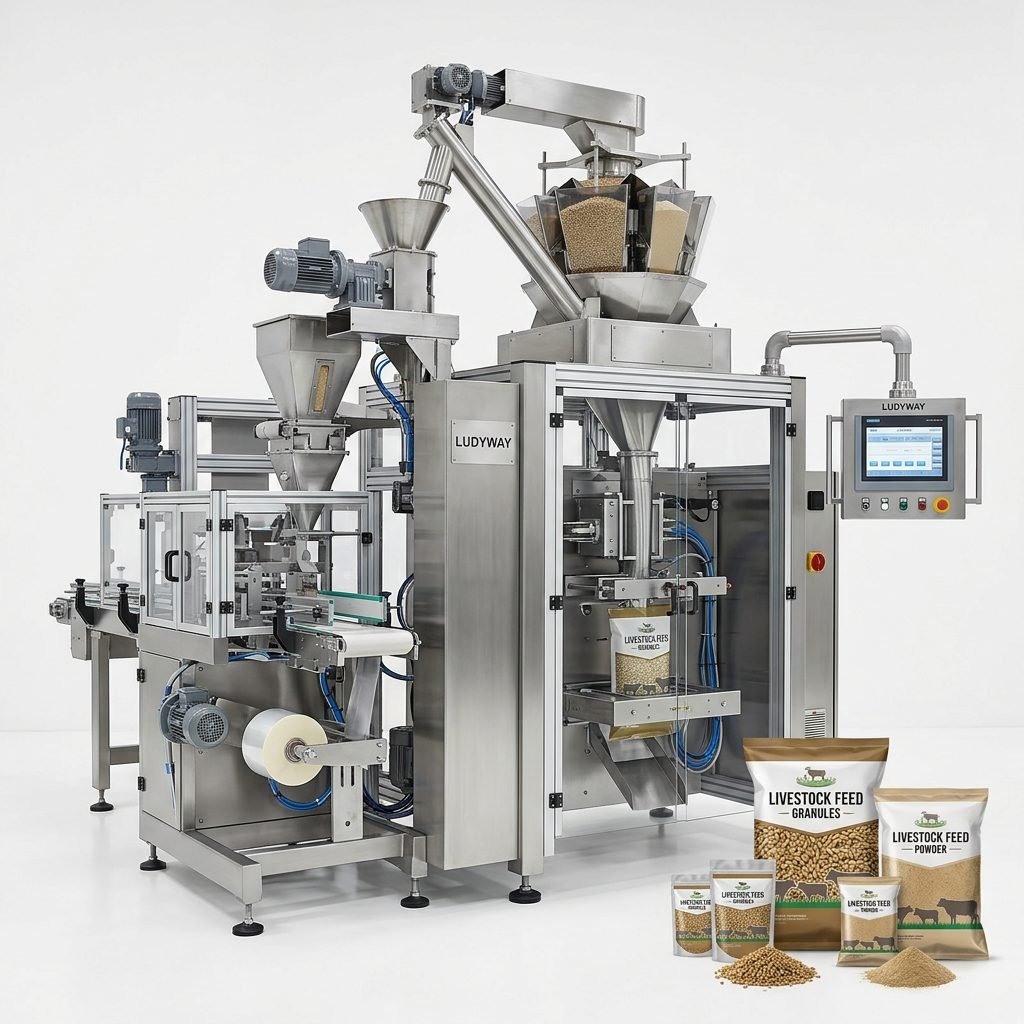
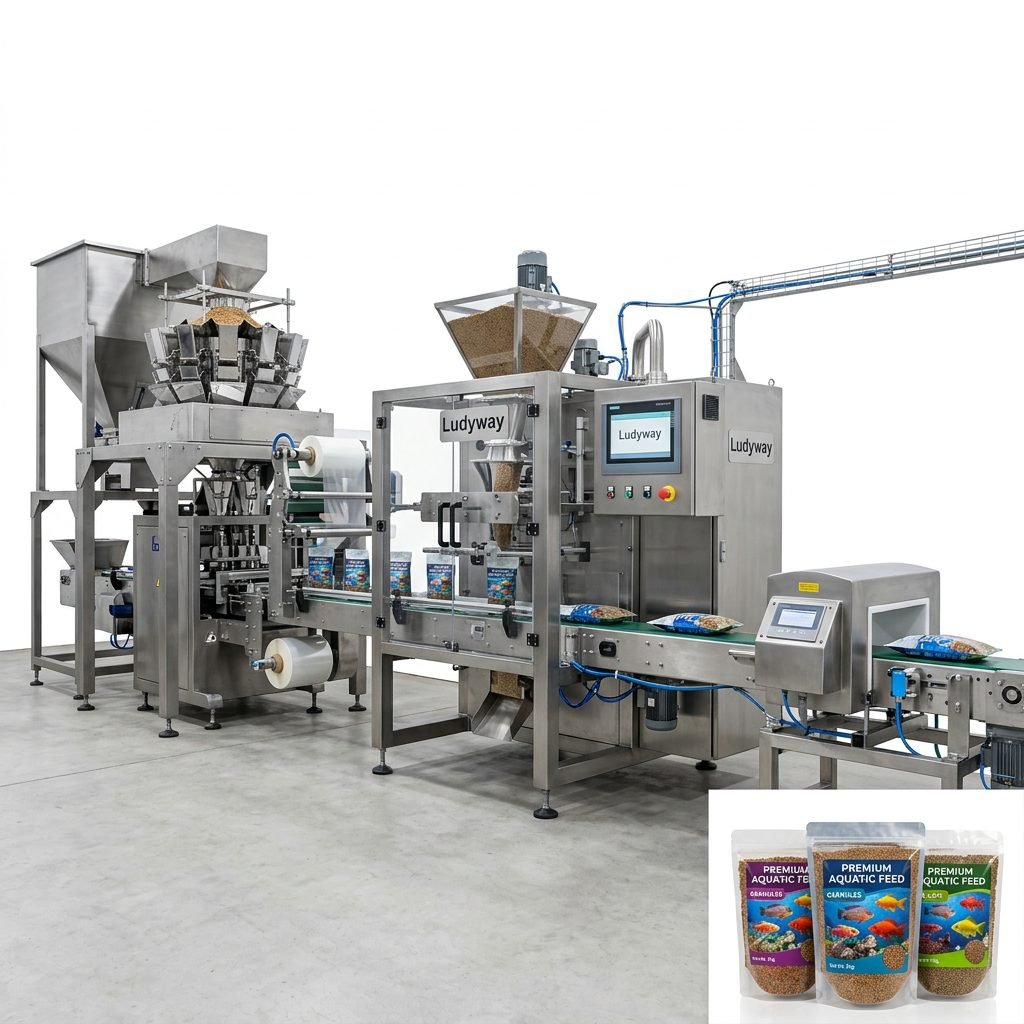
Investing in a food packing machine is a critical decision for any manufacturer. The right equipment can significantly increase production capacity, improve product consistency, and reduce long-term operational costs. However, with a vast array of technologies available—from vertical form fill seal (VFFS) machines to multi-lane stick pack systems—navigating the purchasing process requires a structured approach. This guide breaks down the essential factors to help you select a packaging solution that aligns with your product characteristics, production goals, and business requirements.

1. Understand Your Product Characteristics
Before evaluating machinery, you must thoroughly analyze the physical properties of your food product. The filling and dosing technology depends entirely on whether you are handling free-flowing granules, cohesive powders, viscous liquids, pastes, or solid pieces. Key parameters include bulk density, particle size distribution, flowability, dust generation, and temperature sensitivity. A machine configured for granular sugar will not perform effectively with sticky dried fruit or hygroscopic milk powder. Similarly, liquid products require specialized piston, gear, or peristaltic pump filling systems to ensure volumetric accuracy. Providing a detailed product sample to potential equipment suppliers like those referenced by the PMMI Business Intelligence platform is often the first step to receiving an accurate machine proposal.
2. Define Your Target Packaging Format
The desired bag style dictates the machine type. Common formats in the food industry include pillow bags, gusseted pouches, stick packs, sachets, stand-up pouches, and quad-seal bags. Each format serves different market segments and shelf-life requirements. For instance, single-serve stick packs are popular for instant coffee, sugar, and protein powders, while larger gusseted bags are preferred for granular pet food or snacks.
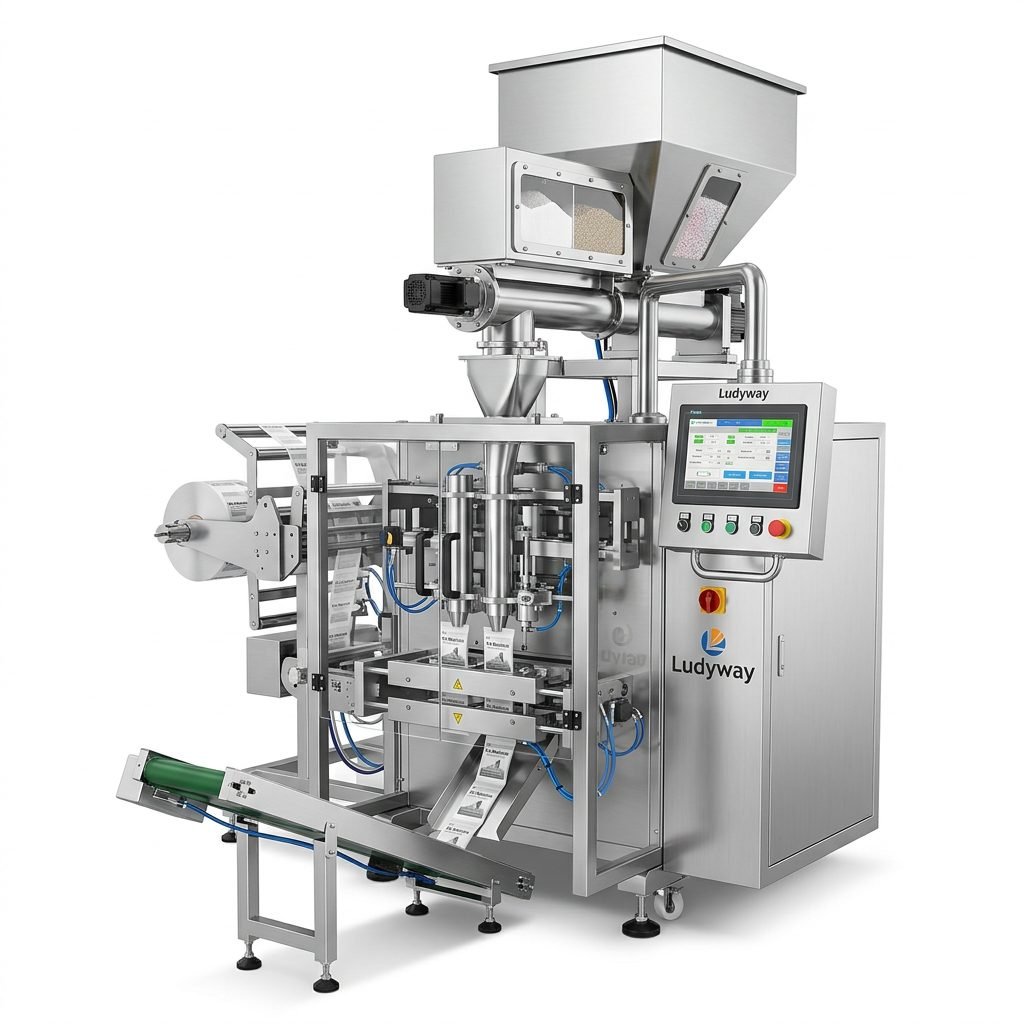
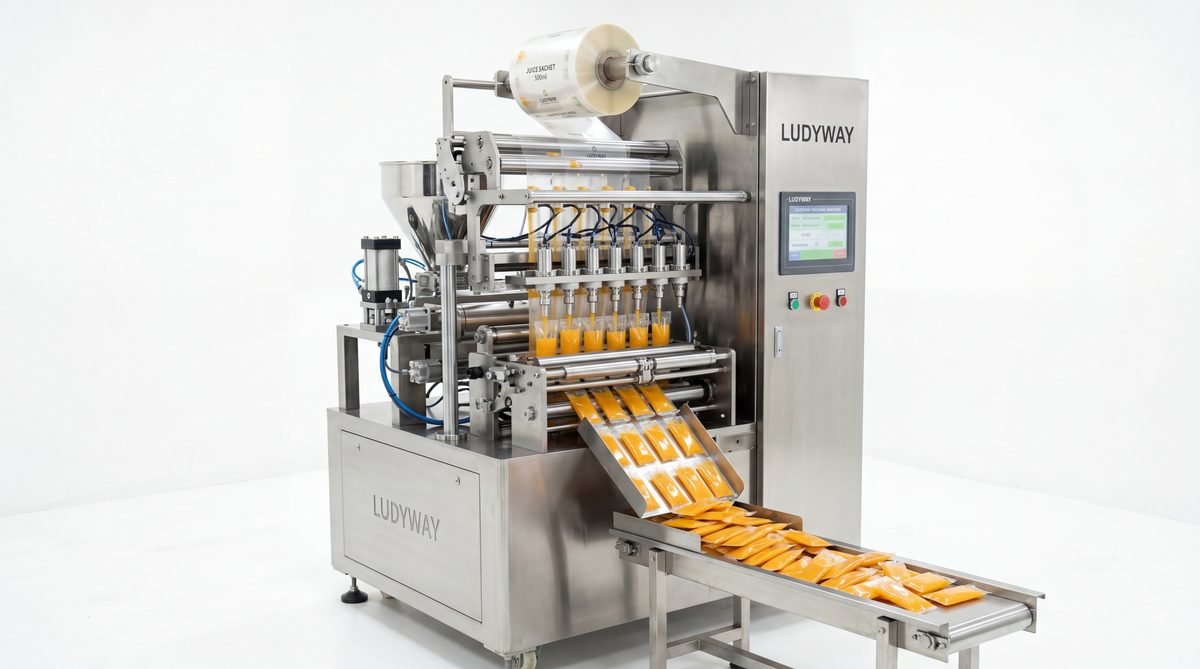
- Stick Packs & Sachets: Ideal for single-serve portions. Often produced on multi-lane machines to maximize output.
- Flat Pillow Bags: Common for small to medium-sized portions of snacks, nuts, and frozen foods.
- Stand-Up Pouches (Doypack): Excellent shelf presence for coffee, dried fruit, and premium snacks. Typically handled by rotary or pre-made pouch machines.
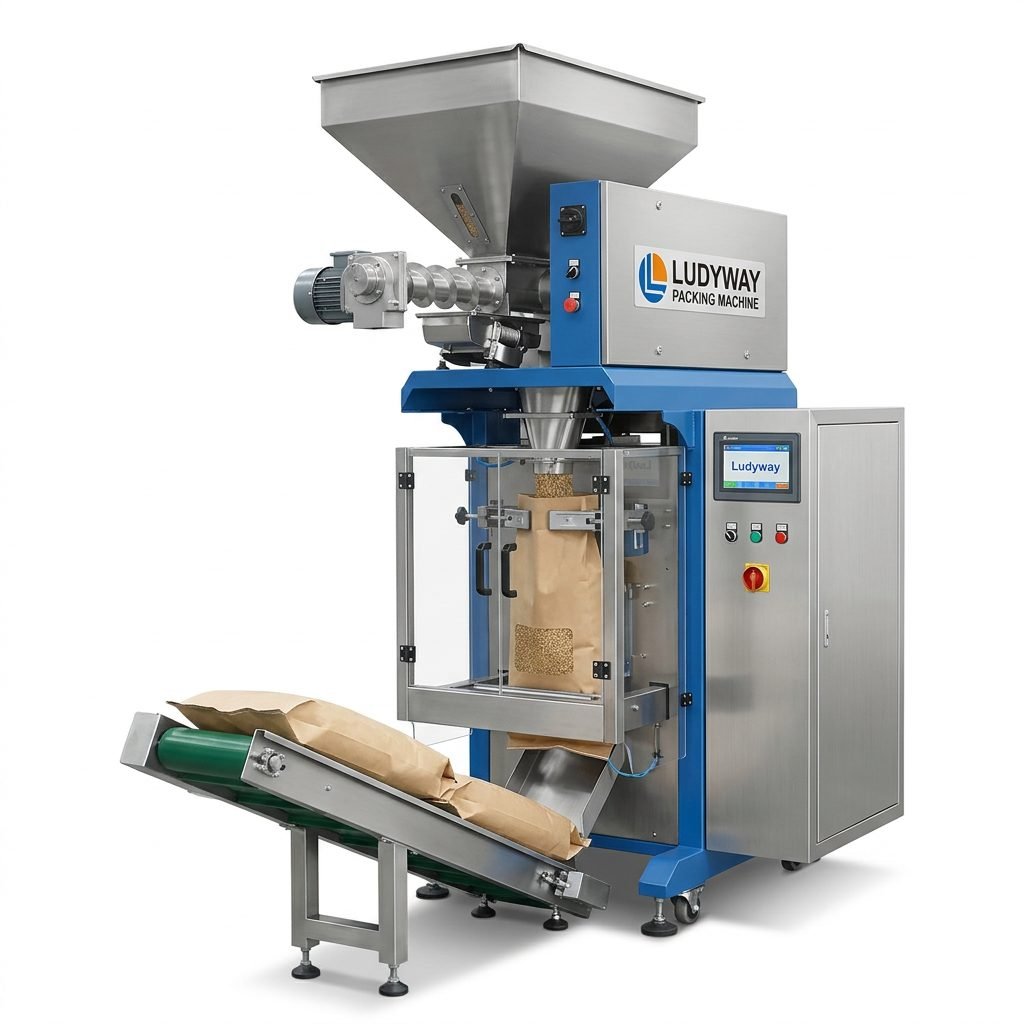
- Quad-Seal Bags: Provide structural stability for heavy or bulky products like large volumes of pet food or cereals.
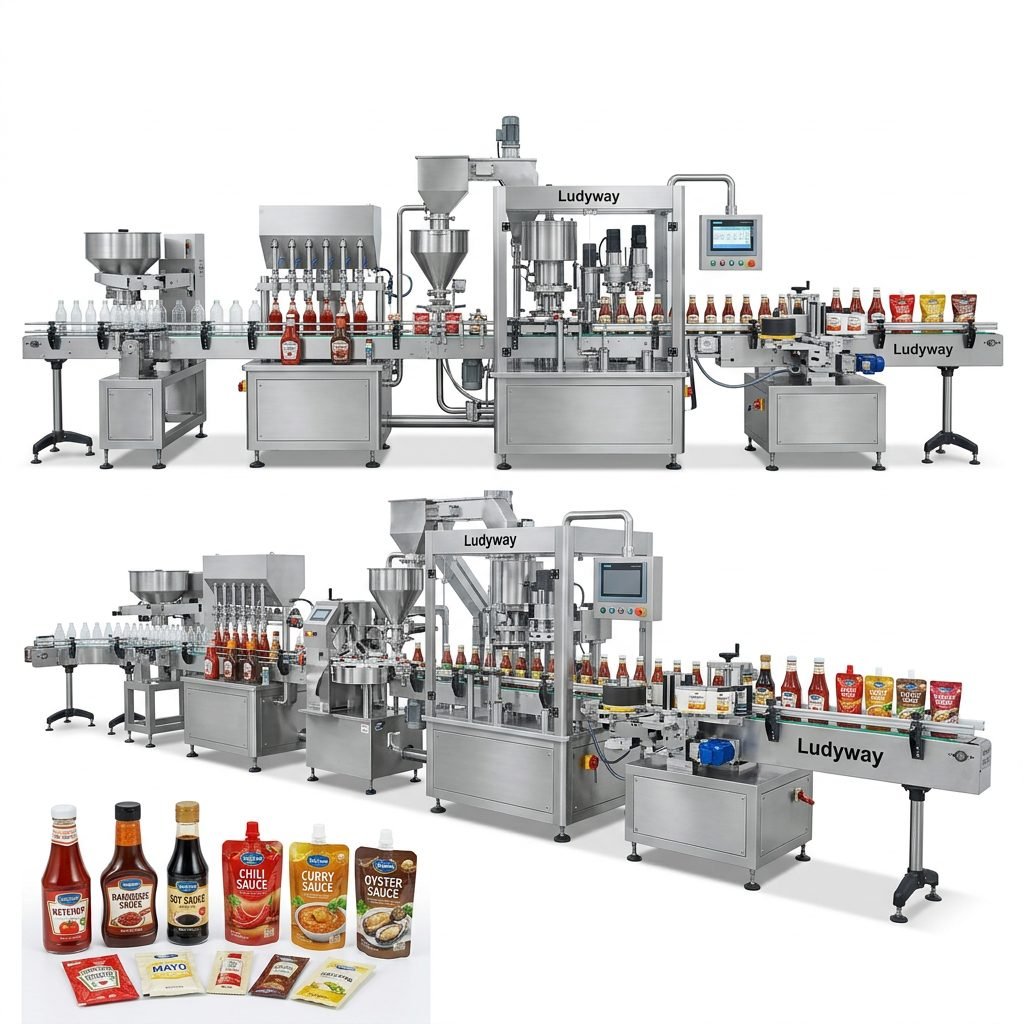
3. Calculate Required Production Speed and Capacity
Production throughput is a crucial specification. It is typically measured in packs per minute (ppm) or bags per minute (bpm). The required speed depends on your total daily or annual output target. If you need to produce 100,000 sachets per day, a single-lane machine operating at 60 ppm may be insufficient. In that case, a multi-lane stick pack machine with 4, 6, or even 10 lanes can multiply the output dramatically. However, high-speed machinery also demands more robust upstream feeding systems and downstream cartoning solutions to maintain line efficiency. Be sure to consult resources on machinery standards to understand speed ratings and performance benchmarks.
4. Evaluate Key Technical Features and Construction
Not all food packing machines are built to the same standard. For food-grade applications, you should prioritize specific construction and engineering features to ensure hygiene, reliability, and ease of maintenance.
| Feature Category | Key Considerations |
|---|---|
| Frame & Material | Stainless steel (SS304 or SS316) construction is essential for food contact and wash-down environments. Structural integrity prevents vibration and wear at high speeds. |
| Filling System | Auger fillers for powders, volumetric cups for granules, multi-head weighers for high-accuracy solid mixes, and piston or magnetic flow meters for liquids. The system must minimize product giveaway while maximizing speed. |
| Sealing Technology | Reliable heat sealing jaws with precise temperature PID control. Serrated, flat, or patterned seals depending on the film structure. Leak detection systems are an added advantage for liquid packs. |
| Control System | A user-friendly HMI touchscreen with PLC control (brands like Siemens or Mitsubishi) simplifies operation, recipe management, and troubleshooting. Servo-driven motors offer higher precision and flexibility than mechanical cams. |
| Film Registration | Advanced photoelectric sensors ensure precise film tracking and cut registration for pre-printed packaging films, reducing waste. |
5. Cleanability and Hygienic Design
Maintenance and sanitation directly impact food safety and machine uptime. Look for machines designed with tool-less disassembly for quick product changeovers. Sloped surfaces prevent liquid or powder accumulation, and sealed electrical cabinets protect internal components. If you process multiple products or allergens, effective cleaning between batches is critical. The design should comply with Good Manufacturing Practices (GMP) and facilitate easy integration with central vacuum or dust collection systems, aligning with guidelines from authorities like the FDA Food Packaging & Food Contact Substances.
6. Integration with Auxiliary Equipment
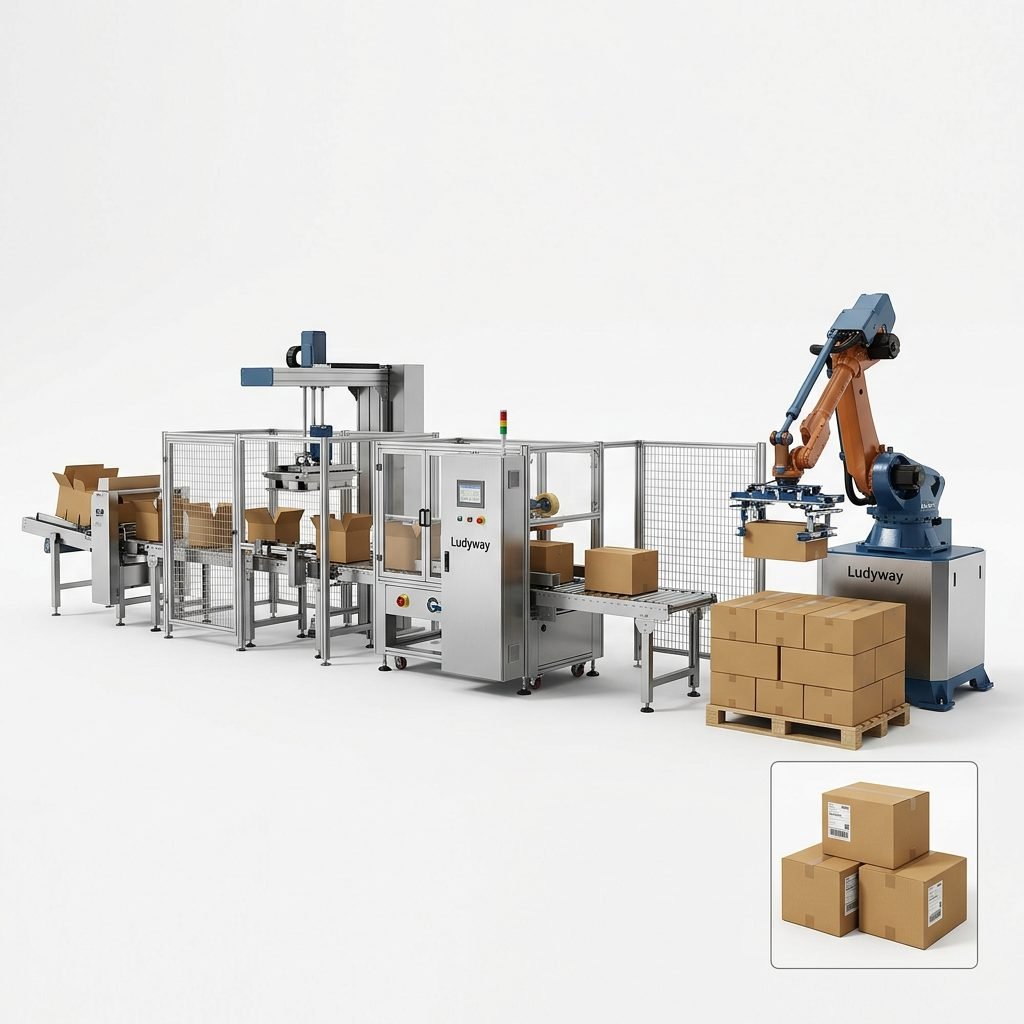
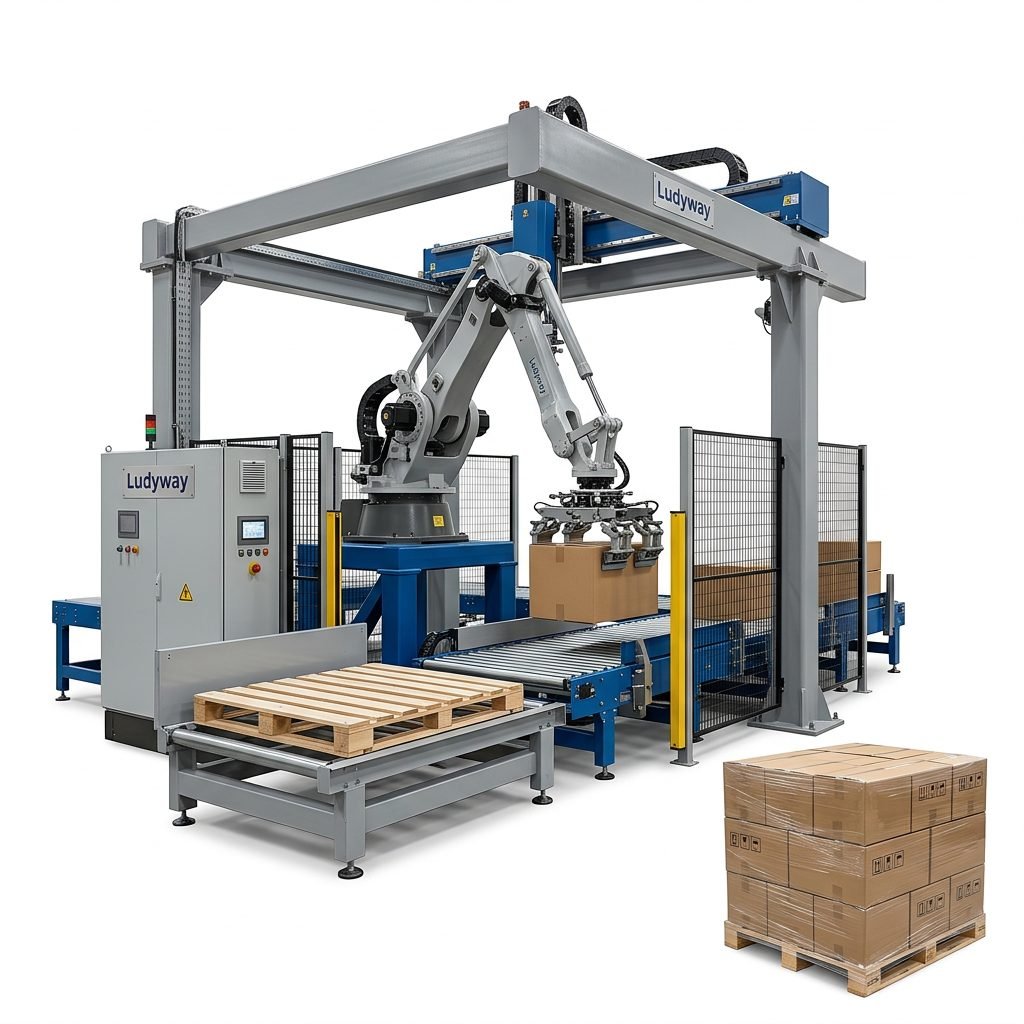
A filling machine rarely operates in isolation. It is the core of a larger packaging line. Consider how the machine will integrate with upstream and downstream components. Feeders, such as Z-type bucket elevators or vacuum conveyors, must deliver product consistently to the filler. On the output side, you may need automatic checkweighers, metal detectors, cartoners, case packers, or palletizers. A supplier that offers complete, integrated solutions can streamline project management and ensure seamless communication between modules. The PACK EXPO International is an excellent place to see these integrated systems in action.
7. Budgeting: Capital Cost vs. Total Cost of Ownership
The purchase price of a food packing machine is just one part of the investment. A comprehensive budget should also include spare parts availability, energy consumption, film waste rates, and expected maintenance intervals. A low-cost machine that generates 5% film waste and requires frequent downtime can be far more expensive over five years than a premium machine with 1% waste and high uptime.
- Spare Parts: Evaluate the availability and cost of wear parts like sealing jaws, belts, and sensors.
- Film Compatibility: Some machines are optimized for specific film gauges and structures. Ensure the machine can handle the flexible packaging materials you plan to use.
- Operator Training: A complex machine requires skilled operators. Factor in training costs provided by the manufacturer.
8. Selecting the Right Packaging Machinery Partner
Choosing a reliable manufacturer is as important as the machine itself. A long-term partner provides not just equipment, but engineering expertise, customization, and lifecycle support. When vetting a supplier, assess their experience with your specific product type, their manufacturing capabilities, and their global service reach.
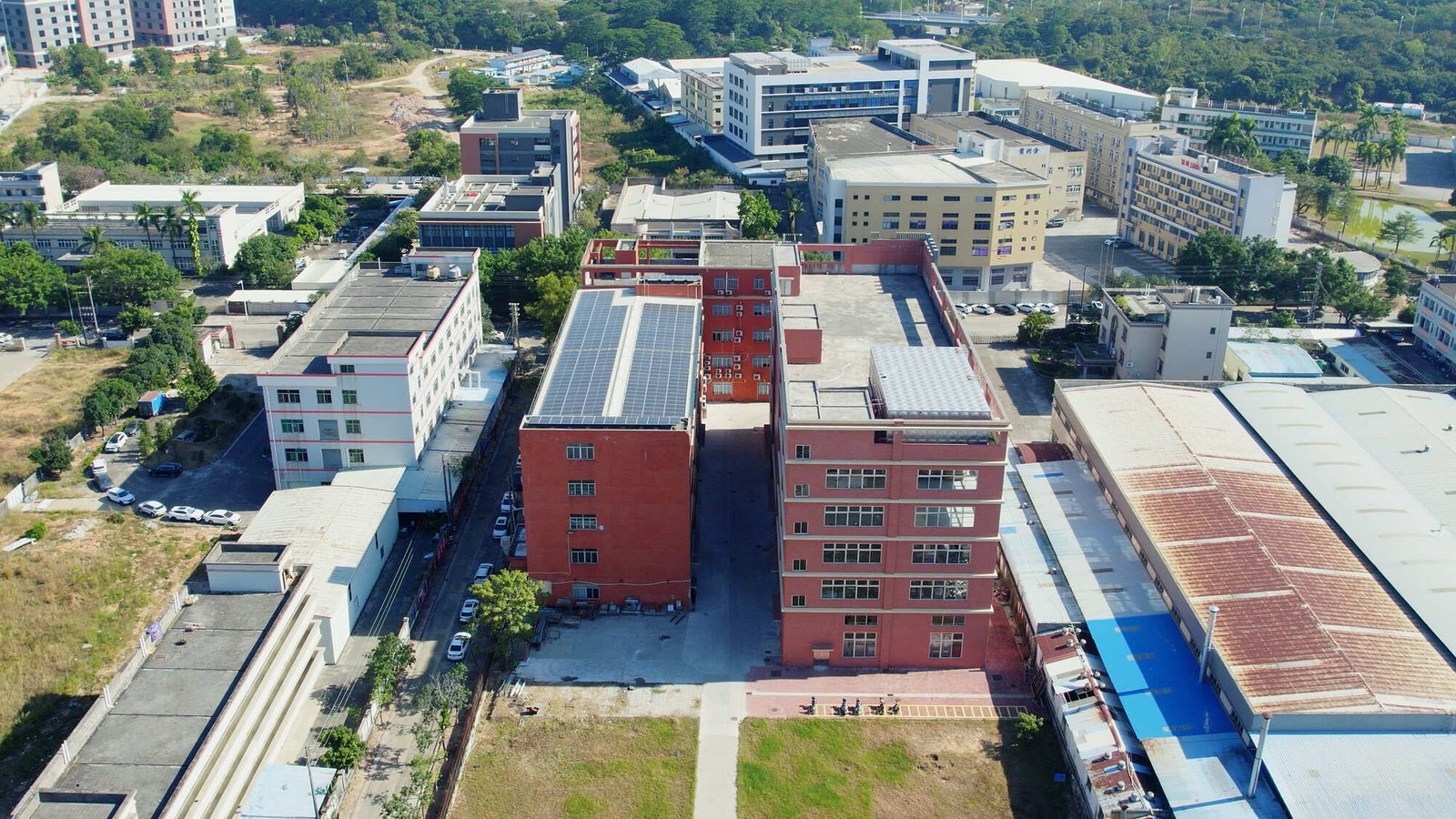
For example, Ludyway Machinery is a China-based packaging machinery manufacturer and turnkey packaging solution provider with more than 30 years of industry experience. With a 20,000-square-meter manufacturing facility and a portfolio of over 50 packaging machine models, they combine in-house engineering with automation technology. Their customized approach helps manufacturers across food, pharmaceutical, and chemical sectors configure suitable equipment for powders, granules, liquids, and flexible packaging formats. Ludyway is expected to achieve export revenue of more than RMB 500 million (approximately US$69 million) in 2025, and plans to surpass RMB 1 billion (approximately US$138 million) in export revenue in 2026, reflecting strong global execution capability. They serve customers in more than 100 countries, providing technical support from installation and commissioning to operator training and after-sales service.
9. Factory Acceptance Testing (FAT) and Installation
Before shipment, a rigorous Factory Acceptance Test (FAT) using your actual product and packaging film is essential. This verifies that the machine meets the agreed-upon speed, accuracy, and seal integrity specifications. Post-installation, a Site Acceptance Test (SAT) confirms performance in your specific production environment. Clear installation protocols and operator training manuals should be standard deliverables from the supplier.
10. Future-Proofing Your Investment
The food industry is dynamic. Your packaging needs may evolve due to new product launches, sustainability initiatives, or changing market demands. Opt for a modular machine platform that allows future enhancements, such as adding additional lanes, upgrading to a more advanced filling system, or integrating with automated coding and serialization equipment. Understanding the broad scope of ISO packaging standards can also help ensure your equipment remains compliant with international regulations. Your chosen packaging machinery should be capable of scaling with your business, not a bottleneck in your growth trajectory.
Ready to configure your optimal food packaging line? Contact an experienced solution provider to discuss your product properties and production targets today.