Selecting the right sugar packaging machine for your European production line involves navigating a complex landscape of regulations, technologies, and cost factors. Whether you are portioning sachets for the hospitality industry or running high-volume stick pack lines for retail, you need equipment that balances speed, precision, and CE compliance. This guide breaks down the machine types, typical price ranges, and critical selection criteria to help you make an informed investment.
Common Types of Sugar Packaging Machines
The European market demands versatility and hygiene, making specific machine formats dominant. Understanding which type fits your product is the first step.
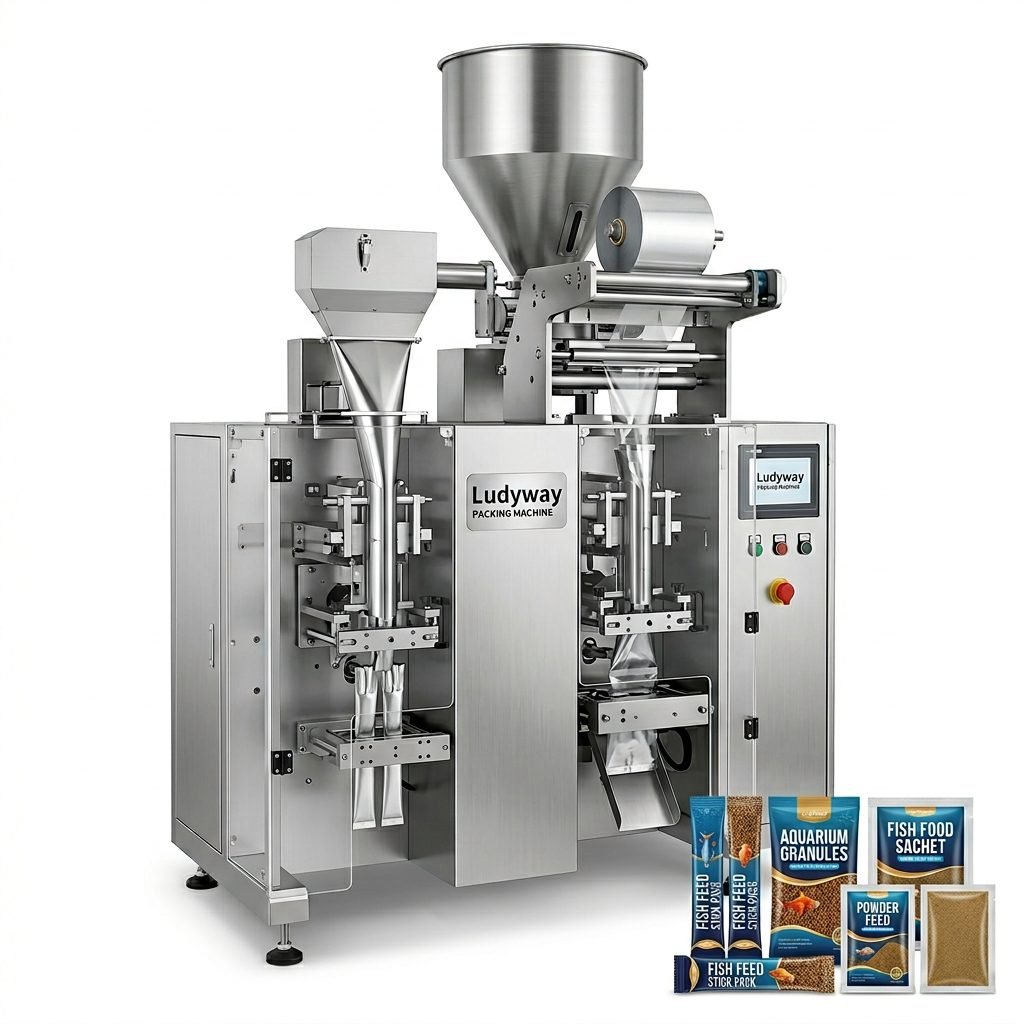
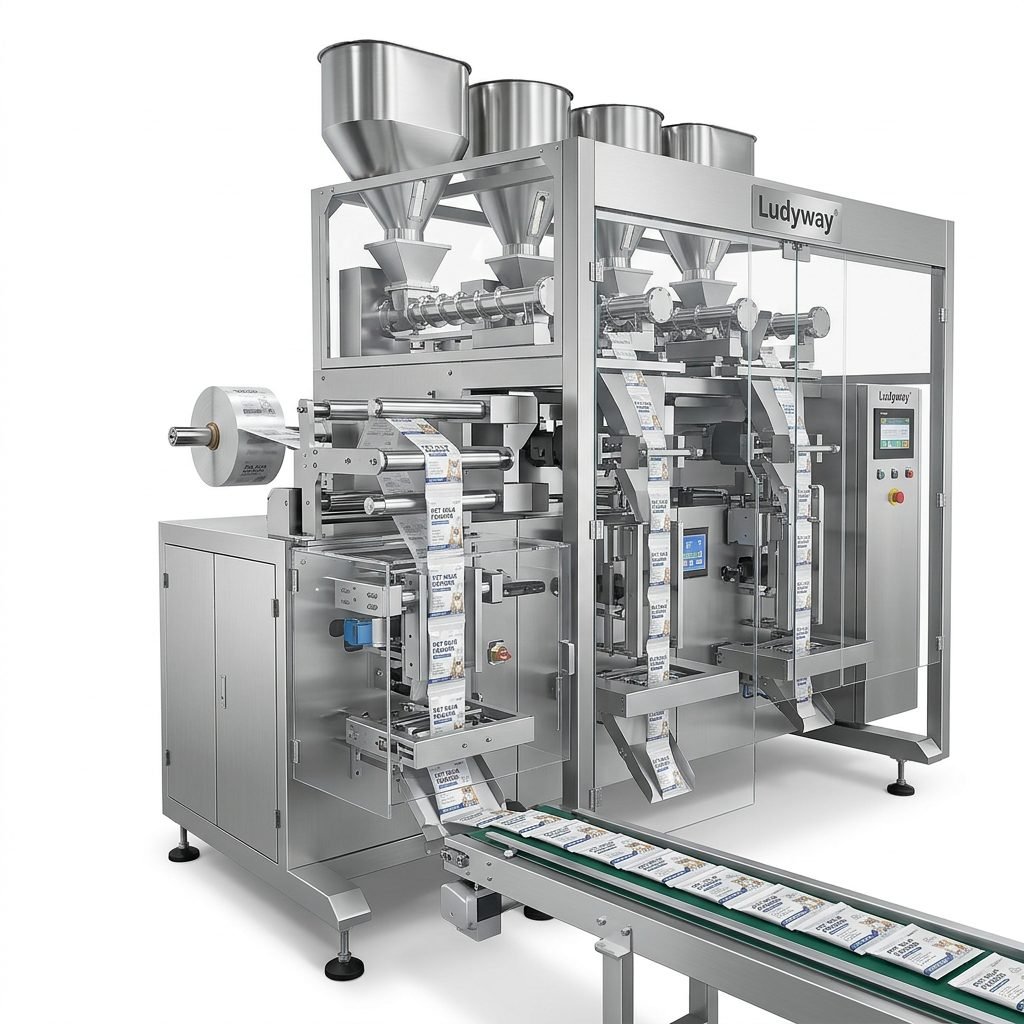
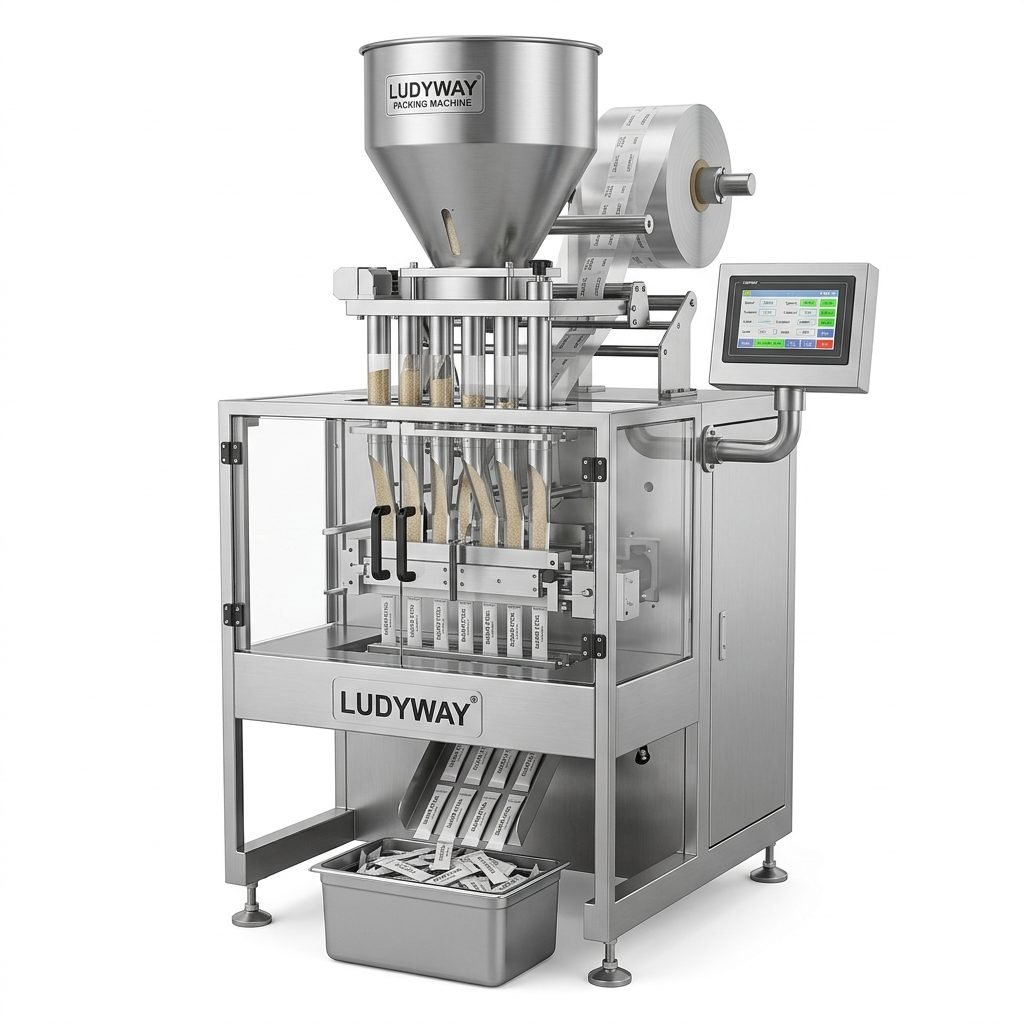
Multi-Lane Stick Pack Machines
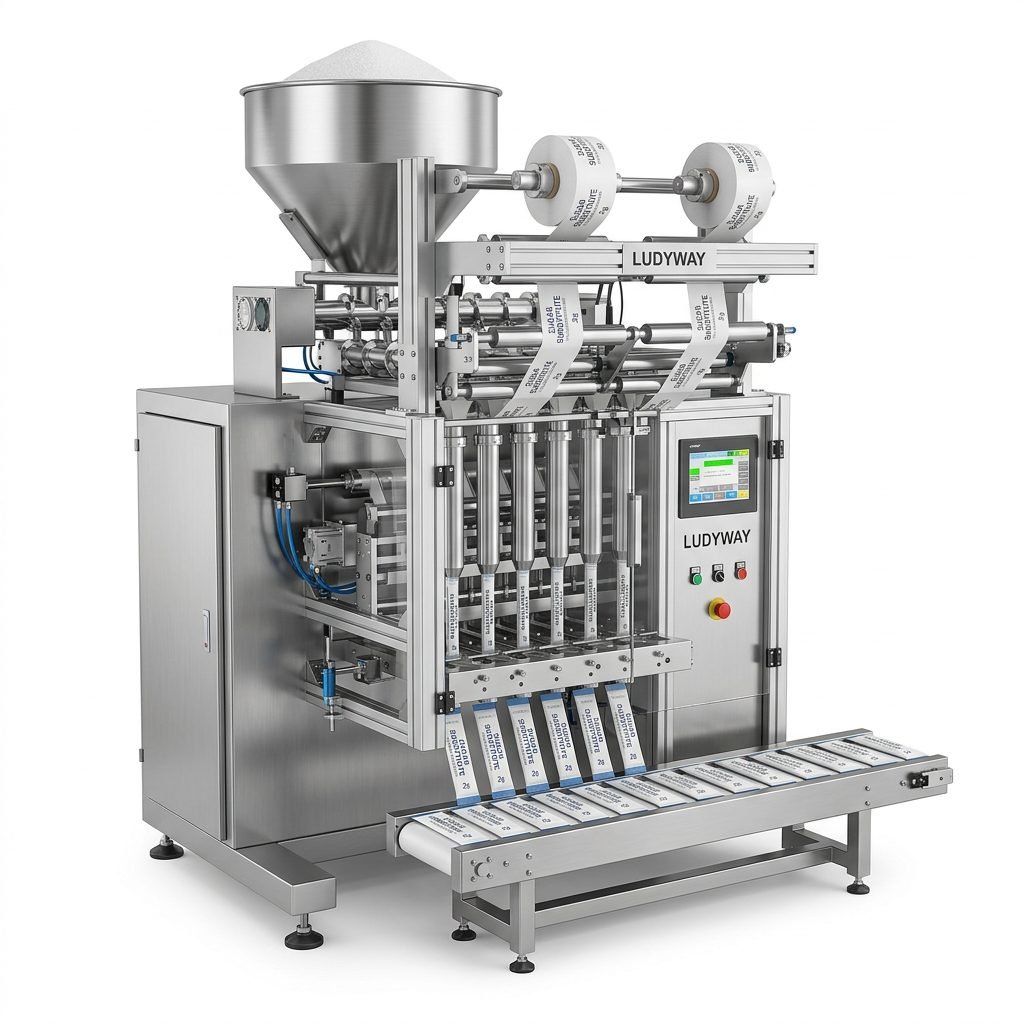
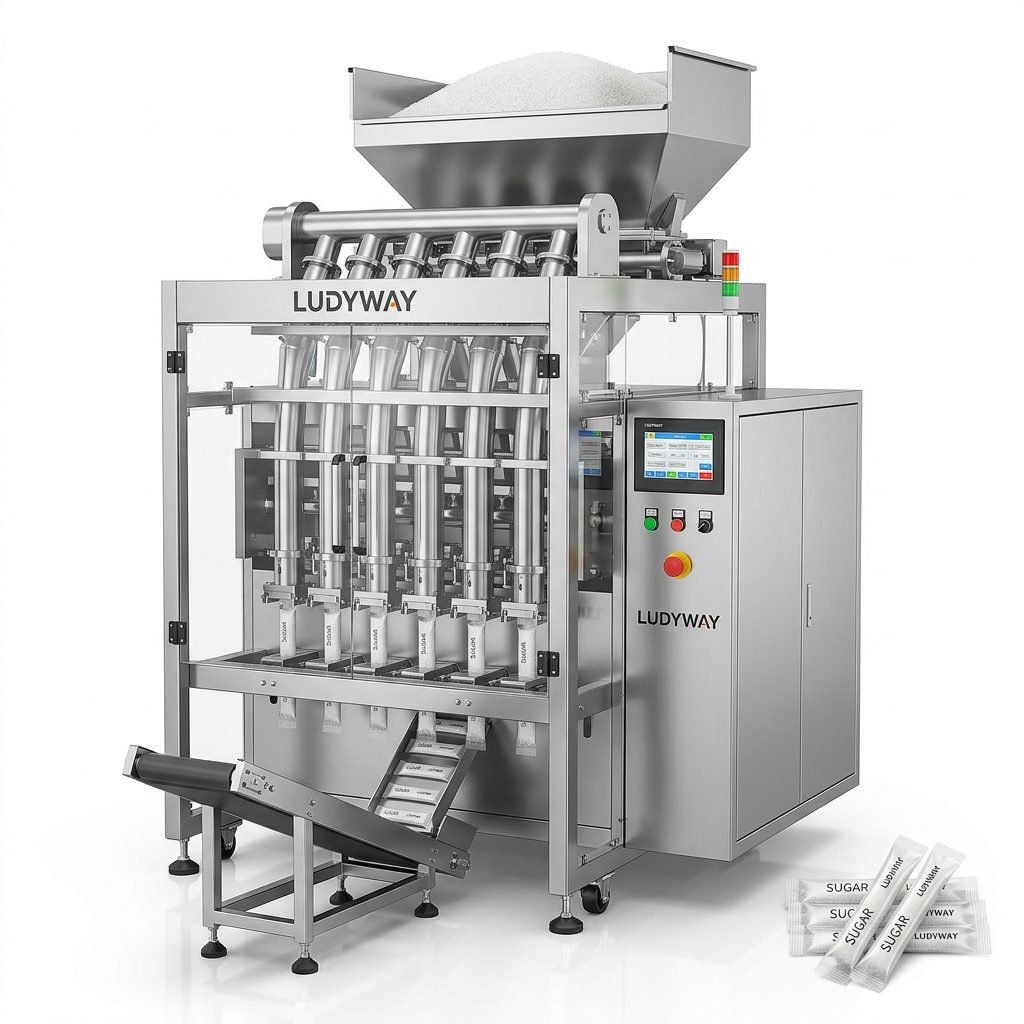
Ideal for single-serve sugar sticks commonly found in cafes and airlines. These high-speed systems can run multiple lanes simultaneously, producing thousands of precisely dosed stick packs per hour. They are excellent for granulated sugar and low-calorie sweeteners.
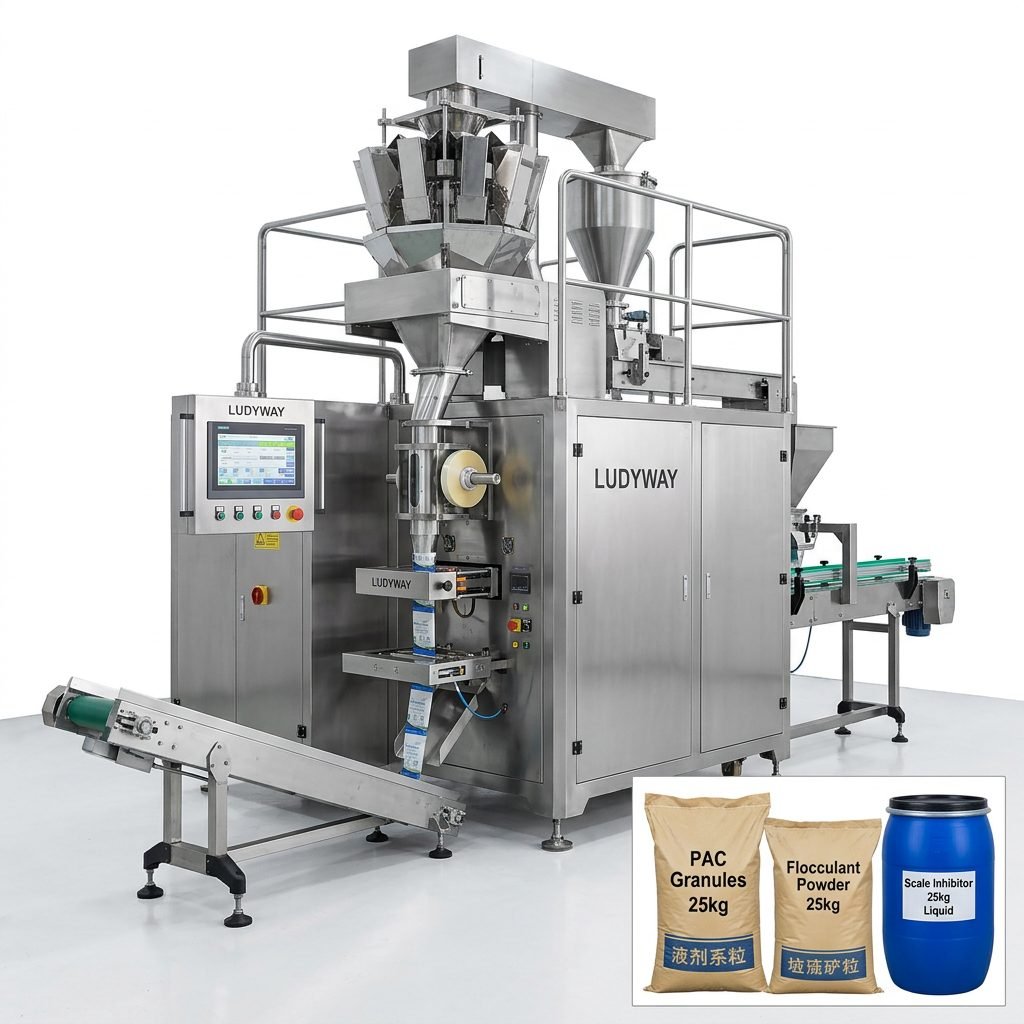
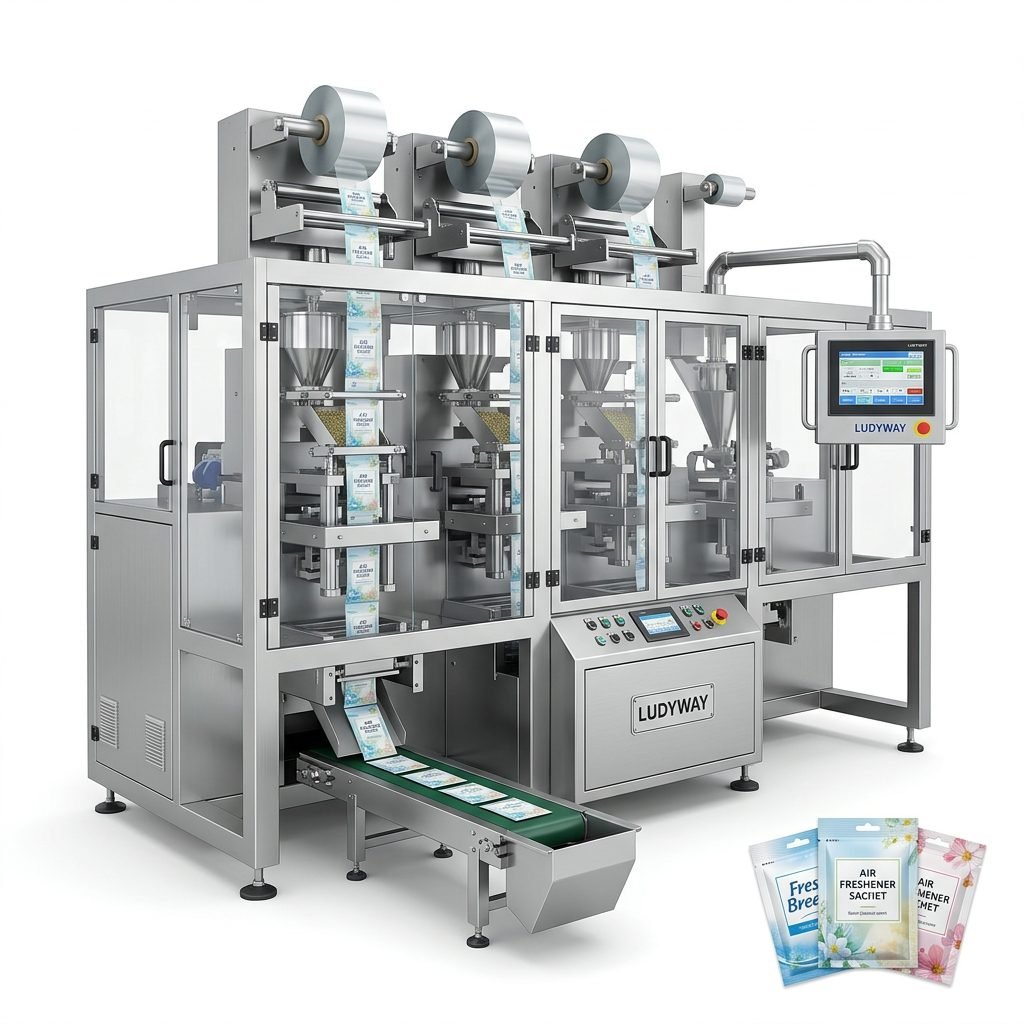
Vertical Form Fill Seal (VFFS) Machines
These versatile machines create sachets or pillow bags from flat roll stock. VFFS technology is widely used for sugar sachets ranging from 500g to 2kg, as well as small sachets. They accommodate various film types, including recyclable mono-materials now trending in the EU.
Pre-Made Pouch Rotary Machines
Designed for premium, resealable stand-up pouches. If your brand targets retail shelves with aesthetic doypacks, rotary fillers offer high accuracy and optional gas flushing to maintain product quality. They handle granulated sugar, brown sugar, and powdered icing sugar effectively.
Weighing and Filling Systems
For bulk packs of 5kg and above, linear weighers or combination weighers paired with bagging stations are standard. Multi-head weighers ensure minimum giveaway on high-value specialty sugars.
Key Features to Evaluate in Sugar Equipment
Sugar is hygroscopic and abrasive. The machine you choose must handle these physical properties without corroding or jamming. Look for the following technical specifications:
- Material Composition: Food-grade stainless steel (304 or 316L) is mandatory in Europe. Wetted parts must resist sugar crystallization.
- Dust Extraction: Integrated vacuum systems prevent fine sugar dust from coating sensors and moving parts.
- Servo-Driven Sealing: Precise jaw temperature and pressure ensure airtight integrity, preventing clumping in humid climates.
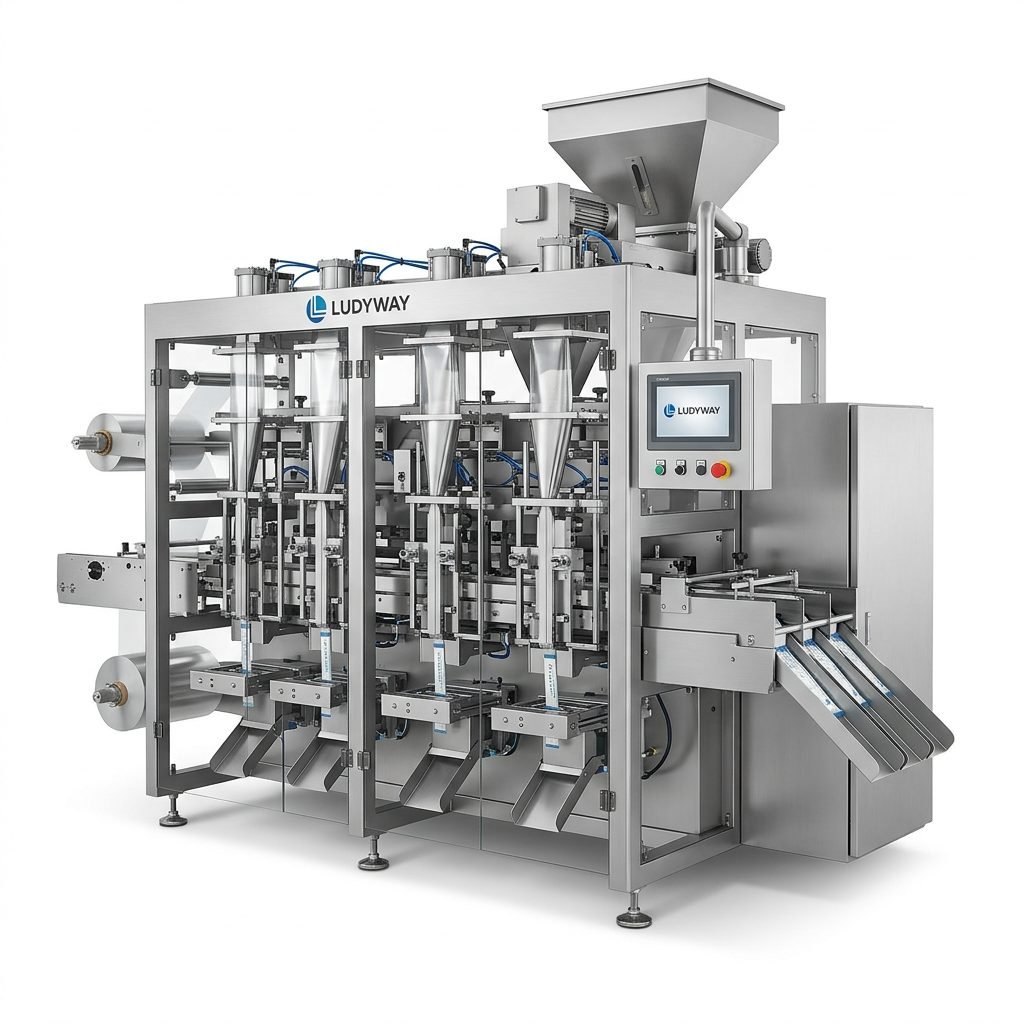
- Quick Changeover: Tool-less adjustments to switch between stick packs and sachets improve OEE (Overall Equipment Effectiveness).
Estimated Costs and Budgeting
Packaging machinery represents a significant capital outlay. The total cost of ownership includes not just the price tag, but also film consumption, energy, and maintenance. Below is a cost benchmark for the European market:
| Machine Type | Speed (Packs/Min) | Estimated Price Range (EUR) |
|---|---|---|
| Entry-Level Single Lane | 30 – 60 | €15,000 – €35,000 |
| Multi-Lane Stick Pack (4-10 lanes) | 200 – 800 | €65,000 – €180,000 |
| Rotary Pre-Made Pouch Filler | 40 – 80 | €80,000 – €220,000 |
| Complete Turnkey Line with Cartoning | Varies | €250,000+ |
European Regulatory Requirements (CE and Beyond)
To legally place a machine on the market in the EU/EEA, it must bear the CE Marking. This is non-negotiable. However, sugar packaging often requires deeper compliance:
Machinery Directive 2006/42/EC
This covers the essential health and safety requirements. Ensure the supplier provides a valid Declaration of Conformity and a technical file in an official EU language.
Food Contact Materials (Regulation (EC) 1935/2004)
Gaskets, film guides, and product contact parts must meet specific migration limits. Special attention should be paid to lubricants used in the filling zone.
ATEX Directives
Because sugar dust is combustible, certain high-concentration environments inside the hopper and around the dust extractor may require ATEX-rated components. A Dust Hazard Analysis (DHA) is strongly recommended.
How to Choose the Right Supplier and Machine
Focusing purely on the initial invoice price often leads to hidden costs. Use this checklist to validate your shortlist:
1. Material Compatibility and Trials
Never purchase machinery without running your specific sugar type through a factory acceptance test. Brown sugar and confectioners’ sugar have different flow characteristics than granulated white sugar, significantly affecting screw fillers and volumetric cups.
2. After-Sales Support in Europe
Check if the manufacturer has local service engineers or authorized partners within the EU. Downtime for an imported line can negate the initial savings if spare parts take weeks to arrive.
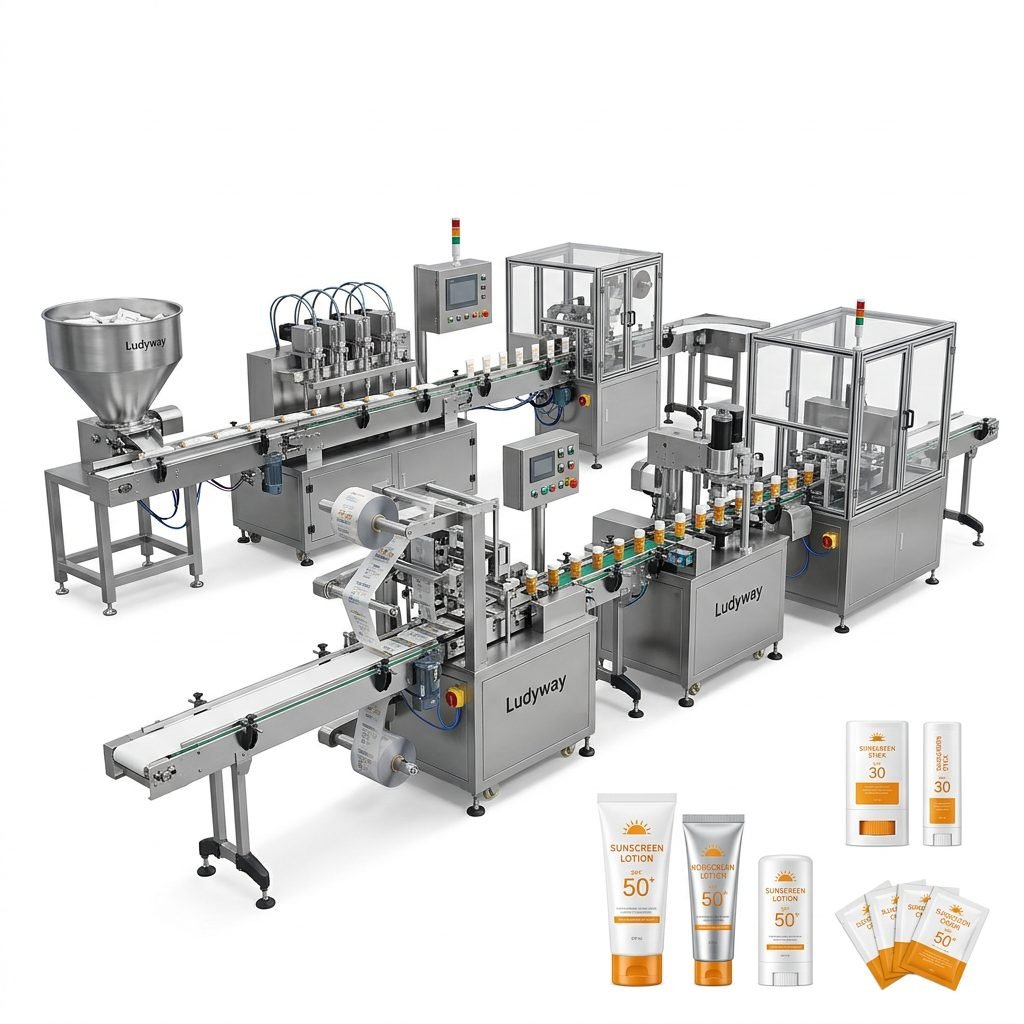
3. Integration Capabilities
A modern sugar line rarely stands alone. It needs to interface with checkweighers, x-ray inspection, and cartoners. Confirm that the communication protocols (such as Ethernet/IP or Profinet) align with your plant’s standards before signing.
Sustainability and Future-Proofing Your Investment
The European Green Deal and Extended Producer Responsibility (EPR) schemes are reshaping packaging. When buying a sugar machine, look for the ability to run recyclable mono-material films (PE/PP) which traditionally have a narrower sealing window. Machines with advanced temperature control and automatic tension adjustment can handle these difficult eco-friendly films without sacrificing speed. Additionally, downgauging capability allows you to use thinner films, significantly reducing your packaging tax liability in countries like Germany and the UK.
Choosing a sugar packaging solution is a long-term operational decision. Leading manufacturers like Ludyway, with decades of engineering expertise and a focus on turnkey solutions, provide integrated systems that handle granulated sugar efficiently, ensuring CE compliance and robust performance for the food industry. Understanding the nuanced requirements of sugar handling will ensure your packaging line remains productive, compliant, and profitable.
Related Industry Resources
- PMMI Packaging and Processing Industry Resources
- Flexible Packaging Association Guidelines
- FDA Food Packaging and Food Contact Substances
- ISO Packaging Standards
- European Commission Packaging and Packaging Waste Regulation
For further guidance on multi-lane sugar stick pack equipment and compliance updates, consult your local industry associations and stay aligned with trends from major trade fairs such as PACK EXPO and interpack.