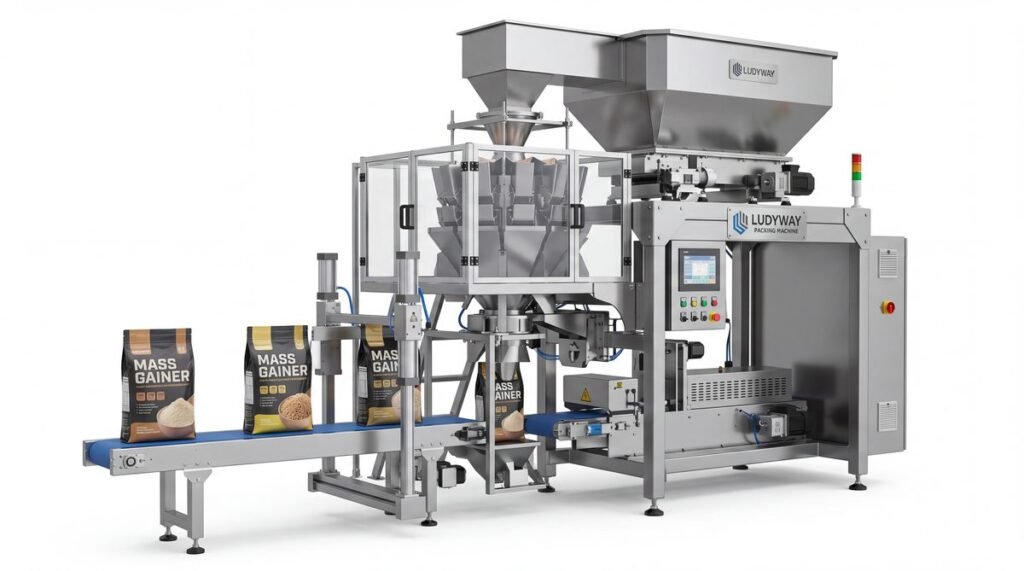
The Southeast Asian food industry is experiencing explosive growth, driven by a rising middle class, rapid urbanization, and booming demand for convenient ready-to-eat meals and meal kits. From instant noodle seasoning sachets to freeze-dried soup pouches and liquid sauce sticks, brands across Thailand, Vietnam, Indonesia, and the Philippines are racing to capture market share. Choosing the right meal kit packaging machine is the single most critical investment decision you will make. A wrong choice can lead to production bottlenecks, excessive material waste, and poor seal integrity in humid tropical climates. This comprehensive guide walks you through every essential factor to consider when sourcing packaging equipment for the Southeast Asian market.

Understanding Meal Kit Packaging Formats in Southeast Asia
Before evaluating machinery, you must define your primary packaging format. The term “meal kit” in this region spans a wide range of configurations, and the packaging machine you select must match your specific product viscosity, portion size, and barrier requirements.
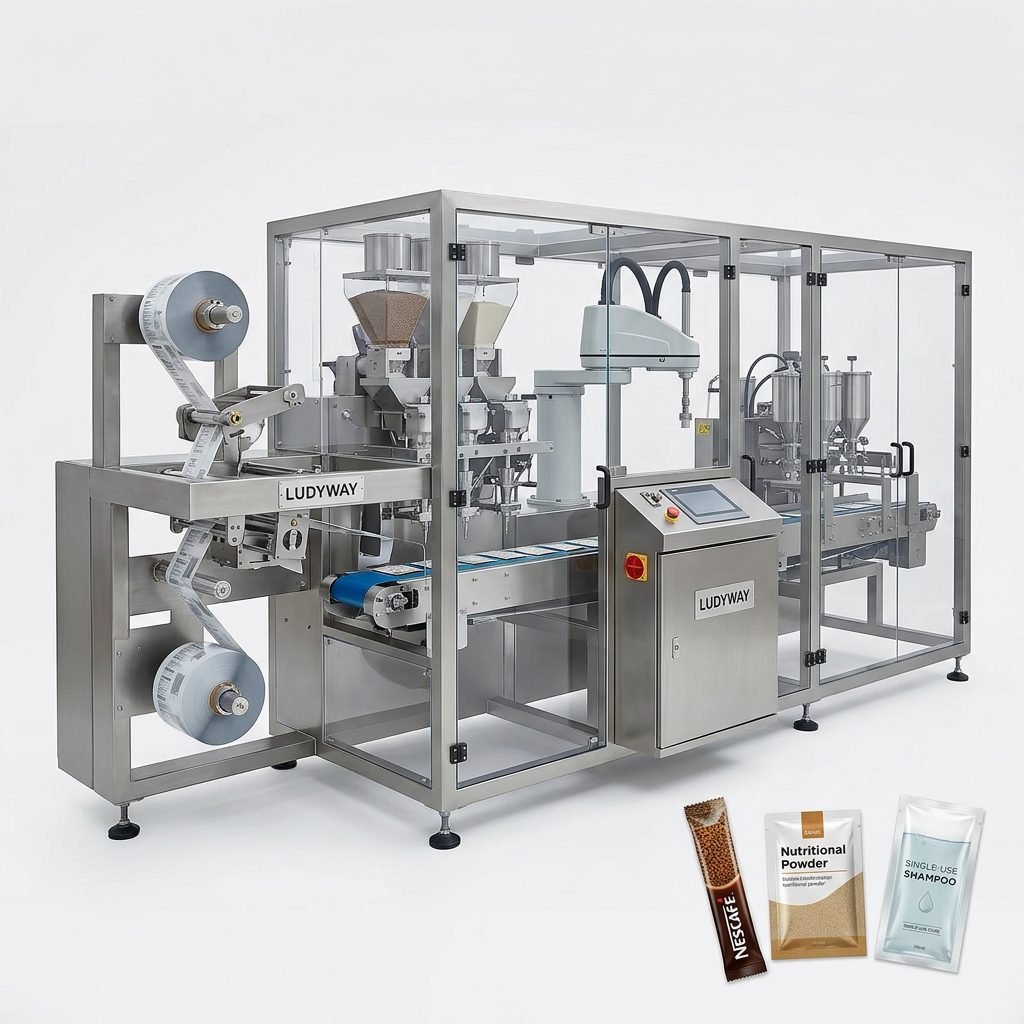
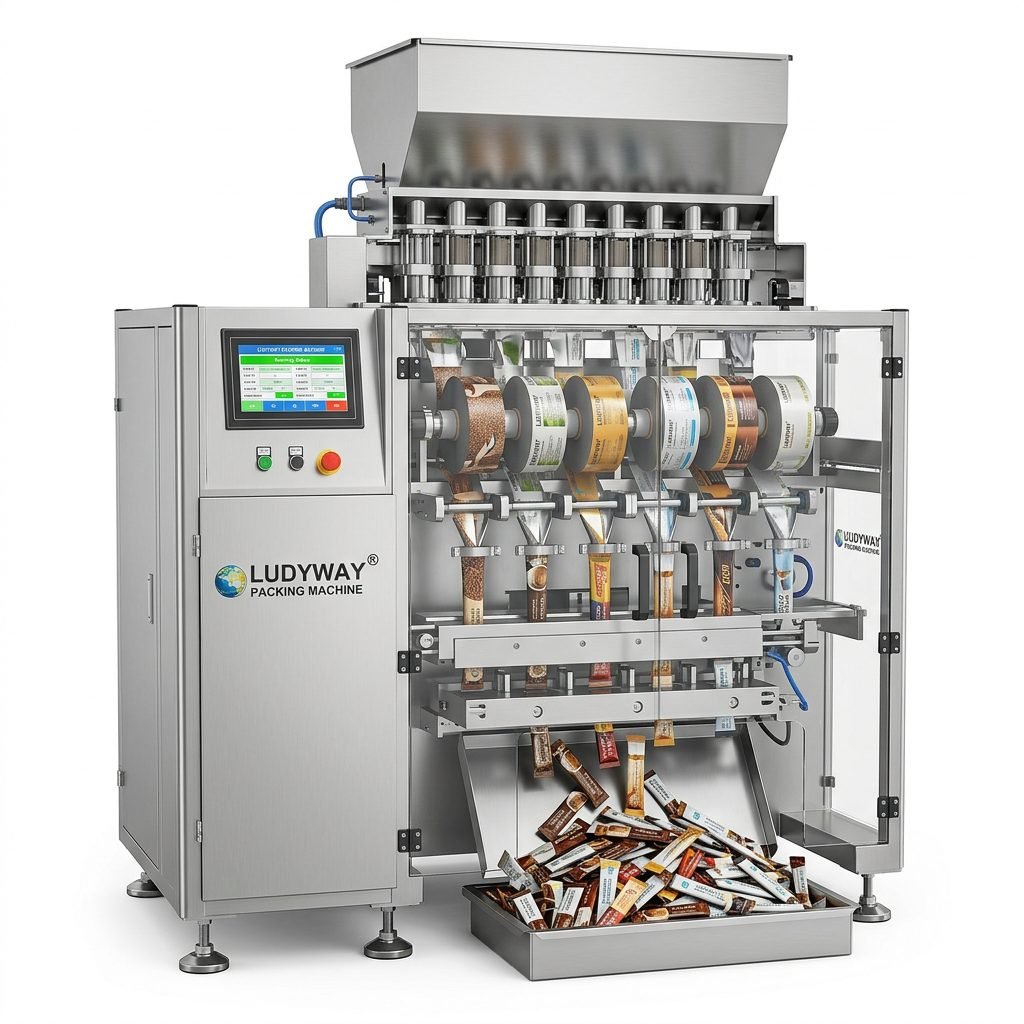
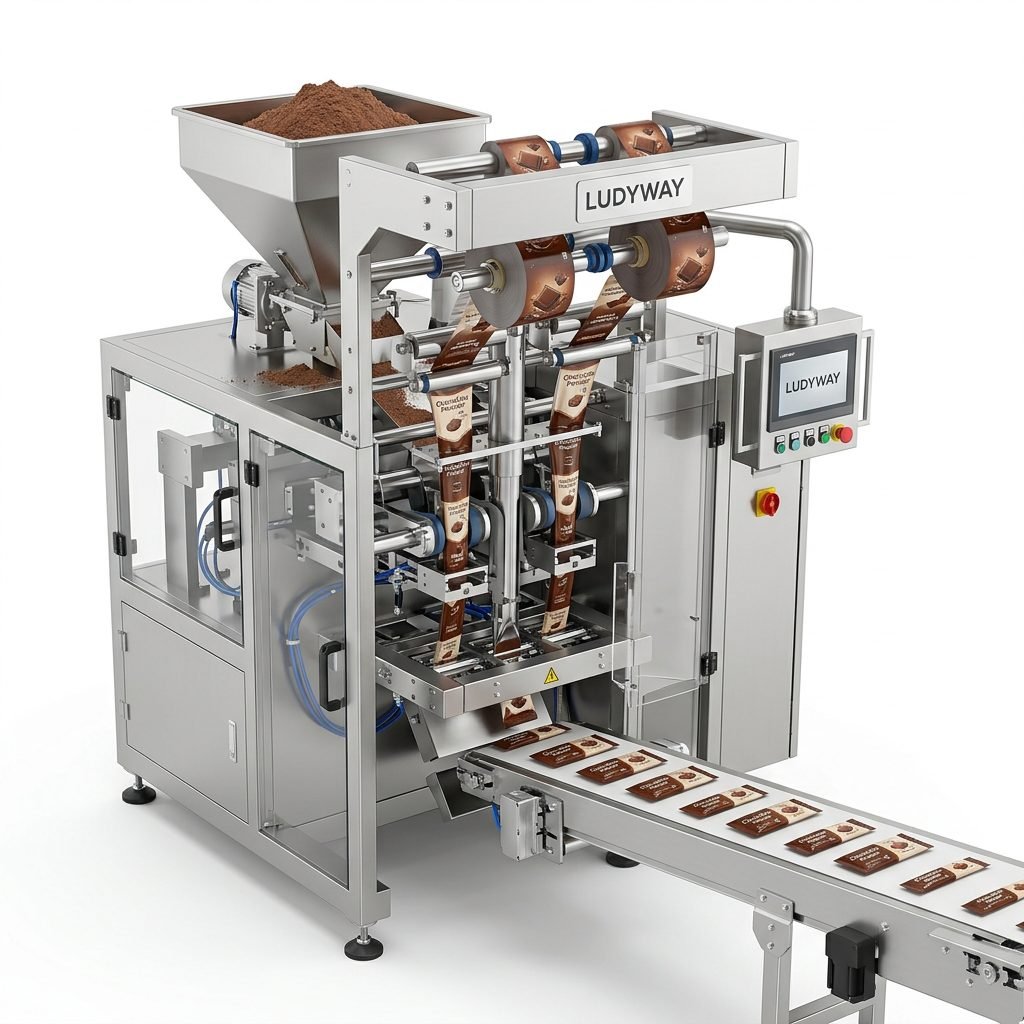
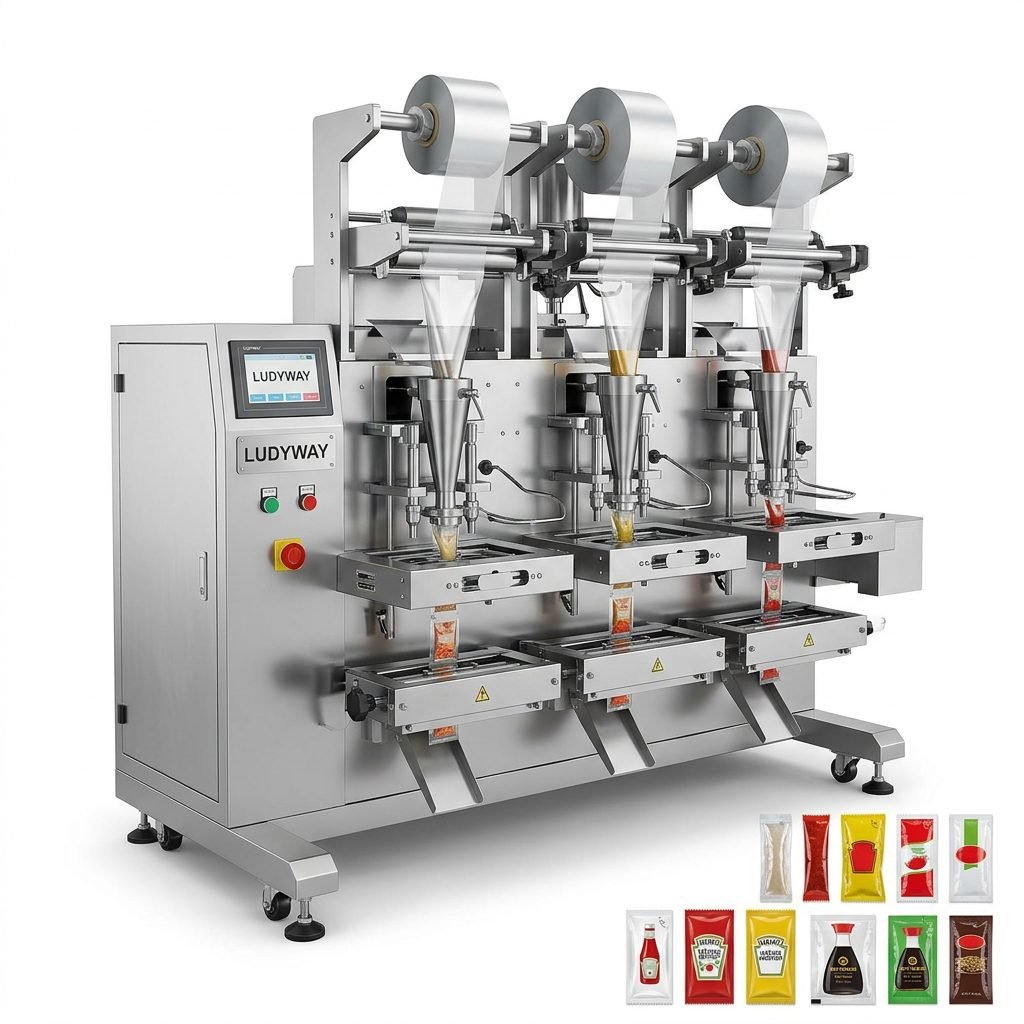
- Stick packs: Popular for single-serve coffee mixes, energy drinks, and nutritional supplements. These narrow, elongated pouches require high-speed multi-lane stick pack machines capable of precise filling at speeds exceeding 400 packs per minute per lane.
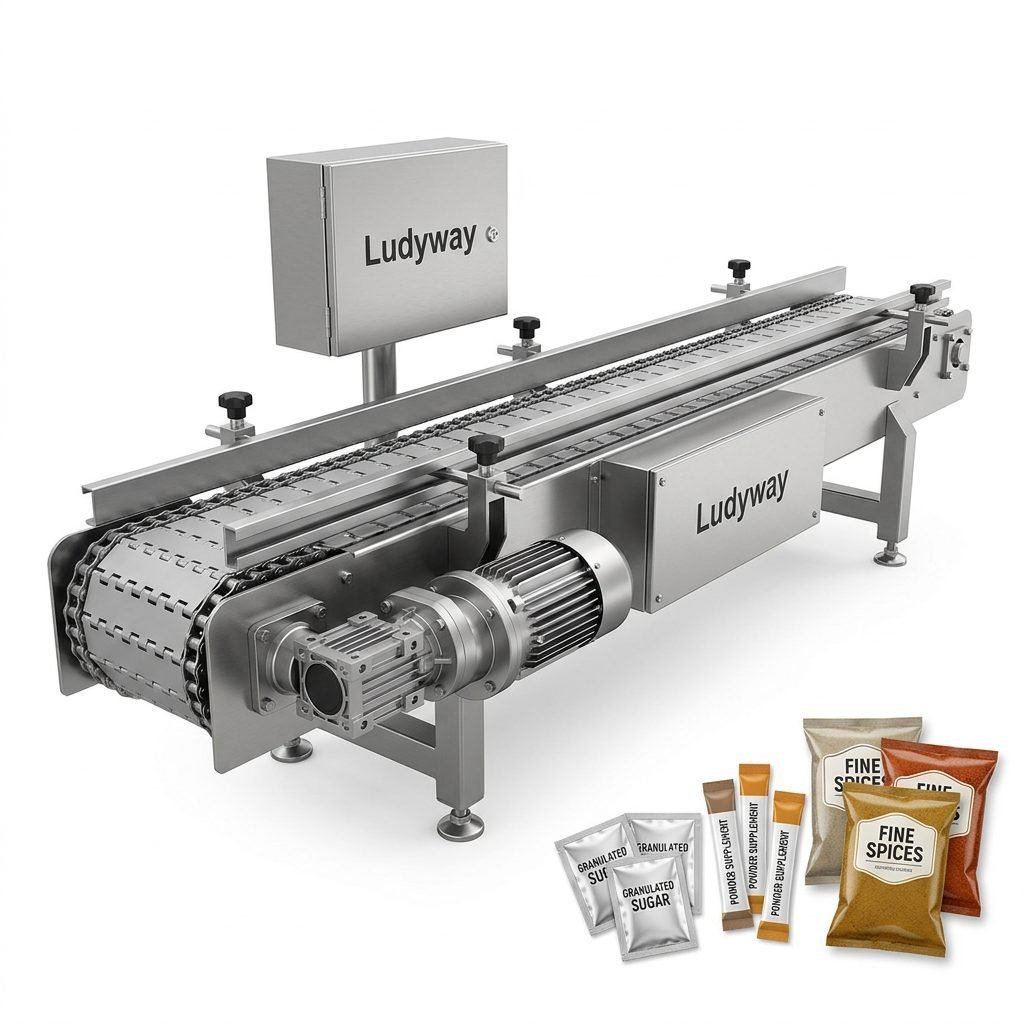
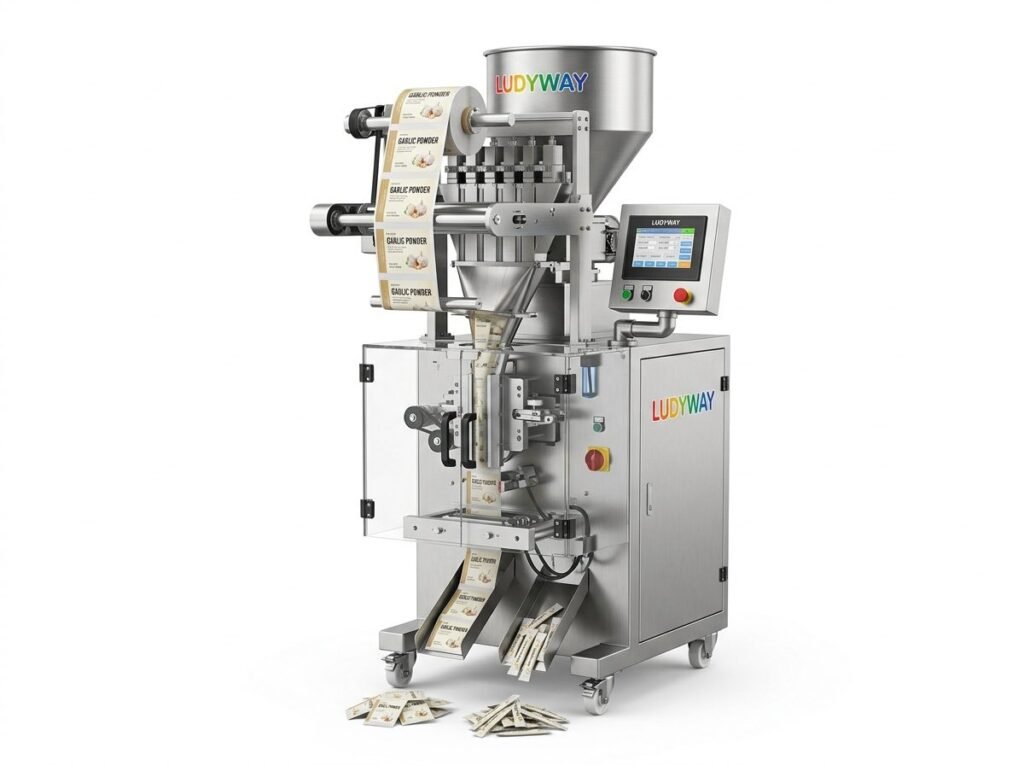
- Flat sachets: The dominant format for seasoning pastes, chili sauces, and liquid condiments used in meal kits. Three-side-seal or four-side-seal sachets dominate the Indonesian and Thai markets for their cost-effectiveness and ease of tearing.
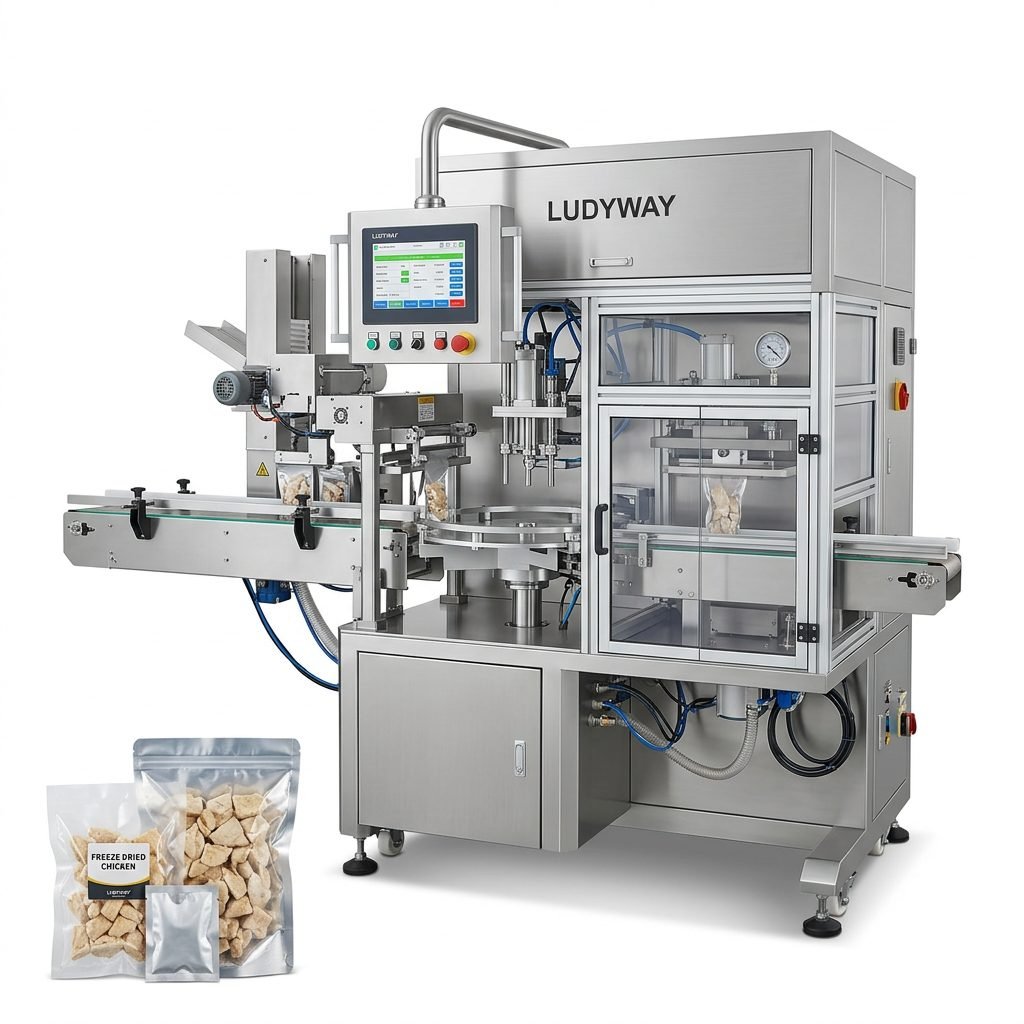
- Pre-made pouches: Increasingly used for premium freeze-dried meal components, marinated proteins, and complete ready-to-cook kits. Stand-up pouches with zippers offer superior shelf appeal and resealability, a growing trend in urban supermarkets from Bangkok to Manila.
- Multi-compartment pouches: Advanced packaging that separates dry and wet ingredients within a single unit, ideal for instant noodle kits with separate oil sachets or curry kits with spice paste compartments.
Key Specifications to Evaluate for Southeast Asian Operations
Not all packaging machines are built for the environmental and operational realities of Southeast Asia. High humidity, fluctuating power supply, and the need for halal-compliant production demand specific machine attributes.
Climate Resilience and Durability
Humidity and temperature resilience cannot be overstated. Production floors in Ho Chi Minh City or Jakarta often exceed 35°C with 85% relative humidity. Machines must feature corrosion-resistant stainless steel frames, sealed electrical cabinets with IP65-rated protection, and components designed to prevent condensation-related malfunctions. Look for manufacturers who use 304 or 316L stainless steel for all product-contact parts and frame construction.
Voltage Stability and Power Requirements
Voltage fluctuation is common in many Southeast Asian industrial zones. Your packaging machine should include a built-in voltage stabilizer or be compatible with external regulation systems. Confirm that the control system supports both 50Hz and 60Hz frequencies without performance loss. Servo-driven machines with closed-loop feedback offer superior tolerance to electrical instability compared to older pneumatic systems.
Changeover Flexibility
The Southeast Asian meal kit market demands frequent product changeovers. A contract packaging operation in Malaysia might run curry sachets in the morning, coffee sticks in the afternoon, and collagen powder pouches at night. Machines with tool-less changeover features, recipe memory storage, and quick-release hoppers dramatically reduce downtime. Opt for equipment where a single operator can complete a full format change in under 15 minutes.

Filling Technology: Matching Product Characteristics
Meal kit components span the full spectrum from free-flowing dry granules to high-viscosity pastes and liquid oils with suspended solids. Choosing the wrong filler leads to giveaway, inconsistent portioning, and product contamination.
| Product Type | Recommended Filler | Key Feature |
|---|---|---|
| Dry seasoning powders | Auger filler or multi-head weigher | Accuracy ±0.5% with closed-loop feedback |
| Granule ingredients | Volumetric cup filler | High speed up to 80 fills per minute |
| Liquid sauces and oils | Piston pump or magnetic pump | No-drip nozzle for clean sealing area |
| Pastes and chunky sauces | Positive displacement pump | Handles particulates up to 15mm |
| Mixed wet-dry kits | Combination filling stations | Sequential fills in a single machine pass |
Production Speed and Scalability Planning
Your machine’s rated speed must be assessed against real-world achievable output under Southeast Asian operating conditions. A machine rated at 120 packs per minute in a controlled European facility might deliver 85 to 95 packs per minute in a Vietnamese factory due to material variability and environmental factors.
Multi-lane configurations are the dominant choice for high-volume meal kit producers. A single-lane machine suits startups producing fewer than 15,000 units daily, but operations targeting 100,000+ units per day should invest in 6-lane, 8-lane, or 10-lane stick pack and sachet systems. Plan for scalability: a modular machine platform that allows you to add lanes as demand grows protects your capital investment and avoids total line replacement.

Certifications and Compliance for Southeast Asian Markets
Navigating the regulatory landscape is essential for smooth market access. Different Southeast Asian countries impose distinct requirements that directly influence machine design and documentation.
- Halal certification: In Malaysia and Indonesia, the packaging process itself must comply with halal standards. Machines must have segregated lubrication systems that prevent cross-contamination with non-halal substances, and stainless steel surfaces must be free of alcohol-based cleaning residues. Request a halal compliance certificate for machinery when sourcing, particularly if you co-pack for export markets in the Middle East.
- FDA and EU compliance: Many Southeast Asian manufacturers export meal kits to North America and Europe. Machines should comply with FDA 21 CFR Part 11 for electronic records, and materials must meet EU Regulation 1935/2004 for food contact compliance.
- GFSI standards: Global Food Safety Initiative standards such as BRC, FSSC 22000, and IFS require full traceability. Your machine must integrate with SCADA systems for real-time data logging, batch recording, and automated rejection of non-conforming packs.
After-Sales Support and Spare Parts in the Region
A packaging machine is a long-term operational asset, and after-sales support in Southeast Asia can make or break your production schedule. Before purchasing, confirm the following:
Local technical support: Does the manufacturer have service engineers stationed in Southeast Asia, or do they rely on fly-in technicians from China or Europe? Response time under 48 hours for critical failures should be the standard, and remote diagnostic capability via VPN or IoT connectivity is increasingly expected.
Spare parts availability: Insist on a comprehensive recommended spare parts list with estimated consumption rates. Critical wear components such as sealing jaws, cutting blades, Teflon belts, and heater cartridges should be stocked locally or held in your inventory. Ask about express courier arrangements for emergency parts shipments to avoid customs delays.
Integration with Existing and Future Production Lines
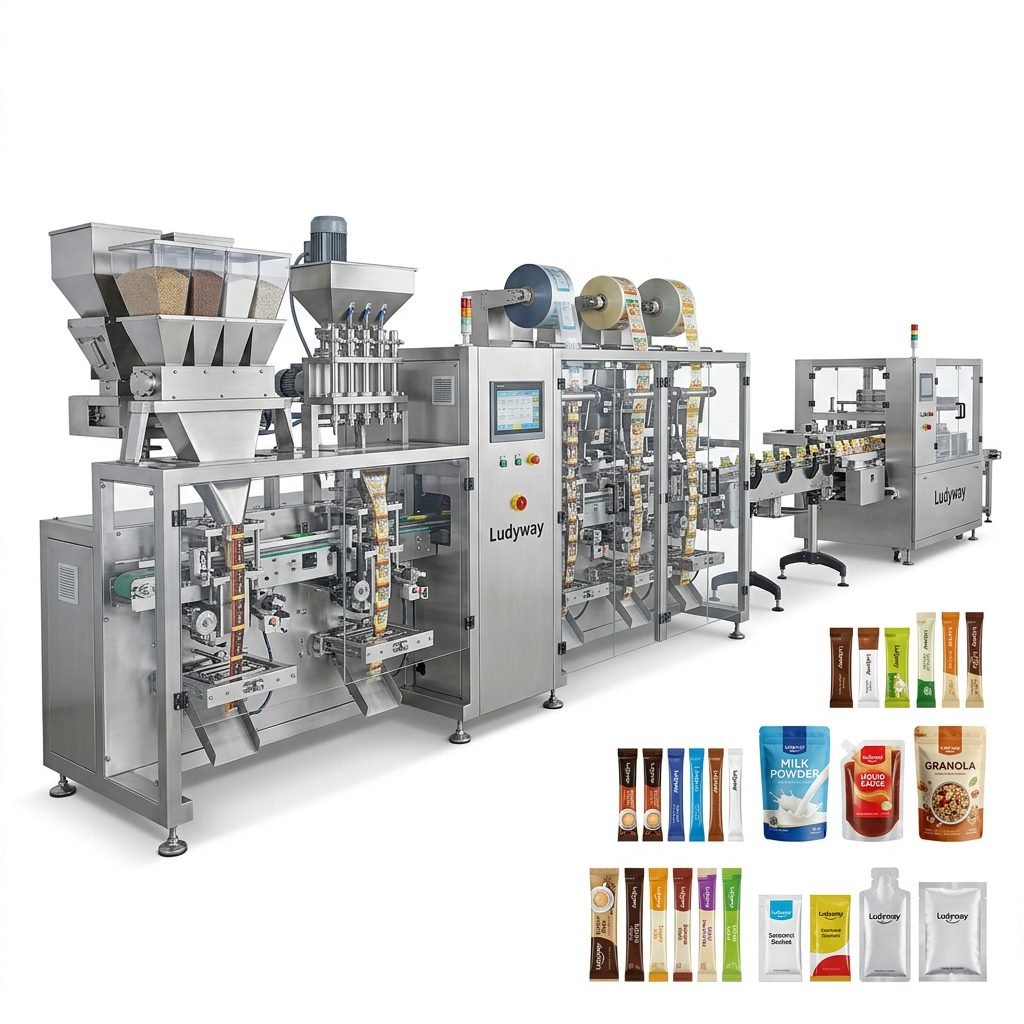
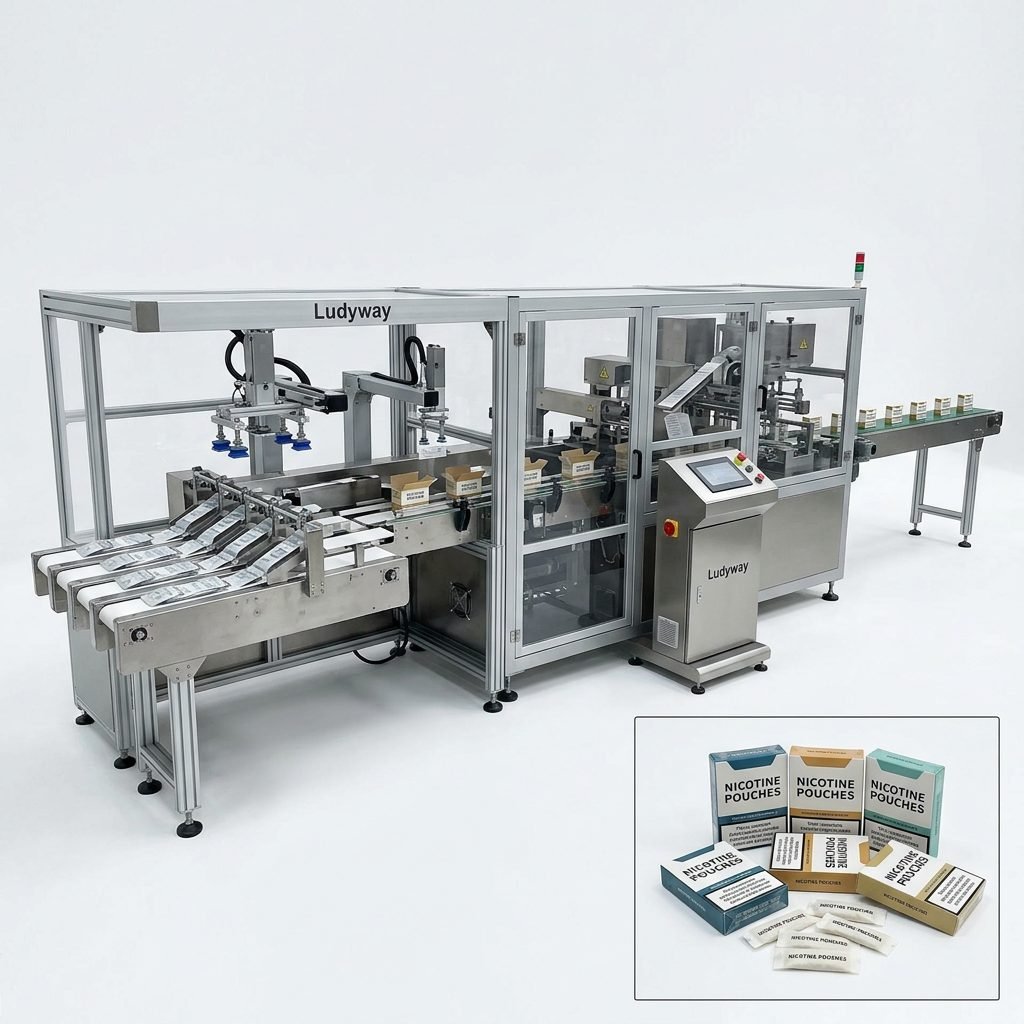
A standalone packaging machine delivers limited value if it cannot communicate with upstream and downstream equipment. Southeast Asian factories are rapidly moving toward lights-out manufacturing with minimal human intervention. Your meal kit packaging machine should integrate seamlessly with automatic feeding conveyors, checkweighers, metal detectors, X-ray inspection systems, and automatic cartoning machines.
For operations handling frozen meal kits or temperature-sensitive probiotics, integration with nitrogen flushing systems and modified atmosphere packaging modules is critical to extending shelf life in tropical climates. Ask potential suppliers to provide turnkey line engineering that covers the complete workflow from raw material infeed to palletized finished goods.
Budget Considerations and Total Cost of Ownership
Price shopping on upfront equipment cost alone is a dangerous strategy in the packaging machinery sector. A low-cost machine that experiences frequent downtime, generates excessive film waste, and requires constant technician intervention will cost far more over its lifespan than a premium machine with higher initial investment.
Calculate total cost of ownership (TCO) over a minimum five-year period, factoring in film waste rates, energy consumption, spare parts, labor requirements, and expected uptime percentage. A machine achieving 95% OEE (Overall Equipment Effectiveness) with a 15% higher purchase price will typically deliver a faster ROI than a 75% OEE budget alternative. Request real performance data from reference customers in Southeast Asia with similar product profiles and production volumes.
Screening Potential Suppliers and Factory Visits
Due diligence on packaging machine manufacturers is non-negotiable. A legitimate supplier should willingly provide reference contact details for existing customers in Southeast Asia, a detailed factory tour — either in-person or via live video walkthrough — and documentation of their quality management system certification, typically ISO 9001 or higher.
When evaluating a manufacturer, look for evidence of a dedicated engineering team, in-house CNC machining capability, and a structured testing protocol that includes Factory Acceptance Testing with your actual product before shipment. As one of the largest packaging machine manufacturers in China, Ludyway provides turnkey packaging solutions including multi-lane stick pack, sachet, and fully automated packaging systems, with a 20,000㎡ modern production facility and over 30 years of industry experience serving customers in more than 100 countries.

Film Material Compatibility and Sustainability Trends
The shift toward recyclable mono-materials and biodegradable laminates is accelerating in Southeast Asia, driven by retailer mandates and consumer demand. Your packaging machine must handle the narrow sealing window of these next-generation films without compromising seal integrity or production speed. Machines with digital temperature control with PID regulation and independently adjustable sealing jaws are better equipped to process temperature-sensitive sustainable films.
Additionally, film thickness continues to trend downward as brands seek to reduce plastic consumption. Equipment capable of reliably handling films as thin as 35 microns without tearing or misalignment positions you for long-term material flexibility and cost savings.
Making the Final Decision
Selecting the right meal kit packaging machine for Southeast Asia is a strategic decision that impacts your brand, your cost structure, and your ability to scale. Prioritize suppliers who demonstrate deep regional knowledge, proven machine reliability in tropical climates, responsive local support, and a roadmap for future integration. Conduct thorough testing with your actual products, visit reference sites, and structure a maintenance agreement that guarantees uptime performance. With a methodical evaluation process and a focus on total lifetime value rather than initial price, your packaging line investment will become a powerful competitive advantage in one of the world’s most dynamic food markets.